
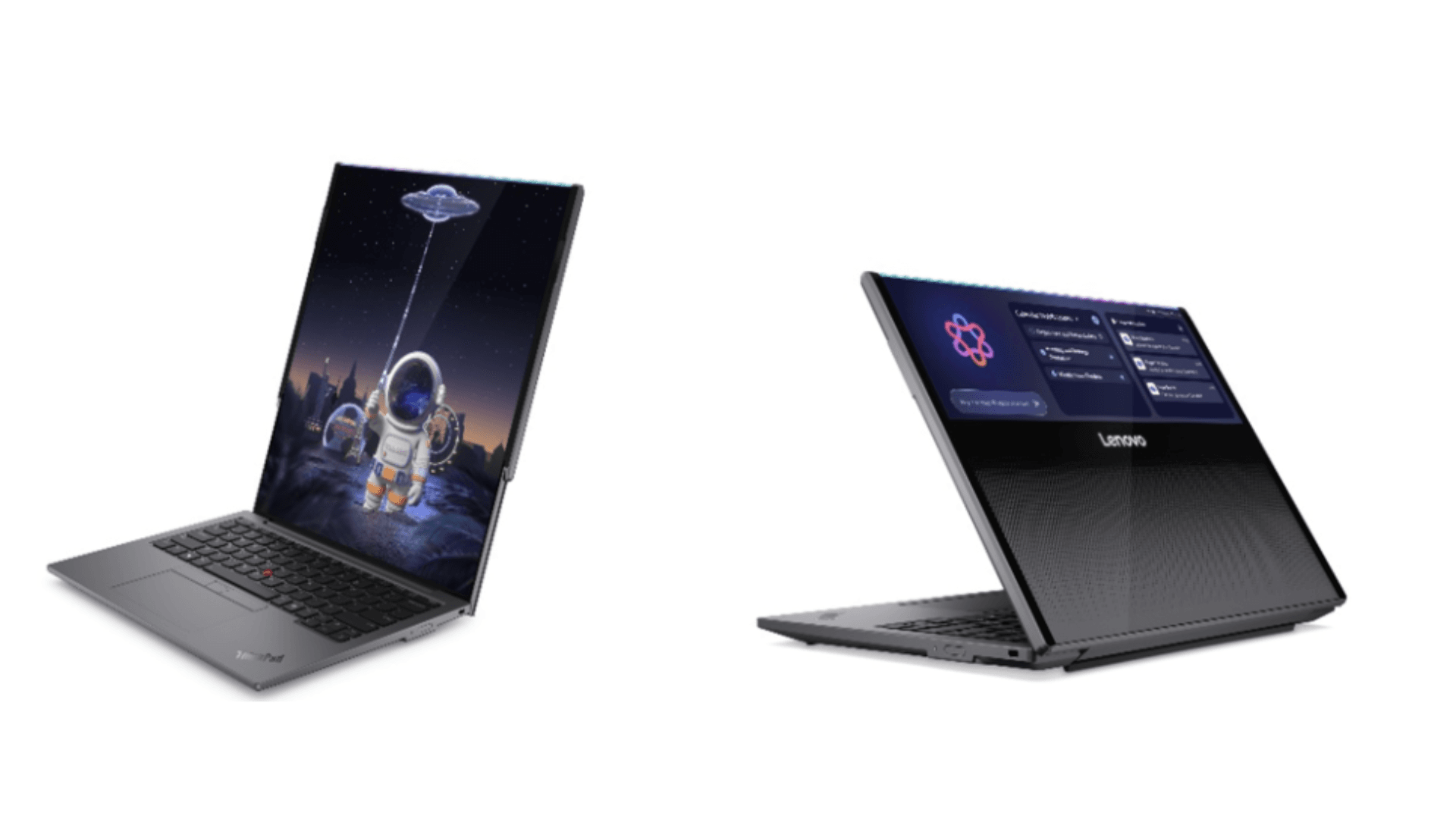
Lenovo unveiled two rollable laptop concepts at CES 2026, expanding its flexible display technology to gaming and business segments. The Legion Pro Rollable targets esports competitors with a 16-inch screen that expands to 24 inches, while the ThinkPad Rollable XD offers business users a 13.3-inch display that grows to 16 inches vertically.
Both devices build on Lenovo's rollable display development that began with the ThinkBook Plus Gen 6 Rollable at CES 2025. The company has been experimenting with flexible screen technology for years, with the ThinkBook Plus Gen 6 marking its first commercial rollable laptop launch last year.
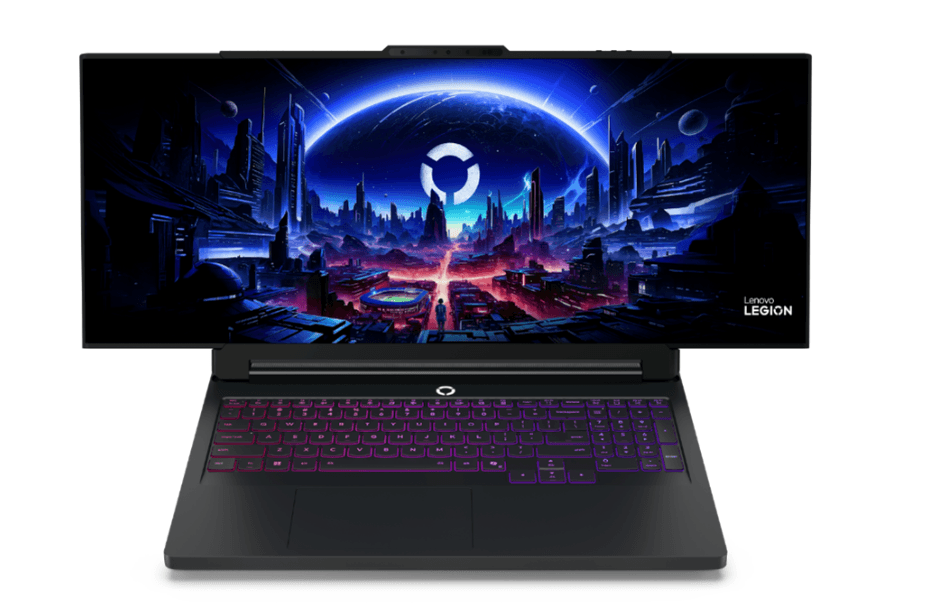
The Legion Pro Rollable features a PureSight OLED gaming display that expands horizontally from 16 inches to 21.5 inches in Tactical Mode, then to 24 inches in Arena Mode. Lenovo positions the device for esports professionals who need large tournament-style displays while traveling. The laptop reportedly includes flagship hardware like Nvidia's RTX 5090 mobile GPU and Intel Core Ultra 9 processors.
A dual-motor system powers the display expansion, minimizing vibration and noise during operation. The screen transitions instantly without black flashes or loading overlays, according to hands-on demonstrations at Lenovo's CES showcase in the Las Vegas Sphere.
The ThinkPad Rollable XD takes a different approach with vertical expansion. Its 13.3-inch display rolls up and over the top of the laptop to reach 16 inches, providing 50% more screen real estate. An external touchscreen on the lid offers interactive widgets for AI assistants, sticky notes, and weather information.
Business users gain advanced multitasking capabilities with the expanded workspace, while the rear-facing display serves as a secondary presentation screen. The device features Gorilla Glass Victus 2 protection and can be activated by swiping a finger across the top edge of the display.
Both concepts face durability questions common to rollable displays, particularly regarding scratch resistance and long-term mechanical reliability. Lenovo representatives noted users can close the lid while screens are fully expanded, though this may impact display longevity.
For gaming applications, the Legion Pro Rollable addresses esports training needs where players typically compete on 24-inch ultra-wide monitors. Traditional gaming laptops struggle to match this screen size while maintaining portability, creating a niche for expandable displays.
The ThinkPad Rollable XD integrates AI features including live translation, voice assistance, and AI-powered interactions that work with the lid closed. Users can access swipe gestures and voice controls alongside traditional input methods.
Neither device has confirmed release dates or pricing, remaining concept demonstrations for now. Lenovo tends to develop such concepts into commercial products, suggesting potential market availability later in 2026 based on previous rollable device timelines.
Industry analysts question whether sufficient consumer demand exists for rollable laptops given their expected premium pricing. Casual gamers could achieve similar screen expansion with external monitors at lower cost, while business users may prefer traditional multi-monitor setups.
The rollable concepts represent Lenovo's continued push into flexible display innovation following last year's commercial launch. The company maintains multiple rollable development tracks across gaming, business, and consumer segments, indicating long-term commitment to the technology.
CES 2026 featured over a dozen Lenovo computer announcements including redesigned ThinkPad X1 Carbon models with improved repairability. The company's broader portfolio refresh suggests 2026 will be a significant year for Lenovo across multiple product categories.
Both rollable laptops demonstrate functional engineering with immediate screen expansion capabilities. The technology moves beyond proof-of-concept stages toward practical implementation, though commercial viability remains unproven in competitive laptop markets.
Lenovo's dual-concept approach tests rollable technology across different use cases simultaneously. Gaming applications emphasize screen size and refresh rates while business uses focus on productivity and collaboration features, providing diverse data points for future development.
The company's partners including AMD, Intel, Nvidia, and Qualcomm participated in CES demonstrations, suggesting ongoing collaboration on rollable display integration with next-generation processors and graphics solutions.
As rollable technology matures, durability improvements and cost reductions will determine mainstream adoption. Current concepts showcase engineering achievements while highlighting remaining challenges for flexible display commercialization in mobile computing devices.