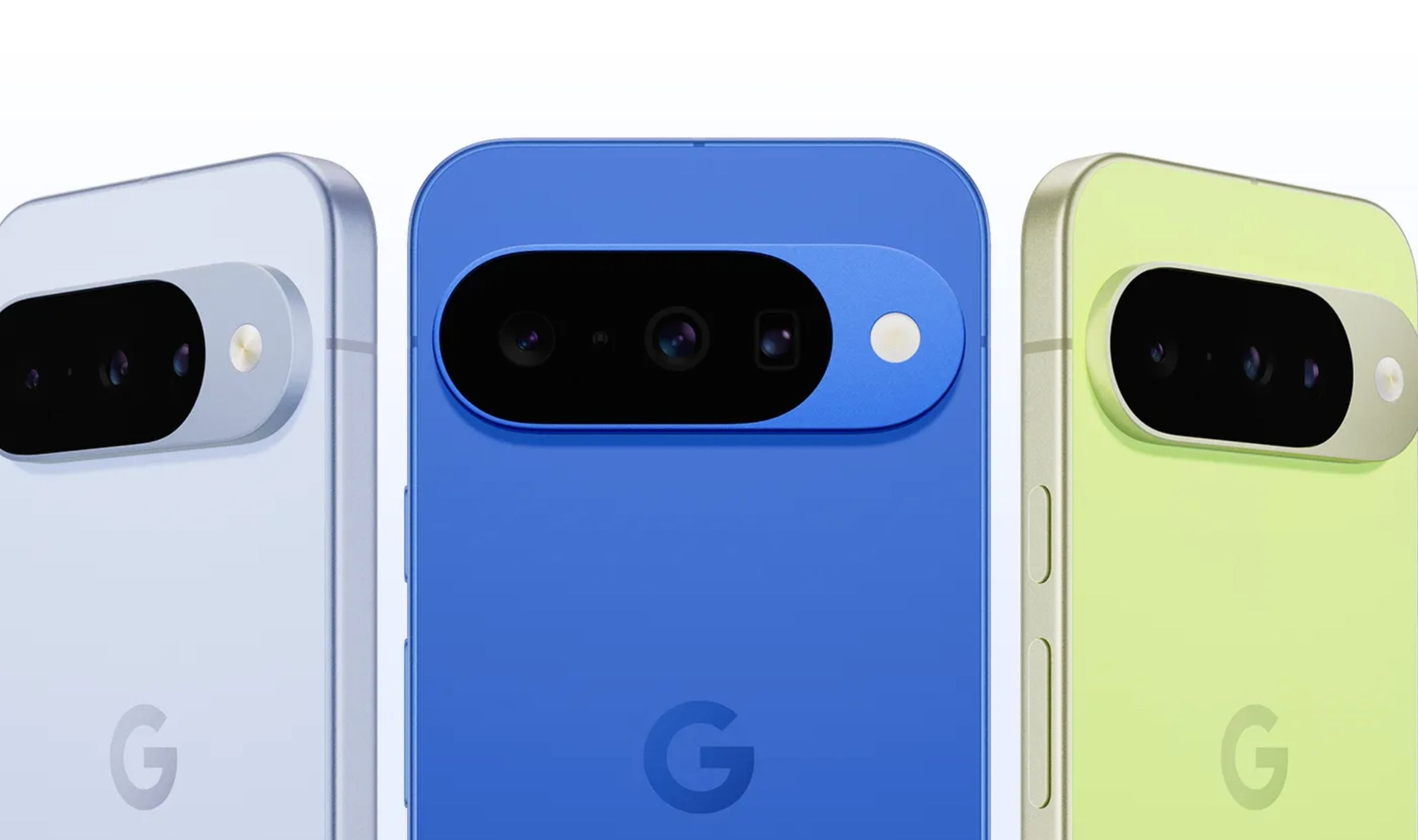
A retired Pixel phone has about half the computing power of a modern server. Google wants to use 2,000 of them to prove old hardware can replace new infrastructure. The company, working with researchers at the University of California San Diego, published a research blog on June 12 outlining a project called phone cluster computing.
Instead of refurbishing old phones or sending them to recyclers, Google is extracting their motherboards, stripping away displays, batteries, cameras, and casings, and networking the remaining processors into low-carbon computing clusters. The motherboard alone accounts for roughly 50 percent of a smartphone's total embodied carbon, based on Google's internal assessments.
Embodied carbon is the emissions generated from mining raw materials and manufacturing hardware in the first place. While data centers have made progress cutting operational energy use, the manufacturing footprint remains a much harder problem to solve.
People replace their phones roughly every four years, often when the internal hardware is still fully functional. Google's argument is simple: reusing that hardware avoids the need for new raw material extraction and new manufacturing.
SPEC benchmarking results show that 25 to 50 stripped-down smartphones grouped together can match the compute output of a modern server for specific workloads. The phones are organized into self-managing clusters running containerized applications through Kubernetes, the same orchestration platform used across modern cloud infrastructure. The Android operating system is replaced with a general-purpose Linux distribution to make the devices programmable for cloud tasks.
UC San Diego is already planning a large-scale deployment using approximately 2,000 retired Pixel smartphones. Early experiments show that a cluster of just 20 phones can handle peak submission rates for a class of more than 75 students, with grading speeds comparable to Amazon's cloud backend. The full 2,000-phone system, expected to launch in Fall 2026, could support a hundred such classes simultaneously.
The project is explicitly not aimed at competing with the specialized GPUs that power large-scale AI models like Gemini. Instead, it targets lighter workloads: educational platforms, cloud-hosted development environments, grading systems, web services, and Jupyter notebook platforms common in university computer science courses.
For now, this remains a university research project, not a commercial product. But the underlying math is hard to ignore.
Billions of discarded phones exist worldwide, and the demand for data center capacity keeps rising. The Fall 2026 deployment will also serve as a testbed for how reliably consumer-grade hardware holds up under sustained, long-term use.