
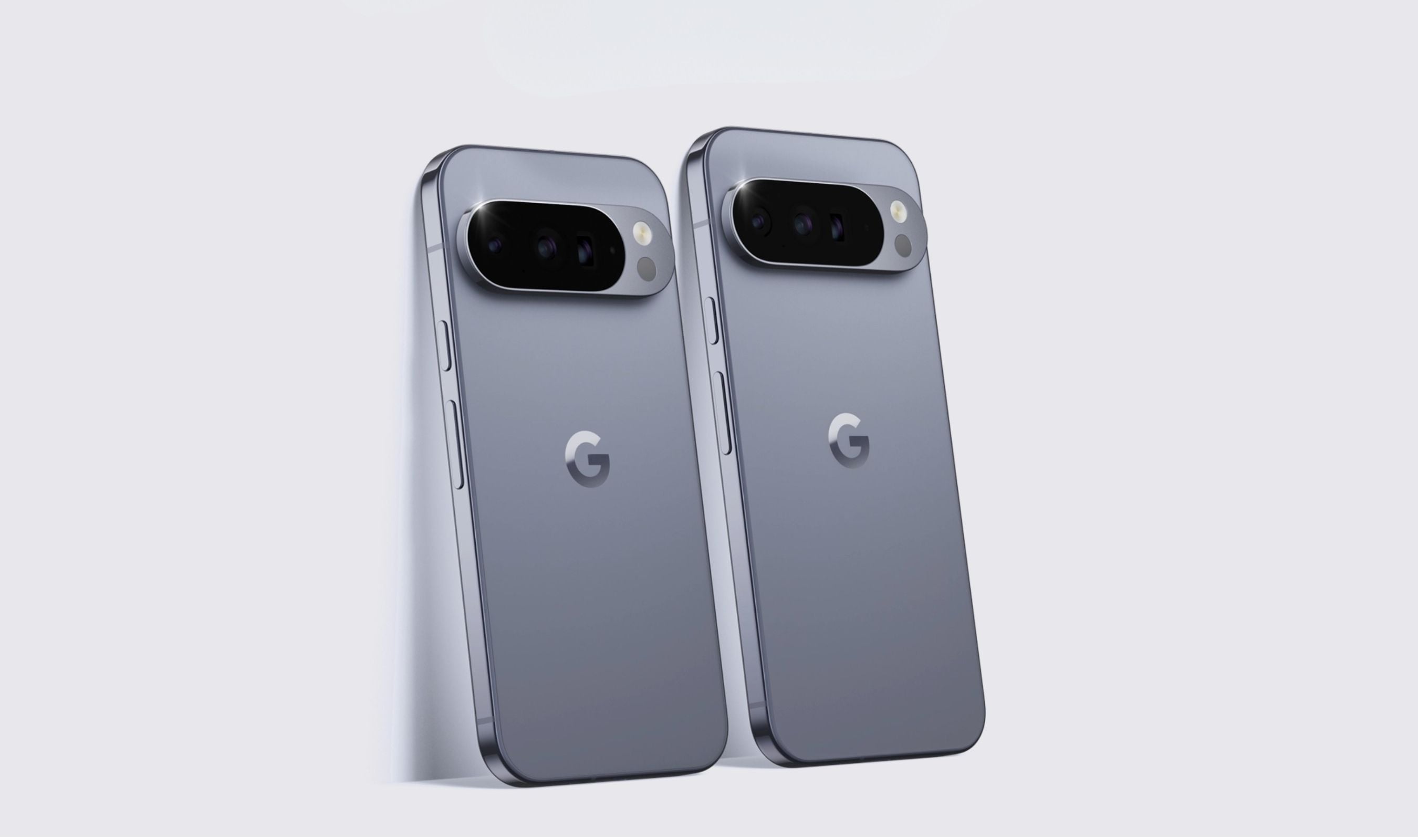
Google is trading its Pixel temperature sensor for flashy RGB lighting. A massive leak from tipster Mystic Leaks reveals the Pixel 11 series will swap the utility-focused sensor for "Pixel Glow," an RGB LED array embedded in the camera bar that mimics Nothing Phone's Glyph lighting system. The design change applies across the Pixel 11, 11 Pro, and 11 Pro XL. Google is reportedly removing the temperature sensor introduced with the Pixel 8 Pro in favor of a more compact, subtle LED setup. The Pixel 11 Pro Fold will also get the treatment.
Under the hood, the Tensor G6 chipset codenamed "Malibu" is the bigger story -- and it's a mixed bag. Built on a 2nm process, the processor uses ARM's latest C1 cores in a 1+4+2 configuration: one C1-Ultra core clocked at 4.11GHz, four C1-Pro cores at 3.38GHz, and two more C1-Pro cores at 2.65GHz.
ARM introduced its C1 cores in the second half of 2025, and they also power MediaTek's Dimensity 9500 chipset. The GPU situation is less impressive. Tensor G6 reportedly relies on an Imagination PowerVR C-Series CXTP-48-1536 GPU, a design that dates back to 2021. The "P" variant may be newer, but the core architecture is years old. Previous reporting had suggested better power efficiency from the GPU, so the aging choice could frustrate enthusiasts. The Pixel 11 base model, codenamed "Cubs," features a 6.3-inch OLED display with 1080x2424 resolution, a 60-120Hz refresh rate, 240Hz PWM dimming, and peak brightness of 3,100 nits. It carries a 4,840mAh battery with 8GB or 12GB RAM options and a new 50MP primary sensor codenamed "Chemosh." Available colors include black, green, pink, and purple. The Pixel 11 Pro ("Grizzly") keeps the same 6.3-inch size but upgrades to a 1280x2856 resolution with a 1-120Hz dynamic refresh rate and 3,600 nits peak brightness. It packs 12GB or 16GB RAM, a 4,707mAh battery, and new main and telephoto sensors codenamed "Bastet" and "Barghest."
Pixel 11 Pro XL ("Kodiak") steps up to a 6.8-inch OLED at 1344x2992 with the same 1-120Hz refresh range, 5,000mAh battery, and matching RAM and camera upgrades. The Pixel 11 Pro Fold ("Yogi") features a 2076x2160 foldable inner display with a 1-120Hz refresh rate and 3,500 nits peak brightness. The outer screen runs 1080x2342 at 60-120Hz with 3,600 nits peak.
It packs a 4,658mAh battery and shares the standard Pixel 11's primary camera sensor.
Google is also switching from Samsung to a MediaTek M90 modem, which supports 12 Gbps speeds, dual-active 5G, and satellite connectivity.
One notable absence: "Project Toscana," Google's infrared-based face unlock system, will not ship with the Pixel 11 series. The system is still being refined and isn't ready for deployment.
Google is expected to launch the Pixel 11 series in August 2026.