
Google's latest mid-range smartphone arrives March 5 at $499 with satellite emergency messaging and a brighter display, but carries forward last year's processor and camera hardware in what reviewers call one of the company's smallest generational upgrades.
The Pixel 10a maintains the same pricing structure as its predecessor at $499 for the base model with seven years of software support through 2033.
Pre-orders opened February 18 following Google's announcement, with full retail availability scheduled for early March across major carriers and international markets including Europe and Australia.
Hardware changes remain minimal compared to last year's Pixel 9a. The device retains the Tensor G4 chipset rather than adopting the newer Tensor G5 found in flagship models, marking a departure from previous A-series patterns where budget phones typically shared processors with their premium counterparts.
Display protection upgrades to Corning Gorilla Glass 7i while peak brightness increases to 3000 nits for better outdoor visibility.
Camera specifications show no hardware improvements over the previous generation, maintaining a dual-lens setup with 48MP main and 13MP ultrawide sensors.
Software enhancements include Camera Coach functionality that uses AI analysis to provide real-time photography guidance and Auto Best Take for optimizing group shots by selecting ideal facial expressions from multiple frames.
Battery capacity holds steady at 5100mAh but delivers extended runtime claims of over thirty hours under typical usage conditions according to manufacturer testing. Wireless charging speeds improve modestly to ten watts while wired charging increases to thirty watts for faster top-ups.
Satellite SOS capability represents the most significant new feature for emergency messaging without cellular or Wi-Fi connectivity, previously exclusive to Google's premium smartphone lineup.
The implementation allows users to contact emergency services in remote locations where traditional networks prove unavailable.
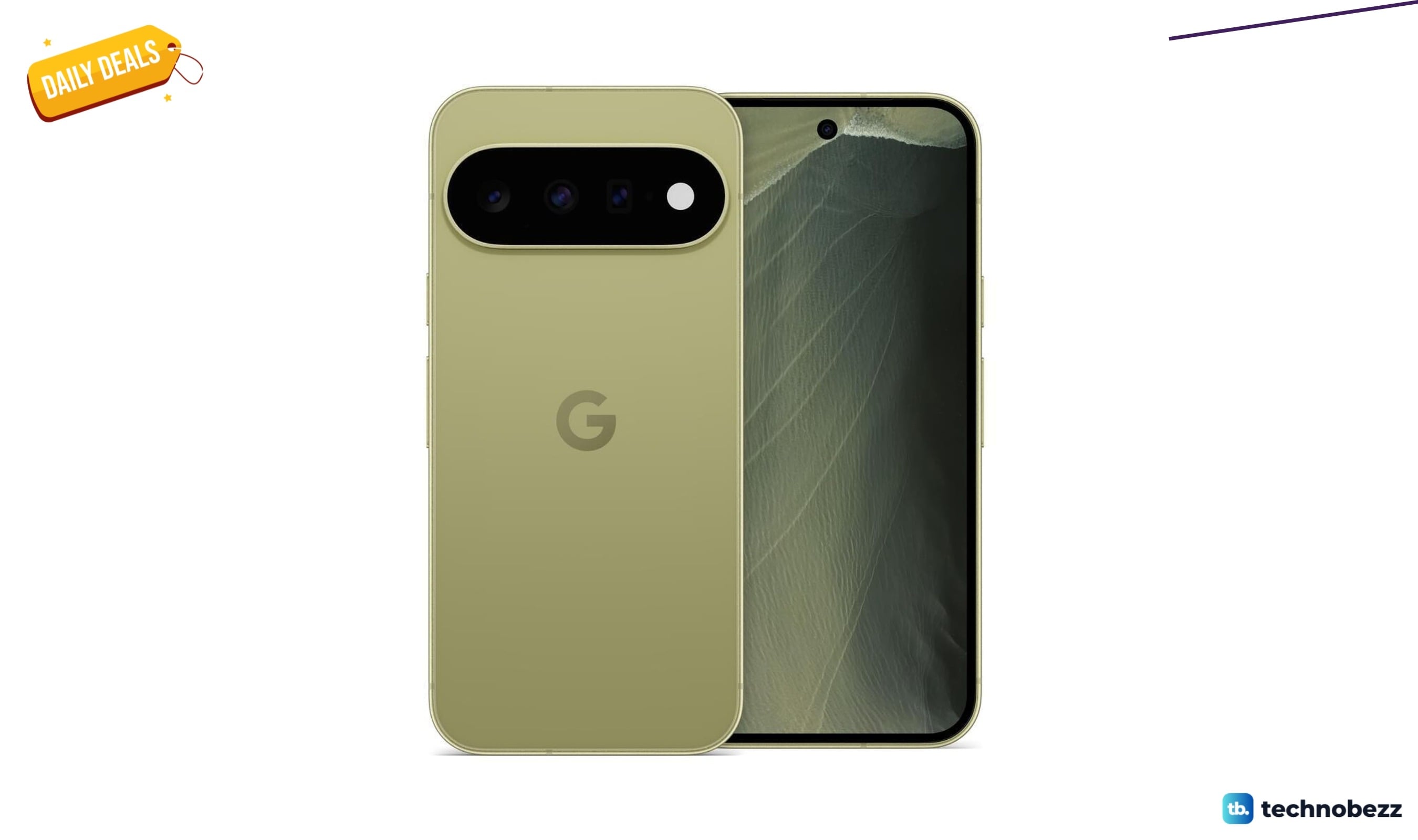
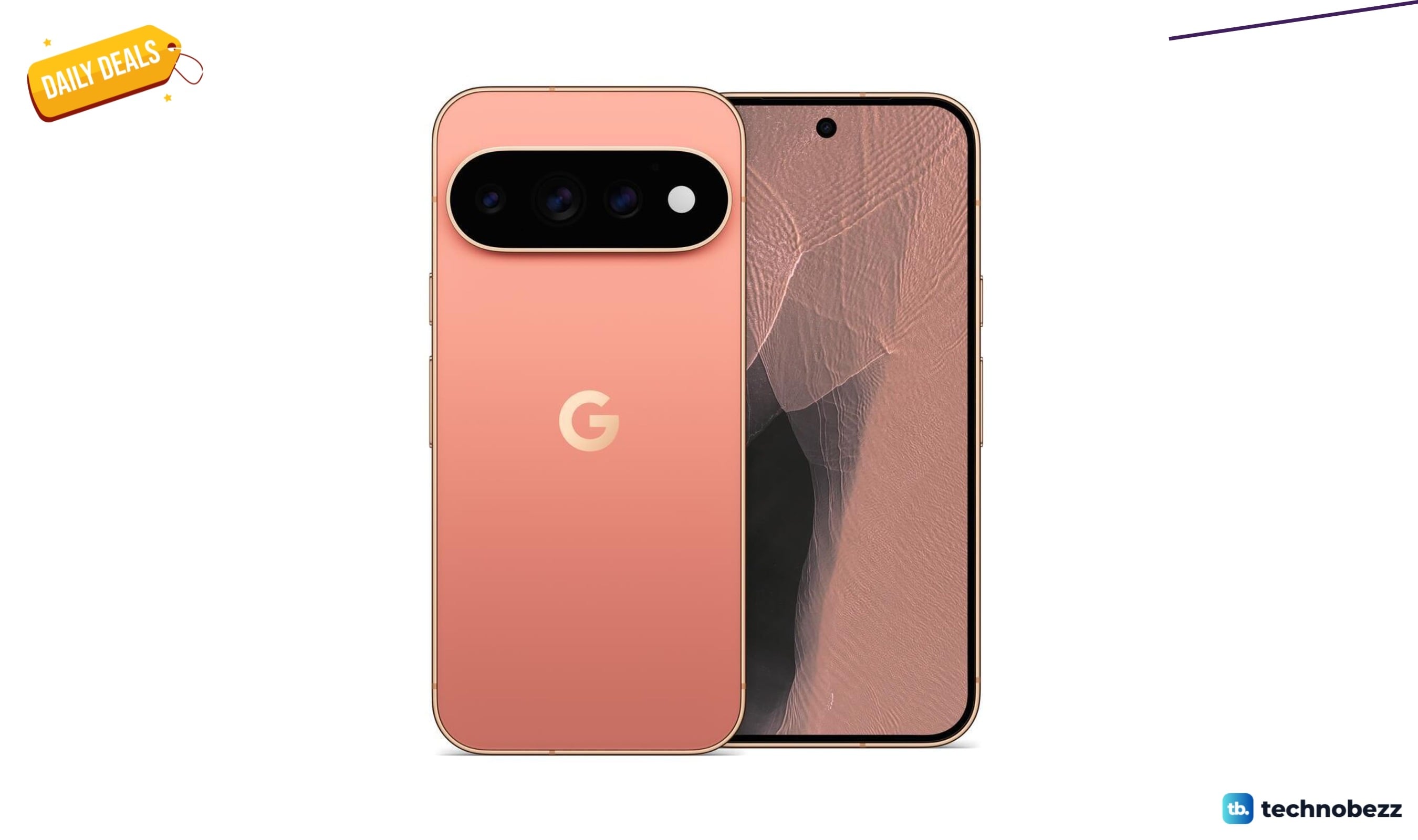
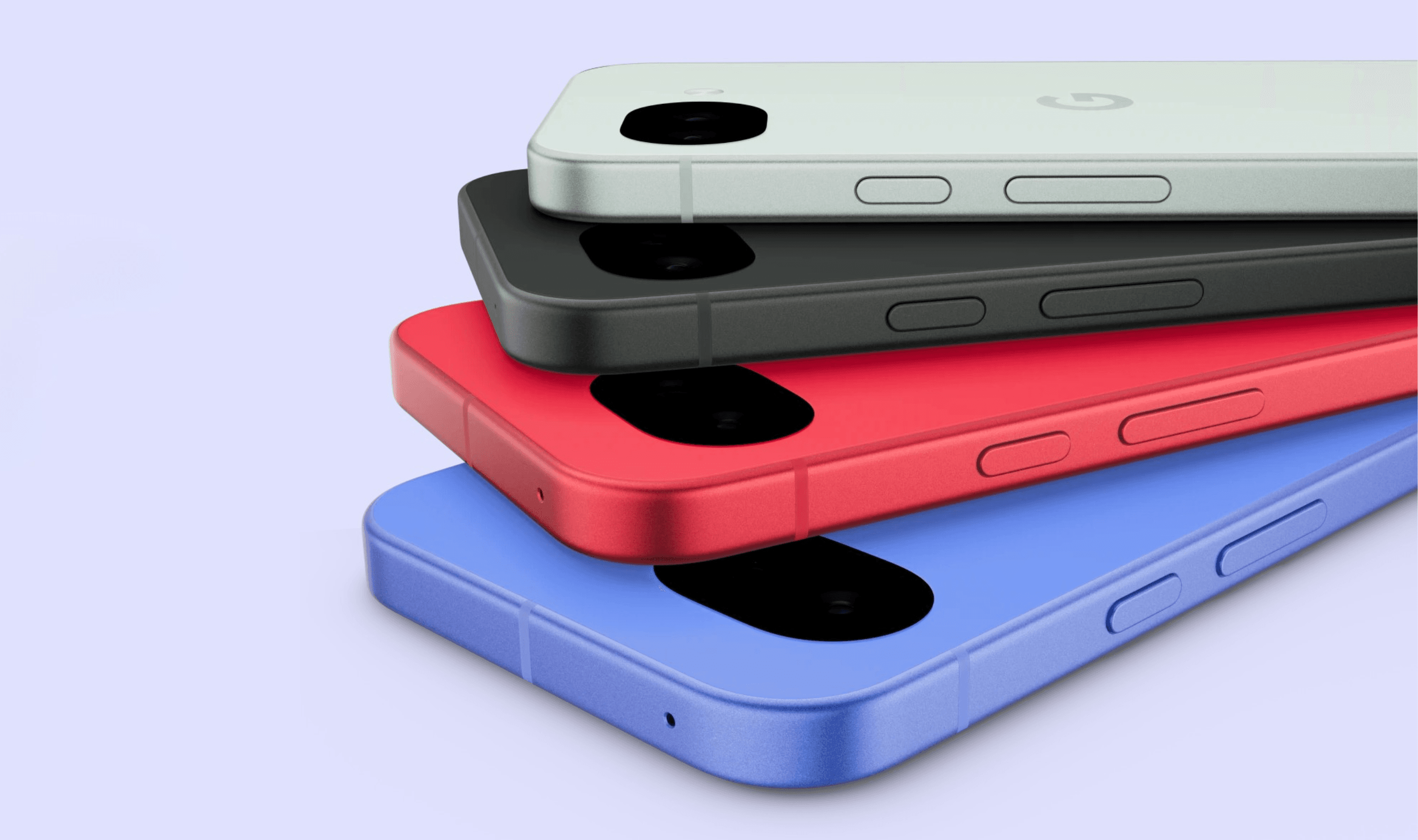
Environmental considerations factor into construction with fully recycled aluminum frames and sustainable material choices throughout the chassis design. Four color options include Lavender (purple-blue), Berry (reddish-pink), Fog (light green), and Obsidian (black), matching newly introduced Pixel Buds accessory colors.
Reviewers note the device feels more like an enhanced Pixel 9a than a true next-generation product given identical core specifications and minimal physical design changes beyond slightly refined camera housing that sits flush against the rear panel.
"The approach reflects industry-wide component cost pressures affecting mid-range smartphone development cycles," according to market analysis.
Software support extends through Android version updates until approximately seven years post-launch alongside regular security patches and feature drops maintaining parity with premium Pixel models despite hardware limitations preventing certain AI capabilities available on higher-end devices.
The device ships with Android 16 out of the box and includes 8GB of RAM with storage options of 128GB or 256GB, plus IP68 water and dust resistance.
Market positioning targets consumers seeking long-term software support and computational photography advantages without flagship pricing amid increasing competition from Samsung's Galaxy A-series and other budget Android alternatives offering more substantial year-over-year hardware improvements.
Early hands-on impressions highlight consistent camera performance and bright screen quality while acknowledging limited incentive for existing Pixel owners to upgrade given similar user experiences between consecutive generations.