
The AI industry has a power problem that chips alone can't solve. Standard data centers are built for steady-state consumption. AI factories operate at extreme computational intensity, creating massive, dynamic power spikes that destabilize local grids.
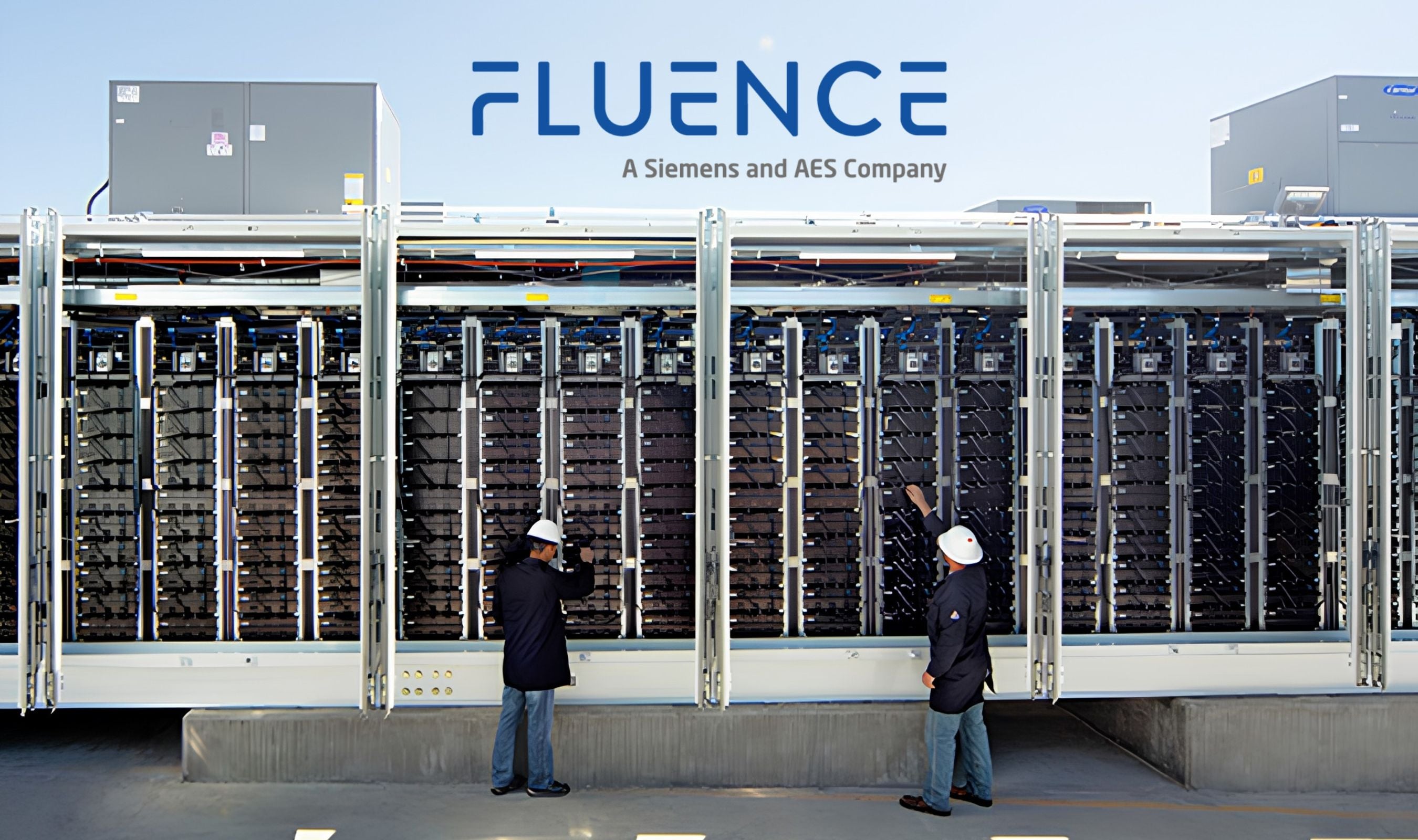
You can't fix this by building more power plants, it requires on-site energy storage that smooths loads, stabilizes voltage, and keeps multi-million-dollar GPU racks running clean. That gap just turned Fluence Energy (NASDAQ: FLNC) into one of the most surprising AI infrastructure plays of 2026.
Fluence shares surged 44% in a single day on June 1 after Siemens published a reference architecture for a 136-megawatt AI data center built around NVIDIA's DSX Vera Rubin NVL72 supercomputer. Within that blueprint, Fluence's SmartStack Battery Energy Storage System is named as the prescribed solution, not one option among many, but the specified hardware for managing power delivery to NVIDIA's most advanced systems. The endorsement effectively embeds Fluence into NVIDIA's technical sales process. When hyperscalers buy Vera Rubin systems, the reference design tells them exactly which energy storage to use.
This is not a speculative meme rally. Prior to the announcement, Fluence carried 25.19 million shares short, 13.76% of the public float. The news triggered a short squeeze that amplified the move, but the underlying catalyst is structural. The Siemens blueprint specifies battery duration of two to three hours, a significant jump from the industry-standard one hour, reflecting the unique demands of AI compute loads.
Fluence's financials tell a more complicated story. The company reported Q2 fiscal 2026 revenue of $464.9 million, a 7.7% year-over-year increase that missed the analyst consensus of $622 million.
Timing bottlenecks in Vietnam and Spain delayed shipments. GAAP gross margins remain negative. But the market is looking past the quarter and focusing on the pipeline. Fluence holds a record $5.6 billion backlog and disclosed a 12-gigawatt-hour project pipeline specifically for data center work.
It has already secured two Master Supply Agreements with major unnamed hyperscalers. In May 2026, existing controlling stockholders completed a $420 million secondary offering of 20 million shares at $21 per share; Fluence did not sell any shares and received no proceeds from the transaction.
Institutional ownership sits at roughly 53%, and recent 13F filings show meaningful accumulation by asset managers. The stock now trades at a forward price-to-earnings multiple above 100x, a valuation typically reserved for high-growth tech infrastructure companies, not hardware vendors.
Wall Street remains cautious. The consensus rating is "Hold" across 20 analysts, with a price target of $18.47.
UBS downgraded the stock to "Sell" in April, arguing that a coming supply surge in utility-scale battery storage from 2027 will pressure margins. HSBC upgraded from "Reduce" to "Hold" with a $19 target. The bear case is real. The Siemens reference design is not a binding purchase order.
Fluence is still unprofitable, and converting a $5.6 billion backlog into recognized revenue at healthy margins is an execution challenge, not a guarantee. The secondary offering by controlling stockholders added 20 million shares to the public float, increasing the share count and diluting existing shareholders. But the market is re-categorizing Fluence in real time. It is no longer a cyclical clean-energy hardware vendor.
It is a named component in the official deployment template for NVIDIA's next-generation AI factories, and that changes the math on what the company is worth.