
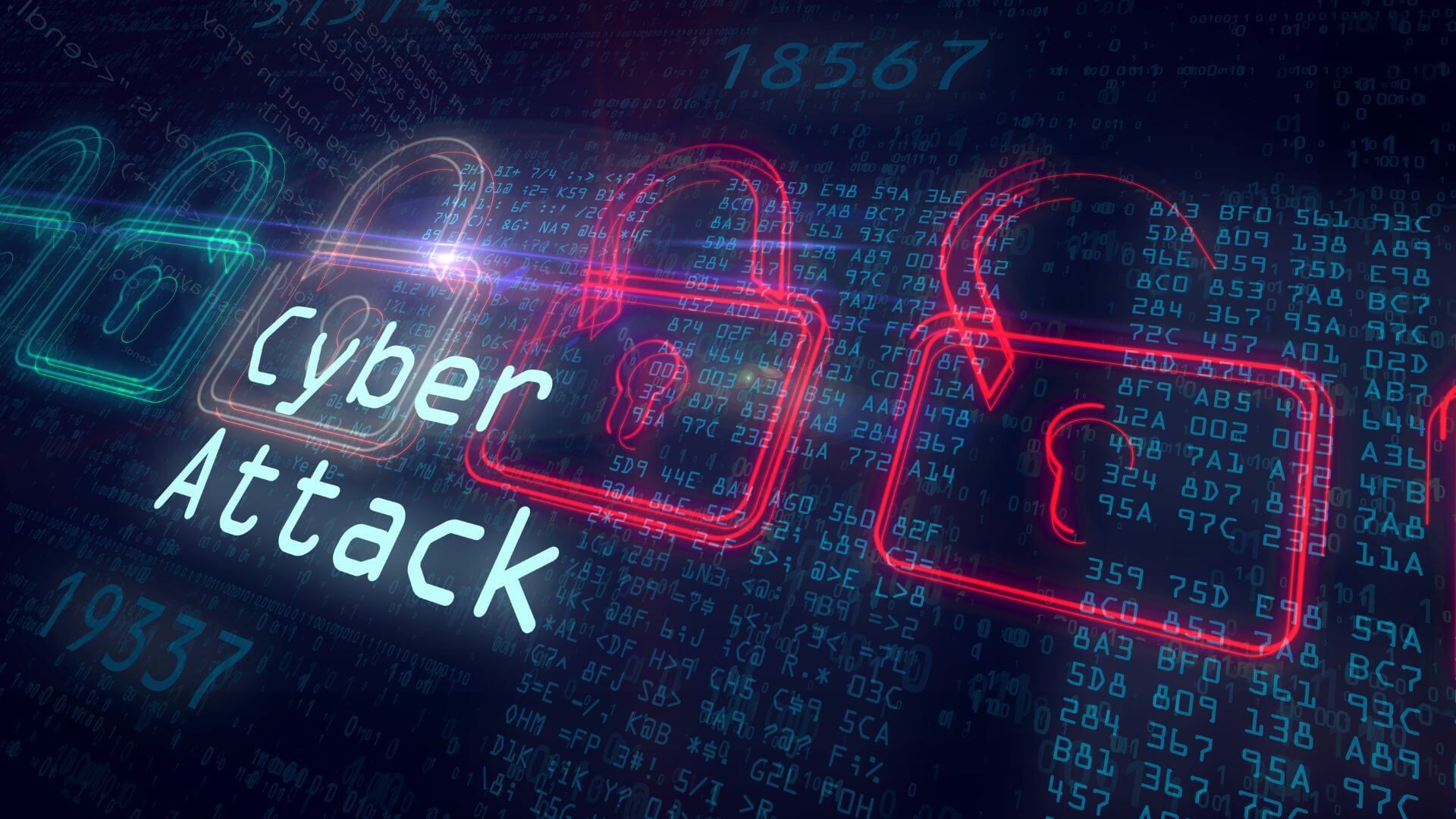
The University of Phoenix confirmed a data breach affecting 3.5 million individuals, with the Clop ransomware group exploiting a zero-day vulnerability in Oracle's enterprise software.
Attackers accessed systems between August 13-22, 2025, but the university only detected the intrusion on November 21. Clop listed the institution on its dark web leak site one day earlier, forcing the investigation that confirmed the compromise.
Compromised data includes full names, contact details, dates of birth, Social Security numbers, and bank account information. The breach affects current and former students, employees, faculty, and suppliers of the for-profit university.
Security researchers attribute the attack to the Clop ransomware group, which exploited a zero-day vulnerability in Oracle's E-Business Suite tracked as CVE-2025-61882. The group, which cybersecurity researchers have described as Russian-linked, has targeted this same flaw in a broader campaign affecting over 100 organizations across multiple sectors.
"This is the fourth-largest ransomware attack in the world this year based on records affected," said Rebecca Moody, head of data research at Comparitech.
The breach ranks among the most significant education sector incidents reported in 2025, as reported by Infosecurity Magazine.
The University of Phoenix detected unauthorized access on November 21, according to filings with the Maine Attorney General's Office. The exact impact reaches 3,489,274 individuals, including 9,131 Maine residents.
Clop's attack methodology represents a shift from traditional ransomware encryption to data extortion. The group steals sensitive information and threatens to leak it publicly unless victims pay ransom demands, avoiding some detection methods while maximizing leverage.
The breach forms part of a larger pattern targeting U.S. universities through enterprise software vulnerabilities. Harvard University, the University of Pennsylvania, and Dartmouth College have experienced similar Oracle EBS compromises this year.
Despite the scale of data theft, no University of Phoenix information has appeared publicly on dark web forums. Attackers have released files from other victims in the same campaign while keeping the university's data offline.
The University of Phoenix is offering affected individuals 12 months of free identity protection services. This includes credit monitoring, identity theft recovery assistance, dark web surveillance, and a $1 million fraud reimbursement policy.
"Clop has been on a rampage this year, targeting zero-day vulnerabilities in software used by large enterprises," said Paul Bischoff, consumer privacy advocate at Comparitech. The group specifically targets Oracle's E-Business Suite and Cleo file transfer software.
Educational institutions face particular risk due to their extensive repositories of personal data and often underfunded security measures. The University of Phoenix breach highlights systemic weaknesses across higher education cybersecurity.
The incident's three-month detection gap raises questions about monitoring capabilities in budget-constrained educational environments. Security experts recommend multi-layered defenses including regular penetration testing and zero-trust architectures.
Potential class-action lawsuits are being discussed, with affected parties possibly seeking compensation for negligence in data security. ClassAction.org has highlighted that a class-action lawsuit is already in discussion. The breach comes as for-profit universities face increased scrutiny over enrollment practices and student outcomes.
Oracle released patches for the EBS vulnerability, but the delay between discovery and implementation exposed organizations. The Phoenix case illustrates supply chain risks where software vendors and end-users share responsibility for timely security updates.
The breach may catalyze regulatory changes, with potential mandates for faster breach disclosure timelines and mandatory security audits. Federal standards for data protection in education could emerge from this incident.
Security leaders emphasize the need for international cooperation against groups like Clop, which operate from jurisdictions with lax enforcement. The group's evolution from encryption to data extortion reflects maturing cybercrime economics.
Educational institutions must prioritize data minimization, storing only essential information to reduce breach impacts. Training programs on phishing recognition could further bolster defenses against social engineering tactics.
The University of Phoenix has engaged third-party forensics experts and is cooperating with law enforcement. Transparency in handling the aftermath will be closely watched by regulators and affected individuals.
As threats grow more sophisticated, institutions must balance innovation with security investments. This breach may push the education sector toward more resilient infrastructures and proactive defense strategies.