

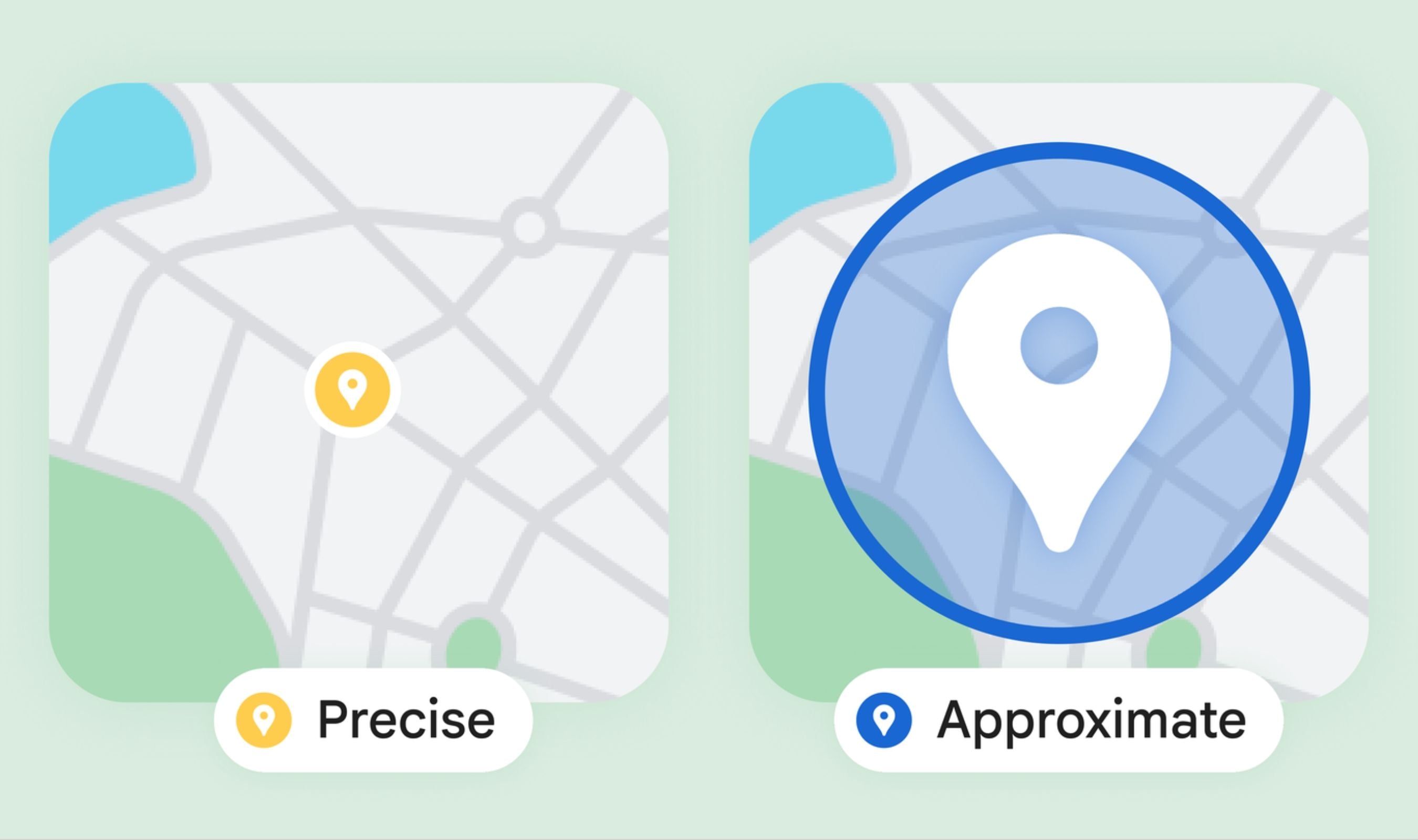
Google is bringing the same approximate location controls Android apps have used for years to websites inside Chrome. The browser's permission prompt now offers three options when a site requests location data: Precise (Exact location), Approximate (Neighborhood), and the usual deny. The feature launched on Chrome for Android this week and will expand to desktop "in the coming months," Google said. The distinction matters. Checking weather or local news doesn't require GPS coordinates, but finding the nearest ATM does.
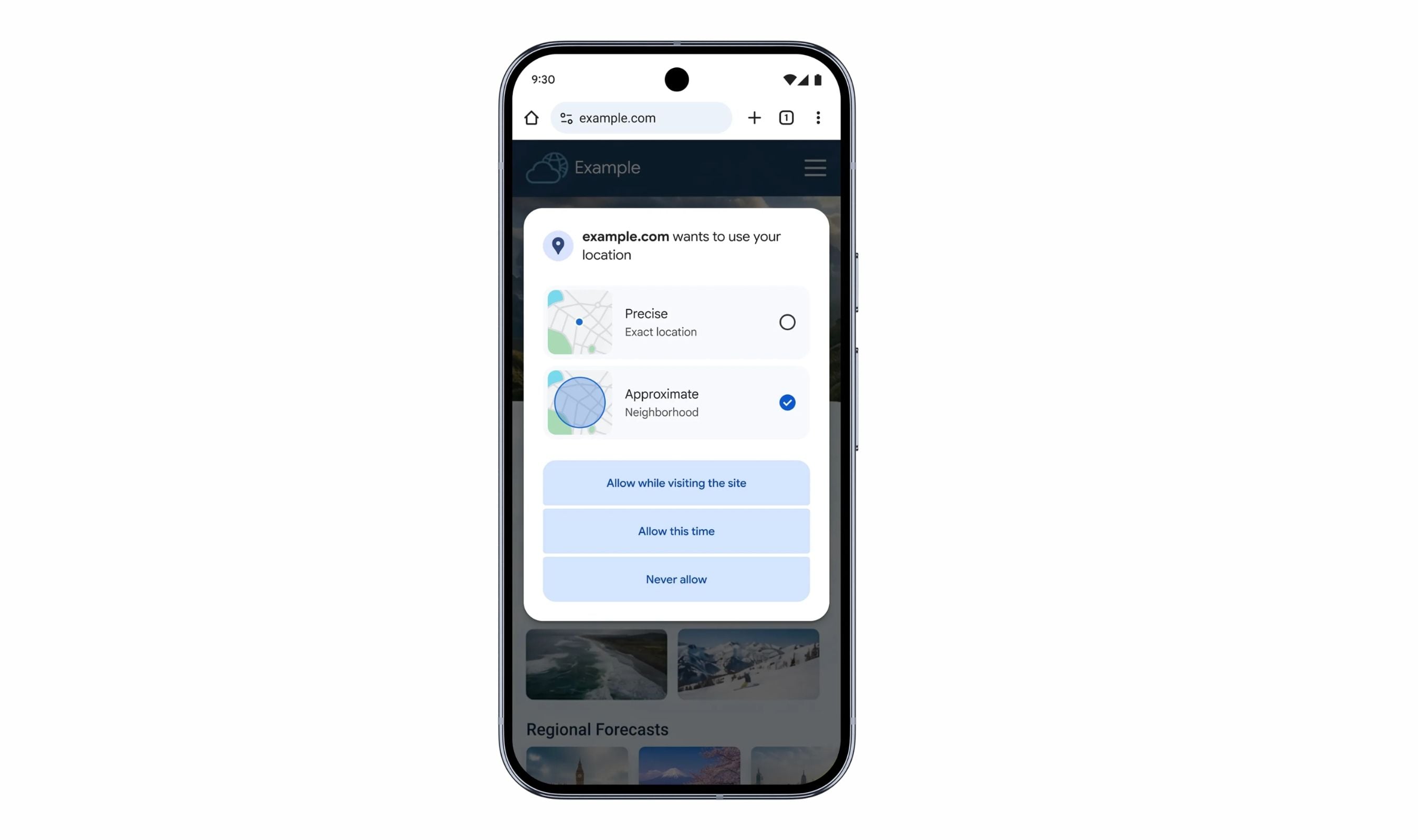
Chrome now lets users make that call per website rather than sharing precise location data indiscriminately.
Users who need exact coordinates for a delivery order or directions can still grant precise access. The change simply adds a middle option that most Android apps already support.
Google is also building new APIs for web developers that will let them request approximate location upfront or specify when they need precise data. "We encourage developers to review their location needs and only ask for precise location when it's required for the site functionality," a Google representative told Engadget. The Chrome update arrives alongside broader location privacy changes in Android 17, which introduced a one-time location button, a redesigned Quick Settings indicator, and an updated system permissions prompt. Android 17 also includes a new approximate location algorithm that improves privacy in areas with lower population density, where traditional approximations can be less reliable.
It is unclear whether the feature will come to Chrome on iOS. Apple has offered per-app approximate location controls on iPhone and iPad for several years, though those settings operate at the app level rather than the granular per-website basis Chrome's Android feature provides.