
Apple has shattered its own pricing ceiling with a $599 MacBook powered by smartphone silicon. The MacBook Neo uses the A18 Pro chip from last year's iPhone 16 Pro to deliver what Apple claims is up to 50 percent faster performance than comparable Intel-based Windows laptops.
Unveiled at simultaneous events in New York, London, and Shanghai earlier today, the Neo represents Apple's first sub-$600 laptop ever, breaking new ground for the company's pricing.
It starts at $599 for a 256GB configuration with 8GB of unified memory, or $699 for a version with 512GB storage and Touch ID authentication built into the keyboard.
Education pricing drops those figures to $499 and $599 respectively, putting Apple's cheapest MacBook within reach of students who previously couldn't afford entry-level MacBooks that started at $1,099.
The A18 Pro chip inside features two performance cores and four efficiency cores paired with a five-core GPU and 16-core Neural Engine. Despite its mobile origins, Apple says it handles everyday tasks like web browsing significantly faster than "the bestselling PC with the latest shipping Intel Core Ultra 5 processor." On-device AI workloads reportedly run up to three times faster than on competing systems.
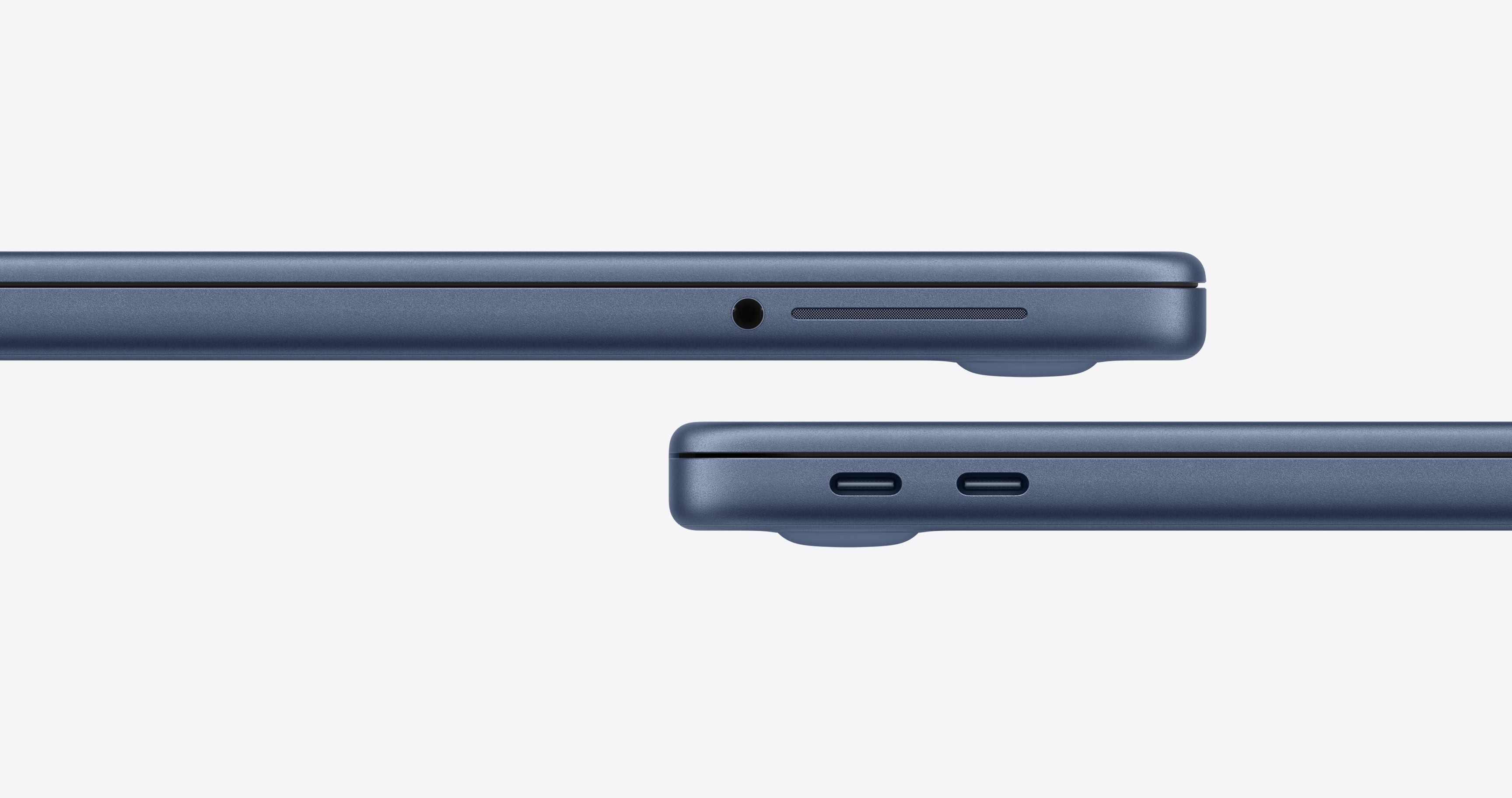
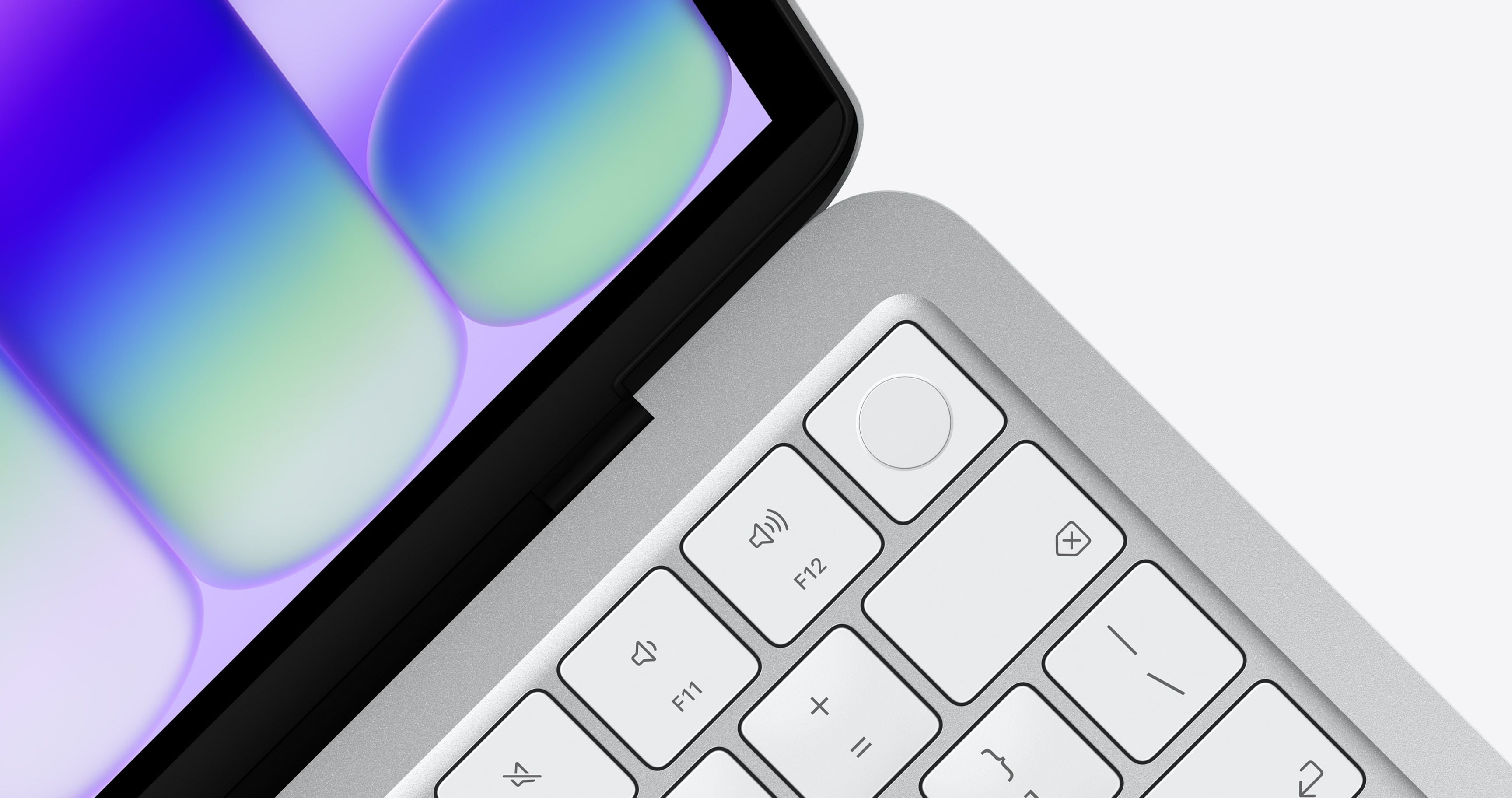
To reach the aggressive price point, Apple made several compromises. The base model lacks a backlit keyboard and Touch ID sensor, features reserved for the $699 configuration. Charging happens through two USB-C ports rather than MagSafe connectors that appear on higher-end MacBooks.
Display specifications include a 13-inch Liquid Retina panel running at 2408 × 1506 resolution with support for one billion colors and 500 nits of brightness. Apple calls it "both brighter and higher in resolution than most PC laptops in this price range."
Battery life reaches up to sixteen hours on a single charge according to company testing.
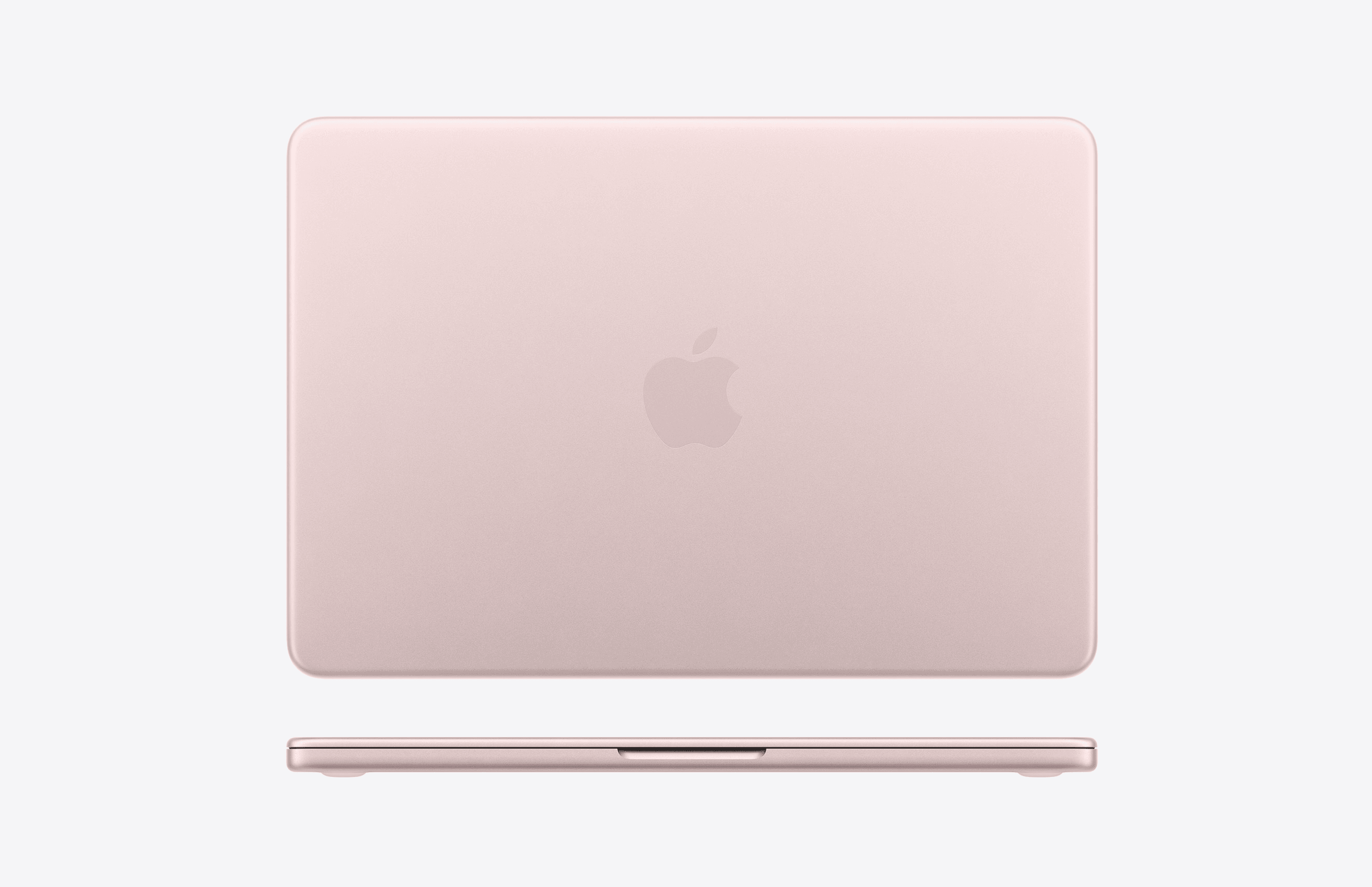
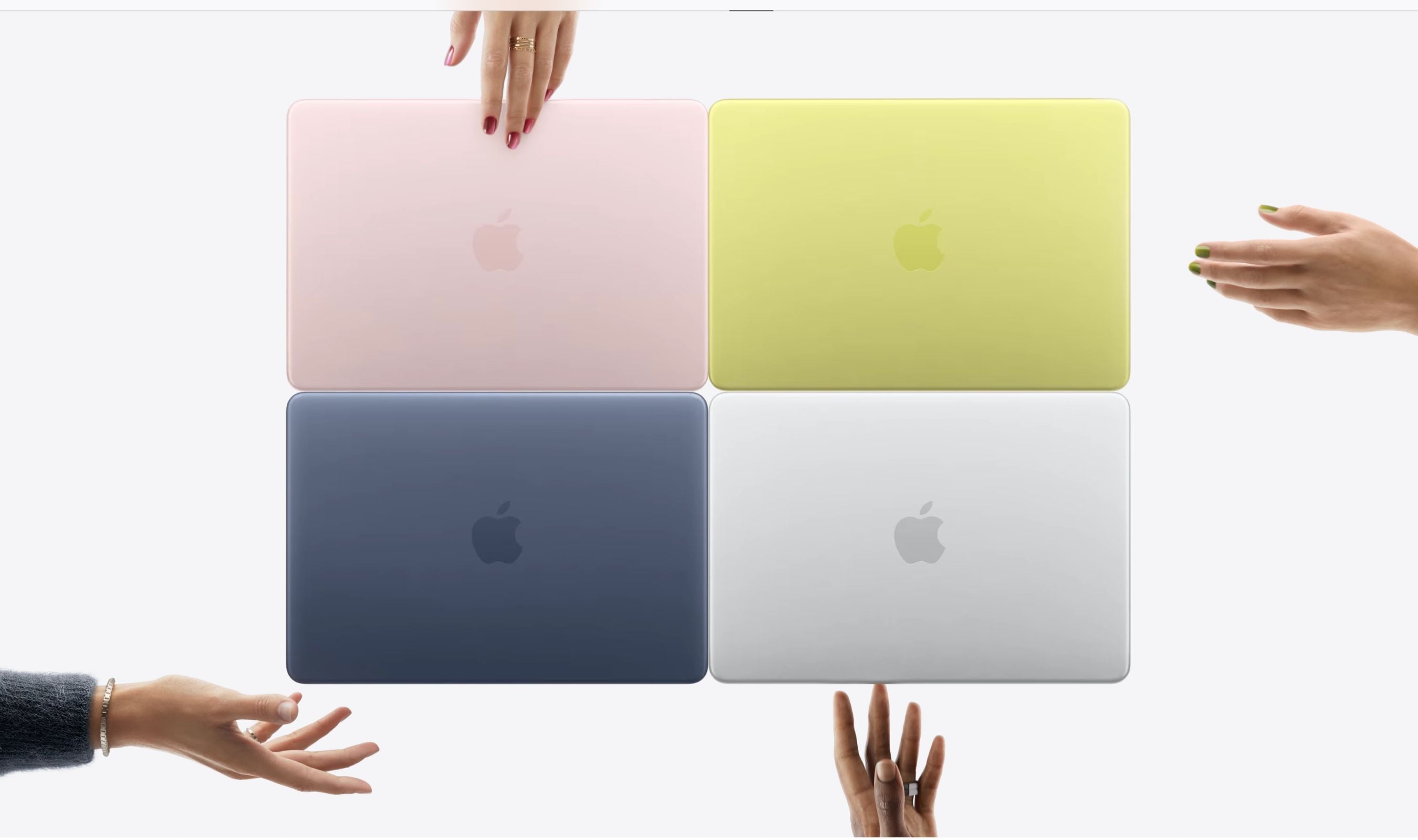
Four color options, silver, blush (pink), indigo (blue), and citrus (yellow), mark Apple's first colorful laptop lineup since early iBooks.
Preorders began immediately after announcement with first deliveries scheduled for March 11 across thirty countries. The launch comes as reports suggest disappearing margins could drive cheap Windows laptops toward extinction by 2028.