
When Bluetooth stops working on your MSI Stealth 16, it cuts off your wireless mouse, headphones, and other accessories. The connection might fail to pair, drop constantly, or the Bluetooth option might even disappear from your settings. Here's how to get it working again.
Toggle Bluetooth On and Off
First, click the notification center icon in the bottom-right taskbar and make sure the Bluetooth tile is lit up and active. If it's off, click it to turn it on. If you don't see the tile, you can also go to Settings > Bluetooth & devices and flip the main Bluetooth switch there.
Restart Your MSI Stealth 16
A simple restart is often the quickest fix. It reloads the Bluetooth driver and clears any temporary software glitches that can happen, especially after the laptop wakes from sleep or hibernation. Just shut down completely and power it back on.
Forget and Re-Pair Your Device
Go to Settings > Bluetooth & devices and find the problematic device in your list. Click the three dots next to it and select Remove device. Then, put your Bluetooth accessory into pairing mode and click Add device to pair it from scratch. This clears out any corrupted pairing data.
Use the Windows Troubleshooter
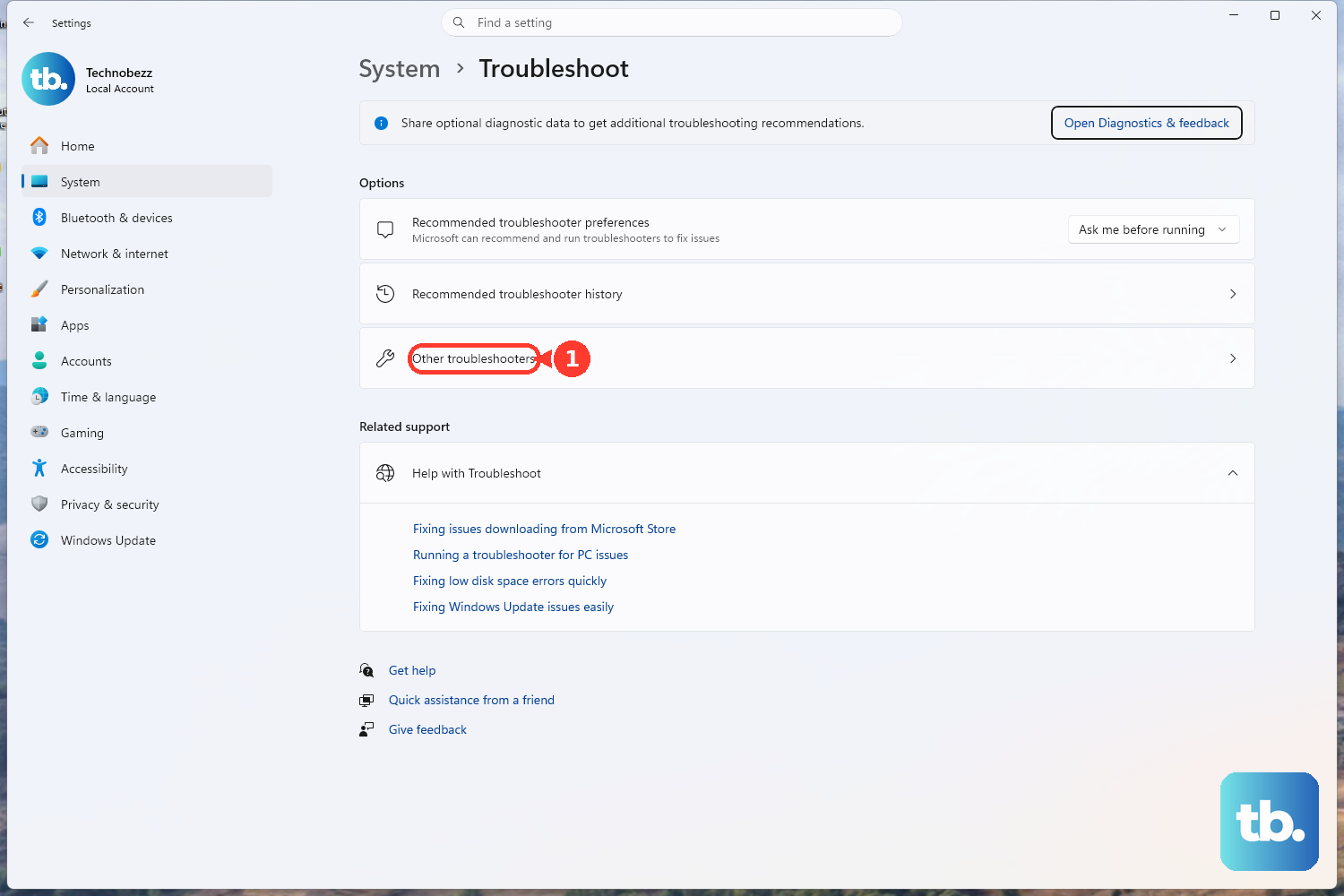
Windows has a built-in tool for this. Go to Settings > System > Troubleshoot > Other troubleshooters. Find the Bluetooth troubleshooter in the list and click Run. It will automatically check for common configuration problems and try to fix them.
Update Your Bluetooth Driver
Outdated drivers are a frequent culprit. Press the Windows key + X and select Device Manager. Expand the Bluetooth section, right-click on your Bluetooth adapter (it might be listed as Intel or Realtek), and choose Update driver > Search automatically for drivers.
If that doesn't find an update, I'd visit the official MSI support page for the Stealth 16. Download the latest Bluetooth driver directly from there, as it's guaranteed to be compatible with your specific hardware.
Check MSI Center for Updates
Since the MSI Center software manages many system functions, make sure it's up to date. Open MSI Center, go to the Support or Live Update section, and check for any available updates for system drivers or the application itself. An outdated MSI Center can sometimes cause conflicts.
Restart the Bluetooth Support Service
Press Windows key + R, type services.msc, and hit Enter. In the Services window, scroll down and find Bluetooth Support Service. Right-click on it and select Restart. Also, double-click it to open its properties and ensure the Startup type is set to Automatic.
Check for Wireless Interference
Bluetooth uses the 2.4GHz band, which can get crowded. Other devices like your WiFi router, wireless phones, or even USB 3.0 cables and ports can cause interference. Try moving your Bluetooth device closer to the laptop, or temporarily turn off other nearby wireless devices to test.
You can also try switching your WiFi to the 5GHz band in your network settings to reduce competition on the 2.4GHz spectrum.
Install All Windows Updates
Head to Settings > Windows Update and click Check for updates. Install any available feature or quality updates. Microsoft regularly releases patches that fix Bluetooth connectivity and stability issues, so staying current is important.
Reinstall the Bluetooth Adapter
If nothing else works, you can try a clean driver install. Go back to Device Manager, find your Bluetooth adapter under the Bluetooth section, right-click it, and select Uninstall device. Check the box that says "Attempt to remove the driver for this device" if it appears. Then, restart your laptop. Windows will automatically reinstall the default driver on startup.