You can stop typing a password at Windows 10 startup by configuring Microsoft’s Autologon tool, or use Windows Hello to sign in with a PIN, fingerprint, or face. Automatic sign-in keeps the account password and supplies it for you; Windows Hello still verifies your identity.
Windows 10’s standard support ended on October 14, 2025, although the system continues to work. Sign in only through Microsoft’s own app or website, and never share a code, password, or remote access with someone who contacts you.
The short version
- Password alternative: Windows Hello lets you sign in without typing your account password.
- Automatic startup: Autologon signs in using stored credentials.
- Security: Anyone with physical access can use an automatically signed-in account.
- Account types: Switching to a local account does not delete your Microsoft account.
Account password settings
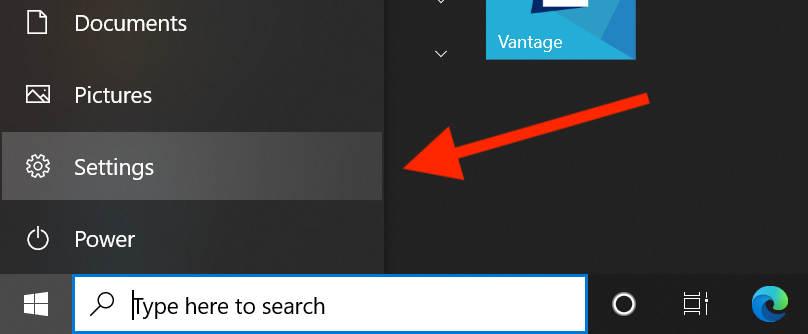
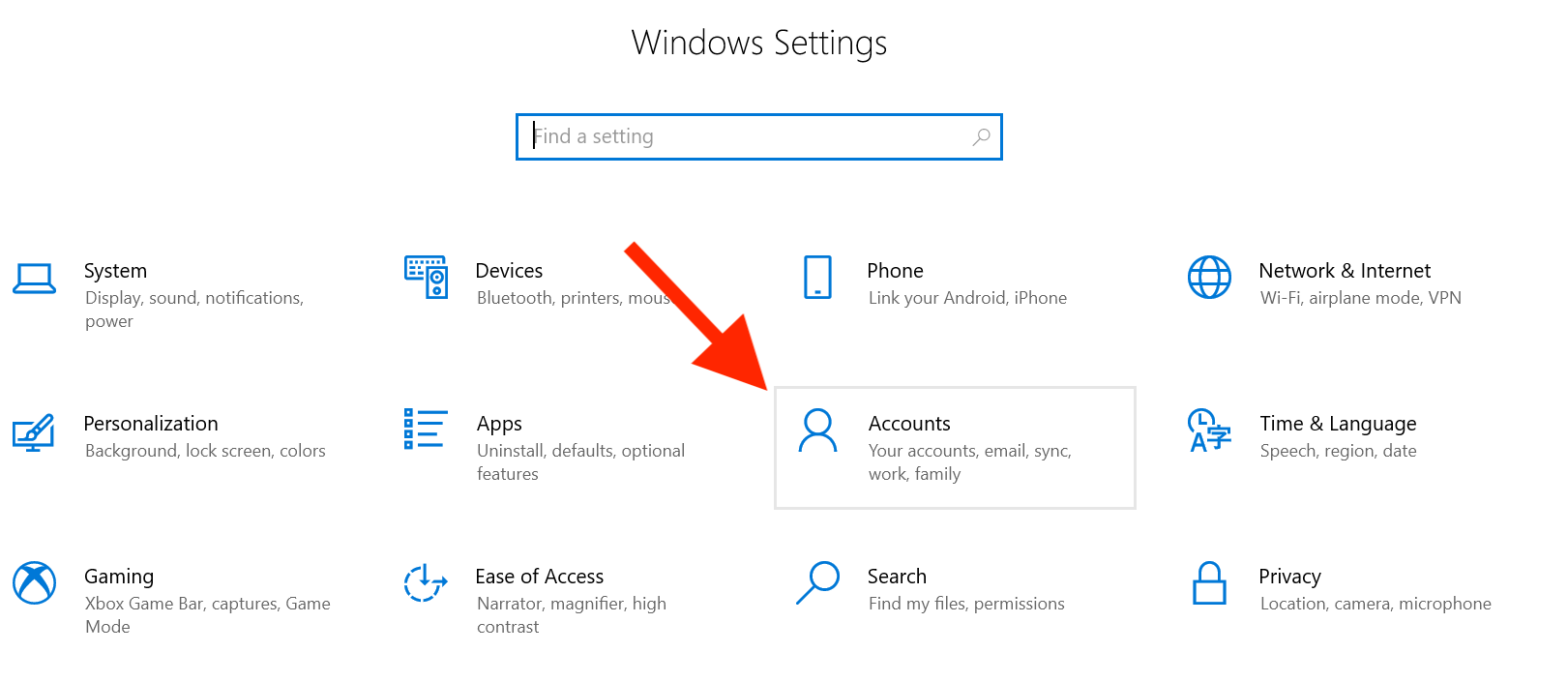
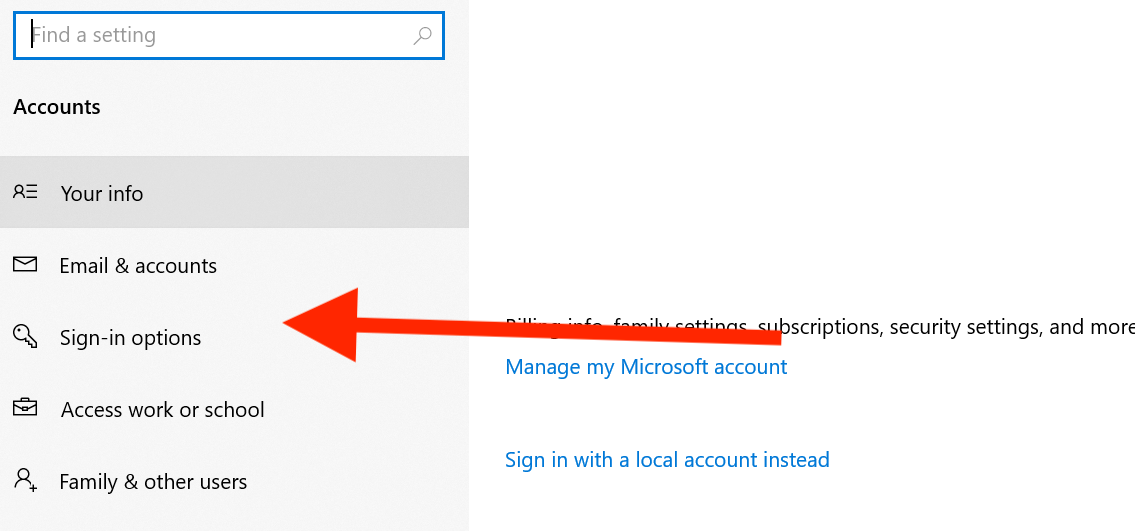
On Windows 10, open Settings > Accounts > Sign-in options to review your sign-in methods. For a local account, select Password > Change and enter the existing password when prompted to change it.
Changing a password and automatically signing in are separate tasks. If your aim is to skip entering credentials at startup, use the Autologon procedure below rather than treating the password-change screen as an automatic-login setting.


Windows Hello and your PIN
On Windows 10, open Settings > Accounts > Sign-in options and choose a Windows Hello method. Select PIN (Windows Hello), Fingerprint recognition (Windows Hello), or Facial recognition (Windows Hello), then choose Set up.
Fingerprint sign-in needs a fingerprint reader, and facial recognition needs a compatible camera. A Windows Hello PIN is associated with one device; removing that sign-in method would not remove your account password.

Passwordless device sign-in
After setting up Windows Hello for a Microsoft account, you can require Hello instead of the password sign-in method. On Windows 10, open Settings > Accounts > Sign-in options and turn on Require Windows Hello sign-in for Microsoft accounts.
This removes the password option at device sign-in while retaining face, fingerprint, or PIN verification. Windows 11 offers the equivalent setting with different wording under Additional settings.

Automatic sign-in with Autologon
Automatic sign-in removes the startup credential barrier, allowing anyone with physical access to use the account and its accessible files and networks. Use it only on a physically secured computer, and remember that an administrator can retrieve and decrypt the stored password.
Download Microsoft’s Autologon, run the tool, and fill in the account credentials in its dialog. Select Enable; Windows will try those credentials at the next startup.
Autologon does not verify the credentials when you enter them. Select Disable to turn automatic sign-in off, or hold Shift before automatic sign-in occurs to skip it for that startup.

The older User Accounts method
The older netplwiz method also concerns automatic sign-in rather than deletion of an account password. Its checkbox is not a reliable instruction for every configuration, so use the Autologon controls above when you want a documented tool for the task.

Switch to a local account
A local account is specific to one device; a Microsoft account also connects Windows with Microsoft services and syncing. Switching the Windows sign-in account does not close the online Microsoft account.
Switching to a local account gives up the Microsoft account’s integrated Windows syncing, and signing out closes your session, so save your work first. On Windows 10, open Settings > Accounts > Your info, then select Sign in with a local account instead. Enter the username, password, and password hint, select Next, then select Sign out and finish.
Sign back in with the local account credentials. Create a password reset disk for that account, because Microsoft support cannot retrieve or bypass a forgotten local password.


Updated October 2026: Distinguished passwords, PINs, and automatic sign-in, added security cautions, and noted Windows 10’s support status. The original article was published in March 2020.