Turn on Focus assist in Windows 10 to silence distracting notifications, then use its automatic rules to schedule quiet periods. You can let priority notifications through or hide everything except alarms.
The short version
- Quick control: Press Windows + A and select Focus assist.
- Exceptions: Choose Priority only or Alarms only.
- Schedule: Turn on During these times under Automatic rules.
- Missed alerts: Review redirected notifications in Action Center.
Turn on Focus assist
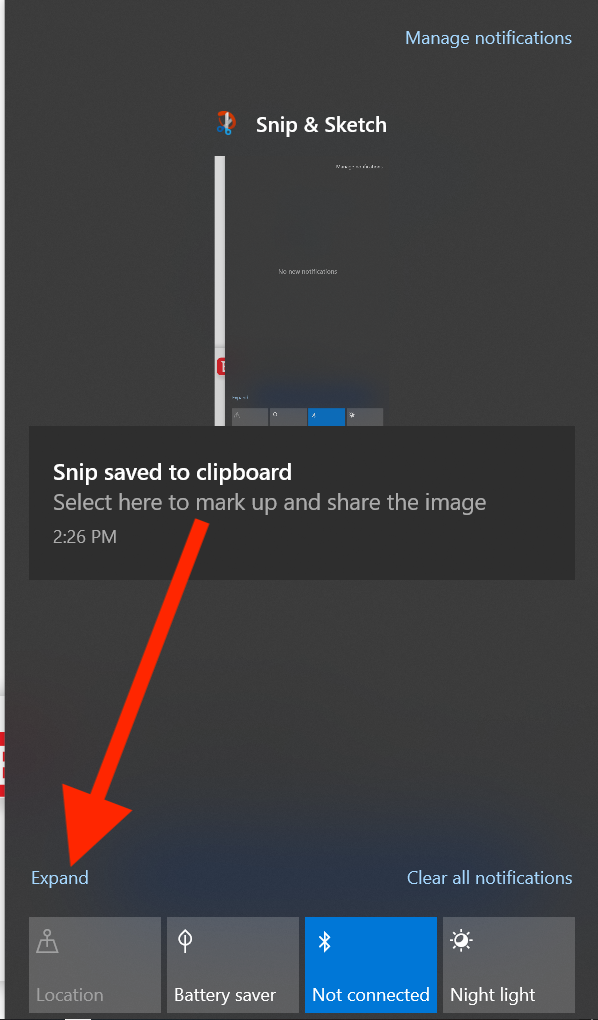
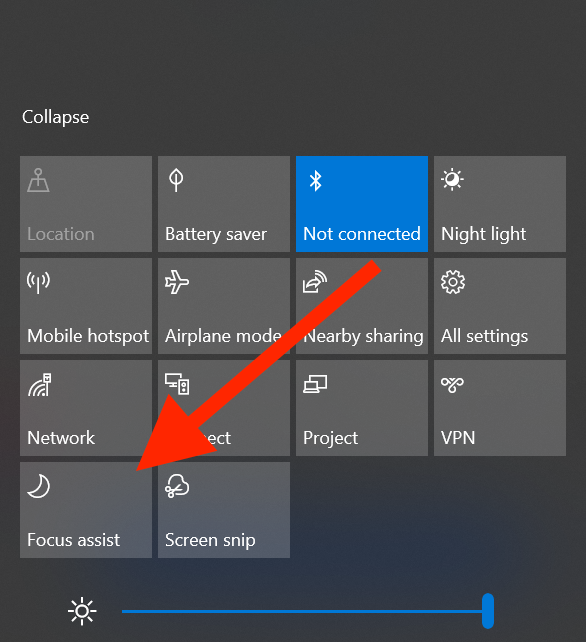
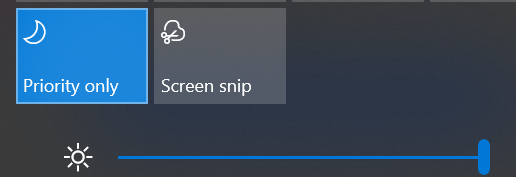
Press Windows + A to open Action Center, or select its taskbar icon. Select Expand if the Focus assist tile is hidden, then select the tile to cycle through its modes.
Earlier Windows 10 versions called this feature quiet hours. In Windows 11, notification suppression is called Do not disturb, with separate Focus sessions.
Choose notification exceptions
On Windows 10, open Start > Settings > System > Focus assist. Choose Priority only to receive notifications from a list you customize, or Alarms only to hide everything except alarms.
Select Off to receive all notifications again.
Schedule quiet periods
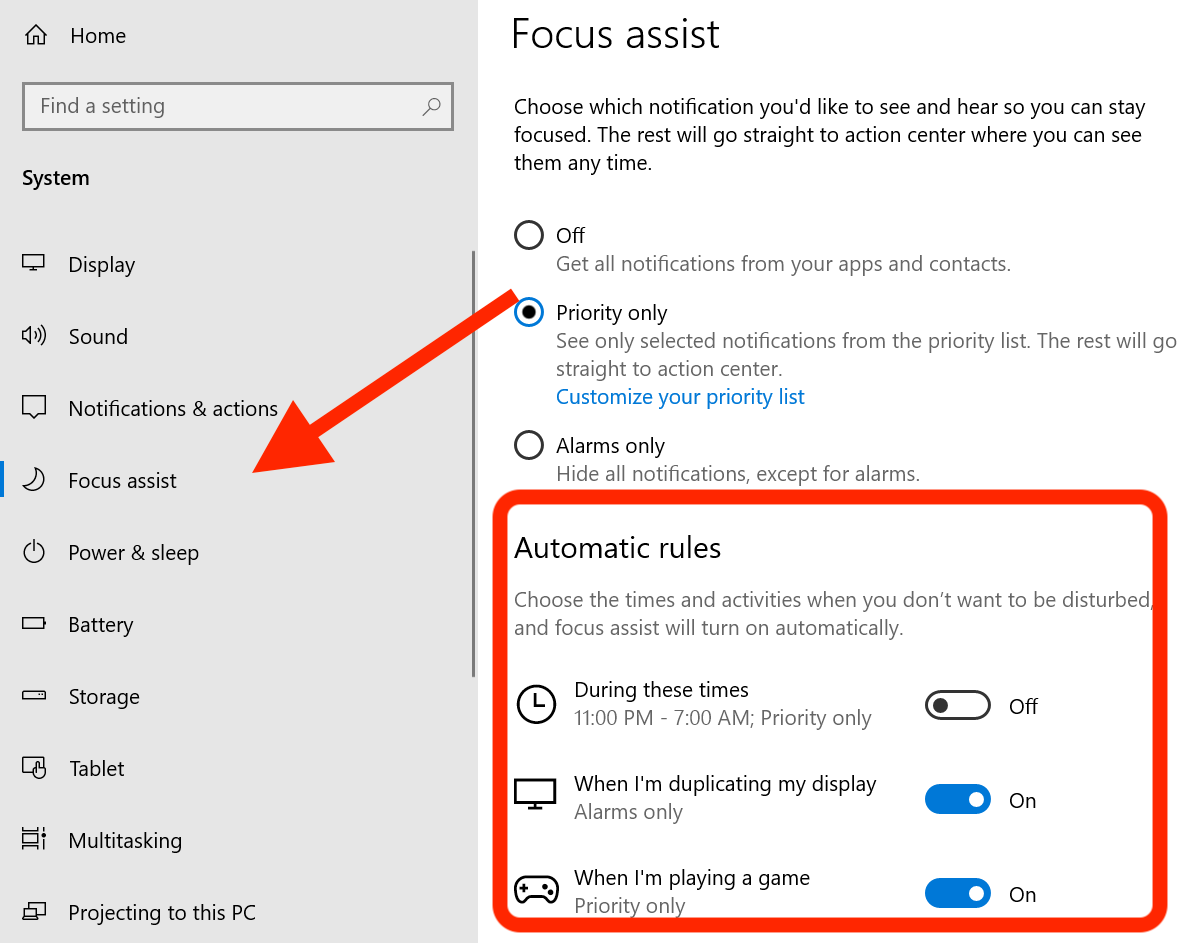
On Windows 10, open Start > Settings > System > Focus assist. Under Automatic rules, select During these times and turn on its toggle.
Choose Start time and End time, saving each with the checkmark. Set the days the rule applies and the types of notifications you want to receive during that period.
Review activity rules and missed alerts
Review automatic rules for duplicating your display, playing a game, and using an app in full screen mode. These conditions can activate Focus assist automatically, and you can change each rule’s behavior.
Open Action Center to review notifications redirected while Focus assist was on. Windows 10’s standard support ended on October 14, 2025; these controls remain Windows 10 instructions.
Updated October 2026: Clarified notification modes, scheduling, and Windows naming, and added the Windows 10 support date. The original article was published in January 2020.