
Missing calls on your Google Pixel 9 is a real headache, especially when you know the phone is right there. You might see the missed call notification pop up, but you never heard a sound. The good news is this is almost always a setting that got flipped or a minor software hiccup.
Let's start with the quickest fix, which solves the problem more often than not.
Check Your Volume and Silent Mode
First, press the volume up button on the side of your Pixel 9. Keep pressing it until the volume slider on the screen is all the way to the right. Make sure you're adjusting the ring volume, not the media volume. You can also do this in Settings > Sound & vibration and check the Ring & notification volume slider.
Next, look at the top of your screen. If you see a little bell icon with a line through it, your phone is in silent mode. You can swipe down twice from the top to open your full Quick Settings panel and tap that bell icon to turn silent mode off. I've seen this catch people out after they accidentally press the volume down button all the way.
Review Do Not Disturb and Focus Modes
Android's Do Not Disturb is a common culprit. Swipe down from the top of your screen to see your notifications. If you see a large "Do Not Disturb" tile or banner, it's active. Tap the tile to turn it off, or tap "Settings" on the tile to dive deeper.
Go into Settings > Sound & vibration > Do Not Disturb. Here, make sure the main toggle at the top is off. Also, check the schedules below. You might have one set for bedtime or work hours that's activating automatically and silencing calls.
Verify Your Ringtone and Contact-Specific Tones
Sometimes the specific ringtone file can get corrupted. Try changing it to something else. Head to Settings > Sound & vibration > Phone ringtone. Pick a different default tone and have a friend call you to test it.
Also, check if you've set a silent or custom ringtone for specific contacts. Open the Phone app, go to your Contacts, tap on a person, then tap the three-dot menu and select Set ringtone. Make sure it's set to a sound you can hear and not to "None".
Disconnect Bluetooth and Check Call Routing
If your Pixel 9 is connected to a Bluetooth device like headphones, a speaker, or your car, incoming calls might ring through that device instead of the phone's speaker. Swipe down and tap the Bluetooth icon in Quick Settings to turn it off temporarily, then test a call.
You should also check the call routing settings. Open the Phone app, tap the three-dot menu in the top right, and go to Settings > Calling accounts. Select your carrier (like T-Mobile or Verizon) and look for any call forwarding settings that might be enabled, sending calls straight to voicemail.
Examine Notification and App Permissions
The Phone app needs permission to send notifications. Go to Settings > Apps > See all apps. Find and tap on Phone, then select Notifications. Ensure notifications are turned on. Tap on "Incoming calls" and make sure the toggle is on and the sound is set.
While you're here, it's worth checking for any battery restrictions. Go back to the Phone app's main info screen and tap Battery. Make sure it's set to "Unrestricted". If it's set to "Optimized," the system might delay or silence notifications to save power.
Turn Off Flip to Shhh and Other Gestures
The Pixel has a handy feature called "Flip to Shhh" that silences your phone when you place it screen-down. If your phone is on a table face-down, it won't ring. You can check this in Settings > System > Gestures > Flip to Shhh. Toggle it off to test.
Also, look at the "Do Not Disturb while driving" setting. This can sometimes activate incorrectly. You'll find it in Settings > Sound & vibration > Do Not Disturb > Schedules. See if "Driving" is listed and turn it off.
Check for Blocked Numbers and Spam Settings
Open the Phone app and tap the three-dot menu, then go to Settings > Blocked numbers. See if the number trying to call you is accidentally on this list.
Google's Call Screen feature is great for filtering spam, but it can sometimes be too aggressive. In the Phone app settings, tap Spam and Call Screen. You can try turning "See caller & spam ID" off temporarily to see if it fixes the ringing issue.
Restart Your Pixel 9
A simple restart clears out temporary glitches in memory that can affect the sound system. Press and hold the Power button and Volume Up button together until the power menu appears, then tap "Restart." If your phone is completely unresponsive, you can force a restart by pressing and holding the Power button for about 30 seconds until the Google logo appears.
Update Android and Your Apps
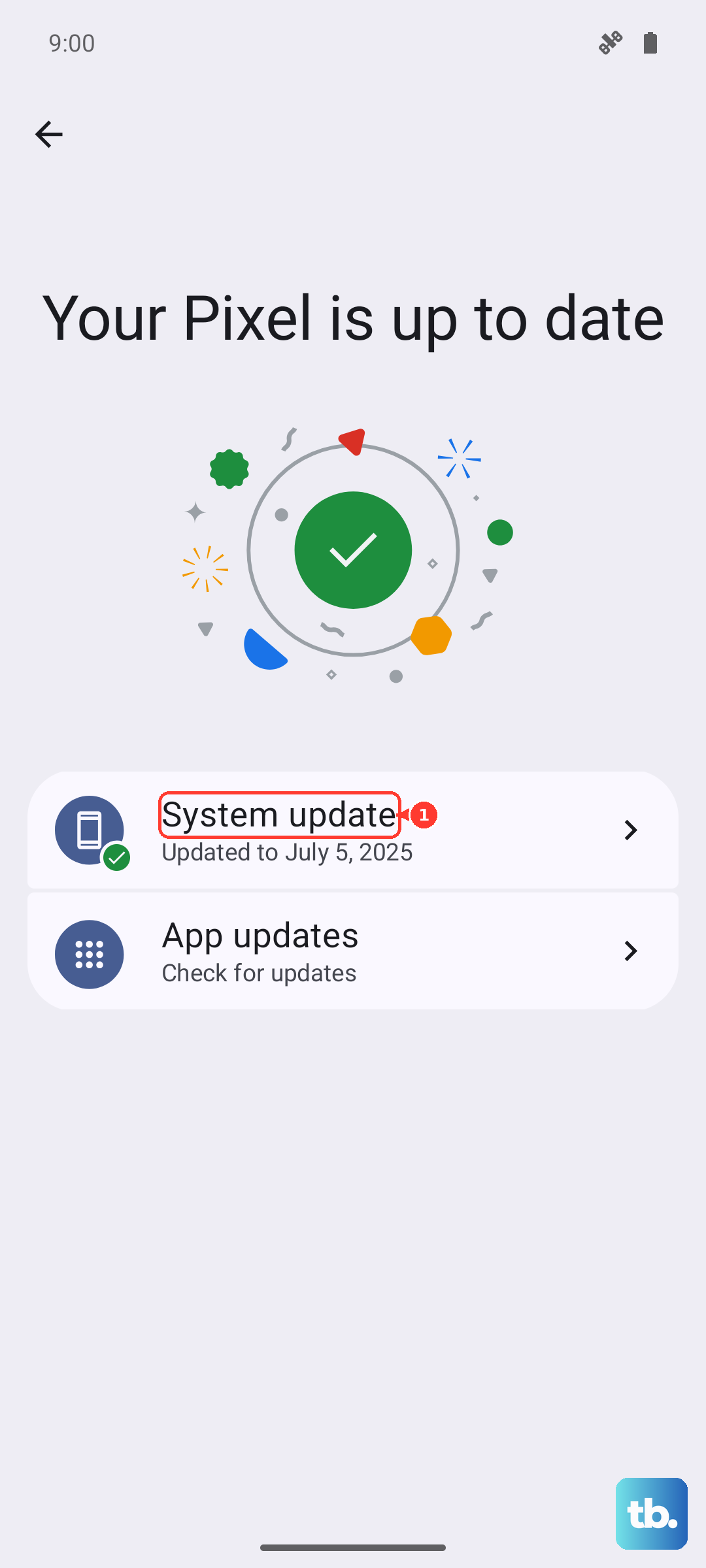
Software bugs are often patched in updates. Connect to Wi-Fi and go to Settings > System > System update to check for the latest Android security patch or Feature Drop. Also, open the Google Play Store, tap your profile icon, and go to Manage apps & device > Updates available to update all your apps, especially the Phone and Carrier Services apps.
Reset App Preferences or Network Settings
This is a lighter reset that won't delete your data. It resets notification permissions, default apps, and background data restrictions. Go to Settings > System > Reset options and tap Reset app preferences. Confirm the action.
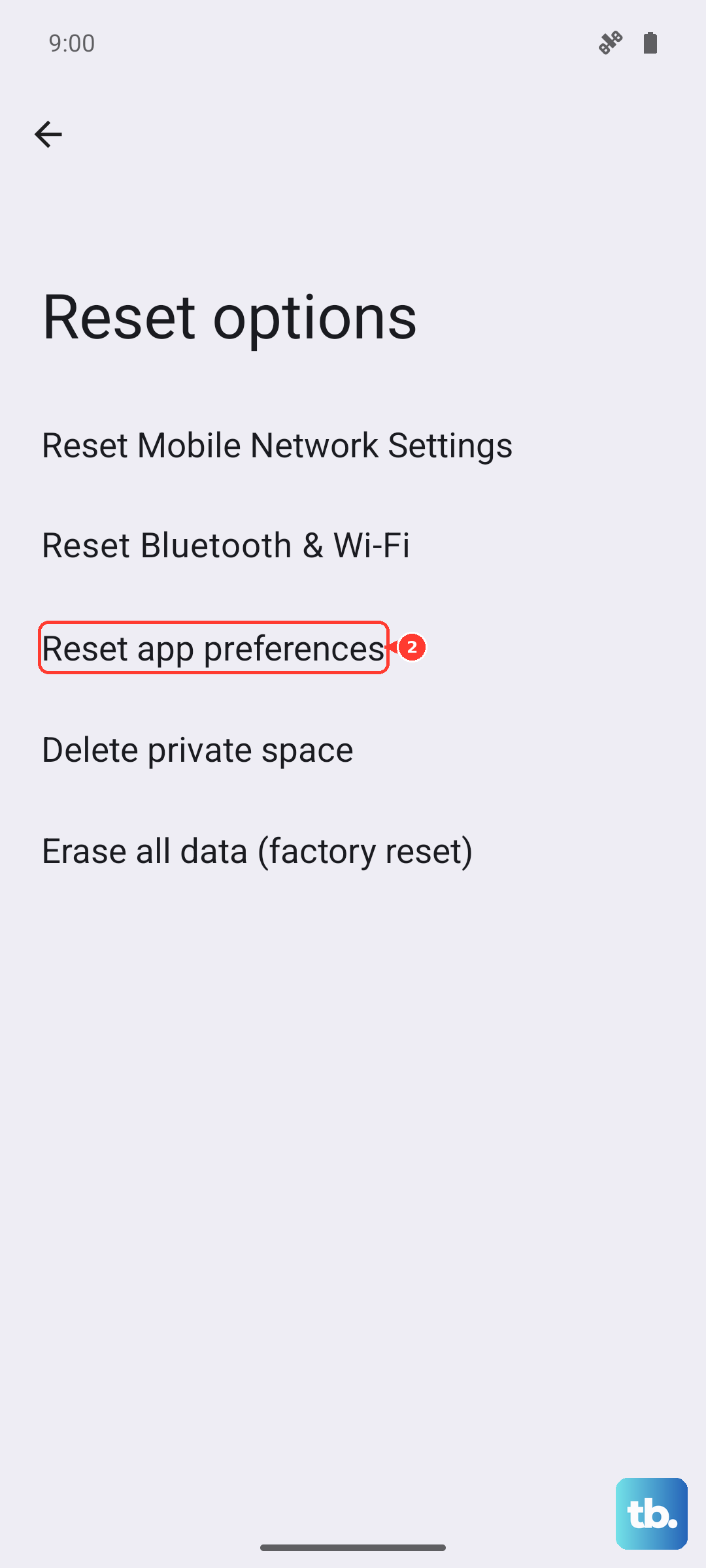
If you're having issues with Wi-Fi or mobile data calls, resetting network settings can help. In the same Reset options menu, select Reset Wi-Fi, mobile & Bluetooth. You'll need to re-enter Wi-Fi passwords and re-pair Bluetooth devices afterward.
Check for Issues with Your SIM Card
Try removing and reinserting your SIM card. Turn off your Pixel 9, use the SIM eject tool to open the tray, take the SIM out, and then put it back in firmly. Power the phone back on. If you have another phone available, you can also test the SIM card in it to see if the problem follows the card, which would point to a carrier issue.
Try Safe Mode
Booting into Safe Mode disables all third-party apps. If your phone rings normally in Safe Mode, a recently downloaded app is likely causing the conflict. To enter Safe Mode, press and hold the Power button, then on the power menu, tap and hold "Power off" until you see the "Reboot to safe mode" prompt.
Test a call in this mode. If it works, restart normally to exit Safe Mode and start uninstalling apps you installed around the time the problem began.
Reset All Settings or Perform a Factory Reset
As a more significant step, you can reset all your system settings to default without erasing personal data. On OnePlus, go to Settings > Additional settings > Back up and reset > Reset phone > Reset all settings; Pixel, Motorola, Nothing, and ASUS phones have no Reset all settings option, so go to Settings > System > Reset options and use Reset app preferences or Reset Bluetooth & Wi-Fi instead. This will revert your Wi-Fi, Bluetooth, sound, and display settings back to factory defaults.
If nothing else has worked, a factory reset is the final step. Be sure to back up everything important first. Go to Settings > System > Reset options > Erase all data (factory reset). After the phone resets and you go through setup, test a call before restoring all your apps to see if the core issue is resolved.