
When your Dell XPS 16 won't connect to WiFi, it can feel like you're cut off from everything. Whether you see no networks at all, you're connected but have no internet, or the signal keeps dropping, these steps will get you back online.
Run the Windows Network Troubleshooter
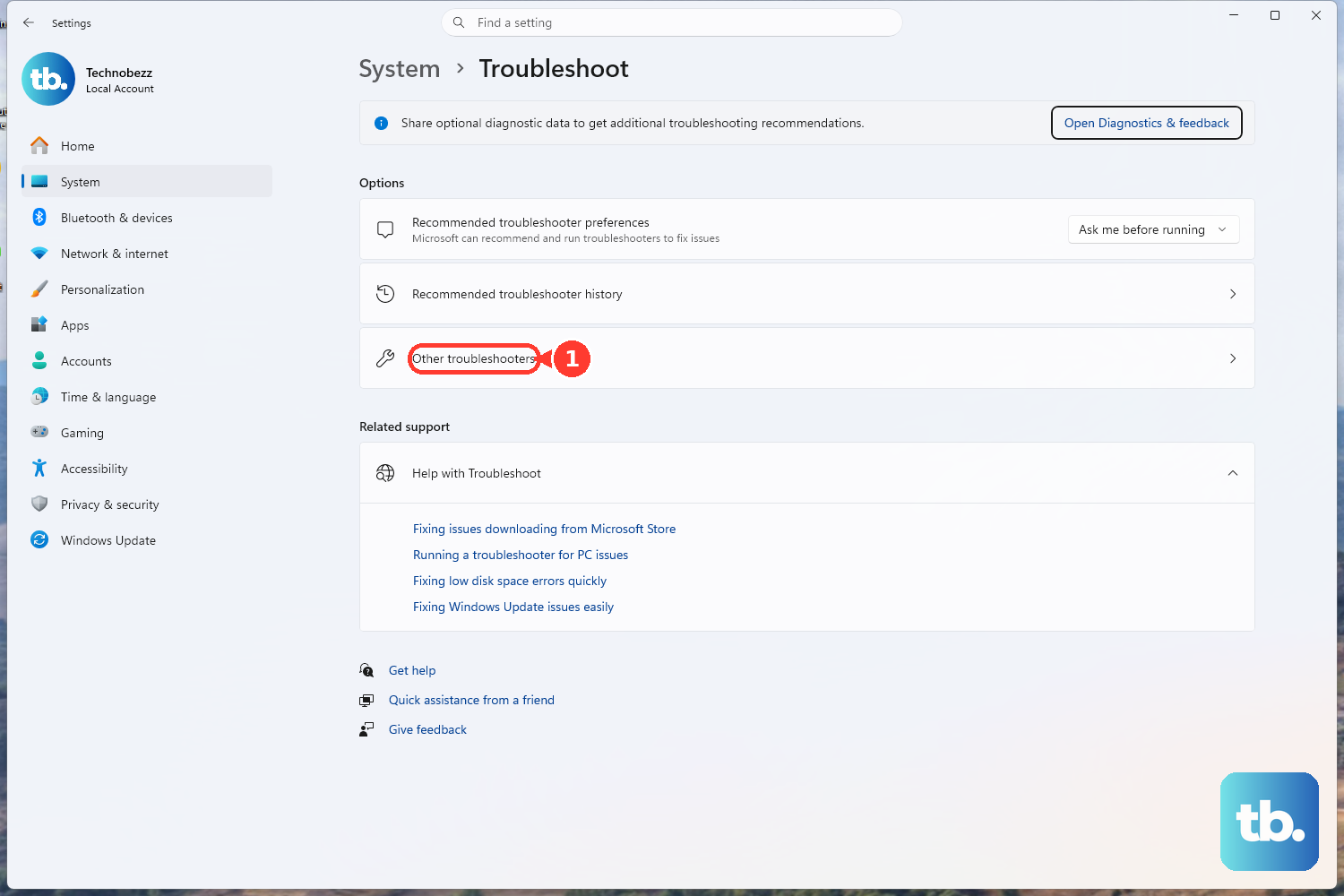
This is the quickest place to start. Right-click the WiFi icon in your taskbar and select Troubleshoot network problems. Windows will automatically scan for common issues and try to fix them. On Windows 11, you can also go to Settings > System > Troubleshoot > Other troubleshooters and run the Network and Internet troubleshooter from there.
Toggle WiFi Off and On
Click the WiFi icon in the taskbar and simply turn it off. Wait about ten seconds, then turn it back on. This refreshes your wireless adapter and clears any temporary glitches. You can also toggle Airplane mode on and off for a more complete reset of all radios.
Restart Your XPS 16
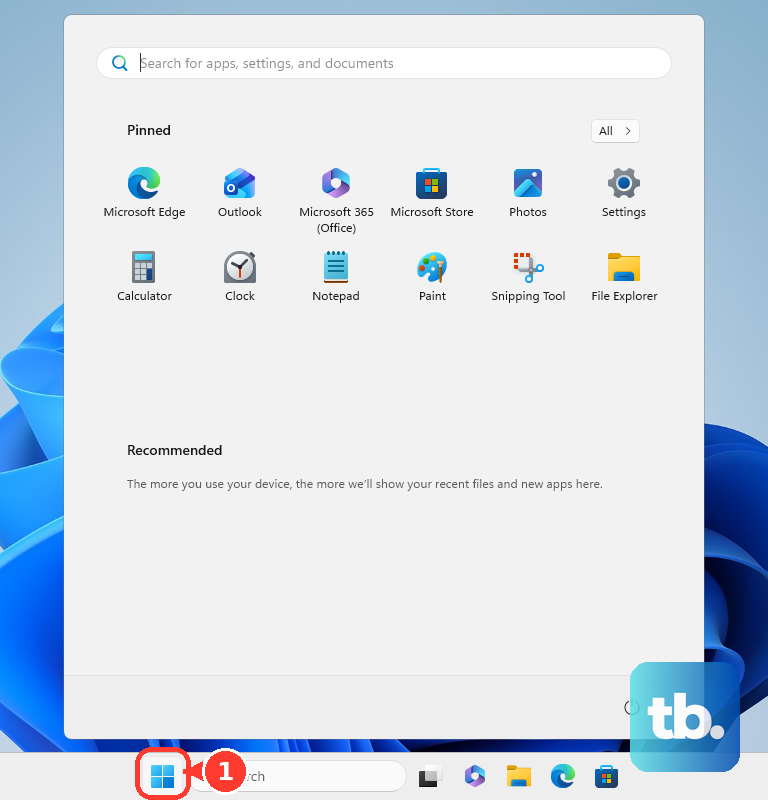
A full restart, not just putting it to sleep, clears the network stack and reloads all drivers. Click Start > Power > Restart. I've found this resolves a surprising number of connection issues that stem from driver states that get stuck.
Forget and Reconnect to Your Network
Go to Settings > Network & internet > Wi-Fi > Manage known networks. Find your home or office network in the list and click Forget. Then, scan for networks again and reconnect by entering your password. This fixes problems caused by a corrupted connection profile.
Update Your WiFi Driver
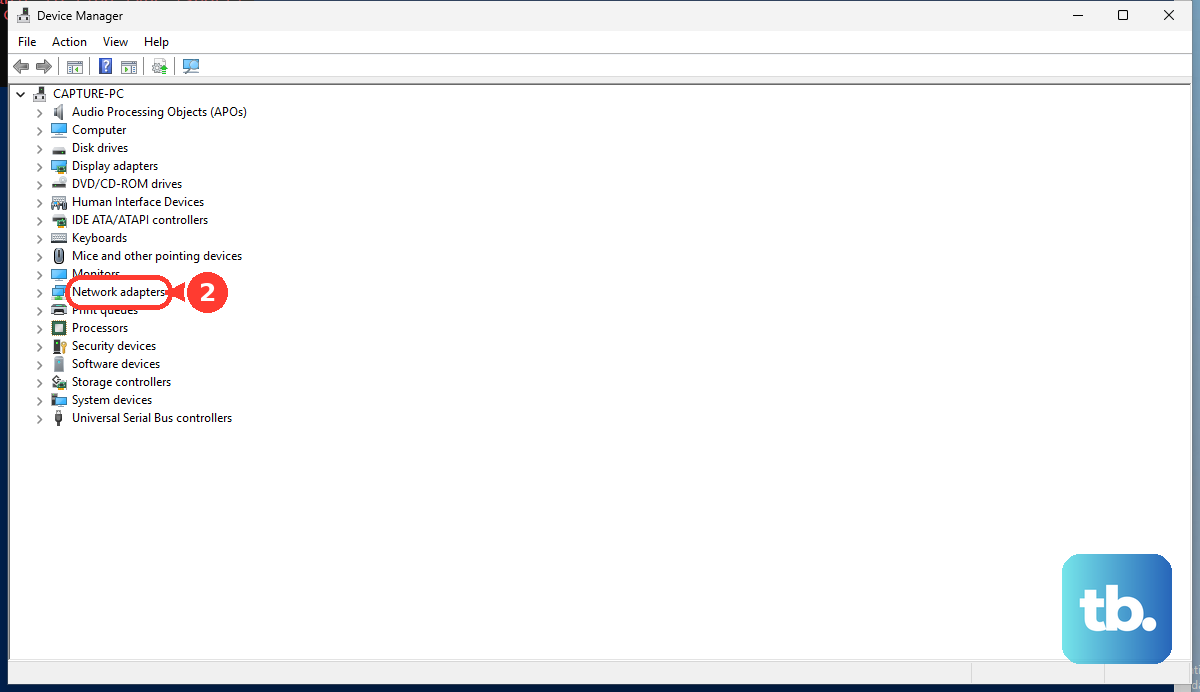
Outdated or buggy drivers are a frequent culprit. Press Windows + X and select Device Manager. Expand Network adapters, right-click your Intel or Killer wireless adapter, and choose Update driver > Search automatically for drivers. If that doesn't find anything, visit the Dell Support site, enter your XPS 16 service tag, and download the latest driver directly.
Use Dell SupportAssist
Your XPS 16 comes with Dell SupportAssist, which can auto-detect hardware issues. Open the app and run a scan. It can often identify if your WiFi card has a problem and may even offer a one-click driver update or firmware fix, which is especially handy for resolving deeper hardware communication errors.
Reset Your Network Settings
If you're still stuck, a network reset can be the nuclear option that works. Go to Settings > Network & internet > Advanced network settings > Network reset. Click Reset now. This will remove and reinstall all network adapters and set everything back to defaults. You will need to re-enter all your WiFi passwords afterward.
Disable and Re-Enable the WiFi Adapter
This forces a fresh initialization of the hardware. Open Device Manager, expand Network adapters, right-click your wireless adapter, and select Disable device. Wait a moment, then right-click it again and choose Enable device. It's a quicker alternative to a full restart for adapter-specific issues.
Flush DNS and Reset TCP/IP
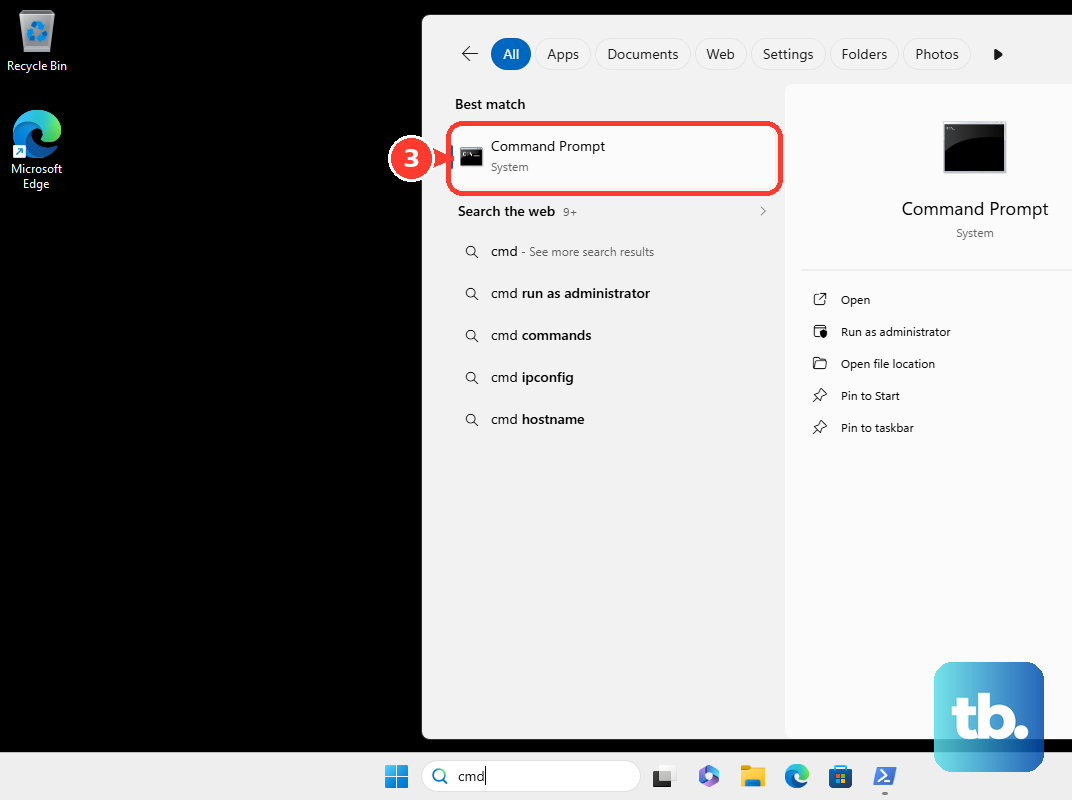
Sometimes the problem is with your network configuration, not the connection itself. Open Command Prompt as an administrator. Type these commands one at a time, pressing Enter after each: netsh winsock reset, netsh int ip reset, ipconfig /flushdns, ipconfig /release, and ipconfig /renew. You'll need to restart your laptop for these changes to take full effect.
Check Your Router and Environment
If other devices also can't connect, the issue is likely with your router. Unplug it from power for 30 seconds and plug it back in. Also, try connecting your XPS 16 to a different network, like your phone's mobile hotspot, to confirm the laptop's WiFi hardware is functioning. This simple test tells you exactly where to focus your troubleshooting.