Removing Opera is a two-part job. The standard uninstall takes the app off your PC, but Opera usually leaves behind profile data, cache, an auto-update task, and a few registry keys. Those leftovers waste space and can quietly reinstall or relaunch the browser.
This guide gives you a fast standard uninstall first, then a complete trace-removal pass for Windows 11 and Windows 10. It also covers Opera GX, Mac, and Android, plus a checklist to confirm Opera is truly gone.
Standard Uninstall in Windows 11
Start with the built-in removal. Close Opera completely before you begin so the uninstaller can finish cleanly.
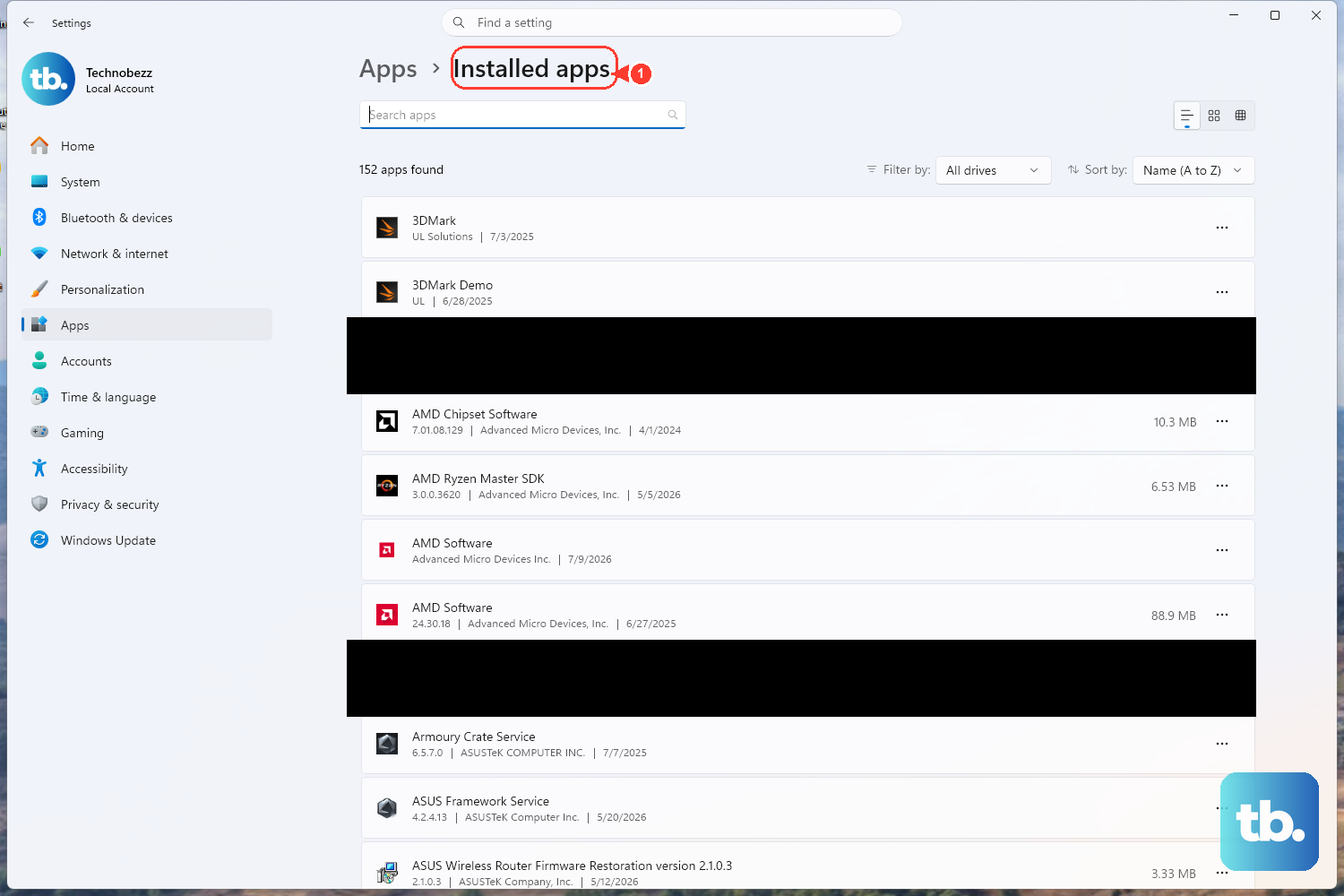
Open Settings, then go to the apps list and find Opera.
Settings > Apps > Installed apps
- 1.Press the Windows key + I to open Settings.
- 2.Select Apps, then Installed apps.
- 3.Type "Opera" in the search box to find Opera Stable or Opera GX.
- 4.
 Click to expand
Press Ctrl + Shift + Esc to open Task Manager, select the misbehaving process under Processes, and click End task. - 5.Click the three-dot menu next to Opera and choose Uninstall, then confirm.
- 6.
 Click to expand
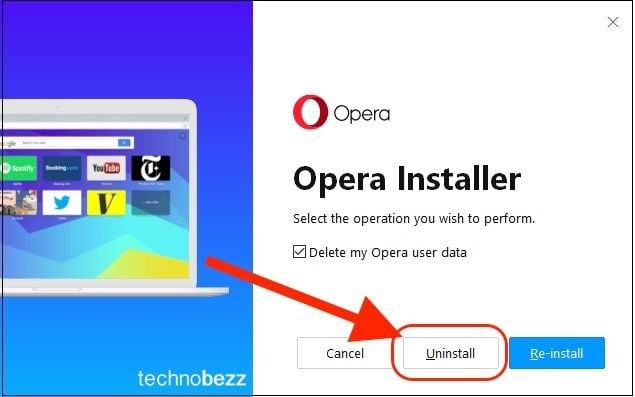
When the Opera uninstaller window appears, tick Delete my Opera user data before you confirm. This clears your browsing history, bookmarks, and saved passwords along with the app.
Standard Uninstall in Windows 10 and Control Panel
Windows 10 uses the same Settings flow, and Control Panel works on both versions if you prefer it.
Settings > Apps > Apps & features
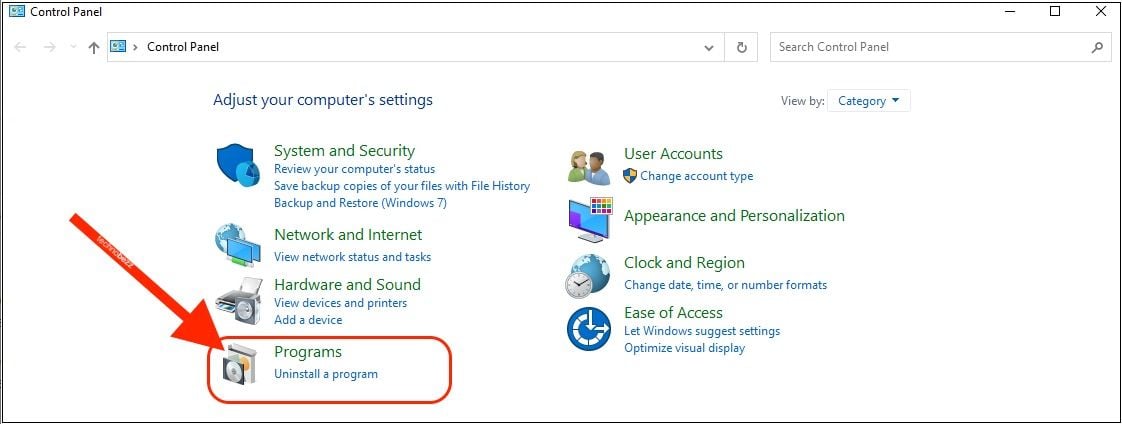
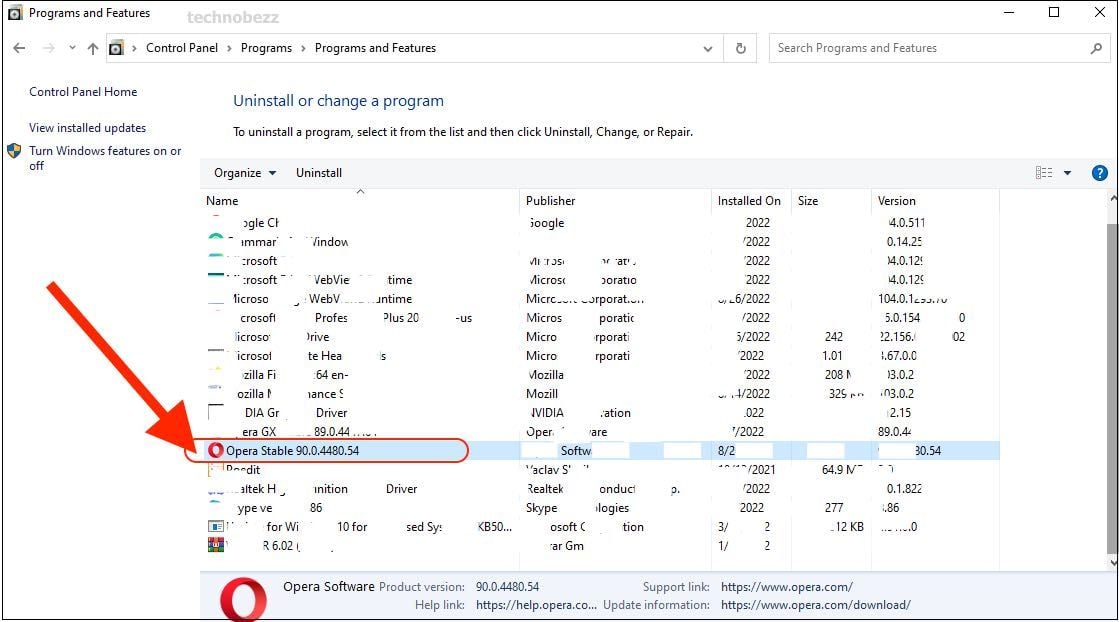
To use Control Panel, press Windows key + R, type appwiz.cpl, and press Enter. In Programs and Features, select Opera and click Uninstall, then check Delete my Opera user data when prompted.
Close Every Opera Process First
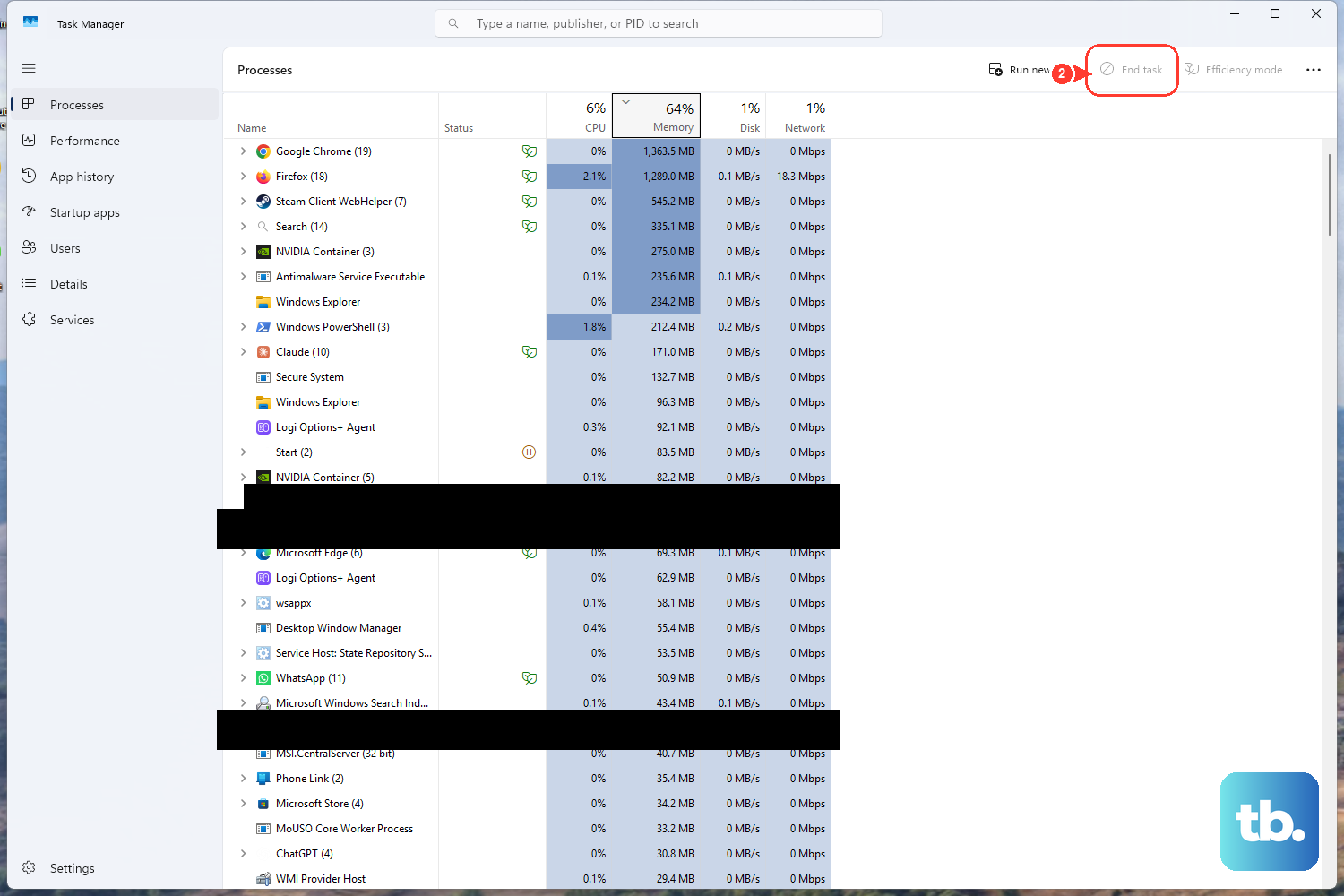
Before deleting any leftover files, make sure no Opera process is still running, or Windows will block the deletions. This single step prevents most "folder in use" errors during cleanup.
- 1.Press Ctrl + Shift + Esc to open Task Manager.
- 2.Look for any entry named Opera, Opera GX, opera.exe, or opera_autoupdate.exe.
- 3.Select each one and click End task.
Delete Leftover Program Files
Opera's default install location is per user, not the usual Program Files folder, so check both. By default Opera installs to your local app data, and only lands in Program Files if you chose an all-users install.
Open File Explorer and check these locations, deleting any Opera folder you find:
%LocalAppData%\Programs\OperaC:\Program Files\OperaC:\Program Files (x86)\Opera
You can paste %LocalAppData%\Programs straight into the File Explorer address bar to jump there fast.
Remove Hidden Profile and Cache Folders
Opera keeps your profile, cache, and settings in the Opera Software folders inside AppData. These survive a standard uninstall unless you ticked the data-deletion box, so remove them by hand to wipe every trace.
Open the Run box with Windows key + R, then visit each path and delete the Opera Software folder it contains:
%AppData%\Opera Software%LocalAppData%\Opera Software
The Roaming copy under %AppData% holds your profile, extensions, and saved data, while the Local copy under %LocalAppData% holds cache and temporary files. If you are only removing Opera GX, delete just the Opera GX Stable subfolder inside each Opera Software folder and leave the regular Opera data intact.
Stop Opera From Reinstalling Itself
If Opera keeps coming back or relaunching after a reboot, a leftover scheduled task is the usual reason. Opera creates an auto-update task that can re-trigger its updater even after the app is gone.
Task Scheduler > Task Scheduler Library
- 1.Press Windows key + R, type taskschd.msc, and press Enter.
- 2.In the Task Scheduler Library, look for tasks named Opera scheduled assistant Autoupdate or similar Opera update entries.
- 3.Right-click each Opera task and choose Delete (or Disable if you want to keep it for now).
While you are cleaning up, open Task Manager's Startup apps tab and disable any Opera entry there too, so nothing relaunches at sign-in.
Clean Opera Registry Keys (Optional)
Registry cleanup is optional and only worth doing if you still see Opera in menus or hit conflicts. Back up first, because incorrect edits can cause system problems.
- 1.Press Windows key + R, type regedit, and press Enter.
- 2.Use the File > Export option to save a full backup, or create a System Restore point.
- 3.Press Ctrl + F, search for Opera, and review entries under
HKEY_CURRENT_USER\SoftwareandHKEY_LOCAL_MACHINE\SOFTWARE. - 4.Delete only clearly Opera-related keys, then press F3 to find the next match.
Use a Dedicated Uninstaller
If manual cleanup feels risky or something refuses to delete, a dedicated uninstaller can automate it. These tools run the standard removal, then scan for leftover files and registry entries and clear them in one pass.
This approach is useful when an Opera folder is locked, when the entry is missing from Settings, or when you simply want the registry handled safely for you.
Reset Your Default Browser After Removal
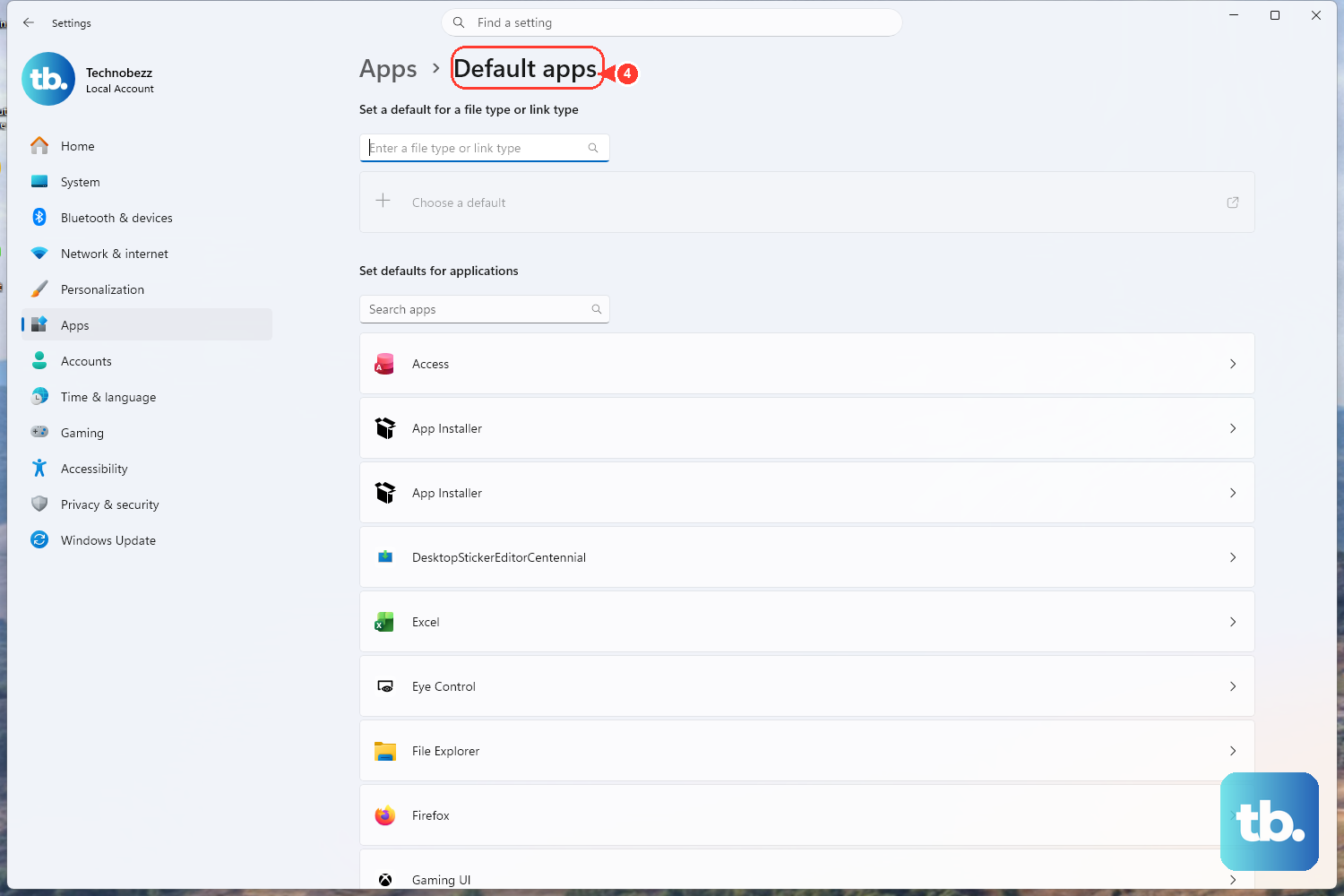
Once Opera is gone, Windows may have no default browser set for some link types. Point everything to the browser you actually want.
Settings > Apps > Default apps
Open Default apps, scroll to the browser you want, select it, and click Set as default. A few system links, such as those from Windows Search and Widgets, will still open in Microsoft Edge by design.
Uninstall Opera GX
Opera GX removes the same way as regular Opera, just with its own folder names. Uninstall it from Settings > Apps > Installed apps, ticking Delete my Opera user data, then end any Opera GX process in Task Manager.
For leftovers, delete the Opera GX Stable subfolder inside both %AppData%\Opera Software and %LocalAppData%\Opera Software. Check Task Scheduler for an Opera update task as well, since Opera GX uses the same auto-update mechanism.
Remove Opera on Mac
On a Mac, dragging the app to the Trash leaves support files behind, so do both steps. First open the Applications folder, drag Opera to the Trash, and empty it.
Then use Finder's Go > Go to Folder and remove Opera items from these locations, then empty the Trash again:
~/Library/Application Support/com.operasoftware.Opera/~/Library/Caches~/Library/Preferences~/Library/Saved Application State
Remove Opera on Android
On Android, the fastest route is the app drawer. Press and hold the Opera icon, choose Uninstall, and confirm.
You can also open Settings > Apps, select Opera, and tap Uninstall. If Opera came preinstalled on your phone, you may only be able to Disable it or remove its updates rather than fully uninstall it.
Confirm Opera Is Fully Removed
Run through this checklist to verify nothing is left. If every location is clean, Opera is completely gone.
| Location to check | What to look for |
|---|---|
| Settings > Apps > Installed apps | No Opera or Opera GX entry |
| %LocalAppData%\Programs and Program Files | No Opera install folder |
| %AppData%\Opera Software and %LocalAppData%\Opera Software | Folders deleted (or GX subfolder only) |
| Task Scheduler Library | No Opera Autoupdate task |
| Task Manager > Startup apps | No Opera startup entry |
| Recycle Bin | Emptied to free the space |
Frequently Asked Questions
Does uninstalling Opera delete my bookmarks and passwords?
Only if you tick Delete my Opera user data during the uninstall, or manually delete the Opera Software folders in AppData. If you skip that box, your profile, bookmarks, and saved passwords stay in those folders until you remove them.
How do I remove Opera GX completely?
Uninstall it from Settings > Apps > Installed apps, then delete the Opera GX Stable subfolder inside both %AppData%\Opera Software and %LocalAppData%\Opera Software. Also end any Opera GX process in Task Manager and remove the Opera auto-update task in Task Scheduler.
Why does Opera keep reinstalling or reopening itself?
Opera leaves a scheduled auto-update task that can re-trigger its updater after a reboot. Delete or disable the Opera scheduled assistant Autoupdate task in Task Scheduler and remove any Opera entry in Task Manager's Startup apps tab.
Is it safe to delete the Opera Software folders in AppData?
Yes, once Opera is uninstalled and no Opera process is running. These folders hold profile data and cache, so deleting them simply removes leftover settings and saved data, not anything Windows needs.
Do I need to clean the registry to remove Opera?
No, registry cleanup is optional. It only helps if Opera still shows up in menus or causes conflicts, and you should back up the registry or set a restore point before editing it.
Where does Opera install by default on Windows?
Opera installs per user at %LocalAppData%\Programs\Opera by default. It only lands in C:\Program Files\Opera if you chose an all-users install during setup.
First published October 13, 2025. Last updated June 4, 2026.