The best gaming TVs in 2026 need more than a sharp 4K panel. HDMI bandwidth, VRR, HDR support, refresh rate, screen coating, and room lighting all change how a TV feels with PS5, Xbox Series X, and gaming PCs.
Technobezz is supported by its audience. We may get a commission from retail offers.
7 Best TVs for Gaming in 2026
LG C6 OLED 65-inch is the top pick for gamers who want OLED contrast, fast response, Dolby Vision, and easy console setup.
T
Technobezz
Editorial Team
Updated July 20, 2026Jul 20, 2026
•12 min read

Get Deals Like These in Your Inbox
The best prices, checked by our editors.
The LG C6 OLED 65-inch is the best overall pick because it combines OLED evo contrast, a 0.1ms response time listed by LG, Dolby Vision, Dolby Atmos, and four HDMI inputs.
This roundup covers OLED and Mini-LED options for bright living rooms, dark movie rooms, PC refresh-rate headroom, PS5-first setups, and tighter budgets.
At a Glance
| Category | Product | Why We Picked It |
|---|---|---|
| Best overall | LG C6 OLED 65-inch | Premium OLED gaming performance with Dolby Vision and four HDMI inputs |
| Best budget | Hisense U65QF Mini-LED 65-inch | Budget 65-inch Mini-LED with 144Hz VRR gaming support |
| Best for PS5-first movie rooms | Sony BRAVIA 8 II OLED 65-inch | OLED movie-room picture quality with PS5-specific setup features |
| Best Samsung OLED value | Samsung S90H OLED 65-inch | Samsung OLED contrast with 165Hz gaming and Glare Free treatment |
| Best bright-room value | Hisense U8QG Mini-LED 65-inch | High-brightness Mini-LED gaming with Dolby Vision IQ and HDR10+ |
| Best premium Mini-LED | TCL QM8L Mini-LED 65-inch | Premium Mini-LED brightness with four HDMI 2.1 bandwidth ports |
| Best TCL value | TCL QM7L Mini-LED 65-inch | Current TCL Mini-LED gaming performance with Dolby Vision and HDR10+ |
How we chose
We evaluated the current-generation gaming TVs available in the US, focusing on models that hold up across consoles and gaming PCs. Our assessment considers HDMI 2.1 bandwidth and port count, 4K at 120Hz and higher refresh support, VRR and ALLM, HDR format coverage, screen brightness and coating, and smart platform quality. We prioritized TVs that pair strong gaming hardware with real-world value for PS5, Xbox Series X, and PC setups in both bright and dark rooms.
The best TVs for gaming right now
LG C6 OLED 65-inch - Best overall
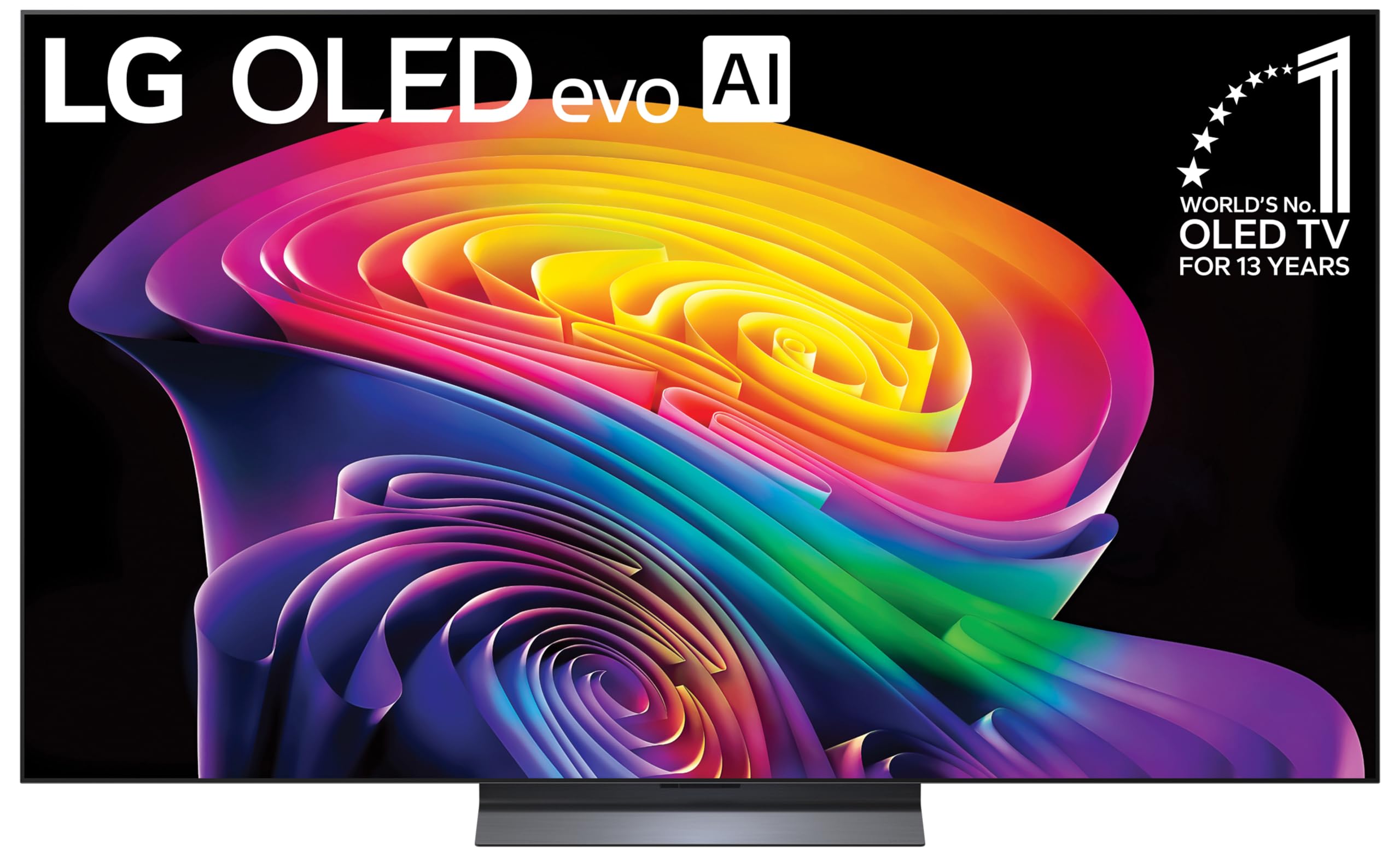
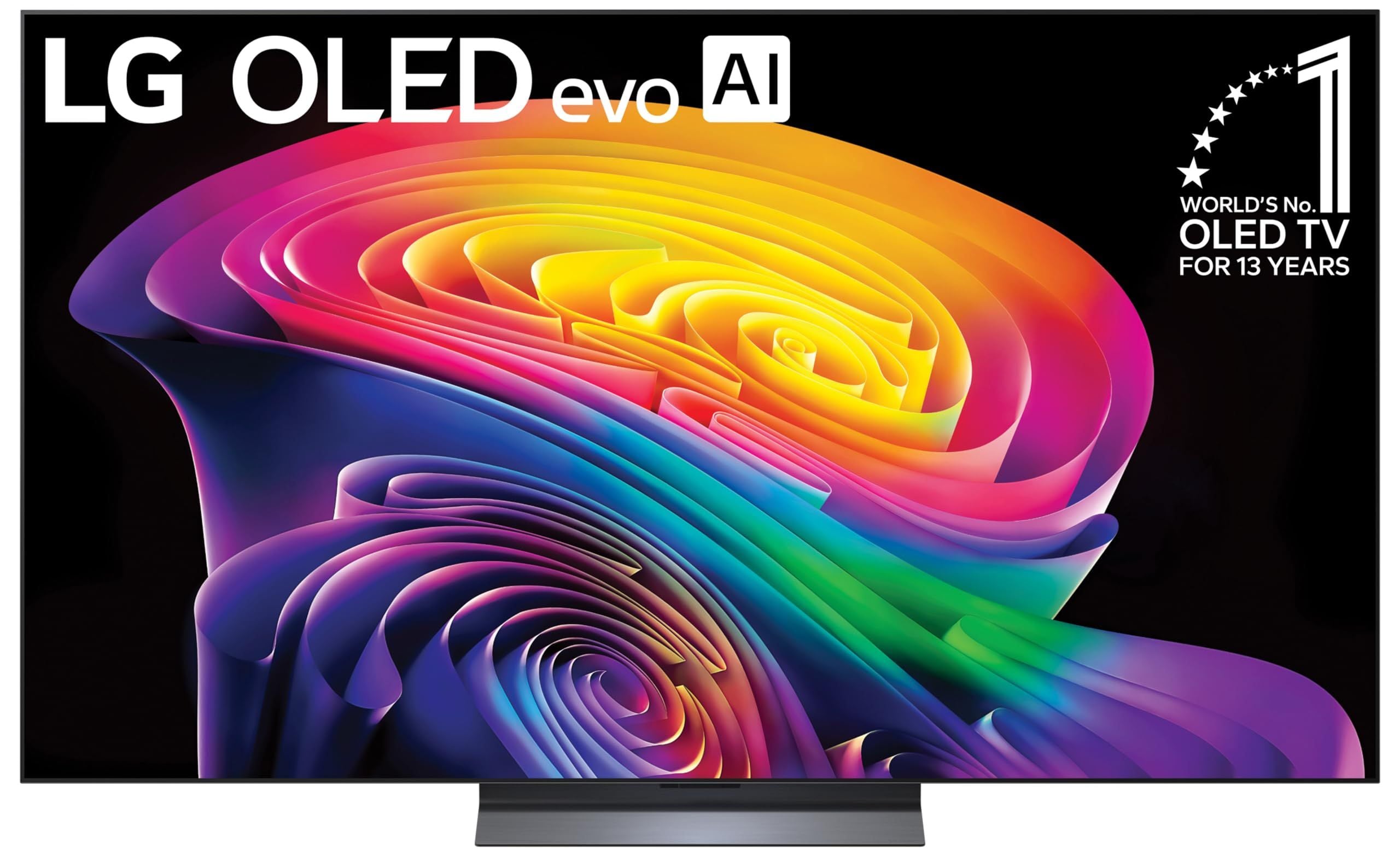
LG's C6 OLED 65-inch is the most complete gaming TV here because it balances OLED evo picture quality with broad console-friendly features. Its 4K panel uses 8.3 million self-lit pixels, which gives it the black levels and pixel response gamers expect from OLED.
LG lists a 0.1ms response time, and the TV has four HDMI inputs with eARC on HDMI 2. That setup works well for players juggling a console, a gaming PC, and audio gear.
Dolby Vision, Dolby Atmos, Filmmaker Mode with Ambient Light Technology, and the Alpha 11 AI Processor Gen3 round out a strong all-purpose premium TV for games and streaming.
Key highlights
- OLED evo, 4K, 8.3 million self-lit pixels
- Alpha 11 AI Processor Gen3
- 0.1ms response time listed by LG
- 4 HDMI inputs with eARC on HDMI 2
- Dolby Vision, Dolby Atmos, Filmmaker Mode with Ambient Light Technology
Pros
- Excellent OLED blacks and pixel response
- Dolby Vision support for Xbox and streaming apps
- Four HDMI inputs make console setups easy
- More attainable than flagship OLEDs
Cons
- OLED burn-in risk remains for static HUD-heavy use
- LG webOS home screen can feel ad-heavy
Who it's for
Best for buyers who want a premium OLED gaming TV with Dolby Vision and broad console compatibility.
Skip if
Look elsewhere for a room that is very bright all day or for Samsung's 165Hz and Glare Free package.
Hisense U65QF Mini-LED 65-inch - Best budget
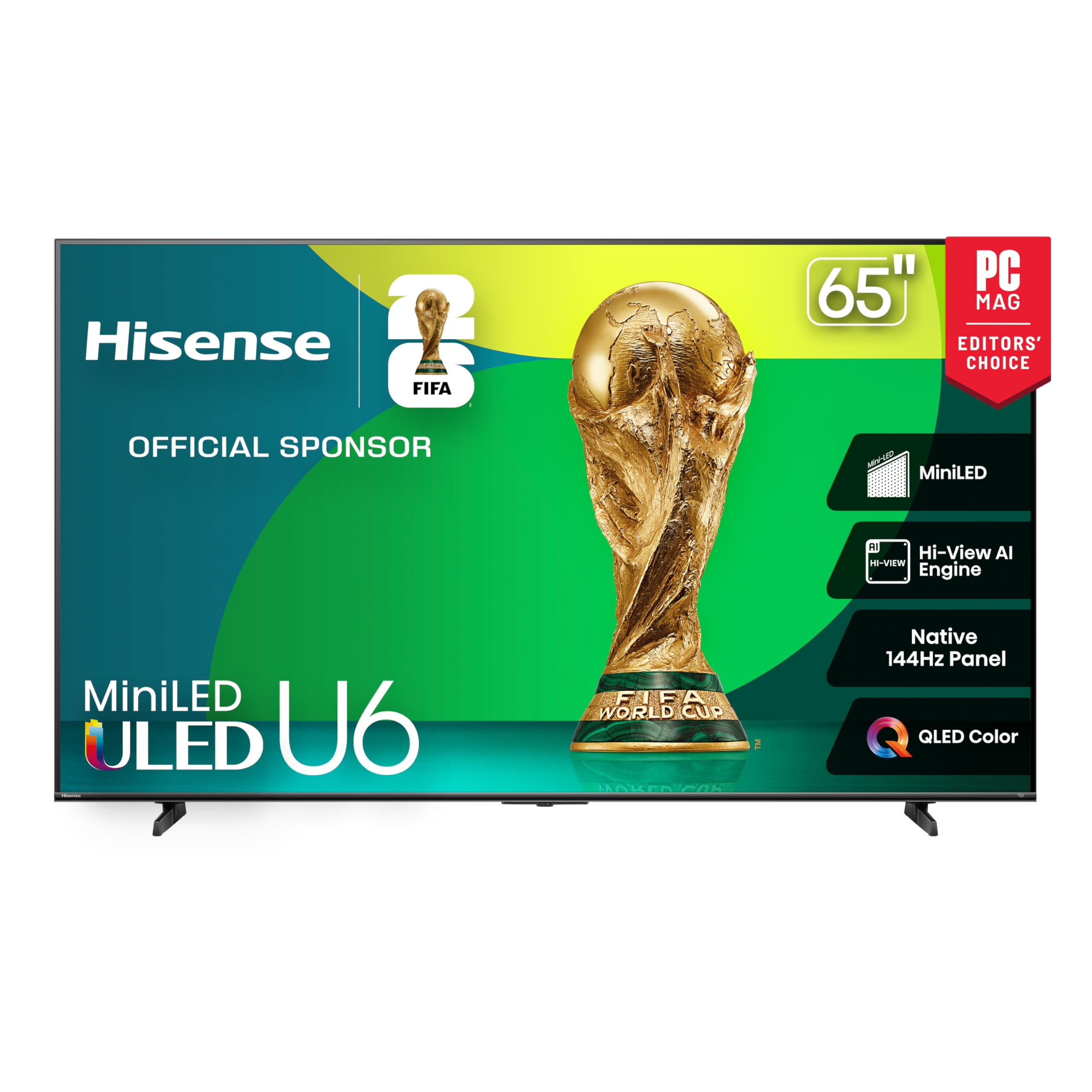
The Hisense U65QF Mini-LED 65-inch is the budget pick for players replacing an older 60Hz TV. It brings Mini-LED backlighting, QLED Color with billion+ shades, and 144Hz Game Mode Pro with 48Hz to 144Hz VRR.
Its two HDMI 2.1 bandwidth ports can handle 4K at 144Hz with VRR, and the dedicated gaming mode delivers very low input lag. That is a meaningful upgrade path for PS5 and Xbox buyers who want 4K/120-plus support.
Fire TV keeps Alexa built in, but the interface can feel more ad-heavy than Google TV. This is a 2025 model that still sells below Hisense's newer 2026 U6SF and U6SF Pro, so it remains the cheapest credible pick here while it stays in stock. Motion, blooming, and HDMI flexibility are also weaker than the higher-tier picks.
Key highlights
- 144Hz Game Mode Pro with 48Hz to 144Hz VRR
- QLED Color, billion+ shades
- Two HDMI 2.1 bandwidth ports capable of 4K at 144Hz with VRR
- Very low input lag in dedicated gaming mode
- Fire TV
Pros
- Rare 144Hz gaming support at budget pricing
- Mini-LED backlight improves contrast over basic LED TVs
- Good fit for PS5/Xbox buyers upgrading from an older 60Hz TV
- Often far cheaper than OLED
Cons
- Fire TV interface is more ad-heavy than Google TV
- Motion and blooming are weaker than higher tiers
- Only two HDMI 2.1 bandwidth ports
Who it's for
Best for shoppers who want the cheapest credible 65-inch gaming TV with 4K/120-plus support.
Skip if
Choose the U8QG instead for a large gaming upgrade.
Sony BRAVIA 8 II OLED 65-inch - Best for PS5-first movie rooms
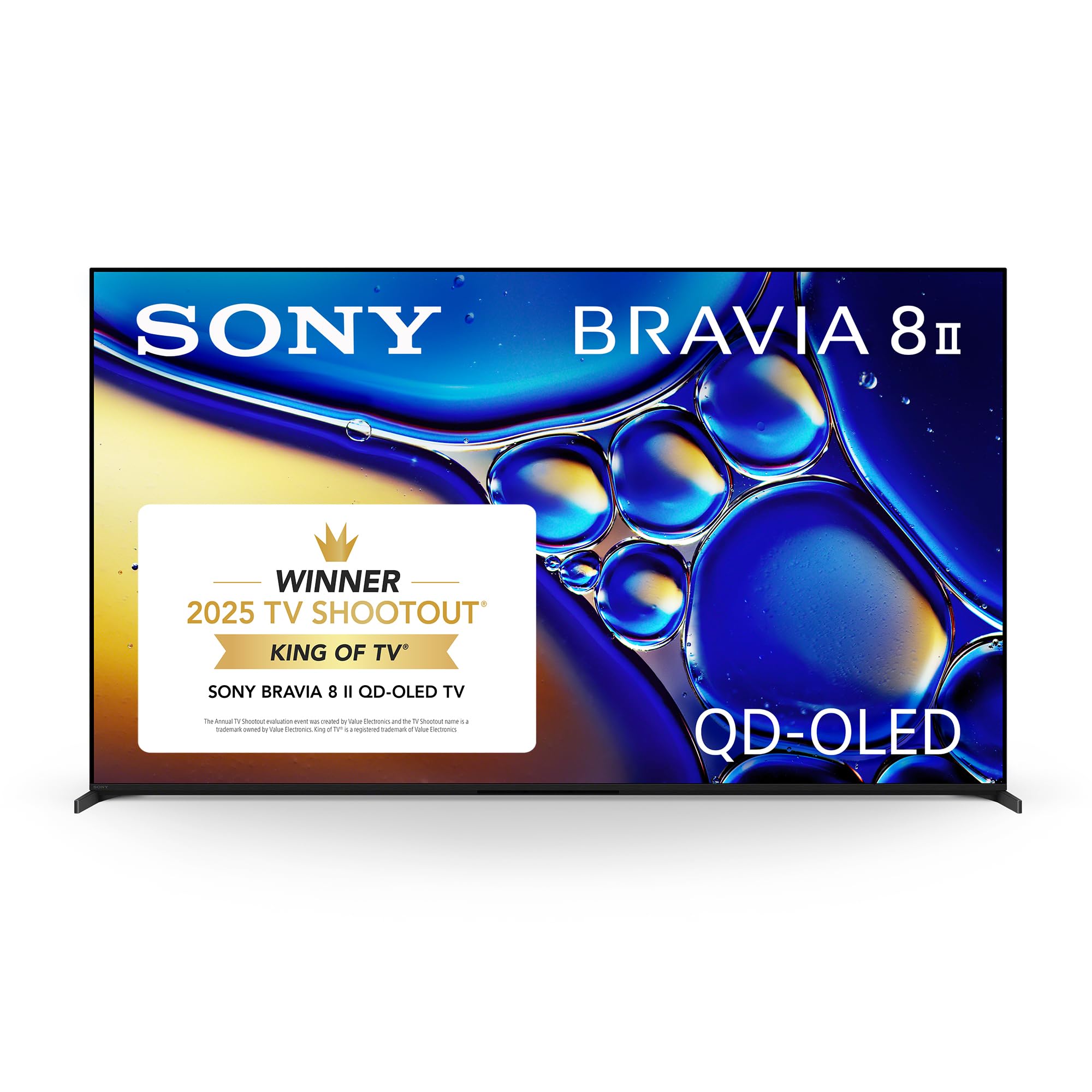
Sony's BRAVIA 8 II OLED 65-inch belongs in PS5-first rooms where movie performance matters as much as games. It is a 2025 OLED model with 3840 x 2160 resolution and a 120Hz panel refresh rate.
The HDMI 2.1 feature list includes 4K120, eARC, VRR, ALLM, and SBTM. Sony also includes Auto HDR Tone Mapping and Auto Genre Picture Mode for PlayStation setup.
HDR10, HLG, and Dolby Vision support give it strong movie flexibility. PC players chasing 144Hz or 165Hz should choose another TV, but PS5 owners get Sony processing, motion handling, PS5 integration, and Acoustic Surface Audio+.
Key highlights
- 2025 model year
- OLED, 3840 x 2160
- 120Hz panel refresh rate
- 4K120, eARC, VRR, ALLM, SBTM
- Auto HDR Tone Mapping and Auto Genre Picture Mode
- HDR10, HLG, Dolby Vision
Pros
- Sony processing and motion are excellent for mixed games and movies
- PS5-specific setup features are built in
- Dolby Vision support
- Acoustic Surface Audio+ is better than many thin OLED speakers
Cons
- Only two HDMI ports get VRR/4K120 treatment
- 120Hz ceiling trails 144Hz/165Hz rivals
- Typically pricier than comparable LG OLEDs
Who it's for
Best for PS5 players who care most about movies, upscaling, motion handling, and polished OLED picture quality.
Skip if
Choose another TV for four HDMI 2.1 gaming ports or PC gaming above 120Hz.
Samsung S90H OLED 65-inch - Best Samsung OLED value
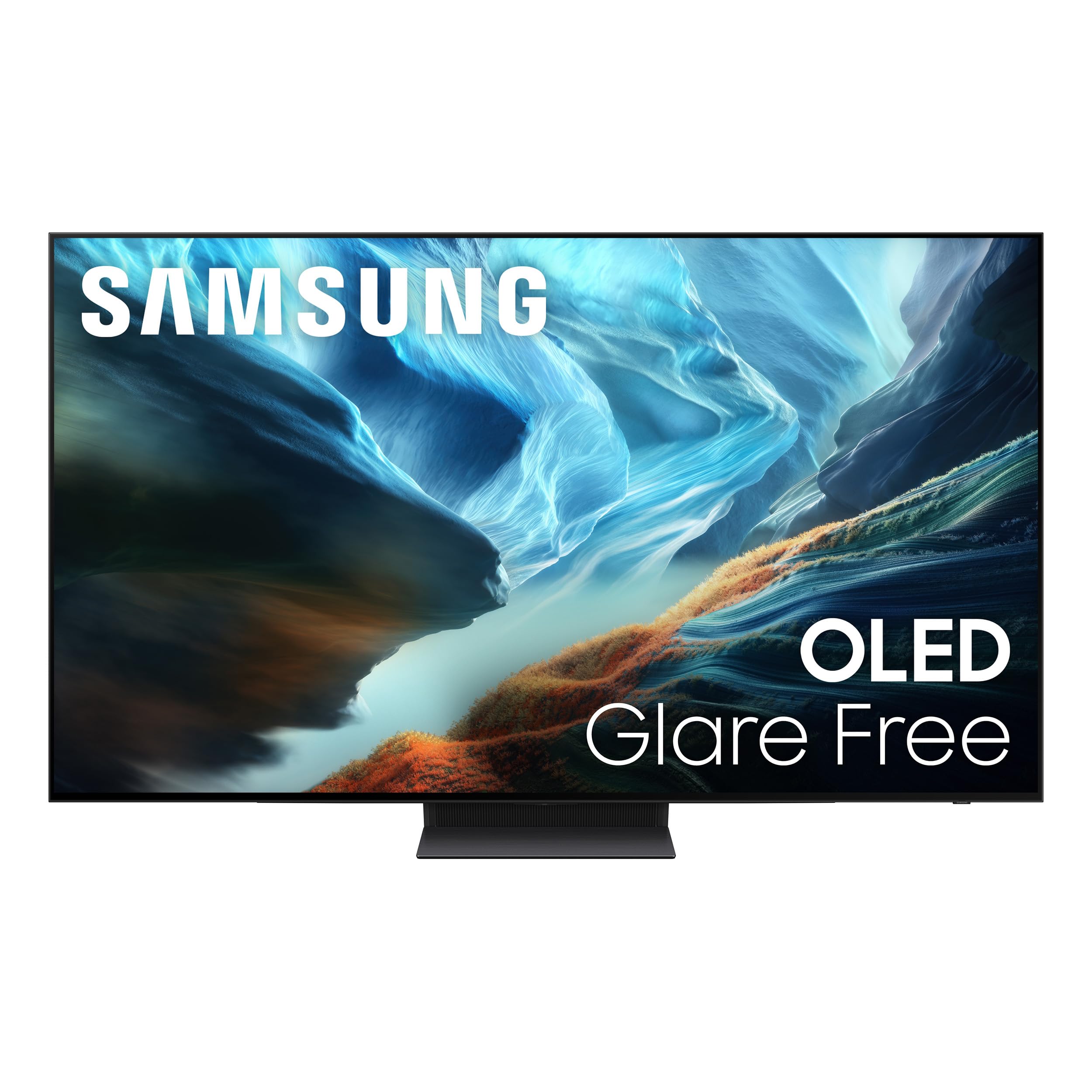
Samsung's S90H OLED 65-inch targets players who want a current Samsung OLED without moving to the brand's flagship tier. It combines a 4K UHD OLED panel with OLED HDR+ and Glare Free treatment.
Four HDMI 2.1 ports capable of 4K at 165Hz with VRR give it serious gaming PC appeal. Console players also get ample HDMI flexibility for multi-device setups.
The NQ4 AI Gen3 Processor and Ultimate Gaming Pack strengthen its gaming identity. The main limitation is clear: Samsung still lacks Dolby Vision.
Key highlights
- OLED, 4K UHD
- OLED HDR+ with Glare Free
- NQ4 AI Gen3 Processor
- Ultimate Gaming Pack
- Four HDMI 2.1 ports capable of 4K at 165Hz with VRR
Pros
- 165Hz is useful for gaming PCs
- Glare Free treatment is available on this 2026 step-down model
- Strong OLED contrast and fast response
Cons
- Still lacks Dolby Vision
- Panel specifics can vary more than flagship positioning
Who it's for
Best for Samsung fans and PC gamers who want OLED contrast, 165Hz support, and Glare Free treatment.
Skip if
Choose another TV for Dolby Vision Gaming or the best verified HDR brightness.
Hisense U8QG Mini-LED 65-inch - Best bright-room value
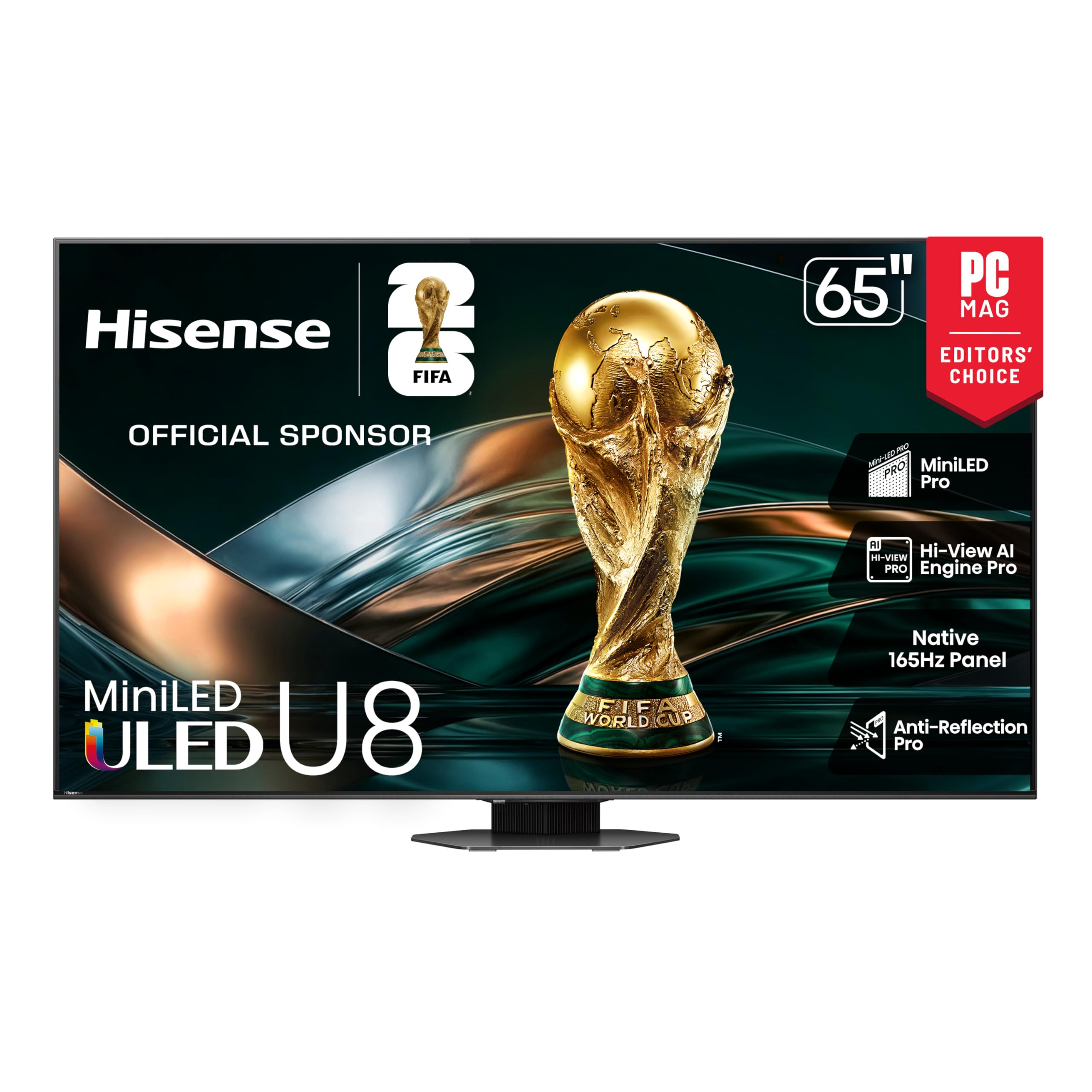
The Hisense U8QG Mini-LED 65-inch is built for living rooms with glare and daylight. Its MiniLED Pro backlight, QLED Color, and brightness rating of up to 5,000 nits make it a strong bright-room gaming pick.
A 165Hz native refresh rate gives PC players extra headroom, while HDR10+, Dolby Vision IQ, and IMAX Enhanced support cover major HDR needs across consoles and streaming apps.
Anti-Glare Low Reflection Pro helps in brighter spaces. This is a 2025 model that now sells below Hisense's newer and pricier 2026 U7SG lineup, so it stays a strong discounted bright-room buy while it remains in stock. The tradeoff is that off-axis viewing and dark-scene blooming remain Mini-LED weaknesses compared with OLED.
Key highlights
- MiniLED Pro with QLED Color
- Up to 5,000 nits brightness
- 165Hz Native Refresh Rate
- Anti-Glare Low Reflection Pro
- HDR10+, Dolby Vision IQ, IMAX Enhanced
Pros
- Very bright for daytime gaming
- Excellent feature set for the price
- Supports both Dolby Vision and HDR10+
- High refresh ceiling for PC users
Cons
- Off-axis viewing is weaker than OLED
- Mini-LED blooming can still appear in dark scenes
- Hisense processing is less refined than Sony or LG
Who it's for
Best for players who game in a bright living room and want flagship-level specs for far less than OLED flagship money.
Skip if
Pick OLED instead for mostly dark-room play and perfect blacks from every seat.
TCL QM8L Mini-LED 65-inch - Best premium Mini-LED
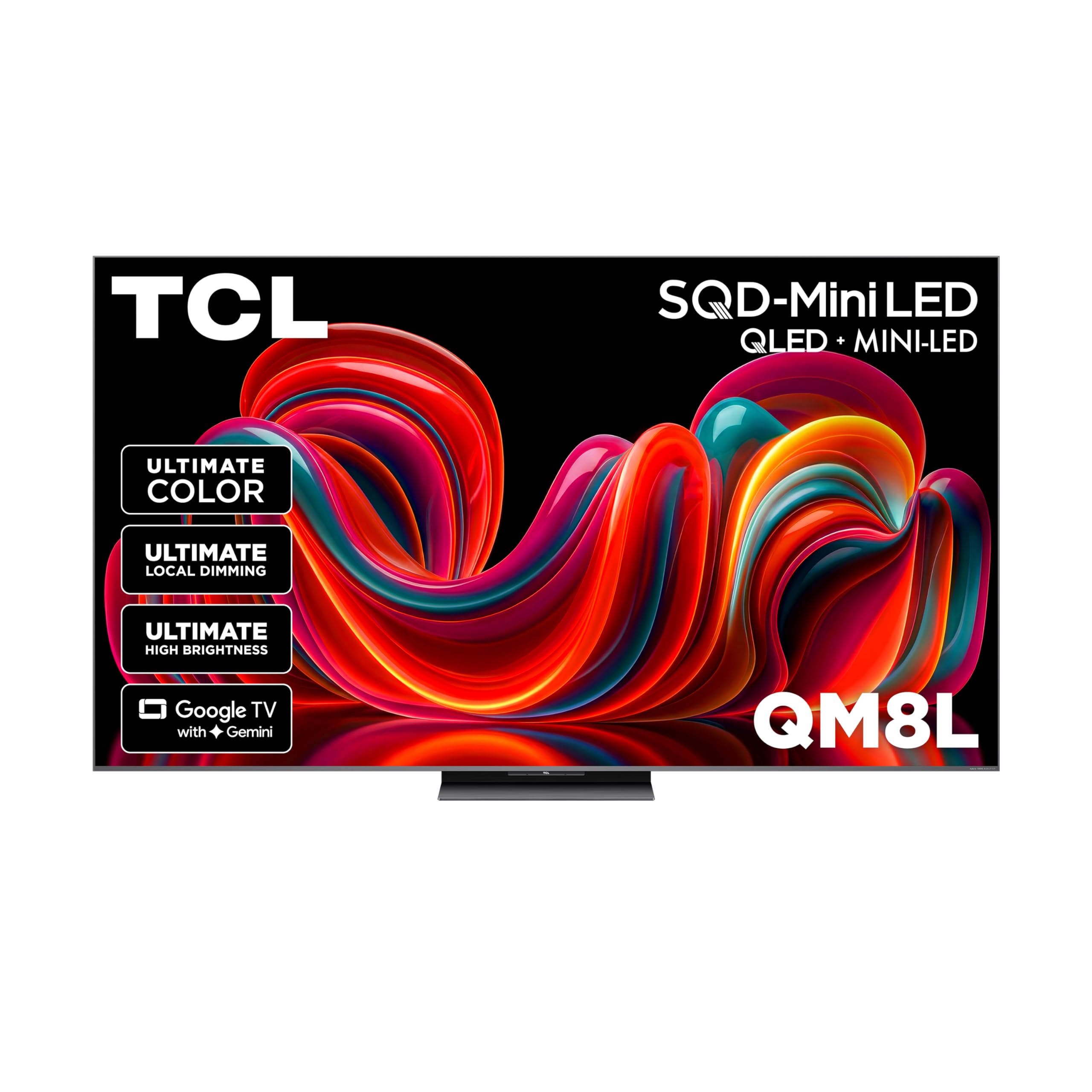
TCL's QM8L Mini-LED 65-inch is the premium TCL choice for gamers who want a bright non-OLED display. The SQD-Mini LED QLED 4K panel is aimed at strong brightness and contrast without OLED burn-in concerns.
Its HDMI setup is the standout advantage: four HDMI 2.1 bandwidth ports. That makes it easier to connect multiple consoles, a gaming PC, and eARC audio gear without constant cable swapping.
A 144Hz refresh rate gives PC players more room than a basic 120Hz TV. The ATSC 3.0 NEXTGEN TV tuner and Bang & Olufsen-tuned speaker system add useful living-room extras.
Key highlights
- SQD-Mini LED QLED, 4K UHD
- 144Hz refresh rate
- Four HDMI 2.1 bandwidth ports
- ATSC 3.0 NEXTGEN TV tuner
- Bang & Olufsen-tuned speaker system
Pros
- Very strong brightness and contrast for a non-OLED
- Four HDMI 2.1 ports are better than many midrange TVs
- Dolby Vision and HDR10+ support
- Google TV is app-rich and familiar
Cons
- More expensive than last year's TCL values
- Not OLED-level pixel contrast
- Color accuracy may need adjustment for purists
Who it's for
Best for buyers who want a bright, large-screen-friendly Mini-LED TV with fewer gaming-port compromises.
Skip if
Consider another TCL option if the 2026 SQD upgrade is not a priority.
TCL QM7L Mini-LED 65-inch - Best TCL value
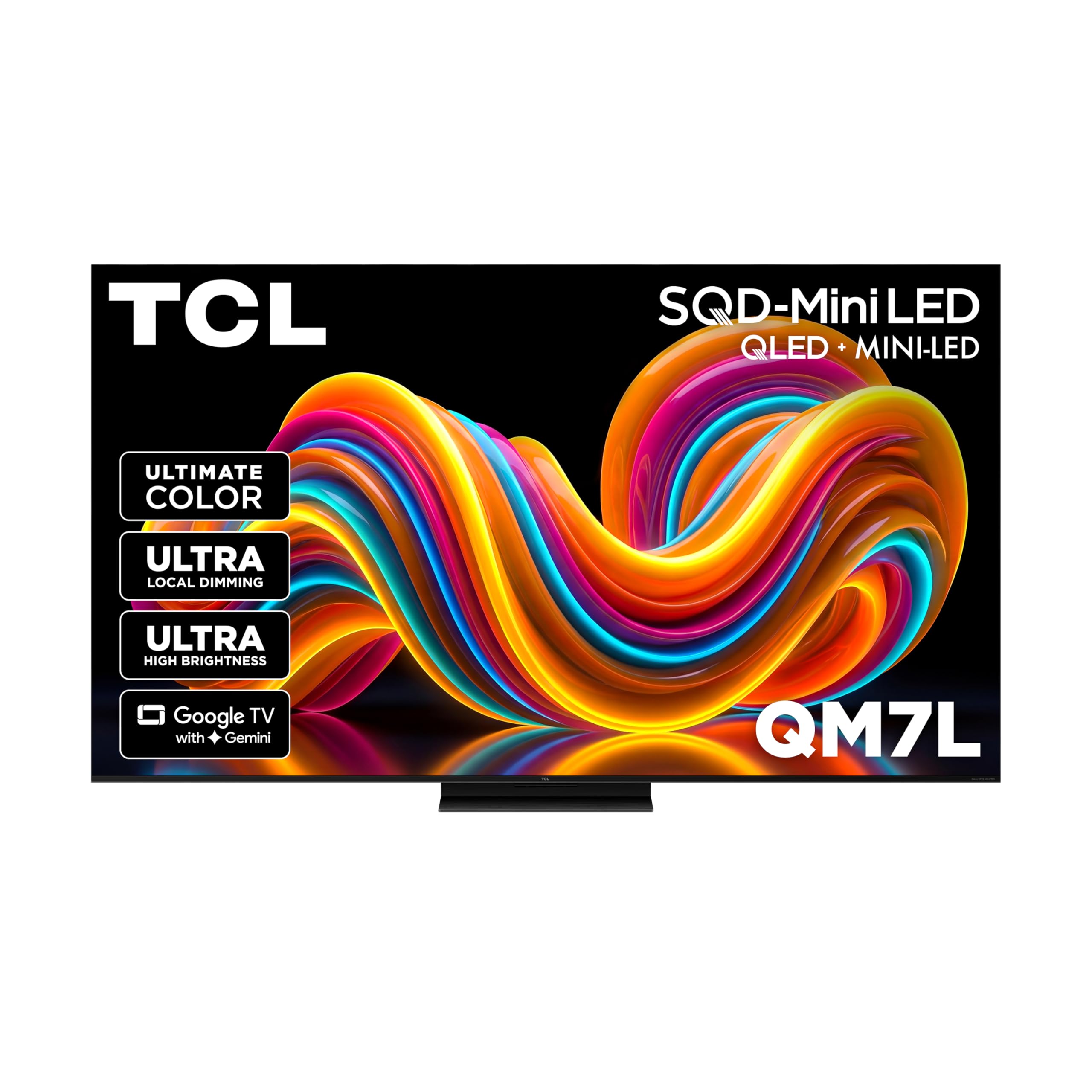
TCL's QM7L Mini-LED 65-inch is the practical TCL step-down for buyers who do not need the QM8L's full feature set. It uses an SQD Mini LED 4K display and carries a brightness claim of up to 3000 nits.
For gaming, it has four HDMI inputs, two of them full-bandwidth HDMI 2.1 ports that handle 4K at 144Hz, 1080p at 288Hz, and VRR, while the other two top out at 4K at 60Hz. That covers a console-first setup or a console plus gaming PC arrangement.
Dolby Vision, HDR10+, and Google TV OS version 14 make it a capable all-purpose TV for games, sports, and streaming. The main compromise is the two-port HDMI 2.1 setup.
Key highlights
- SQD Mini LED Display, 4K UHD
- Up to 3000 nits brightness
- Four HDMI inputs, two full-bandwidth HDMI 2.1 for 4K at 144Hz
- 4K at 144Hz, 1080p at 288Hz, VRR
- Dolby Vision and HDR10+
- Google TV OS version 14
Pros
- Strong brightness and gaming specs at midrange pricing
- Dolby Vision plus HDR10+ support
- Good choice for mixed sports, streaming, and games
- Amazon US TCL store listed the 65QM7L
Cons
- Only two of its four HDMI inputs are full-bandwidth 4K/144Hz
- Not as bright or fully equipped as QM8L
- Viewing angles trail OLED
Who it's for
Best for buyers who want a current TCL Mini-LED with strong gaming performance but do not need four full-bandwidth HDMI 2.1 ports.
Skip if
Pick a four-port model if you run multiple consoles, a gaming PC, and eARC all at once without an AV receiver.
How to Choose
- HDMI 2.1 ports matter more than the label. For PS5 and Xbox Series X, look for 4K at 120Hz, VRR, ALLM, and eARC. Two high-bandwidth ports can work for one console, while four is better for PS5, Xbox, PC, and a soundbar or receiver.
- OLED fits dark rooms and Mini-LED fits bright rooms. OLED is the better fit for deep blacks and pixel-level contrast in darker spaces. Mini-LED is stronger for daytime gaming and rooms with more light.
- HDR format support matters by platform. LG, Sony, Hisense, and TCL options here support Dolby Vision. Samsung does not, so Xbox owners who use Dolby Vision Gaming should weigh that heavily.
- Refresh rate above 120Hz is mainly for PC. PS5 and Xbox Series X target up to 4K/120Hz. A 144Hz or 165Hz panel is most useful when you also connect a gaming PC.
- Screen coating changes bright-room play. Anti-glare or low-reflection treatment helps when daylight or lamps hit the screen. This matters most for living-room setups where reflections can wash out dark game scenes.
- Smart TV platform affects daily use. Google TV is flexible, Fire TV is often ad-heavy but Alexa-friendly, webOS is app-rich, and Samsung Tizen has strong cloud-gaming hooks but no Dolby Vision.
Do I need a 165Hz TV for PS5 or Xbox Series X?
No. PS5 and Xbox Series X top out at 4K/120Hz for supported games. A 144Hz or 165Hz TV mainly benefits gaming PCs.
Is OLED safe for gaming?
Yes for normal varied use, but OLED can retain or burn in static HUDs over very long exposure. Heavy all-day use with the same static game interface is safer on Mini-LED.
How many HDMI 2.1 ports should I buy?
Two high-bandwidth ports can work for one console, especially if eARC does not use one of them. Four full-bandwidth ports are better for PS5, Xbox, PC, and soundbar setups.
Should Xbox owners care about Dolby Vision?
Yes if you use Dolby Vision games or streaming. Samsung TVs in this list do not support Dolby Vision, while LG, Sony, Hisense, and TCL options here do.
Is 8K worth it for gaming in 2026?
Not for most shoppers. Native 8K console gaming and 8K game content remain limited, while 4K OLED and Mini-LED TVs offer stronger gaming value and mature feature support.
Share this article
More in News
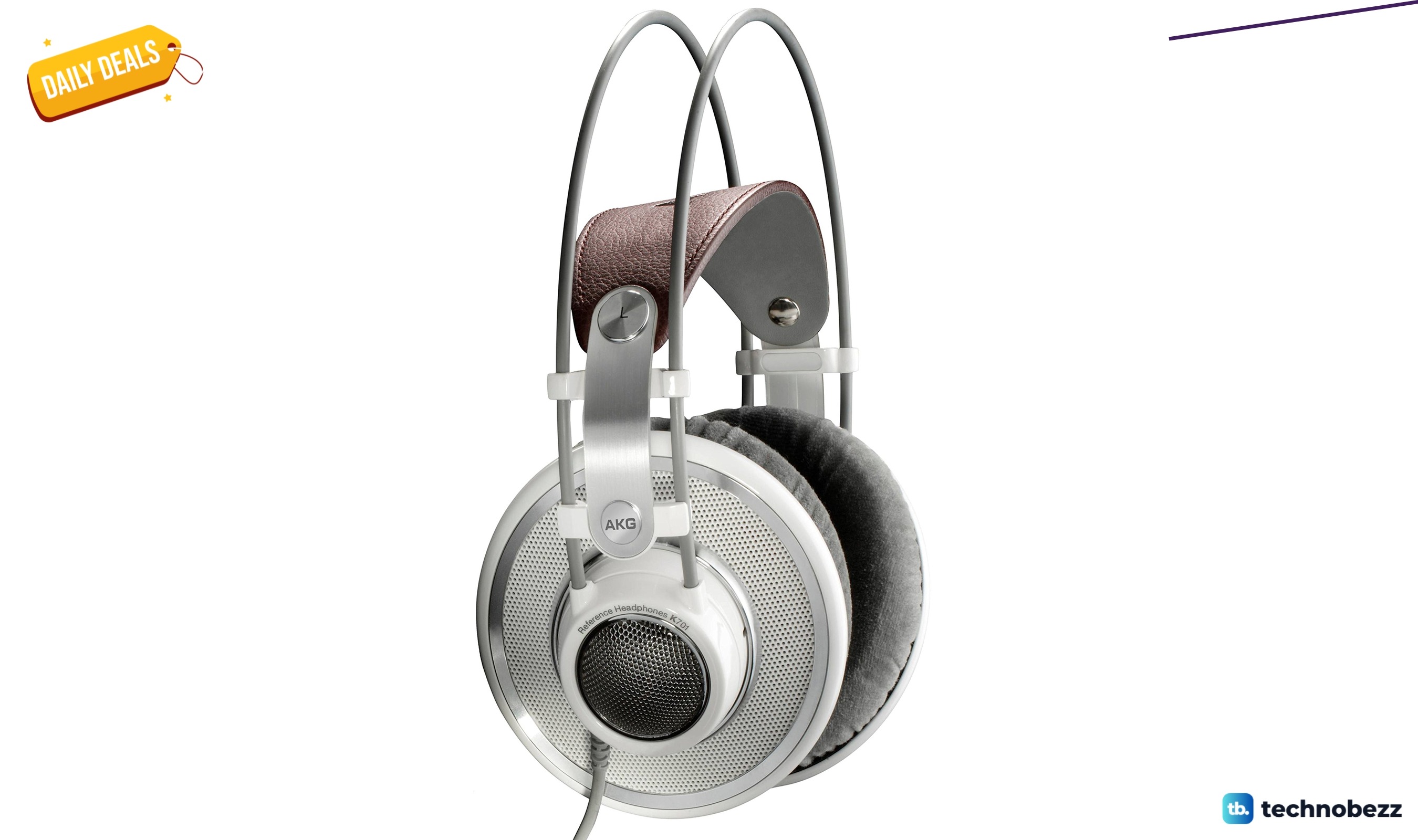
AKG K 701 Ultra Reference Class Stereo discounted to $247.37
AKG K 701 headphones drop to $247.37 on Amazon, a 47% discount that sits below recent 30, 90, and 180-day average prices.
5 min read
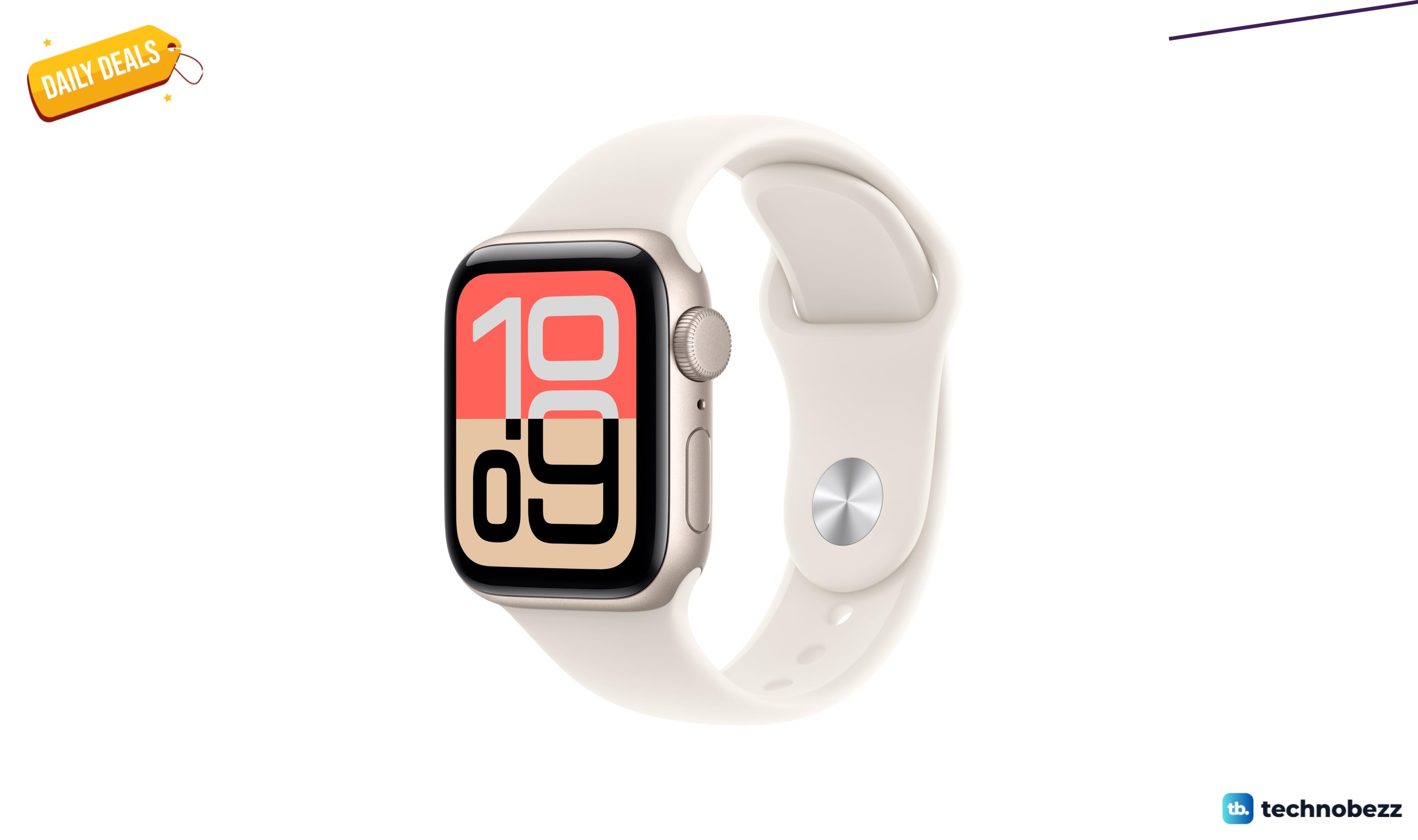
Apple Watch SE 3 GPS 40mm Smartwatch discounted to $189.97
Save $59.03 on the Apple Watch SE 3 GPS 40mm at Amazon, matching its lowest recorded price with health and sleep tracking.
5 min read
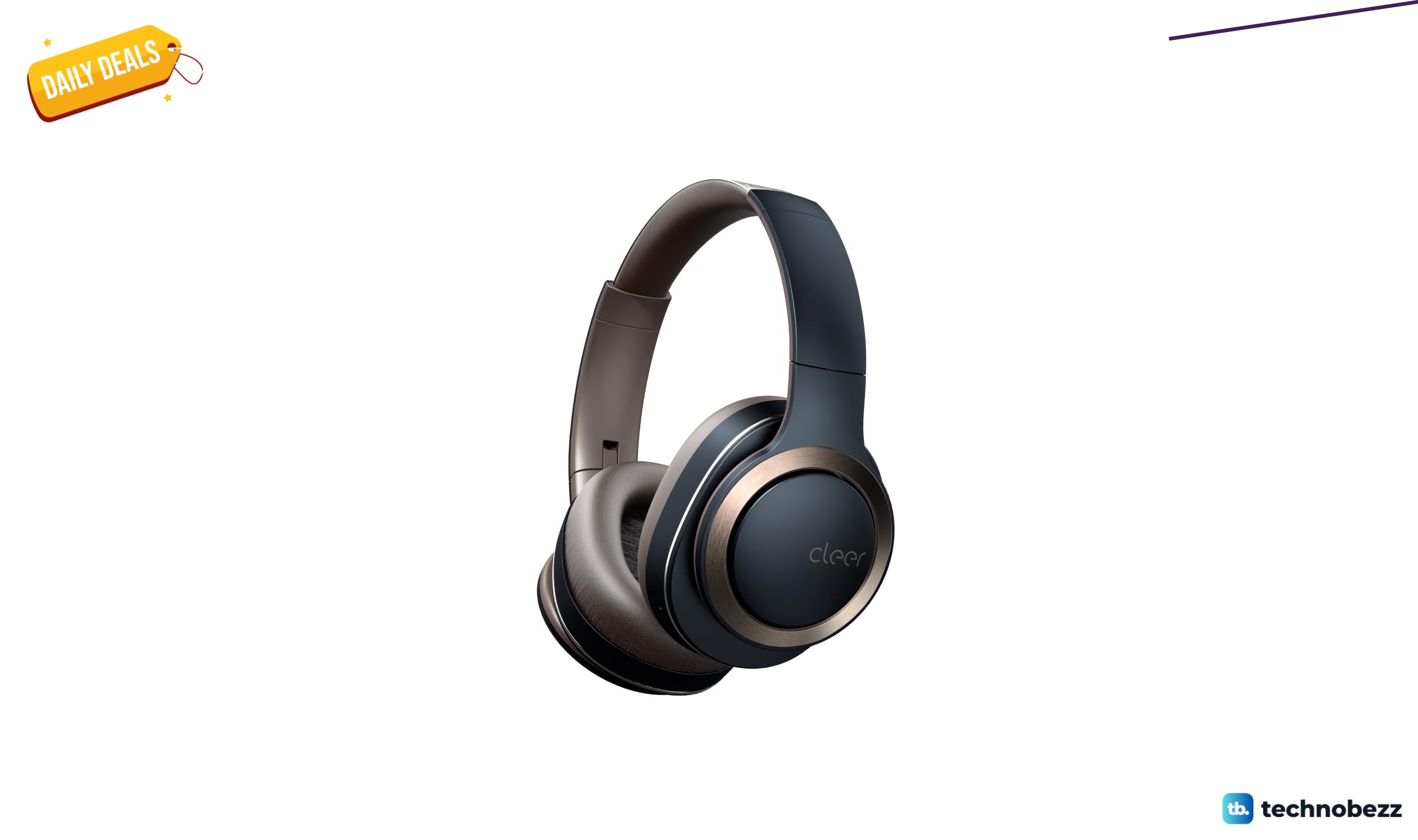
Cleer Audio Enduro ANC Noise Canceling Headphones price drops to $94.99
Save 47% on Cleer Audio Enduro ANC headphones at $94.99, with 60-hour battery, active noise cancellation, and multipoint Bluetooth.
3 min read

Lenovo coupon codes and deals
Browse 5 current Lenovo offers, including 3 coupon codes and 2 online deals.
5 min read

Woot coupon codes and deals
3 min read
Samsung coupon codes and deals
5 min read

Best tech coupon codes and online deals
4 min read
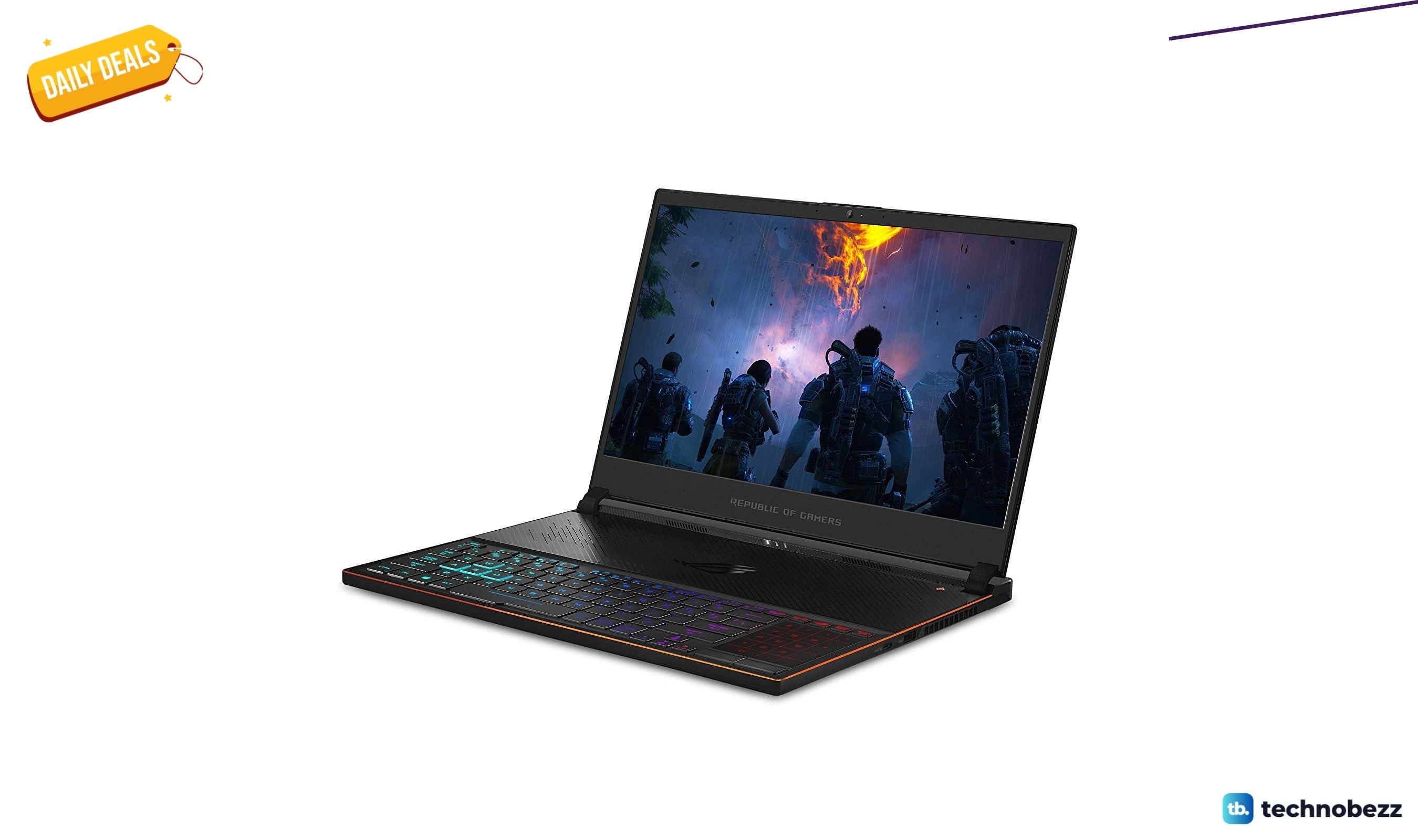
ASUS ROG Zephyrus S Ultra Slim Gaming gets a $660.95 price cut to $1338.05
5 min read
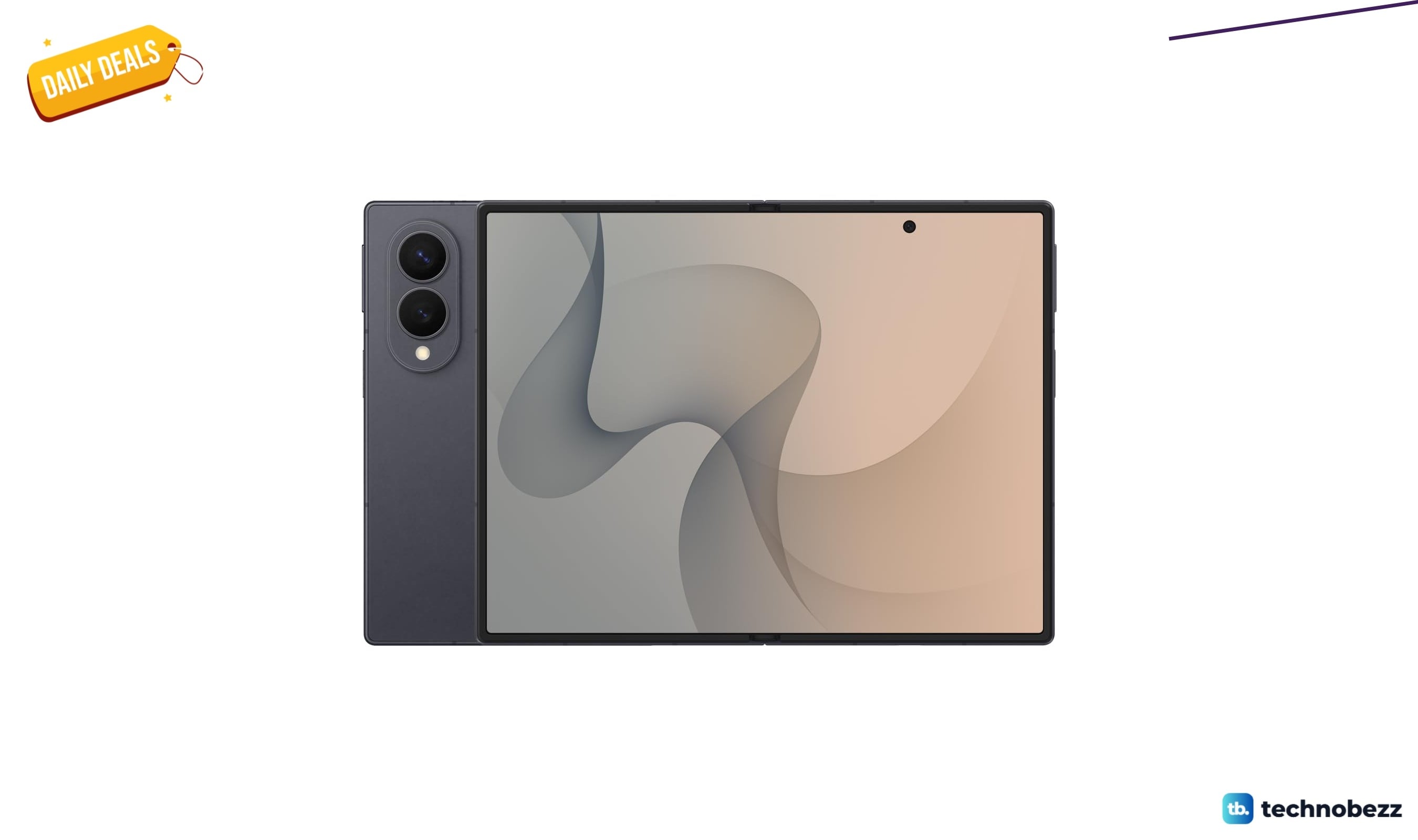
Samsung Galaxy Z Fold8 Unlocked Android Smartphone on sale for $1649.99
3 min read
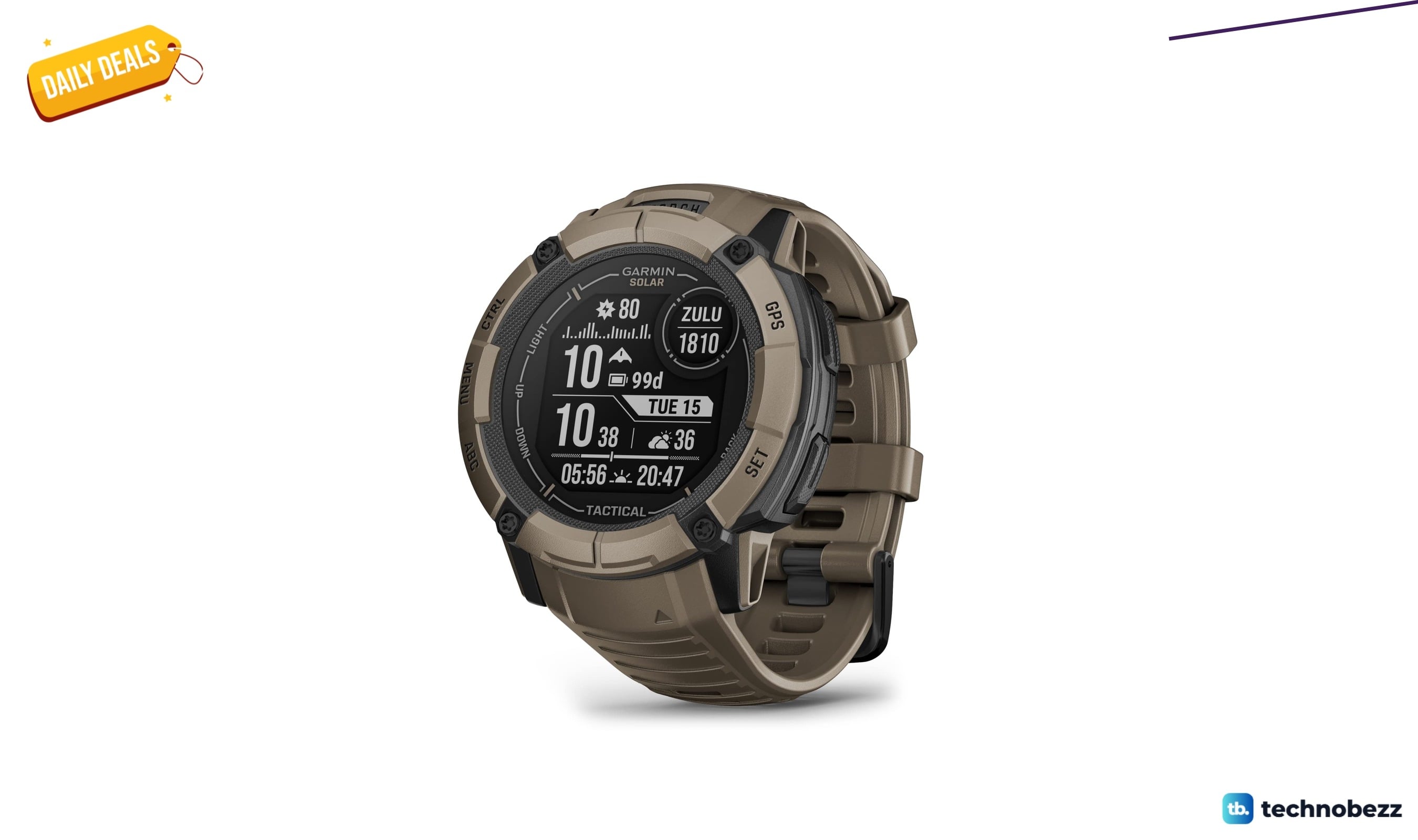
We found 2 smartwatch deals from $219.99 that are actually worth it
5 min read
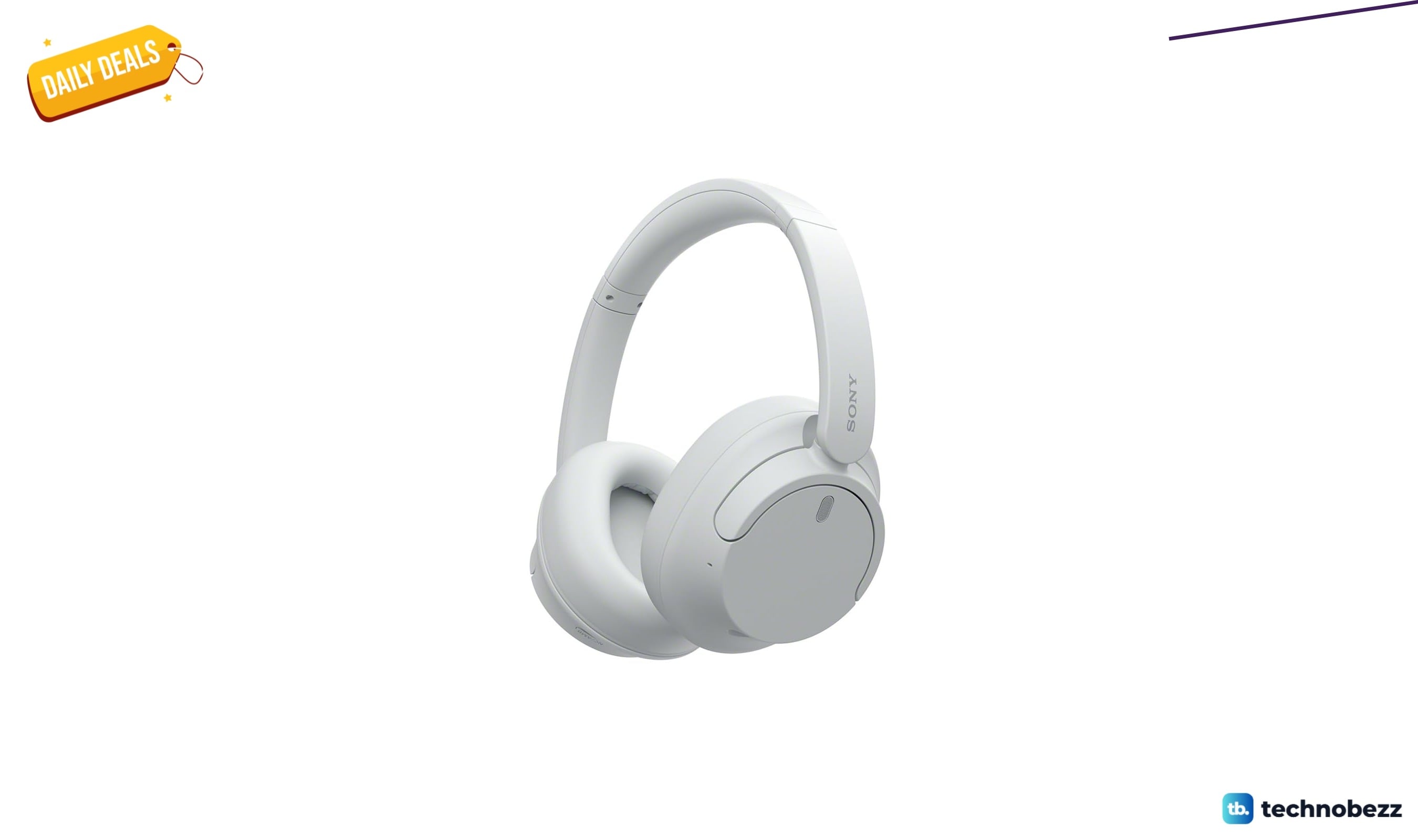
Sony WH-CH720 Noise Canceling Wireless Bluetooth Headphones now $87.94, down from $119.99
3 min read
TCL 75-inch F7D QLED 4K TV leads 2 TV deals from $499.99
5 min read