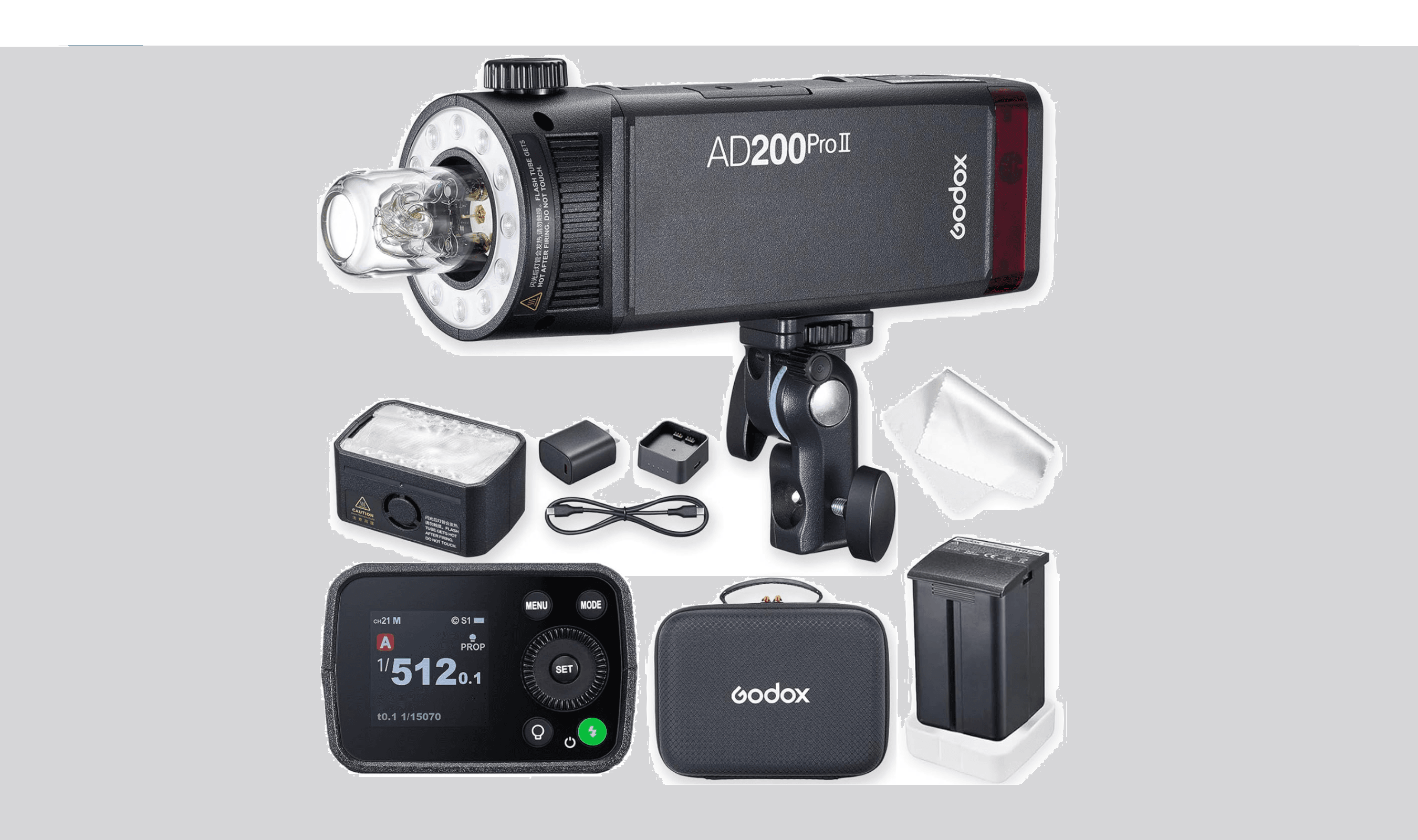
Choosing the right studio lighting kit can transform your photos and videos from amateur to professional. The Godox AD200 Pro II stands out as our top pick for its balance of power, portability, and wireless control. This guide covers options for every budget and use case, from beginners setting up home studios to professionals needing location-ready gear.
Technobezz is supported by its audience. We may get a commission from retail offers.
7 Best Studio Lighting Kits and Lights for 2026
Godox AD200 Pro II leads our picks for 2026.
T
Technobezz
Editorial Team
Updated September 14, 2026Sep 14, 2026
•8 min read

Get Deals Like These in Your Inbox
The best prices, reviewed weekly.
At a Glance
| Category | Product | Why We Picked It |
|---|---|---|
| Best overall | Godox AD200 Pro II | Compact design with powerful output and wireless control |
| Best value | Neewer 700W professional lighting kit | Complete setup at an affordable price |
| Best for video creators | Neewer 660 LED Video Light Kit | Adjustable bi-color panels for streaming |
| Best premium option | Profoto B30 Off-Camera Flash | 500Ws flash with an 11-stop range and a 40W bi-color LED |
| Best for beginners | Torjim Softbox Photography Lighting Kit | Easy setup with soft, even lighting |
| Also recommended | Godox SL60IID LED video light | 70W daylight LED with app control and a Bowens mount |
| Also recommended | Rotolight AEOS 2 PRO Studio LED Light Softbox Kit | RGBWW continuous light and high-speed flash with touchscreen control |
How we chose and tested
We evaluated studio lighting kits based on several key factors that matter for real-world use. Our assessment considered output power, color accuracy, portability, and ease of setup. We prioritized products that offer consistent performance across different shooting scenarios, from portrait sessions to product photography. The evaluation also looked at compatibility with common accessories and overall value relative to price points.
The best studio lighting kits right now
Godox AD200 Pro II - Best overall
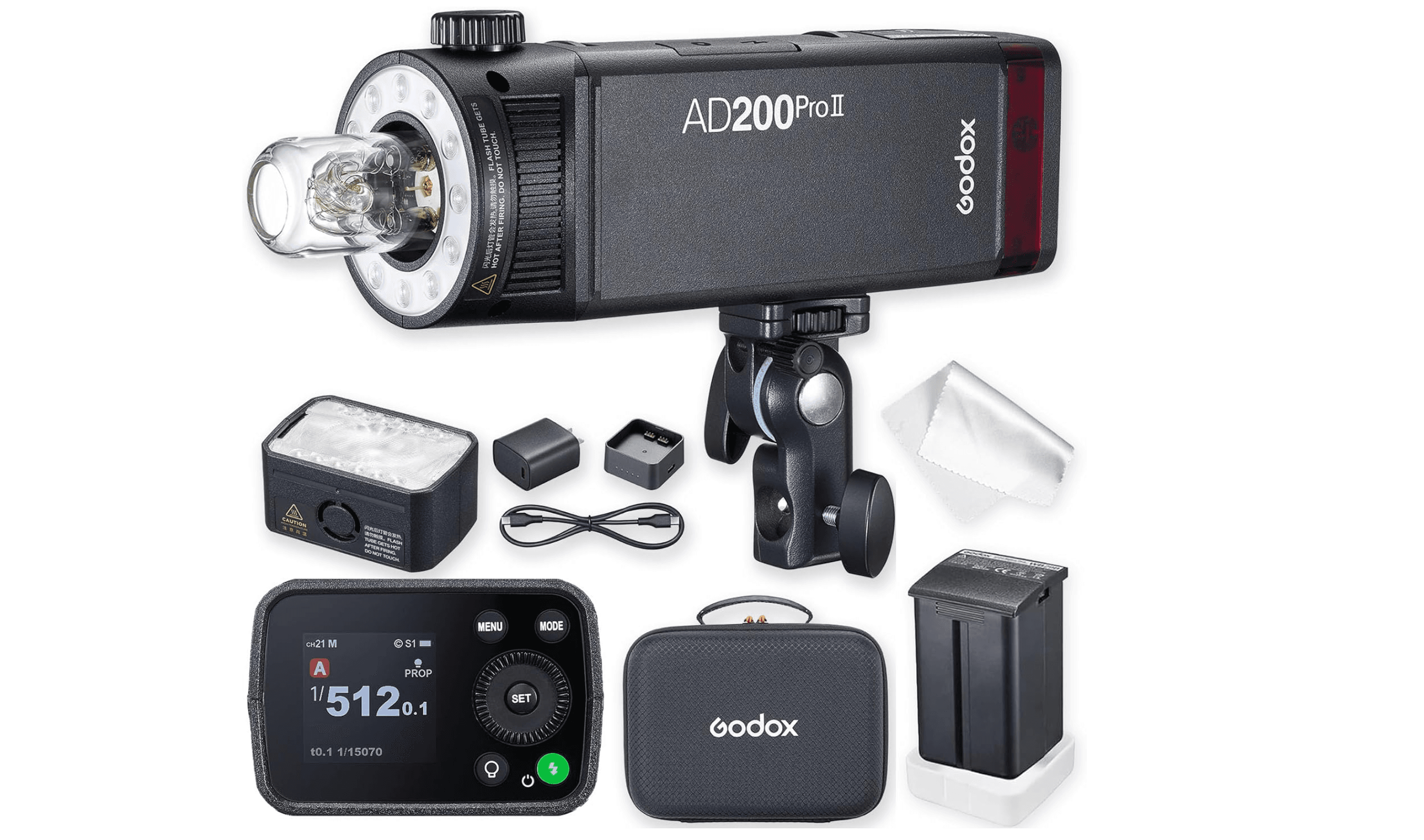
The Godox AD200 Pro II delivers professional results in a compact package, making it ideal for photographers who need versatility without bulk. Its 200Ws power output handles both studio and location work effectively, while the wireless control system simplifies complex setups.
Key highlights
- 200Ws flash power, adjustable from 1/512 to full power
- Wireless control with HSS up to 1/8000s and TTL metering
- Interchangeable heads for different lighting effects
- Rechargeable battery for location shooting
- Compatible with wide range of modifiers
Pros
- Excellent balance of power and portability
- Reliable wireless performance
- Good battery life for extended shoots
- Versatile for both studio and outdoor use
Cons
- Higher price than basic starter kits
- May require additional accessories for complete setup
- Learning curve for advanced features
Who it is for: Professional photographers and serious enthusiasts who need reliable, portable lighting for various shooting scenarios.
Skip if
You're on a tight budget or only shoot in a fixed studio location with access to mains power.
Neewer 700W professional lighting kit - Best value
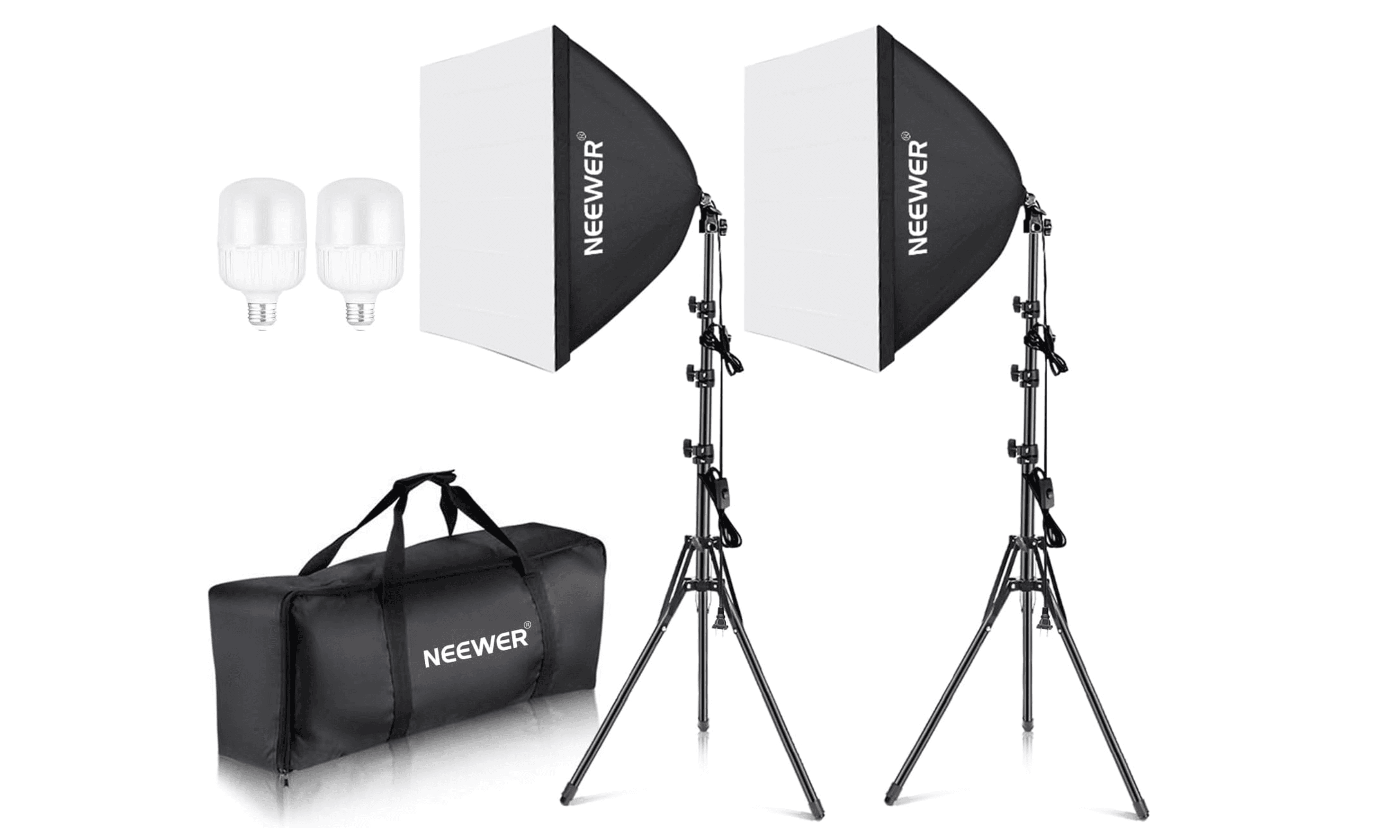
This complete lighting package offers everything beginners need to start creating professional-looking images without breaking the bank. The kit includes two 35W LED bulbs with output equivalent to 350W incandescent lights, stands, and softboxes for immediate setup.
Key highlights
- Two 35W LED bulbs with output equivalent to 350W incandescent lights and 5700K color temperature
- Includes softboxes and sturdy light stands
- Continuous LED lighting lets you preview shadows before shooting
- Simple setup with no complex controls
- Energy-efficient operation
Pros
- Complete package ready to use
- Affordable entry point for beginners
- Softboxes provide flattering, diffused light
- Easy to understand and operate
Cons
- Less powerful than strobe options
- Fixed color temperature
- Bulky for small spaces
- Not ideal for freezing motion
Who it is for: Beginners, hobbyists, and content creators setting up their first home studio on a budget.
Skip if
You need portable lighting for location work or require high-speed sync capabilities.
Neewer 660 LED Video Light Kit - Best for video creators
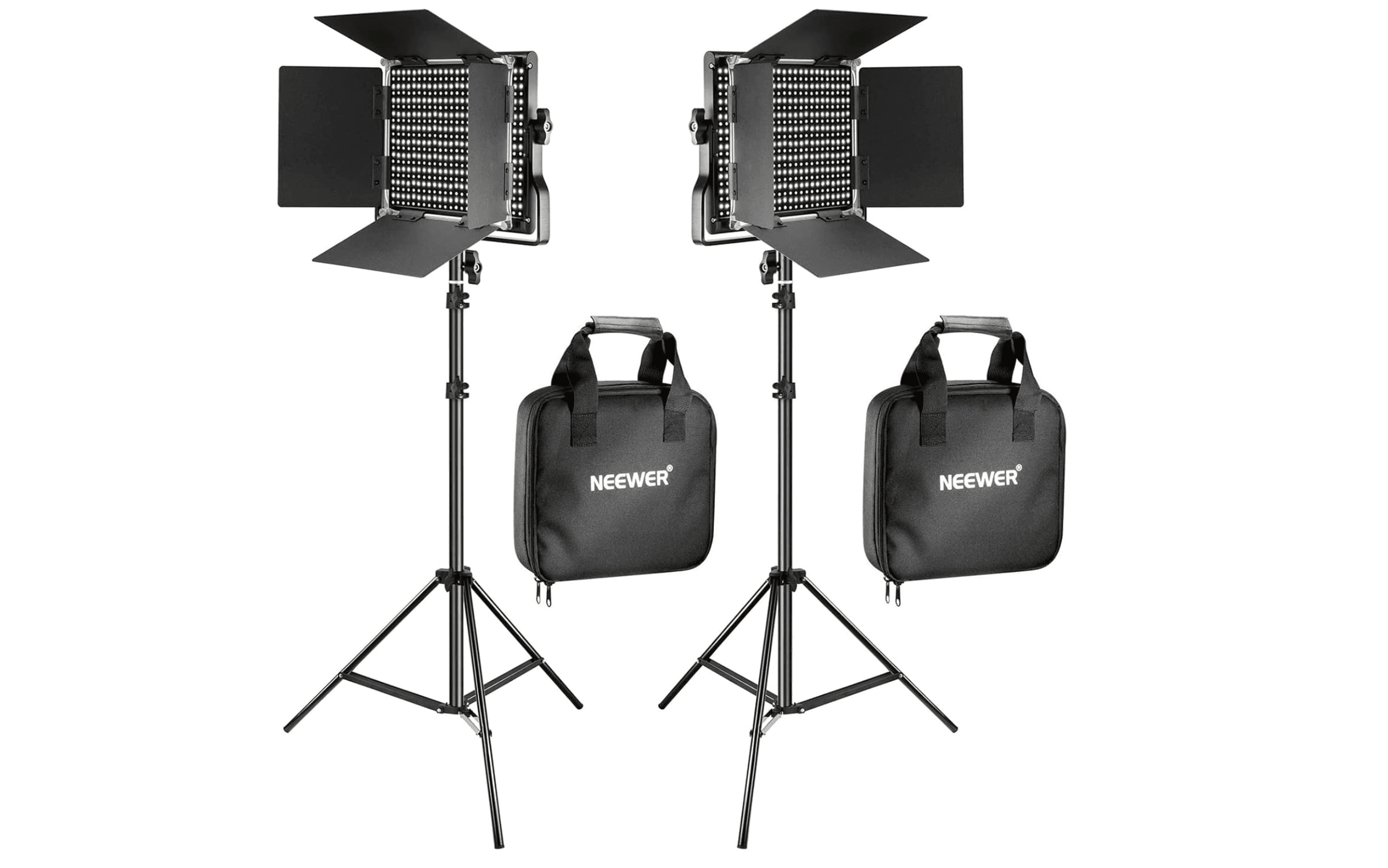
Designed specifically for video production, this kit provides adjustable bi-color lighting perfect for streaming, interviews, and content creation. The LED panels offer consistent output with minimal heat generation.
Key highlights
- Two bi-color LED panels (3200-5600K adjustable)
- Includes soft diffusers and sturdy light stands
- Portable carrying case for easy transport
- Consistent output without flicker
- Low heat operation for comfortable shooting
Pros
- Excellent color accuracy for video work
- Adjustable temperature matches different environments
- Quiet operation suitable for audio recording
- Lightweight and portable
Cons
- Less powerful than flash units for still photography
- Requires mains power for extended use
- Limited light shaping options
- Not ideal for freezing fast motion
Who it is for: YouTubers, streamers, educators, and video creators who need reliable, adjustable lighting for consistent video quality.
Skip if
You primarily shoot still photography or need extremely bright lighting for large spaces.
Profoto B30 Off-Camera Flash - Best premium option
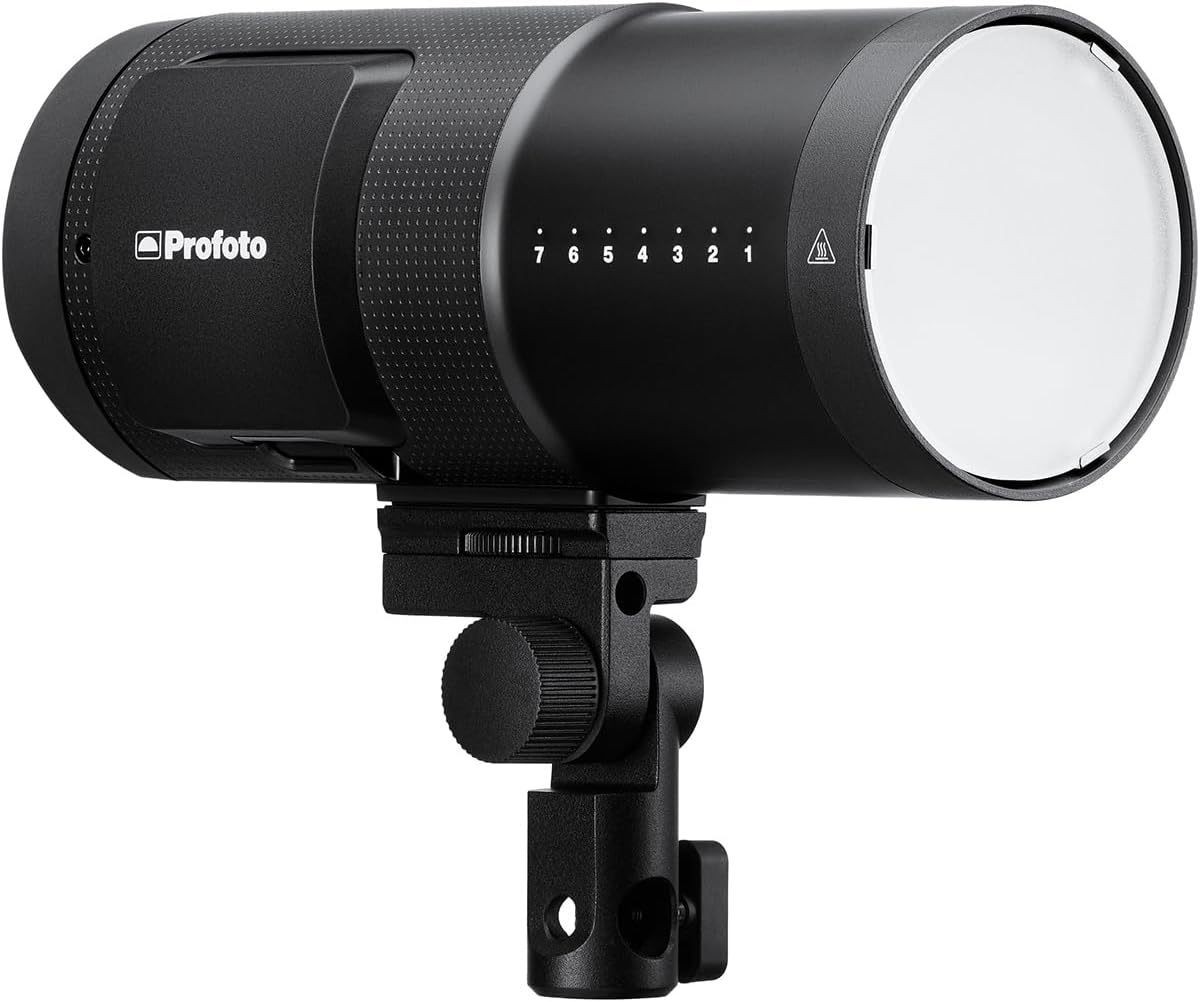
The Profoto B30 combines a 500Ws battery-powered flash with a 40W bi-color continuous LED for location photography and video. Its 11-stop power range, AirX wireless control and user-replaceable flash tube make it a flexible option for professional shoots.
Key highlights
- 500Ws flash with an 11-stop adjustment range
- 40W bi-color continuous LED
- AirX wireless control with TTL and HSS support
- 3.5mm sync socket for wired triggering
- User-replaceable flash tube
Pros
- Fine power adjustment in 0.1-stop increments
- Eco, Boost and Freeze flash modes
- Supports over 120 Profoto light-shaping tools
- Rubberized surface for a secure grip
Cons
- Battery rated for up to 220 full-power flashes
- Full-power recycling takes up to 2.1 seconds in Boost or Freeze mode
- Optional handle sold separately
Who it is for: Professional photographers, studios, and commercial shooters who need reliable, high-quality lighting for demanding assignments.
Skip if
You're a beginner, on a limited budget, or don't require professional-grade performance.
Torjim Softbox Photography Lighting Kit - Best for beginners
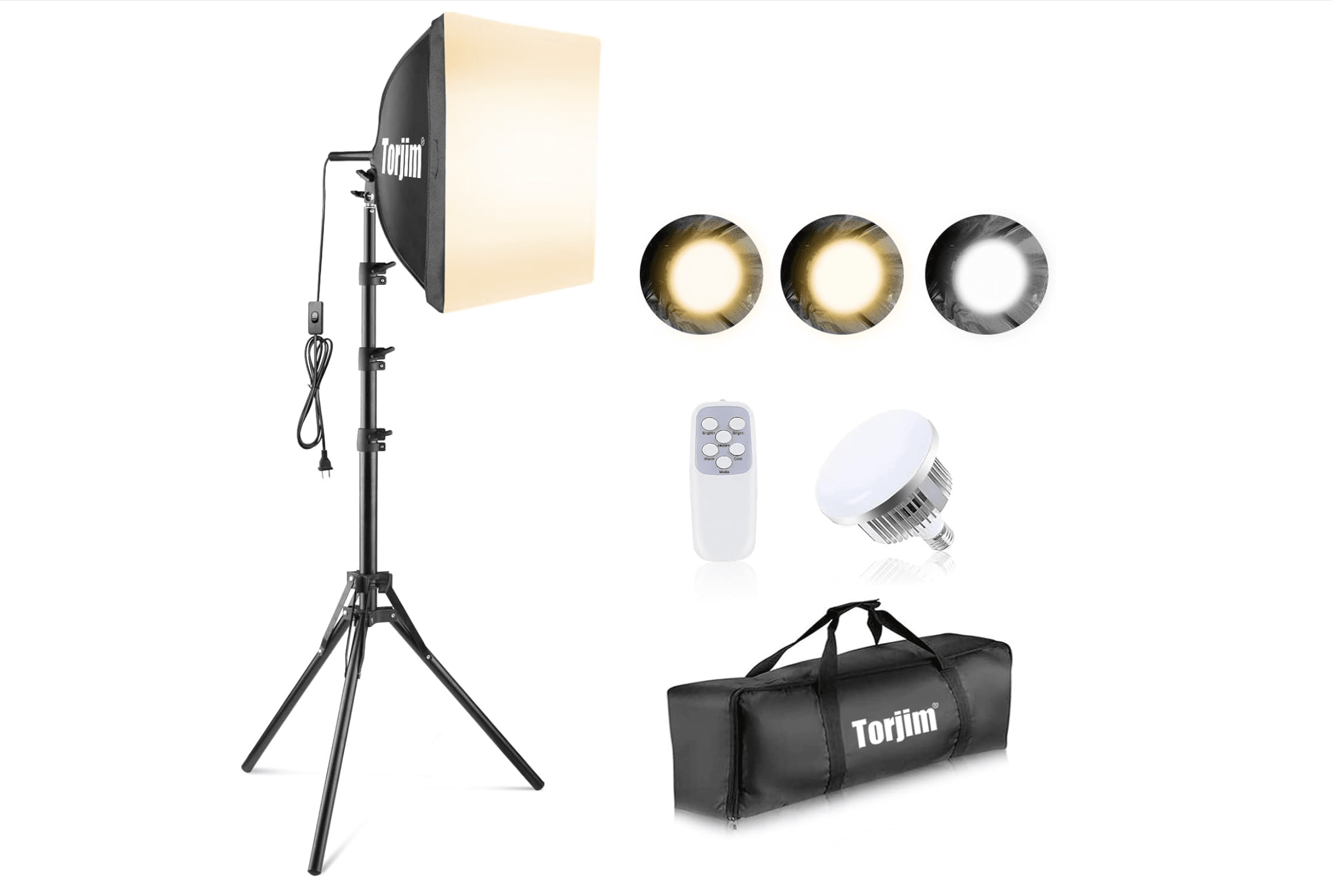
This affordable softbox kit provides gentle, diffused lighting perfect for learning studio techniques without complexity. The easy setup and adjustable features make it ideal for those new to controlled lighting.
Key highlights
- One 16x16 inch softbox with reflective fabric
- One 85W LED bulb with adjustable color temperature (3000-7500K)
- One 60-inch aluminum tripod stand
- Remote control
- Soft diffuser included
Pros
- Very affordable entry point
- Soft, flattering light quality
- Easy to set up and adjust
- Adjustable color temperature
- Lightweight and portable
Cons
- Limited power for large spaces
- Basic build quality
- Not suitable for professional commercial work
- Fixed softbox size
Who it is for: Beginners, students, and hobbyists learning studio photography techniques in home environments.
Skip if
You need powerful lighting for large subjects or professional commercial work.
Also Good
- Godox SL60IID LED video light - A 70W, 5600K continuous LED with app control, 0–100% dimming and a Bowens mount for light modifiers.
- Rotolight AEOS 2 PRO Studio LED Light Softbox Kit - RGBWW continuous lighting and high-speed flash, with touchscreen and app control for creative photo and video work.
How to Choose
Selecting the right studio lighting kit depends on several key factors that affect your shooting experience and results. Consider these elements when making your decision:
Power type matters most: Choose between continuous lighting (LED panels) for video and "what you see is what you get" operation or strobe lighting (flash) for freezing motion and higher power output. Continuous lights work better for video and beginners while strobes excel for still photography and action shots.
Consider your primary use: Portrait photographers need soft flattering light while product photographers require even illumination with accurate color rendering. Video creators need consistent output without flicker and location shooters need portability and battery power.
Evaluate color accuracy: Look for high CRI (Color Rendering Index) ratings above 95 for accurate color reproduction especially important for product photography and video work. Bi-color LEDs that adjust from warm to cool temperatures offer more flexibility than fixed-temperature lights.
Assess portability needs: If you shoot in multiple locations consider weight, setup time and battery options. Studio-only users can prioritize power and stability over portability. Compact systems with carrying cases save time and reduce setup frustration.
Budget for accessories: Many kits require additional modifiers like soft boxes. Factor these costs into your decision as proper light shaping often matters more than raw power output. Some systems have extensive accessory ecosystems while others use universal mounts.
FAQ
- What's the difference between continuous and strobe lighting? Continuous lights stay on constantly making them ideal for video and beginners who want to see lighting effects in real time. Strobe lights flash briefly when triggered offering more power for freezing motion but requiring test shots to preview results.
- How important is color accuracy (CRI) for photography? Color accuracy matters significantly for professional work especially product photography and portraits. Look for CRI ratings above 95 for true-to-life color reproduction. Lower CRI values can cause color shifts that require correction in post-processing.
- Can I use photography lighting kits for video work? Many modern LED lighting kits work well for both photo and video. Flash output is for still photography, but some strobes also include a continuous LED for video. For video choose continuous LED lights with high CRI ratings and flicker-free operation.
- What accessories should I consider with a basic lighting kit? Start with light modifiers like soft boxes or umbrellas to soften and control light. Reflectors help bounce light into shadows and stands provide stable positioning. As you advance consider grids gels and remote controls for more creative options.
- How much power do I need for a home studio? For most home studios 200-400Ws per light provides sufficient power. Consider your space size and subject distance, closer subjects need less power. For continuous LEDs, compare illuminance in lux at a stated distance and check which reflector or diffuser was used for the measurement.
Published March 15, 2026 Last updated September 15, 2026
Share this article
More in News
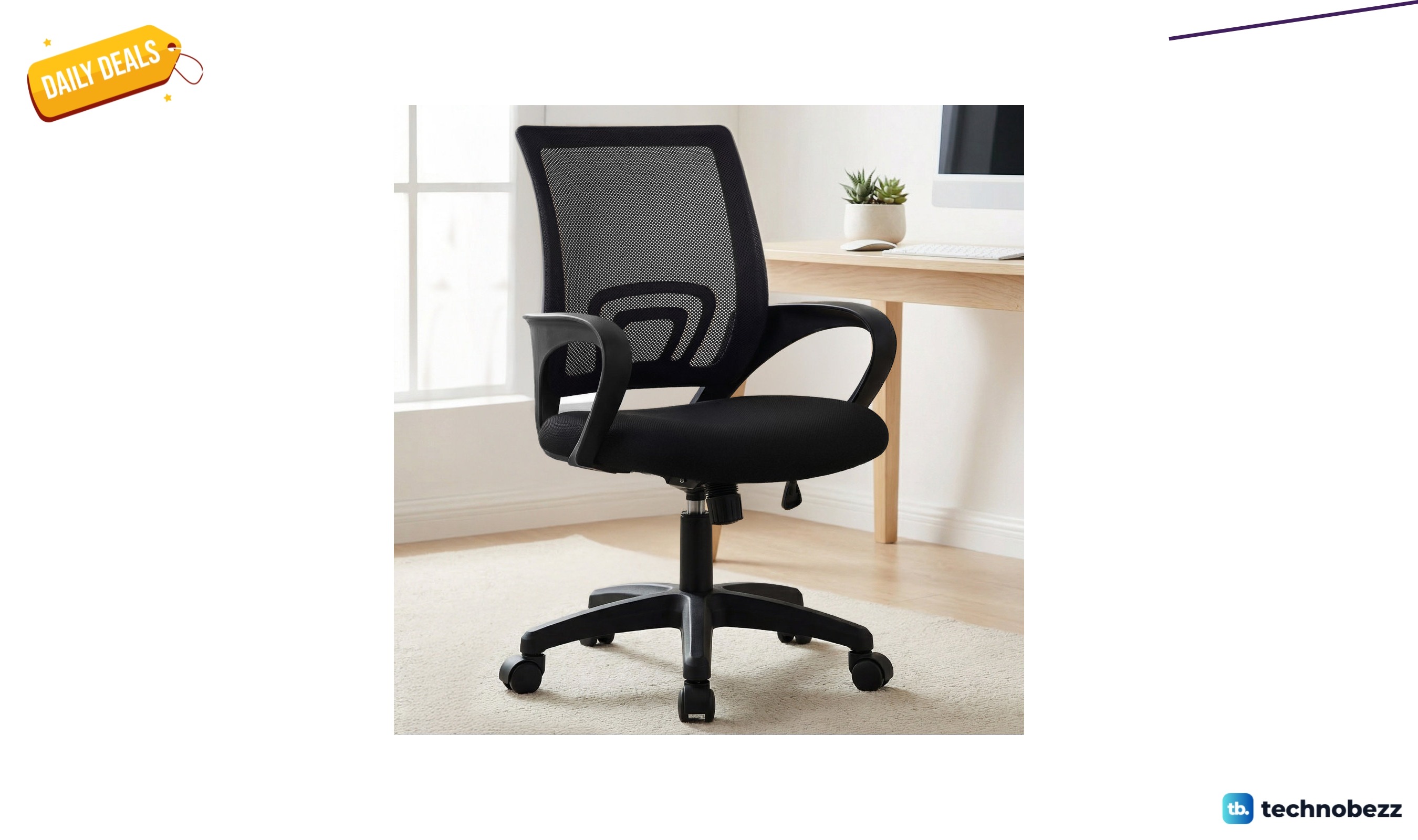
Inbox Zero mesh office task chair for $45.99 at Wayfair
Inbox Zero mesh office task chair costs $45.99 at Wayfair, saving $49.97 against its listed previous price. See the features and buyer fit.
4 min read
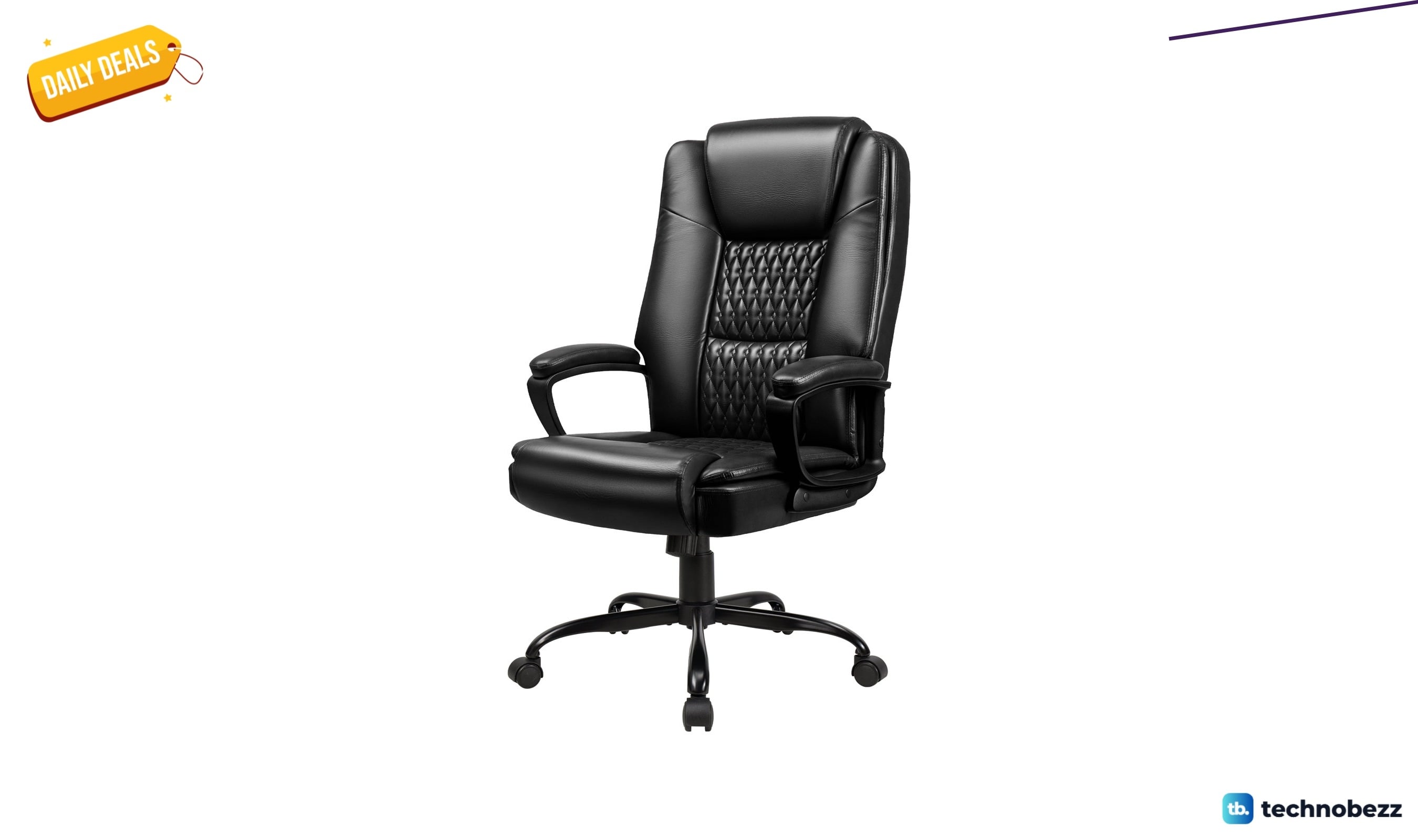
Inbox Zero big-and-tall office chair for $119.99 at Wayfair
Inbox Zero big-and-tall office chair costs $119.99 at Wayfair, saving $14.00 against its listed previous price. See the features and buyer fit.
3 min read
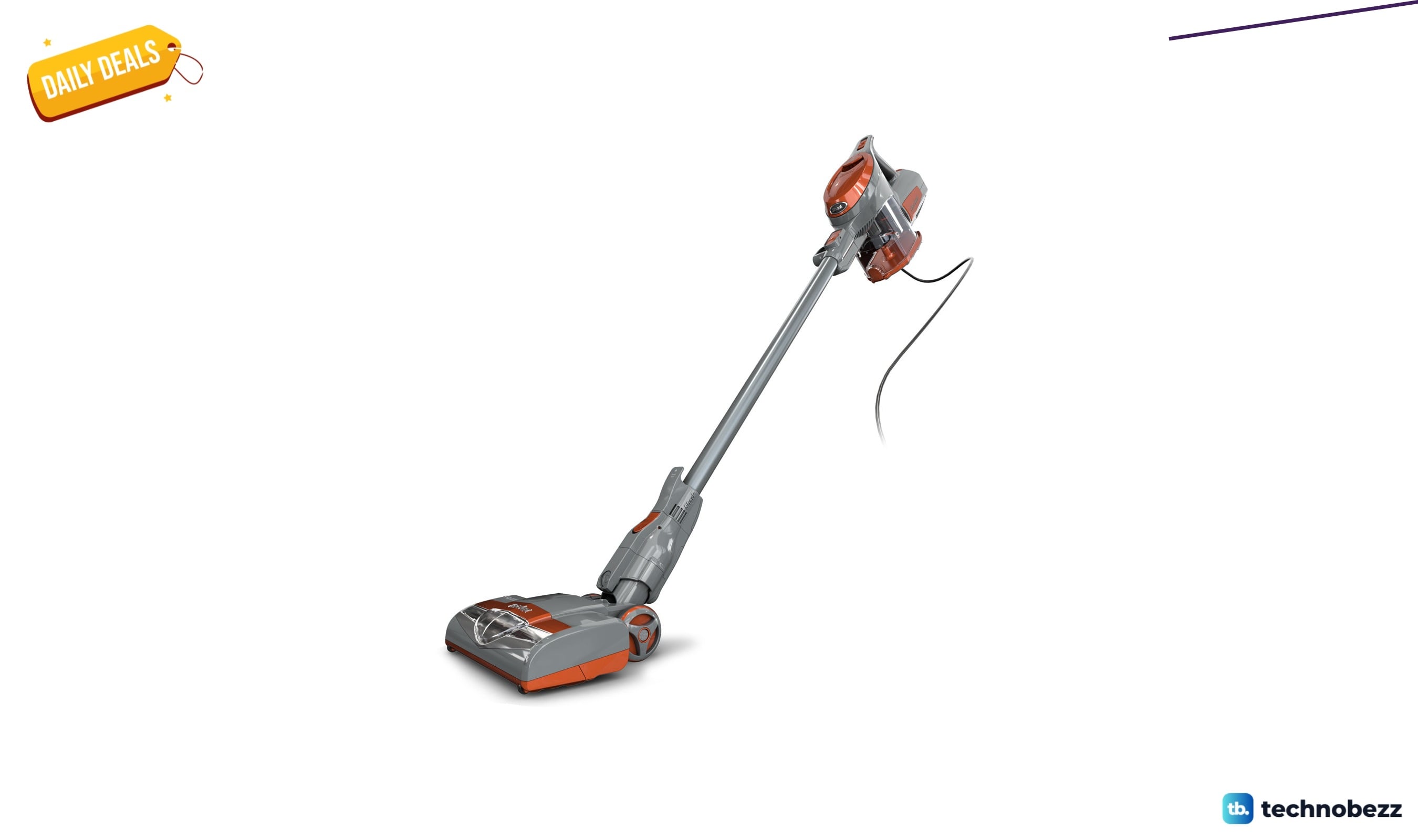
Shark Rocket HV301 corded stick vacuum for $199.99 at Wayfair
Shark Rocket HV301 corded stick vacuum costs $199.99 at Wayfair. Explore its supported features, practical uses and key buying considerations.
5 min read
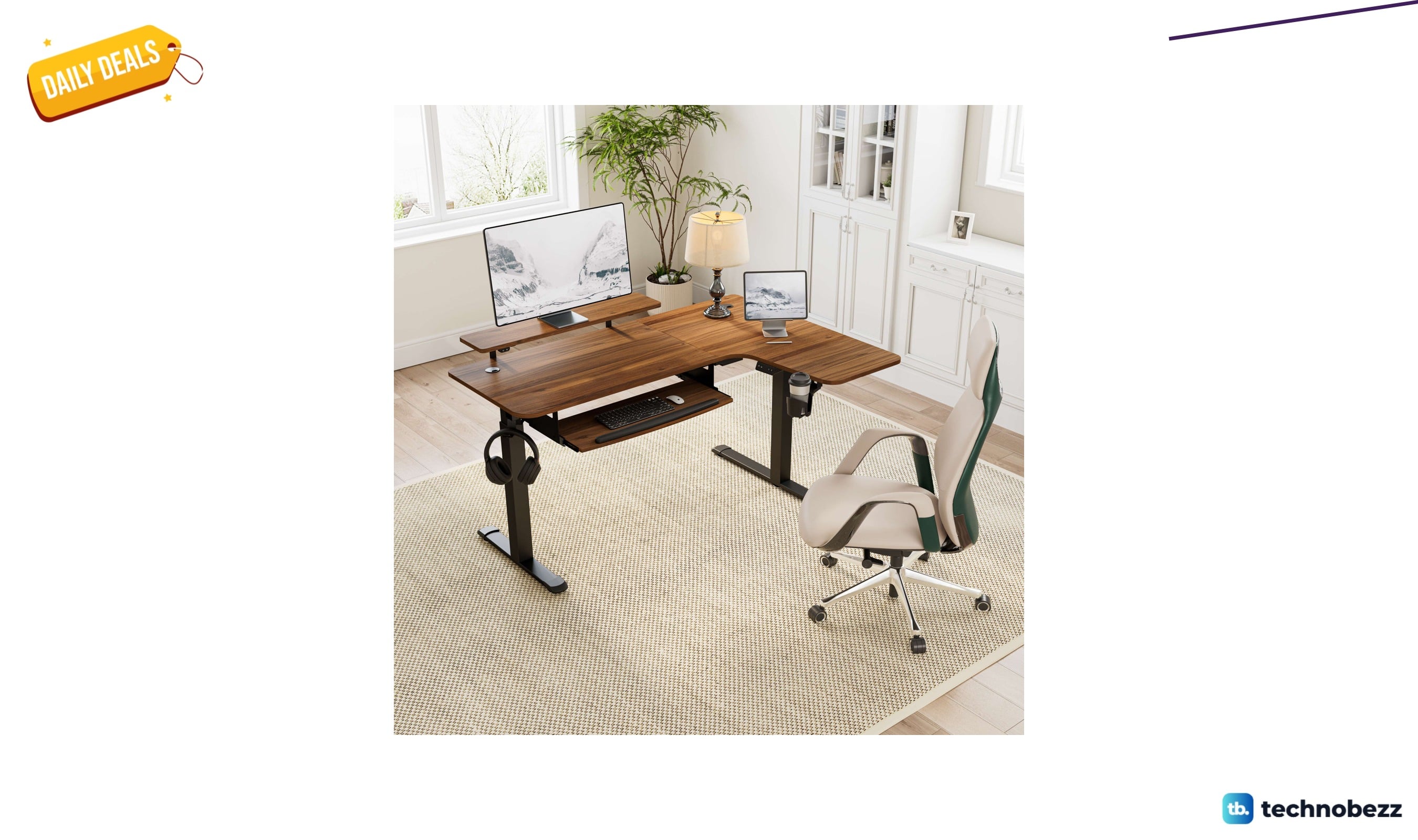
Inbox Zero Marquasha L-shaped standing desk for $459.99 at Wayfair
Inbox Zero Marquasha L-shaped standing desk costs $459.99 at Wayfair, saving $339.01 against its listed previous price. See the features and buyer fit.
4 min read
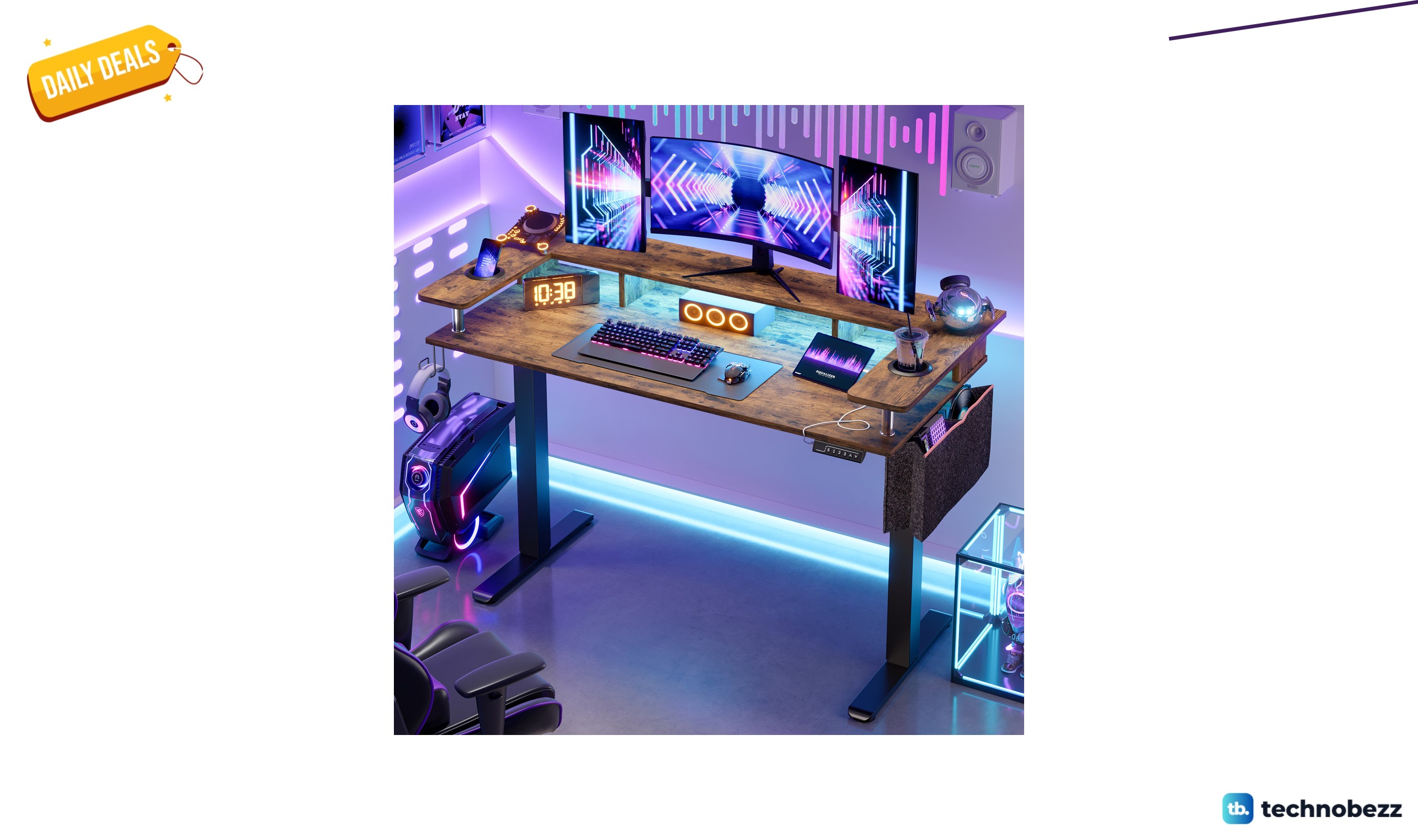
Steelside Labelle standing desk for $220.00 at Wayfair
3 min read
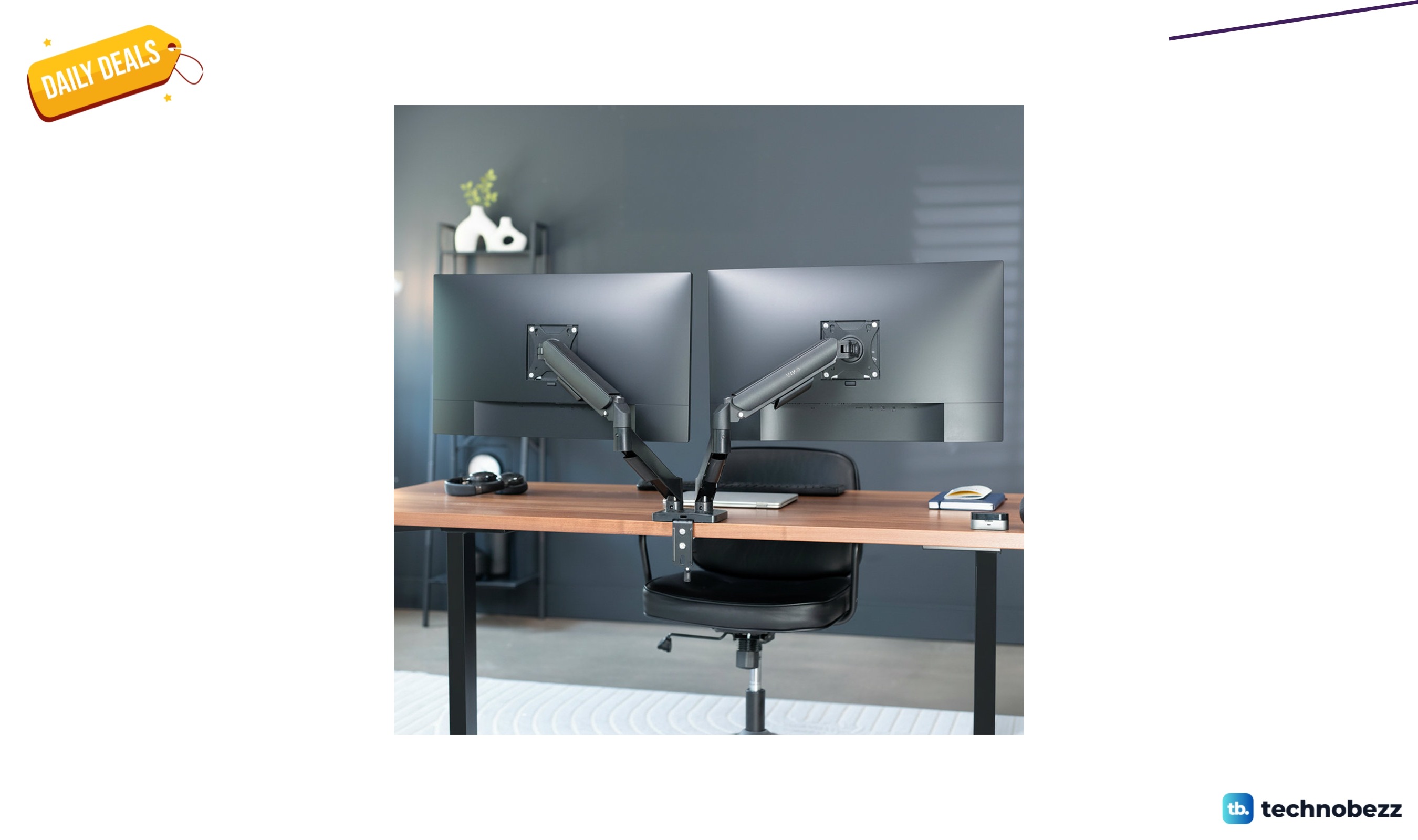
VIVO STAND-V002O dual monitor mount for $59.99 at Wayfair
5 min read
Inbox Zero Larreon electric standing desk for $309.99 at Wayfair
4 min read
Levoit PlasmaPro 600S-P smart air purifier for $299.99 at Wayfair
3 min read
Inbox Zero electric sit-stand desk for $102.99 at Wayfair
5 min read
Inbox Zero electric standing desk with memory controller for $203.99 at Wayfair
4 min read
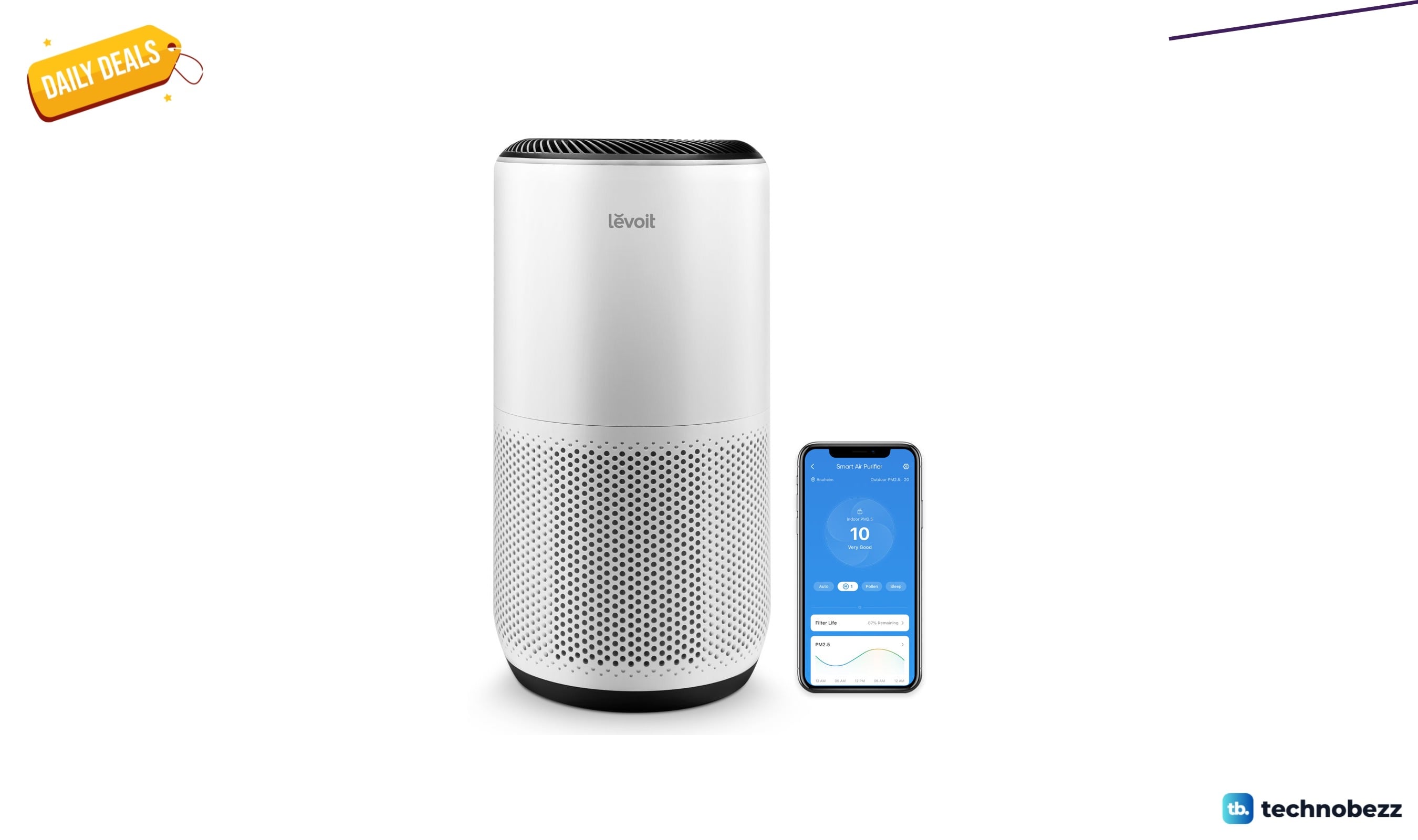
Levoit PlasmaPro 400S-P smart air purifier for $289.99 at Wayfair
3 min read
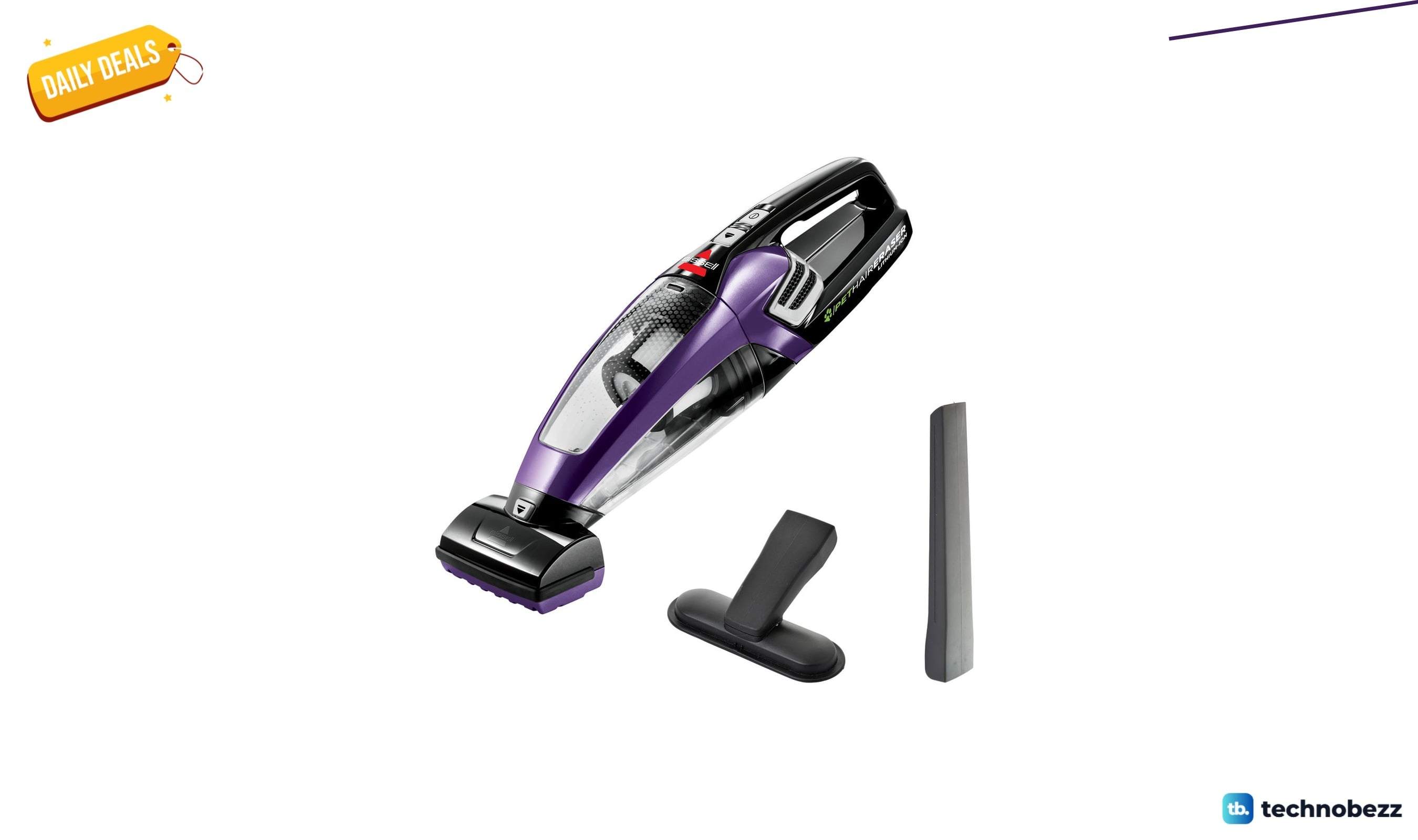
Bissell 2390 handheld vacuum for $89.99 at Wayfair
5 min read