Choosing the right embroidery machine depends on whether you're starting a hobby or building a business. The Brother SE2000 stands out as the best overall for its balance of features and ease of use, while multi-needle machines like the Tajima SAI offer professional speed for serious production. This list helps you find the right machine whether you're personalizing gifts or running a small business.
Product
Technobezz is supported by its audience. We may get a commission from retail offers.
7 Best Embroidery Machines for 2026
The best embroidery machines for 2026, from the Brother SE2000 for home use to multi-needle commercial pickslike the Tajima SAI. Compare specs, prices, and features.
T
Technobezz
Senior Editor
Updated June 16, 2026Jun 16, 2026
•8 min read

Get Deals Like These in Your Inbox
The best prices, reviewed weekly.
At a Glance
| Category | Product | Why We Picked It |
|---|---|---|
| Best overall | Brother SE2000 | Combines sewing and embroidery with wireless design transfer |
| Best for small business | Tajima SAI | Handles commercial production efficiently |
| Best for serious hobbyists | Janome Memory Craft 500E | 7.9" x 11" embroidery area with professional features |
| Best dedicated embroidery | Brother PE900 | Focused embroidery machine with excellent stitch quality |
| Also recommended | Bernette 70 DECO | A smart mid-range pick with a color touchscreen |
| Also recommended | Brother SE1900 | A more affordable version of the popular SE2000 |
| Also recommended | Smartstitch S-1001 | Commercial features for small business budgets |
How we chose and tested
We evaluated embroidery machines based on several key factors that matter to users at different skill levels. Our assessment considered embroidery area size, ease of use features like automatic threading and touchscreen interfaces, built-in design libraries, connectivity options for custom designs, and overall reliability. We prioritized products that offer good value for their price point while meeting the needs of their intended users, from beginners to commercial operators.
The best embroidery machines right now
Brother SE2000 - Best overall
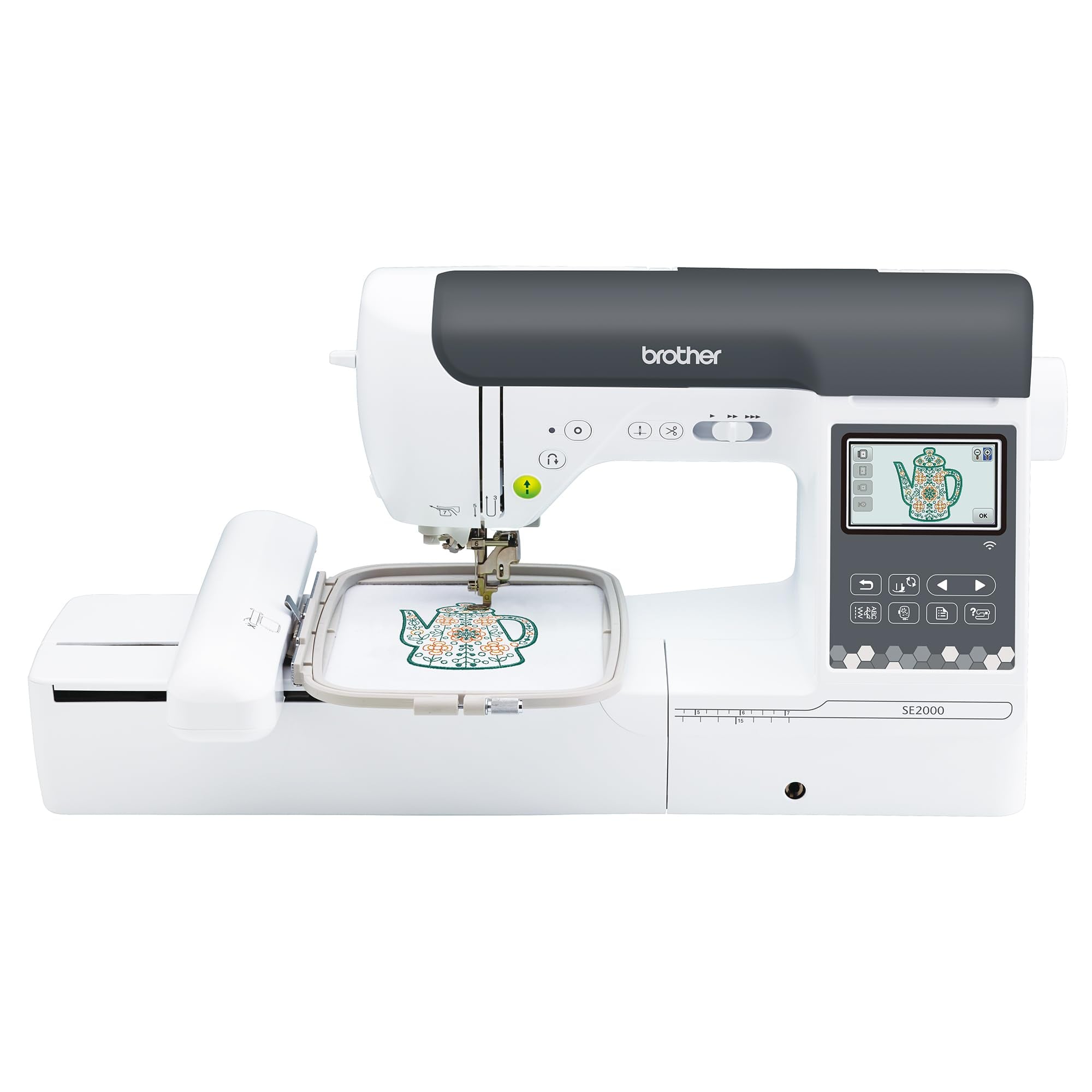
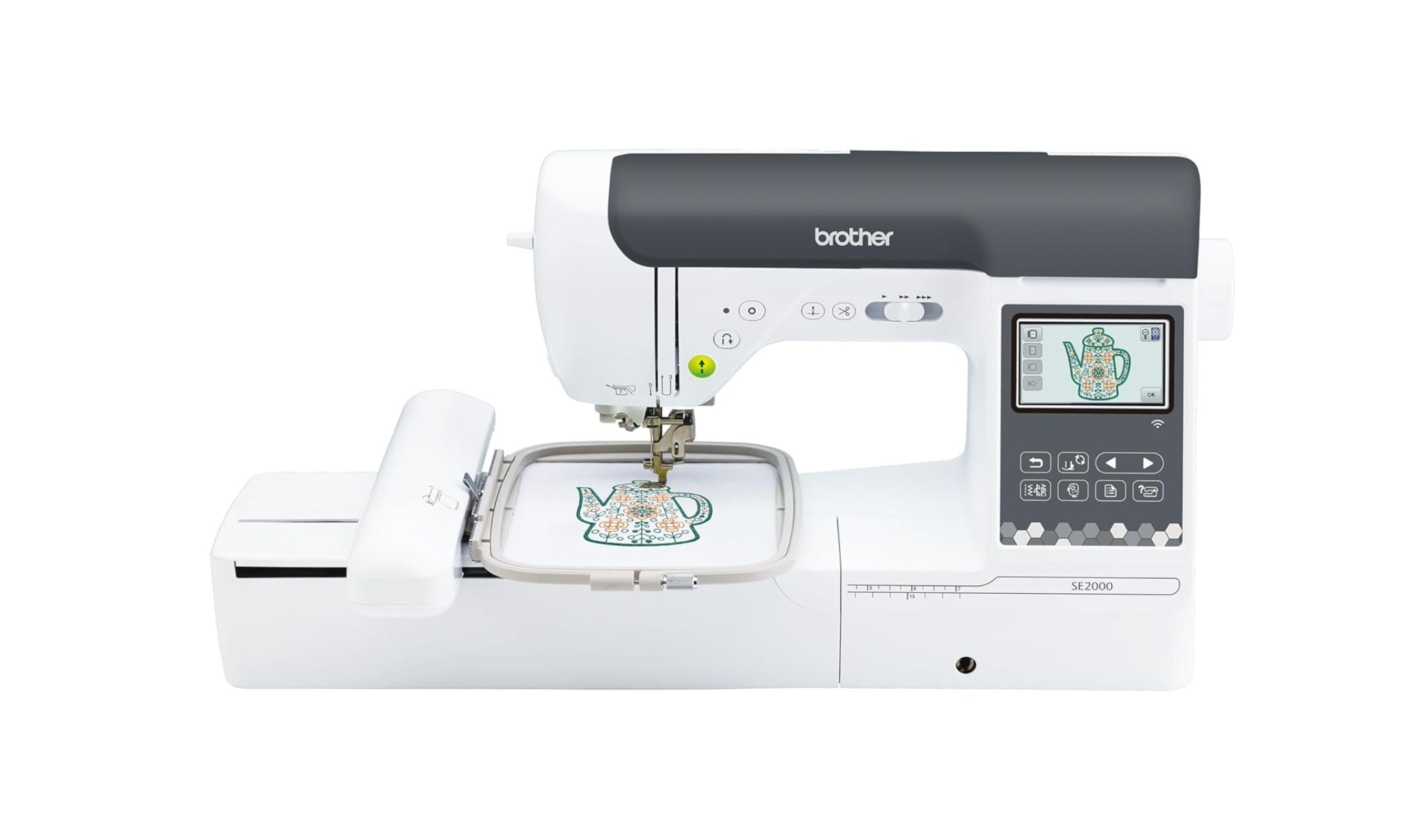
The Brother SE2000 delivers the best combination of sewing and embroidery capabilities for most users, with wireless design transfer and a generous embroidery area that handles both hobby and small business projects effectively.
Key highlights
- 5" x 7" embroidery area suitable for larger designs
- Wireless connectivity for easy design transfers via Wi-Fi
- 193 built-in embroidery designs and 13 fonts included
- Automatic jump stitch trimming saves cleanup time
- Color touchscreen interface simplifies editing and navigation
Pros
- Versatile machine that handles both sewing and embroidery tasks
- User-friendly interface with clear on-screen instructions
- Good selection of built-in designs for immediate use
- Reliable performance across different fabric types
Cons
- Single-needle design requires manual thread changes for multi-color designs
- Some users report challenges with very thick fabrics
- Learning all features takes time for complete beginners
Who it is for: Home users who want both sewing and embroidery capabilities in one machine, small business owners starting with custom projects, and crafters who value wireless design transfer convenience.
Skip if
You need multi-needle efficiency for high-volume production or want a dedicated embroidery-only machine with maximum embroidery area.
Tajima SAI - Best for small business
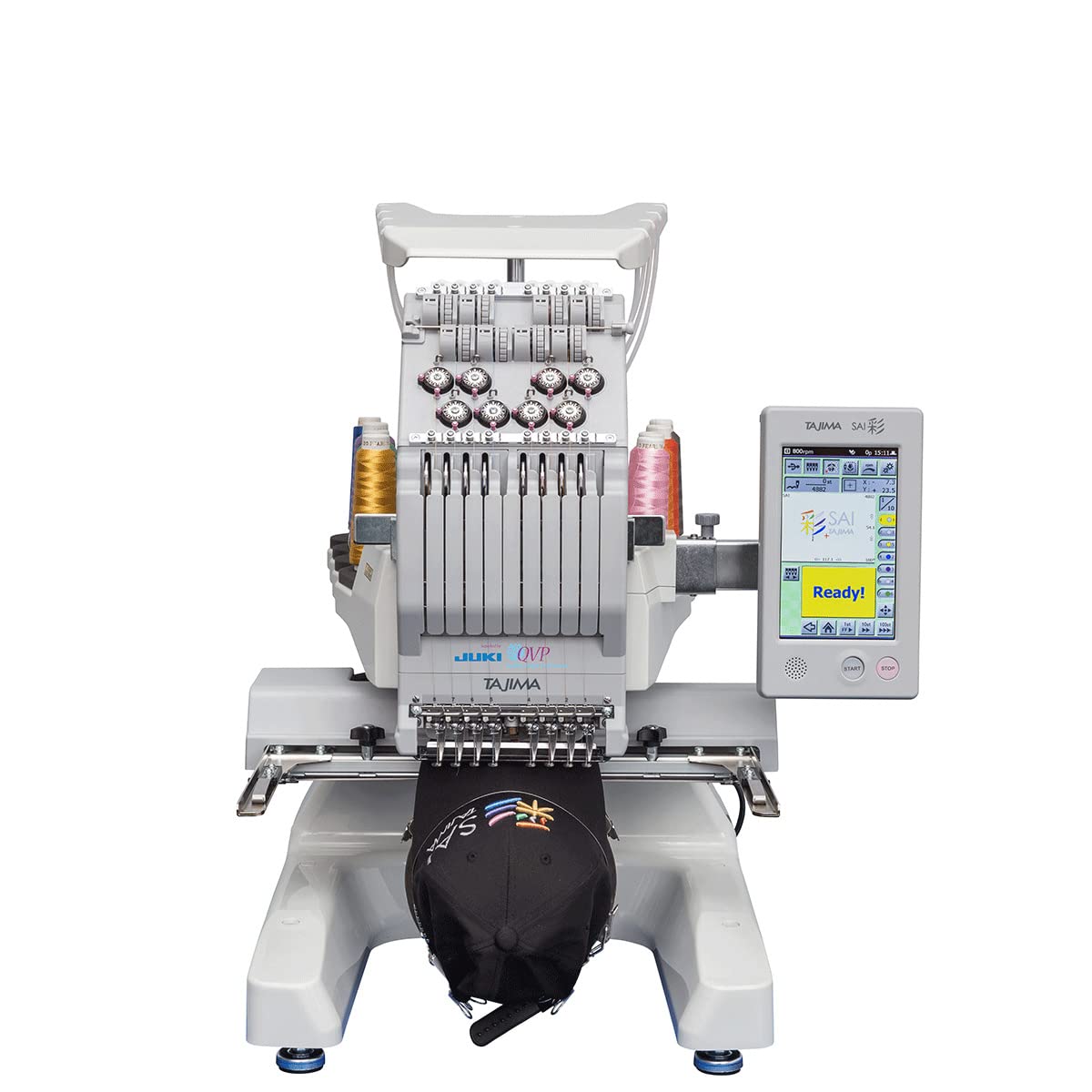
The JUKI Tajima SAI 8 Needle Embroidery Machine provides commercial-grade efficiency for small businesses, with multiple needles that eliminate manual thread changes and deliver professional results consistently.
Key highlights
- 8-needle system for automatic color changes
- Large embroidery area handles commercial projects
- Professional stitch quality and tension control
- Durable construction for continuous operation
- Includes hat hoop and software
Pros
- Dramatically reduces production time with automatic color changes
- Professional results suitable for commercial sales
- Handles a wide range of fabrics and materials
- Built for reliability during extended use
Cons
- Significant investment compared to home machines
- Larger footprint requires dedicated workspace
- Steeper learning curve for operation and maintenance
Who it is for: Small business owners producing custom apparel, entrepreneurs starting embroidery businesses, and serious hobbyists transitioning to commercial production.
Skip if
You're a beginner exploring embroidery as a hobby or have limited budget and space for equipment.
Janome Memory Craft 500E - Best for serious hobbyists
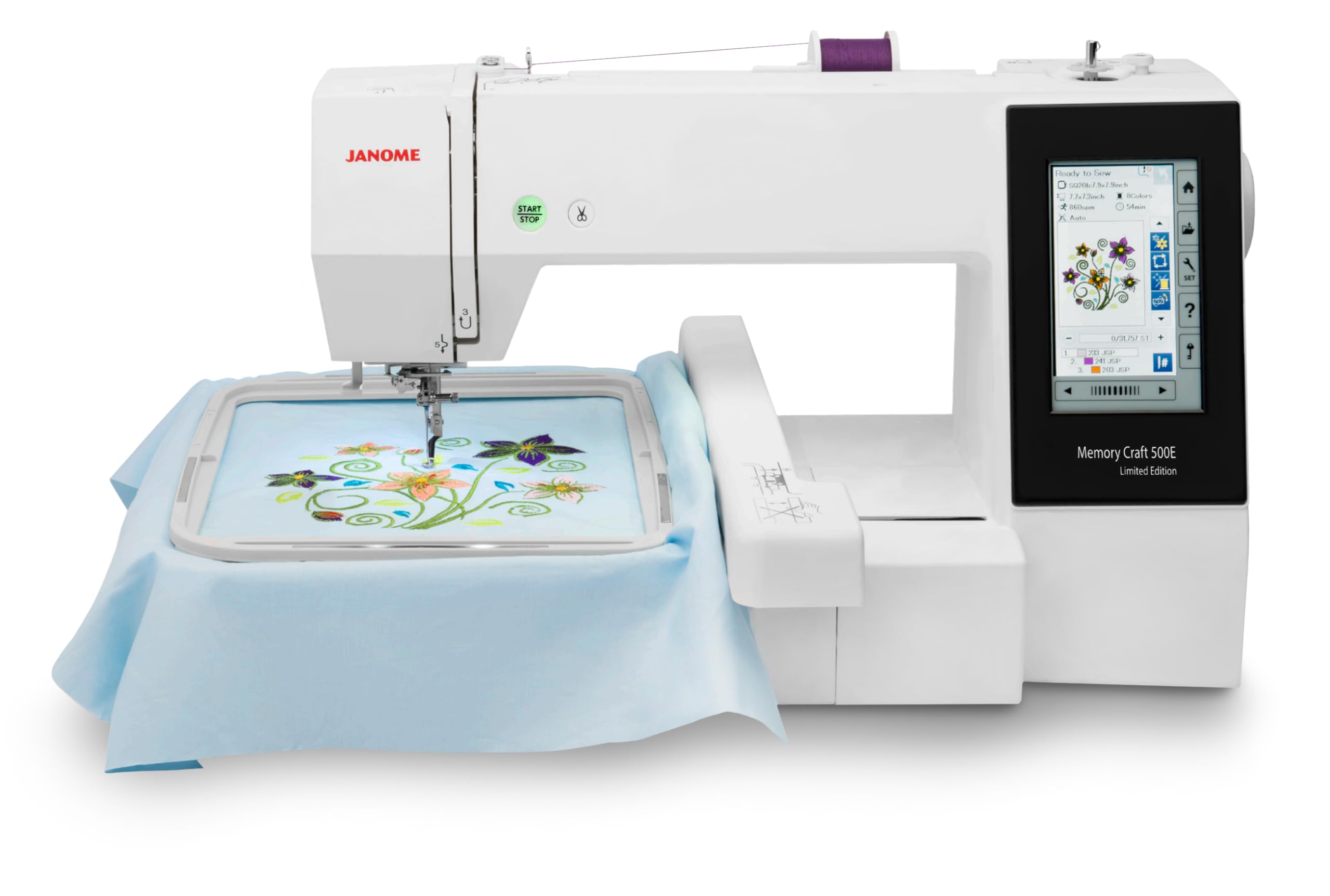
The Janome Memory Craft 500E offers serious hobbyists professional features and a large embroidery area without the commercial price tag, delivering excellent stitch quality and versatility for ambitious projects.
Key highlights
- 7.9" x 11" embroidery area for larger designs
- 160 built-in designs and 6 fonts for monogramming
- USB port for custom design uploads
- Independent bobbin winder allows winding during embroidery
- Large full-color LCD touchscreen for easy design viewing and editing
Pros
- Generous embroidery area handles quilts and larger garments
- Excellent stitch quality across different fabric types
- Good balance of features for advanced home use
- Reliable performance for detailed projects
Cons
- Dedicated embroidery machine without sewing capabilities
- Higher price point than entry-level models
- Manual thread changes for multi-color designs
Who it is for: Advanced hobbyists creating detailed projects, quilters adding embroidery elements, and crafters who want professional results without commercial equipment.
Skip if
You need sewing capabilities or want automatic multi-color changes, or if you're a complete beginner looking for simpler operation.
Brother PE900 - Best dedicated embroidery
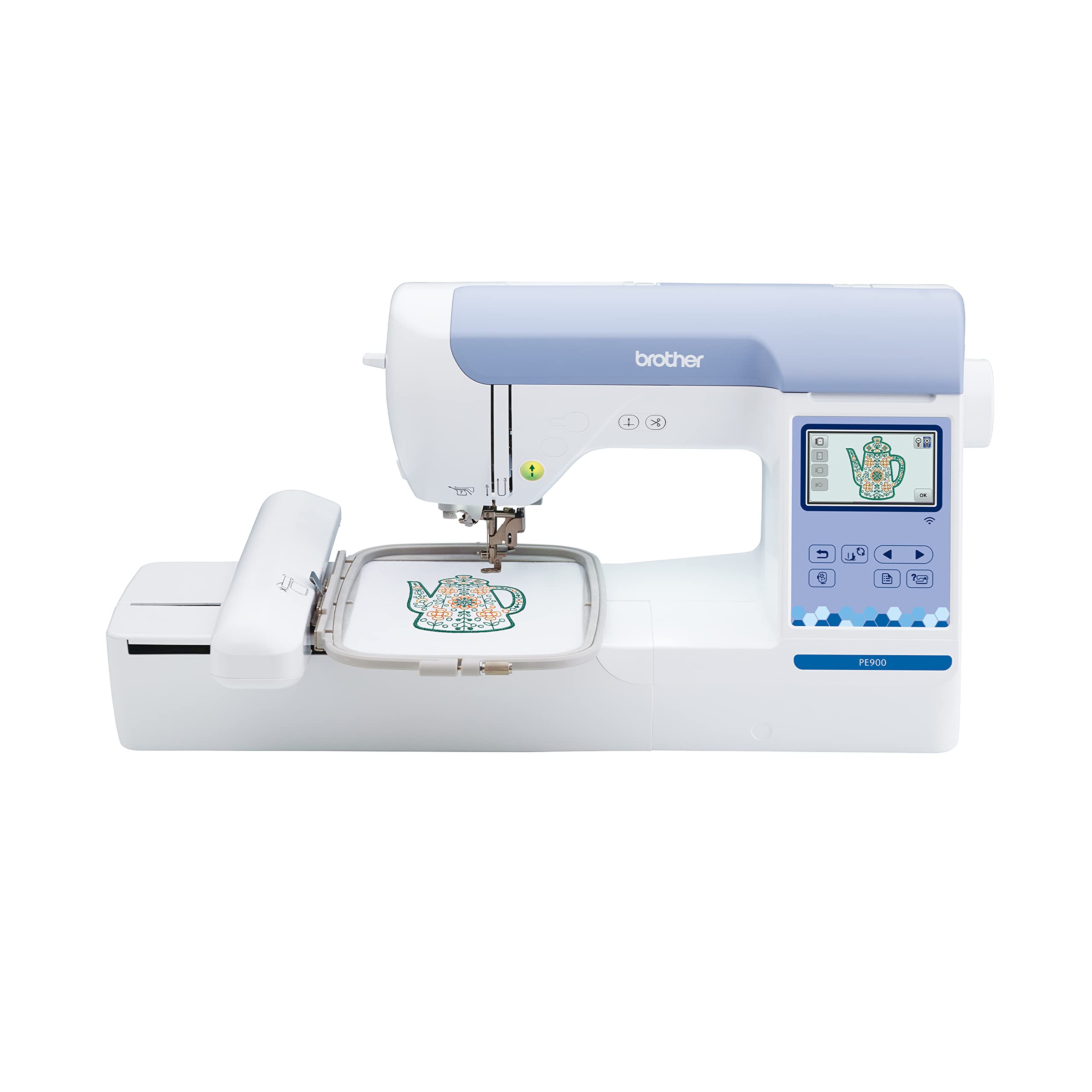
The Brother PE900 focuses exclusively on embroidery with excellent stitch quality and user-friendly features, making it the top choice for those who want dedicated embroidery capabilities without sewing functions.
Key highlights
- 5" x 7" embroidery area for medium to large projects
- 193 built-in designs including florals and quilt patterns
- 3.7-inch color LCD touchscreen for easy editing
- Wireless LAN connectivity for design transfers
- Automatic jump stitch trimming feature
Pros
- Excellent stitch quality and consistency
- User-friendly interface with good editing capabilities
- Reliable performance for dedicated embroidery use
- Good selection of built-in designs and fonts
Cons
- No sewing capabilities (embroidery only)
- Single-needle requires manual thread changes
- Price may be high for occasional users
Who it is for: Crafters who focus primarily on embroidery projects, those upgrading from combo machines to dedicated equipment, and users who want reliable embroidery performance without sewing features.
Skip if
You need sewing capabilities or want automatic multi-color changes, or if you're looking for the largest possible embroidery area.
Also Good
- Bernette 70 DECO - a smart mid-range pick with a color touchscreen.
- Brother SE1900 - a more affordable version of the popular SE2000.
- Smartstitch S-1001 - commercial features for small business budgets.
How to Choose
Embroidery area size matters most for your project plans. A 4" x 4" hoop works for small monograms and patches, while 5" x 7" handles most garment designs. For quilts or jacket backs, look for 7" x 9" or larger areas. Consider your largest planned project when choosing.
Single-needle vs multi-needle determines your workflow efficiency. Single-needle machines require manual thread changes for each color, which works fine for hobbyists. Multi-needle machines automatically switch between pre-threaded colors, saving significant time for business production.
Combo vs dedicated machines depends on your needs. Combo machines (sewing and embroidery) offer versatility but may compromise on embroidery features. Dedicated embroidery machines typically have larger areas and more embroidery-specific functions.
Connectivity options affect how you transfer designs. USB ports are standard for loading custom designs. Wi-Fi and Bluetooth enable wireless transfers from computers or mobile devices, which can streamline your workflow significantly.
Automatic features improve ease of use. Automatic thread cutting, needle threading, and color change detection reduce manual steps and make the embroidery process smoother, especially for beginners.
FAQ
What's the main difference between home and commercial embroidery machines?
Home machines typically have single needles and smaller embroidery areas, designed for occasional use with easier operation. Commercial machines feature multiple needles, larger areas, and industrial construction for continuous operation and faster production.
Can I start a business with a home embroidery machine?
Yes, many small businesses begin with home machines like the Brother SE2000 or Janome 500E. These handle moderate production volumes effectively. As your business grows, you might upgrade to multi-needle machines for increased efficiency.
How important is hoop size when choosing a machine?
Very important. Your hoop size determines the maximum design you can embroider without re-hooping. Consider not just your current projects but what you might want to create in the future. It's often worth investing in a larger area than you think you'll need.
Do I need special software for custom designs?
Most machines work with common embroidery file formats (like .DST, .PES, .JEF) that can be created with digitizing software. Many brands offer free basic software, while professional digitizing programs provide more advanced design capabilities.
What maintenance do embroidery machines require?
Regular cleaning of lint and dust from the bobbin area, proper needle changes for different fabrics, and occasional professional servicing keep machines running smoothly. Using quality thread and following manufacturer guidelines prevents most common issues.
Published March 28, 2026 Last updated June 16, 2026
Share this article
More in News
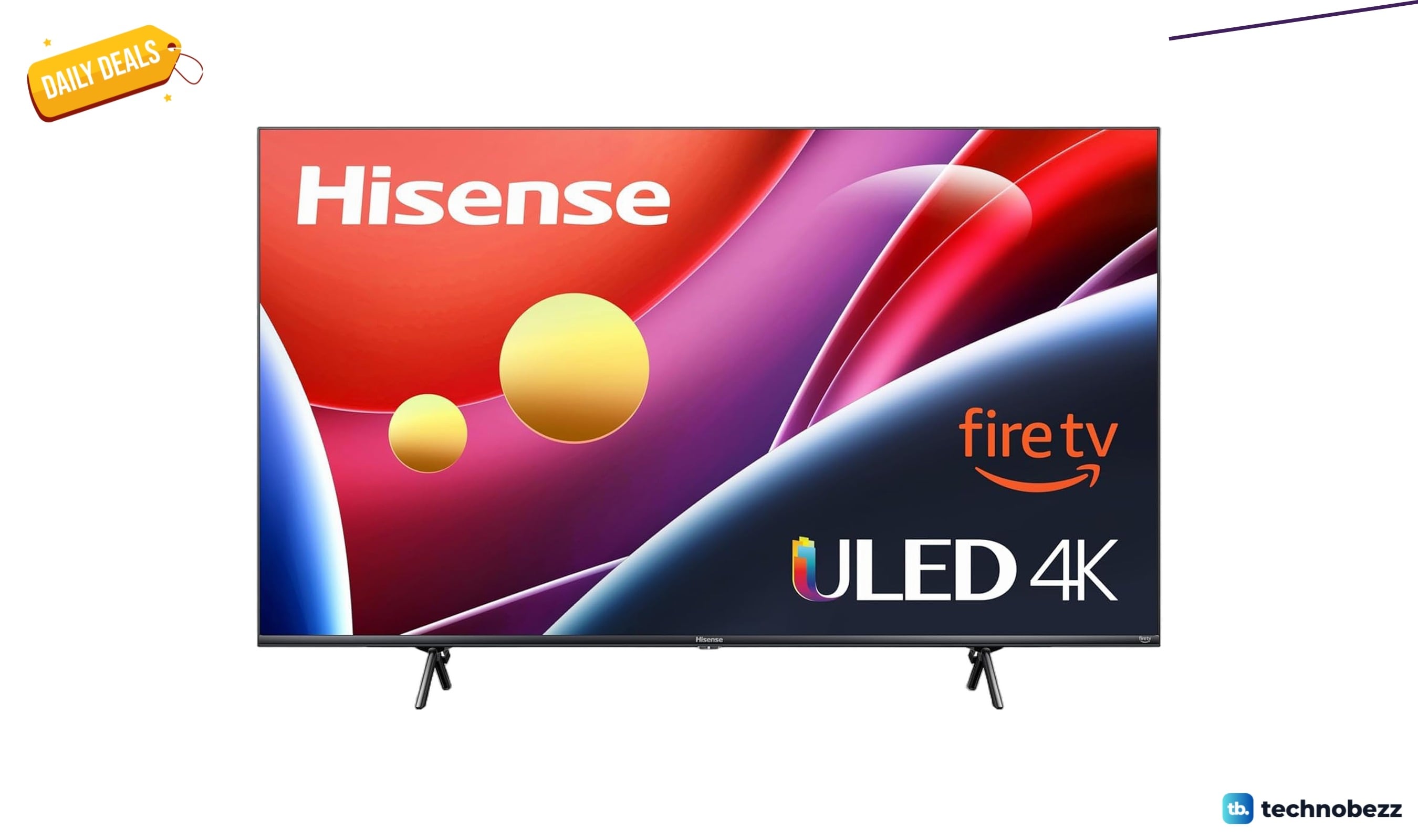
Hisense 75-inch U6 ULED 4K TV drops to $881.10 at Amazon
Save $268 on the Hisense 75-inch U6 ULED 4K TV at Amazon now $881 with quantum dot color, Dolby Vision, and Fire TV built in.
5 min read
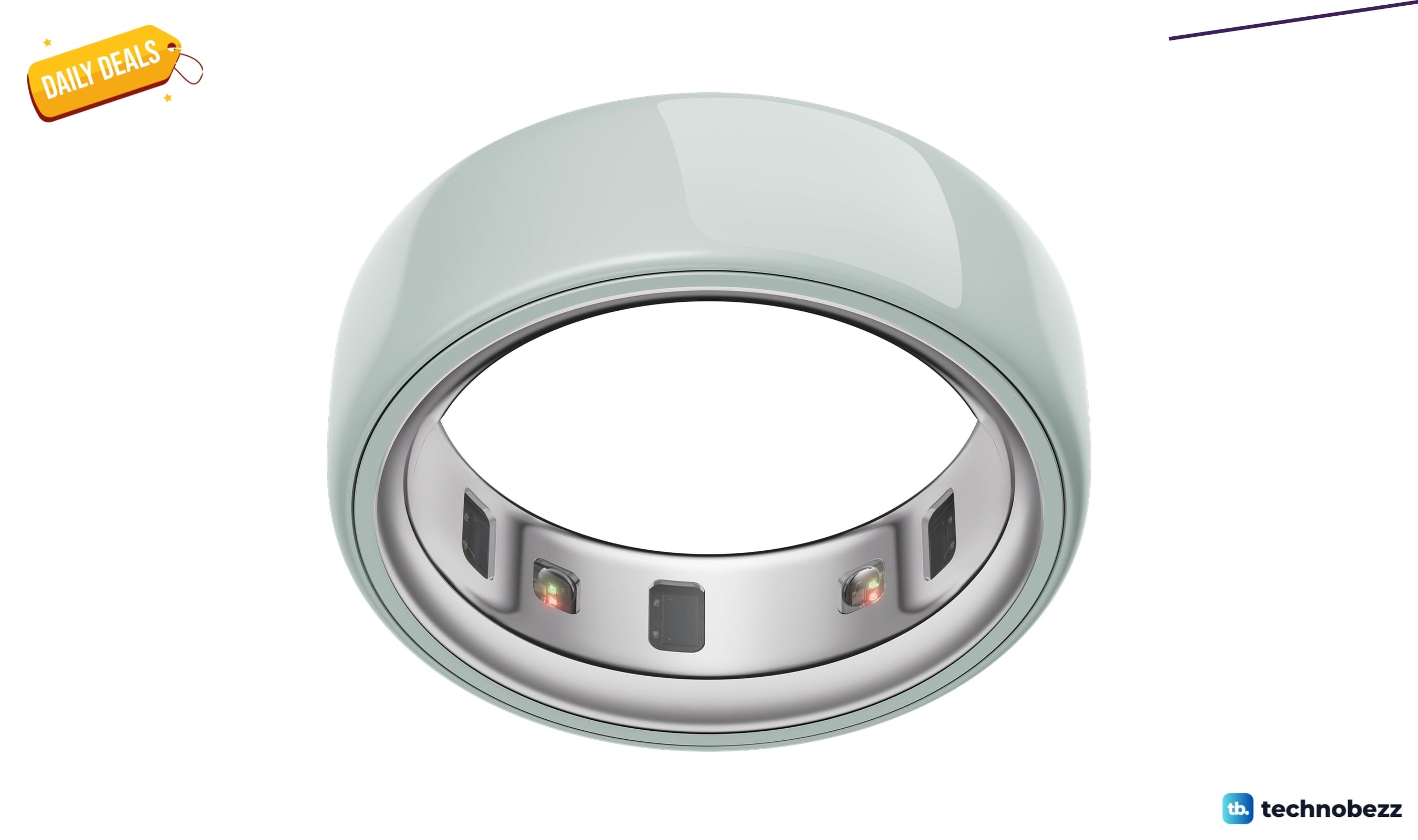
OURA Ring 4 Ceramic Tide Smart Ring drops to $399 at Amazon
Grab the Oura Ring 4 Ceramic Tide for $399 at Amazon a 3% discount below its 30-day average, with 50+ health metrics and 8-day battery life.
4 min read
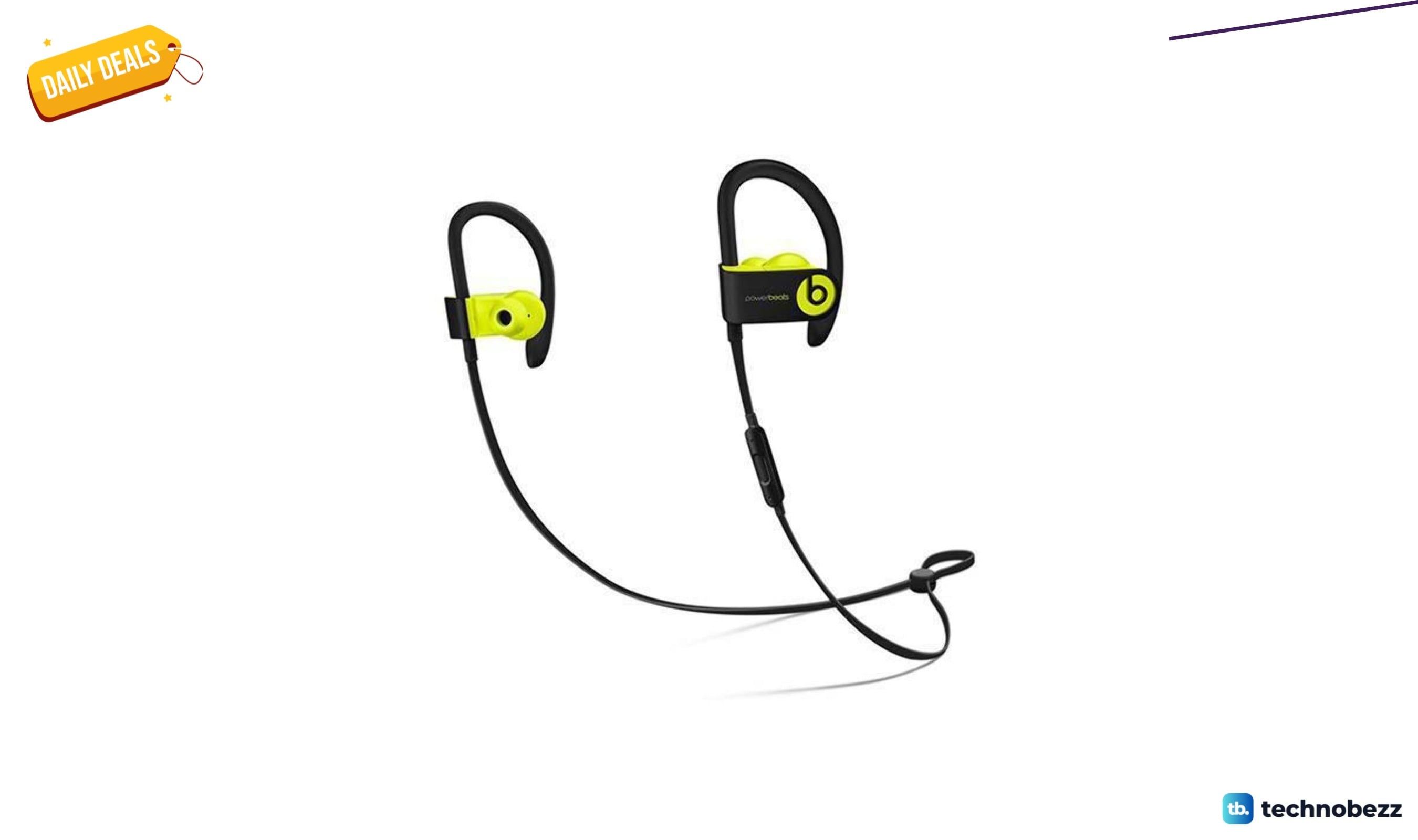
Beats Powerbeats3 Wireless In-Ear Headphone Shock Yellow drops to $138.17 on Amazon
Grab the Beats Powerbeats3 Wireless in Shock Yellow for $138.17 31% off and the lowest price yet, with 12-hour battery and sweat resistance.
3 min read
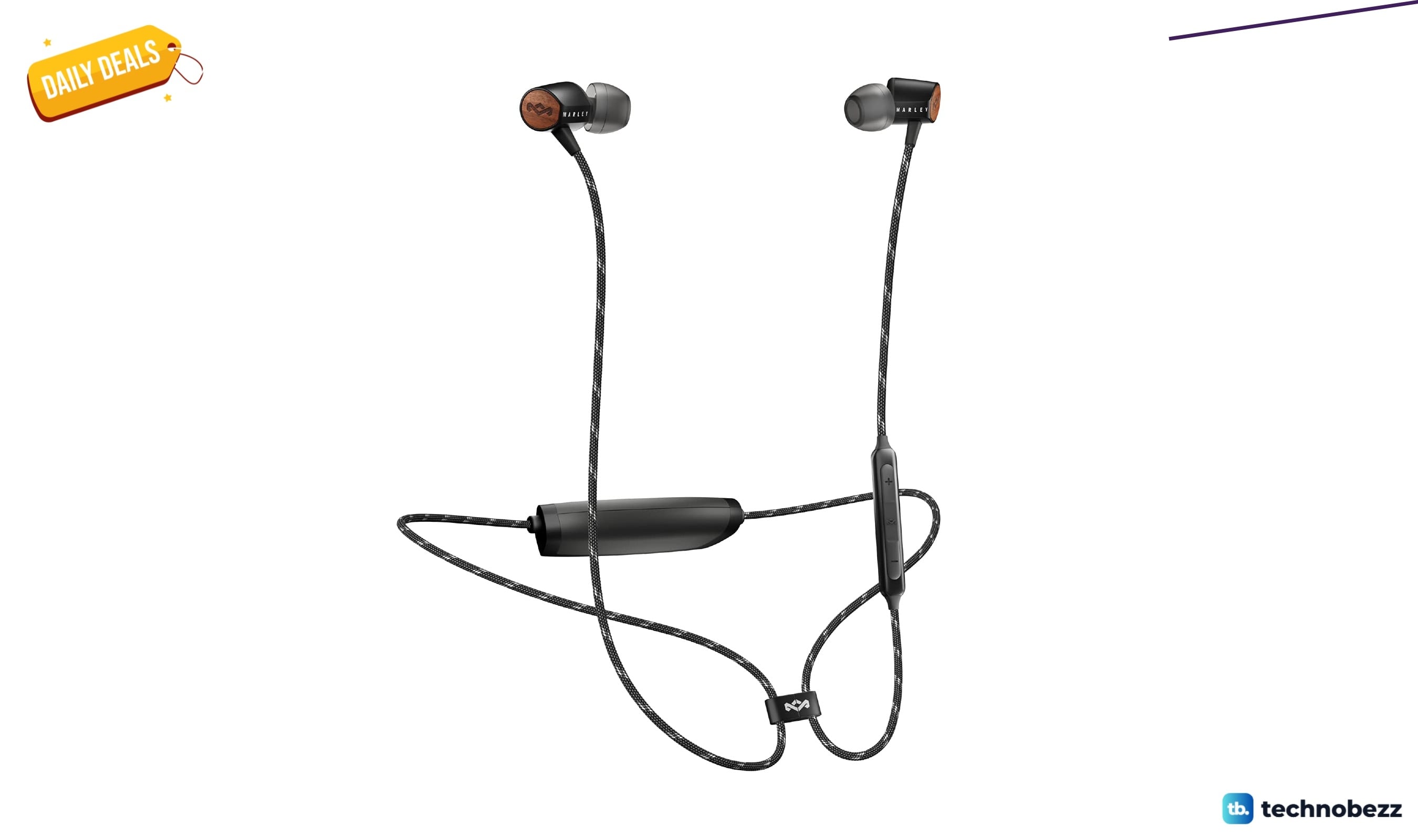
House of Marley Uplift 2 Wireless discounted to $72.67 in new deal
House of Marley's sustainable Uplift 2 Wireless earphones drop to $72.67, a rare 9% discount below their usual price.
5 min read
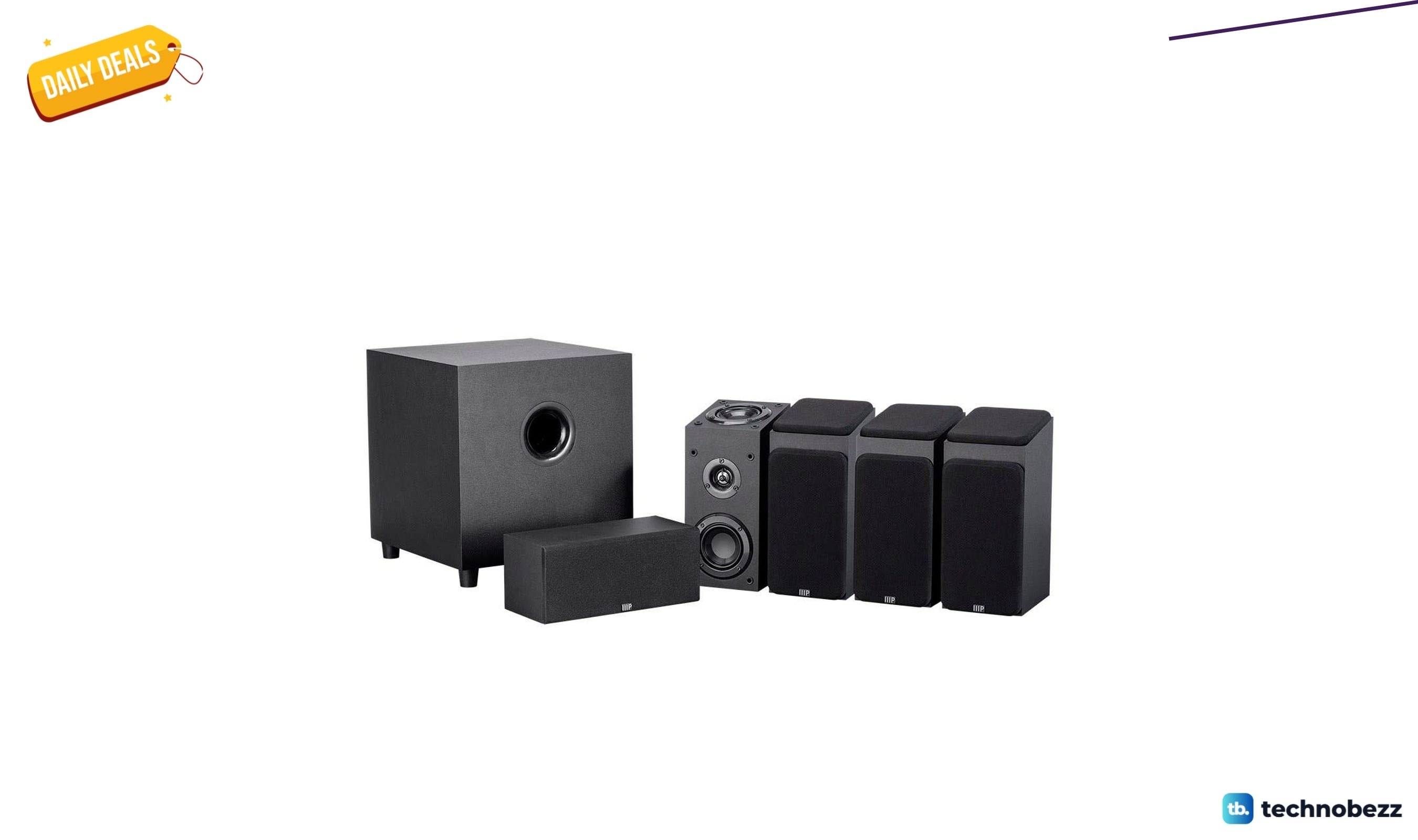
Monoprice 5.1.4-Ch. Immersive Home Theater System discounted to $274.45
5 min read
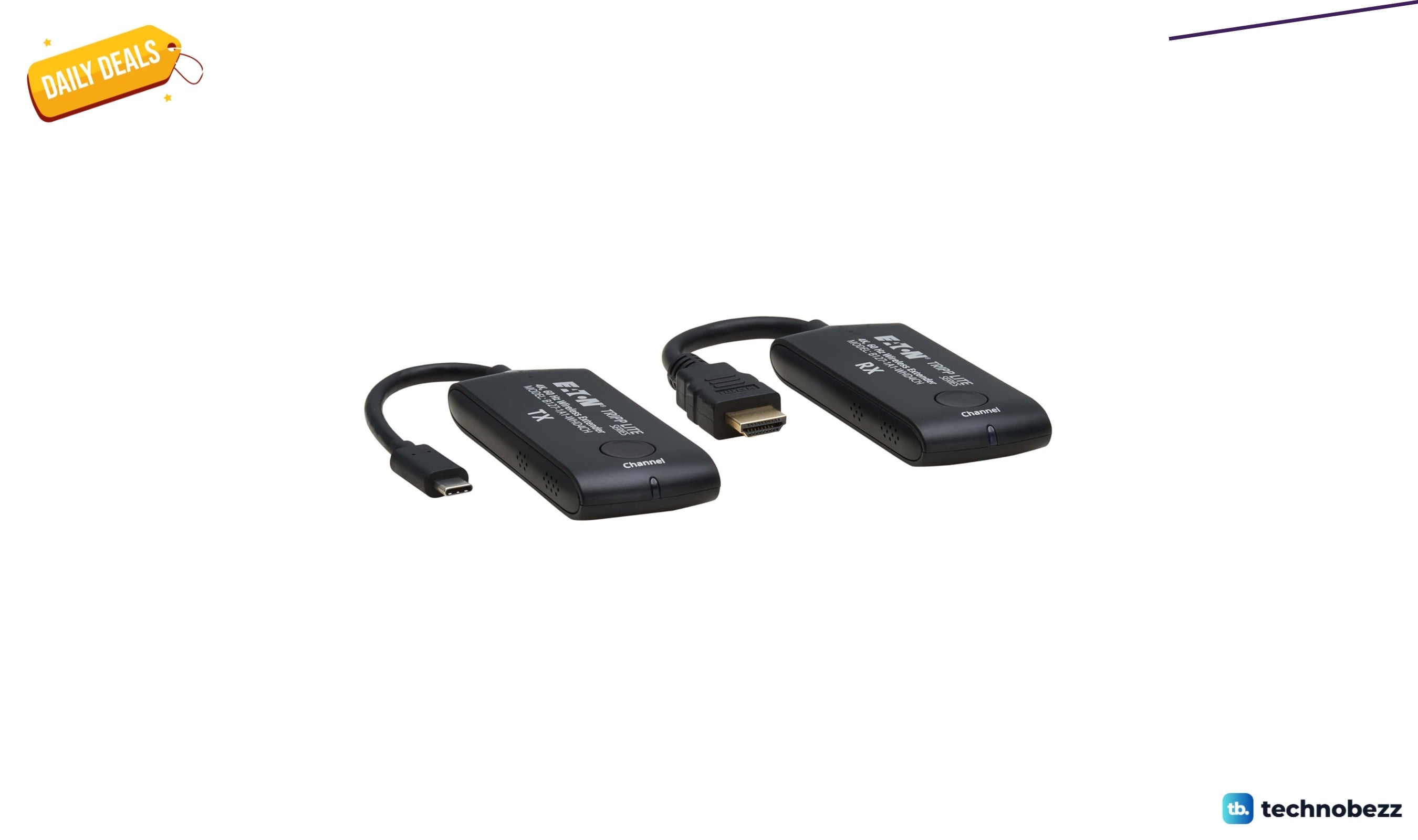
Tripp Lite Wireless USB-C to HDMI Transmitter discounted to $365.50
4 min read
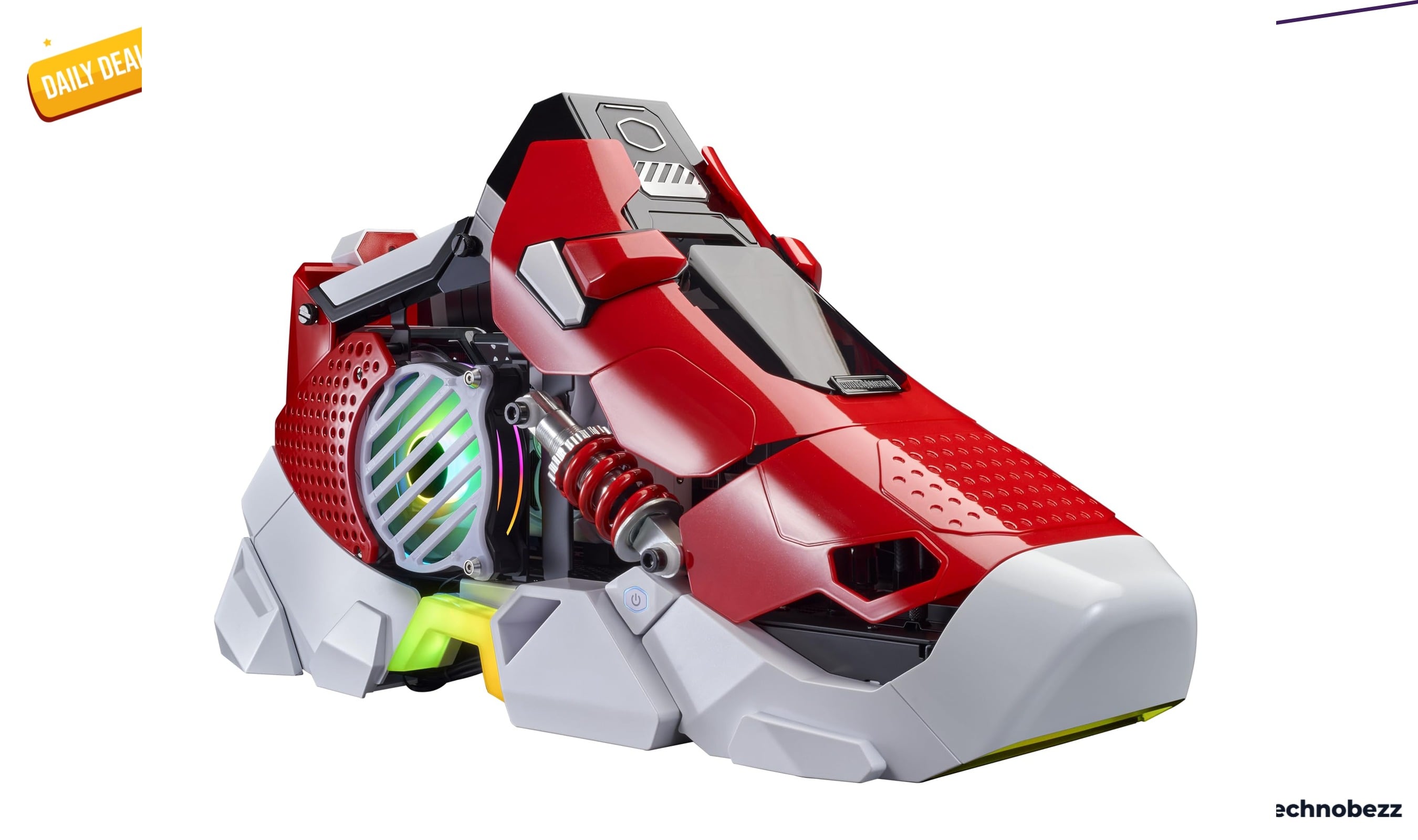
Cooler Master Sneaker X Gaming PC Desktop discounted to $2999.99
3 min read
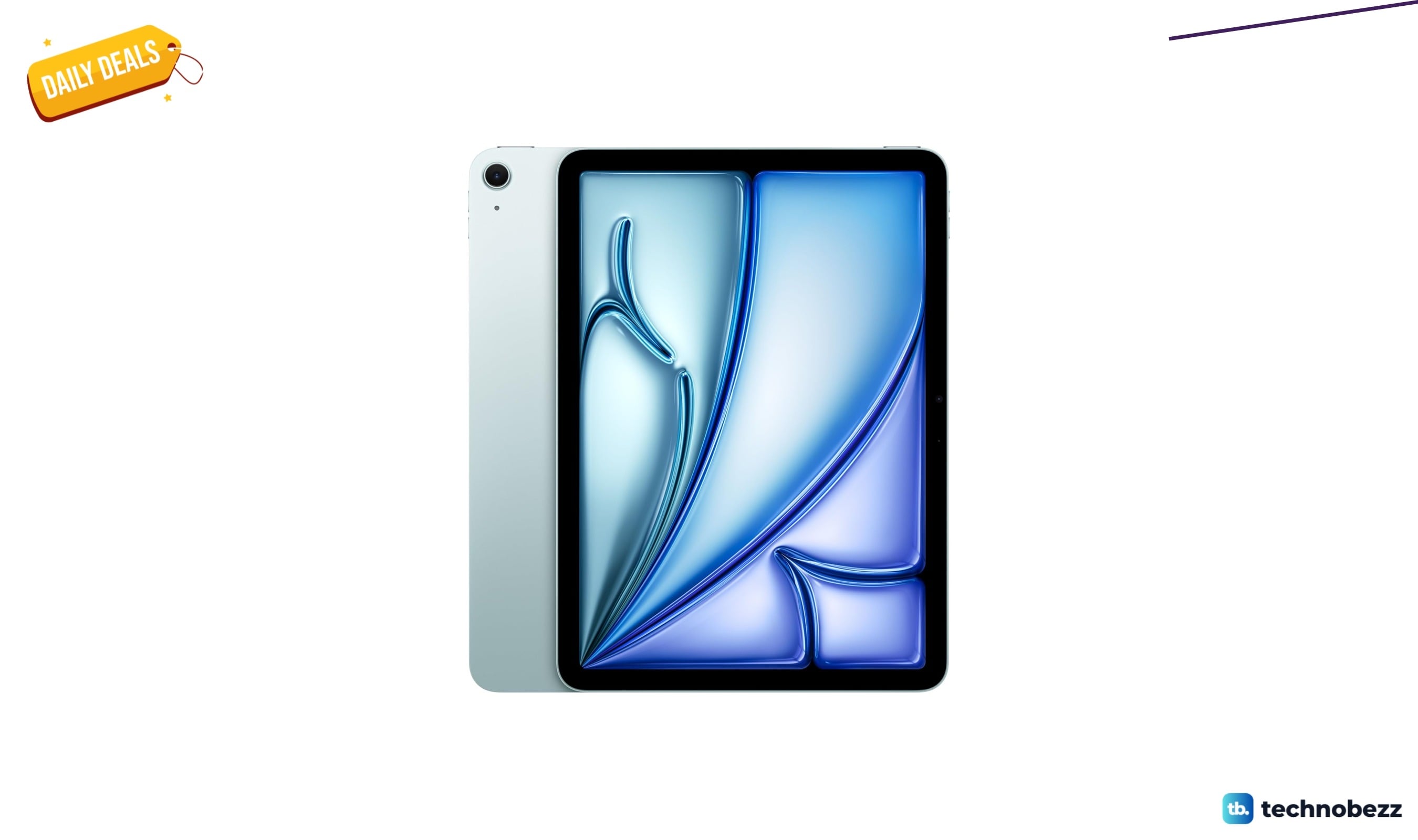
Apple iPad Air Liquid Retina Display drops to $749 on Amazon
5 min read
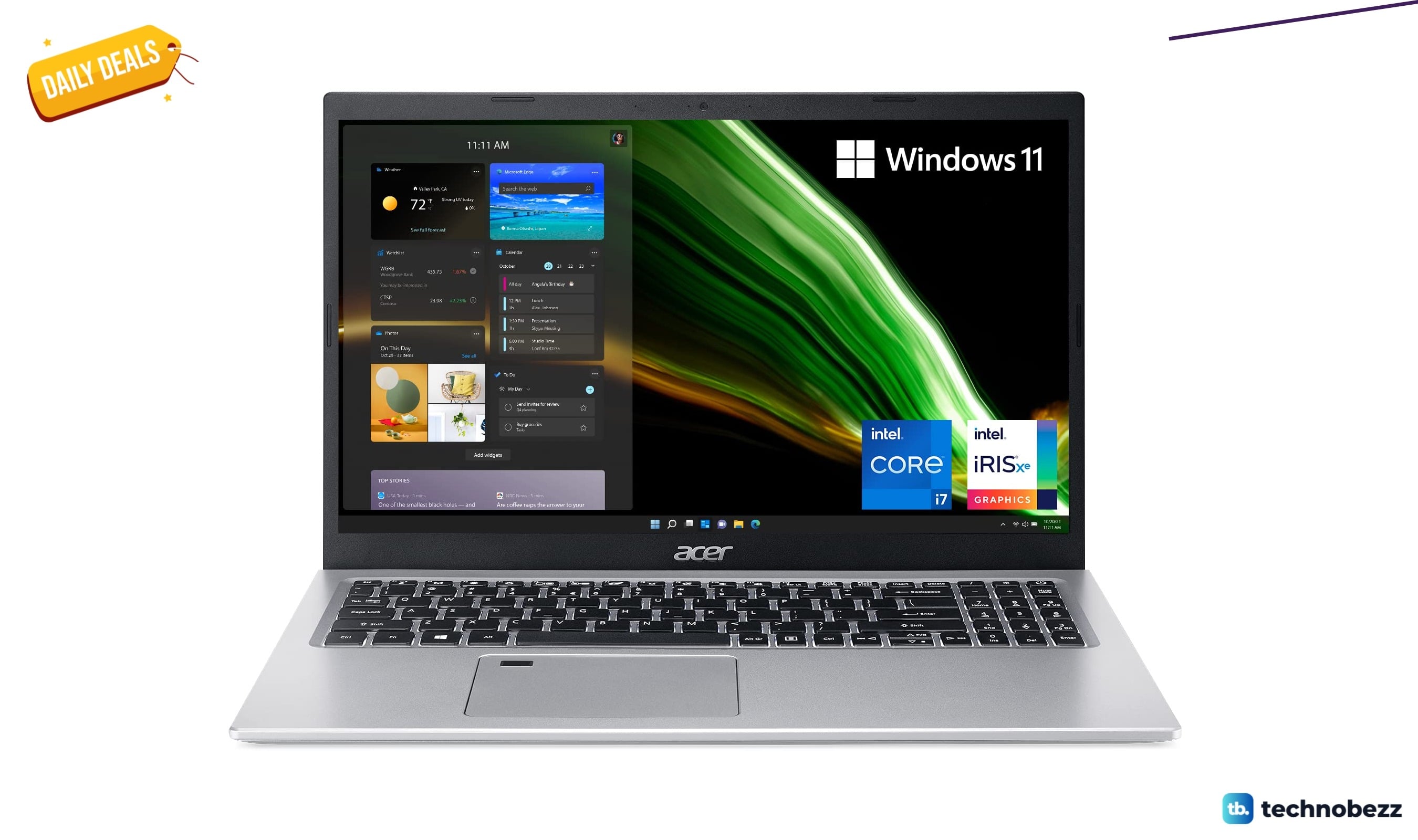
Acer Aspire 5 A515-56-702V 15.6 Inch Full HD Laptop Drops to $695
3 min read
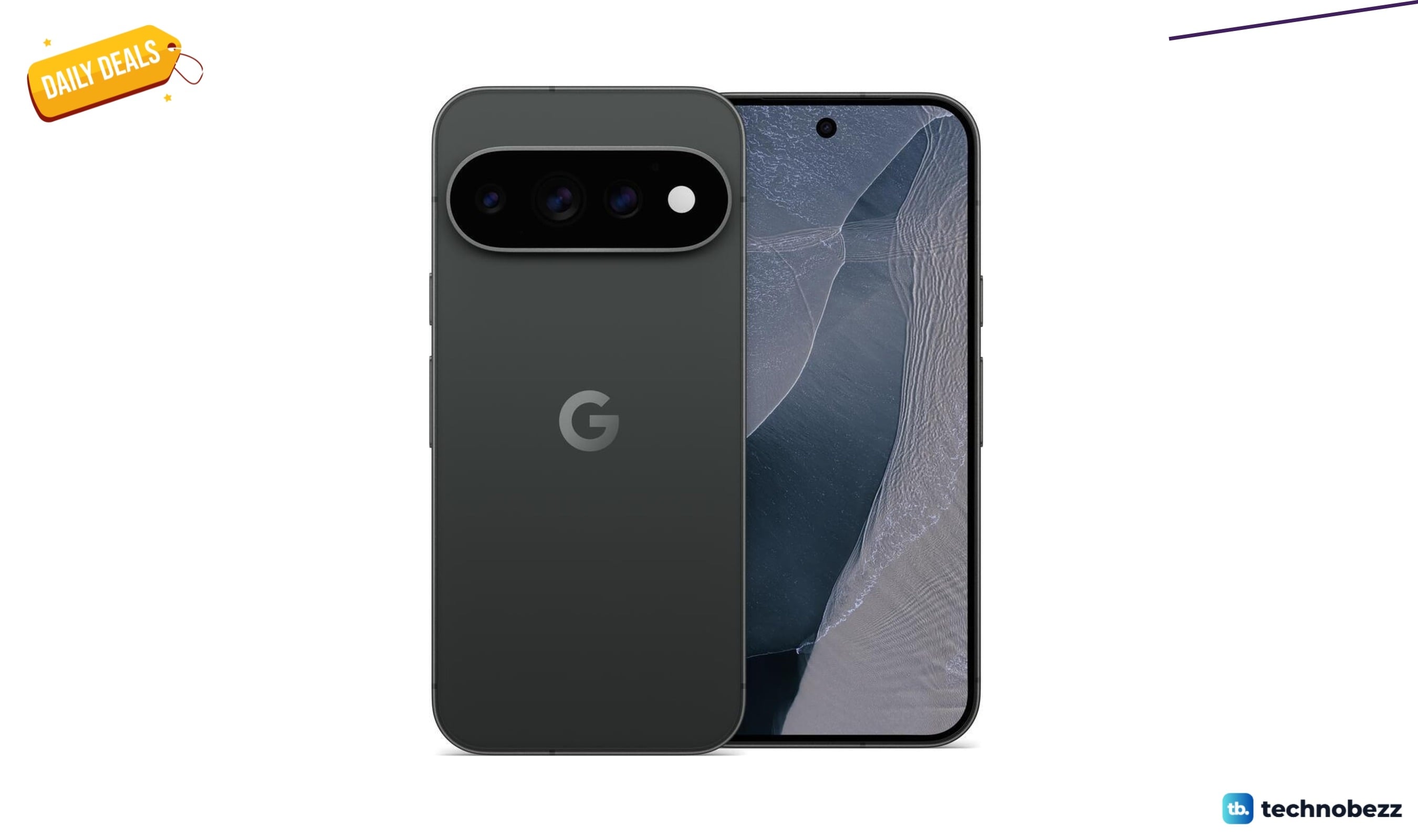
2 Pixel 11 Pro prices drop to $1099 at Amazon today
5 min read
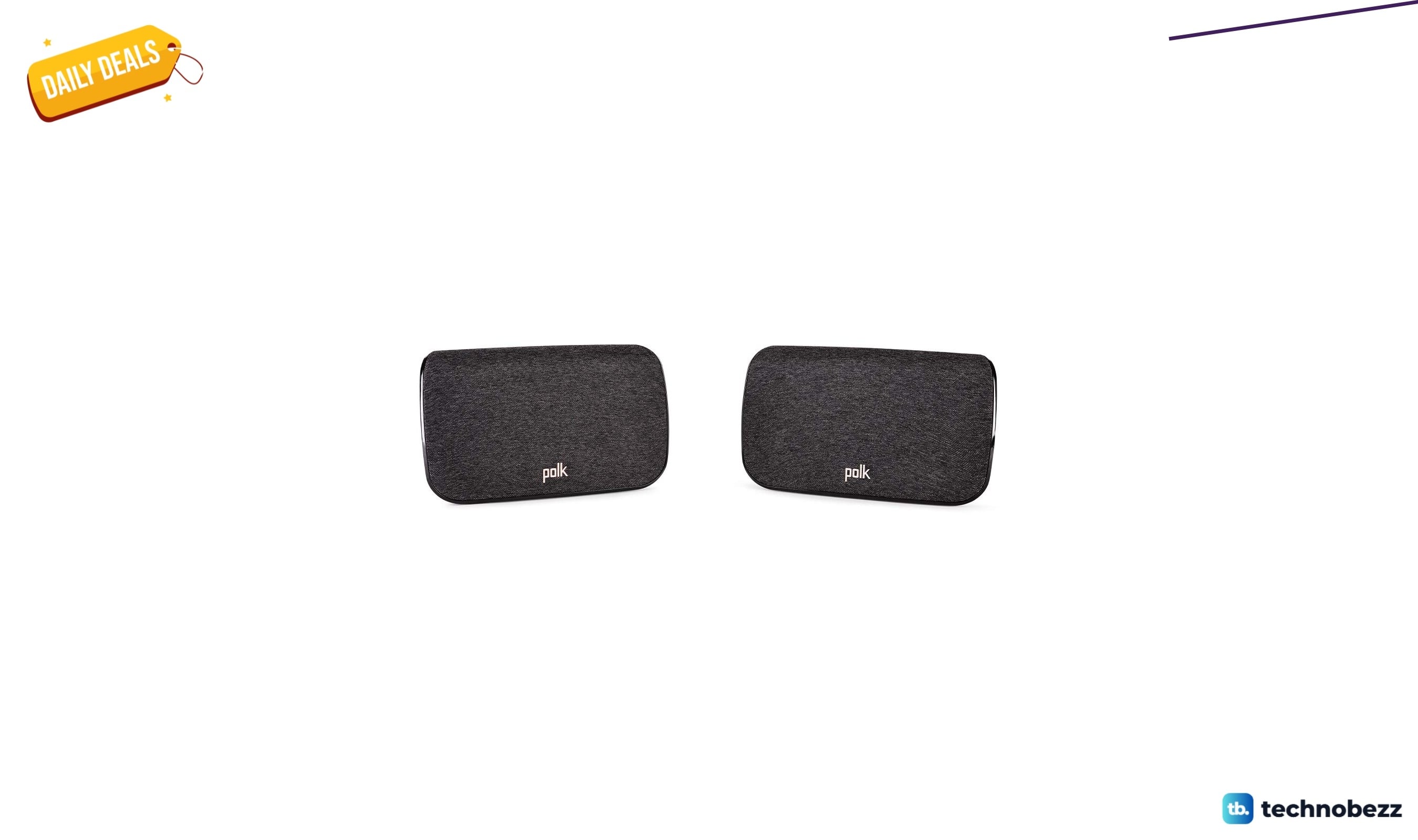
Polk Audio SR2 Surround Sound Speakers, 2 drops to $189 on Amazon
5 min read
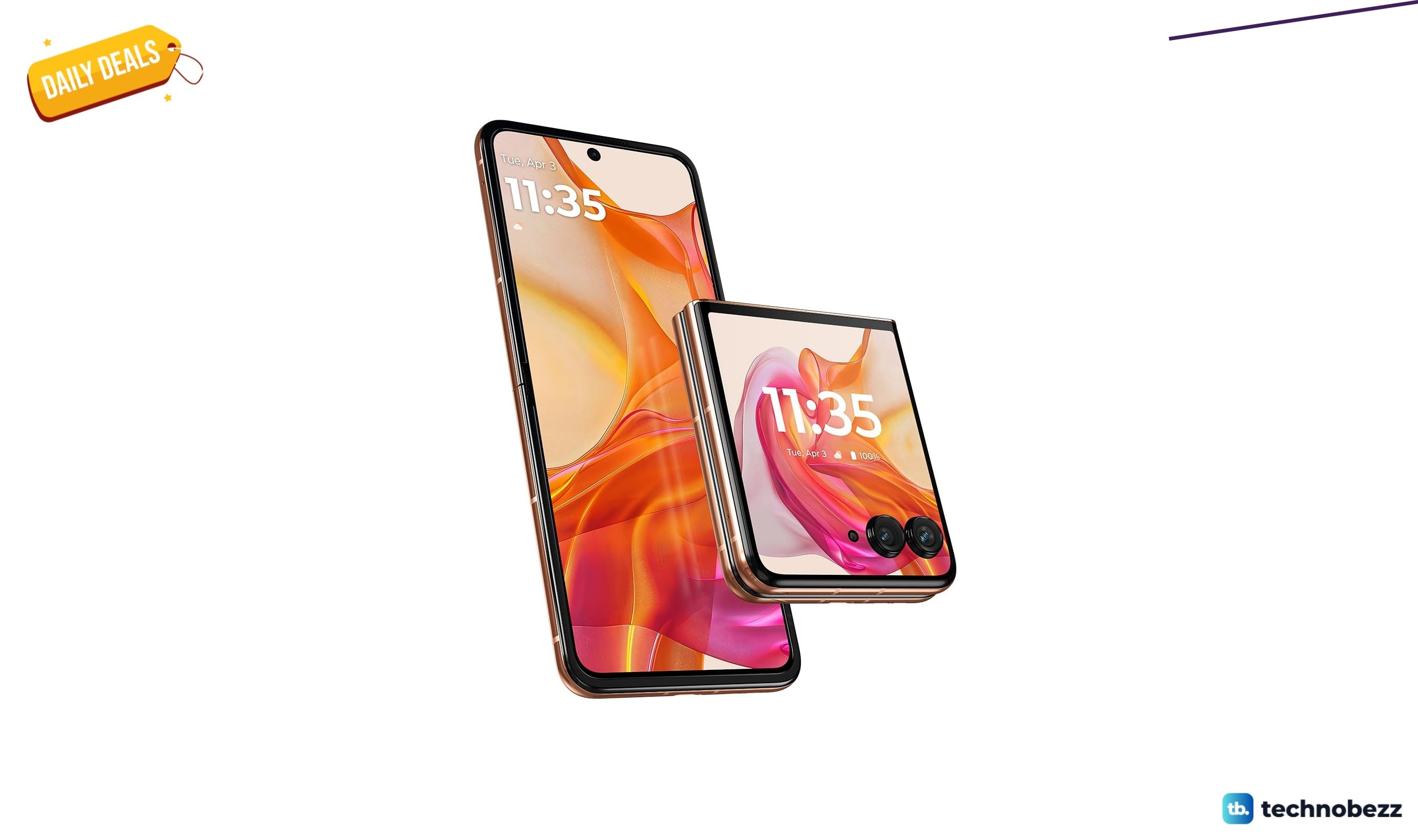
Motorola razr+ 2024 Unlocked Made drops to $433 at Amazon
4 min read