The right running earbuds stay locked in place, handle sweat without breaking down, and sound good enough to keep you motivated mile after mile. The Beats Powerbeats Pro 2 take the top spot this year thanks to a rock-solid earhook design, punchy sound, and useful features like ANC and heart rate tracking. But the best choice depends on whether you run on roads, trails, or treadmills, and how much situational awareness matters to you.
Product
Technobezz is supported by its audience. We may get a commission from retail offers.
Best Earbuds for Running in 2026
The Beats Powerbeats Pro 2 top our list of the 4 best running earbuds for 2026, with secure earhooks, ANC, and heart rate tracking for any runner.
T
Technobezz
Senior Editor
Updated June 16, 2026Jun 16, 2026
•11 min read

Get Deals Like These in Your Inbox
The best prices, reviewed weekly.
At a Glance
| Category | Product | Why We Picked It |
|---|---|---|
| Best overall | Beats Powerbeats Pro 2 | Secure earhooks with great sound and ANC |
| Best value | JLab GO Sport+ | Surprisingly good performance under $30 |
| Best open ear | Shokz OpenRun Pro 2 | Bone conduction with dual drivers for better bass |
| Best for iPhone users | Apple AirPods Pro 3 | Seamless ecosystem and accurate HR tracking |
| Best for wet conditions | Anker Soundcore Sport X20 | IP68 waterproofing at a midrange price |
| Also recommended | Soundcore AeroFit 2 | Comfy open fit for tip haters |
| Also recommended | JBL Endurance Peak 3 | Rock-solid grip for sweaty runs |
| Also recommended | Bose QuietComfort Ultra Earbuds (2nd Gen) | Best sound and noise canceling |
| Also recommended | Nothing Ear (Open) | Loud and clear for outdoor runs |
How we chose and tested
We evaluated over 35 pairs of wireless earbuds designed for running, focusing on fit security, water and sweat resistance, battery life, sound quality, and control usability. Our assessment prioritizes models that stay put during high-impact movement, offer at least IPX4 water resistance, and provide reliable Bluetooth connectivity. We also considered ambient awareness features and overall value to cover different running environments and budgets.
The best earbuds for running right now
Beats Powerbeats Pro 2 - Best overall
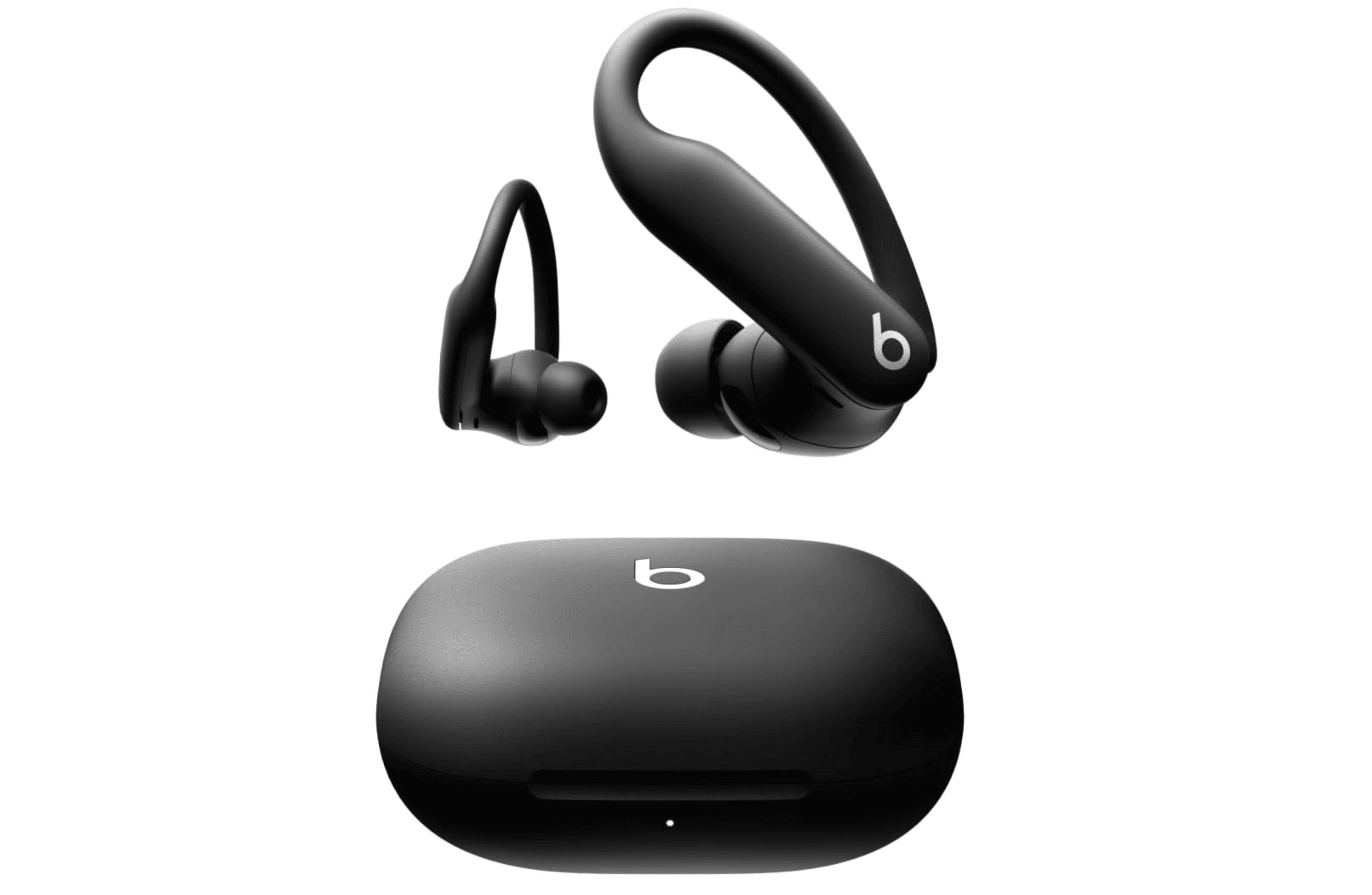
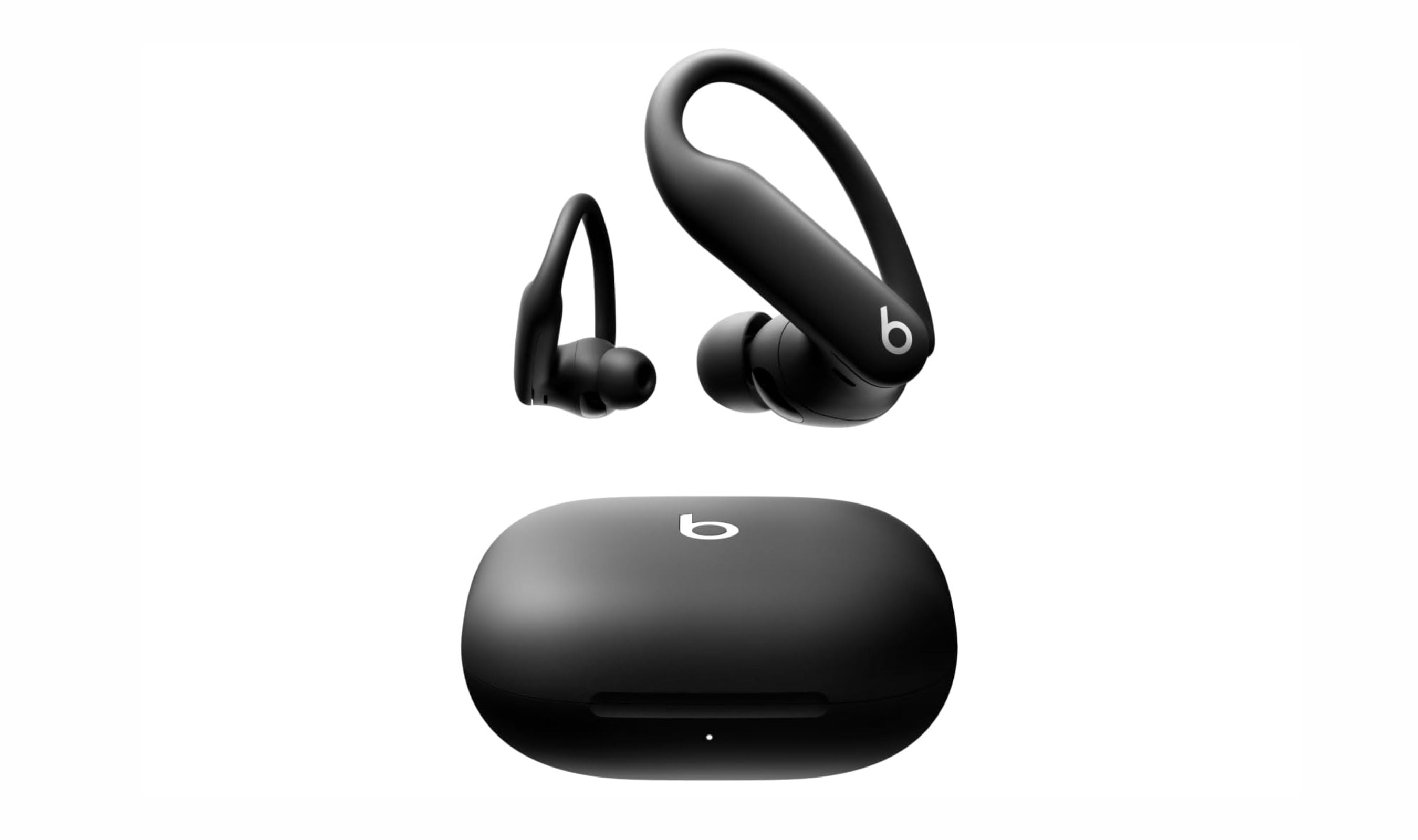
The Powerbeats Pro 2 set the standard for running earbuds in 2026. The redesigned nickel-titanium alloy earhooks and five sizes of silicone tips keep them locked in place through sprints, long runs, and everything in between. Sound is bass-forward and energetic, active noise cancellation cuts out gym noise effectively, and physical buttons make mid-run control easy without looking at your phone.
Key highlights
- Up to 10 hours of listening time (8 with ANC), 45 hours total with the case
- IPX4 sweat and water resistance handles rain and heavy perspiration
- Built-in heart rate sensors sync with compatible fitness apps
- Apple H2 chip enables seamless pairing, spatial audio, and automatic device switching
- Fast Fuel charging gives over an hour of playback from a 5-minute charge
Pros
- Extremely secure fit that does not shift during runs
- Physical button controls are easy to use by feel
- Punchy, motivating sound with solid ANC and transparency modes
- Excellent battery life with wireless charging case
Cons
- Heart rate monitoring is inconsistent and not always accurate
- IPX4 rating is basic compared to fully waterproof competitors
- Expensive at full retail price
- No customizable EQ in the companion app
Who it is for: Runners who want the most secure fit available with great sound and noise cancellation for both outdoor runs and treadmill sessions.
Skip if
You run in heavy rain frequently and need a higher IP rating, or you want open-ear awareness for busy road running.
JLab GO Sport+ - Best value
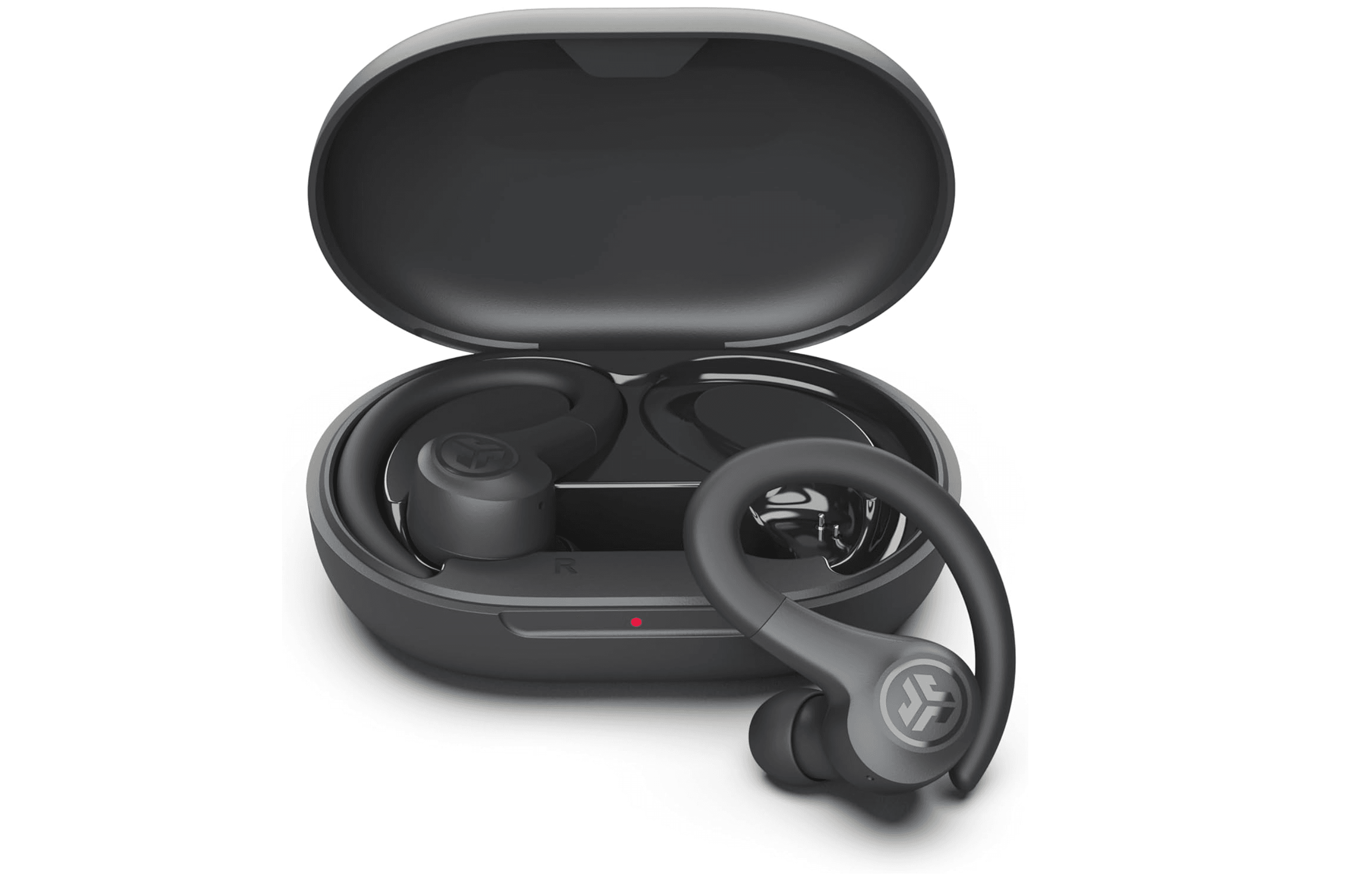
The JLab GO Sport+ delivers a combination that should not exist at this price point: a secure earhook fit, IP55 sweat and dust resistance, and 9-plus hours of battery life. Sound is well-balanced with respectable bass, and the built-in charging cable in the case means one less thing to lose. For runners on a budget, these are the obvious pick.
Key highlights
- 9 hours of playback per bud, 35 hours total with the charging case
- IP55 rating protects against sweat, rain, and dirt
- Over-ear hooks with three silicone tip sizes for a customizable fit
- Google Fast Pair support for quick Android connection
- Be Aware transparency mode lets in ambient sound for safety
Pros
- Incredible value for the performance and features
- Secure earhook design stays put on intense runs
- Long battery life that lasts through a full training week
- IP55 rating beats many more expensive competitors
Cons
- Touch controls can be finicky, especially with sweaty hands
- Sound quality is good but lacks the detail of premium buds
- No active noise cancellation
- Charging case is on the larger side
Who it is for: Budget-conscious runners, beginners, or anyone who wants a reliable backup pair that performs well without a big investment.
Skip if
You need active noise cancellation for treadmill running or demand audiophile-level sound quality.
Shokz OpenRun Pro 2 - Best open ear
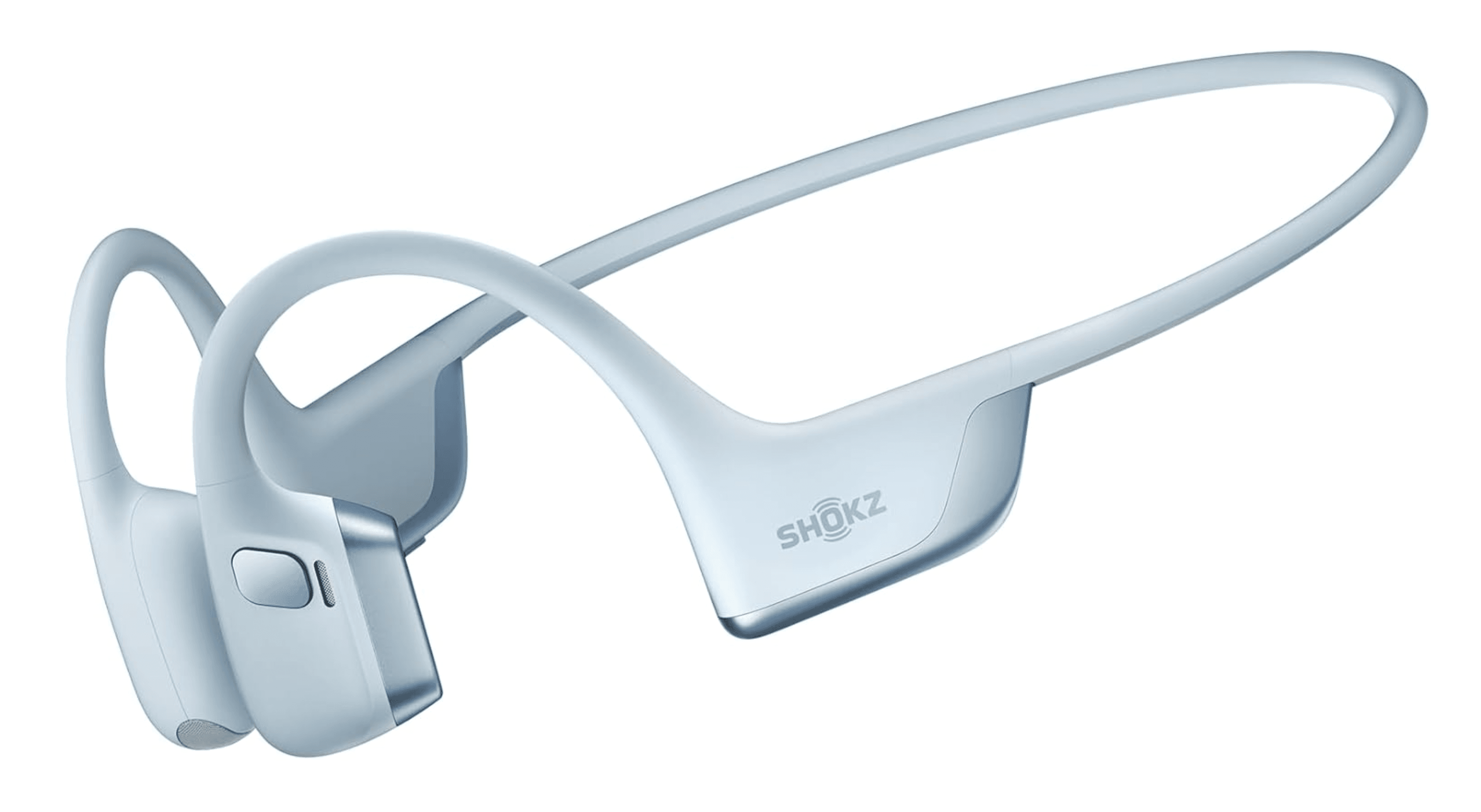
The OpenRun Pro 2 uses a hybrid approach with both bone conduction and air conduction drivers, delivering fuller sound and noticeably better bass than previous bone conduction models. Your ears stay completely open to hear traffic, other runners, and your surroundings, making these the safest option for road running. Battery life hits 12 hours, and the fit is comfortable and secure for hours.
Key highlights
- DualPitch technology combines bone conduction and air conduction for improved audio
- 12 hours of battery life with quick charging (5 minutes for 2.5 hours of use)
- IP55 water and dust resistance
- Ergonomic earhooks with memory wire frame for a stable fit
- Dual microphones with noise reduction for clear calls in wind
Pros
- Excellent situational awareness for outdoor safety
- Best-in-class bone conduction sound quality with real bass presence
- Lightweight and comfortable for long runs
- Controls are intuitive and easy to use on the move
Cons
- Sound quality still cannot match good in-ear buds
- Bone conduction design is less useful outside of running and sports
- Can struggle to be heard in very loud environments
- No noise cancellation (by design)
Who it is for: Road runners, trail runners, and anyone who prioritizes safety and environmental awareness while listening to music or podcasts.
Skip if
You mostly run on treadmills indoors or want earbuds that double as your everyday listening pair.
Apple AirPods Pro 3 - Best for iPhone users
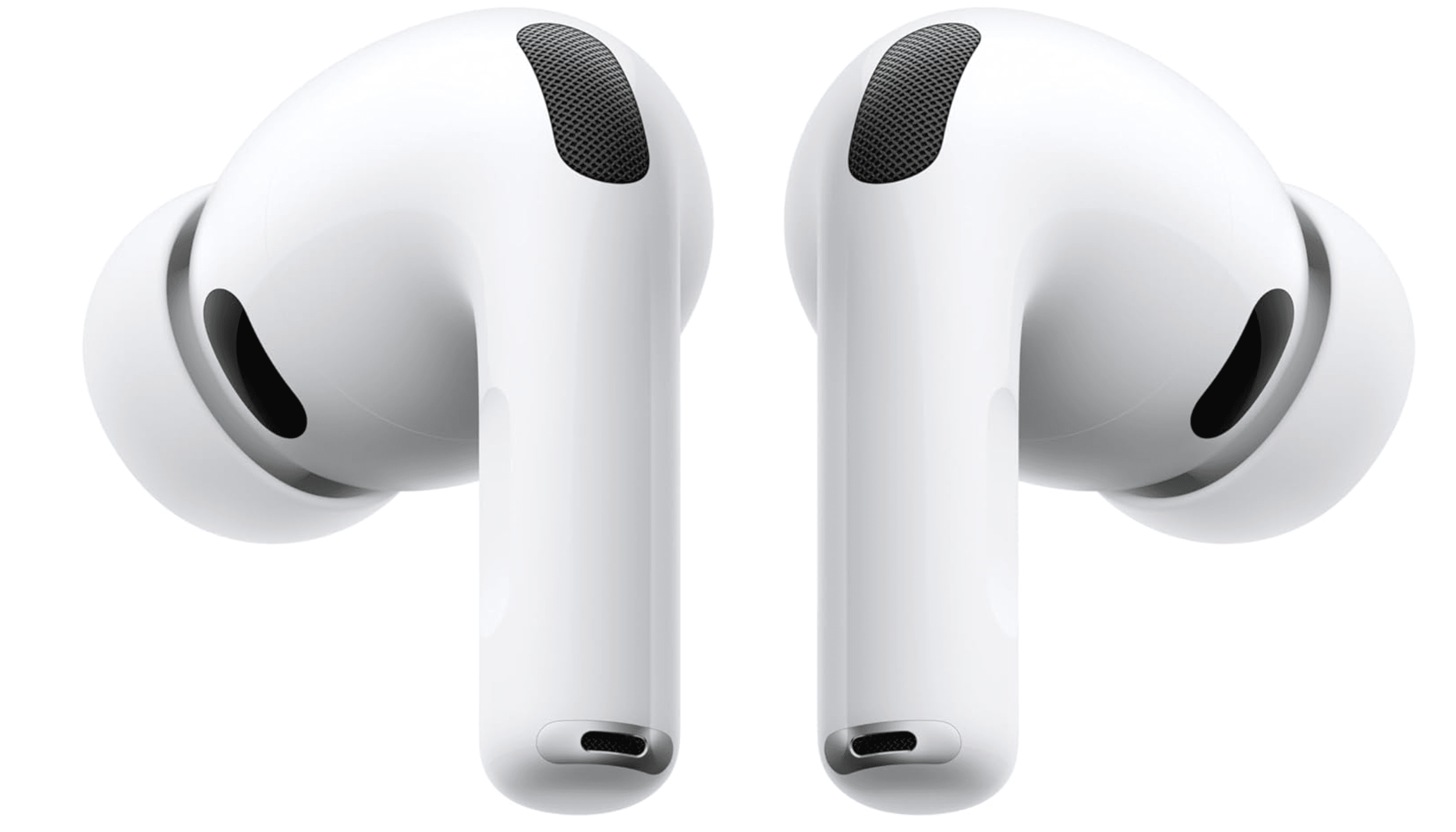
The AirPods Pro 3 deliver the best all-around wireless earbud experience for Apple users, and they work surprisingly well for running. The redesigned fit with five ear tip sizes (including XXS) keeps them secure for most people, and the transparency mode is the best in class for staying aware of your surroundings. Active noise cancellation is outstanding, and the new heart rate tracking is impressively accurate for a headphone-based sensor.
Key highlights
- 8 hours of battery life with ANC (up to 10 hours without), 24 hours total with case
- IP57 water and sweat resistance, an upgrade over previous generations
- Built-in heart rate monitor that syncs with Apple Fitness workouts
- Adaptive Audio and conversation detection for seamless awareness
- Live translation feature supports multiple languages
Pros
- Best-in-class ANC and transparency mode
- Accurate heart rate tracking during runs
- Seamless integration with Apple Watch, iPhone, and Mac
- Improved fit over previous AirPods Pro models
Cons
- Fit can loosen as ears get sweaty on longer runs
- Android users lose most advanced features
- Touch controls can be tricky to use while running
- Battery life lags behind dedicated sports earbuds
Who it is for: iPhone users who want one pair of earbuds for running, commuting, and everyday use without compromise.
Skip if
You have an Android phone or need a more secure earhook-style fit for high-intensity running.
Anker Soundcore Sport X20 - Best for wet conditions
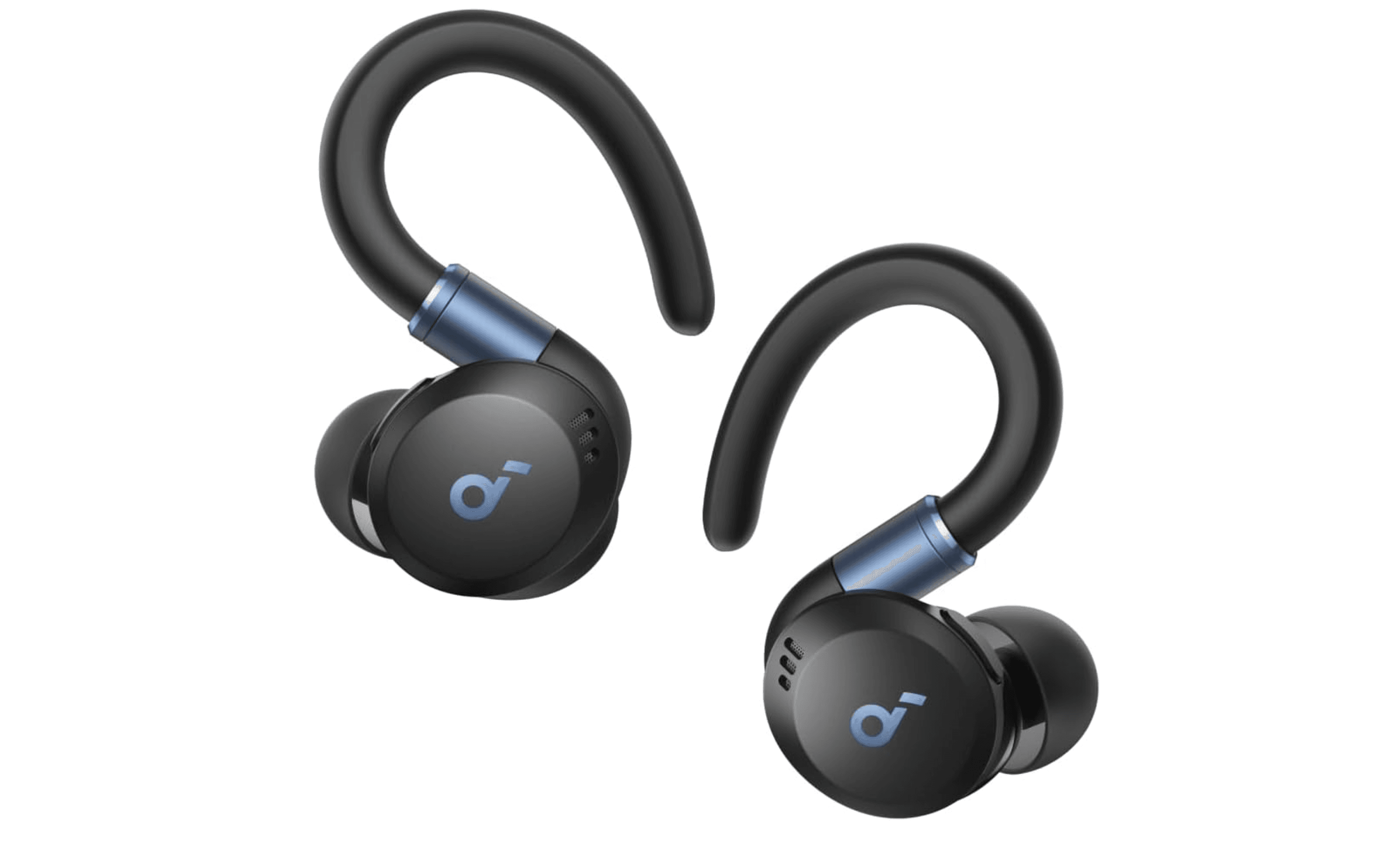
The Sport X20 offers IP68 waterproofing at a fraction of the price of most rugged earbuds. The rotatable and extendable earhooks mold to your ear shape for a customized fit, and the 12-hour battery life handles back-to-back long runs without touching the case. Active noise cancellation is effective for the price, and the BassUp sound mode delivers the energy you need to push through tough miles.
Key highlights
- IP68 fully dustproof and waterproof rating
- 12 hours of playback per charge, 48 hours total with the charging case
- Rotatable and extendable earhooks for a personalized fit
- Active noise cancellation with transparency mode
- BassUp sound enhancement for energizing audio
Pros
- Exceptional waterproofing at a midrange price
- Secure, customizable fit that works for most ear shapes
- Great battery life with USB-C charging case
- Solid ANC performance for the price point
Cons
- Touch controls can be overly sensitive
- ANC is good but not class-leading
- Larger earbud housing may not suit smaller ears
- Sound quality is good but not as refined as premium options
Who it is for: Runners who train in rain, snow, or humid conditions and want full waterproof protection without spending over $150.
Skip if
You want the absolute best sound quality or need a more compact earbud for smaller ears.
Also Good
- Soundcore AeroFit 2 - comfy open fit for tip haters. Check Price on Soundcore
- JBL Endurance Peak 3 - rock-solid grip for sweaty runs.
- Bose QuietComfort Ultra Earbuds (2nd Gen) - best sound and noise canceling.
- Nothing Ear (Open) - loud and clear for outdoor runs.
How to Choose
- Fit and stability. This is the most important factor. Over-ear hooks provide the most secure fit, followed by wing tips and ear fins. In-ear buds without additional support (like standard AirPods) are risky for running. Try models with multiple tip sizes and adjustable hooks.
- Water and sweat resistance. Look for at least IPX4 (splash resistant). IPX5 or IPX6 is better for heavy sweaters. IPX7 and IPX8 mean full waterproofing for runners who train in the rain or near water. Higher ratings also mean the buds will last longer over time.
- Open ear vs. in-ear vs. bone conduction. In-ear buds with ANC are best for treadmills and indoor running. Open-ear and bone conduction models keep you aware of traffic and surroundings for outdoor safety. Bone conduction is the safest option but sacrifices sound quality and bass.
- Battery life. Most wireless earbuds offer 6 to 10 hours per charge. If you run marathons or ultras, look for models with 10-plus hours and a charging case that adds multiple extra charges. Quick charge features (5 minutes for 1 hour of playback) are a practical bonus.
- Controls. Physical buttons are easier to use mid-run than touch controls, especially when your fingers are sweaty or gloved. If you prefer touch controls, look for models with customizable gesture settings to reduce accidental taps.
FAQ
Can I use noise-canceling earbuds for outdoor running?
Yes, but use transparency or ambient mode to stay aware of traffic and other hazards. Many earbuds let you adjust ANC levels or switch to hear-through mode with a tap. For road running, open-ear or bone conduction designs are the safest option.
What IP rating do I need for running?
IPX4 is the minimum for sweat resistance. IPX5 or IPX6 offers better protection for heavy sweaters and light rain. IPX7 and IPX8 are fully waterproof and ideal for runners who train in all weather conditions or near water.
Will running earbuds fall out?
It depends on the design and your ear shape. Over-ear hooks provide the most secure fit. Wing tips and ear fins add stability for in-ear designs. Models with multiple ear tip sizes (foam or silicone) improve the seal and retention. Try before you buy if possible.
How do bone conduction earbuds work?
They rest on your cheekbones and transmit sound vibrations through your skull directly to your inner ear, leaving your ear canals open. This allows you to hear your music or podcasts while staying fully aware of your surroundings. They are the safest option for outdoor running.
Can I use running earbuds for swimming?
Only if they have an IPX7 or IPX8 rating and are specifically designed for swimming, like the Shokz OpenSwim Pro or H2O Audio Tri 2 Pro. Most running earbuds with IPX4 to IPX6 ratings are water-resistant but not submersible.
Published May 13, 2026 Last updated June 16, 2026
Share this article
More in News
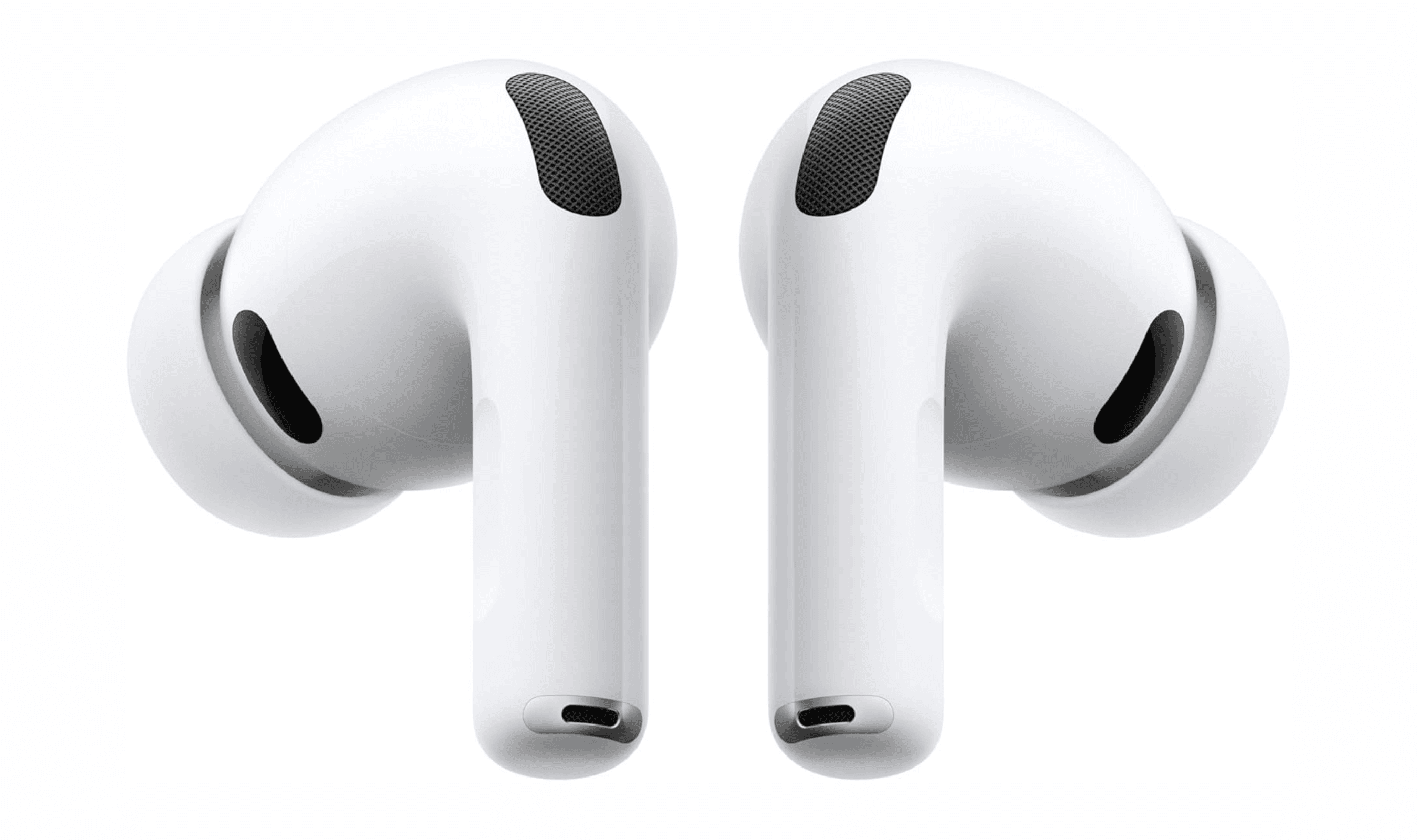
9 Best Wireless Earbuds for 2026
Apple AirPods Pro 3 lead our 2026 picks. See the best wireless earbuds for Android, noise cancellation, and value in our top 9 tested roundup.
5 min read
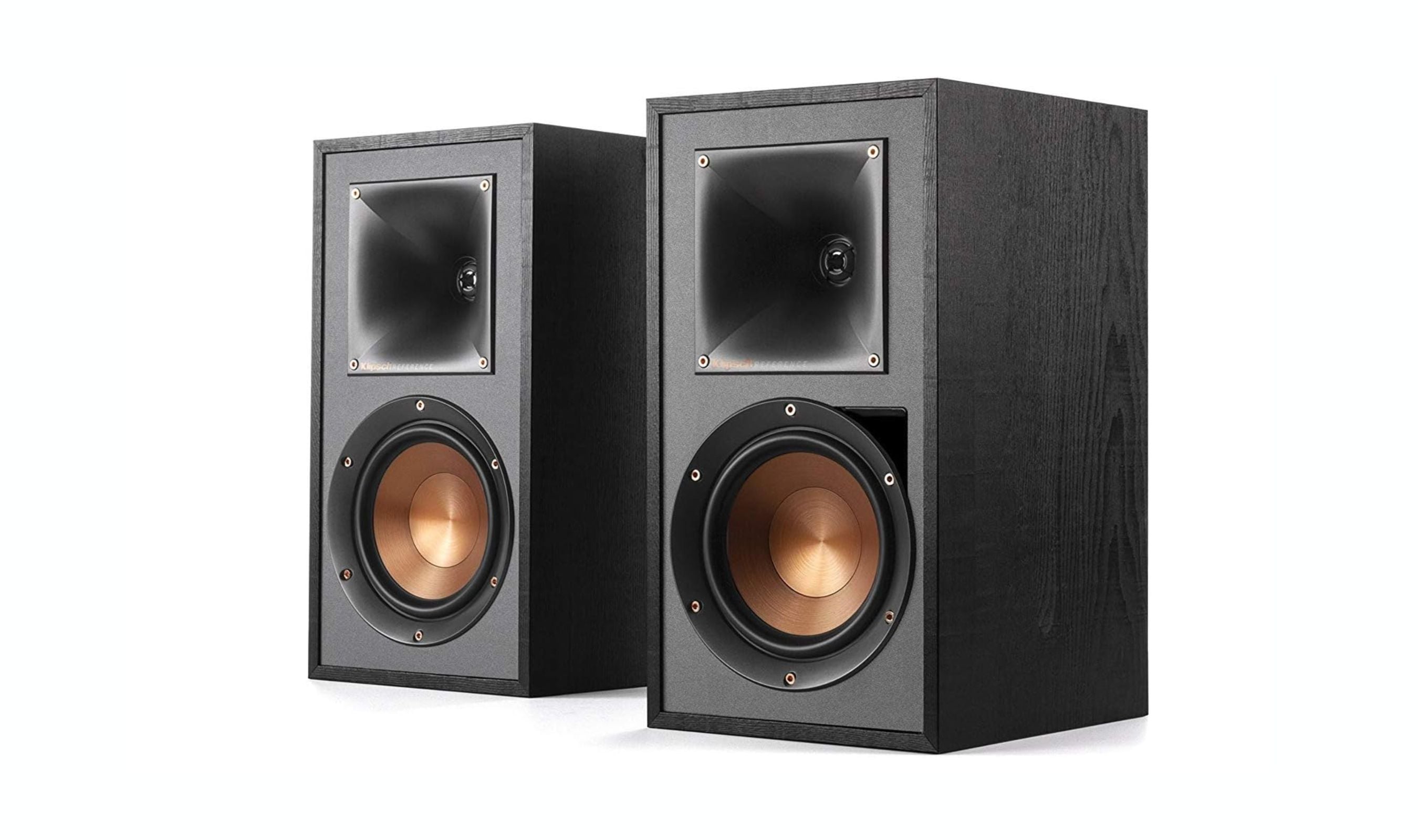
Best Speakers for Vinyl Record Players in 2026
The Klipsch R-51PM tops our list of the best speakers for vinyl record players, offering a built-in phono preamp and dynamic sound. We tested powered and passive options for every budget and space.
3 min read
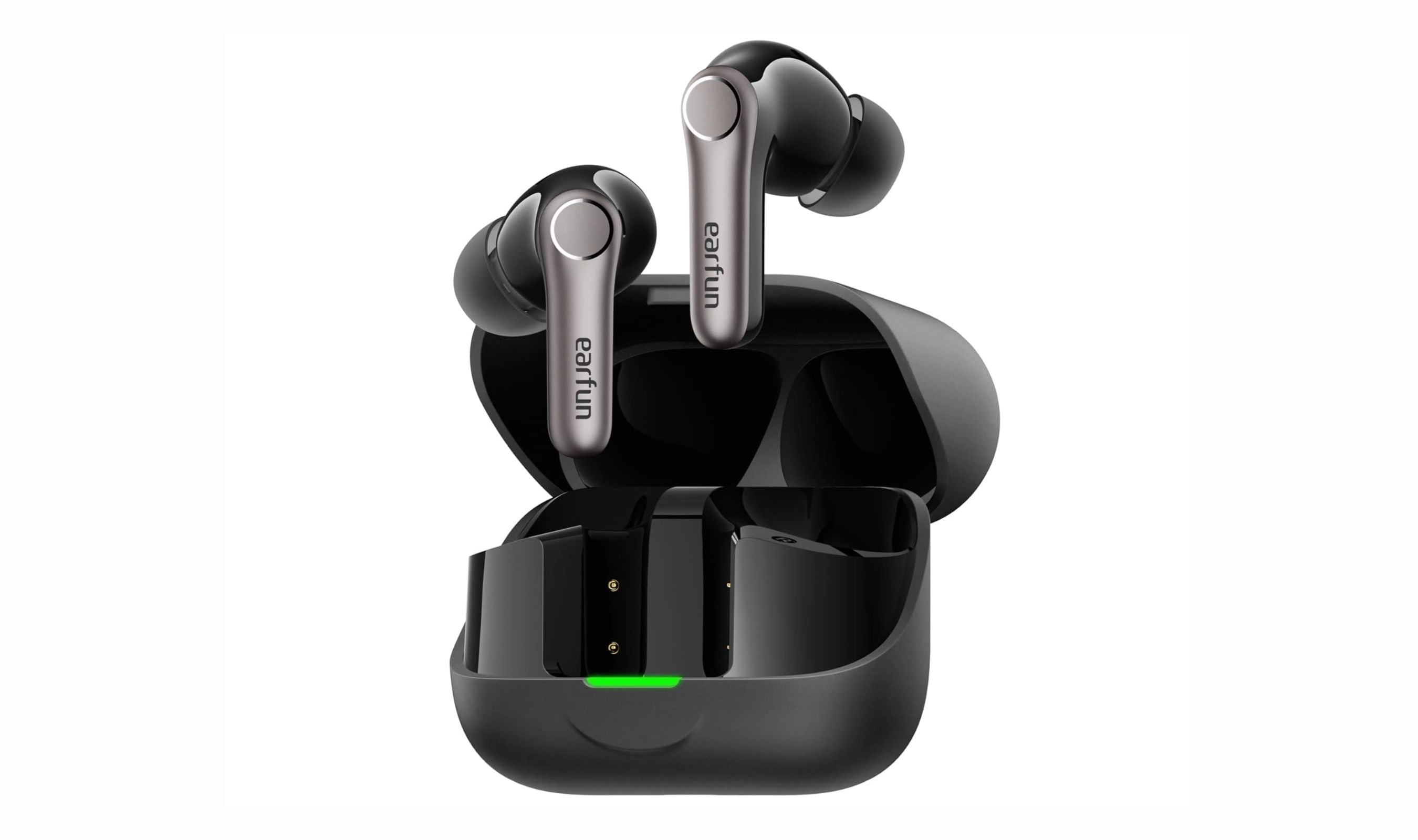
Best Wireless Earbuds Under $100 for 2026
The EarFun Air Pro 4+ leads our picks for the best wireless earbuds under $100. See top-rated models for ANC, value, and call quality in 2026.
5 min read
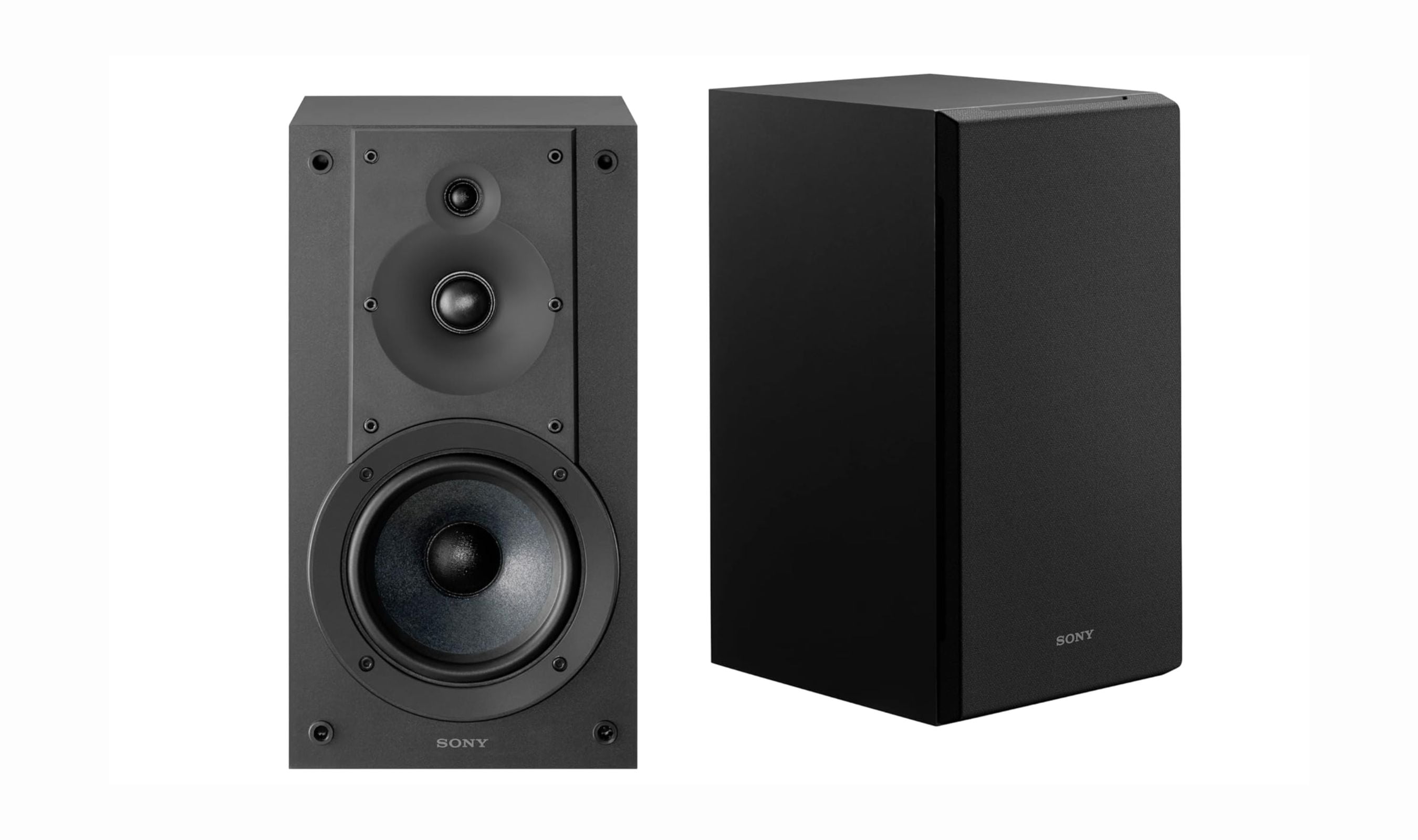
9 Best Bookshelf Speakers for 2026
The Sony SS-CS5M2 tops our list of the best bookshelf speakers for 2026, offering natural sound and easy amplifier pairing for any setup.
4 min read
9 Best Bluetooth Speakers for 2026
3 min read
Best Floorstanding Speakers for 2026
5 min read
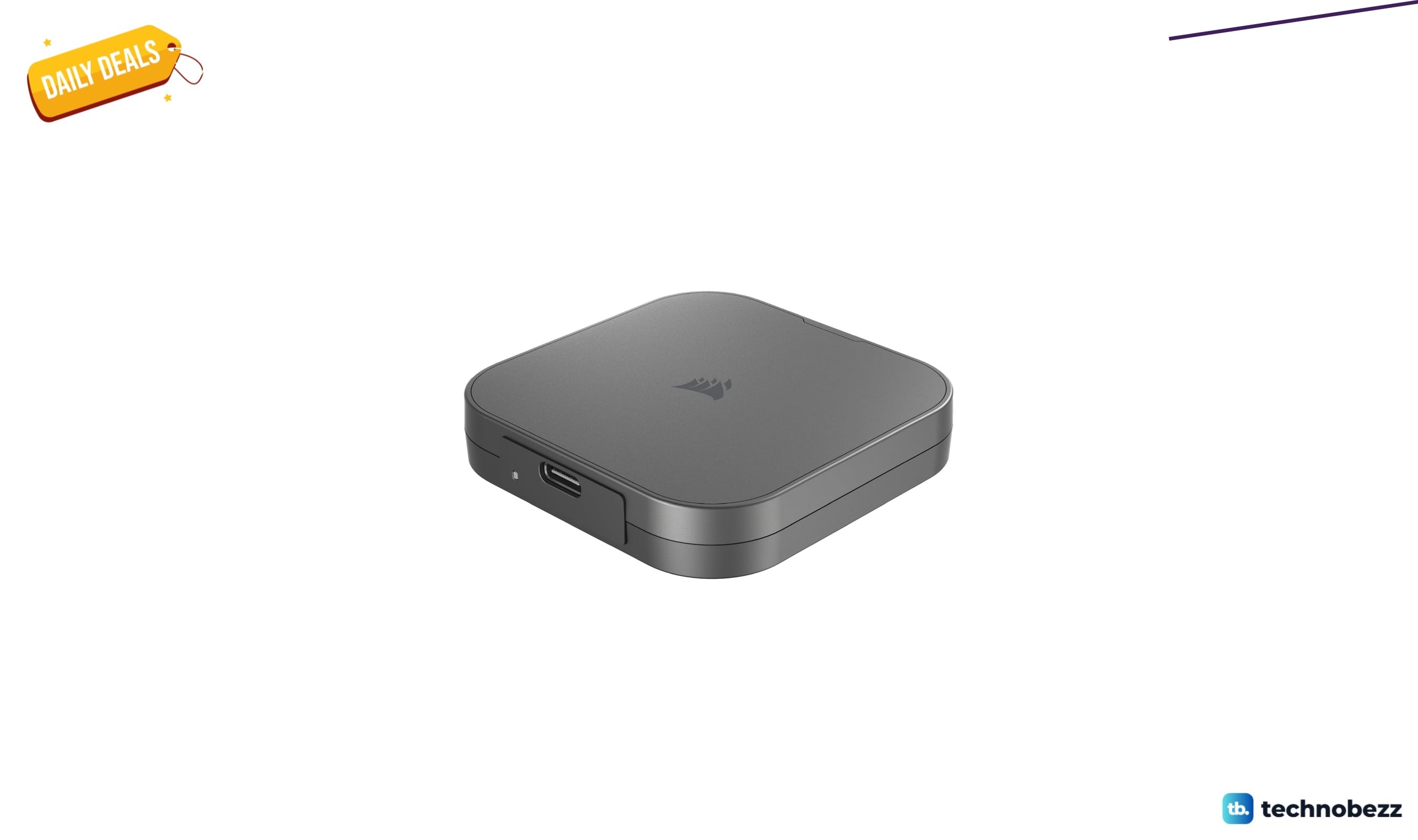
Corsair EX400U USB4 Portable External SSD drops to $243.05 on Amazon
5 min read
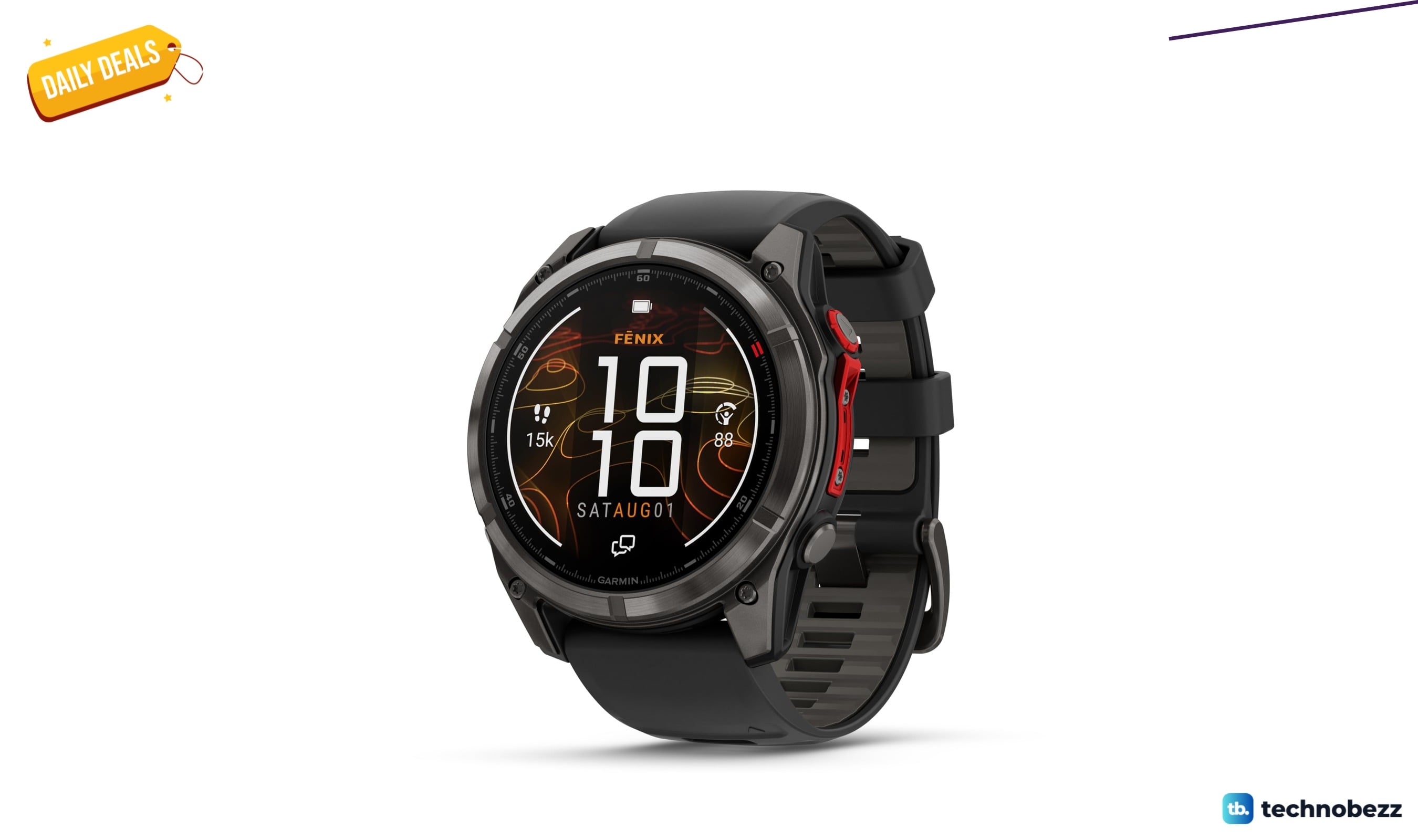
Garmin fēnix 8 Pro 51mm MicroLED Sapphire drops to $1249.99 on Amazon
4 min read
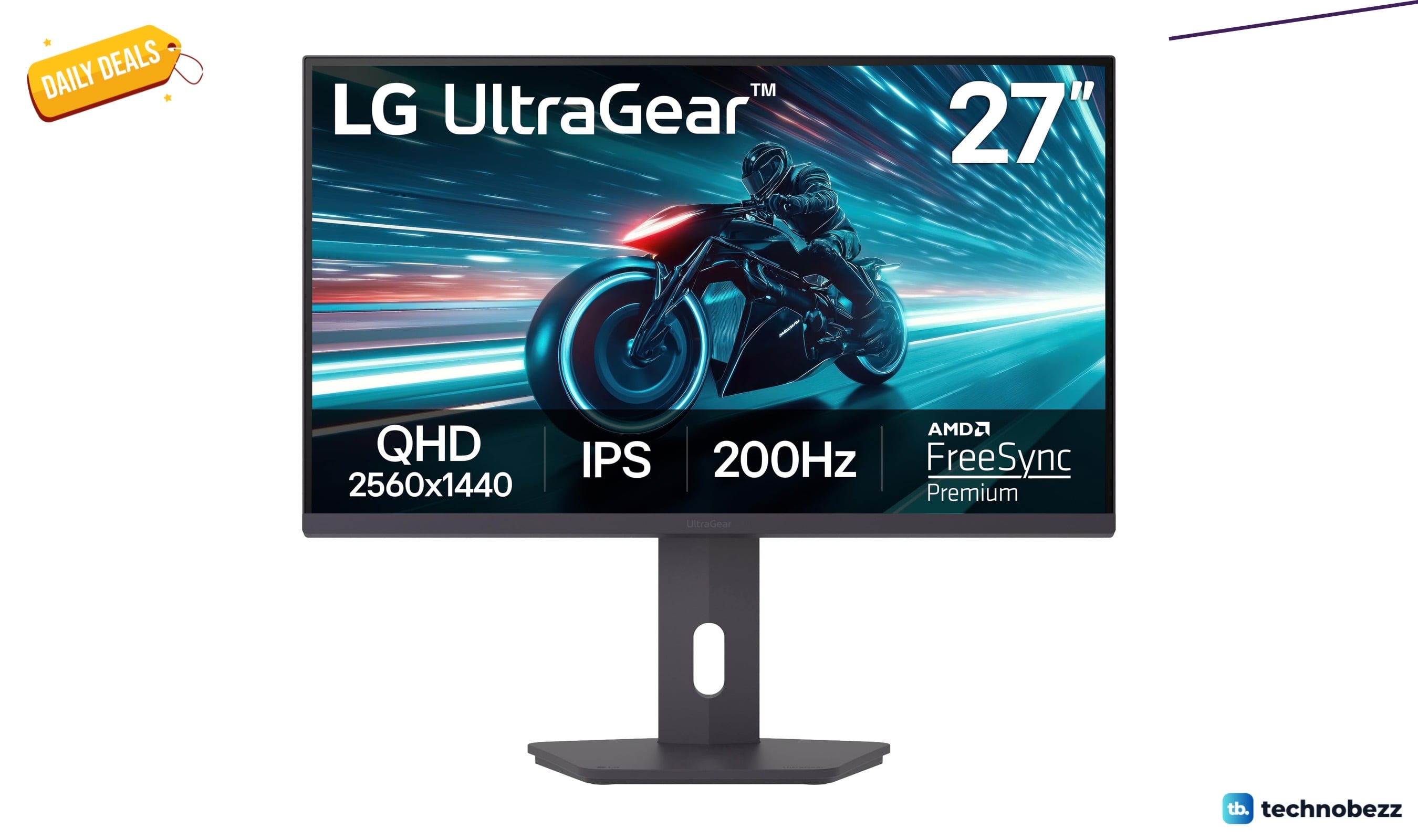
LG 27GS75Q-B Ultragear QHD Gaming Monitor drops to $159.99 at Amazon
3 min read
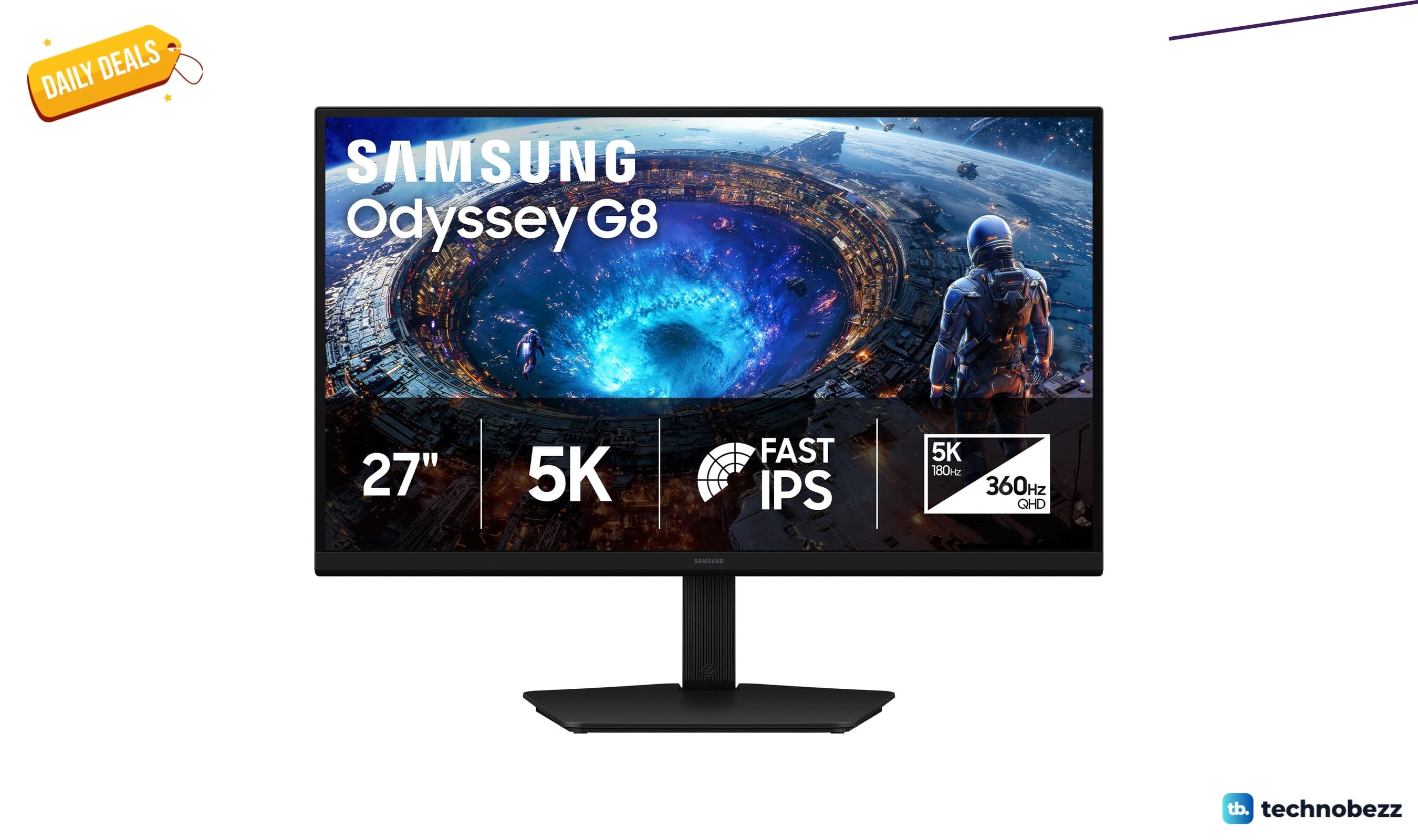
Samsung 27 Inch Odyssey G8 Gaming Monitor 5K falls to $709.99
5 min read
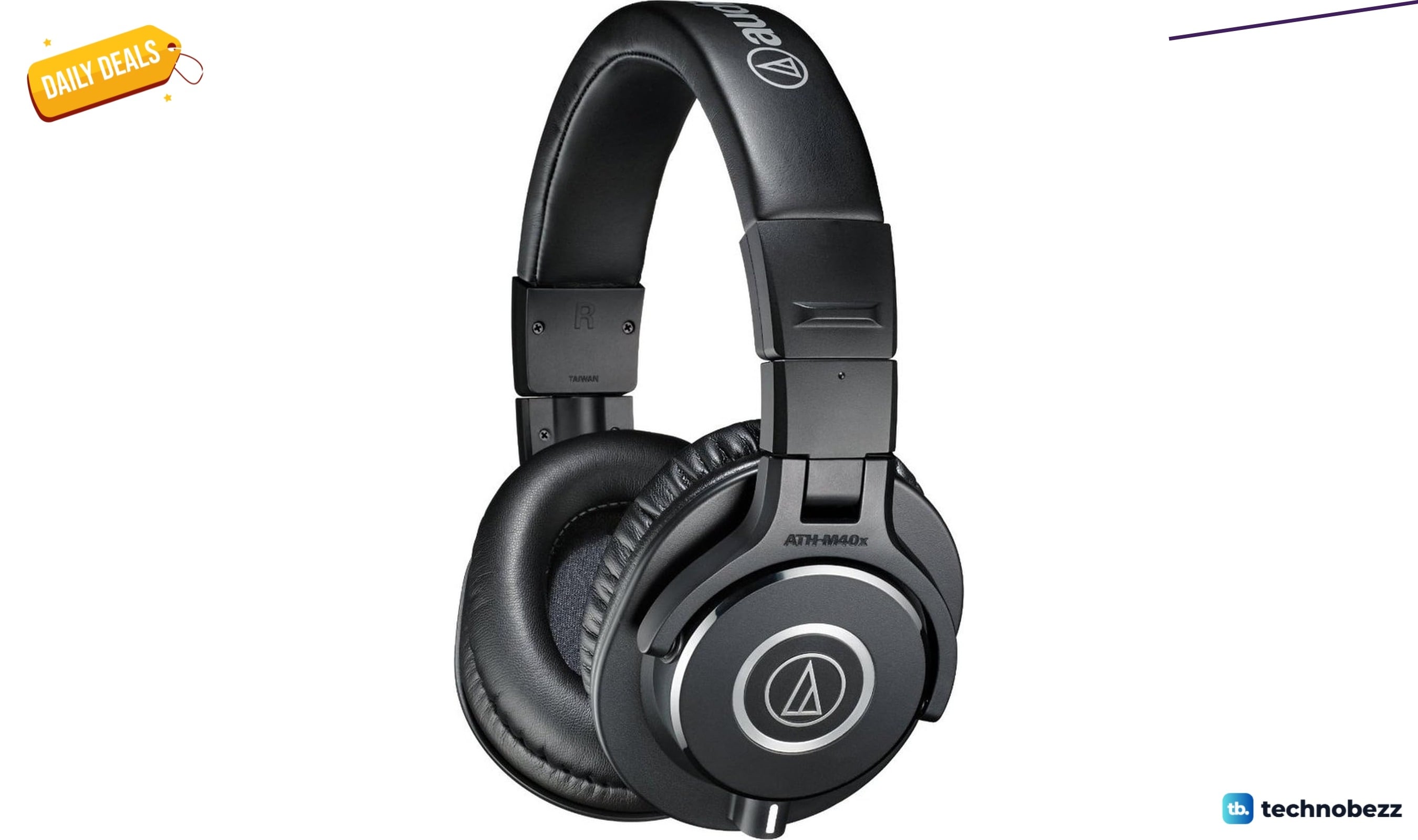
Audio-Technica ATH-M40x Studio Monitor Headphones down to $95.92 on Amazon
4 min read
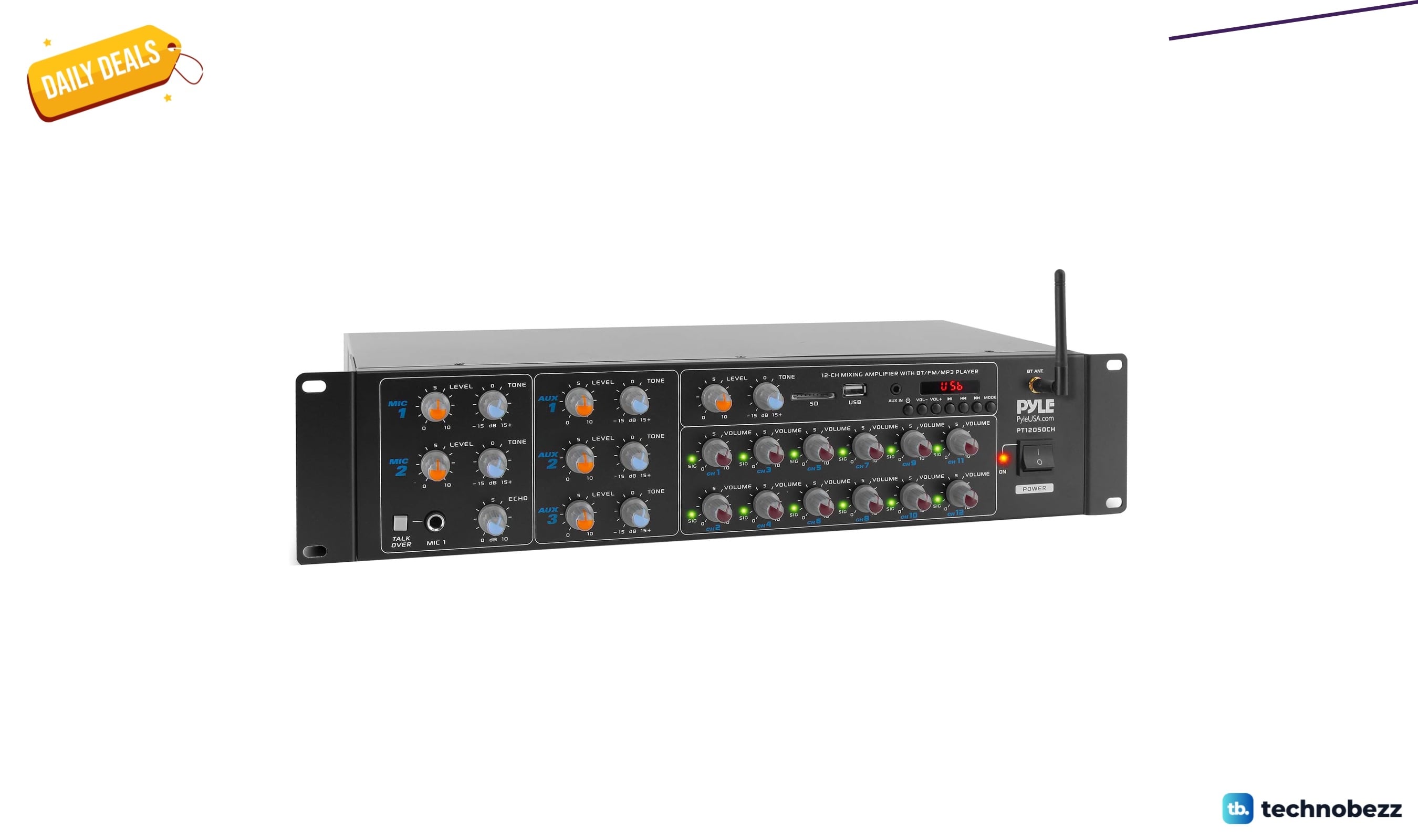
Pyle 12-Channel Wireless Bluetooth Power Amplifier 6000 drops to $338.82
4 min read