If you are looking for a DSLR in 2026, you are probably after three things: excellent battery life, an optical viewfinder, and serious value on the used market. The Nikon D850 is still the best all-around DSLR you can buy, with a 45.7MP sensor that rivals modern mirrorless cameras, but the right pick depends on whether you prioritize resolution, speed, budget, or a specific system.
Technobezz is supported by its audience. We may get a commission from retail offers.
Best DSLR Cameras for 2026
The Nikon D850 tops our list of the 4 best DSLR cameras for 2026, offering unmatched resolution and versatility for professionals.
T
Technobezz
Editorial Team
Updated October 5, 2026Oct 5, 2026
•9 min read

Get Deals Like These in Your Inbox
The best prices, checked by our editors.
At a Glance
| Category | Product | Why We Picked It |
|---|---|---|
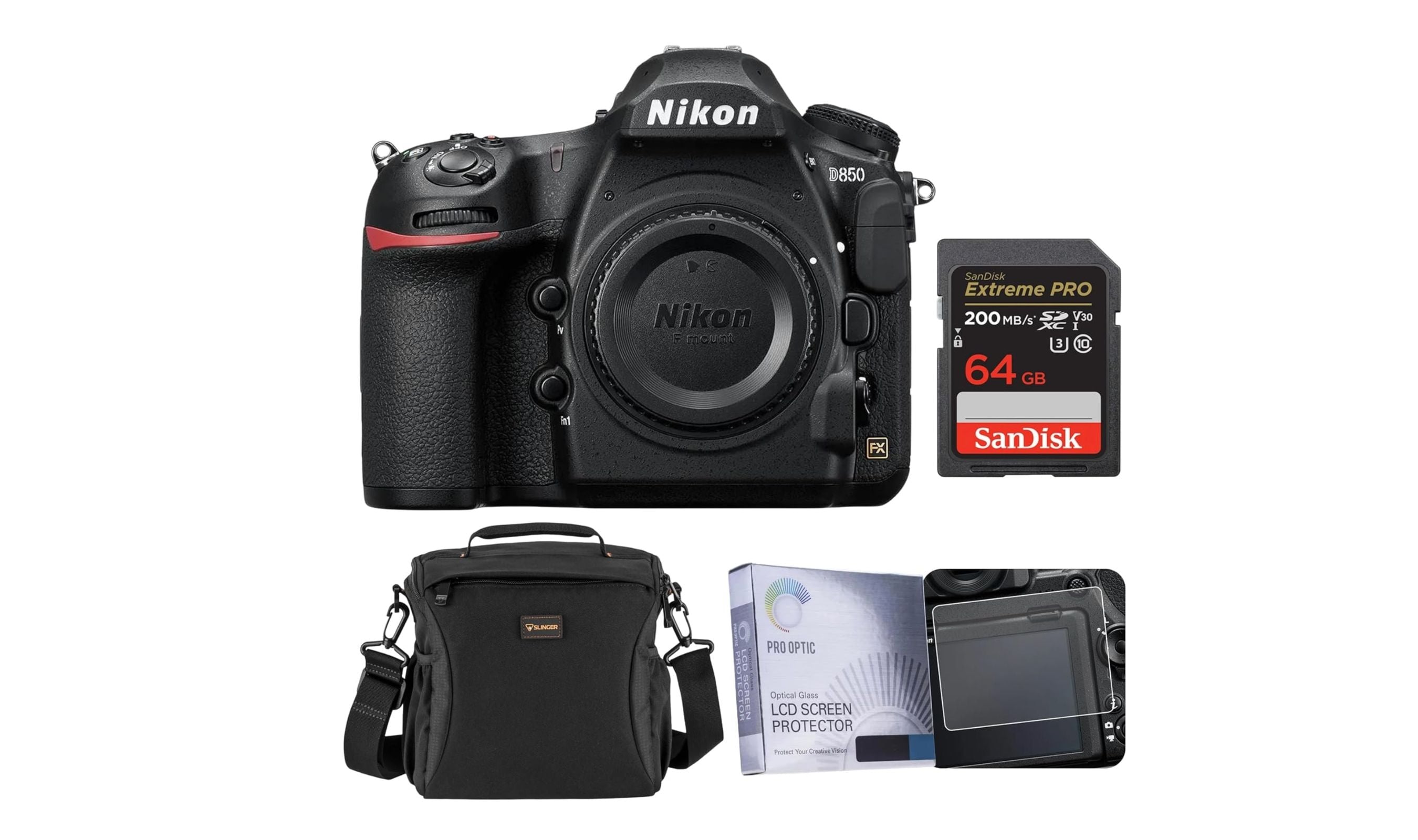
| Best overall | Nikon D850 | Unmatched resolution and versatility for professionals |
| Best value | Nikon D780 | Mirrorless-level live view in a classic DSLR body |
| Best for beginners | Canon EOS Rebel T7 | 24.1MP sensor, automatic shooting mode and included 18-55mm lens |
| Best for sports and wildlife | Nikon D500 | 10fps burst with pro-grade autofocus |
| Best new DSLR | Nikon D7500 | 8fps shooting, a tilting touchscreen and 4K video, still sold new |
| Also recommended | Canon EOS 5D Mark IV | Pro workhorse, but getting hard to find new |
| Also recommended | Canon EOS 90D | High-res hybrid with uncropped 4K |
| Also recommended | Pentax K-1 Mark II | Solid alternative for the price |
How we chose
We evaluated the best DSLRs based on image quality, autofocus performance, build durability, battery life, and real-world value. Each camera was assessed for its intended use case whether that means studio work, action photography, travel, or learning the fundamentals. We prioritized models that still offer strong lens ecosystems and reliable performance in 2026, with special attention to the used market where most DSLR value now lives.
The best DSLR cameras right now
Nikon D850 - Best overall
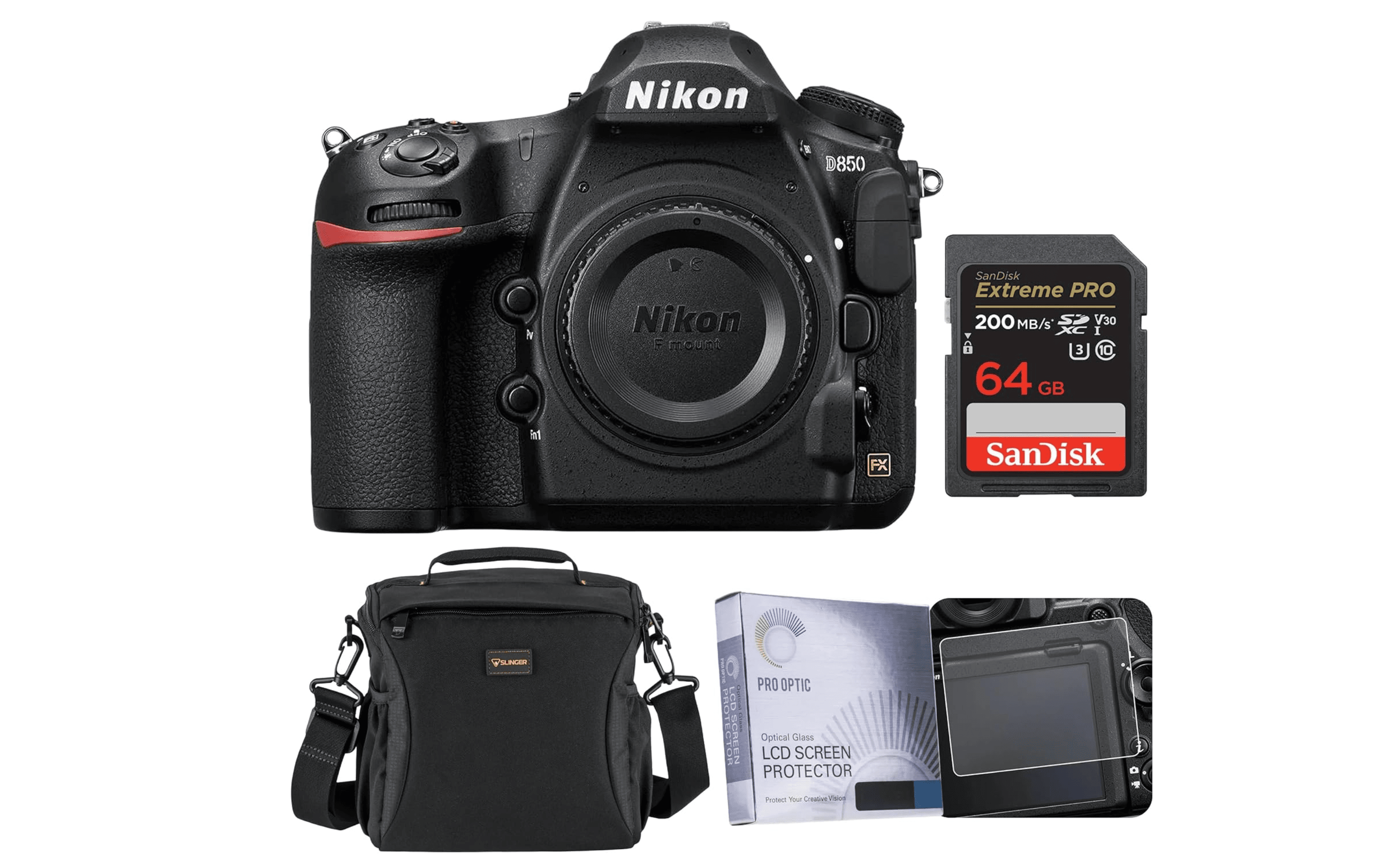
The Nikon D850 is widely considered the finest DSLR ever made, and it still holds up against modern mirrorless cameras in image quality. Its 45.7MP full-frame BSI CMOS sensor delivers exceptional dynamic range and detail, making it a top choice for landscape, studio, architecture, and wildlife photography. The 153-point autofocus system is fast and accurate, and the 7fps burst speed (9fps with the optional MB-D18 grip and EN-EL18a/b battery) keeps up with action. With 4K video, a tilting touchscreen, weather sealing, and dual card slots, it is hard to find a more complete DSLR package.
Key highlights
- 45.7MP full-frame BSI CMOS sensor with no anti-aliasing filter for maximum detail
- 153-point autofocus system inherited from the flagship Nikon D5
- 7fps continuous shooting (9fps with the optional MB-D18 grip and EN-EL18a/b battery)
- 4K UHD video at 30fps with uncompressed HDMI output
- 1,840-shot battery life rating
Pros
- Exceptional image quality and dynamic range that rivals modern mirrorless cameras
- Rugged, fully weather-sealed magnesium alloy build
- Excellent handling with illuminated buttons and intuitive controls
Cons
- Live view autofocus is slower than newer mirrorless competitors
- Large 45MP files require a capable computer for editing
- Still relatively expensive compared to newer used DSLR options
Who it is for: Serious enthusiasts and professionals who want the highest image quality in a DSLR for landscapes, portraits, events, and studio work.
Skip if
You shoot mostly in live view or need the latest subject-tracking autofocus for fast action; a mirrorless camera will serve you better.
Nikon D780 - Best value
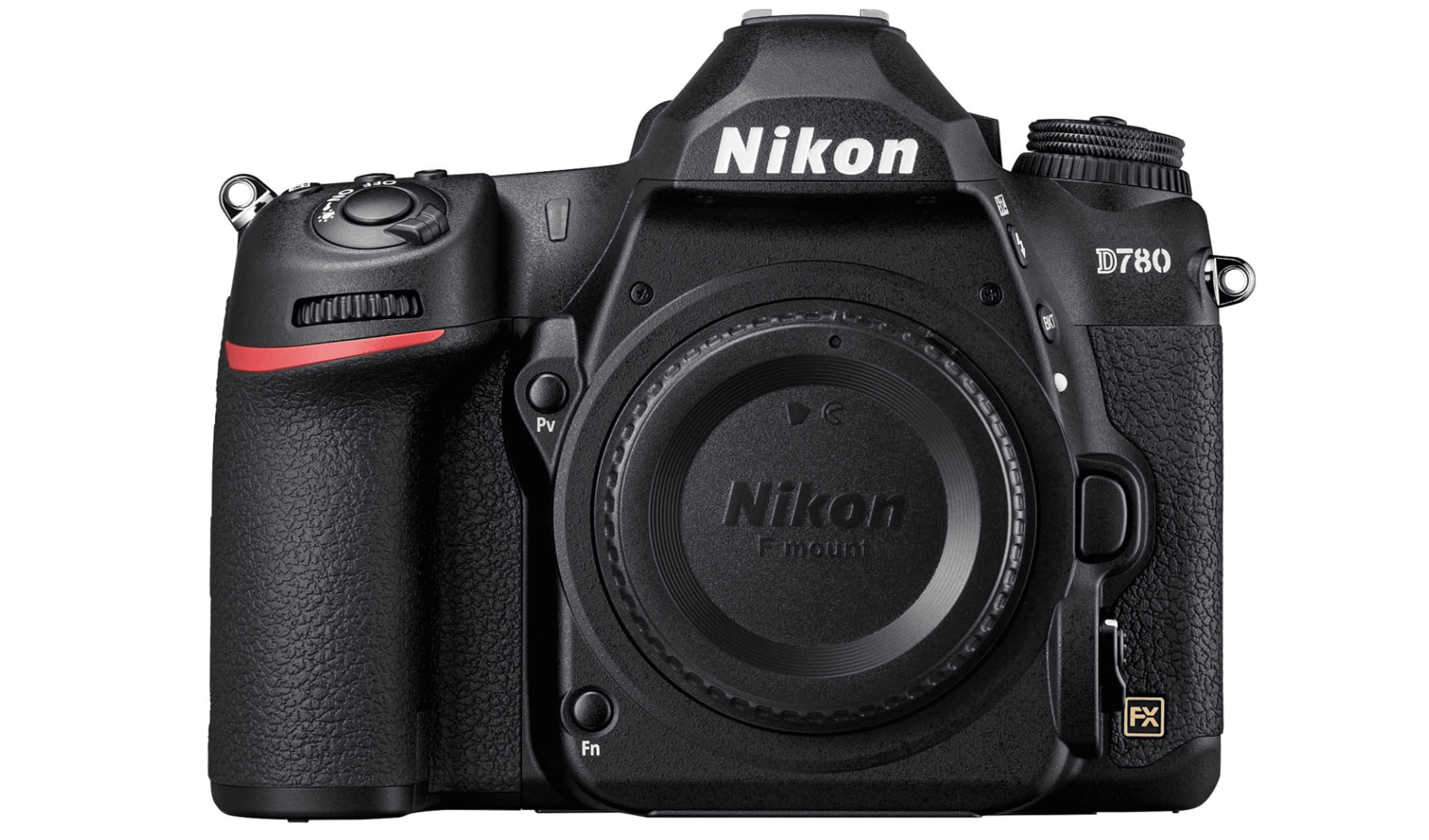
The Nikon D780 bridges the gap between traditional DSLR handling and modern mirrorless technology. It packs the same on-sensor phase detection autofocus found in the Nikon Z6, giving you fast and accurate live view performance that few other DSLRs can match. The 24.5MP full-frame sensor delivers clean images across a wide ISO range, and the 51-point optical viewfinder autofocus system is reliable for action. With uncropped 4K video, dual UHS-II card slots, and a 2,260-shot battery rating, it is one of the most modern and practical DSLRs you can buy used.
Key highlights
- 24.5MP full-frame BSI CMOS sensor with on-sensor phase detection AF
- 51-point AF system through the viewfinder, 273-point hybrid AF in live view
- 7fps continuous shooting (up to 12fps with 12-bit RAW in silent live view)
- Uncropped 4K UHD video at 30fps
- 2,260-shot battery life rating
Pros
- Excellent live view autofocus that feels like a mirrorless camera
- Superb battery life and weather-sealed build
- Dual card slots and USB charging are practical for travel
Cons
- No built-in flash or joystick for AF point selection
- 24.5MP resolution is modest compared to the D850 or Canon 5DS R
- SnapBridge app connectivity can be finicky
Who it is for: Photographers who want a modern DSLR experience with strong video capabilities and do not need ultra-high resolution.
Skip if
You need 36MP or more for large prints or heavy cropping; the D850 is a better fit.
Canon EOS Rebel T7 - Best for beginners
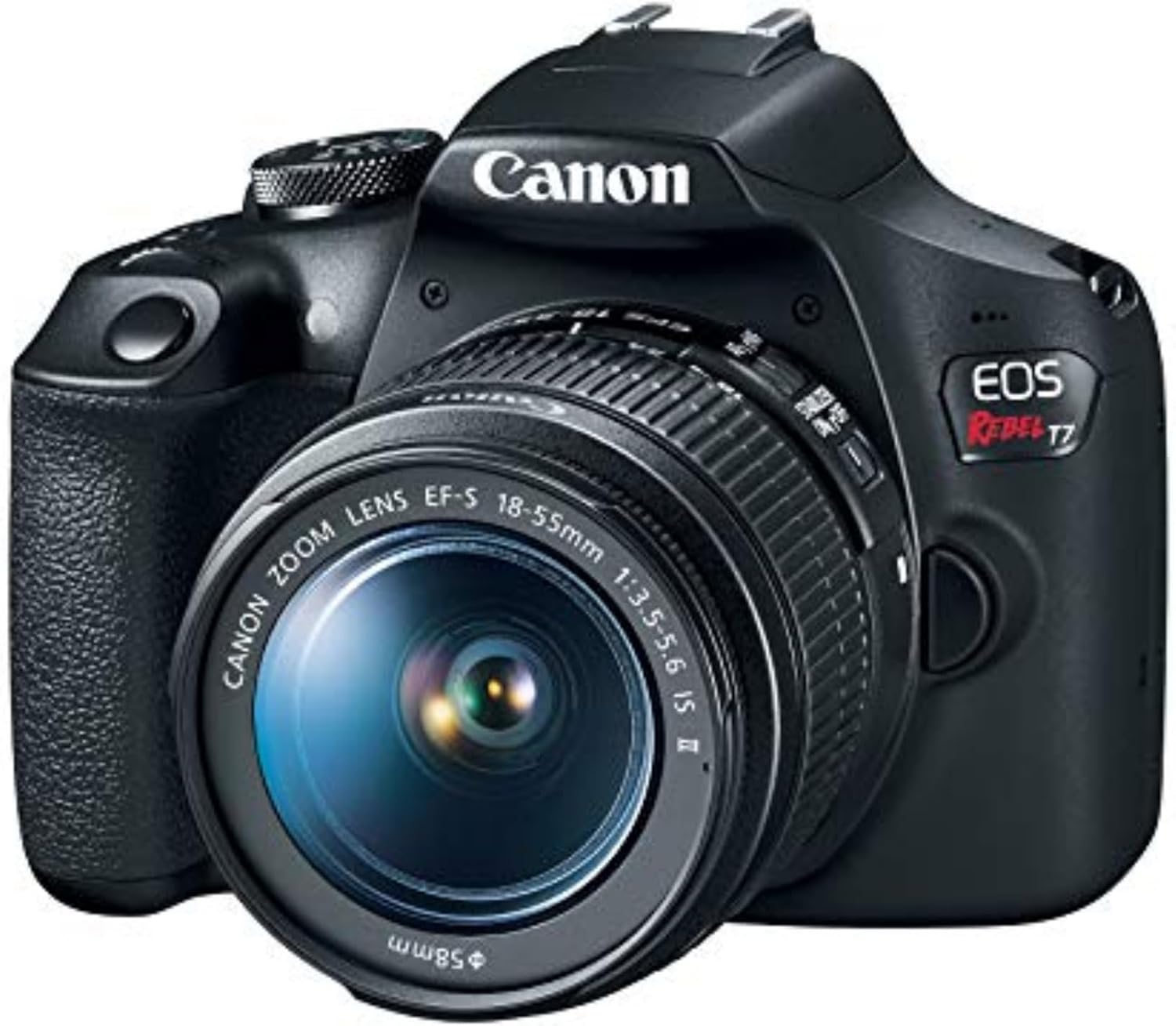
The Canon EOS Rebel T7 is a straightforward DSLR for learning photography. Its 24.1MP APS-C sensor, Scene Intelligent Auto mode and included EF-S 18-55mm IS II lens cover the basics, while Wi-Fi and NFC help with sharing. Its 3fps burst rate and Full HD video suit still photography more than fast action or advanced video.
Key highlights
- 24.1MP APS-C CMOS sensor
- EF-S 18-55mm f/3.5-5.6 IS II lens included
- 9-point autofocus with AI Servo AF
- Full HD video at up to 30fps
- Built-in Wi-Fi and NFC
Pros
- Scene Intelligent Auto mode helps beginners get started
- Included lens covers everyday subjects
- Compatible with Canon EF and EF-S lenses
Cons
- Continuous shooting tops out at 3fps
- Video is limited to Full HD, with no 4K
- Nine AF points limit focus-point selection
Who it is for: Beginners who want a simple DSLR kit for everyday still photography.
Skip if
Fast bursts or 4K video are priorities.
Nikon D500 - Best for sports and wildlife
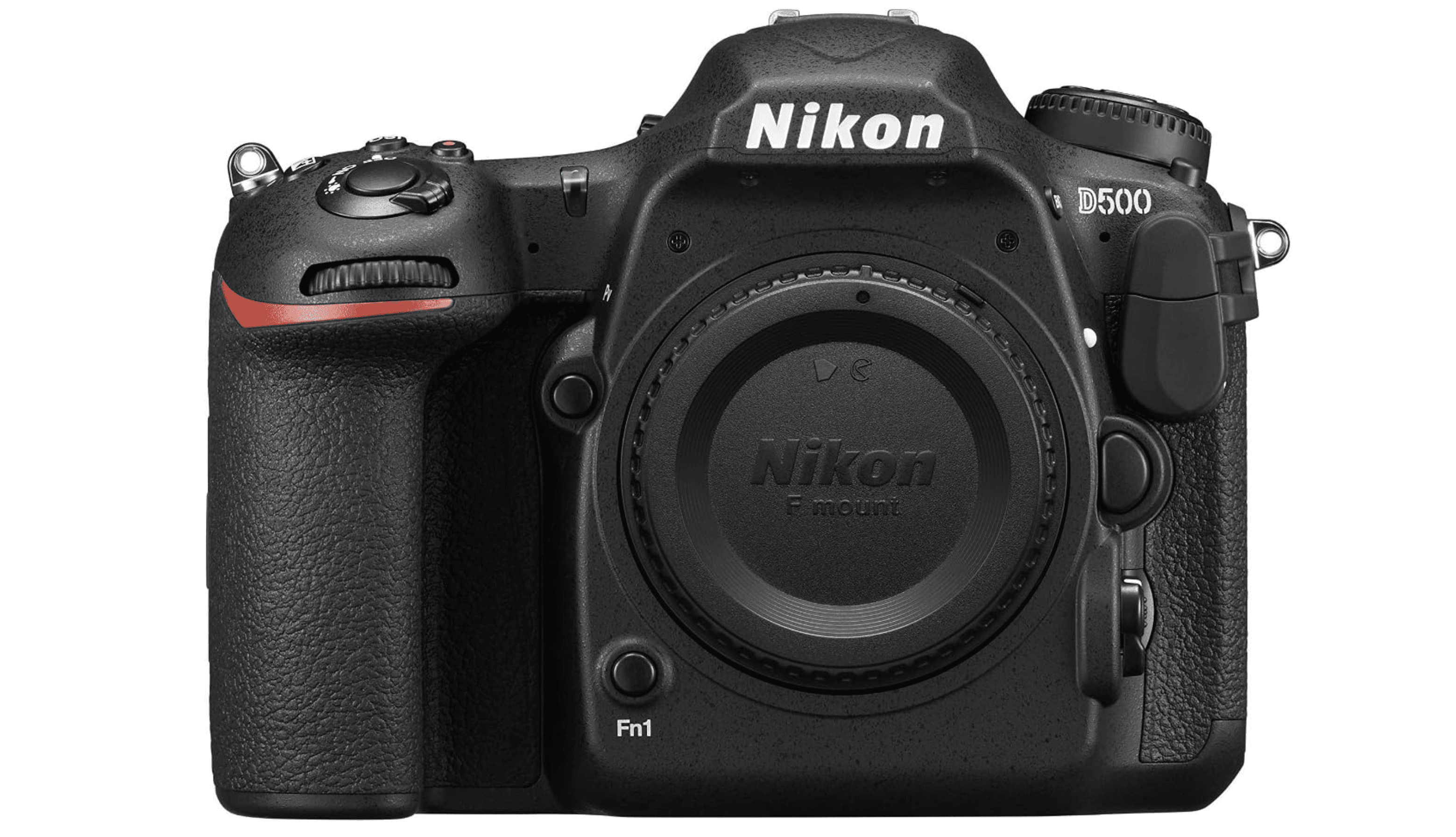
The Nikon D500 was built for speed, and it remains one of the best APS-C DSLRs ever made for action photography. It shares the same 153-point autofocus system as the flagship Nikon D5, with 10fps continuous shooting and a massive buffer that handles 200 RAW shots. The 20.9MP sensor delivers excellent high-ISO performance, and the 1.5x crop factor gives telephoto lenses extra reach for wildlife. Weather sealing, dual card slots (XQD and SD), and 4K video round out a professional-grade package.
Key highlights
- 20.9MP APS-C DX sensor with ISO range up to 1,640,000 (extended)
- 153-point AF system with 99 cross-type sensors
- 10fps continuous shooting with 200-frame RAW buffer
- 4K UHD video (cropped) and 1080p at 60fps
- Weather-sealed magnesium alloy body
Pros
- Autofocus system is among the best ever in a crop-sensor DSLR
- Massive buffer means you can hold the shutter down for extended bursts
- Built like a tank with professional-grade weather sealing
Cons
- APS-C sensor means less shallow depth of field compared to full-frame
- Live view autofocus is slow and not practical for action
- Heavier than many modern mirrorless alternatives
Who it is for: Wildlife and sports photographers who need fast, reliable autofocus and long burst speeds in a durable body.
Skip if
You mainly shoot portraits, landscapes, or studio work; a full-frame option like the D850 or D780 will serve you better.
Nikon D7500 - Best new DSLR
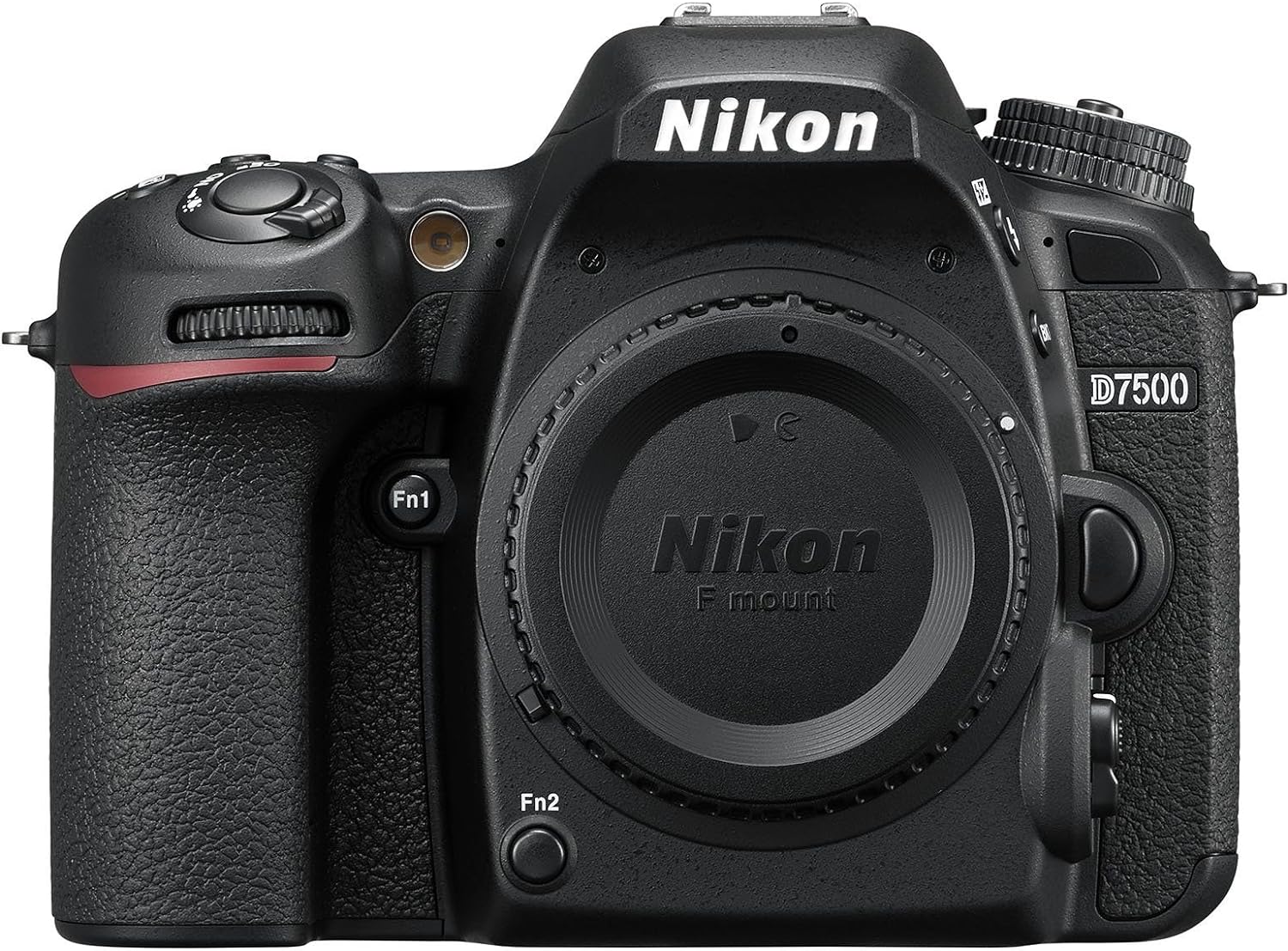
The Nikon D7500 is an option for enthusiasts buying a new DSLR. Its 20.9MP DX sensor and EXPEED 5 processor are paired with 8fps shooting and a 51-point autofocus system. A tilting 3.2-inch touchscreen and 4K UHD video add flexibility, though the body has only one SD card slot. This listing is body-only, so you will need a compatible lens.
Key highlights
- 20.9MP DX-format CMOS sensor and EXPEED 5 processor
- 51-point autofocus system
- Up to 8fps continuous shooting
- 4K UHD video at up to 30p
- 3.2-inch tilting touchscreen
Pros
- 8fps bursts suit moving subjects
- Tilting touchscreen helps with low-angle framing
- Built-in Wi-Fi and Bluetooth support SnapBridge transfers
Cons
- Only one SD card slot
- Live view uses contrast-detect autofocus
- Lens sold separately with this body-only listing
Who it is for: Enthusiasts who want a new Nikon DSLR body for stills and occasional 4K video.
Skip if
You need dual card slots or phase-detection autofocus in live view.
Also Good
- Canon EOS 5D Mark IV - pro workhorse, but getting hard to find new.
- Canon EOS 90D - high-res hybrid with uncropped 4K.
- Pentax K-1 Mark II - solid alternative for the price.
How to Choose
- Full-frame vs. APS-C. Full-frame sensors offer better low-light performance, shallower depth of field, and wider dynamic range. APS-C cameras are lighter, cheaper, and give you extra reach with telephoto lenses useful for wildlife and sports.
- Used vs. new. Most DSLR value in 2026 is on the used market. Canon and Nikon have stopped developing new DSLRs, so buying used from reputable dealers like MPB or KEH gives you professional-grade bodies at steep discounts. Ricoh announced in September 2026 that production of its current Pentax K-series DSLRs is ending while a future DSLR is still in development.
- Lens ecosystem. Canon EF and Nikon F mounts have decades of lens options at every price point, including excellent third-party glass from Sigma and Tamron. Pentax K-mount has fewer choices but includes unique vintage lenses and modern weather-sealed options.
- Battery life. DSLRs significantly outperform mirrorless cameras here. Most full-frame DSLRs manage 1,000 to 2,000 shots per charge. If you shoot long days without access to power, a DSLR still has the edge.
- Autofocus and live view. Older DSLRs rely on dedicated phase-detect AF sensors in the viewfinder, which is fast for action. Newer models like the Nikon D780 and Canon 5D Mark IV also have on-sensor phase detection for fast live view focusing, bridging the gap with mirrorless performance.
FAQ
Is it worth buying a DSLR in 2026?
Yes, if you want maximum battery life, an optical viewfinder, or the best value on the used market. DSLRs with equivalent sensors produce the same image quality as mirrorless cameras. For most first-time buyers, mirrorless is the better choice, but DSLRs still make sense for budget-conscious photographers and those with existing lens collections.
What is the best DSLR for beginners?
The Canon EOS Rebel T7 is our beginner pick, with a 24.1MP APS-C sensor, Scene Intelligent Auto mode and an included 18-55mm lens. Its 3fps burst rate and Full HD video are best suited to learning still photography.
Are DSLRs being discontinued?
Canon and Nikon have stopped developing new DSLR models, though existing stock and used cameras remain widely available. Ricoh announced in September 2026 that production of the current Pentax K-series is ending; its planned future DSLR has not yet been released.
Which has better image quality, DSLR or mirrorless?
Cameras with the same sensor size and generation produce nearly identical image quality. A Nikon D850 and a Nikon Z7 share similar sensors and deliver comparable results. The difference is in the shooting experience, not the final image.
How many megapixels do I need?
- 1.12 megapixels is enough for most photographers, including large prints and online sharing. 24 to 30 megapixels gives more cropping flexibility. 45 megapixels (like the D850) is ideal for landscape and studio work where maximum detail matters.
Published April 29, 2026 Last updated October 6, 2026
Share this article
More in News
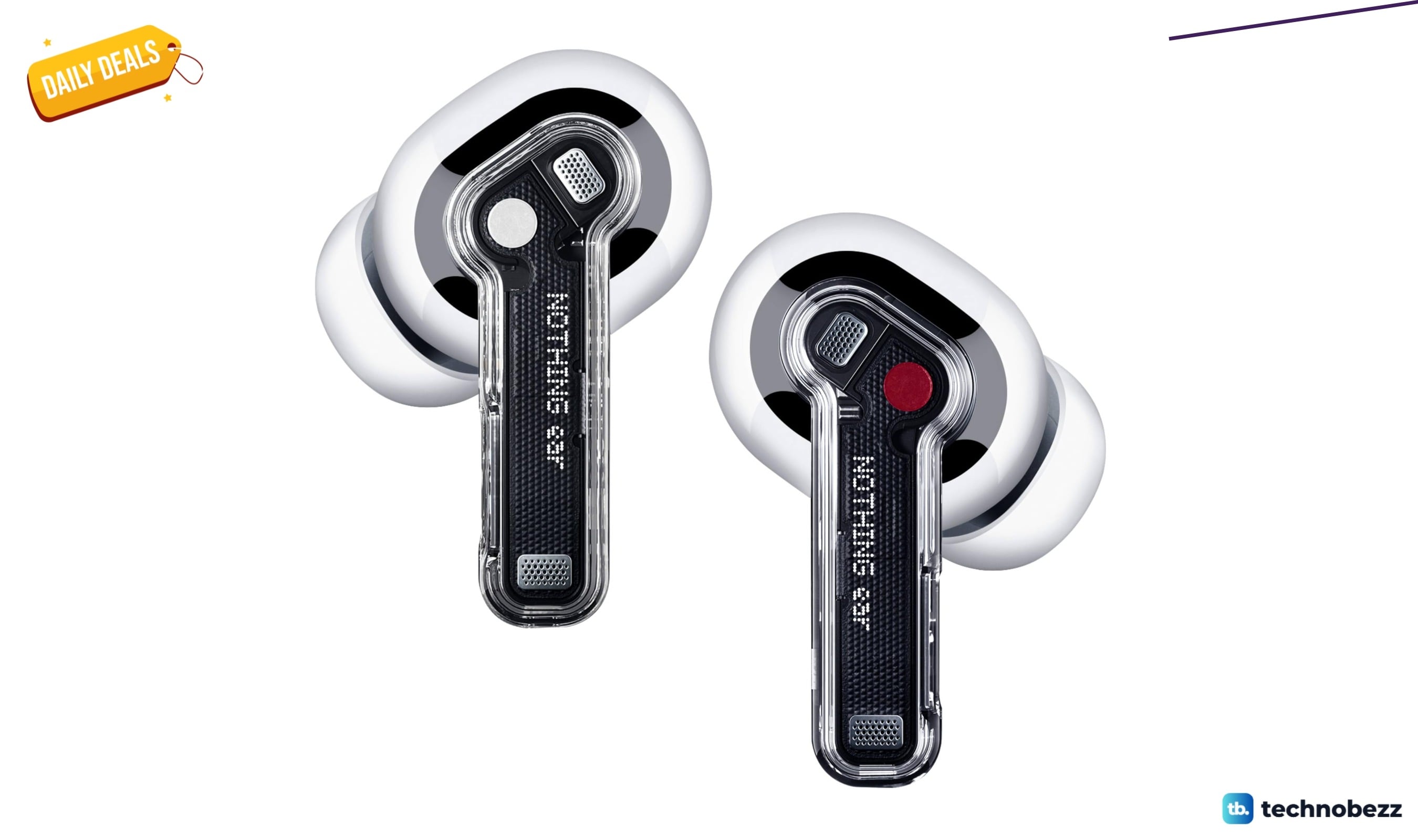
Amazon Discounts Six Headphone Pairs Starting at $69
Six verified Amazon headphone deals from $69, including noise-cancelling earbuds and open-ear picks, each below its 30 and 90-day average price.
5 min read
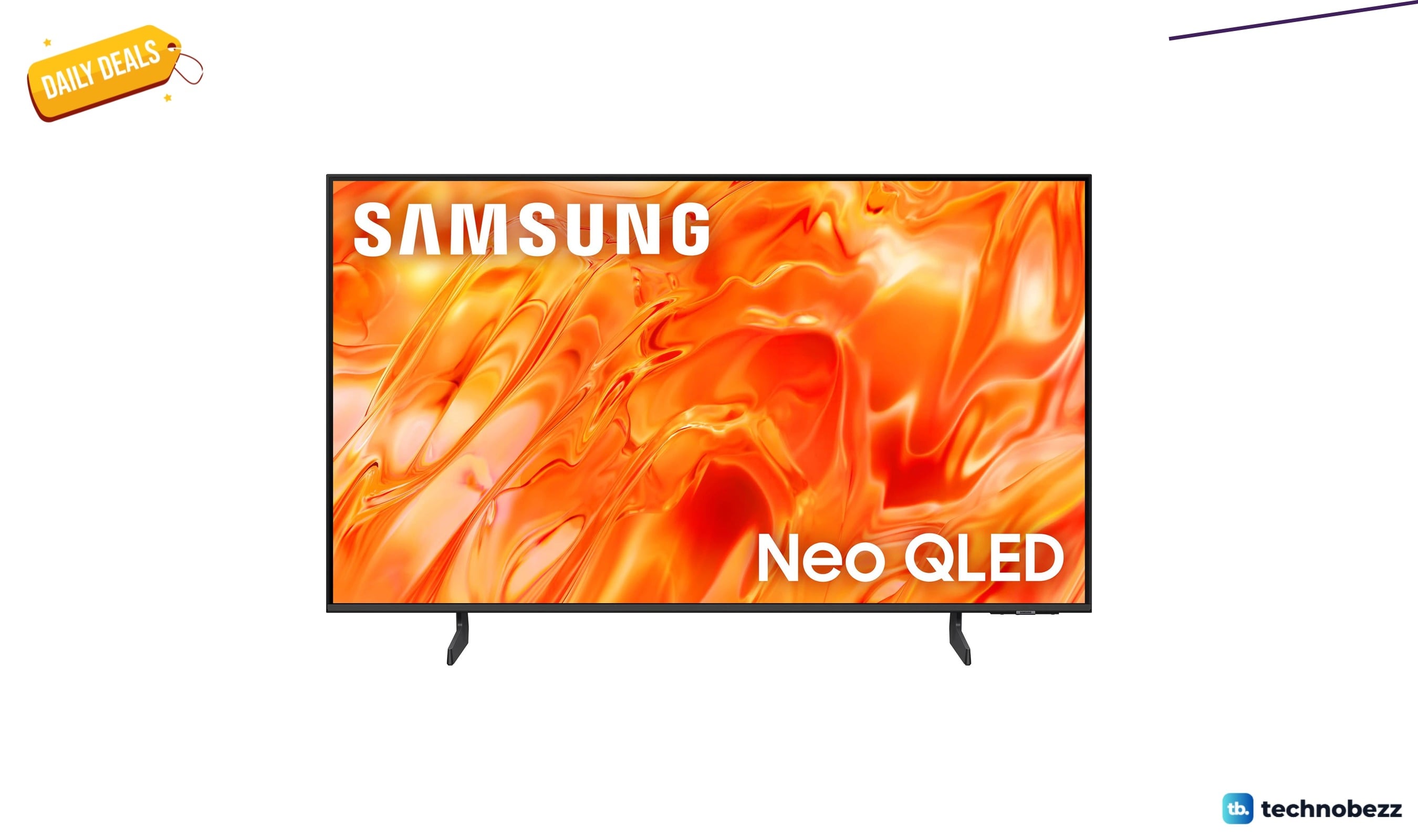
Four TV deals under $1099.99 include a Samsung 50-inch at $597.99
Shop four TV deals under $1099.99, including a Samsung 50-inch at $597.99, all matching their lowest tracked prices.
4 min read
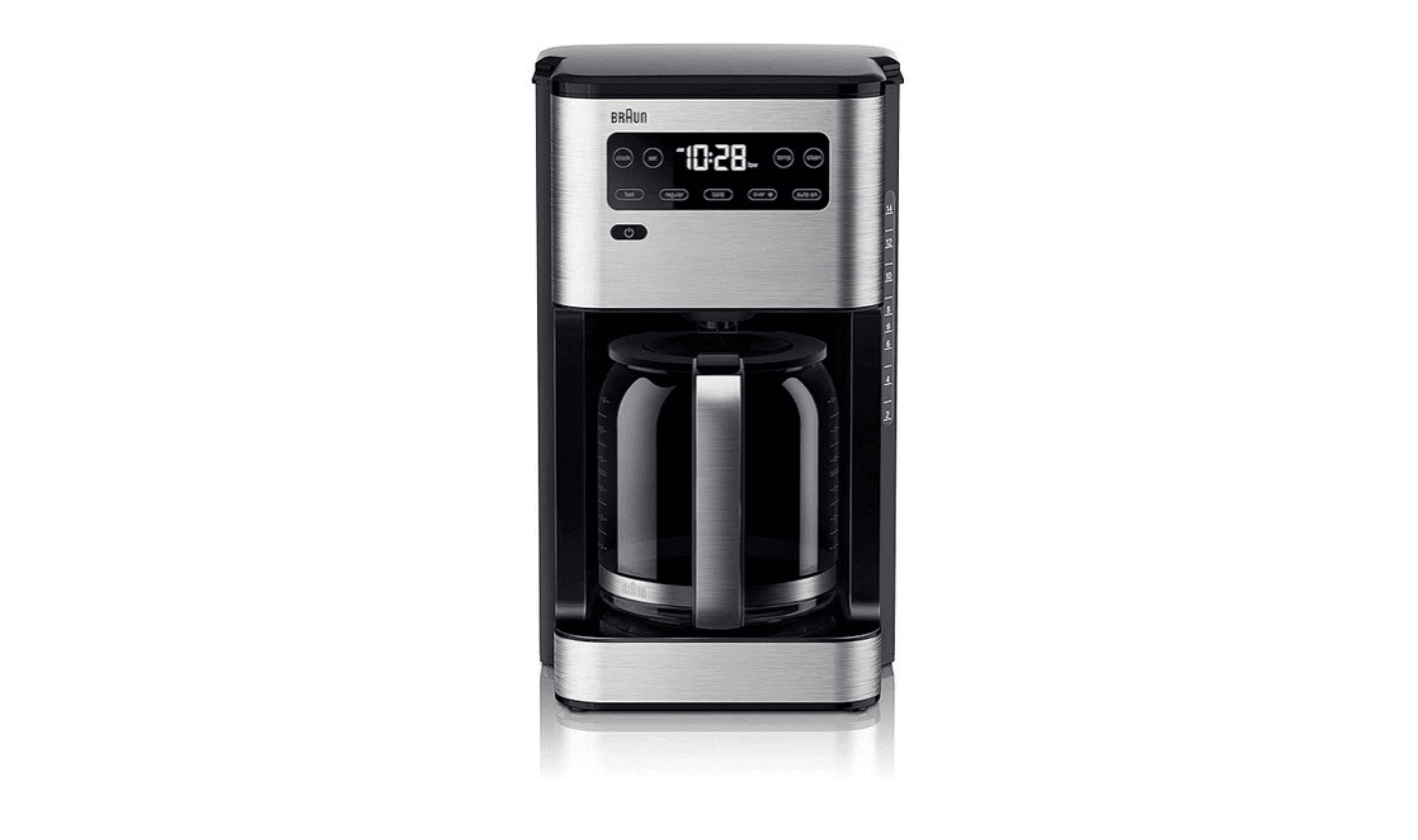
7 Best Drip Coffee Makers in 2026
Discover the top coffee makers for 2026, led by the Breville Precision Brewer. Compare picks for value, heat retention, and budget to brew your perfect cup.
4 min read
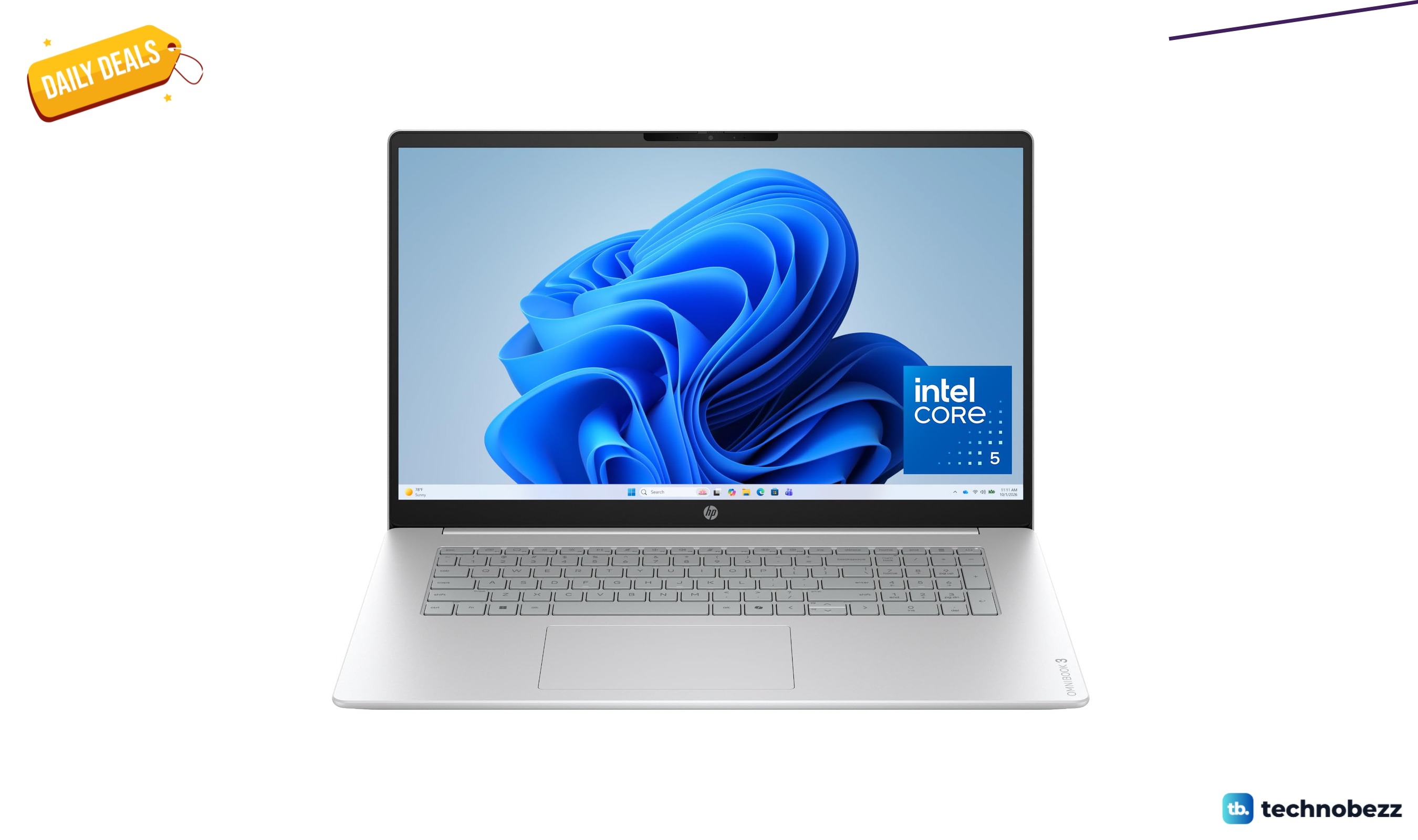
HP OmniBook 3 PC discounted to $896.03
Save $272.71 on the HP OmniBook 3 PC at Amazon, now $896.03 with a 17.3-inch display, Intel Core 5, and 512GB SSD.
3 min read
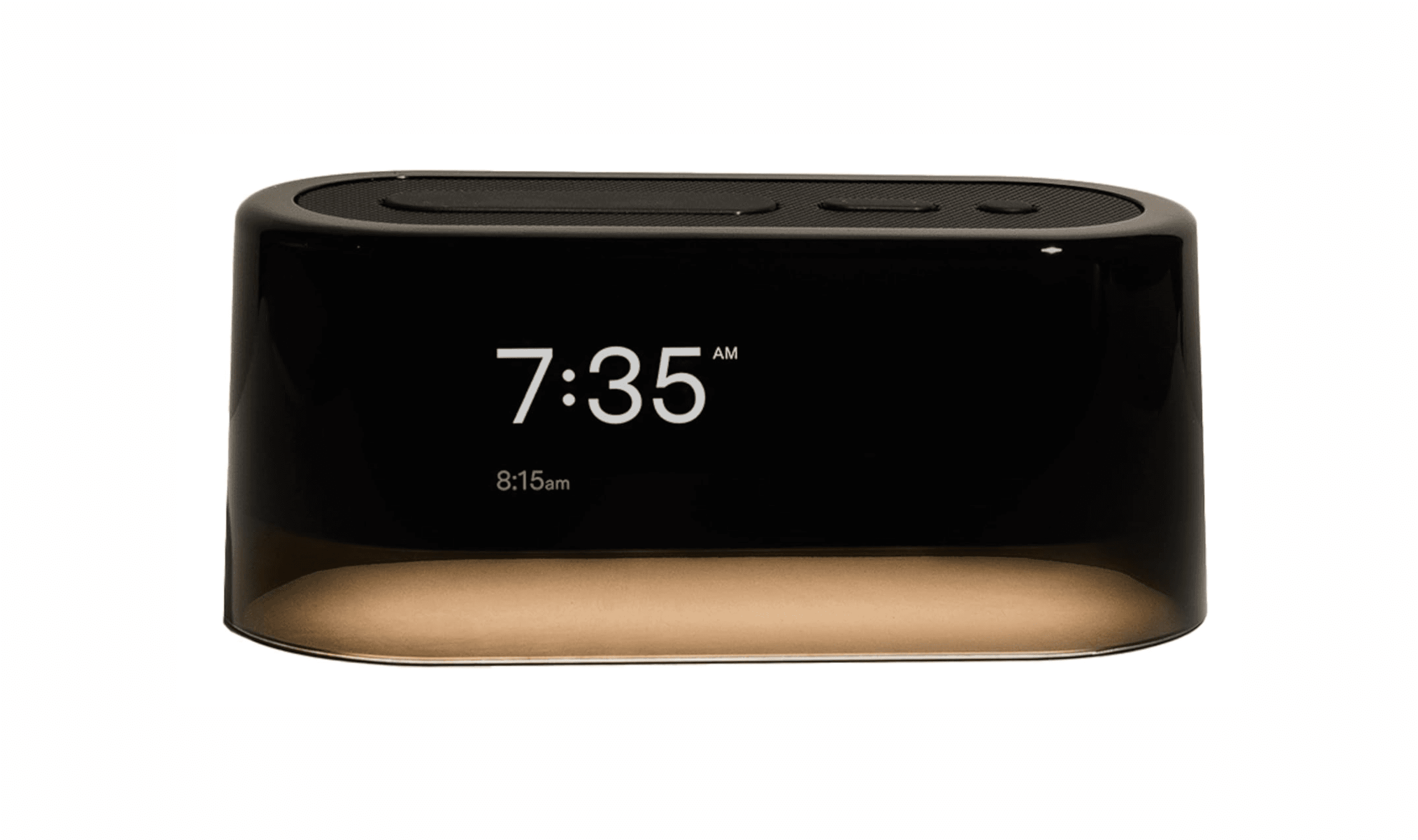
Best Smart Alarm Clocks for 2026
4 min read
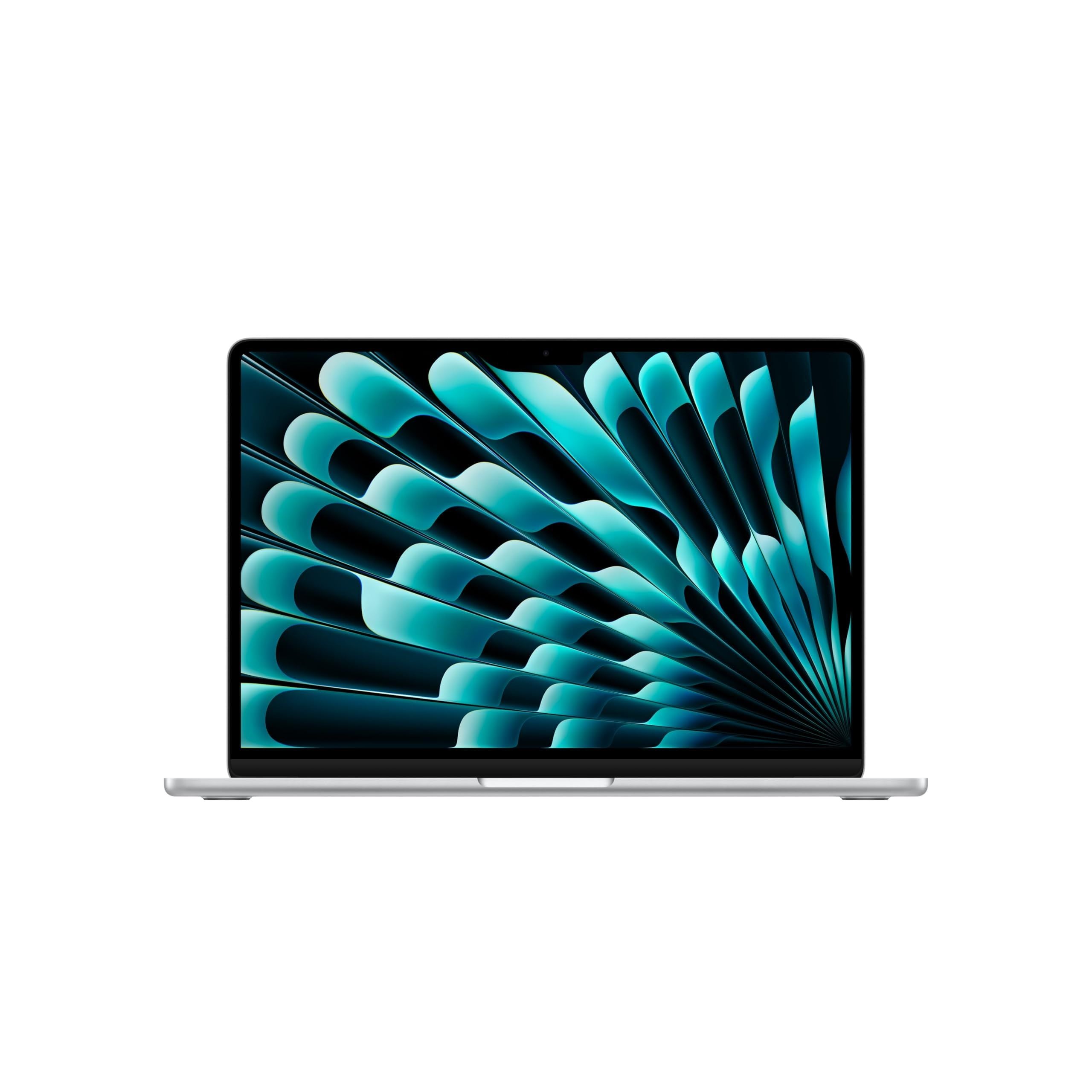
Best Laptop Brands in 2026
4 min read
8 Best Chromebooks for Students in 2026
3 min read
Best Multi-Port Wall Chargers for 2026
3 min read
ASUS ZenWiFi BT8 WiFi 7 Mesh Router on sale for $699.99
3 min read
Garmin fēnix® 9 Pro discounted to $1099.99
5 min read
Google Pixel Watch 5 Android Smartwatch Fog slips to $429.99
4 min read
Samsung Galaxy Watch 7 40mm Bluetooth AI Smartwatch falls to $159
3 min read