If you are tired of burnt pots and broken machines in the breakroom, the right office coffee maker can change your team's day. The Technivorm Moccamaster KBGV Select delivers the most consistent drip coffee with minimal fuss, but the best pick depends on your team size, drink preferences, and budget. This list covers everything from fast single-serve brewers to fully automatic espresso machines that keep everyone caffeinated and happy.
Product
Technobezz is supported by its audience. We may get a commission from retail offers.
8 Best Coffee Makers for the Office in 2026
The best office coffee makers for 2026, from the SCA-certified Technivorm Moccamaster to the Ninja 12-Cup value pick and Jura GIGA 10 for espresso.
T
Technobezz
Senior Editor
Updated June 15, 2026Jun 15, 2026
•9 min read

Get Deals Like These in Your Inbox
The best prices, reviewed weekly.
At a Glance
| Category | Product | Why We Picked It |
|---|---|---|
| Best overall | Technivorm Moccamaster KBGV Select | Unmatched build quality and SCA-certified extraction |
| Best value | Ninja 12-Cup Programmable Coffee Brewer | Reliable drip at a fair price |
| Best for single-serve flexibility | Keurig K-Elite | Fast brewing with multiple cup sizes and strength control |
| Best for espresso drinks | Jura GIGA 10 | Dual grinders and full automation for specialty coffee |
| Best for speed | Bunn Speed Brew | A full pot in about four minutes |
| Also recommended | OXO Brew 9-Cup Coffee Maker | Solid SCA brew, but needs counter space |
| Also recommended | Breville Barista Touch Impress | Great espresso for teams ready to learn |
| Also recommended | Cuisinart 14-Cup Programmable | Huge capacity for big groups on a budget |
How we chose and tested
We evaluated over a dozen coffee makers that suit office environments, focusing on capacity, brew speed, ease of use, durability, and maintenance demands. Our assessment considered user feedback from office managers, verified specifications from manufacturers, and cross-referenced evaluation criteria from multiple expert sources. We prioritized machines that balance consistent brew quality with the simplicity needed in a shared workspace. Key factors included brew temperature stability, carafe type (thermal versus glass), programmable features, and how easy each machine is to clean and descale over time.
The best coffee makers for office right now
Technivorm Moccamaster KBGV Select - Best overall
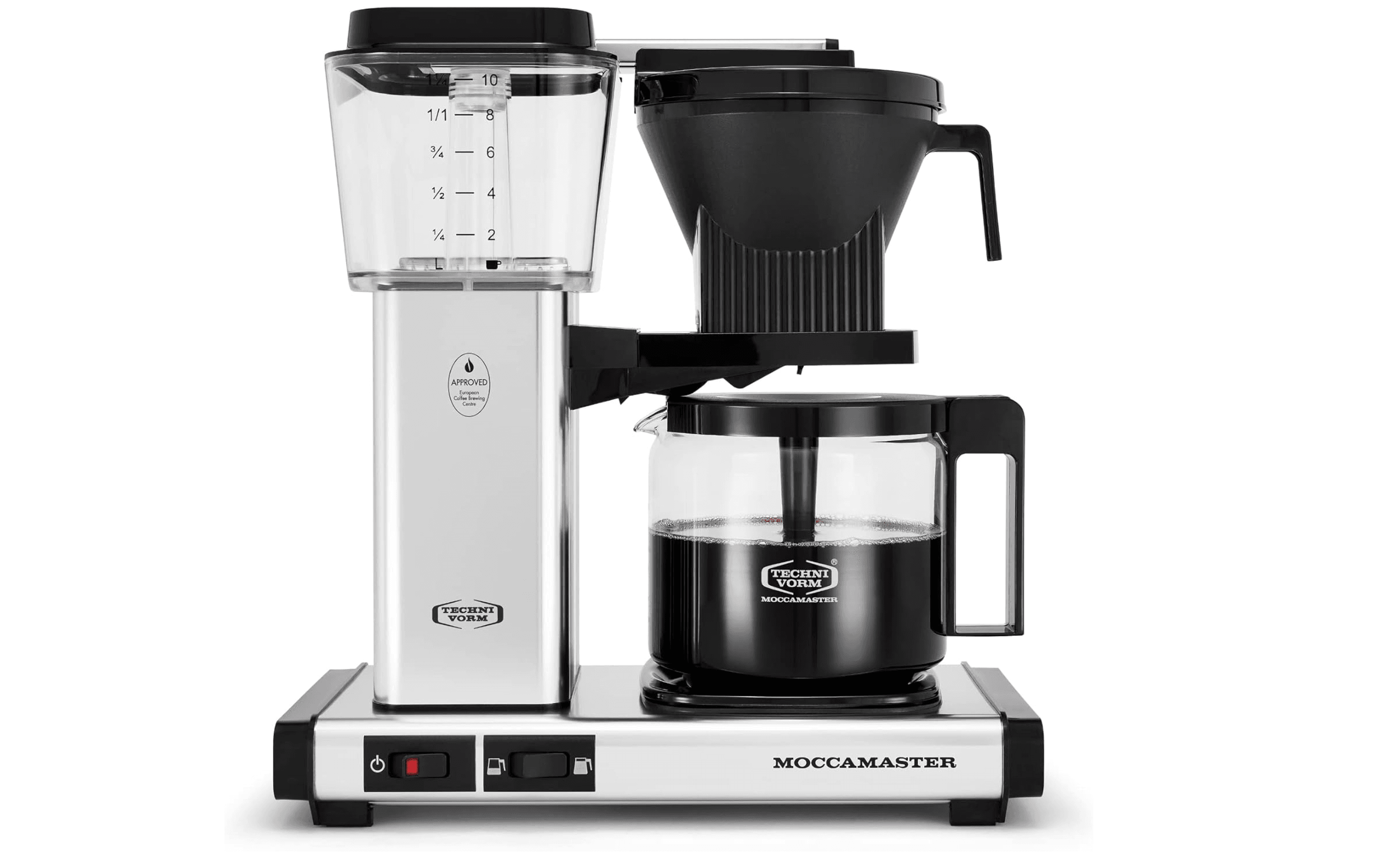
The Moccamaster is hand-built in the Netherlands and has earned its reputation over decades. It hits the Specialty Coffee Association's Golden Cup standards for brew temperature and extraction, which means every pot tastes balanced and clean. The copper heating element brings water to the optimal range quickly and holds it there through the full cycle. The simple toggle switches let anyone brew without a manual, and the five-year warranty plus lifetime repair option makes it a smart long-term investment for any office.
Key highlights
- SCA Golden Cup certified for consistent brew temperature (196-205 degrees F)
- Hand-assembled with a copper heating element and commercial-grade components
- Available in dozens of colors to match any office aesthetic
- Brews a full 10-cup pot in about six minutes
- Automatic shutoff after 100 minutes for safety
Pros
- Exceptional build quality that can last for years
- Simple two-switch operation with no confusing menus
- Replacement parts and repair service readily available
Cons
- No programmable timer for auto-brew in the morning
- No built-in grinder or milk frothing capability
- Higher upfront cost than basic drip machines
Who it is for: Offices that value great drip coffee above all else and want a machine that will outlast multiple leases.
Skip if
Your team wants espresso drinks, single-serve pods, or a programmable start time.
Ninja 12-Cup Programmable Coffee Brewer - Best value
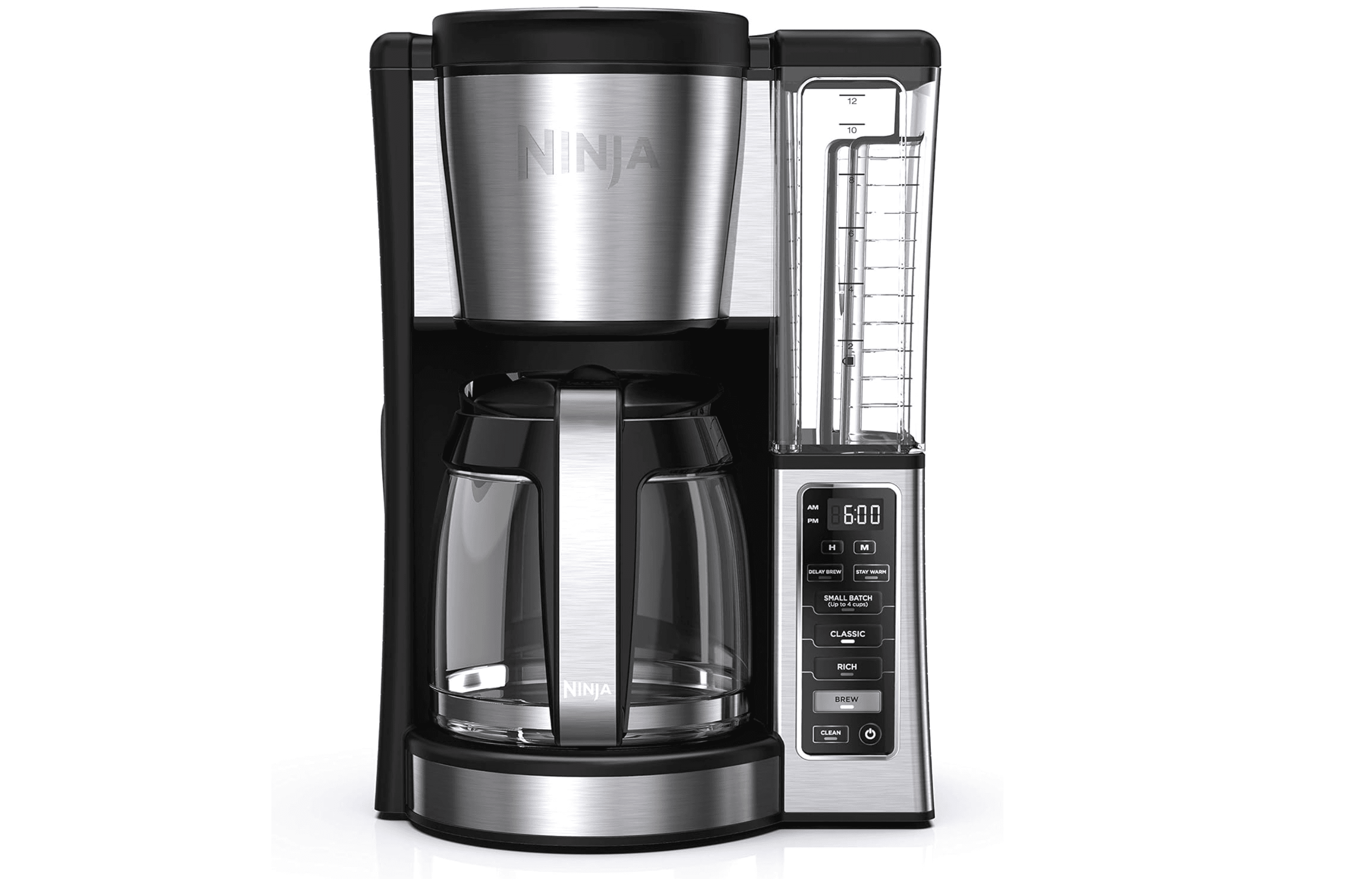
The Ninja delivers solid drip coffee with features that matter in an office. The 24-hour delay brew lets someone set it the night before so coffee is ready when the first person arrives. Classic and Rich brew options give some flexibility, and the small batch setting keeps a half-pot from tasting weak. The 60-ounce removable water reservoir makes refills easy, and the adjustable warming plate keeps coffee at the right temperature for up to four hours. It is a straightforward machine that gets the job done without the premium price tag.
Key highlights
- 24-hour programmable delay brew for morning readiness
- Classic and Rich brew strength options
- Small batch function for brewing 1 to 4 cups without losing flavor
- 60-ounce removable water reservoir
- Adjustable warming plate with up to 4 hours of keep-warm
Pros
- Very good value for the feature set
- Easy to program and operate
- Reusable filter included, saving on paper filters
Cons
- Glass carafe on a hot plate can lead to burnt taste over time
- Brew quality does not match higher-end SCA-certified machines
- Plastic build feels less durable than stainless steel alternatives
Who it is for: Small to medium offices that want a reliable programmable drip brewer without overspending.
Skip if
Your team prefers single-serve pods, espresso drinks, or top-tier extraction quality.
Keurig K-Elite - Best for single-serve flexibility
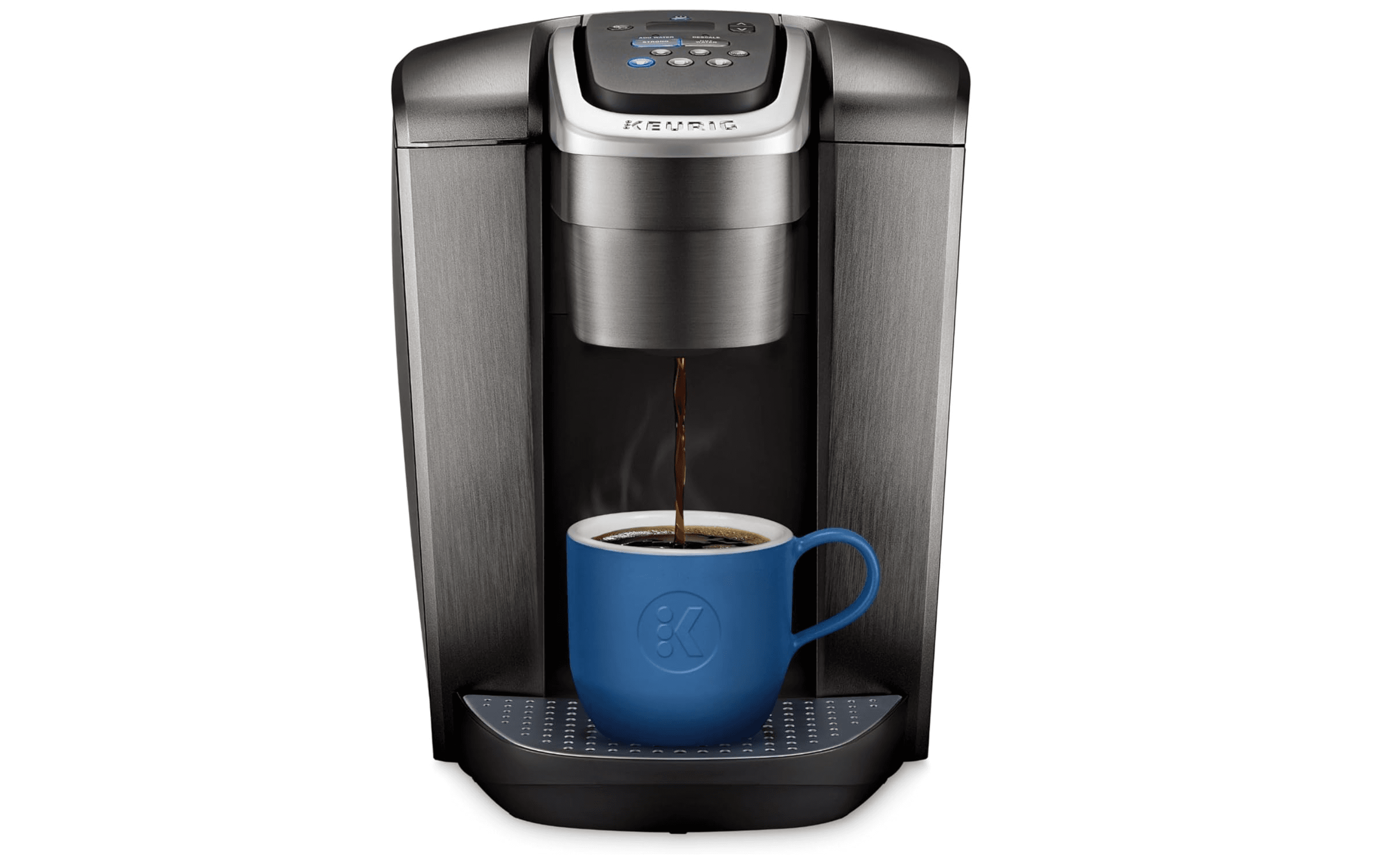
The K-Elite is a strong choice for offices where people want different drinks at different times. It brews 4 to 12 ounce cups using K-Cup pods, and the Strong Brew setting delivers a bolder cup for those who need it. The 75-ounce water reservoir holds enough for about eight cups before needing a refill, and the programmable timer lets you schedule brewing in advance. The hot water dispenser is a nice bonus for tea drinkers or instant soup. With fast brew times (under two minutes) and a compact footprint, it fits well in most breakrooms.
Key highlights
- Five cup size options from 4 to 12 ounces
- Strong brew setting for more intense flavor
- 75-ounce water reservoir reduces refill frequency
- Iced coffee setting for warm weather
- Programmable auto-on and temperature control
Pros
- Everyone gets their preferred cup size and strength
- Fast brewing with no cleanup of grounds or filters
- Small footprint saves counter space
Cons
- Ongoing cost of K-Cup pods adds up
- Not ideal for offices that want to brew full pots
- Iced setting can taste watery for some drinkers
Who it is for: Offices with diverse tastes where speed and individual choice matter more than pot volume.
Skip if
Your team drinks multiple cups from a single brew cycle or you want to minimize pod waste.
Jura GIGA 10 - Best for espresso drinks
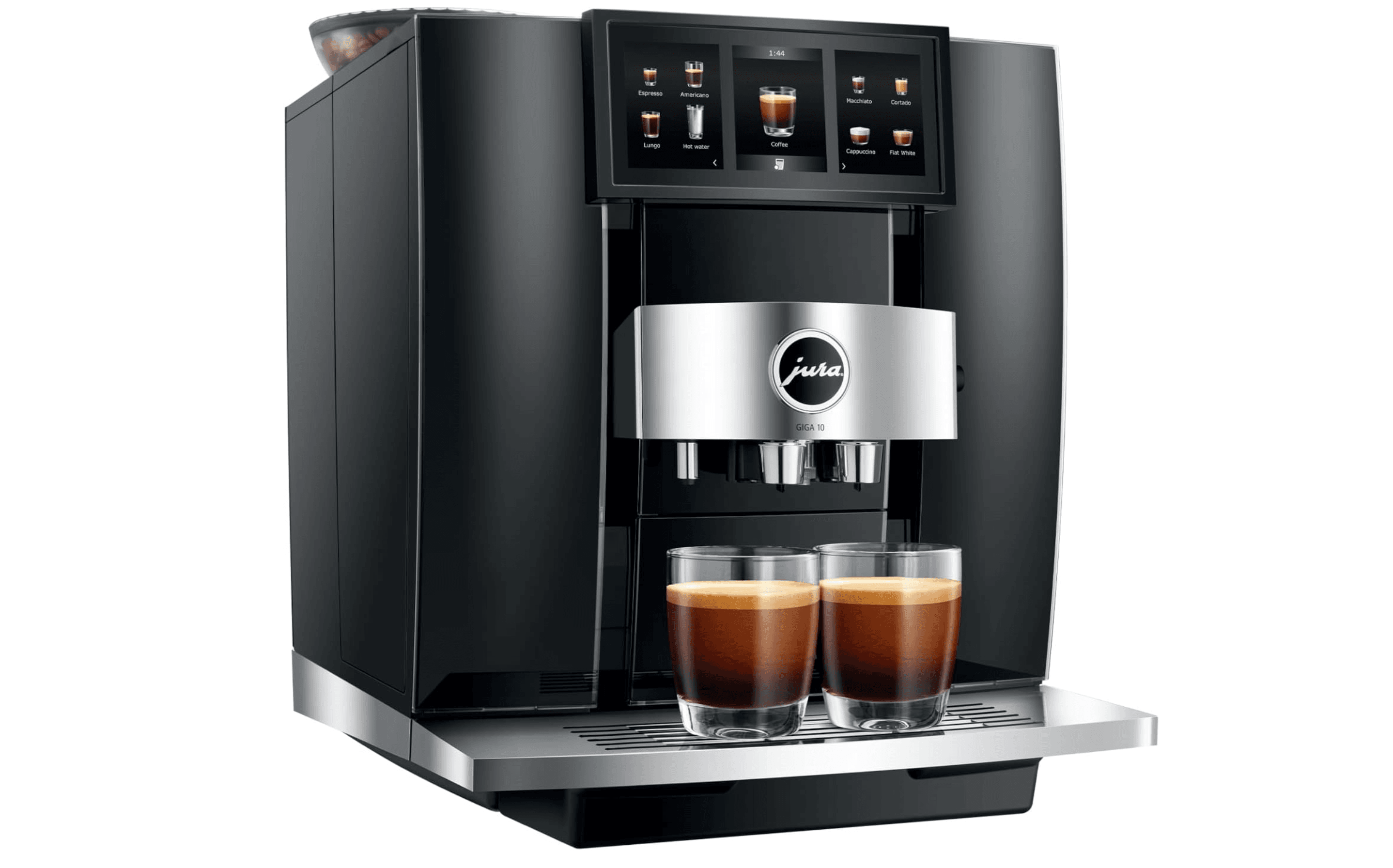
For offices that want latte, cappuccino, and espresso at the touch of a button, the Jura GIGA 10 is the ultimate solution. It has two independent grinders and bean hoppers, so you can keep regular and decaf beans ready without swapping. The intuitive touchscreen makes drink selection easy, and the automated cleaning and descaling cycles take maintenance off your plate. The milk frothing system produces silky microfoam for specialty drinks. Yes, it costs more than any other machine on this list, but for a team that craves cafe-quality coffee, it is a serious upgrade.
Key highlights
- Two independent grinders and bean hoppers for regular and decaf
- Intuitive touchscreen interface with a full menu of specialty drinks
- Automatic milk frothing system for lattes and cappuccinos
- Self-cleaning and descaling cycles reduce maintenance burden
- Stainless steel build designed for heavy daily use
Pros
- Makes espresso-based drinks with no barista skills required
- Dual hoppers eliminate the need to swap beans
- Automated care routines keep the machine running smoothly
Cons
- Very high purchase price
- Large footprint requires dedicated counter space
- Repair and servicing can be expensive
Who it is for: Medium to large offices where espresso and milk drinks are in daily demand and budget is not the primary concern.
Skip if
Your team mostly drinks drip coffee or you are working with a tight equipment budget.
Bunn Speed Brew - Best for speed
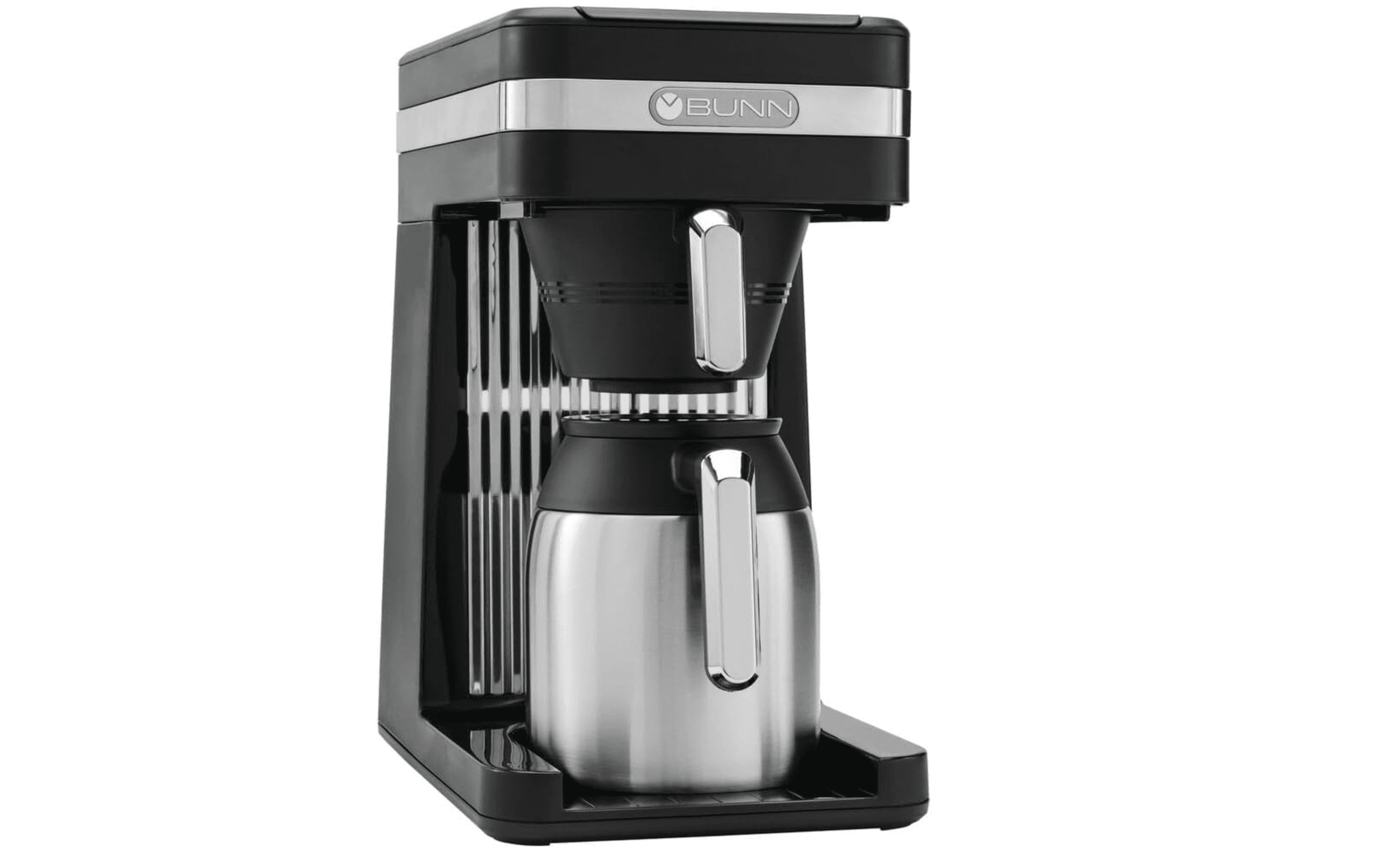
When the morning rush demands coffee fast, the Bunn Speed Brew delivers a full 10-cup pot in about four minutes. That is roughly half the time of most standard drip brewers. The commercial-style spray head ensures even saturation of the grounds, and the stainless steel hot water tank keeps recovery time short between batches. There are no digital timers or fancy settings here, just a simple on-off switch and a thermal carafe that keeps coffee hot without a burning hot plate. It is a workhorse for offices that prioritize speed and volume.
Key highlights
- Brews a 10-cup pot in approximately four minutes
- Commercial-style spray head for even extraction
- Thermal stainless steel carafe keeps coffee hot without scorching
- Fast recovery time for back-to-back brewing
- Simple on-off operation with no programming needed
Pros
- Unmatched brew speed for busy mornings
- Thermal carafe preserves flavor better than a hot plate
- Durable build with fewer components to break
Cons
- No programmable timer or delay brew
- Limited to drip coffee only, no specialty drinks
- Taller design may not fit under all cabinets
Who it is for: High-traffic offices where a quick turnaround between pots matters more than extra features.
Skip if
You want a machine that can make espresso, froth milk, or brew on a schedule.
Also Good
- OXO Brew 9-Cup Coffee Maker - solid SCA brew, but needs counter space.
- Breville Barista Touch Impress - great espresso for teams ready to learn.
- Cuisinart 14-Cup Programmable - huge capacity for big groups on a budget.
How to Choose
- Team size and daily volume. A 10 to 12-cup drip machine works well for offices with 5 to 15 people. Larger teams may need multiple machines or a commercial-grade brewer. If only a few people drink coffee, a single-serve pod machine might be the better fit.
- Drip versus espresso versus pods. Drip machines are the simplest and most cost-effective for black coffee drinkers. Pod machines offer convenience and variety at a higher per-cup cost. Super-automatic espresso machines deliver specialty drinks but come with a big price tag and more maintenance.
- Carafe type matters. Thermal carafes keep coffee hot for hours without a heating element, which means no burnt taste. Glass carafes on hot plates are cheaper but degrade flavor after 30 to 60 minutes. For an office where coffee sits around, a thermal carafe is worth the extra cost.
- Ease of cleaning and maintenance. In a shared workspace, complicated cleaning routines mean the machine will get neglected. Look for removable water reservoirs, dishwasher-safe parts, and automatic descaling cycles. Machines with fewer nooks and crannies tend to stay in better shape longer.
- Programmable features. A 24-hour delay brew lets coffee be ready when the first person arrives. Auto-shutoff is a must for safety. If your team has varied preferences, brew strength controls and multiple cup sizes add useful flexibility.
FAQ
What size coffee maker does an office need?
For a team of 5 to 15 people, a 10 to 12-cup drip machine is usually enough. If consumption is heavy or the team is larger, consider a second machine or a commercial brewer with faster recovery time.
Is a thermal carafe better than a glass carafe for an office?
Yes. Thermal carafes keep coffee at serving temperature for hours without a hot plate, which prevents the burnt taste that happens with glass carafes left on a warmer. They are also more durable in a busy breakroom.
How often should an office coffee maker be cleaned?
The carafe and filter basket should be rinsed daily. A full descaling cycle should run every one to three months depending on water hardness and usage. Many modern machines include cleaning reminders to help keep up with maintenance.
Can a home coffee maker work in an office setting?
Yes, for small offices. A high-quality residential 12-cup machine works fine for teams under 20 people. For larger offices or high-traffic areas, a commercial-grade machine with stainless steel components and faster brew cycles is a better choice.
What is SCA certification and does it matter?
The Specialty Coffee Association's Golden Cup certification means a machine can maintain proper brew temperature (195 to 205 degrees F) and extraction ratios for balanced flavor. It is a useful benchmark, but lack of certification does not automatically mean bad coffee. Some excellent brewers choose not to pursue it.
Published April 28, 2026 Last updated June 15, 2026
Share this article
More in News
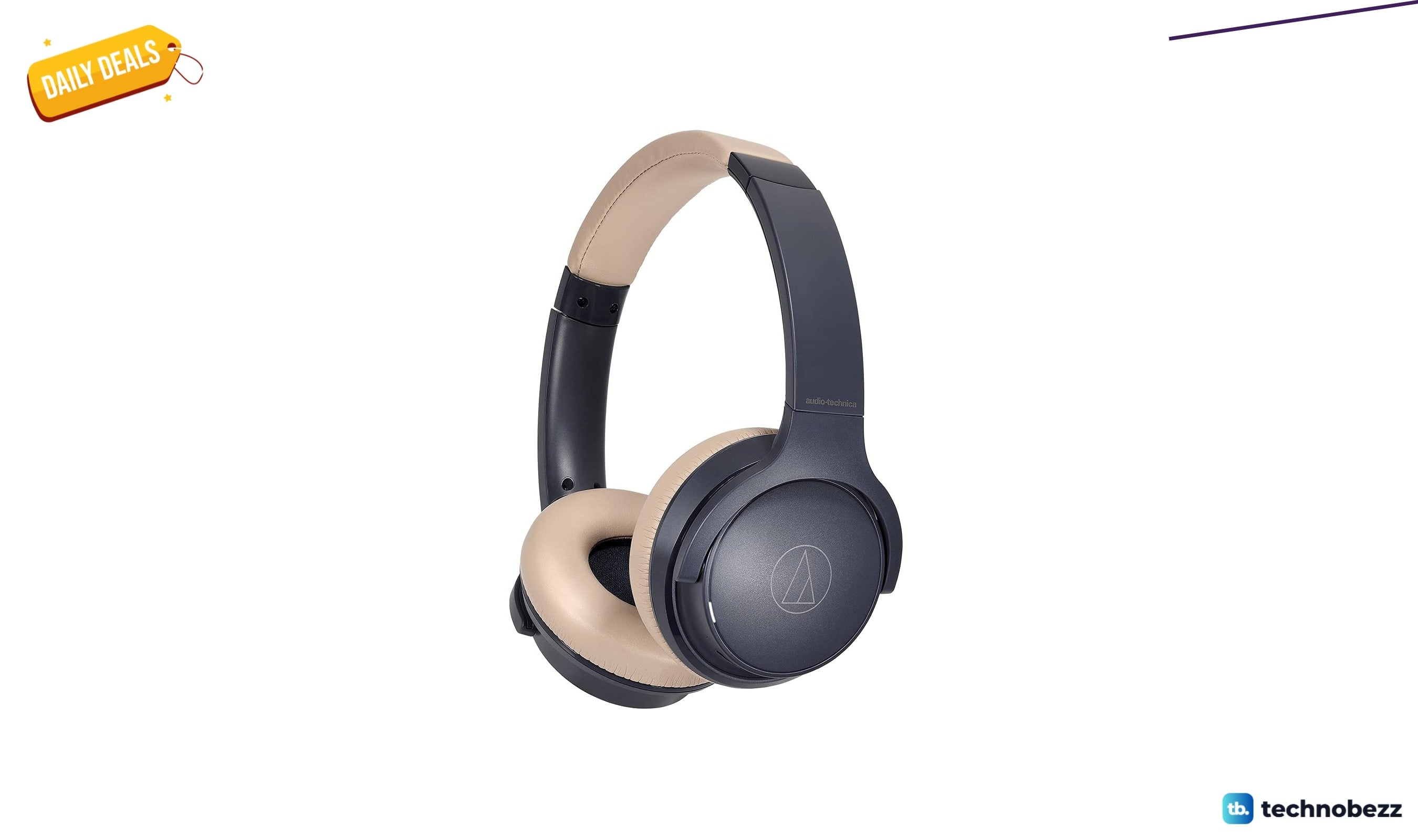
4 headphone deals worth grabbing today, from $49
Today's top headphone deals include verified markdowns from $49 to $425, with up to 43% off on premium picks.
4 min read
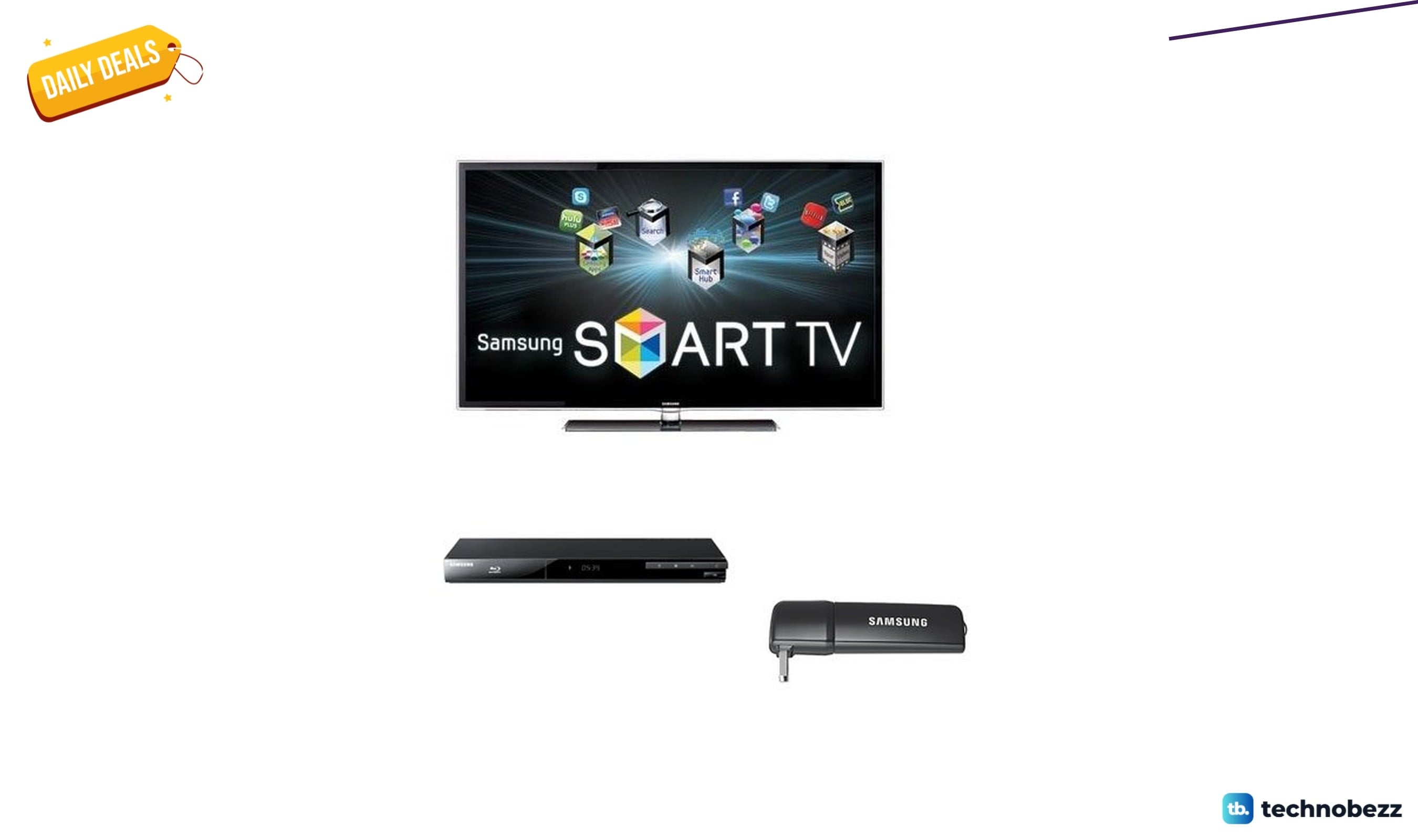
Samsung UN55D6000BDL 1080p LCD TV falls to $1645.62
Save $684 on this 55-inch Samsung 1080p LCD TV with 120Hz smooth motion and deep contrast now $1645.62 at Amazon.
3 min read
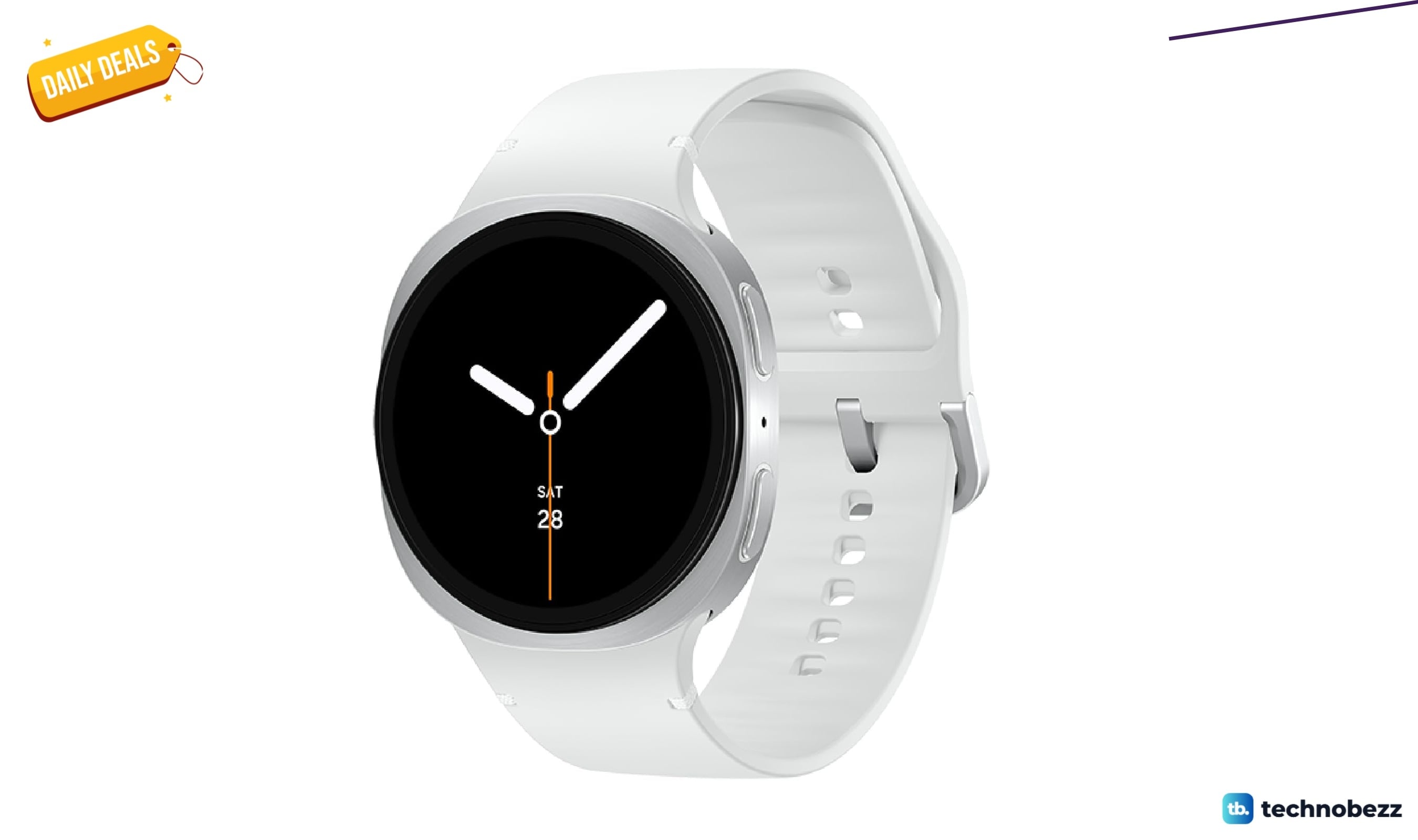
Samsung Galaxy Watch 8 Silver 44mm drops to $329.99 on Amazon
Snag the Samsung Galaxy Watch 8 (44mm) in Silver for $329.99 on Amazon a 10% discount with full sleep, running, and AI features included.
5 min read
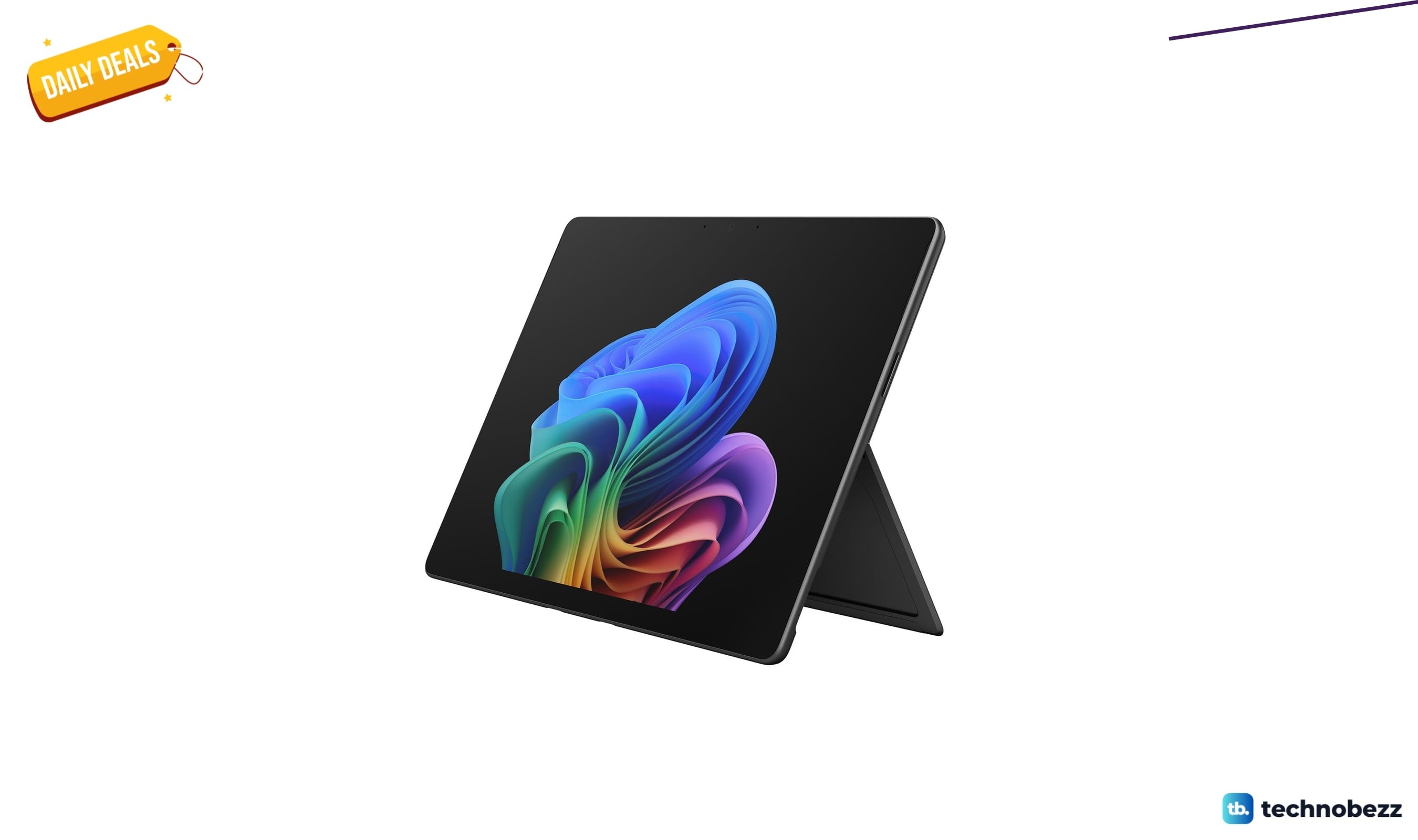
Microsoft Surface Pro 2-in-1 Laptop with Qualcomm drops to $1649 on Amazon
Snap up Microsoft's fastest Surface Pro 2-in-1 with Snapdragon X2 Elite for $1649, a $451 saving on Amazon's lowest price yet.
4 min read
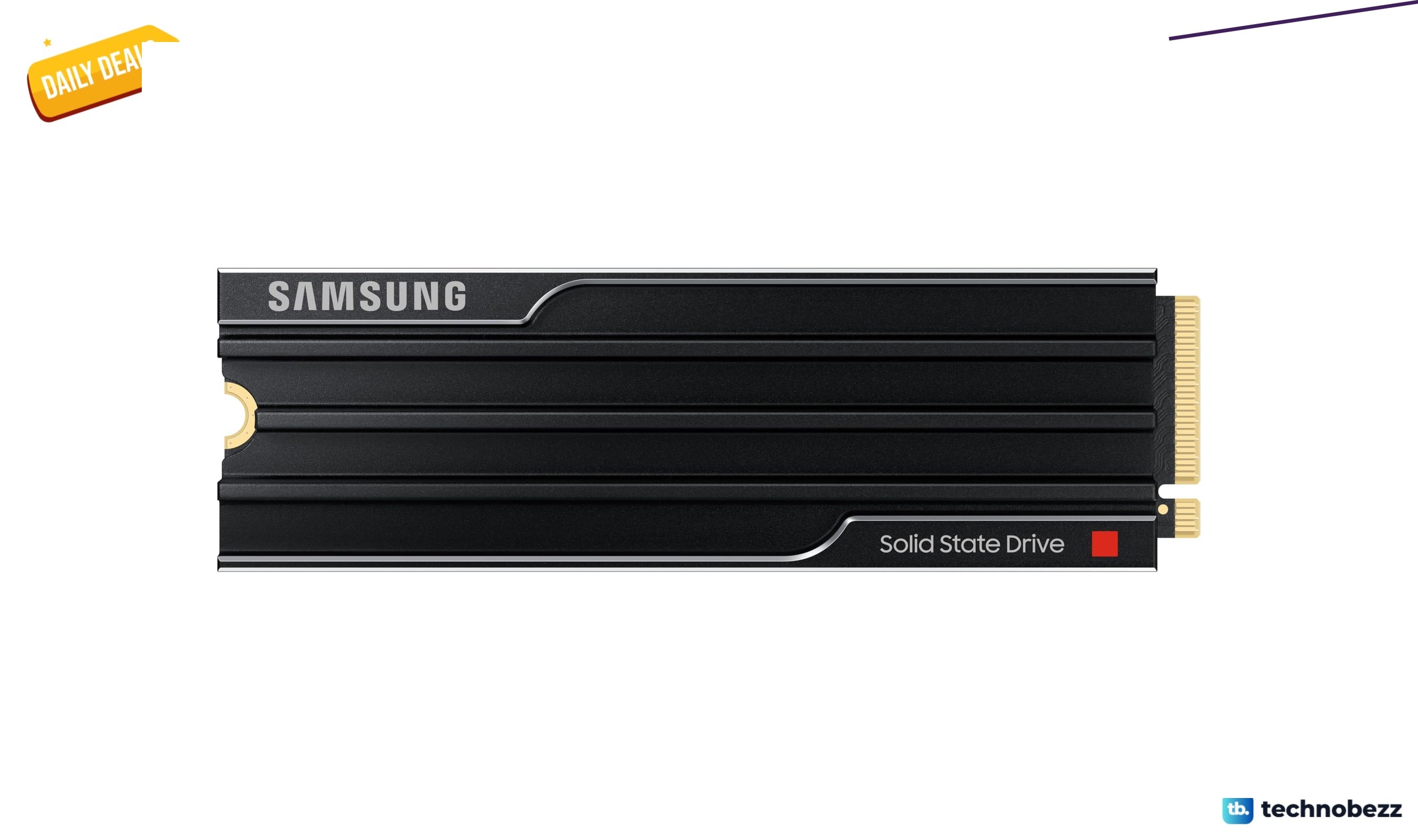
Samsung SSD 9100 PRO w/Heatsink drops to $962.75 on Amazon
3 min read
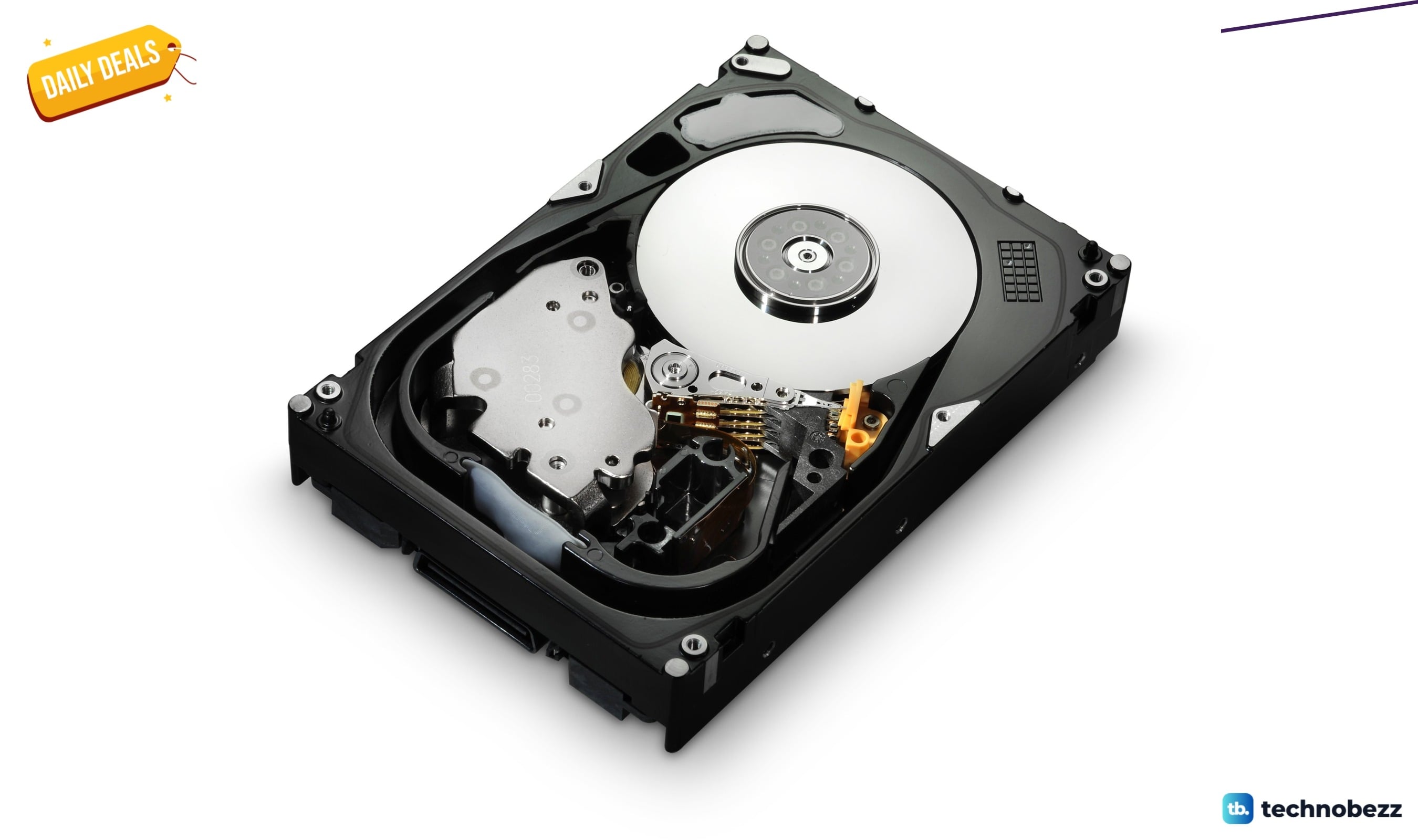
HGST Ultrastar 15000RPM SAS 64 MB Cache discounted to $360.48
5 min read
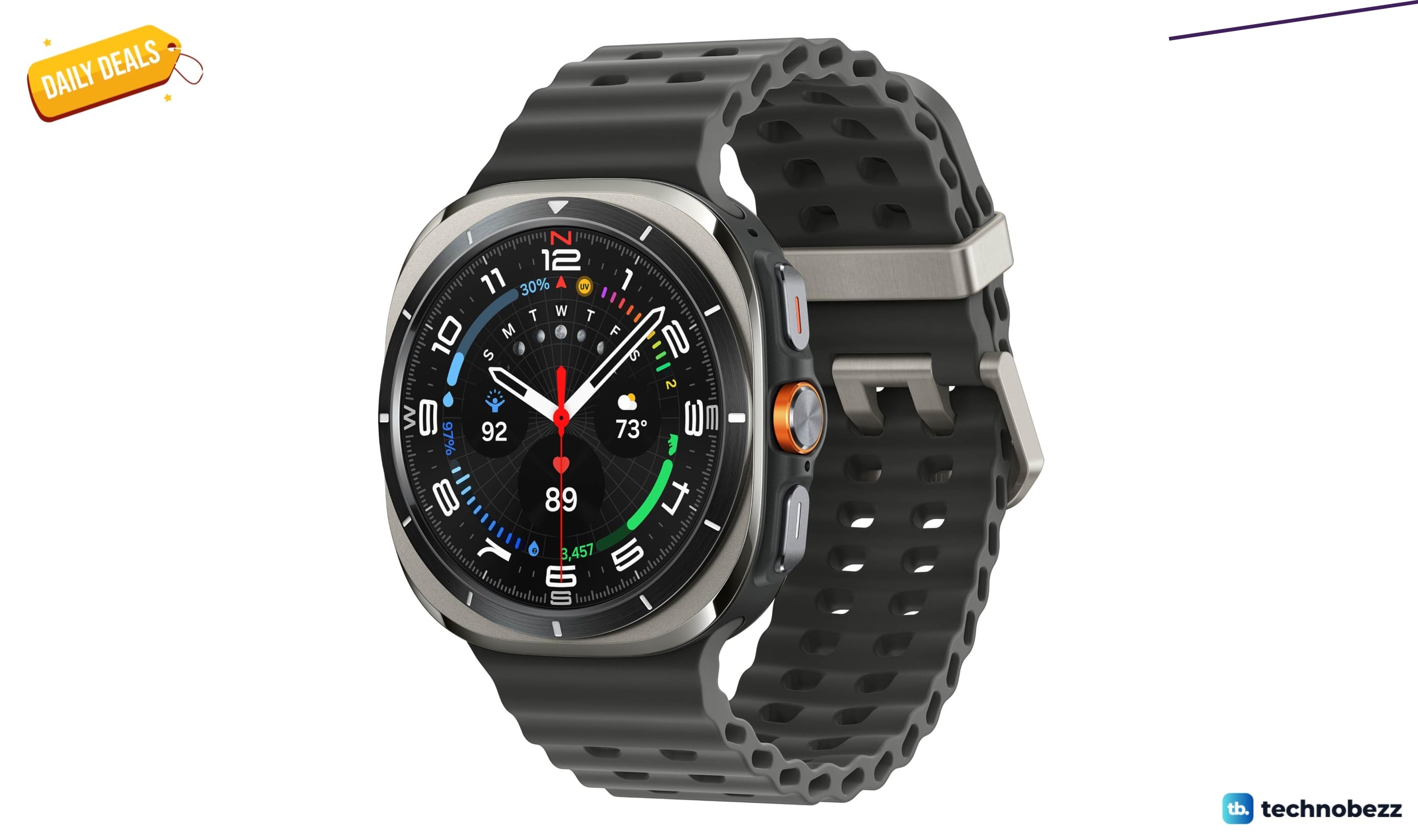
Samsung Galaxy Watch Ultra Titanium Silver drops to $499.98 at Amazon
3 min read
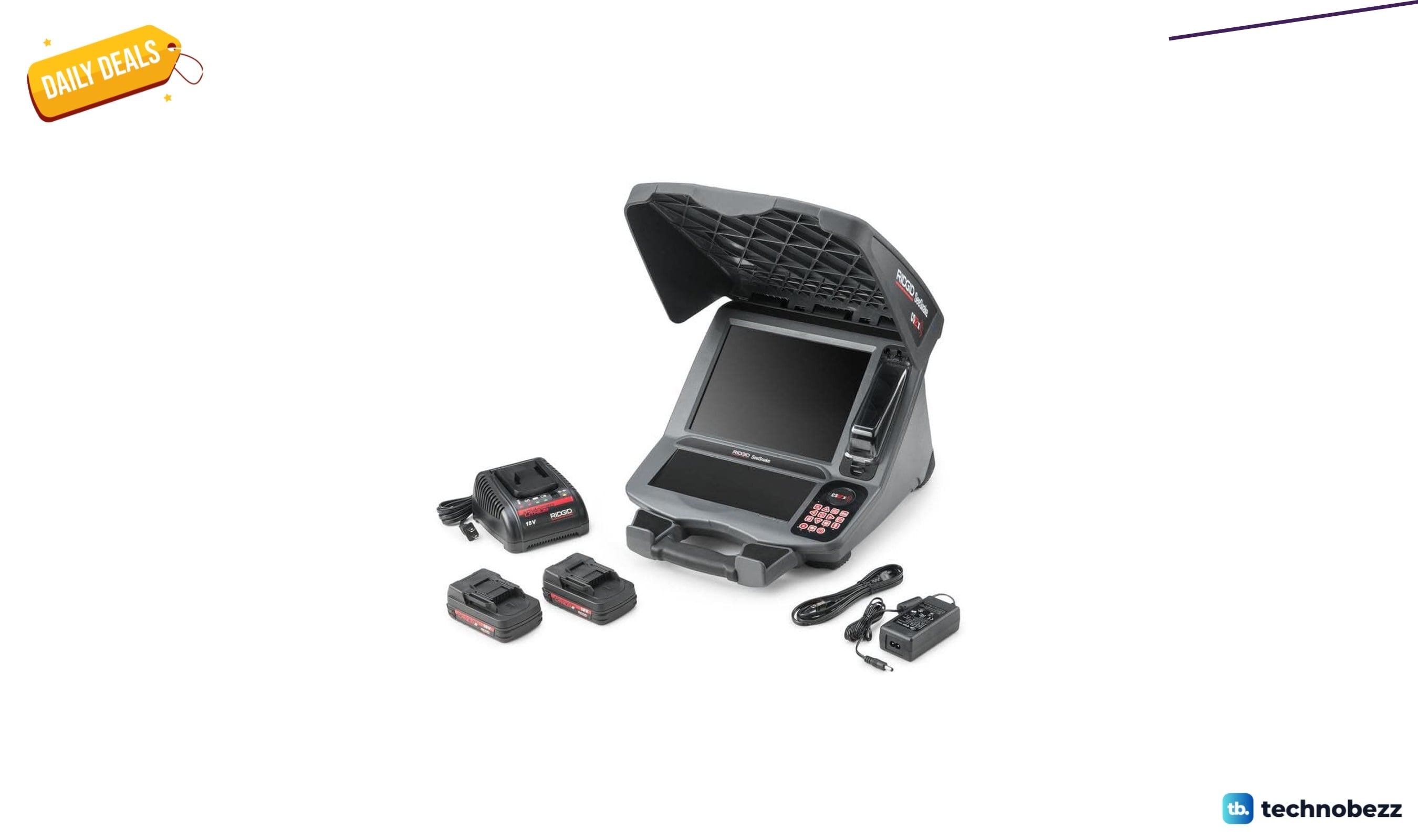
Ridgid 57288 CS12x Digital Recording Monitor drops to $5557.48
4 min read
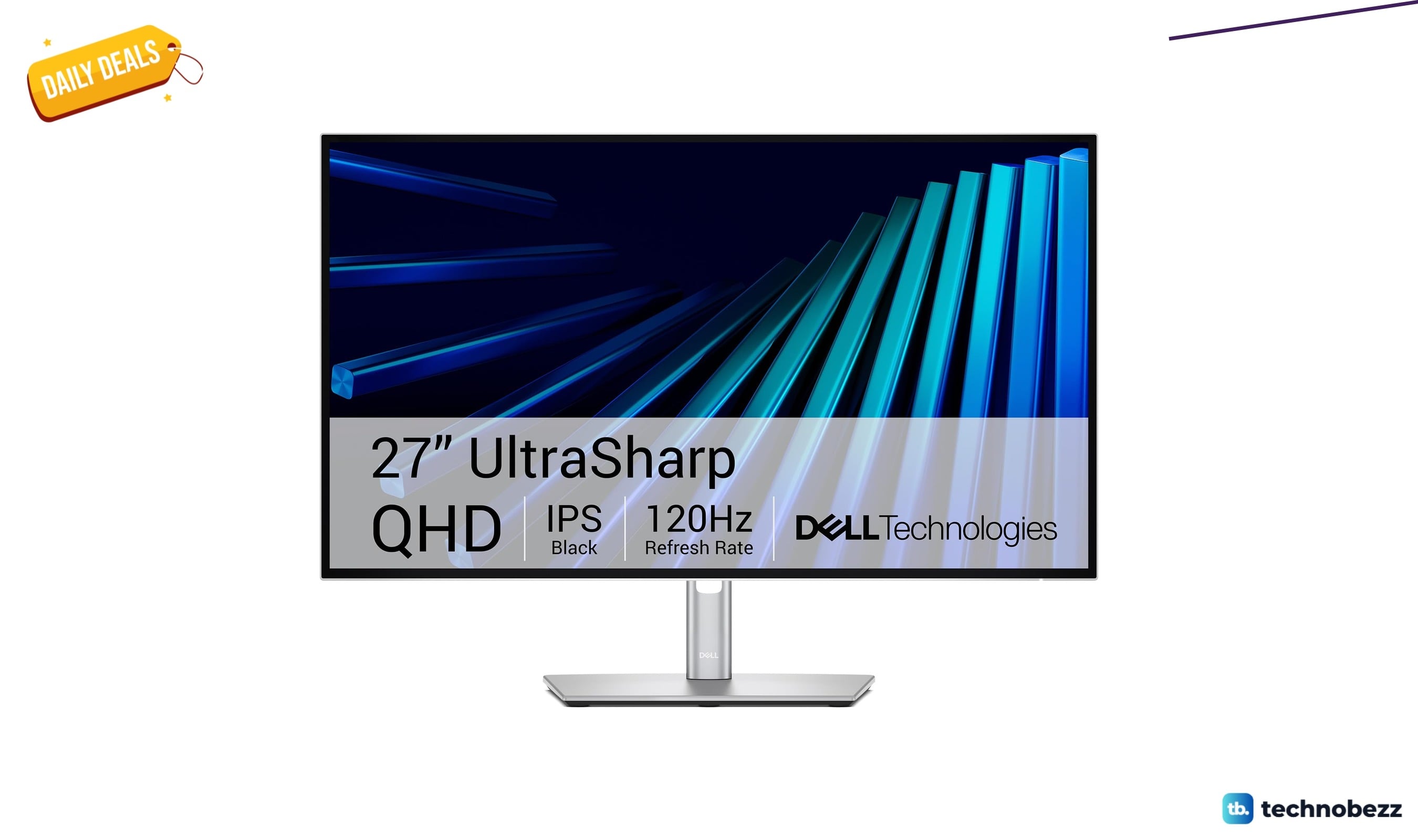
Dell UltraSharp 27 Thunderbolt Hub Monitor U2726DER drops to $599.99 on Amazon
3 min read
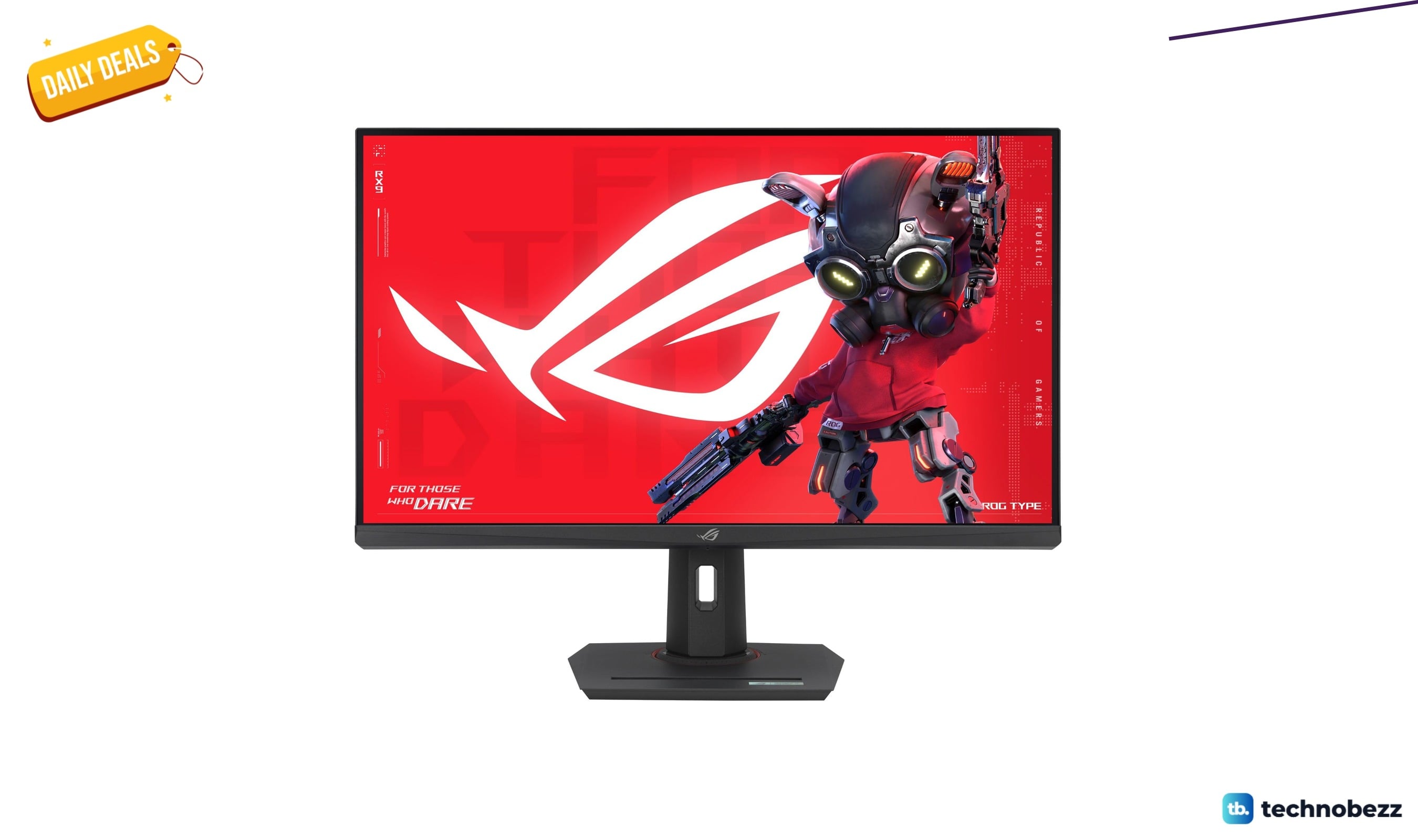
ASUS ROG XG32UCG 32 4K 60Hz USB-C monitor drops to $544.64 on Amazon
5 min read
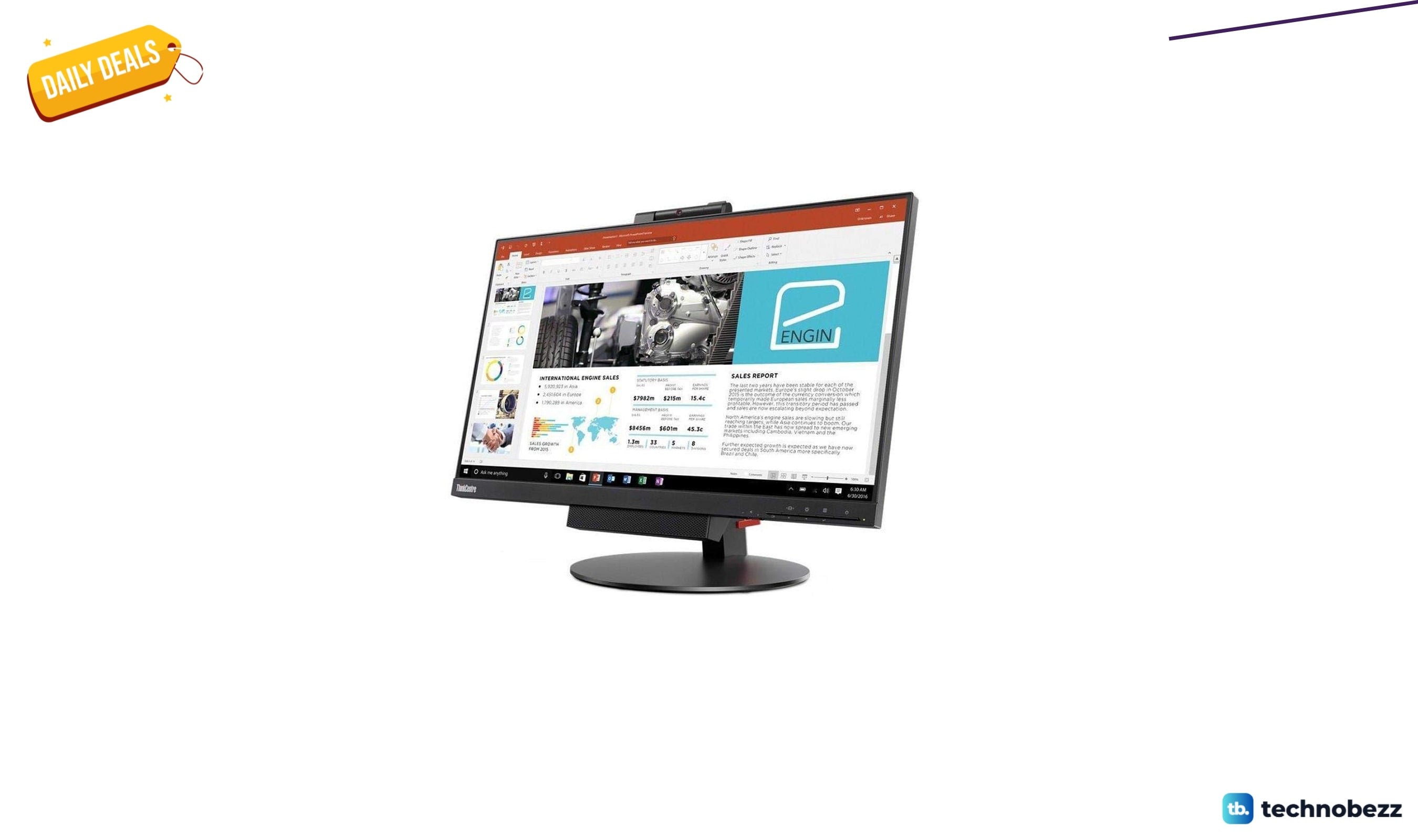
Lenovo ThinkCentre LED-lit Monitor drops to $238.70 on Amazon
4 min read
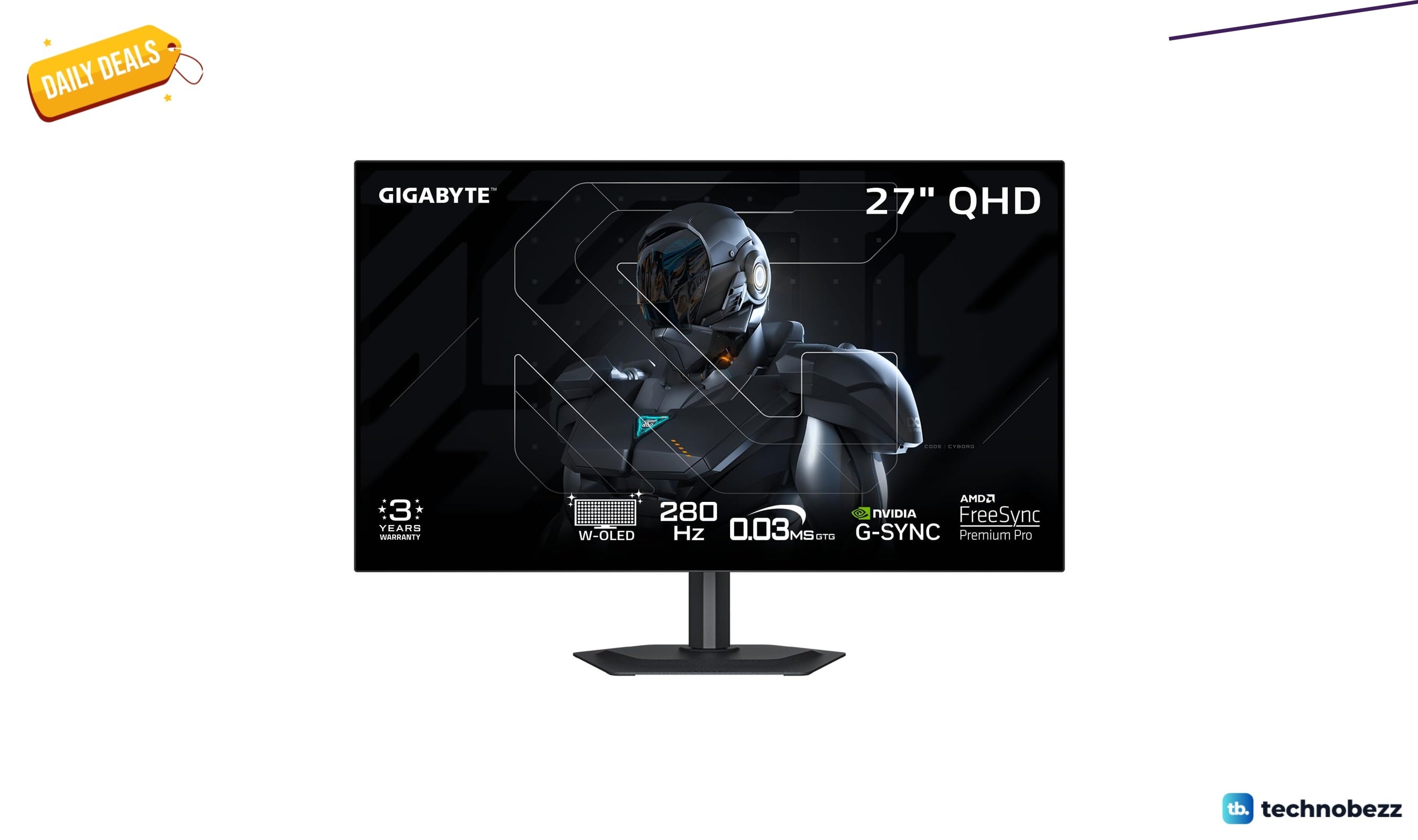
GIGABYTE MO27Q28GR 27" W-OLED Gaming Monitor QHD hits new low at $423.99
3 min read