If you want better coffee at home, start with a good grinder. Freshly ground beans make more difference than any fancy brewer or expensive beans. The right grinder gives you control over flavor and works with your preferred brewing method, whether that's espresso, pour-over, or French press.
Product
Technobezz is supported by its audience. We may get a commission from retail offers.
8 Best Coffee Grinders for 2026
We tested the best coffee grinders for 2026, from the do-it-all Baratza Encore ESP to budget burr picks around $100 and the Fellow Ode Gen 2 for filter.
T
Technobezz
Senior Editor
Updated June 16, 2026Jun 16, 2026
•7 min read

Get Deals Like These in Your Inbox
The best prices, reviewed weekly.
At a Glance
| Category | Product | Why We Picked It |
|---|---|---|
| Best overall | Baratza Encore ESP | Handles everything from espresso to French press with consistent results |
| Best value | OXO Brew Conical Burr Coffee Grinder | Delivers quality grinding at an accessible price point |
| Best for espresso | Eureka Mignon Specialita | Provides professional-grade precision for espresso lovers |
| Best for filter coffee | Fellow Ode Gen 2 | Optimized for pour-over and drip brewing with excellent flavor clarity |
| Best budget option | Capresso Infinity Plus | Solid performance without breaking the bank |
| Also recommended | Breville Smart Grinder Pro | A versatile pick with tons of settings |
| Also recommended | 1Zpresso K-Ultra manual grinder | Excellent portable choice for pour-over |
| Also recommended | Baratza Virtuoso+ | A serious upgrade for coffee geeks |
How we chose and tested
We evaluated coffee grinders based on grind consistency across different settings, build quality, noise level, and ease of use. Our assessment considers how well each grinder performs for specific brewing methods, from espresso to French press. We prioritize products that offer good value for their price range and have proven reliability over time.
The best coffee grinders right now
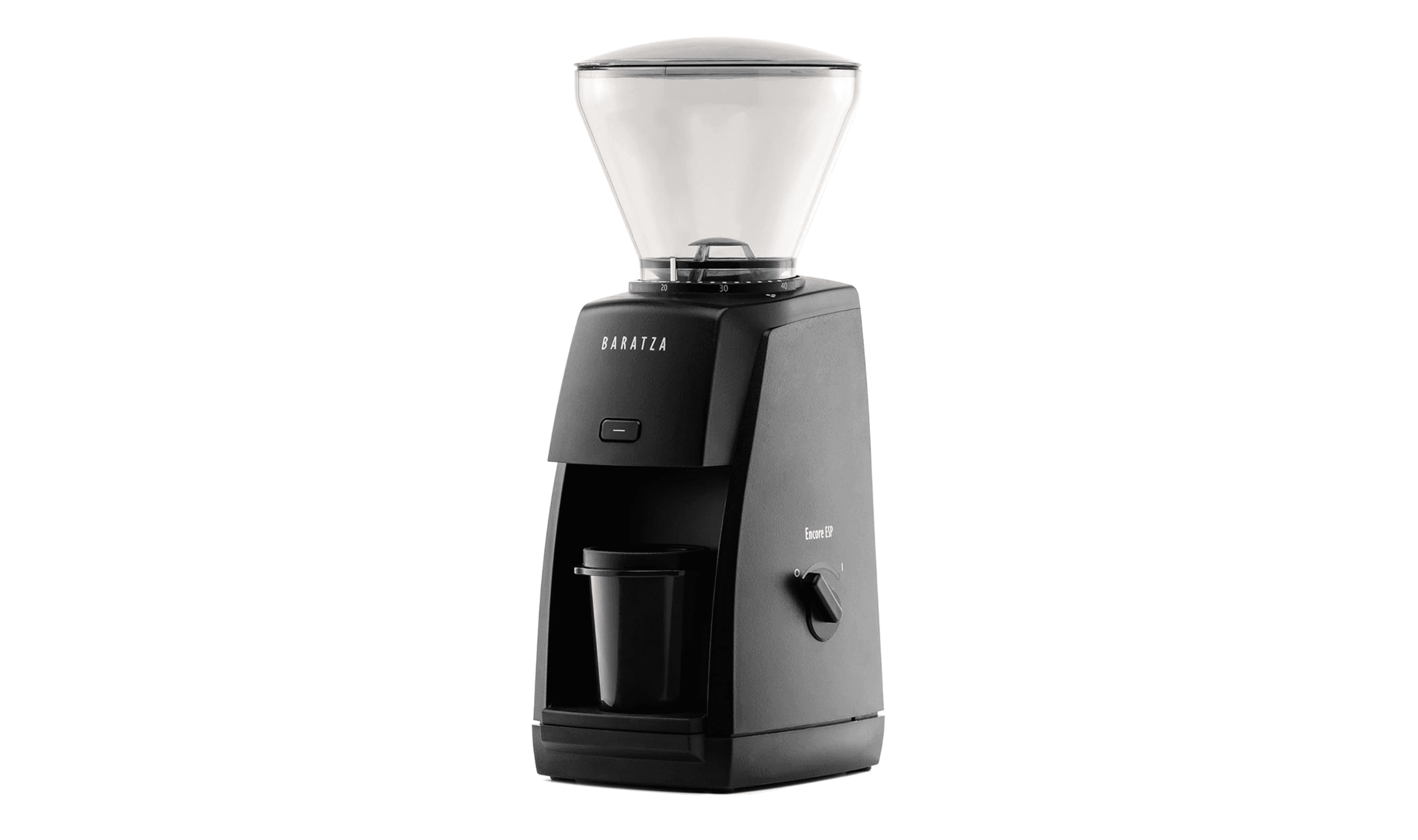
Baratza Encore ESP - Best overall
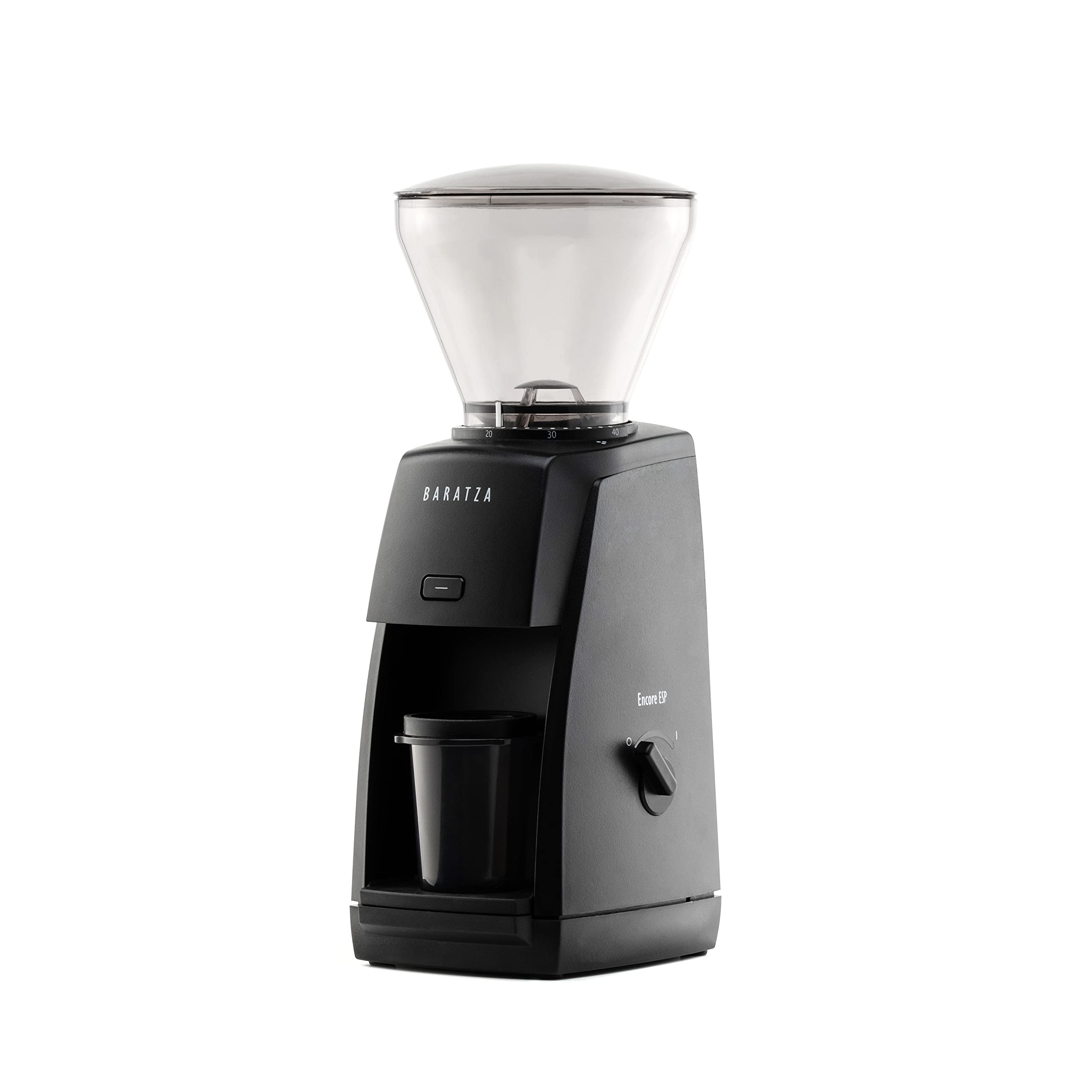
The Baratza Encore ESP handles everything from espresso to French press with impressive consistency. It builds on the popular original Encore but adds dedicated espresso capabilities, making it a true all-in-one solution for most home brewers.
Key highlights
- 40 total grind settings, including an espresso-focused range plus broader options for other brewing methods
- Consistent grind quality across the entire range
- Large 300-gram bean hopper capacity
- Simple operation with intuitive controls
Pros
- Versatile enough for espresso, pour-over, and French press
- Excellent grind consistency for the price
- Reliable brand with good customer support
- Easy to clean and maintain
Cons
- Can be noisy during operation
- Some static buildup with finer grinds
- Plastic construction feels less premium than metal alternatives
Who it is for: Home brewers who want one grinder that can handle multiple brewing methods, especially those who occasionally make espresso but also brew filter coffee.
Skip if
You only make espresso and want dedicated professional equipment, or if you need ultra-quiet operation for early morning grinding.
OXO Brew Conical Burr Coffee Grinder - Best value
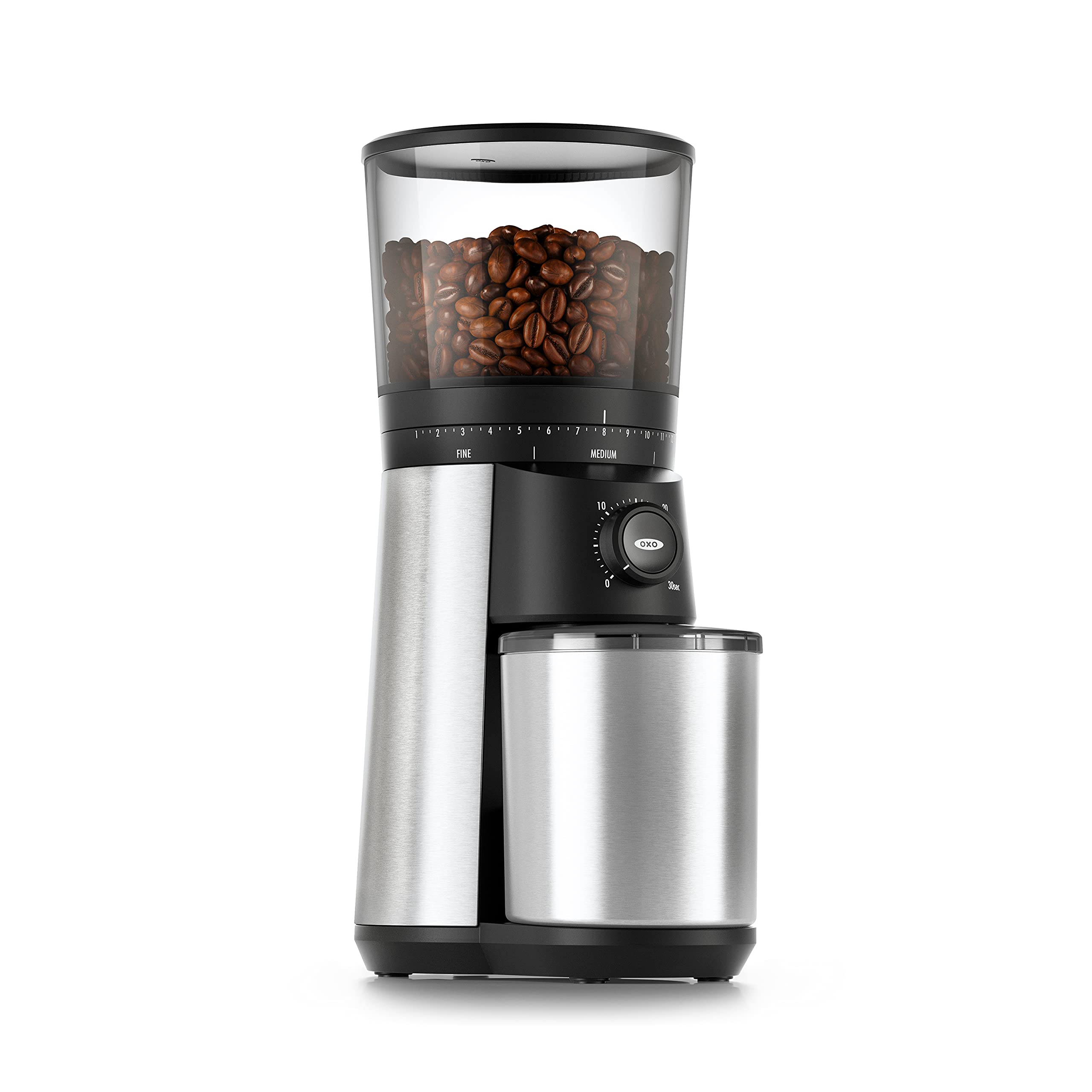
The OXO Brew Conical Burr Coffee Grinder delivers quality results at a price that makes sense for most people. It offers solid performance across different brewing methods with straightforward controls that won't overwhelm beginners.
Key highlights
- 15 grind settings covering most brewing needs
- Programmable timer for consistent dosing
- Large capacity hopper holding up to 3/4 pound of beans
- Intuitive design with clear markings
Pros
- Excellent value for the performance
- Easy to use with minimal learning curve
- Consistent grind quality for drip and French press
- Good build quality for the price
Cons
- Can handle occasional espresso, but offers less fine-tuning than dedicated espresso grinders
- Somewhat noisy during operation
- Hopper can feel wobbly when full
Who it is for: Casual coffee drinkers and beginners who want reliable grinding without spending a fortune. It's perfect for drip coffee, French press, and pour-over.
Skip if
You're serious about espresso or need extremely fine adjustments for precision brewing.
Eureka Mignon Specialita - Best for espresso
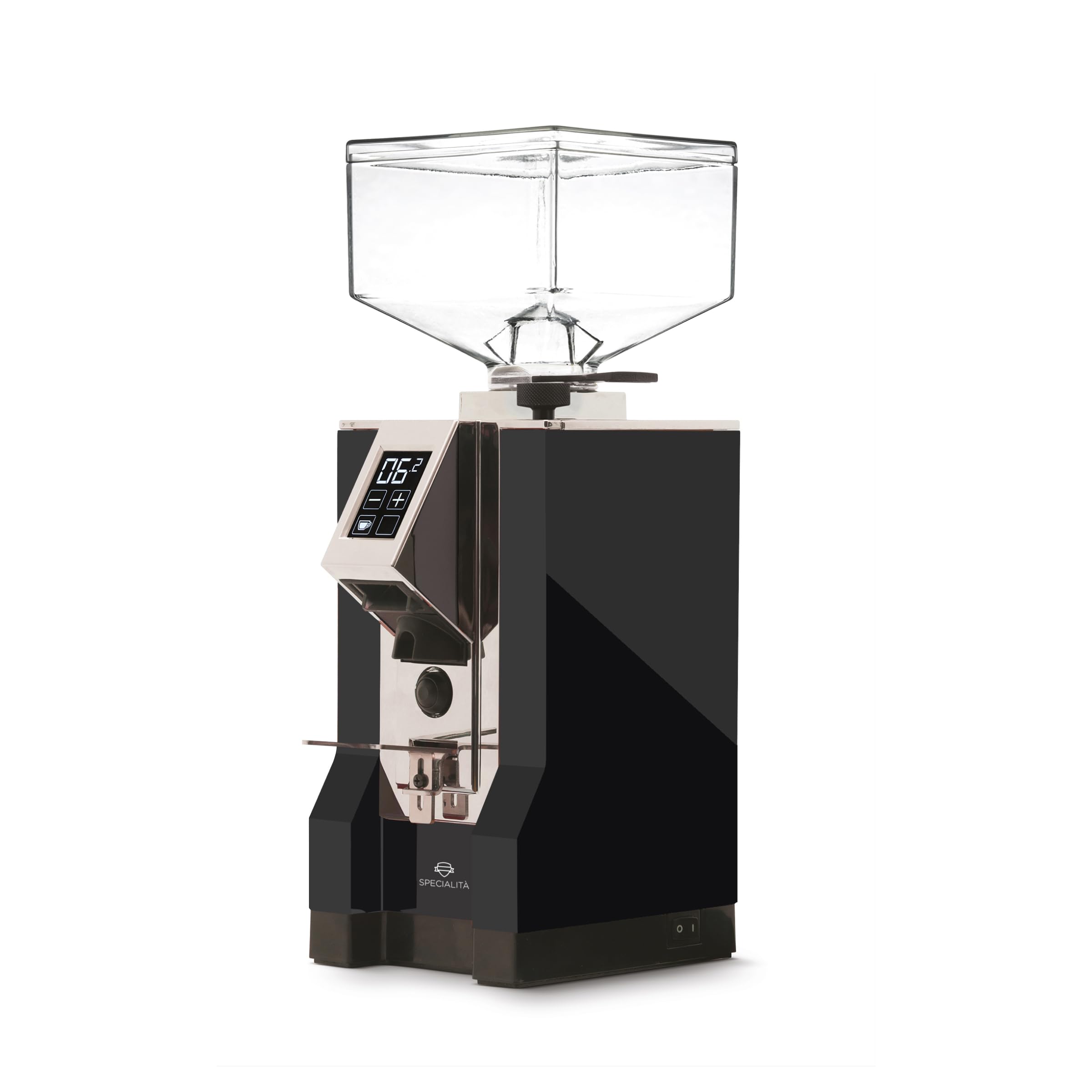
The Eureka Mignon Specialita brings professional espresso grinding capabilities to home users. With its 55mm burrs and stepless adjustment, it offers the precision serious espresso enthusiasts need for consistent extractions.
Key highlights
- 55mm stepless burrs for consistent espresso grinding
- Stepless adjustment for fine-tuning extraction
- Quiet operation compared to many competitors
- Italian-made with premium construction
Pros
- Excellent grind consistency for espresso
- Quiet operation won't disturb household
- Durable metal construction
- Precise stepless adjustment system
Cons
- Expensive investment
- Primarily optimized for espresso (less versatile)
- Large footprint requires counter space
- Learning curve for beginners
Who it is for: Espresso enthusiasts who want professional-grade results at home and are willing to invest in dedicated equipment.
Skip if
You brew multiple coffee styles or need a versatile all-in-one grinder. This is for espresso specialists.
Fellow Ode Gen 2 - Best for filter coffee
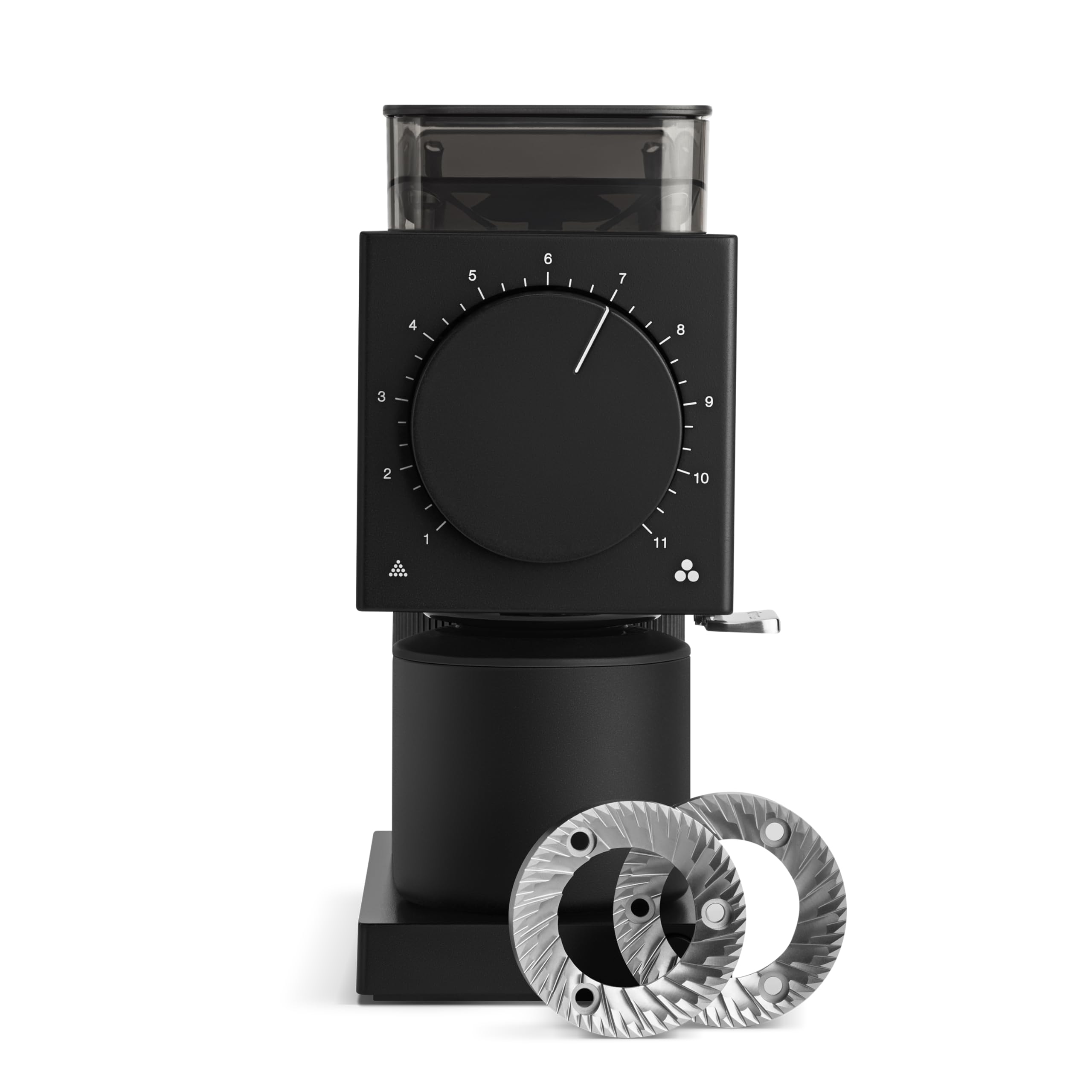
The Fellow Ode Gen 2 is specifically designed for filter coffee brewing, with optimizations that make it ideal for pour-over, drip, and French press. It addresses issues from the first-generation model with improved anti-static technology and better burr design.
Key highlights
- Optimized for filter coffee brewing methods
- Improved anti-static system reduces mess
- 31 grind settings with clear visual indicators
- Modern, compact design that looks great on countertops
Pros
- Excellent flavor clarity for pour-over and drip
- Minimal static and mess during grinding
- Quiet operation
- Attractive design that fits modern kitchens
Cons
- Not suitable for espresso grinding
- Higher price point than basic options
- Limited to filter coffee applications
Who it is for: Coffee enthusiasts who primarily brew filter coffee and want the best possible results for pour-over, drip, or French press.
Skip if
You need espresso capabilities or want a versatile grinder for multiple brewing methods.
Capresso Infinity Plus - Best budget option
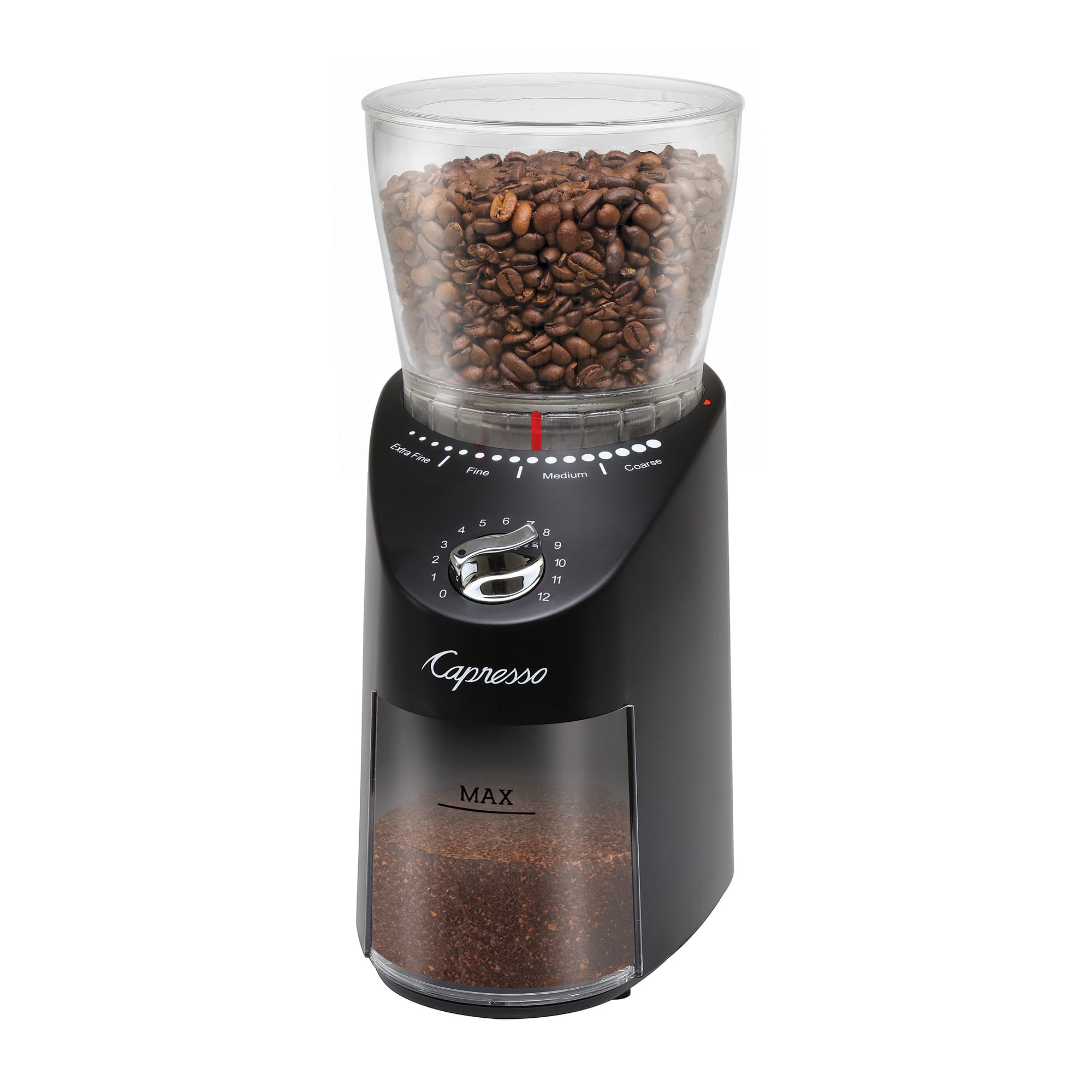
The Capresso Infinity Plus offers solid burr grinding performance at a very accessible price point. It's a reliable choice for those new to grinding their own beans or anyone on a tight budget who still wants better coffee.
Key highlights
- 16 clearly labeled grind settings
- Conical burrs for consistent grinding
- Compact design that doesn't take up much space
- Simple push-button operation
Pros
- Very affordable entry point
- Consistent results for basic brewing methods
- Easy to use with minimal setup
- Compact size fits small kitchens
Cons
- Limited fine settings for espresso
- Can be noisy
- Plastic construction feels less durable
- Some retention of grounds between uses
Who it is for: Beginners, students, or anyone on a budget who wants to start grinding fresh beans without a major investment.
Skip if
You need espresso capabilities or want premium build quality and features.
Also Good
- Breville Smart Grinder Pro - a versatile pick with tons of settings.
- 1Zpresso K-Ultra manual grinder - excellent portable choice for pour-over.
- Baratza Virtuoso+ - a serious upgrade for coffee geeks.
How to Choose
Grind consistency matters most: Look for burr grinders over blade grinders. Burr grinders crush beans between two surfaces for uniform particle size, while blade grinders chop randomly, creating inconsistent grounds that brew unevenly.
Consider your brewing methods: Espresso needs fine, precise grinding, while French press requires coarse grounds. If you make multiple types of coffee, choose a grinder with a wide adjustment range.
Noise level affects daily use: Some grinders are significantly louder than others. If you grind early in the morning or have light sleepers in your household, consider quieter models.
Build quality impacts longevity: Metal construction generally lasts longer than plastic, but it also costs more. Consider how often you'll use the grinder and whether the investment makes sense for your needs.
Ease of cleaning saves time: All grinders need regular cleaning to prevent oil buildup and maintain performance. Some designs make this easier than others with removable parts and accessible burrs.
FAQ
What's the difference between conical and flat burrs?
Conical burrs are generally more forgiving and better for beginners, while flat burrs often provide more consistent results, especially for espresso. Both can produce excellent coffee when properly designed.
How often should I clean my coffee grinder?
Clean your grinder every few weeks if you use it daily, or more often if you switch between different bean types. Dark roast beans with more oils require more frequent cleaning than lighter roasts.
Can I use the same grinder for espresso and French press?
Yes, but you need a grinder with a wide adjustment range. Some grinders are optimized for one or the other, while versatile models like the Baratza Encore ESP handle both well.
Are manual grinders worth considering?
Manual grinders offer excellent value and portability, making them great for travel or pour-over brewing. They require more effort but can produce results comparable to electric grinders at lower price points.
How important is grind size for different brewing methods?
Extremely important. Espresso needs fine grounds for proper extraction under pressure, while French press needs coarse grounds to avoid sediment in your cup. Using the wrong grind size leads to bitter, weak, or muddy coffee.
Published March 1, 2026 Last updated June 16, 2026
Share this article
More in News
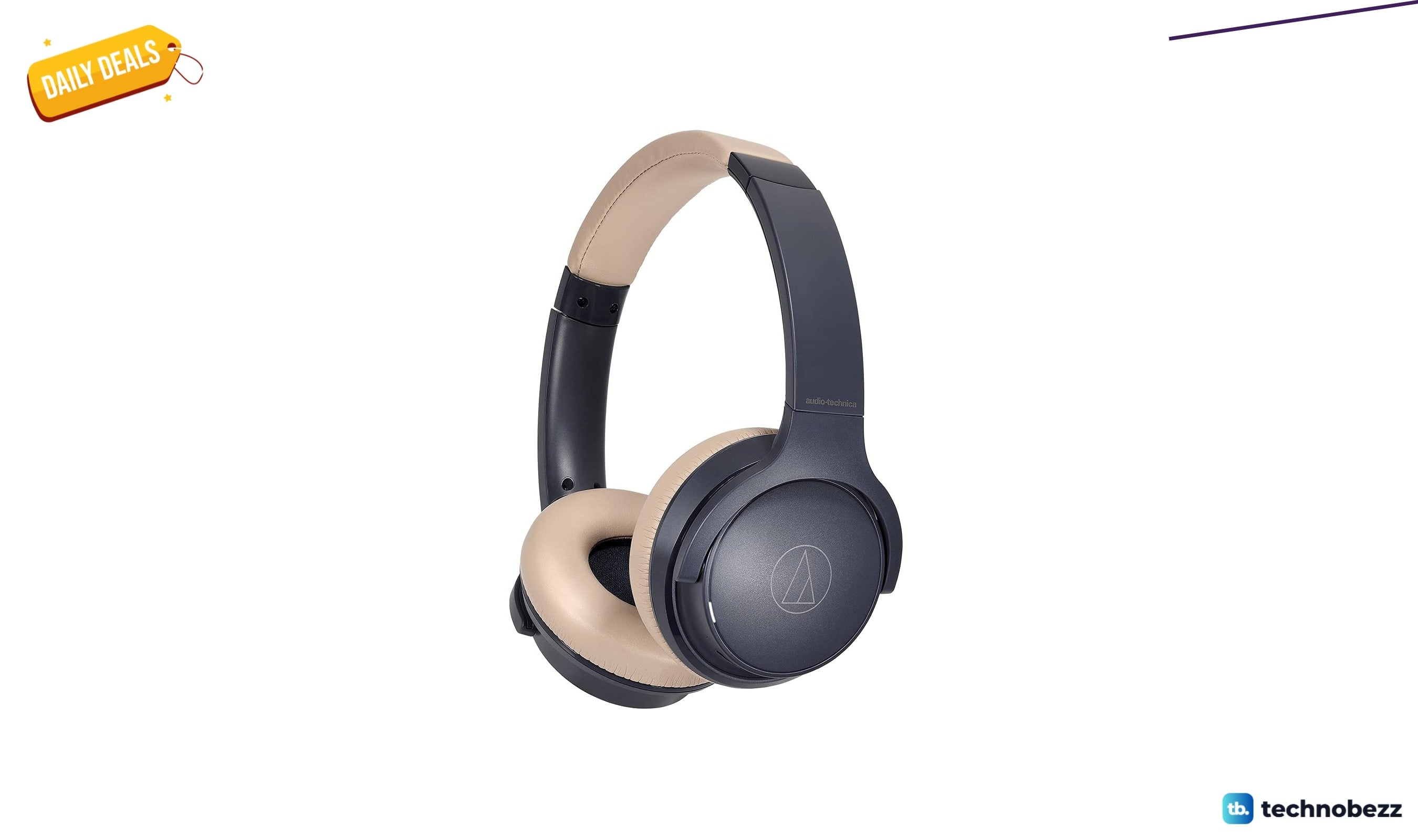
4 headphone deals worth grabbing today, from $49
Today's top headphone deals include verified markdowns from $49 to $425, with up to 43% off on premium picks.
4 min read
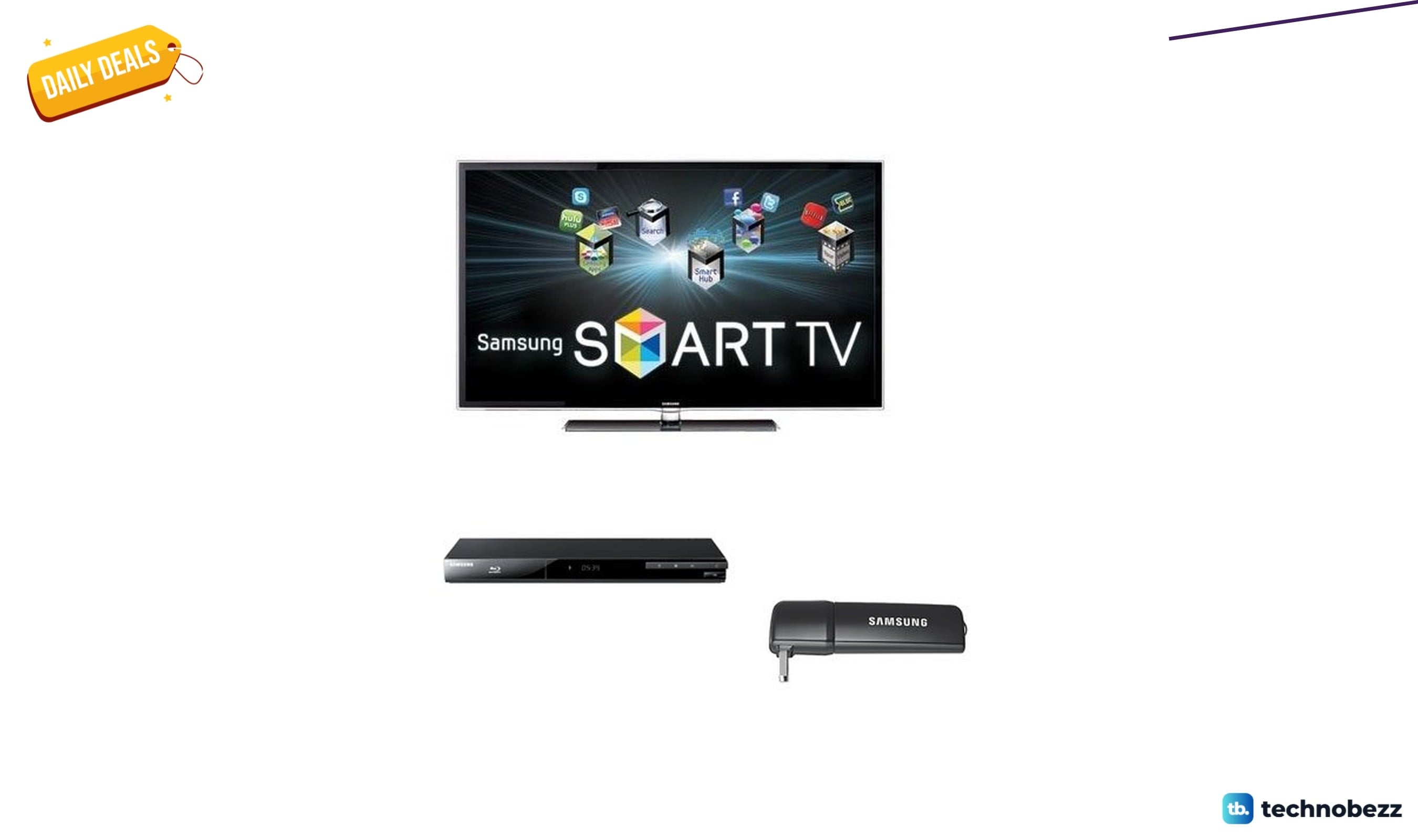
Samsung UN55D6000BDL 1080p LCD TV falls to $1645.62
Save $684 on this 55-inch Samsung 1080p LCD TV with 120Hz smooth motion and deep contrast now $1645.62 at Amazon.
3 min read
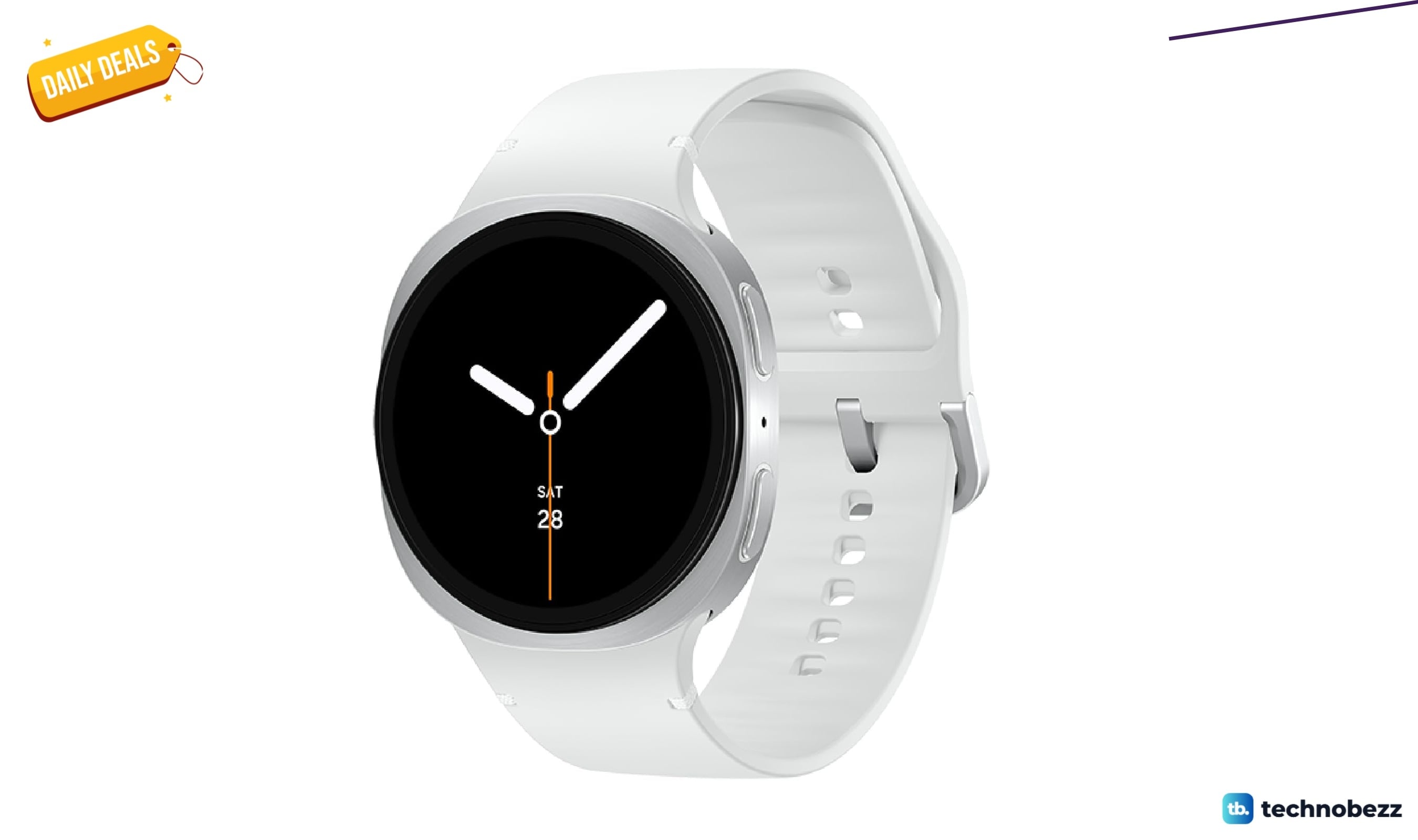
Samsung Galaxy Watch 8 Silver 44mm drops to $329.99 on Amazon
Snag the Samsung Galaxy Watch 8 (44mm) in Silver for $329.99 on Amazon a 10% discount with full sleep, running, and AI features included.
5 min read
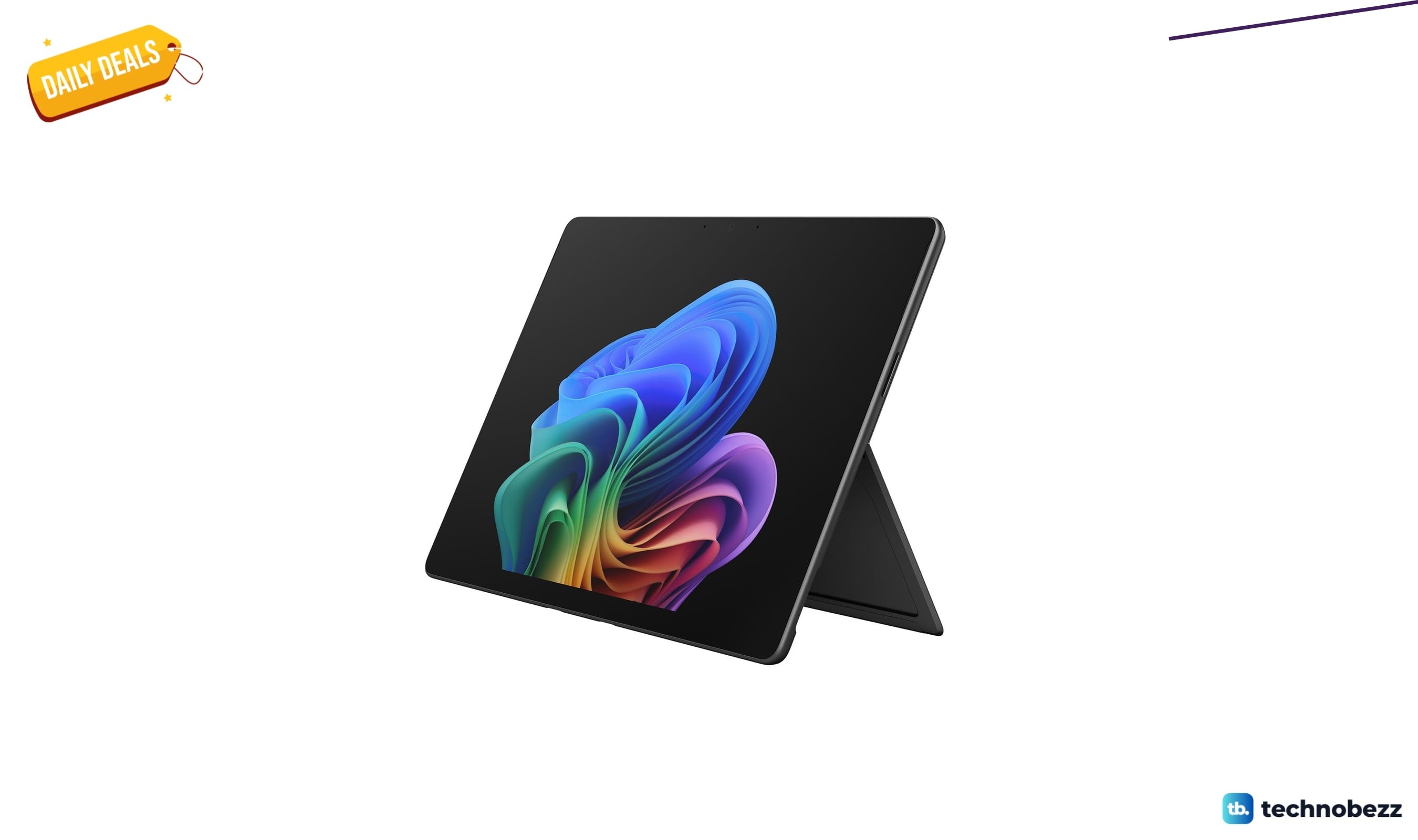
Microsoft Surface Pro 2-in-1 Laptop with Qualcomm drops to $1649 on Amazon
Snap up Microsoft's fastest Surface Pro 2-in-1 with Snapdragon X2 Elite for $1649, a $451 saving on Amazon's lowest price yet.
4 min read
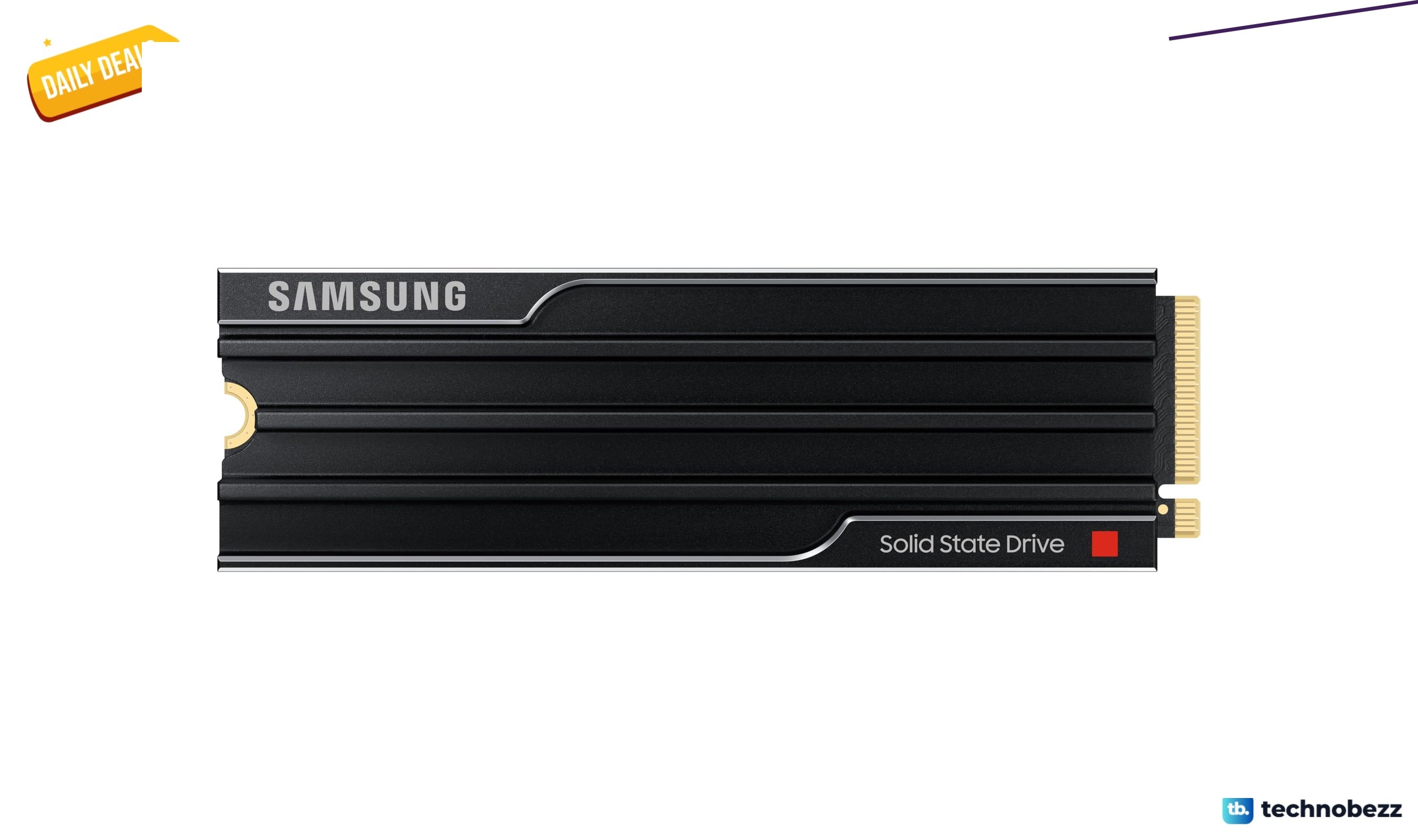
Samsung SSD 9100 PRO w/Heatsink drops to $962.75 on Amazon
3 min read
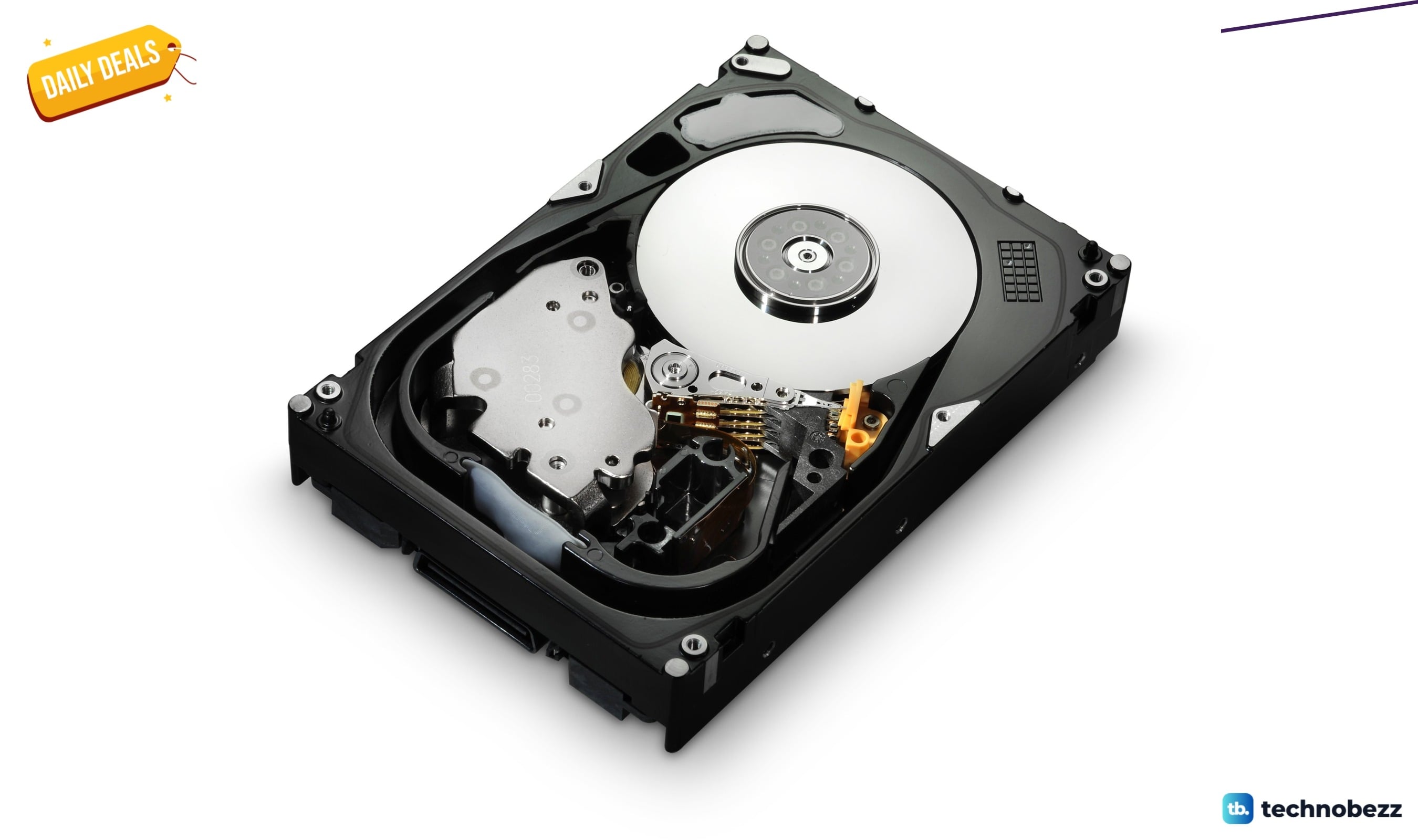
HGST Ultrastar 15000RPM SAS 64 MB Cache discounted to $360.48
5 min read
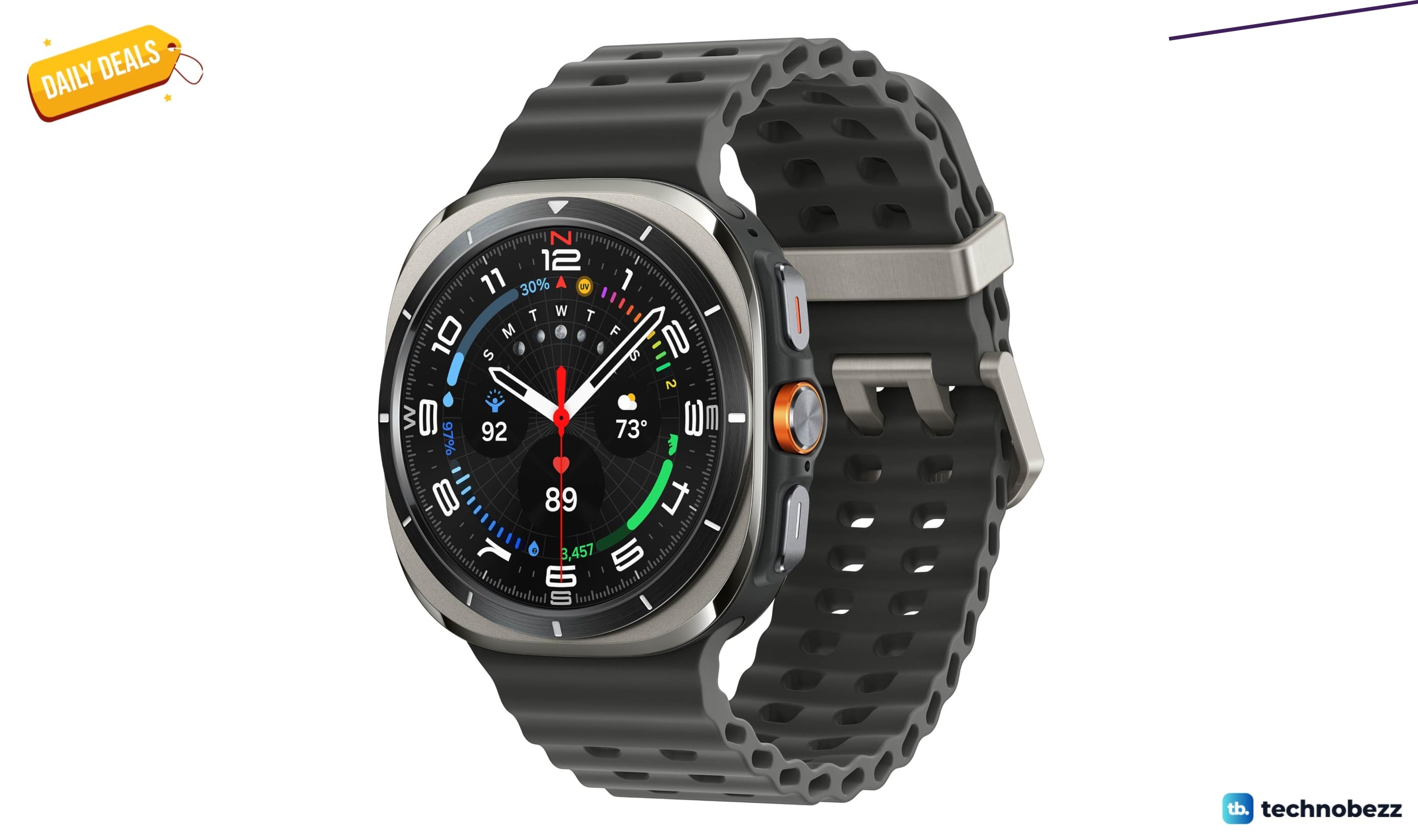
Samsung Galaxy Watch Ultra Titanium Silver drops to $499.98 at Amazon
3 min read
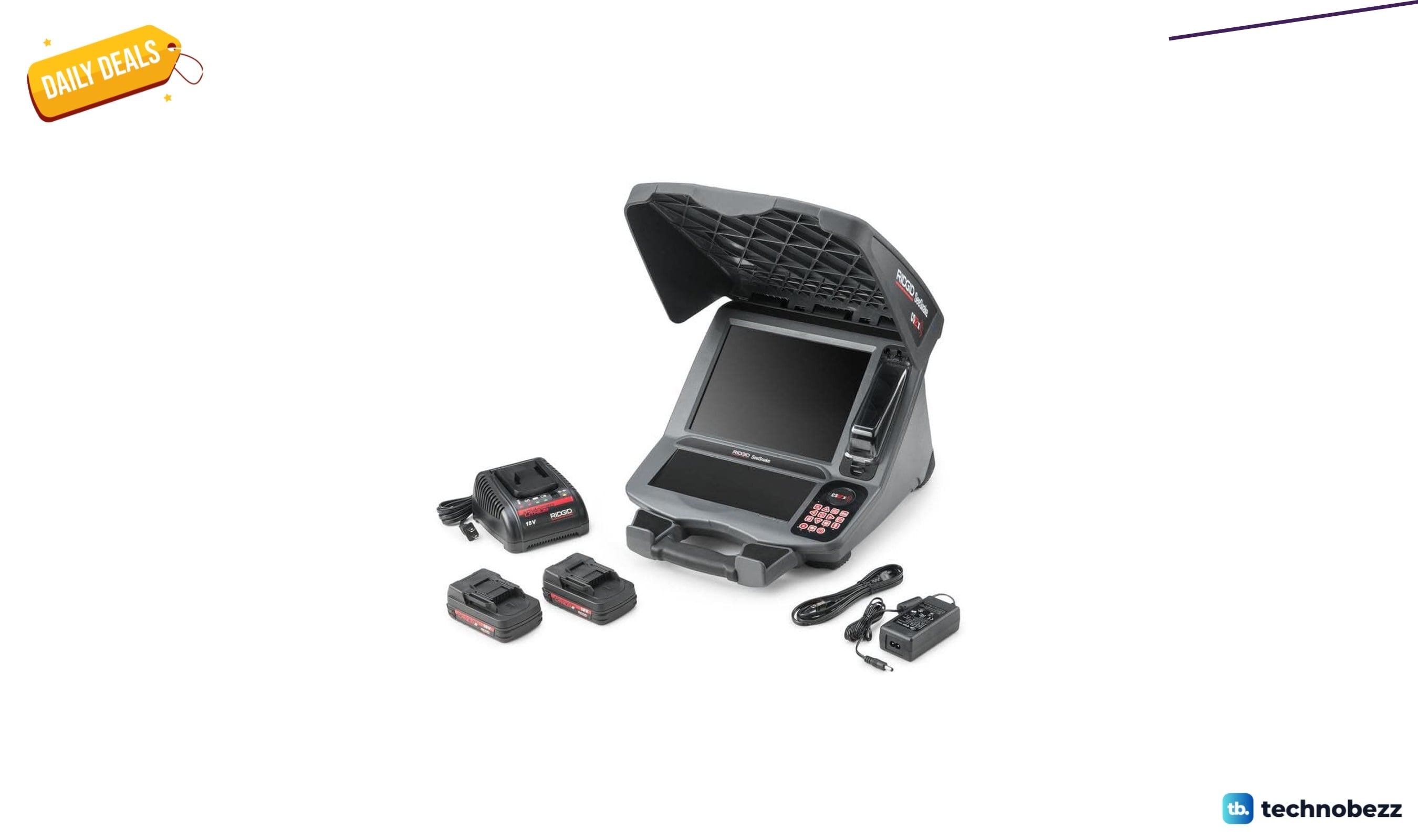
Ridgid 57288 CS12x Digital Recording Monitor drops to $5557.48
4 min read
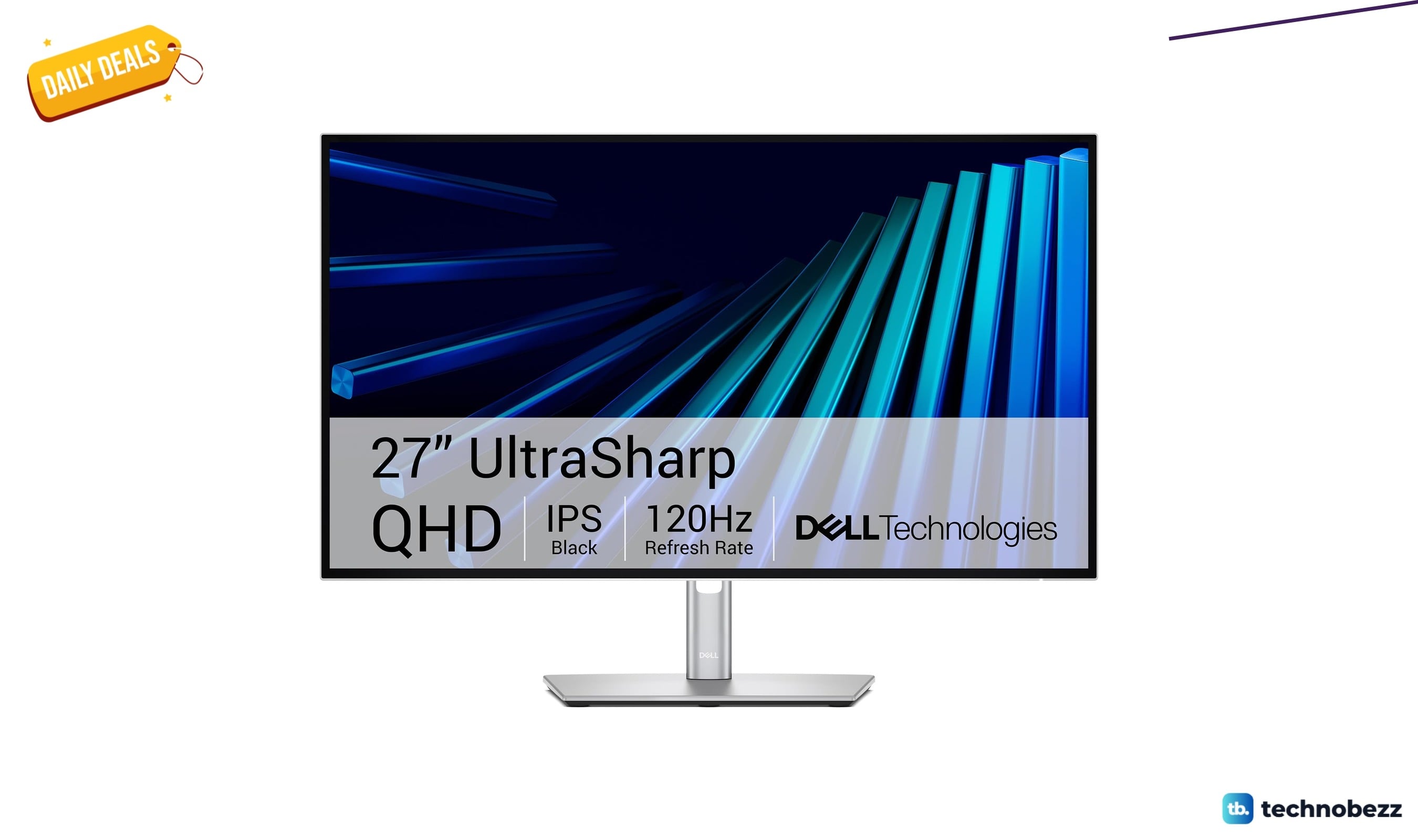
Dell UltraSharp 27 Thunderbolt Hub Monitor U2726DER drops to $599.99 on Amazon
3 min read
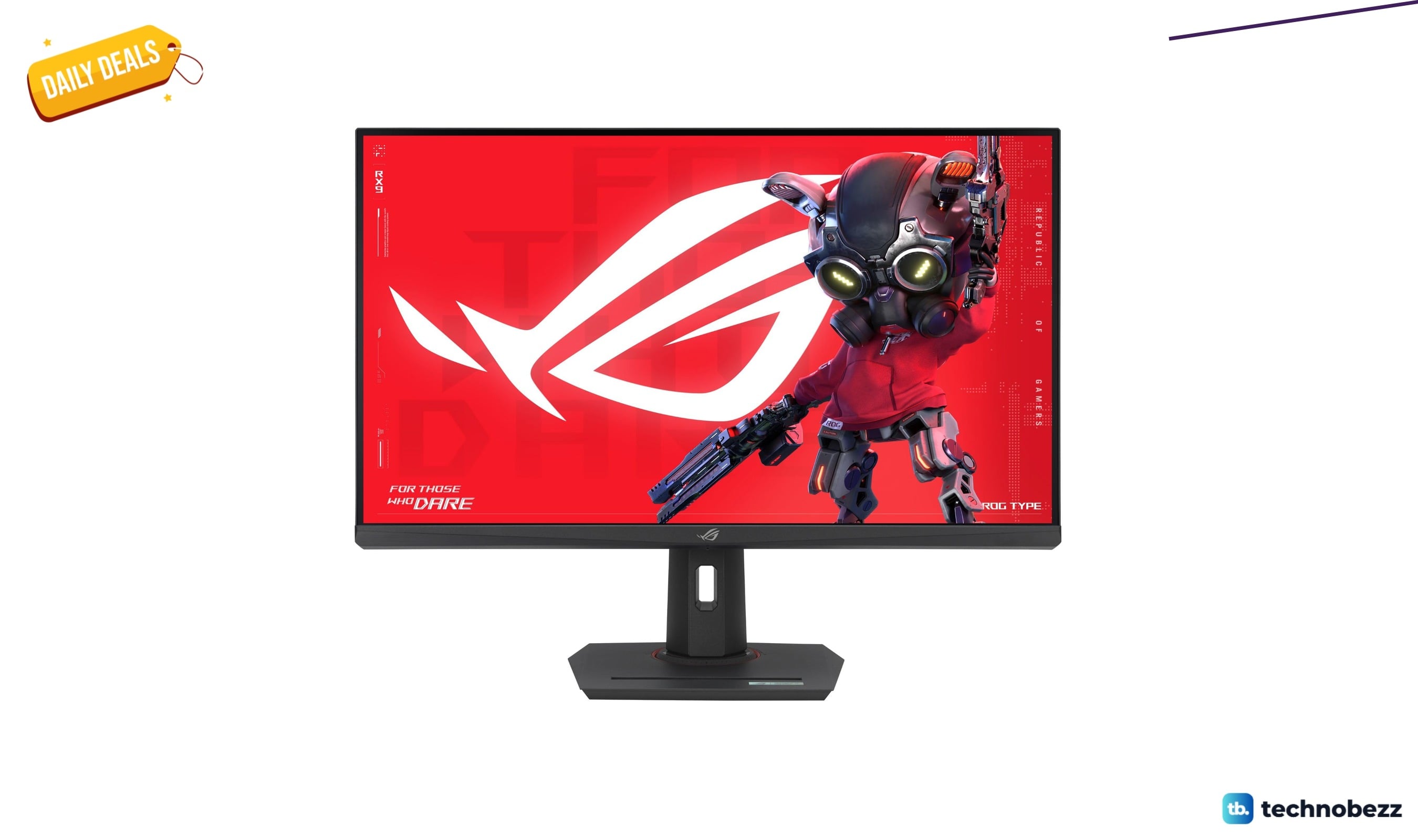
ASUS ROG XG32UCG 32 4K 60Hz USB-C monitor drops to $544.64 on Amazon
5 min read
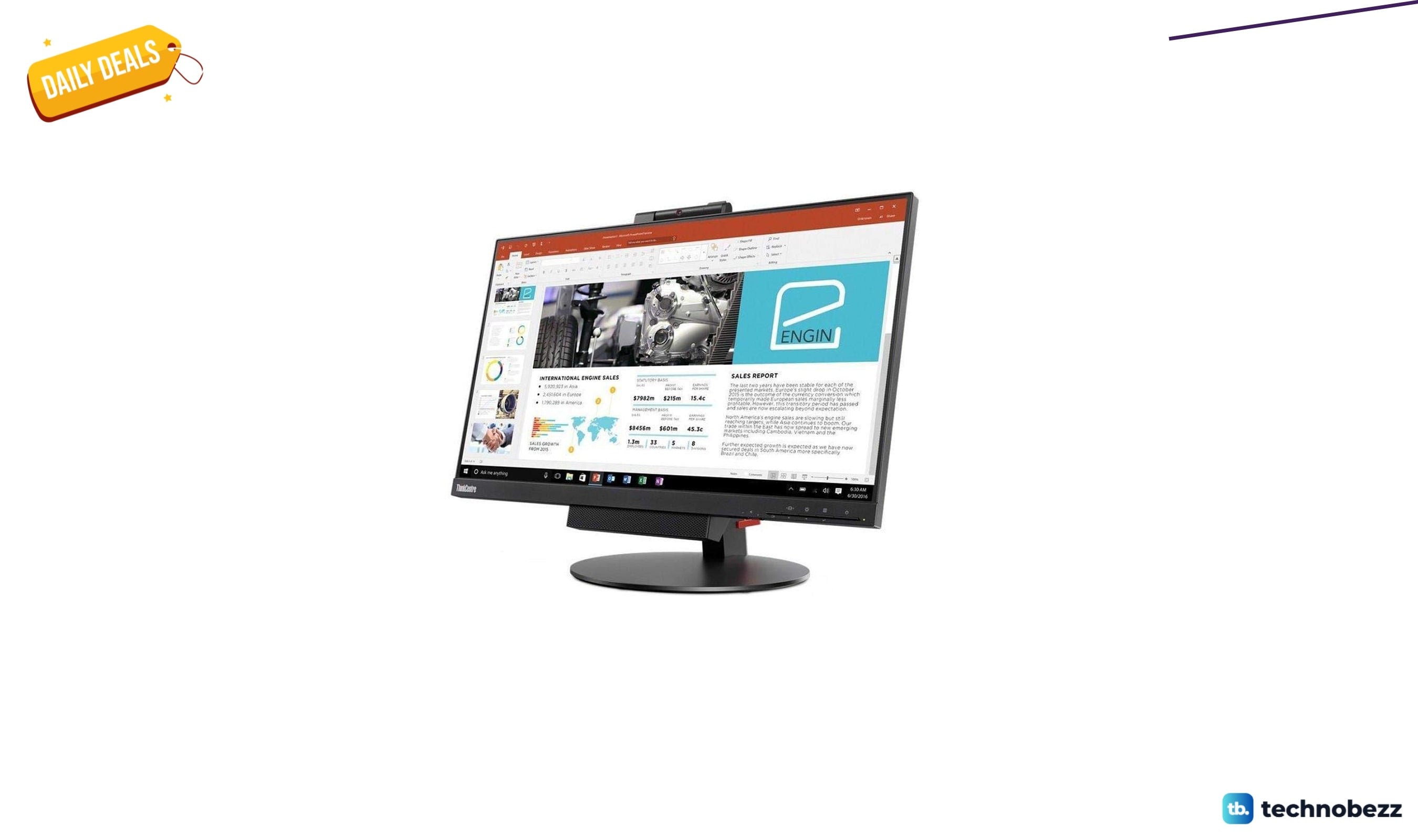
Lenovo ThinkCentre LED-lit Monitor drops to $238.70 on Amazon
4 min read
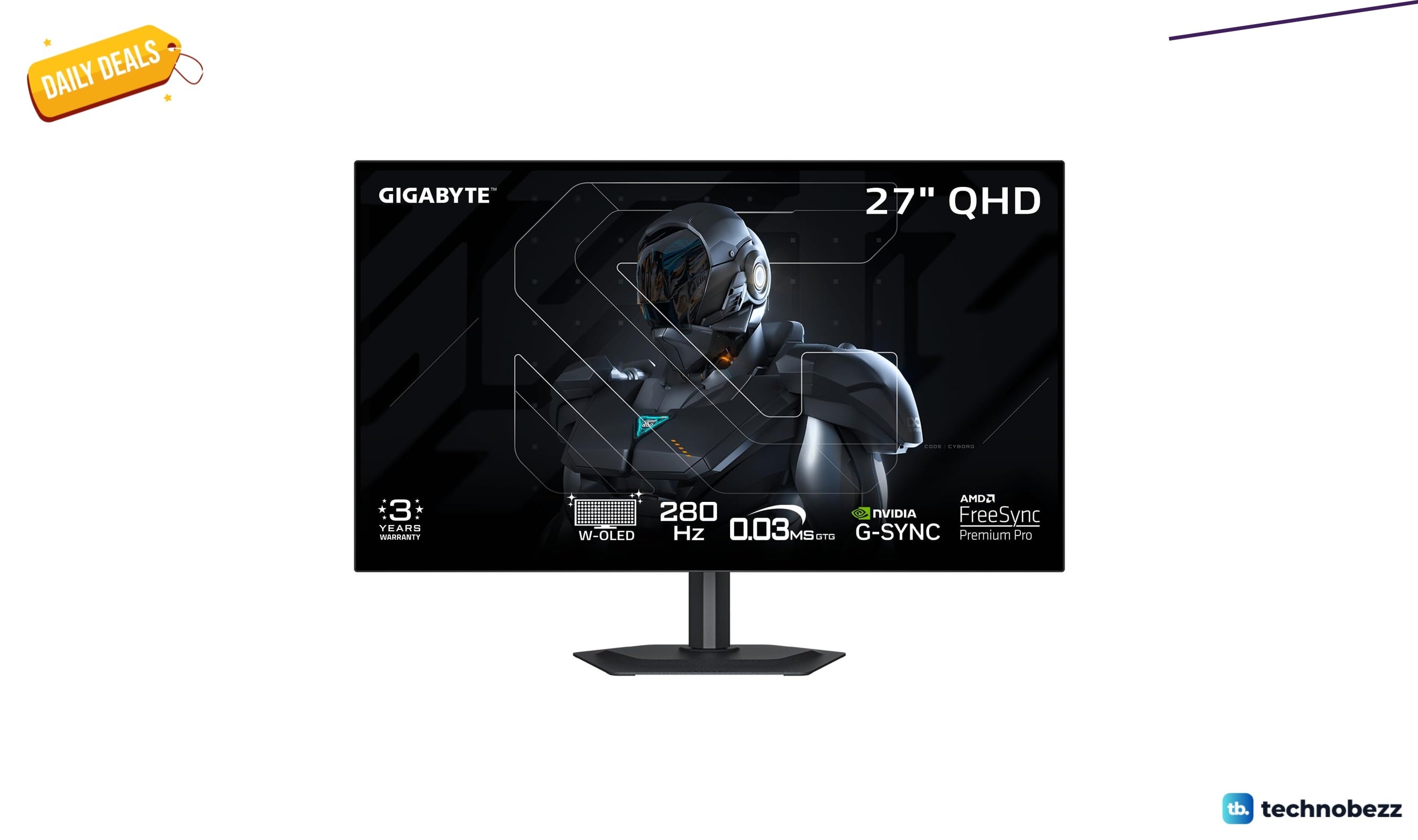
GIGABYTE MO27Q28GR 27" W-OLED Gaming Monitor QHD hits new low at $423.99
3 min read