
When your Acer Swift Go 14 won't connect to WiFi, it feels like you're cut off. Whether the list of networks is empty, you're stuck on "Connecting," or you have a signal but no internet, these steps will get you back online.
Run the Windows Network Troubleshooter
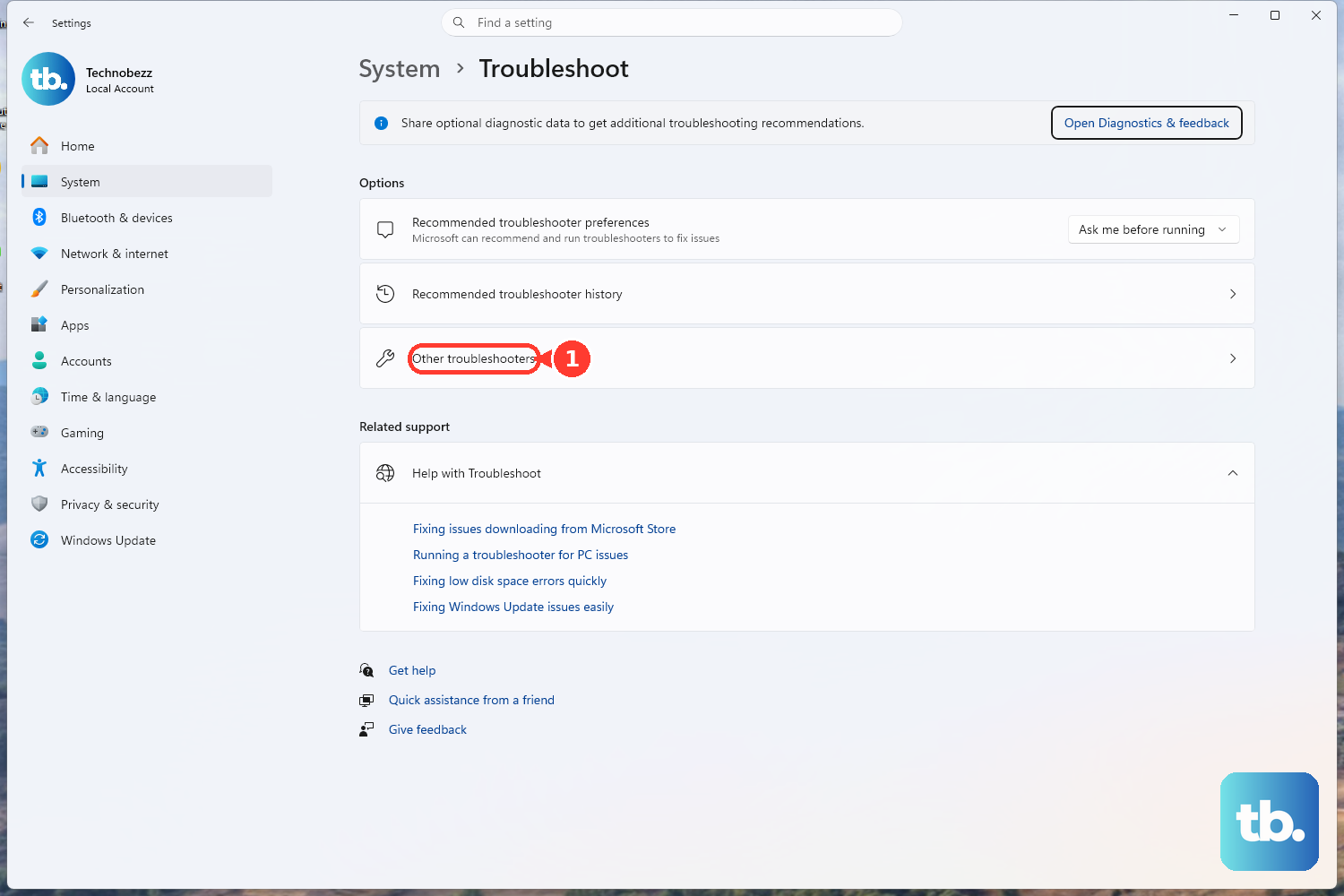
This is the quickest place to start. Right-click the WiFi icon in your taskbar and select Troubleshoot network problems. Windows will scan for common glitches and often fix them automatically. On Windows 11, you can also find it under Settings > System > Troubleshoot > Other troubleshooters > Network and Internet.
Toggle Airplane Mode On and Off
Click the network icon in the taskbar to open the quick settings panel. Find the Airplane Mode button and turn it on. Wait about 10 seconds, then turn it back off. This completely resets all your laptop's wireless radios, including WiFi, which can clear up a stuck connection state.
Forget and Re-add Your Network
Sometimes the saved connection profile gets corrupted. Go to Settings > Network & internet > Wi-Fi > Manage known networks. Find your home or office network in the list and click the Forget button next to it. Then, click the WiFi icon again, select your network from the list, and re-enter the password to reconnect fresh.
Update Your WiFi Driver
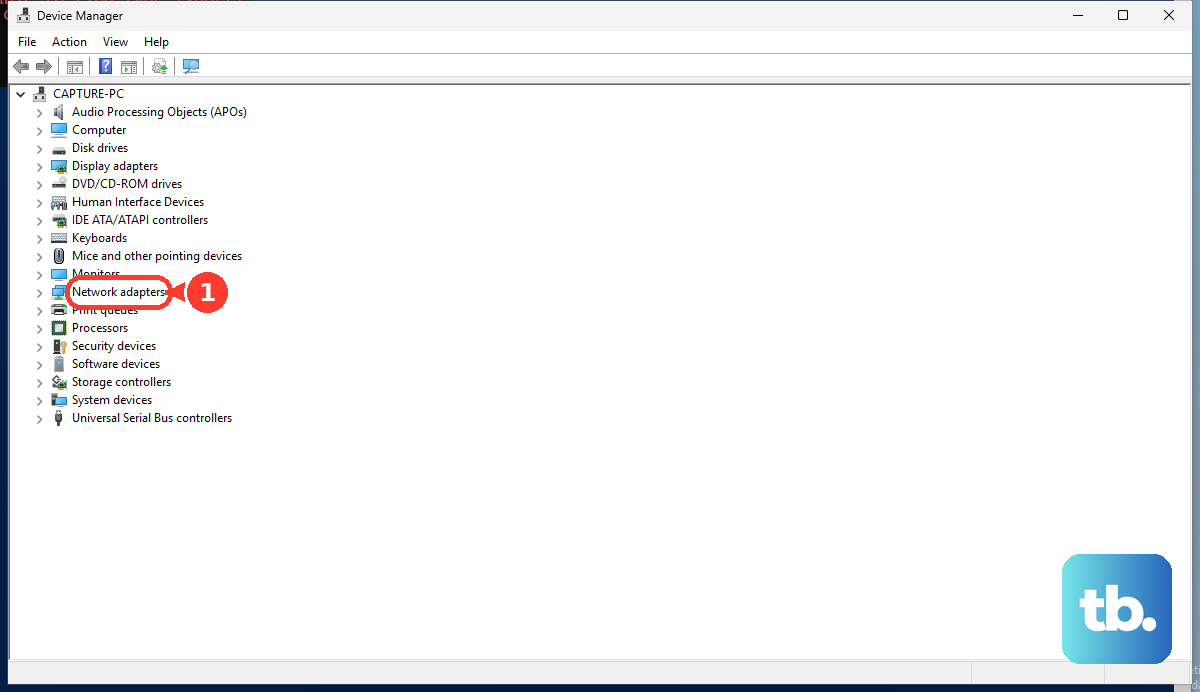
Outdated or buggy drivers are a frequent culprit. Press the Windows key + X and choose Device Manager. Expand the Network adapters section, right-click your wireless adapter (it might be named Intel Wi-Fi 6E or similar), and select Update driver > Search automatically for drivers. For the Swift Go 14, I'd also check the Acer Care Center app, as it can provide manufacturer-tested driver updates.
Perform a Full Restart
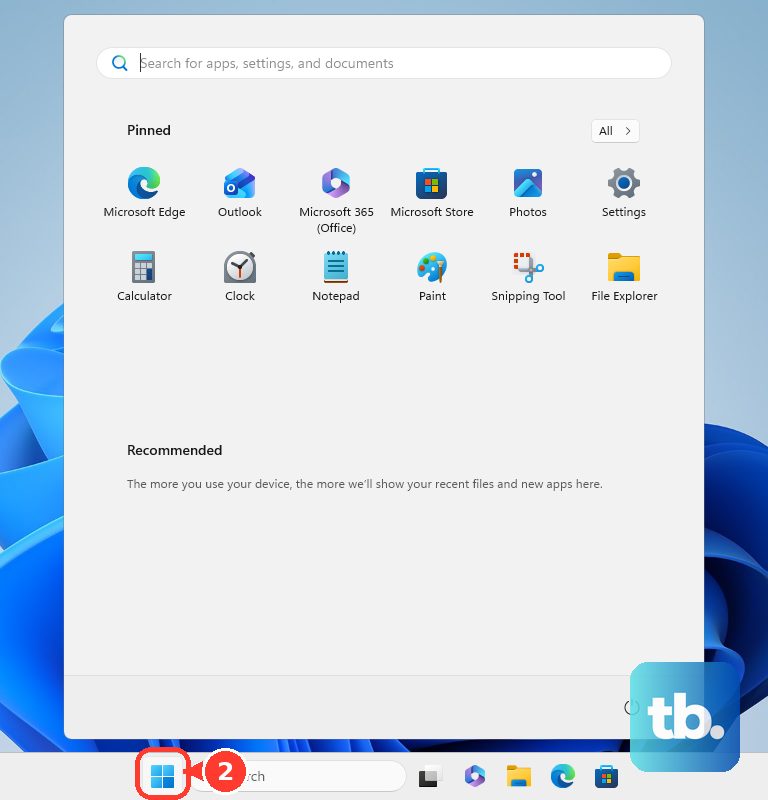
Don't just put it to sleep. Click Start > Power > Restart. A full shutdown and boot clears the system's memory and reloads all drivers from scratch, which can resolve temporary software conflicts that block WiFi. It's a simple step that works more often than you'd think.
Disable and Re-enable the Network Adapter
If you don't want to restart the whole laptop, you can just reset the WiFi hardware. Go back into Device Manager > Network adapters. Right-click your WiFi adapter again, but this time select Disable device. Wait a moment, then right-click it once more and choose Enable device. This forces the adapter to reinitialize.
Reset Your Network Stack
This is a more thorough refresh. Go to Settings > Network & internet > Advanced network settings. At the bottom, click Network reset. On the next screen, click Reset now and confirm. This will remove and reinstall all network adapters and set components back to default. You'll need to reconnect to WiFi and re-enter passwords afterward.
Use Command Prompt to Flush DNS and Reset Winsock
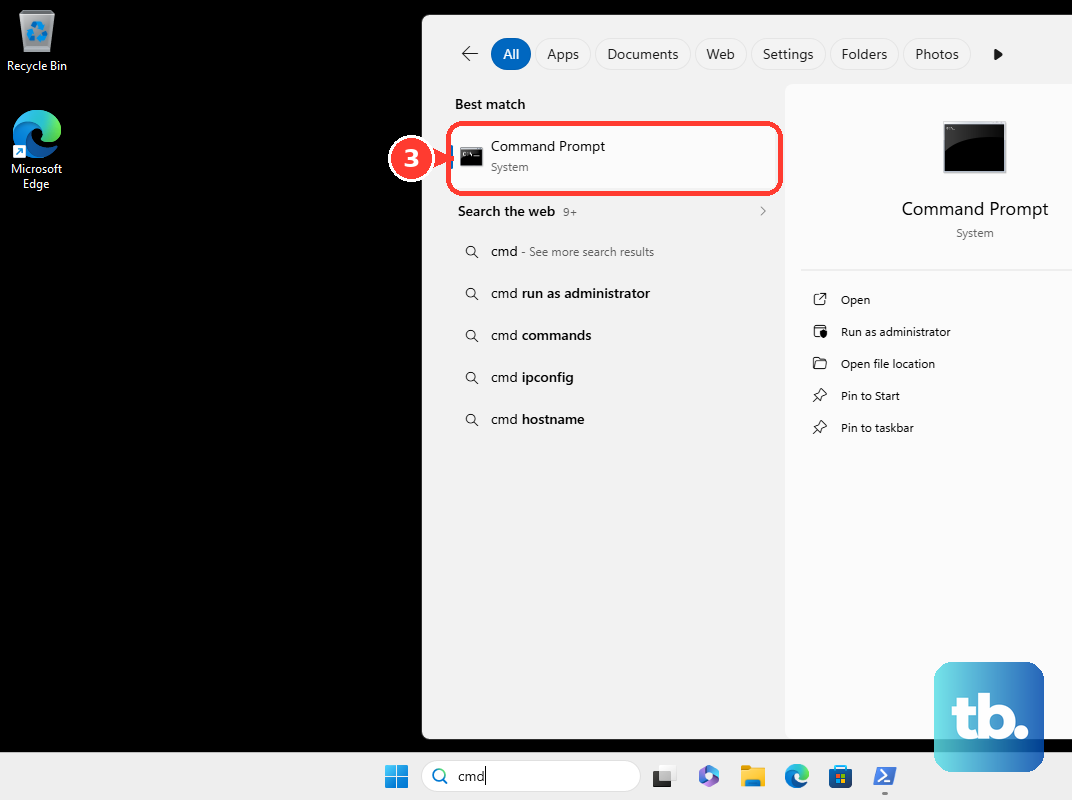
Search for "cmd" in the Start menu, right-click Command Prompt, and select Run as administrator. Type or paste the following commands one at a time, pressing Enter after each:
ipconfig /flushdns
netsh winsock reset
netsh int ip reset
After the last command, restart your Swift Go 14. This clears local DNS caches and resets core networking files that can sometimes become corrupted.
Check for Windows Updates
Microsoft periodically releases updates that fix compatibility issues with certain routers or security protocols. Go to Settings > Windows Update and click Check for updates. Install any available feature or quality updates. There have been instances where specific Windows builds introduced WiFi problems that were patched later.
Test with a Different Network and Check Your Router
To rule out a problem with your laptop's hardware, try connecting to a different WiFi source. Use your phone's mobile hotspot if you have one. If your Swift Go 14 connects to the hotspot without issue, the problem is likely with your primary router or internet service. In that case, restart your router by unplugging it for 30 seconds. If no devices in your home can get online, you may need to contact your internet provider.