

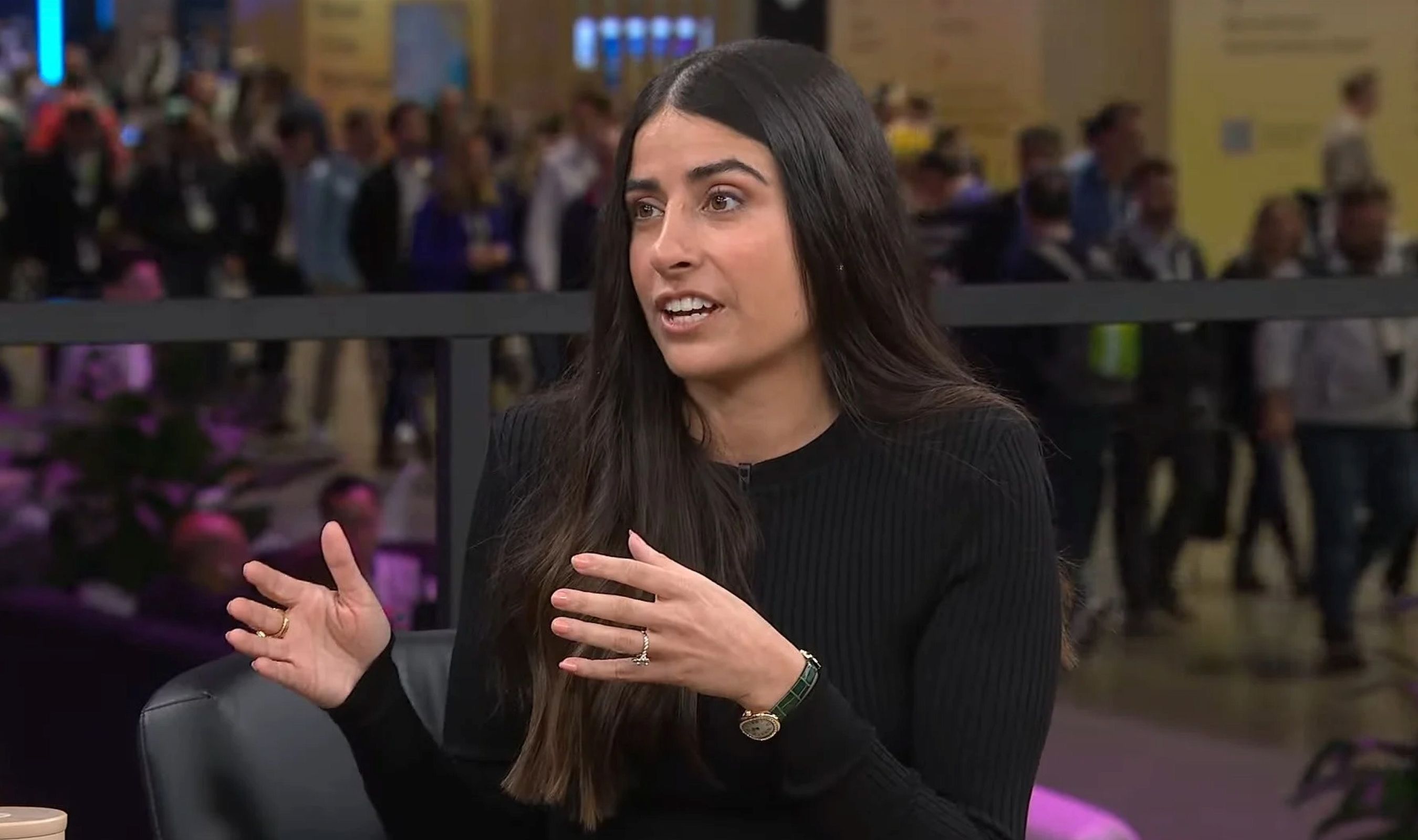
Three days after cutting 3,200 Xbox jobs in the largest restructuring in the division's history, Asha Sharma was named co-lead of a Federal Reserve task force on employment and productivity. The gaming press is having a field day. Kotaku's headline: "Xbox CEO Will Advise Federal Reserve On Jobs After Mass Layoffs."
PC Gamer noted the Fed's mandate is supposed to represent a "commitment to price stability and maximum employment." The Fed announced five new external advisory groups on July 9, covering Productivity and Jobs, Inflation Frameworks, Communications, Balance Sheet, and Data. Sharma is the only sitting CEO named to any of them.
Her co-leads on the Productivity and Jobs panel are Marc Andreessen, the venture capitalist and vocal AI booster, and Stanford economist Charles I. Jones, who is currently on leave at Anthropic, maker of the Claude AI chatbot.
The task force's mission: "assess the economic impact of new general-purpose technologies, including artificial intelligence, to inform the Federal Reserve's policy judgments." Recommendations are due by year end.
Sharma's layoff plan cuts deep. About 1,600 employees lost their jobs immediately on July 6 and 7, with the remaining 1,600 rolling out over the 2027 fiscal year. The cuts represent roughly 20% of Xbox's workforce. Four studios, Double Fine, Ninja Theory, Undead Labs, and Compulsion Games, are being spun off. Deep reductions hit ZeniMax Online, id Software (136 jobs confirmed via WARN notice), and Obsidian Entertainment. Sharma called it the most significant restructuring in Xbox history.
She is also less than five months into the CEO role, having taken over in February with a mandate to turn around a gaming division that spent more than $20 billion over five years while its core revenue shrank. Her background is in AI, she previously ran Microsoft's CoreAI product division before becoming the first Xbox chief to arrive from an AI background rather than gaming.
That AI pedigree is why the Fed wants her. Most economists on central bank panels lack direct operational experience deploying AI at the scale of a major tech company.
Sharma has that. The tension is that she is advising the government on how AI reshapes employment while executing that reshaping in real time at Xbox.
The backlash extended beyond gaming Twitter. Microsoft communications chief Frank Shaw took to X on Friday to knock down claims that the cuts were made to replace employees with foreign workers, calling it "bad information" and noting that the H-1B visa figures being cited are company-wide renewals, not Xbox-specific.
He also pointed out that Sharma is "an American born, raised, and educated CEO, from Wisconsin."
Fed Chairman Kevin Warsh, in the job less than two months, framed the task forces as necessary because "the U.S. economy has changed significantly over the last generation, and never more so than right now." The monetary policy stakes are real. The task force's conclusions, due by the end of 2026, could directly influence how the Fed treats AI in its rate-setting models.
A finding that AI is deflationary (replacing labor, compressing wage growth) would support rate cuts. A finding that AI is inflationary (energy demand, reshoring, capex boom) would support holding rates higher.
Polymarket traders currently assign a 78% probability of zero Fed rate cuts in 2026.
It is hard to imagine this was the timing Microsoft or Sharma wanted. The Federal Reserve sets its own schedule. But the executive who just cut 3,200 gaming jobs will now help write the report that could shape how the central bank thinks about jobs for the next decade.