
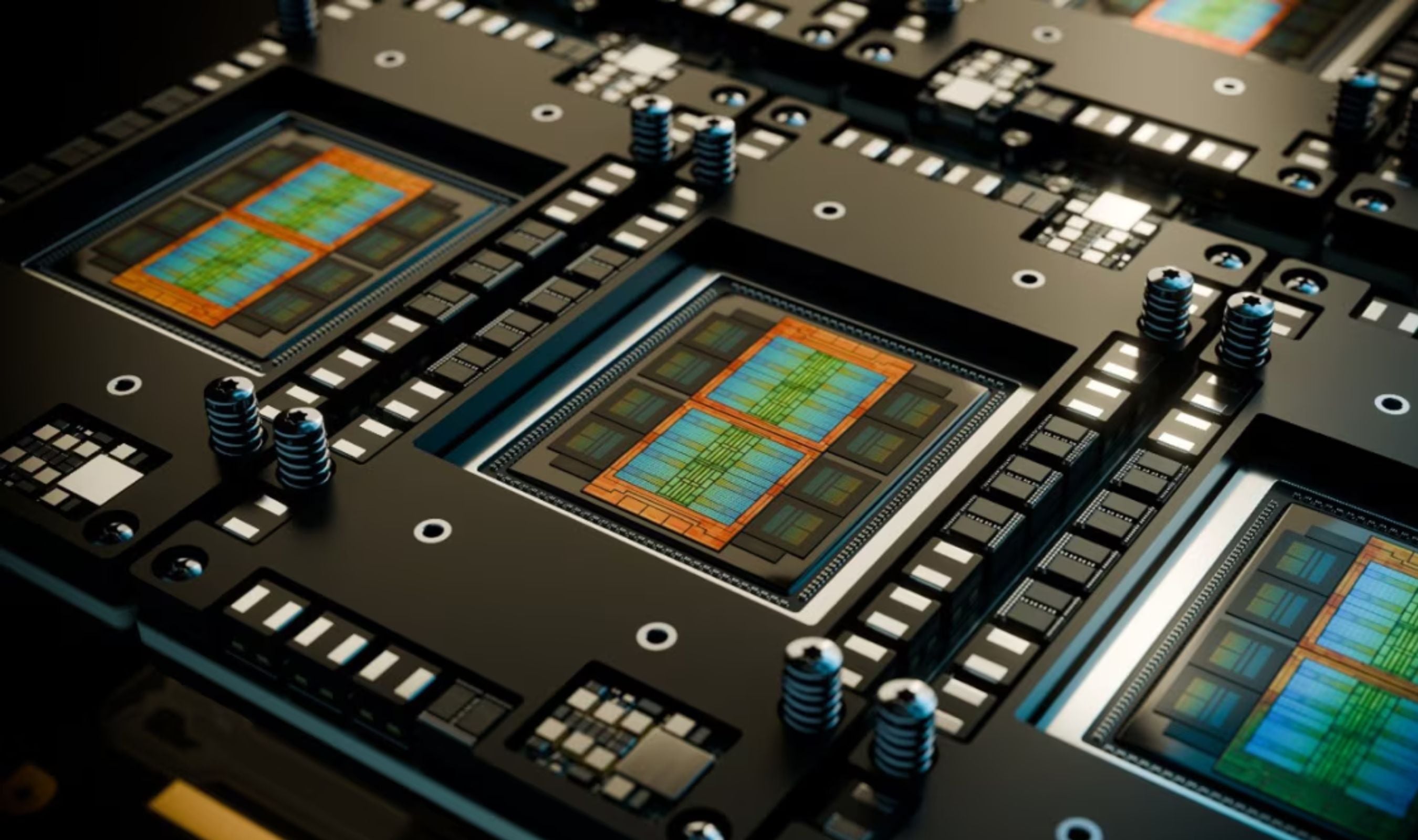
South Korea's push for AI independence could deliver AMD a significant Asian customer, with startup Upstage negotiating a 10,000-unit order of MI355 accelerators.
Upstage Chief Executive Officer Sung Kim confirmed discussions with Advanced Micro Devices about acquiring the latest generation AI chips during a meeting with AMD CEO Lisa Su in Seoul last week. The potential deal centers on AMD's MI355 accelerators designed for demanding artificial intelligence workloads.
"We have a lot of NVIDIA chips in Korea, but we want to diversify to other chips, including AMD's,"
Kim told Bloomberg Television on Monday. The comment signals a deliberate move by South Korean AI developers to reduce reliance on a single supplier as demand for computing infrastructure accelerates.
The proposed order would provide Upstage with meaningful additional capacity for model development while giving AMD an entry point into South Korea's competitive AI hardware market. Upstage participates in South Korea's state-backed initiative to build national foundation models, making this procurement part of broader government-supported efforts.
A 10,000-chip purchase would represent a major validation for AMD's Instinct GPU family across Asia, coming alongside recent agreements like Samsung's HBM4 partnership and Celestica's rack-scale platform collaboration. These deals collectively aim to support large-scale AI cluster deployments that can compete with Nvidia-dominated infrastructure.
The negotiations highlight how regional AI programs are influencing global chip supplier dynamics beyond traditional hyperscaler customers.
For investors tracking Advanced Micro Devices, successful completion of this order would demonstrate tangible adoption of newer accelerators by customers actively scaling their infrastructure rather than merely testing capabilities.
If finalized, the Upstage agreement could serve as a reference deployment for other Asian nations pursuing sovereign AI projects while seeking alternatives to established market leaders. It positions AMD as a system-level supplier rather than just component vendor within complex national technology strategies.
South Korean technology policy increasingly emphasizes domestic control over critical infrastructure components including semiconductors and artificial intelligence systems. This procurement matches those objectives by diversifying supply chains while accessing cutting-edge accelerator technology required for next-generation model training.