
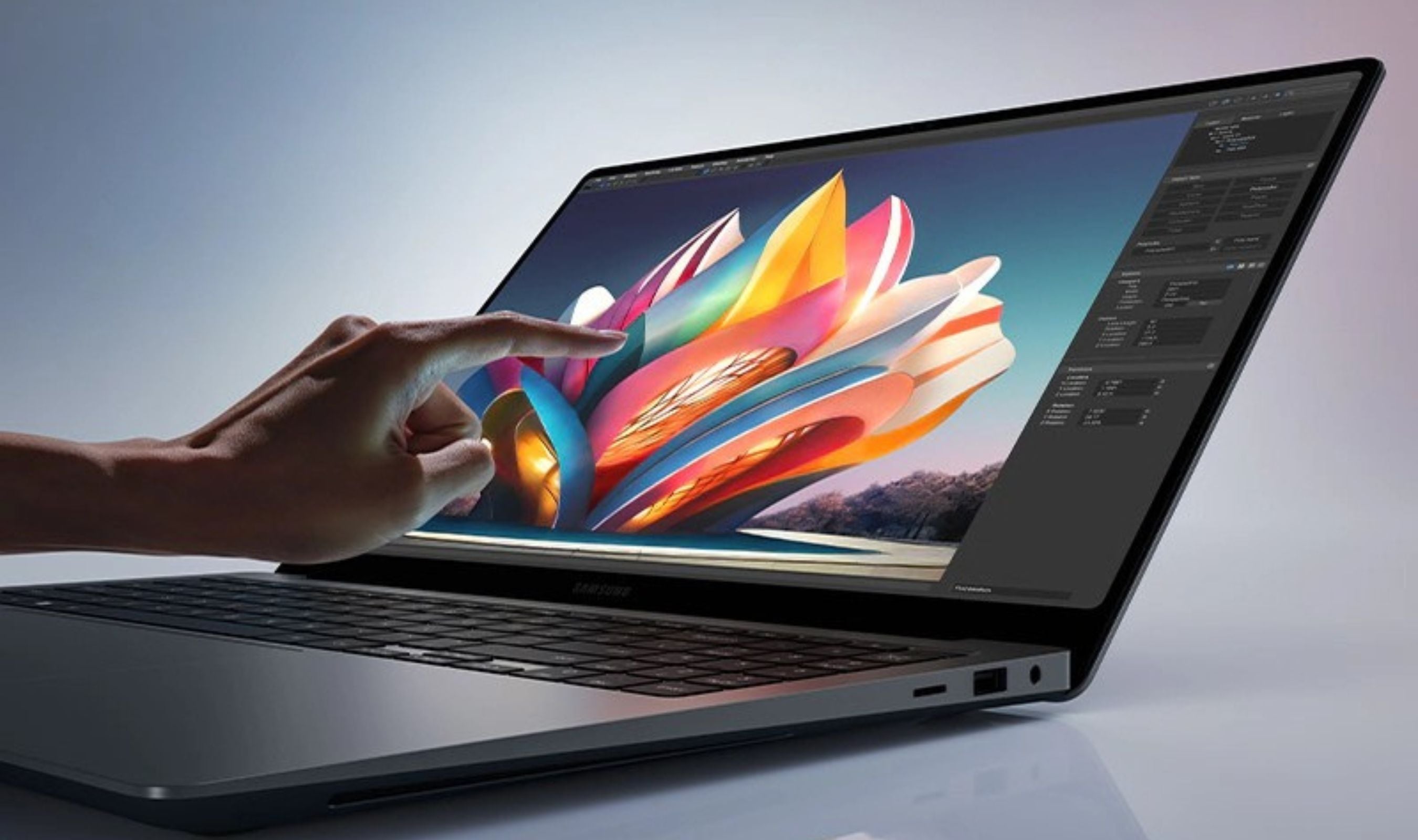
Android laptops are finally happening, and Samsung is going all in. The company is developing at least three Galaxy Book laptops running Android 17 with One UI 9 on top, according to an exclusive report from SamMobile. The lineup spans low-end, mid-range, and flagship models, with the top-tier version described as having a "very sleek" design aimed at competing with premium hardware.
This marks a decisive move away from Windows for Samsung's laptop lineup. The company currently sells Windows-powered Galaxy Book 6 devices alongside a single Galaxy Chromebook priced at $775. The Android-based Galaxy Books would unify Samsung's software experience across phones, tablets, smartwatches, TVs, and now laptops all running One UI. The software stack is the real story. Samsung is reportedly building on Google's upcoming desktop operating system, codenamed Project Aluminium, which extends ChromeOS with Android foundations. That would let Samsung layer One UI 9 on top as a skin, similar to how it customizes Android on phones. An improved version of Samsung DeX is also in development for better desktop productivity, and it should integrate with DeX on Galaxy phones and tablets.
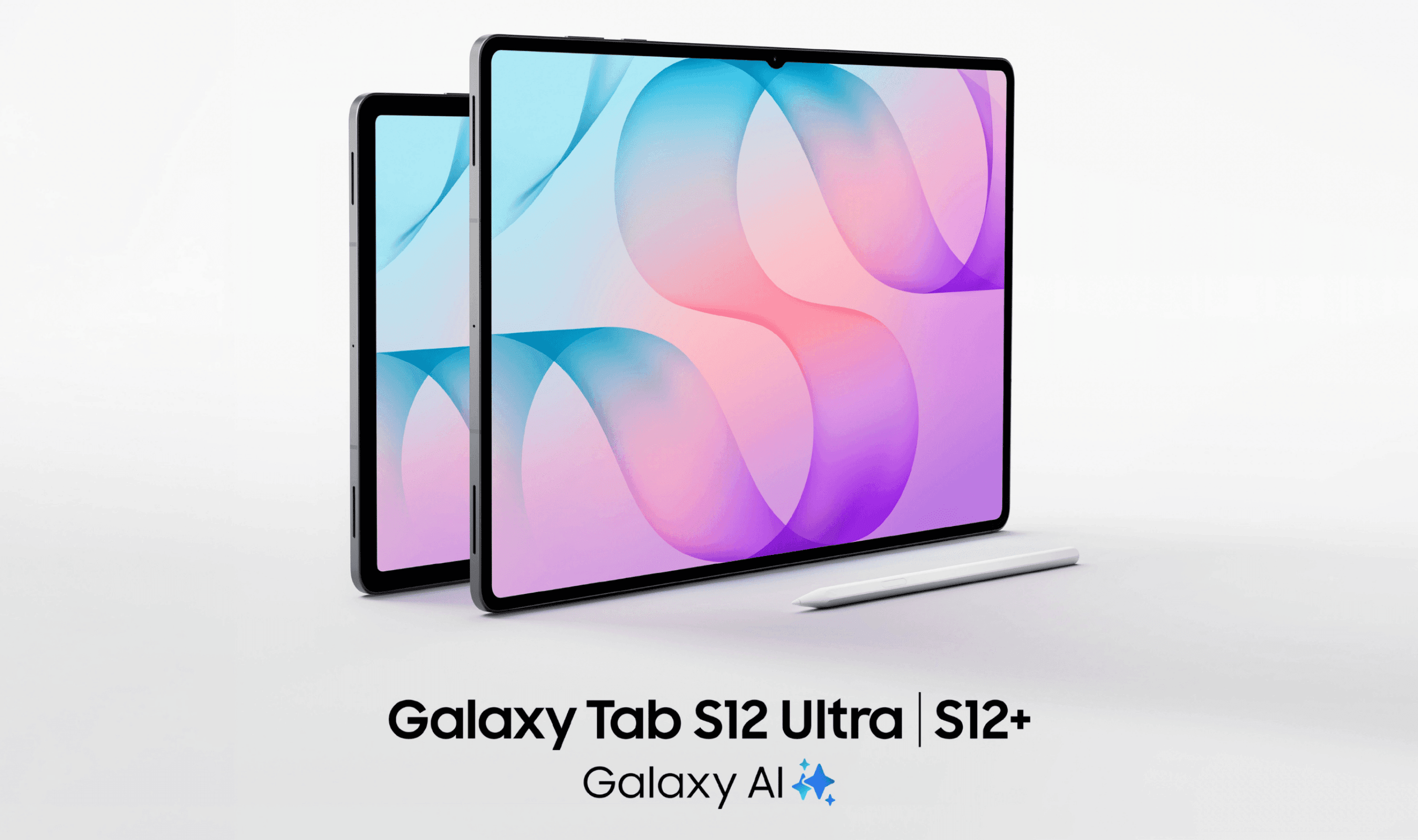
Galaxy AI features will carry over from Samsung's phones and tablets to the new laptops. That means features like AI-powered productivity tools that debuted on the Galaxy S series could become native to the laptop experience. The timing matters. Samsung expects Google to unveil Android 17 at I/O in May, and these laptops could launch later this year. The company already proved it can pivot operating systems on hardware: it switched its smartwatches from Tizen to Wear OS a few years ago, a transition that improved app support and ecosystem cohesion.
Samsung's smartphone business is still the cash cow the MX division reported 38.1 trillion won in revenue for Q1 2026, up 30% from last quarter. But operating profit fell nearly 35% year-over-year, and the company expects revenue to dip in Q2.
Diversifying into Android-powered laptops gives Samsung a new growth vector beyond phones and the memory chips that drove its record 133.9 trillion KRW quarter. The bigger question for Google is whether it will let OEMs heavily skin Project Aluminium the way they skin Android phones. If Samsung layers a heavy One UI interface over Google's desktop OS, the uniform ChromeOS experience that defined the platform for a decade could fracture.
Samsung's three-tier Android laptop strategy will test that tension from day one.