
Samsung Electronics handed its Visual Display Business to a marketing and content specialist on Monday, swapping out an R&D veteran as the company faces price pressure from Chinese competitors and slowing global TV demand.
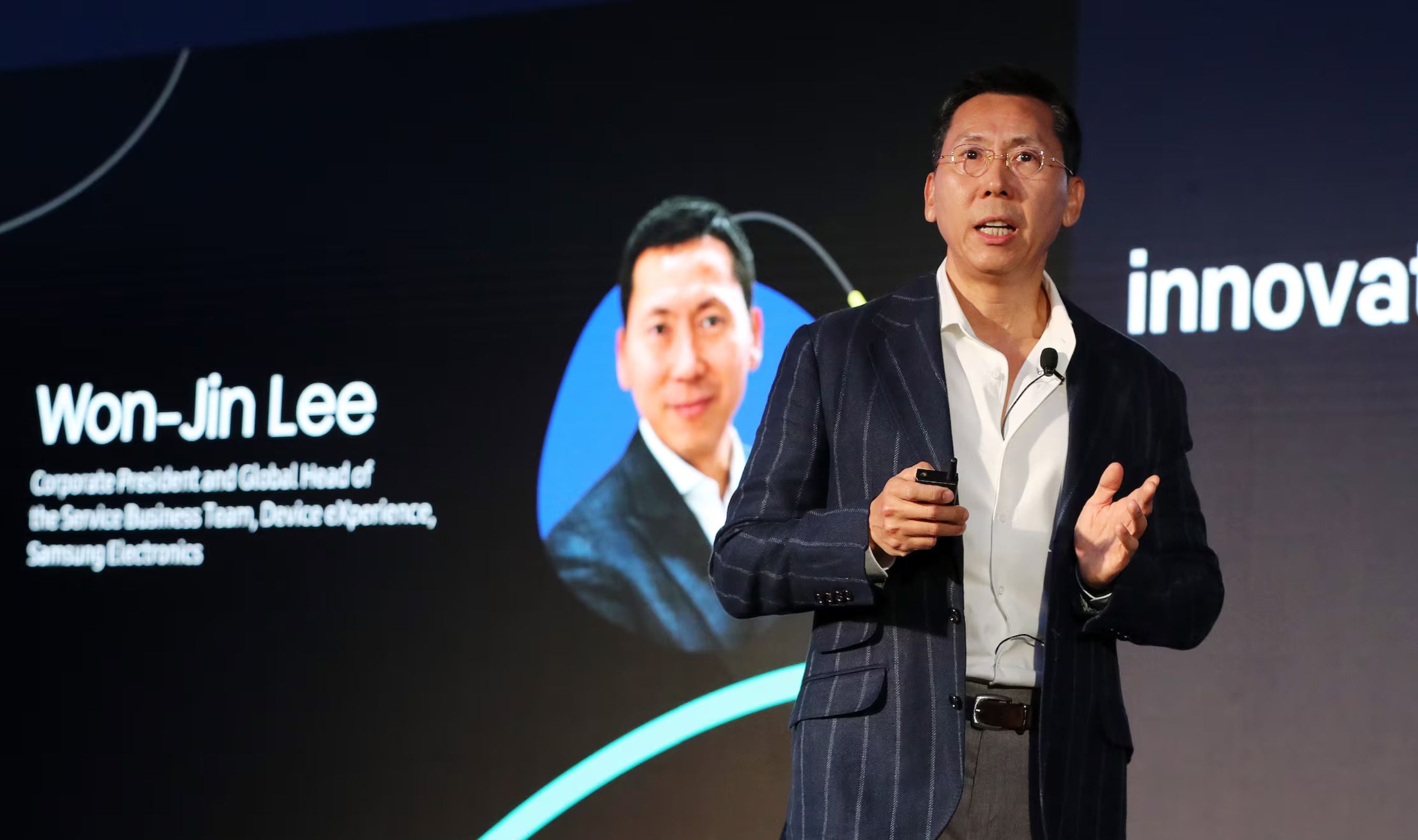
President Won-Jin Lee, previously head of the Global Marketing Office, takes over the division that makes Samsung's TVs and displays. He succeeds President Seok Woo Yong, who held the role for an unspecified period and now moves to an advisory position within the Device eXperience (DX) Division focused on AI and robotics. The appointment signals a strategic course adjustment, not just a routine rotation. Lee built his career on content, services, and marketing, not hardware engineering.
He joined Samsung in 2014 after a stint at Google, and the company credits him with helping construct the ecosystem tying Samsung's TV and mobile services together.
"Samsung Electronics named the new head of its visual display business to tackle current challenges," the company said in a statement cited by Yonhap. Lee is expected to "spearhead business turnarounds and identify new growth areas, thereby further strengthening the competitiveness of the visual display business." The timing reflects real market pressure. Chinese display makers have been aggressively undercutting Samsung on price, and the broader TV market has seen softening demand globally.
Handing the division to a marketing and services executive rather than a hardware-focused one suggests Samsung sees the fight shifting from panel specs to the software and content layer running on top.
Outgoing chief Seok Woo Yong, who led the Visual Display Business through a period of R&D investment, will now advise DX Division head on future technologies. His background in product development matches Samsung's push into AI-driven experiences and robotics, areas where hardware and platform integration still matter most.
Lee's promotion points to tighter integration between Samsung's TV lineup and its Galaxy device ecosystem, with more emphasis on services that generate recurring revenue rather than one-time hardware sales.