
Samsung Display announced on January 4 that it will showcase AI-integrated OLED technology at CES 2026 in Las Vegas from January 6-9. The display division's exhibition, themed "An Era of New Experiences Created by AI and Display," focuses on practical applications beyond smartphones.
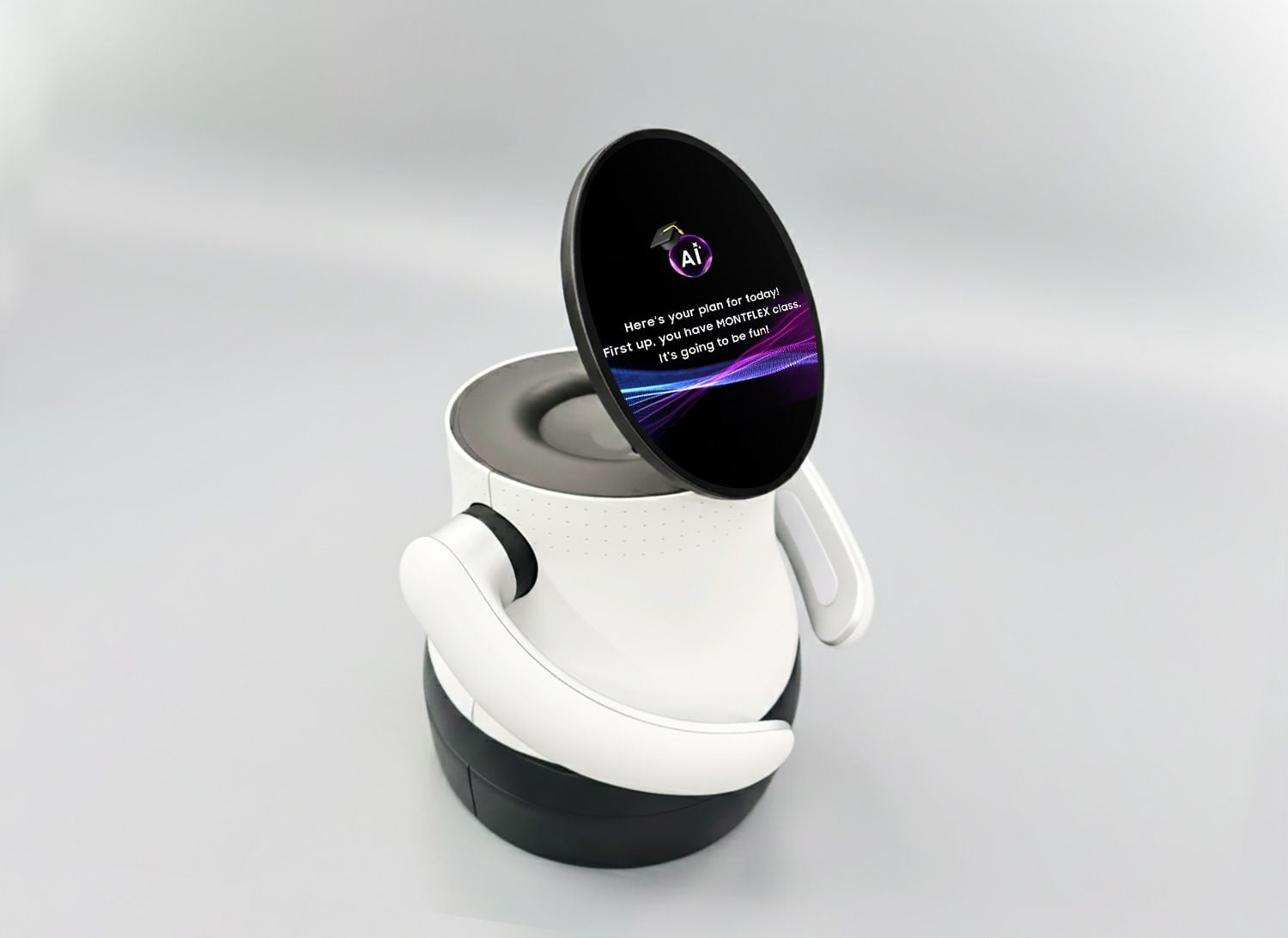
The centerpiece is the AI OLED Bot, a mobile assistant robot featuring a 13.4-inch circular OLED screen designed for university campuses. According to Samsung Display, the bot will provide classroom directions, professor profiles, and assignment details in environments where voice commands are impractical. Unlike rigid LCD panels, OLED technology enables curved and spherical designs that manufacturers can shape into robot faces or other custom forms.
Samsung Display will demonstrate durability through a "robot basketball" test where a robotic arm throws basketballs at a backboard made of 18 foldable OLED panels. The company also tests automotive OLED displays at -20°C, maintaining 0.2 millisecond response times compared to slower LCD performance in freezing conditions.
For laptops, Samsung introduces "UT One" technology that creates panels 30% thinner and lighter than previous dual-glass versions. The ultra-thin OLED structure targets lightweight AI laptops, with variable refresh rates dropping to 1Hz to conserve battery during AI-heavy workloads. This aligns with industry trends at CES 2026 where laptop makers prioritize efficiency alongside premium displays.
The exhibition includes vehicle OLED solutions like the "Flexible L" display that bends to fit driver and passenger sides, plus a 13.8-inch PID OLED for passenger entertainment. Samsung also showcases QD-OLED for AI TVs with brightness reaching 4,500 nits and a 1.4-inch micro-display for VR headsets featuring 5,000 PPI pixel density.
Samsung Display positions OLED as the primary interface for AI-driven devices, from classroom assistants to automotive safety systems. The company's CES presentation emphasizes how flexible, durable displays enable new interaction models beyond traditional rectangular screens.