
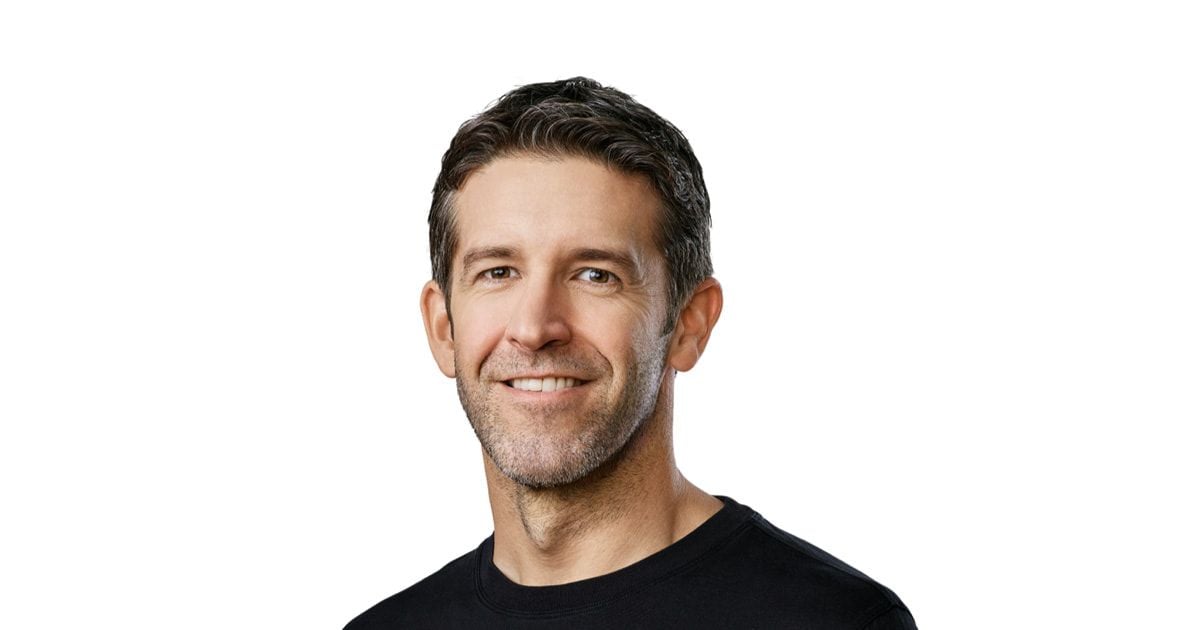
Apple hardware chief John Ternus has emerged as the leading candidate to succeed Tim Cook as CEO, according to a New York Times report citing four people close to the company. The 50-year-old senior vice president of hardware engineering now leads internal succession planning that accelerated last year.
Cook, 65, has reportedly told senior leaders he wants to reduce his workload after more than 14 years leading Apple. If he steps down, Cook would likely transition to chairman of Apple's board, according to three people familiar with the discussions. Apple shares fell 1% following the succession news.
Ternus represents continuity over radical change. His management style mirrors Cook's even-tempered, collaborative approach and deep supply chain knowledge. The hardware chief joined Apple in 2001 and oversees iPhone, iPad, Mac, and AirPods engineering teams.
His fiscal pragmatism defined a key 2018 decision. When Apple considered adding a $40 laser component for augmented reality features, Ternus advocated restricting it to iPhone Pro models. He argued loyal customers would value the technology while average buyers wouldn't justify the margin compression.
Other internal candidates include software chief Craig Federighi, services head Eddy Cue, marketing lead Greg Joswiak, and retail/HR executive Deirdre O'Brien. However, multiple sources indicate Ternus has moved to the front of the pack.
Internal opinions about Ternus remain divided. Some colleagues describe him as risk-averse and more focused on maintaining products than developing new ones. "If you want to make an iPhone every year, Ternus is your guy," said former Apple engineer Cameron Rogers, who worked at the company from 2005 to 2022.
Supporters point to his role in Apple's transition from Intel processors to Apple silicon and development of the iPhone Air. Ternus also reportedly declined private offices during his rise, choosing to work alongside engineering teams in open seating areas.
The succession planning comes as Apple's executive bench experiences turnover. Longtime COO Jeff Williams retired late last year, with Sabih Khan taking over operations responsibilities. Apple described that transition as long-planned, reducing execution risk around a future CEO change.
At 50, Ternus matches Cook's age when he took over in 2011. His hardware background contrasts with Cook's operations expertise but aligns with Apple's current priorities around cost control and supply reliability. The company faces growing artificial intelligence competition and complex regulatory environments in both the US and Europe.
Investors typically view succession clarity as positive, though some question whether a hardware-focused leader can drive software and services innovation needed for AI competition. Apple's next CEO will inherit a company that crossed $1 trillion, $2 trillion, and $3 trillion market-cap milestones under Cook.
The board's decision represents a choice between operational continuity and visionary risk-taking. Ternus's steady, collaborative approach positions him as a stabilizing choice, but internal debate continues about whether Apple needs another operations-focused leader or a more product-driven figure reminiscent of Steve Jobs.
Some reports suggest Apple could announce a CEO transition in 2026, potentially timed around key company events, though no official timeline has been confirmed.