
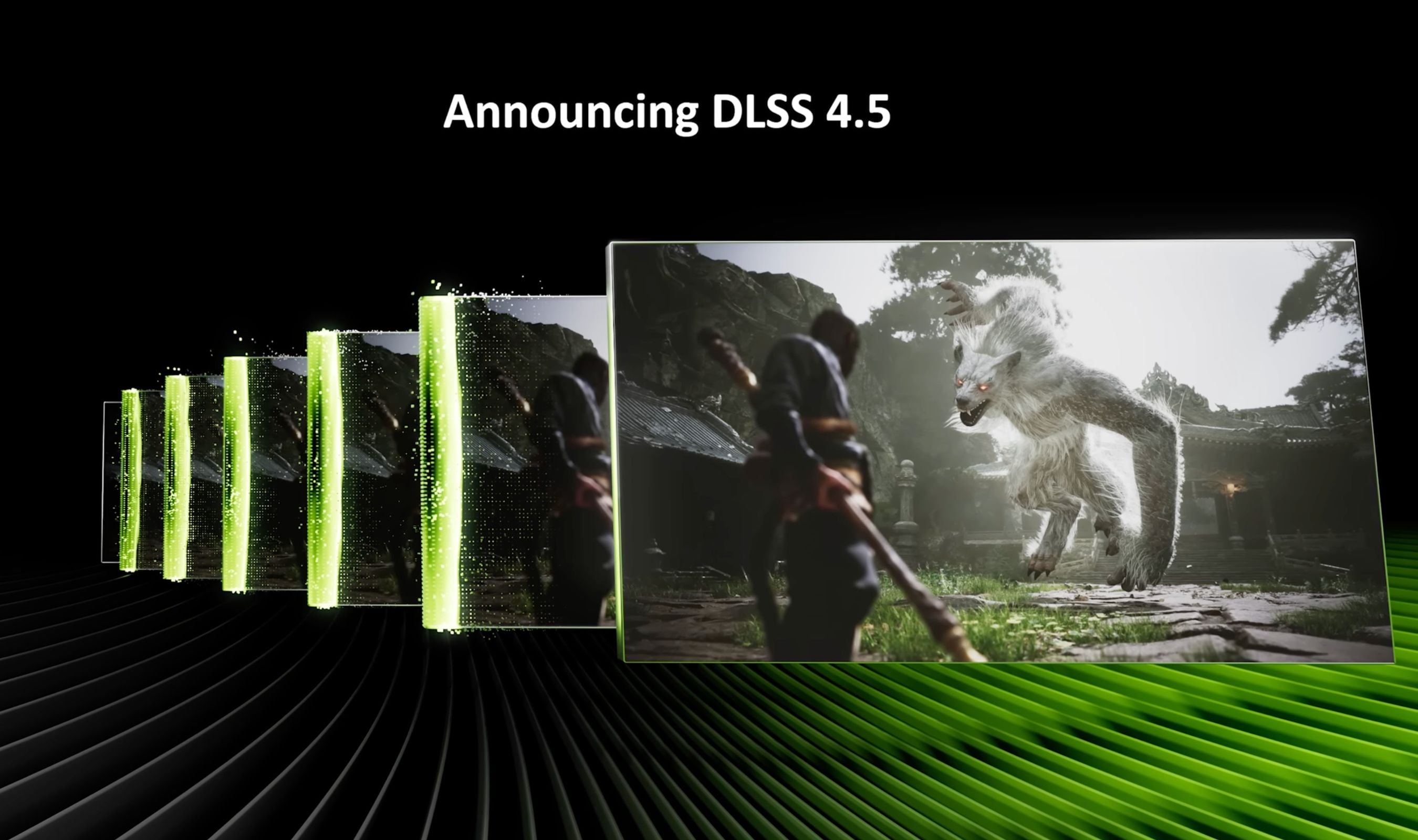
Nvidia's latest AI upscaling technology now automatically shifts between performance modes like a transmission, introducing dynamic frame generation that adapts to gaming workloads in real time. The DLSS 4.5 update arrived today through a beta release of the Nvidia app, bringing two major advancements to GeForce RTX graphics cards.
Dynamic Multi Frame Generation represents the most change, moving beyond fixed multipliers to automatically adjust frame generation based on current demands.
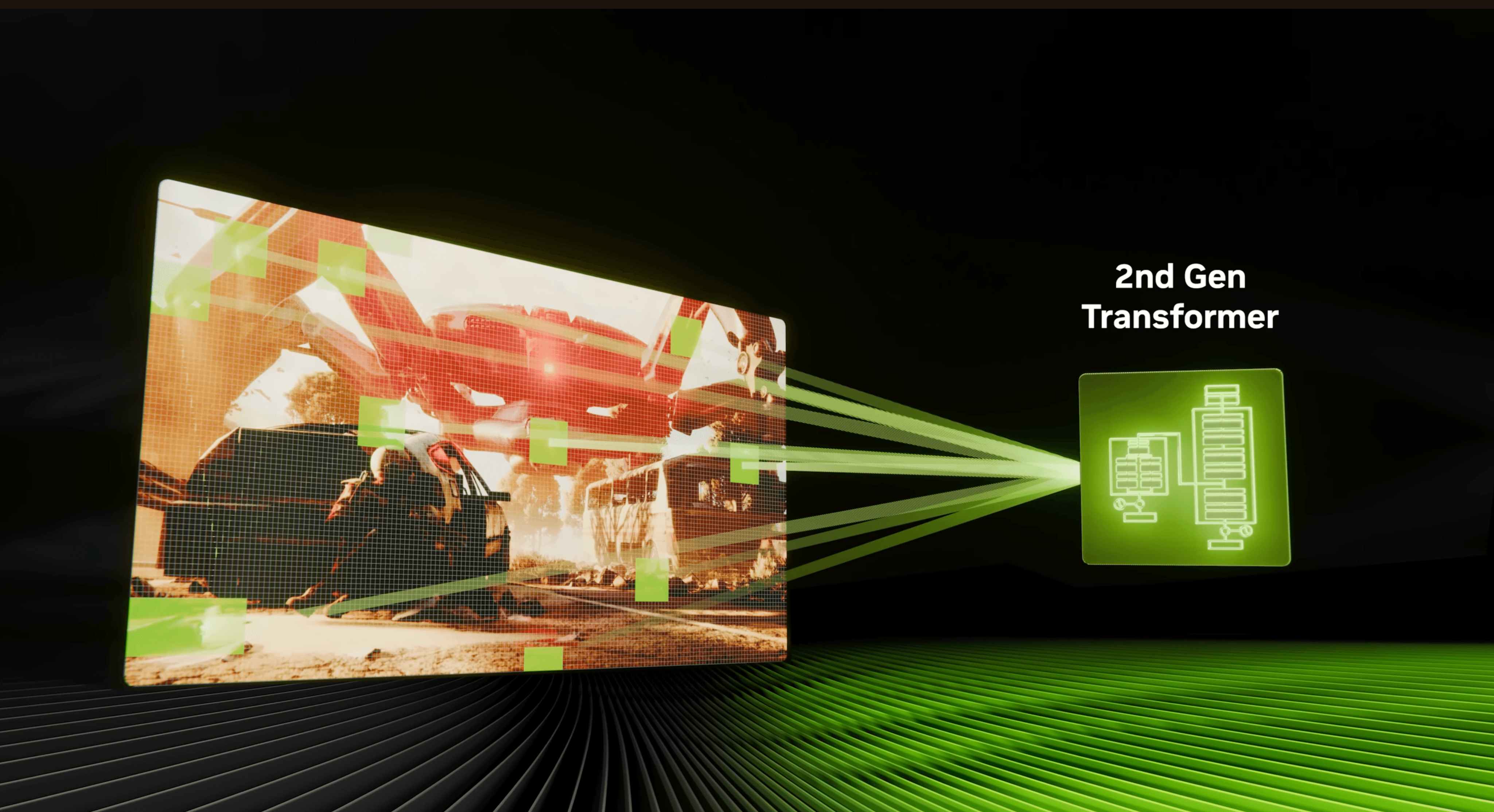
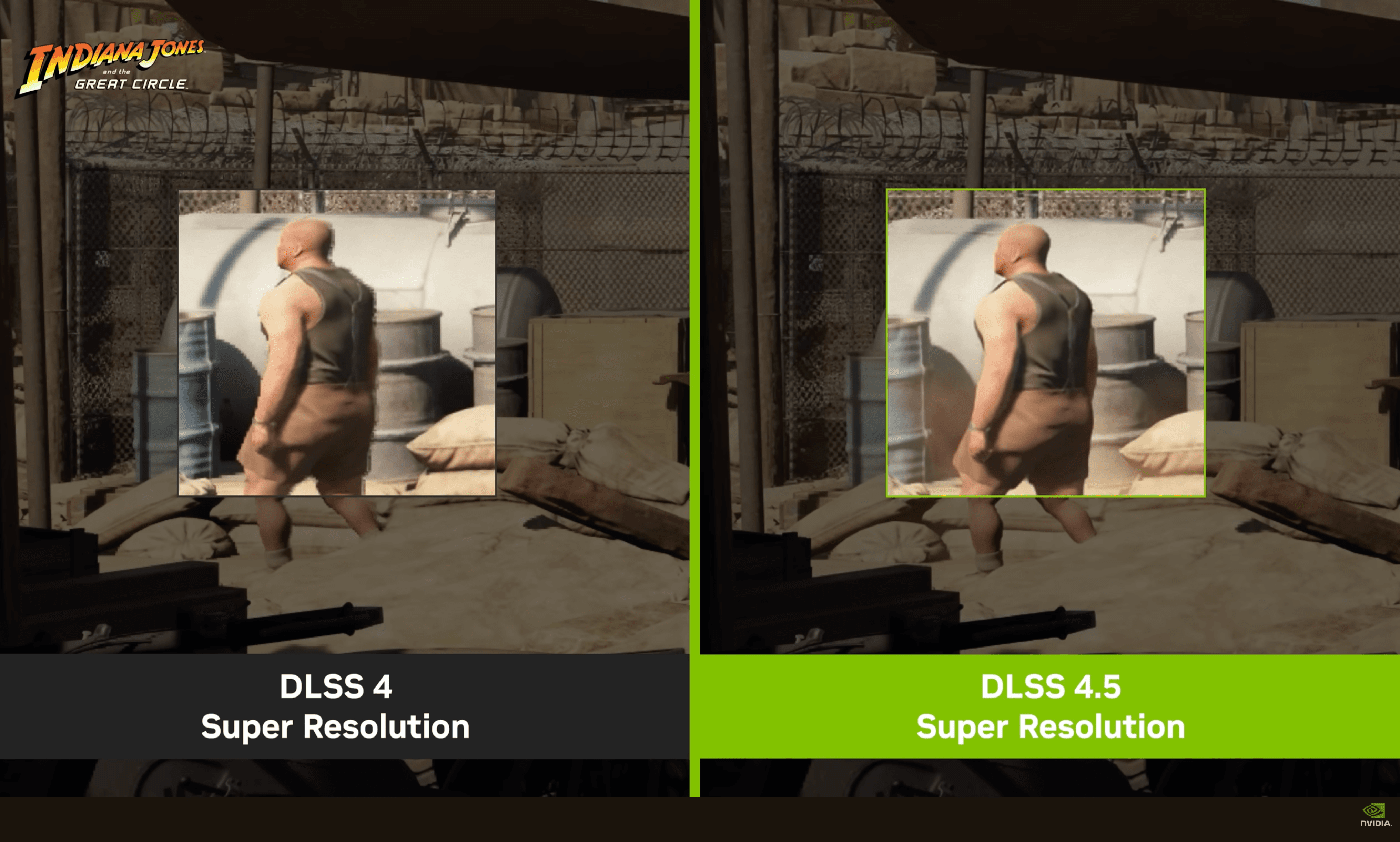
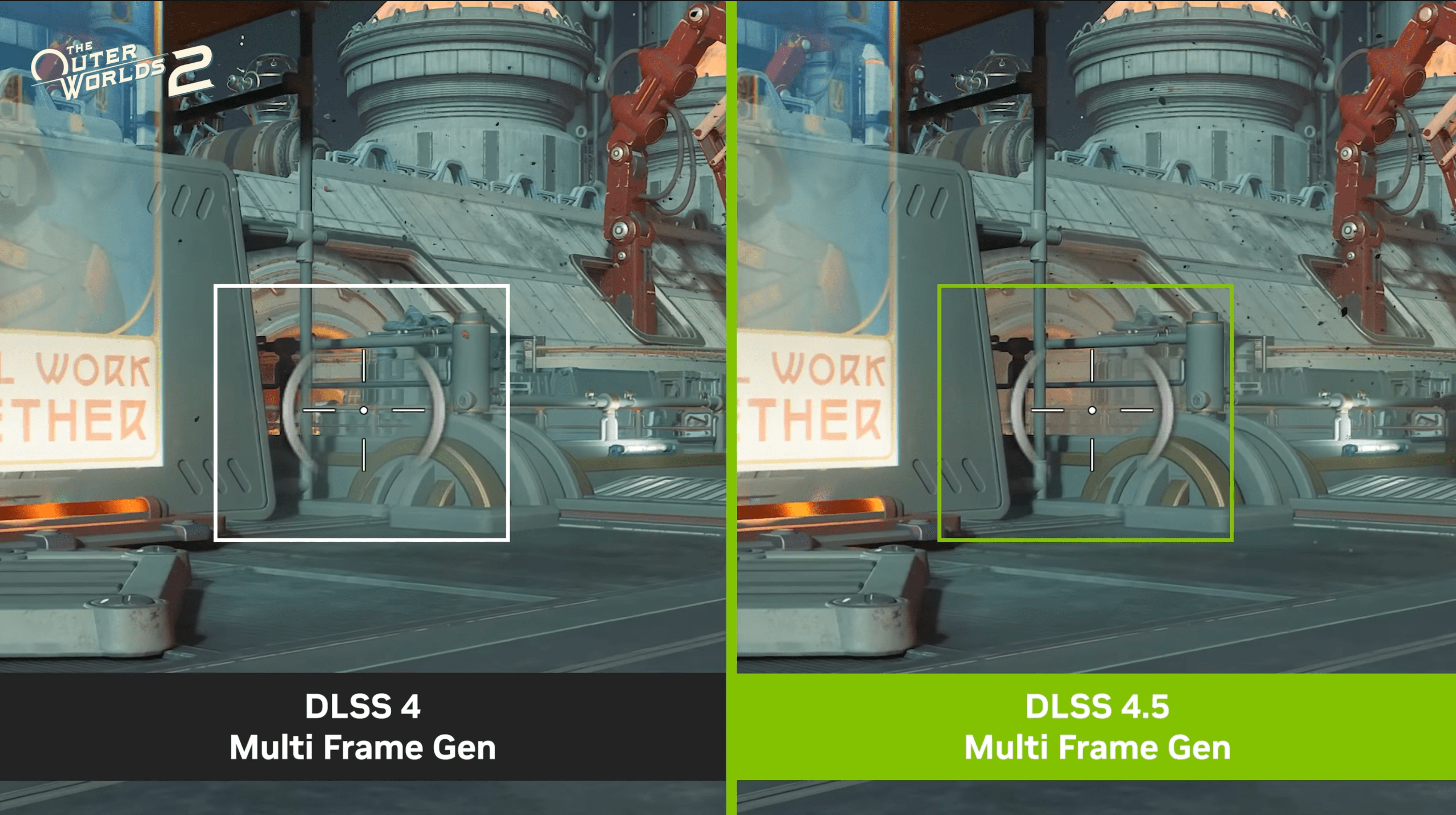
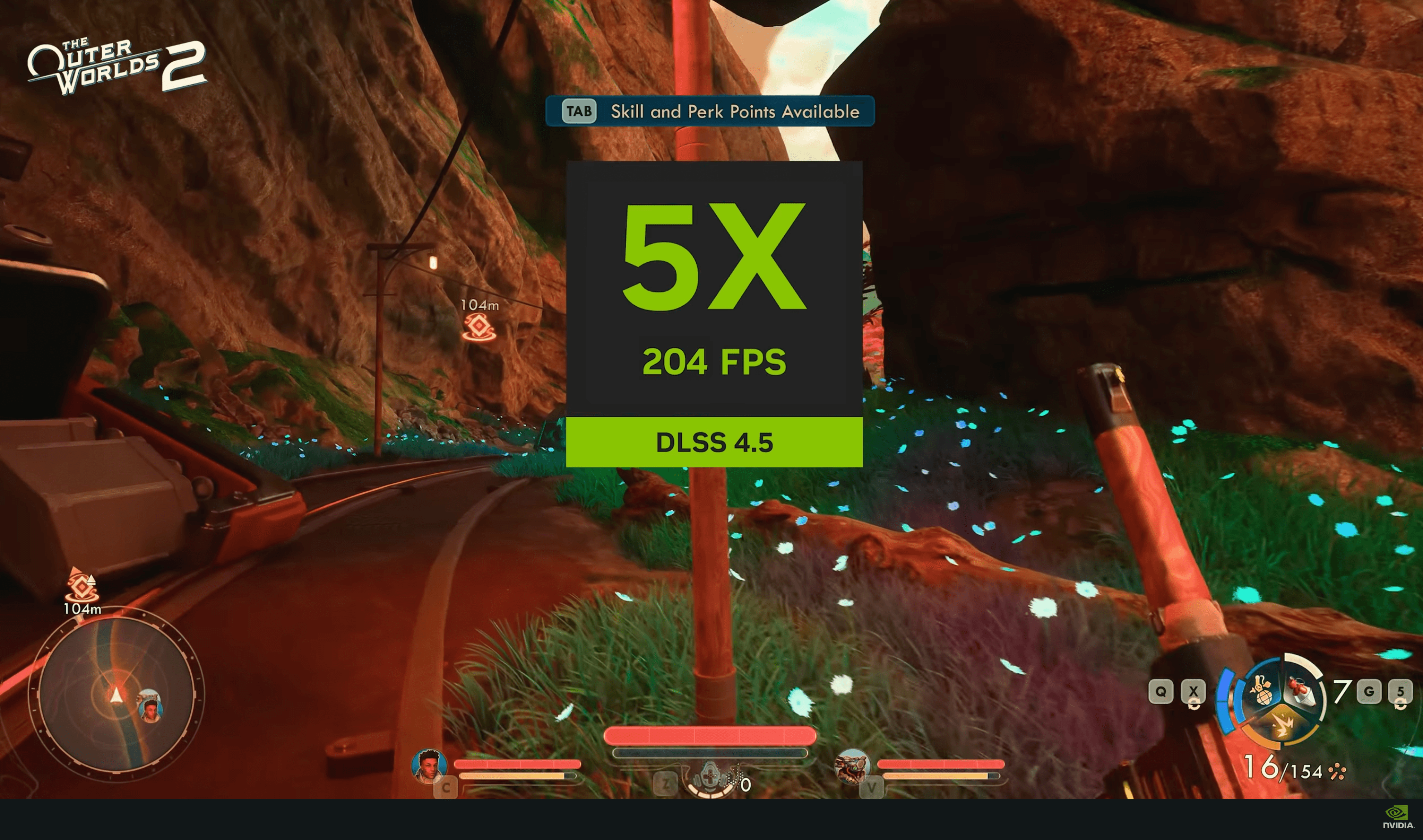
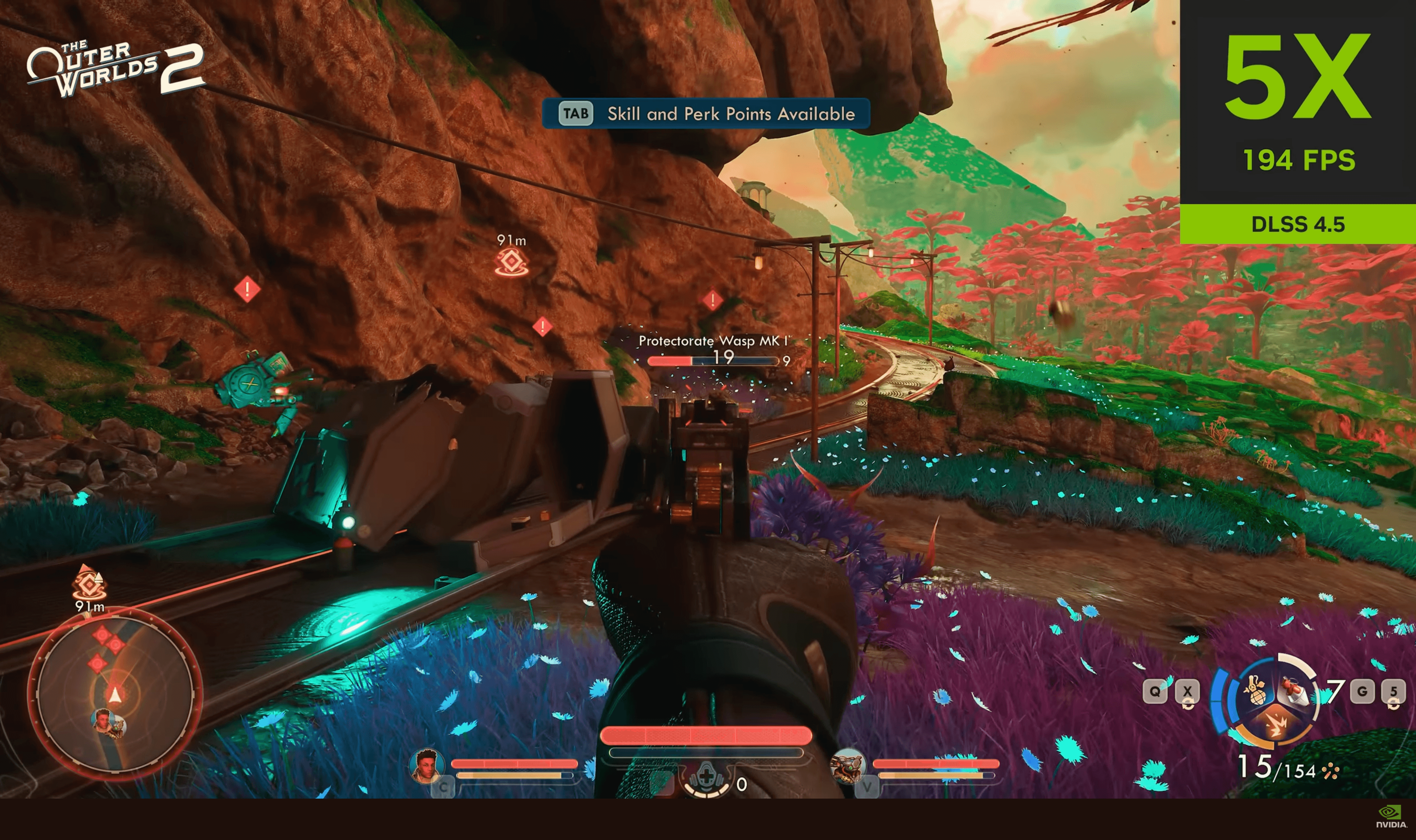
Described by Nvidia as an "automatic transmission" for RTX 50 series GPUs, the system increases frame generation during graphically intense scenarios to maintain smooth performance on high-refresh displays, then reduces the multiplier as workload lightens.
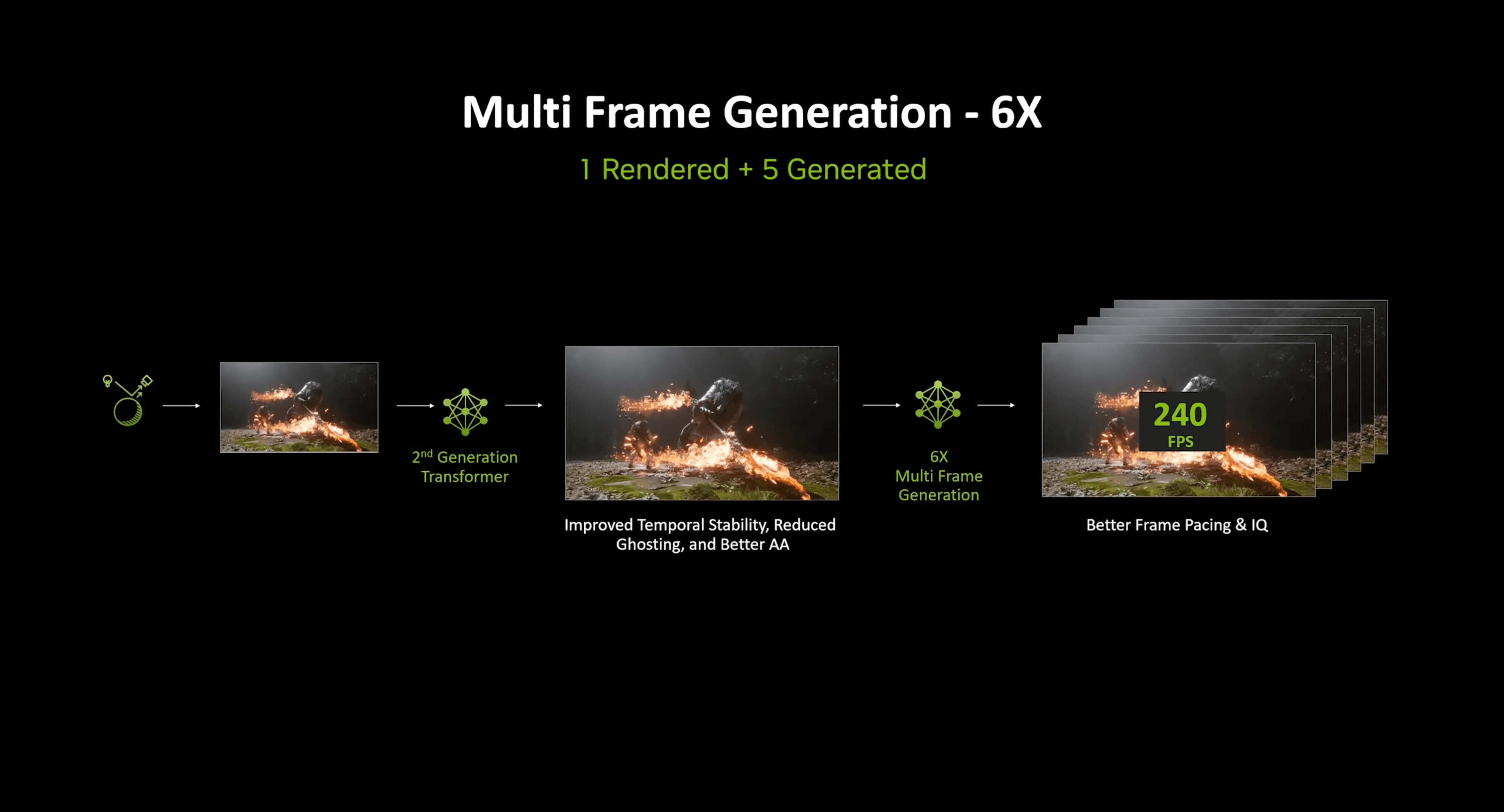
The new 6X Multi Frame Generation mode pushes artificial intelligence rendering further by generating five additional frames for every natively rendered frame. This is a jump from the previous maximum of four AI frames per native frame, with Nvidia claiming up to 35% higher 4K performance in path-traced titles compared to the older 4X mode.
Early signs of the rollout appeared through over-the-air distribution before today's official beta release, with users spotting Streamline 2.11 files and DLSSG version 310.6 components being pushed to systems. The update requires GeForce Game Ready Driver 595.79 WHQL or newer, which became available earlier this month alongside fixes for texture corruption issues in games like Halo Infinite.
RTX 50 series owners gain access to both dynamic adjustment capabilities and the maximum performance setting through the same beta interface. Users must opt into the Nvidia app's beta program via the About page in Settings to enable the features, which remain partially hidden until activated through this channel.
The shift from static multipliers marks a fundamental change in how DLSS manages performance scaling. Instead of selecting between fixed modes like 2X or 4X frame generation, the system now monitors workload intensity and adjusts output accordingly without user intervention.
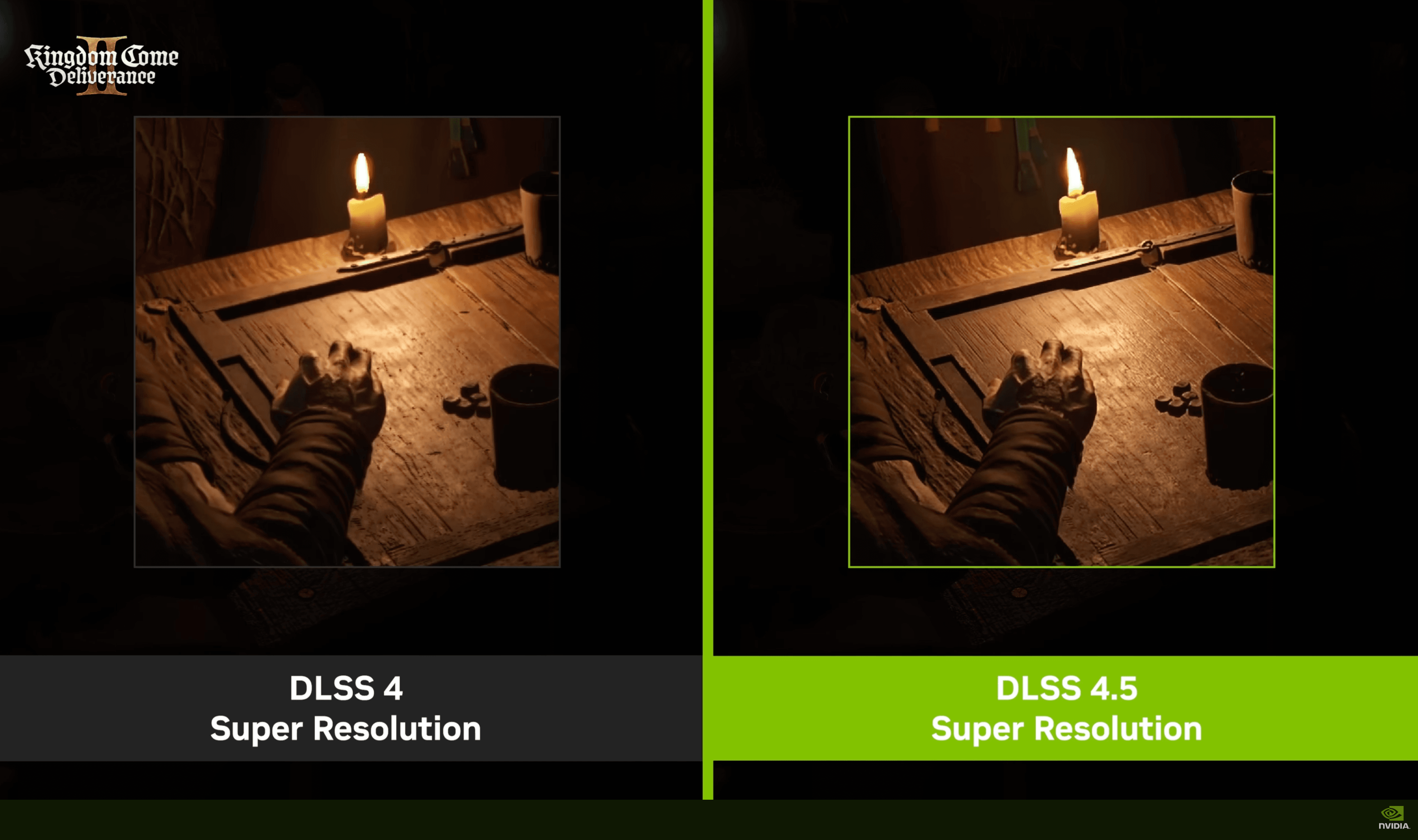
This approach aims to bridge performance dips during demanding scenes while conserving resources during lighter moments.
Nvidia's January preview of upcoming DLSS upgrades hinted at both dynamic scaling and expanded multiplier options, positioning today's release as the realization of those promised enhancements. The company continues expanding its AI-powered rendering ecosystem while maintaining backward compatibility requirements that keep older RTX hardware supported through driver updates.
Beta participants should expect broader availability throughout today as Nvidia completes distribution through its app platform. The rollout follows recent driver stability improvements after earlier R595 series releases faced issues with fan control and clock behavior that required corrective updates.