
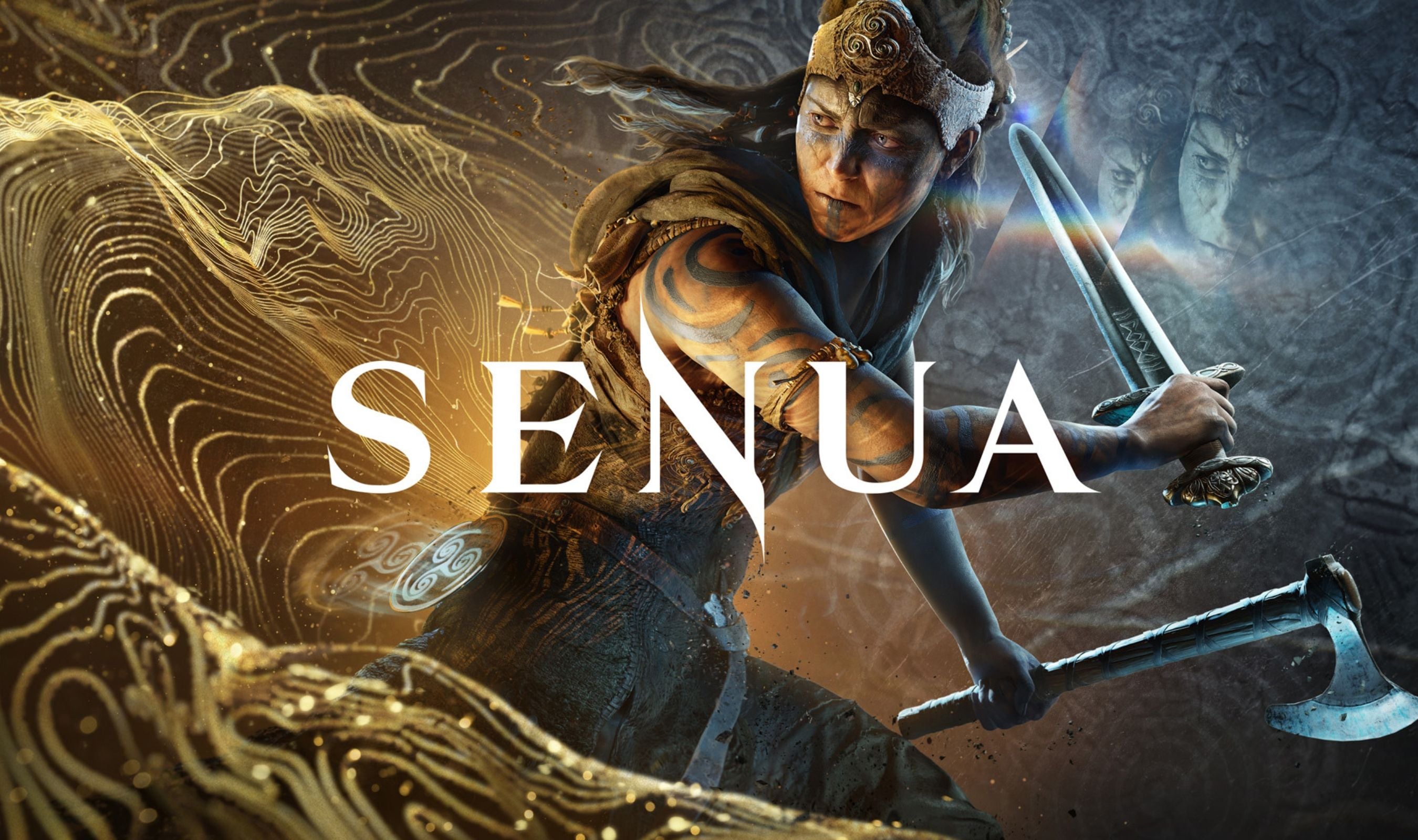
Xbox showcased Ninja Theory's Senua at its June 7 Games Showcase knowing full well it had already decided to close or sell the studio. The game trailer was a tool to generate investor interest, not a signal of confidence in the developer.
Game File's Stephen Totilo reported that Microsoft had plans to "sunset or split" from the Cambridge-based studio before the event. A source familiar with Microsoft's operations told Totilo the thinking was straightforward: the promise of a newly announced game would help draw investor interest in Ninja Theory.
It remains unclear if anyone at the studio was aware of the plan. The revelation reframes what looked like a triumphant moment into something far darker. Senua, a third Hellblade title and the sequel to 2024's Senua's Saga: Hellblade 2, was one of the showcase's standout reveals.
It generated genuine excitement for a studio that had delivered two critically acclaimed entries in the series. But according to Totilo's reporting, the applause at the showcase masked a decision already made.
The timing is brutal. Just 10 days after the reveal, reports emerged that Ninja Theory, along with stablemates Compulsion Games and Double Fine, faced potential closure.
Bloomberg's Jason Schreier reported that multiple Xbox-owned studios are exploring ways to avoid shutdown, with Compulsion and Double Fine in discussions about spinning off through buyouts. Those arrangements could still mean substantial job losses.
Totilo has dubbed the pattern Microsoft's "Reverse 2018", a reference to the year the company went on an acquisition spree, buying Ninja Theory, Compulsion Games, and (a year later) Double Fine. Less than a decade later, Microsoft is reportedly in negotiations to unwind all three.
Double Fine appeared to acknowledge the situation with a single cold sweat emoji posted to social media hours after reports broke. The studio turmoil follows a broader message from Xbox CEO Asha Sharma, who told staff the business needed a full reset. Sharma said Xbox spent over $20 billion on games and hardware over five years while revenue declined, and that the company had grown too fast and was now overextended.
Bloomberg reported last week that Microsoft is planning significant cuts to its gaming division, expected shortly after the end of its fiscal year on June 30.
Neither Microsoft nor Ninja Theory has publicly commented on the claims about the Senua reveal or the studio's future. But the reporting paints a picture of a publisher using a game announcement as a marketing brochure for a studio it had already decided to discard.