
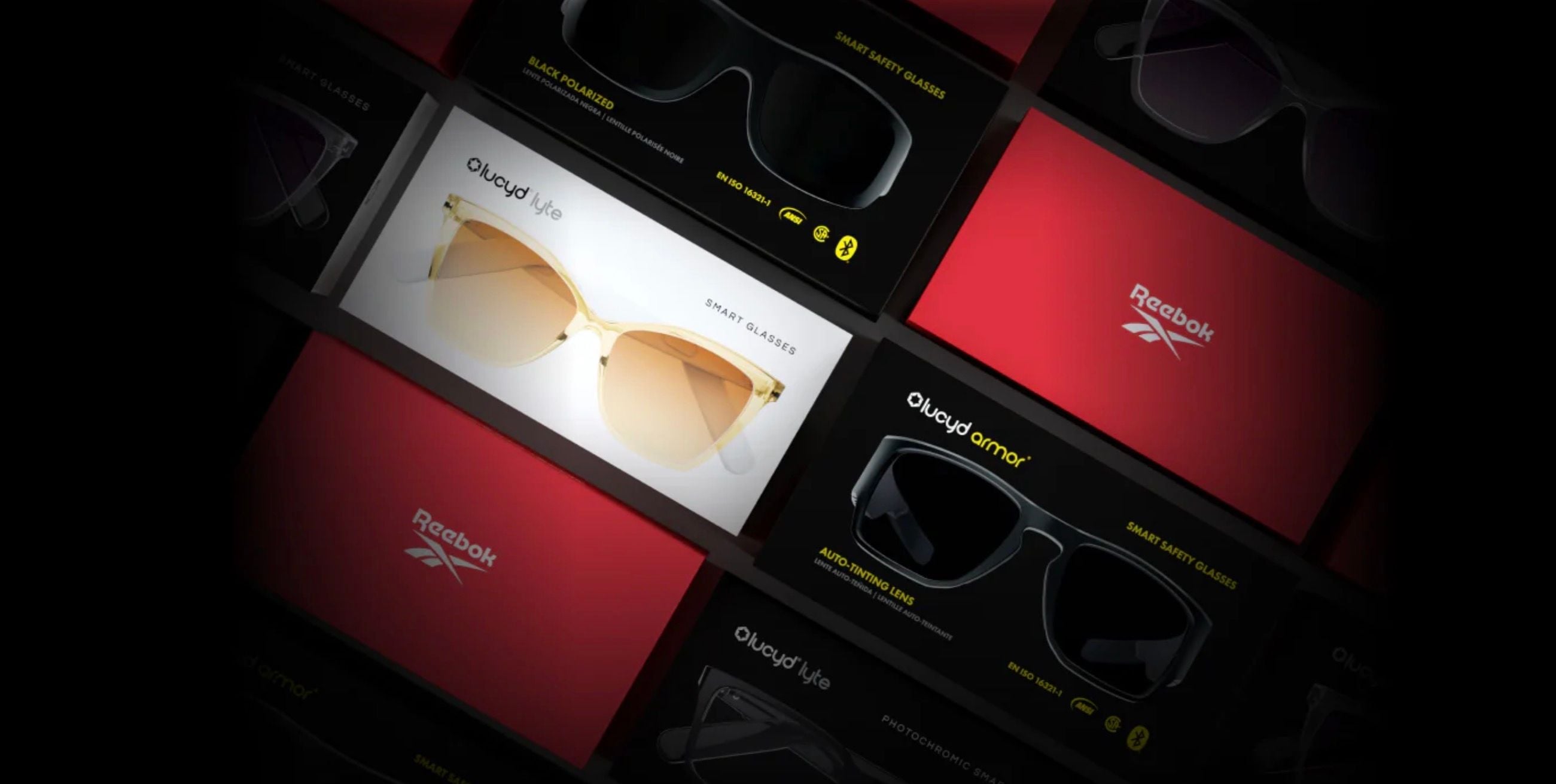
Lucyd debuted camera-free smartglasses at CES 2026, targeting privacy-conscious consumers with twelve-hour battery life and fashion collaborations.
Lucyd showcased the newest version of their Reebok line which eliminates cameras entirely to address growing privacy concerns in the smart glasses market. Industry analysts project smart glasses sales will rise from six million units in 2025 to 20 million in 2026 as major players like Apple and Google prepare new entries.
Camera-free design distinguishes Lucyd from competitors like Meta Ray-Bans and Snap Spectacles, which rely on cameras for augmented reality and photography. Users report discomfort with camera-equipped glasses in sensitive locations, with some asking wearers "You're not recording me, right?" according to MobileSyrup.
Lucyd's approach prioritizes audio functionality over visual capture. The glasses offer Hi-Fi audio, Bluetooth connectivity for Spotify and Google Translate, noise-cancelling microphones for calls, and voice assistant integration for directions and messaging.
Battery life reaches twelve hours with four-hour full charge, addressing common complaints about smart glasses endurance. The Lyte model resembles regular eyewear, while the Armor variant targets athletic use with sports-oriented styling.
Smart glasses privacy concerns extend beyond Lucyd. Google's upcoming glasses reportedly include conversation detection that processes audio locally without sharing data with Google services. Code strings discovered in Android Studio preview builds indicate Google learned from privacy criticisms of earlier smart glasses attempts.
The broader market shows rapid expansion. CES 2026 featured multiple smart glasses launches including XReal's 1S with 500-inch virtual display, Even Reality's G2 with contextual AI, and RayNeo's Air 4 Pro at $299. XGimi's Memomind Air Display emphasizes lightweight frames and all-day battery life.
Meta currently dominates with 73% market share through Ray-Ban and Oakley partnerships, but faces increasing competition. Google collaborates with Samsung, Gentle Monster, and Warby Parker on Android-powered glasses with Gemini AI access.
Lucyd's fashion partnerships with Eddie Bauer and Reebok position the brand as style-focused rather than tech-heavy. Without comprehensive testing, the glasses' performance remains unverified, but their camera-free approach addresses specific consumer privacy concerns.
Smart glasses evolution continues toward phone replacement, with companies competing for wearable real estate. While 2026 marks significant growth, widespread adoption requires balancing functionality, privacy, and social acceptance.