
iOS 26 adoption reached just 15-16% of iPhone users four months after its September 2025 launch, according to Statcounter data. The analytics service reported that over 60% of active devices continue running iOS 18, marking Apple's slowest major update adoption in recent years.
In January 2026, iOS 18 versions accounted for 64.6% of iPhone usage globally, with iOS 18.7 at 33.8%, iOS 18.6 at 25.2%, and iOS 18.5 at 5.6%. By comparison, iOS 26 versions totaled 16.3% across iOS 26.1 (10.6%), iOS 26.2 (4.6%), and iOS 26.0 (1.1%).
Historical data shows dramatically different adoption patterns. In January 2025, iOS 18 reached over 60% penetration four months post-launch, roughly four times iOS 26's current rate. iOS 17 achieved 54% adoption in January 2024, while iOS 16 hit 62% in January 2023.
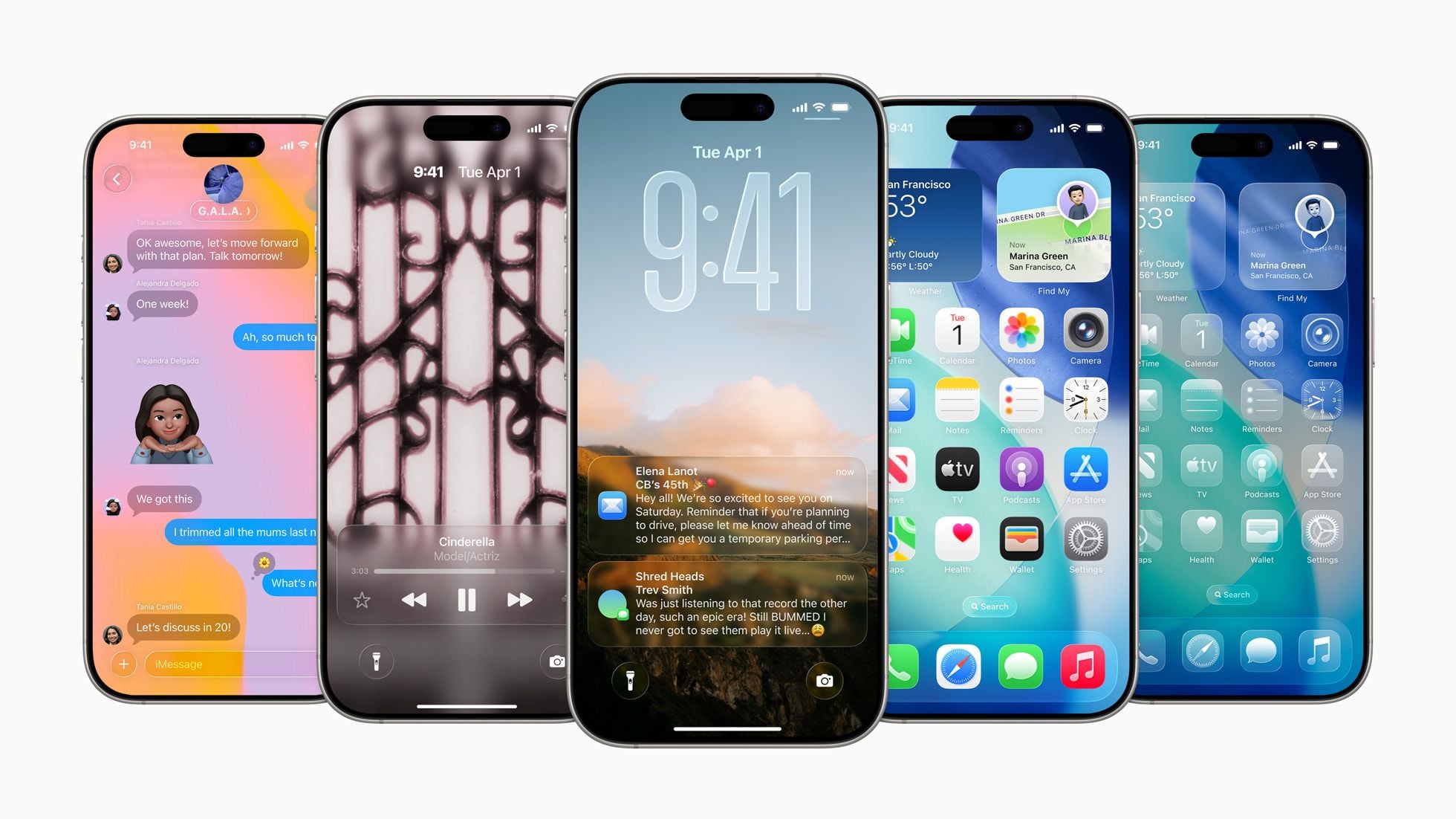
The primary resistance stems from iOS 26's Liquid Glass interface redesign, which introduces translucent, fluid UI elements. Social media platforms show widespread user dissatisfaction with the visual changes, with some describing the update as Apple's "most controversial new version in many years."
One Threads user wrote, "It's been 3 weeks since I reluctantly updated my iPhone iOS, and dislike the new Liquid Glass UI more every day." Another commented, "If you're ever having imposter syndrome, this update is proof that even professionals at billion-dollar companies make huge mistakes."
Apple's update strategy typically ensures rapid adoption through simple over-the-air installations and broad device compatibility. The company supports iPhones for years after release, allowing millions to install major updates simultaneously regardless of carrier or region.
Industry analysts point to multiple factors slowing iOS 26 adoption. Apple warned about potential battery life impacts in a September 2025 support document, and iOS 26.1 became Apple's recommended update in Settings in December 2025. Users increasingly prioritize stability over new features, particularly when updates require newer hardware for full functionality.
The controversy intensified when Alan Dye, Apple's vice president responsible for the Liquid Glass design, left the company amid the backlash. His departure followed months of vocal user criticism about the interface changes.
TelemetryDeck presents conflicting data showing iOS 26 adoption around 60% with 37% still on iOS 18, highlighting methodological differences between analytics services. However, Statcounter's consistent tracking methodology indicates iOS 26 adoption lags significantly behind previous versions at equivalent timeframes.
Apple maintains its policy of not forcing updates, allowing users to remain on older iOS versions indefinitely. The company continues releasing security patches for previous iOS versions, reducing pressure to upgrade for security reasons alone.
The slow adoption challenges Apple's traditionally unified ecosystem, where high update rates enable developers to leverage new features without fragmentation concerns. If the trend continues, it could signal shifting user attitudes toward major OS updates in favor of stability and familiarity.
iOS 26's Liquid Glass interface includes semi-transparent elements and visual effects that create the illusion of looking through glass at screen content. While some users appreciate the modern aesthetic, widespread resistance suggests Apple may need to reconsider its approach to major visual redesigns.
The adoption gap between iOS 26 and its predecessors represents Apple's most significant software update challenge in recent memory. As the company prepares for future iOS releases, user feedback from the Liquid Glass controversy will likely influence design decisions and update strategies moving forward.