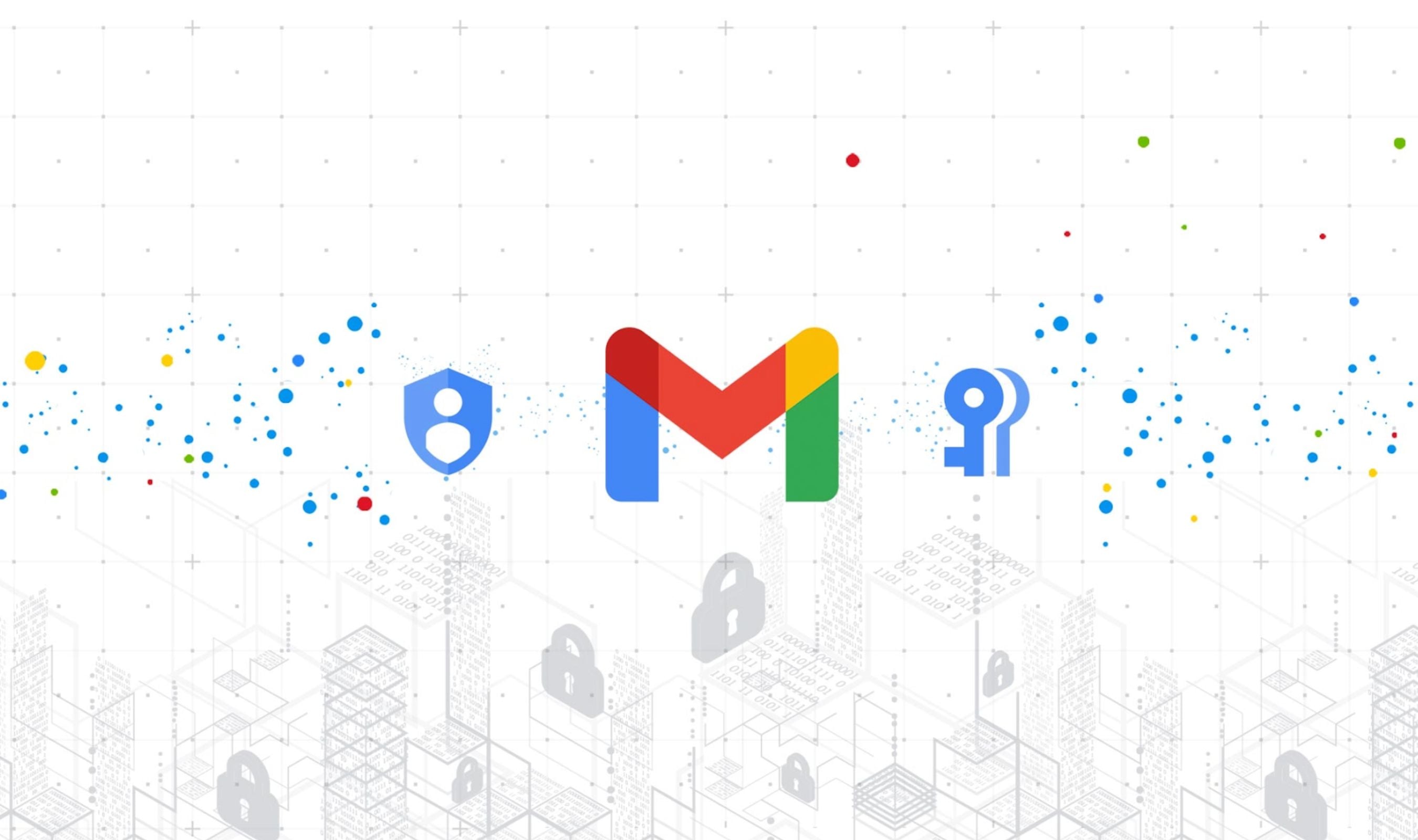
After 22 years of permanent embarrassment, Gmail users can finally ditch their cringe-worthy email handles without starting from scratch. Google announced this week that U.S. account holders can change their Gmail addresses while keeping all emails, photos, and account history intact.
The policy reversal ends what had been a core limitation since Gmail launched in 2004. Previously, users wanting different addresses had to abandon their accounts entirely and create new ones, losing access to years of digital history tied to services like YouTube, Google Drive, and Photos.
"2004 was a good year, but your Gmail address doesn't need to be stuck in it,"
Google CEO Sundar Pichai framed the update as liberation from outdated digital identities. He wrote on X that users could now "say goodbye to [email protected] or [email protected] (or whatever you were into at the time)." The feature arrived quietly through testing that began in India late last year before expanding to American users this week. Google hasn't specified when other countries will gain access.
Changing an address involves navigating to Google Account settings, selecting Personal Info, then Email. If the option appears, Google says it's rolling out gradually, users click "Change Google Account email" and enter their preferred username. The system checks availability against existing addresses and those previously deleted.
Old addresses don't disappear but become alternates that continue receiving messages alongside new ones. Both function for sign-in across Google services and third-party apps using Google authentication.
Limitations apply strictly: users can switch addresses only once every 12 months with a maximum of three changes total. New addresses cannot be deleted within that first year, though users can revert to previous ones through account settings.
Technical complications may surface temporarily after changes. Chromebook users might encounter login issues that typically resolve within hours, while some third-party apps could require reauthorization using the updated credentials.
The update acknowledges how email identities evolved from simple communication tools to central authentication keys for banking, streaming services, cloud storage, and workplace platforms. What began as disposable teenage humor now carries professional and personal consequences decades later.
Social media reactions highlighted generational divides over digital permanence. "Half of us are still stuck with emails we created in school," one X user noted, while another described feeling "offered a rebrand for my teenage self." Skeptics countered with attachment to their original handles: "That email survived 3 recessions, it's not going anywhere."
Google's help documentation warns that payment methods saved across services might need re-linking after address changes, and Chrome Remote Desktop connections could require re-establishment.