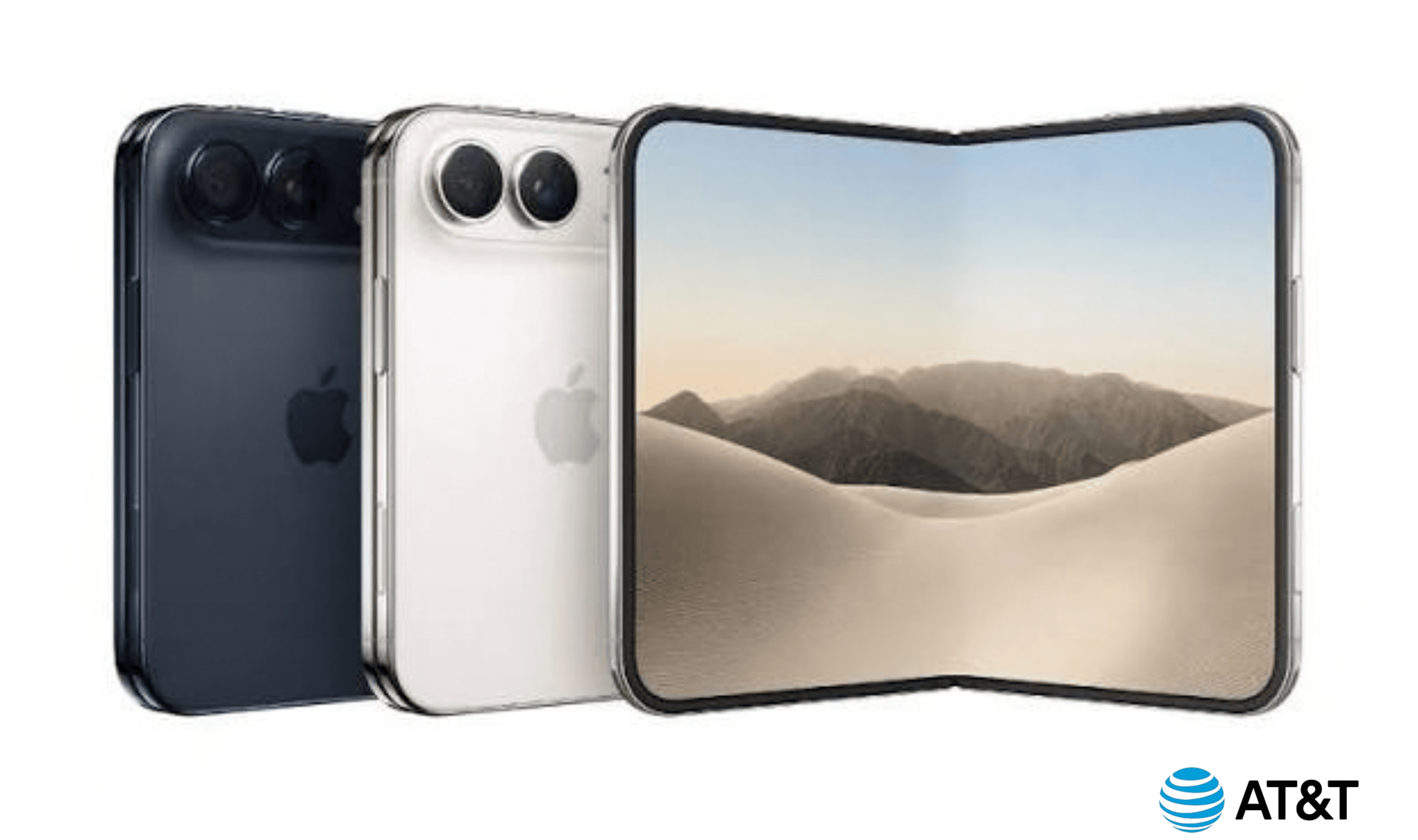

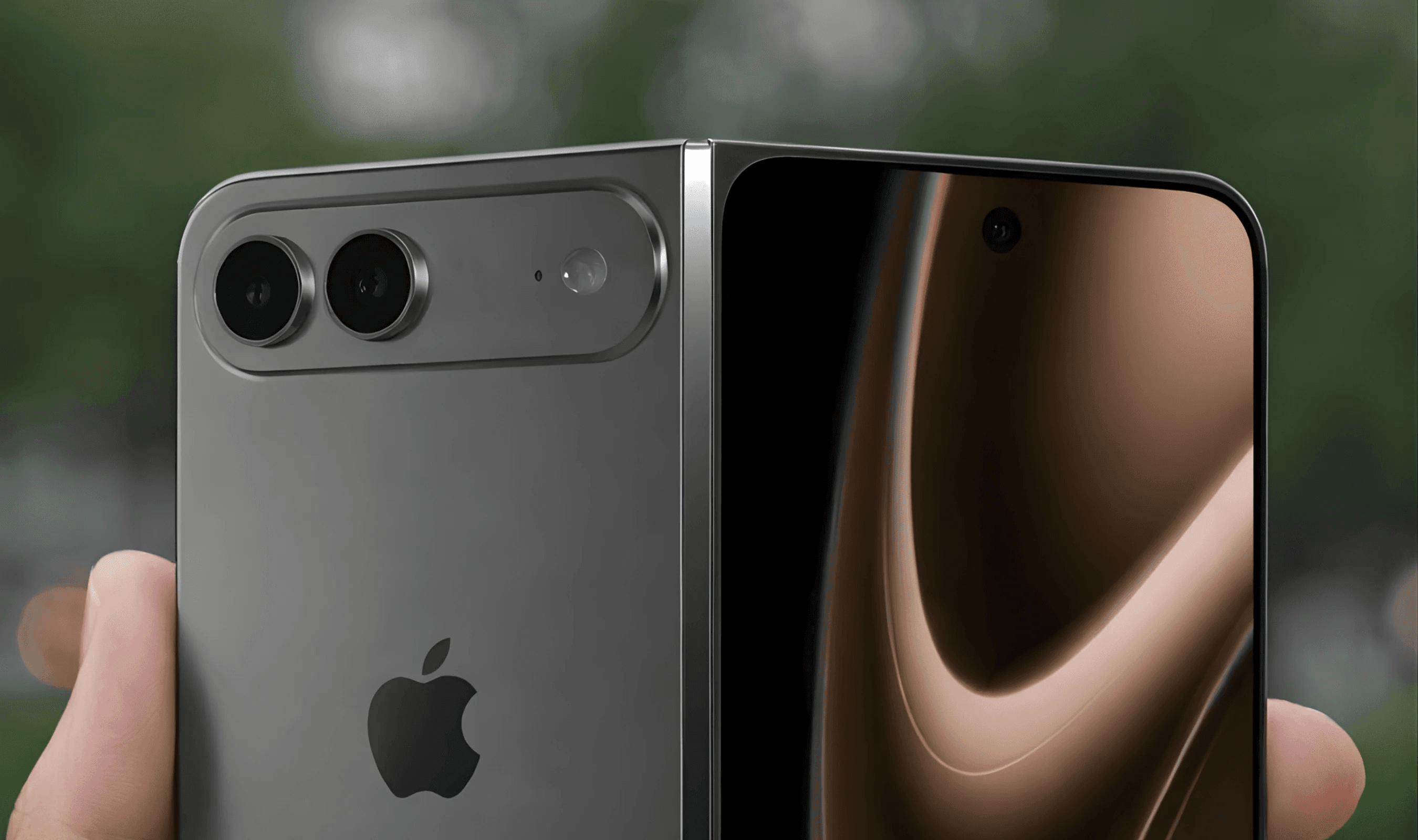
Apple's first foldable iPhone will reportedly cost nearly twice as much as current flagship models when it launches this September, positioning the device firmly in the ultra-premium segment with pricing between $1,999 and $2,399.
The device will feature 12GB of LPDDR5X RAM supplied by Samsung Electronics, matching the memory configuration of current iPhone Pro models according to a report from The Bell. Storage options will include 256GB, 512GB, and 1TB configurations, with pricing expected to scale accordingly.
A direct conversion from Chinese pricing suggests the 256GB model could start at around $2,330 in local markets. However, Macworld analysis indicates US pricing may follow Apple's established patterns for premium devices, potentially bringing the entry price closer to $1,999.
The foldable iPhone is scheduled for a September 2026 debut alongside the iPhone 18 Pro and Pro Max models. Display specifications reportedly include a 5.5-inch outer cover screen and a 7.8-inch main foldable display, both featuring AMOLED technology for improved color reproduction and battery efficiency.
Under the hood, Apple's new A20 Pro chip will power the device according to leaks from Chinese sources. The processor promises enhanced AI capabilities and performance improvements over current generation silicon.
Camera specifications suggest a triple rear camera system similar to high-end iPhone models. Both Face ID and Touch ID authentication methods are expected to appear on the device according to multiple reports.
The $2,000-plus price point places Apple's foldable entry well above competing devices from Samsung and Google while targeting professionals and early adopters willing to invest in cutting-edge form factors. The September launch provides Apple with additional development time to refine hinge mechanisms and software optimization for the dual-screen experience.