
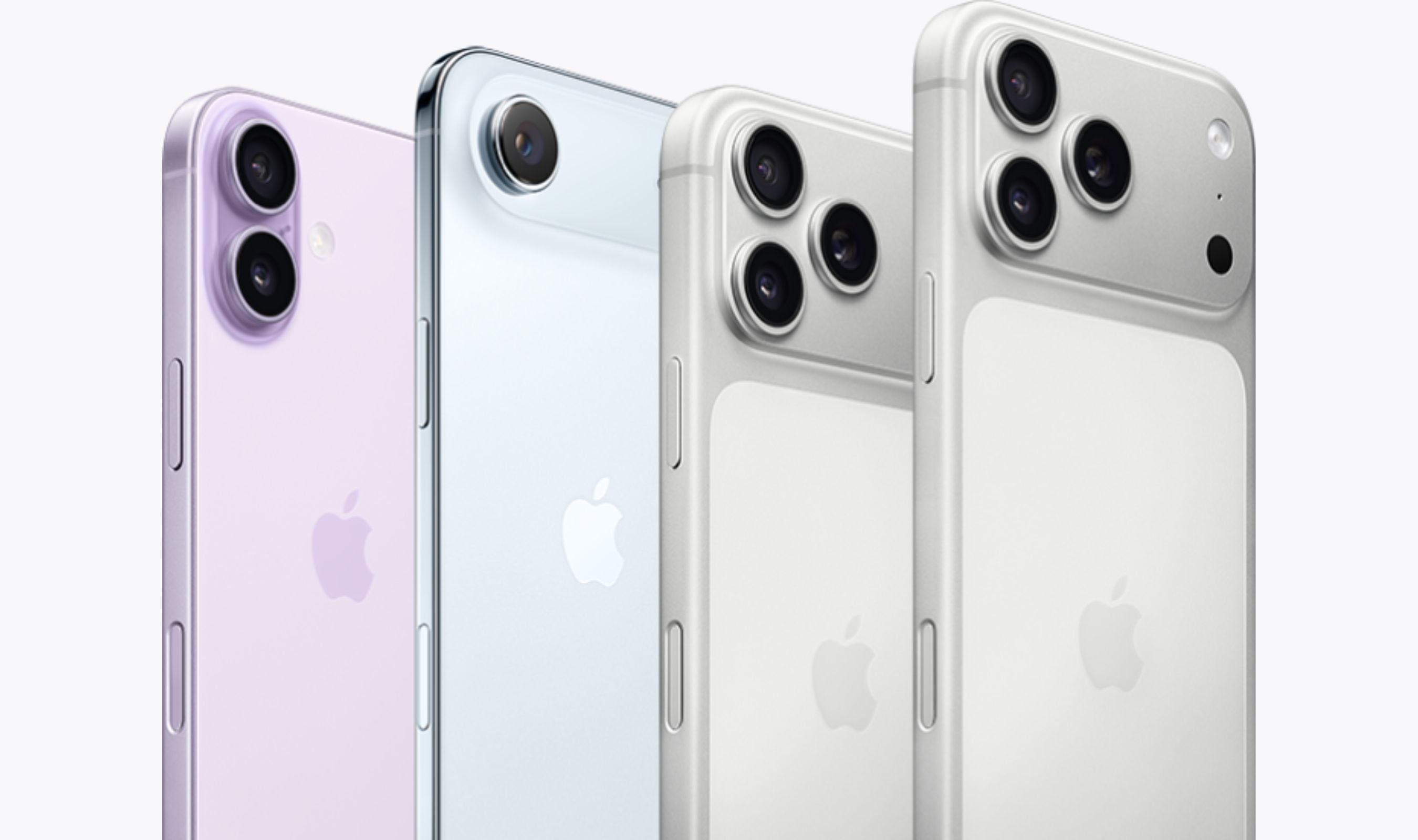
Apple has broken Samsung's traditional first-quarter dominance in the global smartphone market for the first time, capturing the top spot in Q1 2026 with a 21% market share. The company achieved this milestone while overall smartphone shipments declined by 6% year-over-year across the industry.
Strong demand for the iPhone 17 series drove Apple's 5% shipment growth during a period when most competitors faced declines.
Samsung, which typically leads Q1 following its annual flagship launches, slipped to second place with a 20% market share and a 6% drop in shipments. The shift comes as component shortages continue to affect manufacturers globally. Counterpoint Research data shows Xiaomi maintained third position with a 12% share but experienced the steepest decline among top brands at 19% year-over-year.
Apple's integrated supply chain reportedly helped insulate it from broader industry challenges affecting competitors. The company's ecosystem approach and premium positioning contributed to its ability to grow while others contracted.
Among smaller players, Google and Nothing posted notable gains of 14% and 25% respectively according to Counterpoint data. Their growth occurred despite overall market contraction.
Separately, Apple continues development on its first foldable iPhone, which remains on track for a September debut alongside expected iPhone 18 Pro models. The device would launch during Apple's normal fall product cycle despite earlier reports of engineering challenges.
"Manufacturing plans remain unchanged" following concerns raised by Nikkei Asia about potential delays, reported Bloomberg's Mark Gurman on Tuesday.
The foldable model is scheduled to arrive alongside standard iPhone updates this fall.