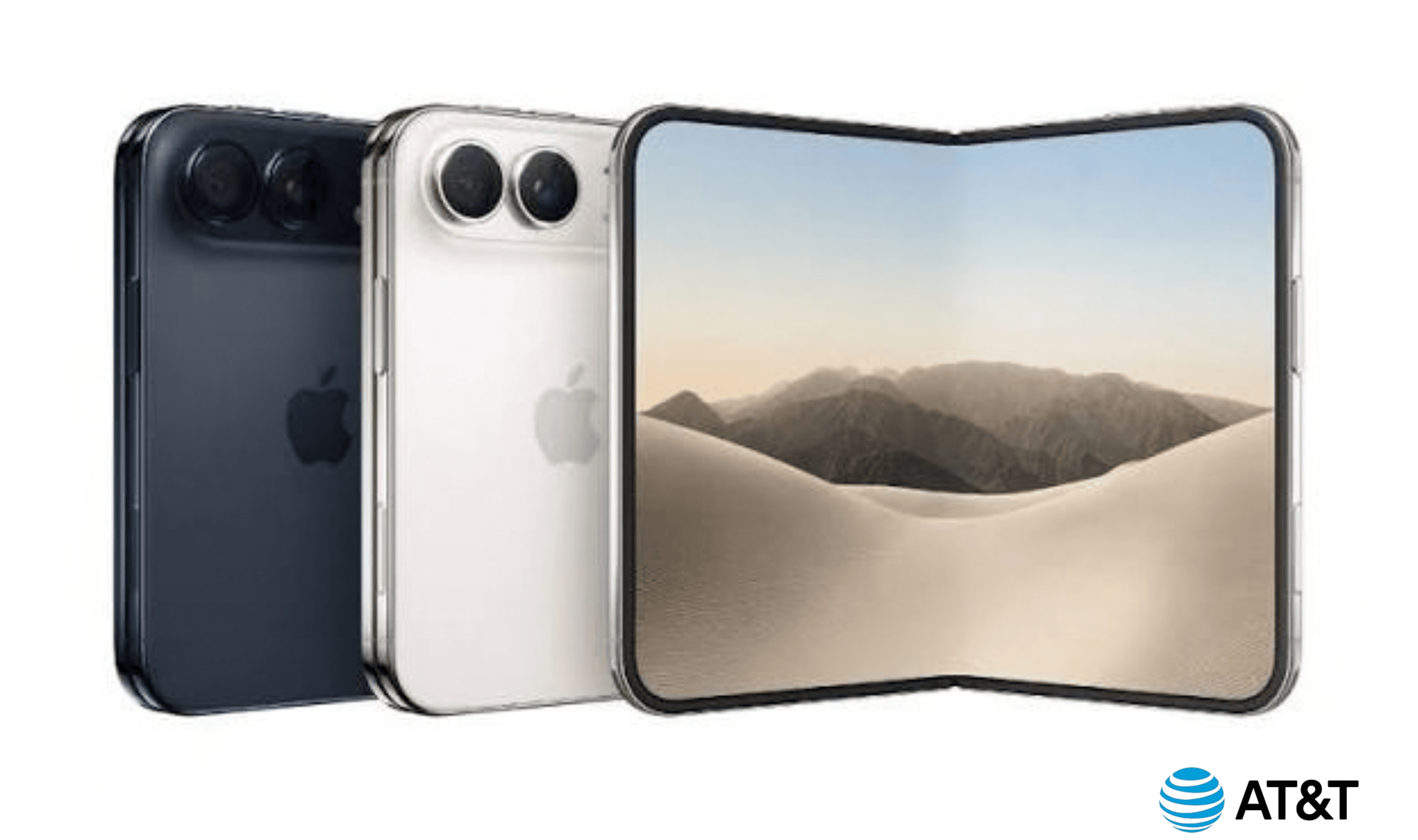

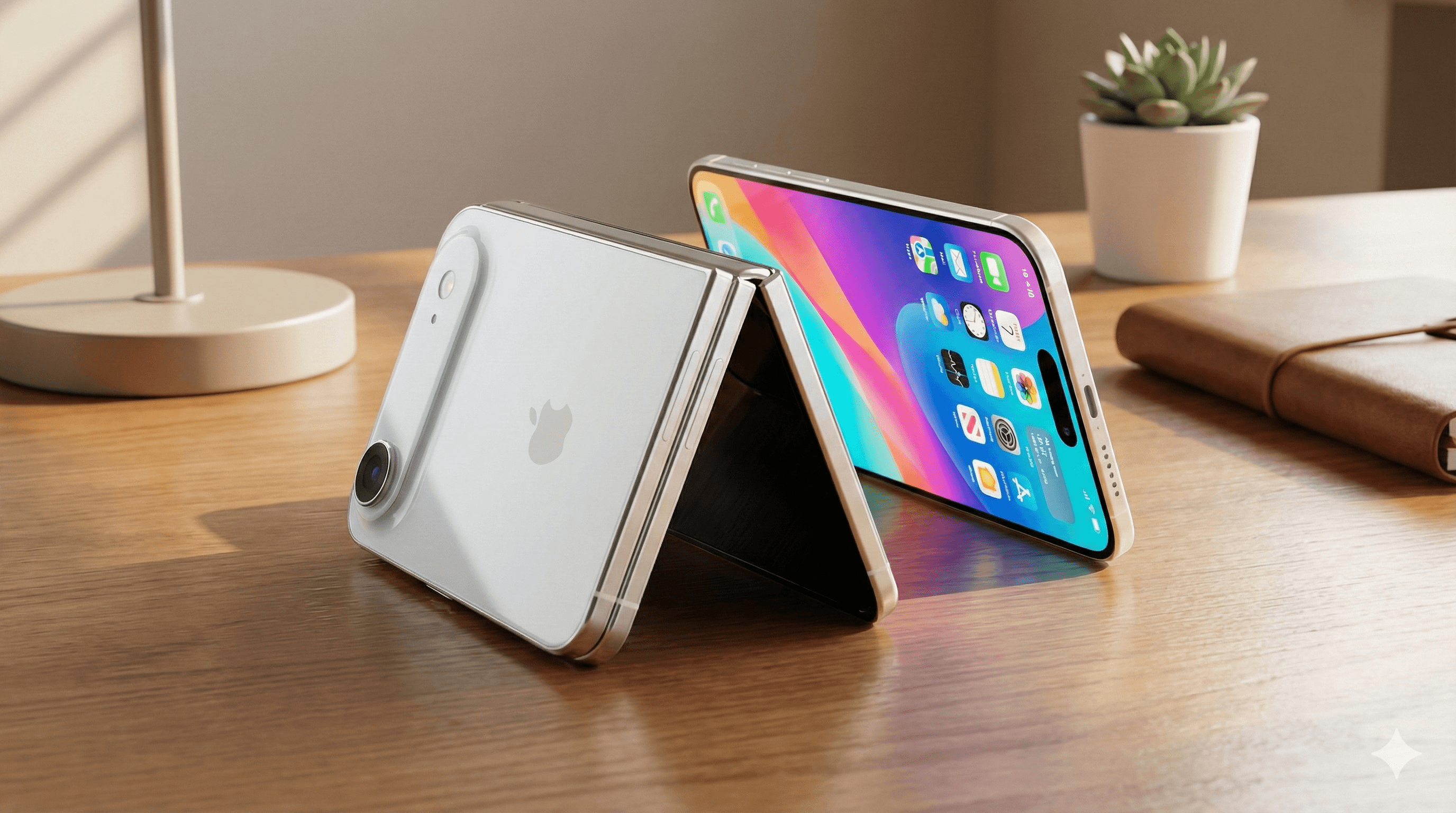
Apple's long-rumored foldable iPhone is shaping up to be the company's most ambitious smartphone yet, and according to fresh leaks, it's also poised to be its most controversial in terms of connectivity. Multiple sources now suggest the device will ship without a physical SIM card slot, embracing an eSIM-only design that mirrors the approach taken with this year's iPhone Air.
The latest reports from Chinese tipster Instant Digital, shared on Weibo and corroborated by multiple industry analysts, indicate Apple's first foldable will eliminate traditional SIM trays entirely. This move follows a broader trend the company started with the iPhone 17 generation and cemented with the iPhone Air, which became Apple's first globally eSIM-only smartphone when it launched earlier this year.
Here's the thing: while eSIM technology has been gaining traction worldwide, Apple's decision to bring it to a premium foldable device creates some genuinely interesting challenges, particularly in markets like China where physical SIM cards remain deeply entrenched in consumer behavior.
The Space-Saving Calculus Behind the eSIM Decision
So why would Apple risk potential market friction with an eSIM-only foldable? The answer comes down to physics and premium design. Foldable phones represent some of the most complex engineering challenges in mobile technology, with every cubic millimeter of internal space at a premium.
According to industry analysis, physical SIM card slots aren't just about the card itself - they require dedicated space for the tray mechanism, ejection system, and all the associated hardware that makes traditional SIM swapping possible. By eliminating this hardware, Apple can redirect that recovered internal volume toward optimizing more critical components.
The company reportedly plans to use this reclaimed space to enhance battery capacity, improve the hinge mechanism that's crucial for foldable durability, or maintain the sleek profile that users expect from premium devices. Analyst Ming-Chi Kuo had previously noted that the iPhone Fold's ultra-thin design simply doesn't leave much room for a dedicated SIM card tray, making the eSIM-only approach a practical necessity rather than just a design choice.
The China Conundrum: Where eSIM Faces Real Hurdles
If Apple's foldable iPhone launches as an eSIM-only device, its biggest test won't be in Cupertino or New York - it'll be in Beijing and Shanghai. China presents a unique set of challenges that could significantly impact the device's reception in one of Apple's most important markets.
Unlike other regions, China mainland, Hong Kong, and Macao are the only regions where Apple currently offers certain iPhone models with Dual SIM featuring two nano-SIM cards, reflecting local consumer preferences that have developed around the country's dynamic device resale market. Chinese users frequently buy, sell, and trial new devices, making quick SIM transfers absolutely essential for millions of people.
The iPhone Air, which adopted an eSIM-only design for similar space-driven reasons, has already demonstrated the regulatory and cultural hurdles Apple faces. While Apple is reportedly working with major Chinese carriers including China Mobile, China Telecom, and China Unicom to support eSIM functionality, the experience remains more cumbersome than traditional SIM swaps.
"Hopefully mainland China improves the eSIM experience soon," Instant Digital noted in their Weibo post, acknowledging the current limitations. In China, users often need to visit physical stores to activate eSIMs, a significant departure from the plug-and-play convenience that has defined smartphone adoption for decades.
Despite the challenges in specific markets, Apple's eSIM-only strategy for the iPhone Fold arrives at a time when the technological foundation for this transition is more solid than ever. According to market research, by 2025, 98% of mobile network operators globally will support eSIM technology, with current forecasts showing 1.3 billion people already own eSIM-compatible smartphones and projections reaching 3 billion by 2030.
This widespread adoption means that for most users outside of China, switching to an eSIM-only device should be relatively seamless. The technology offers several advantages beyond just saving space: eSIMs can't be physically removed from stolen devices, providing enhanced security for what will likely be Apple's most expensive iPhone to date, with pricing estimates ranging between $2,000 and $2,500 in the United States.
The eSIM approach also offers greater flexibility for travelers and users who frequently switch between carriers, allowing them to download new network profiles digitally rather than hunting for physical SIM cards. For a device that's expected to appeal to business travelers and tech enthusiasts - the natural audience for a premium foldable - this could actually be a selling point.
What This Means for the Foldable Market
Apple's rumored eSIM-only approach for its foldable iPhone reflects a broader industry transformation that's gaining serious momentum. Samsung, Google, and Motorola are all watching these developments closely, and successful eSIM-only premium devices like the iPhone Fold could accelerate similar moves throughout the Android ecosystem.
The timeline for Apple's foldable remains fluid, with most reports pointing toward a late 2026 or early 2027 launch. This gives Apple additional time to work with carriers worldwide to smooth out the eSIM activation process, particularly in challenging markets like China.
Interestingly, the device is expected to be positioned above the iPhone Air in Apple's lineup but not necessarily as a replacement for the iPhone Pro models. This suggests Apple views its foldable as a new category rather than a direct successor to existing devices - a premium, experimental product that can afford to take design risks like going eSIM-only.
As the mobile industry continues its gradual shift away from physical SIM cards, Apple's foldable iPhone could serve as a high-profile test case for whether consumers are truly ready to leave the tiny plastic cards behind. The answer to that question will likely determine not just the success of Apple's most ambitious smartphone, but the future direction of mobile connectivity itself.