
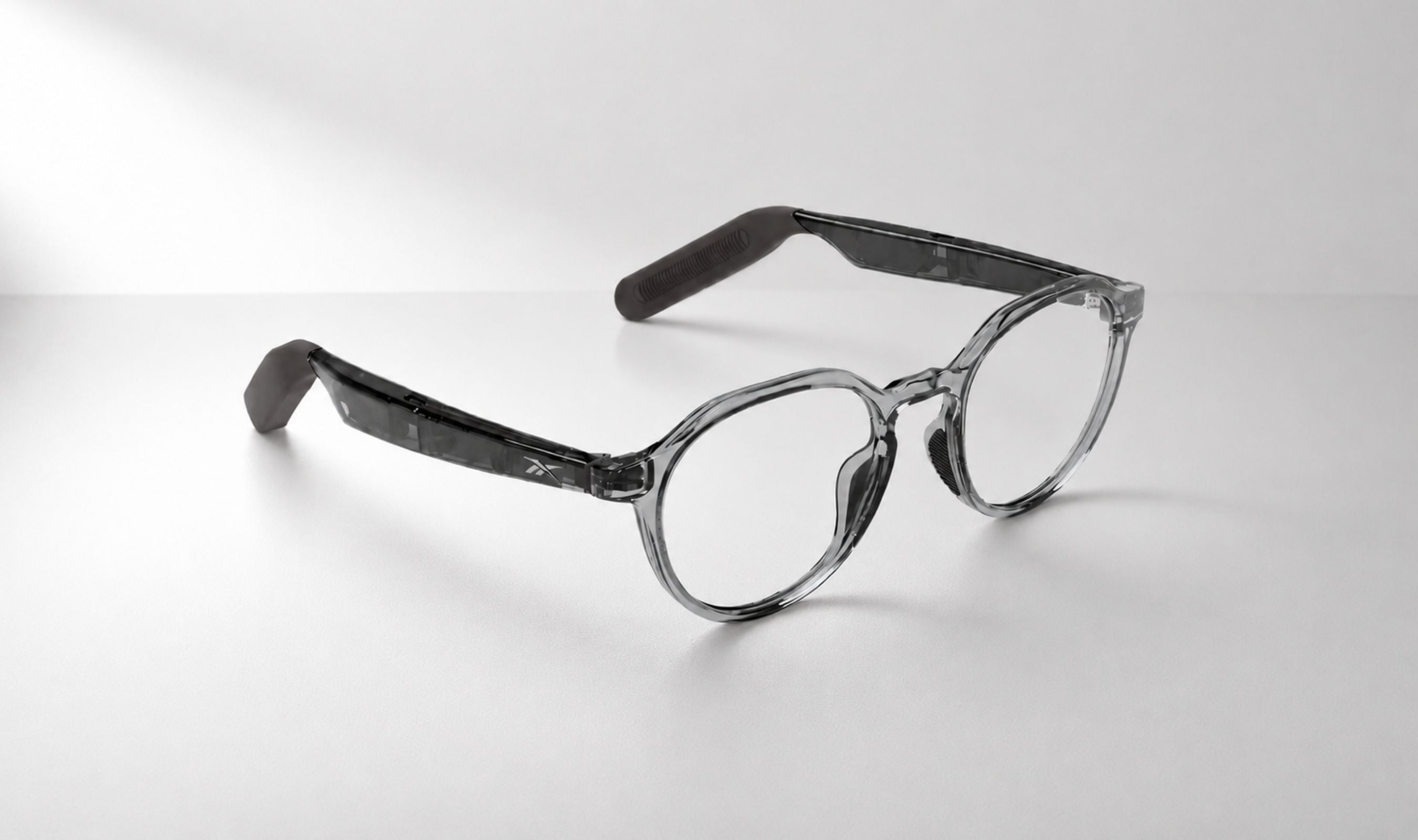
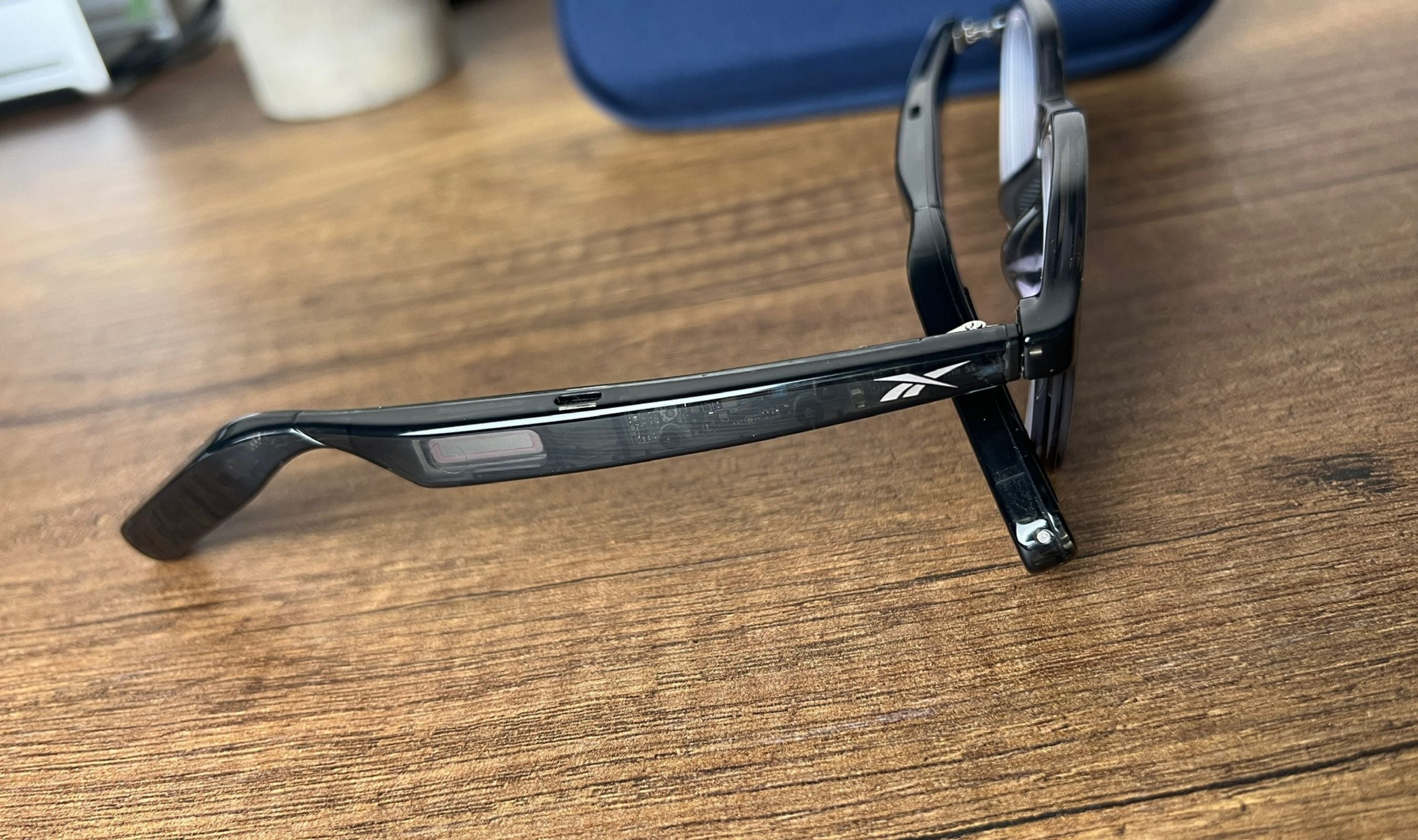
The Reebok Jet's frame is transparent. Not tinted, not smoked, transparent. Hold a pair up to a window and you can see the open-ear speaker housing, the touch sensor pad, the battery channel that runs along the inside of the temple, and the way the smart hinge is anchored at the front. It's a design move that could easily read as gimmicky or industrial, but in person it lands closer to architectural. Lucyd looked at the standard hide-the-tech-inside-opaque-plastic playbook that every other smart eyewear brand follows, and chose to invert it. Two weeks into wearing the prescription version with blue light filtering, the see-through frame is still the first thing anyone comments on, and it's still the reason we keep reaching for these over any other smart glasses we've tested.
Product
Technobezz is supported by its audience. We may get a commission from retail offers. Reviews ethics statement.
Lucyd's Reebok Jet Smart Glasses Hide Nothing, and That's the Best Part
The Reebok Jet by Lucyd is a transparent-frame Bluetooth smart eyewear with open-ear hi-fi speakers, noise-canceling mics, a smart hinge that powers the glasses on and off as you unfold them…
Updated May 16, 2026May 16, 2026
•15 min read

Credit: Technobezz
Get Deals Like These in Your Inbox
The best prices, reviewed weekly.
In This Review
9.2/ 10
Best for Daily glasses wearers who want hands-free audio, calls, and AI access without sacrificing style or comfort, especially prescription buyers and remote workers
Reebok Jet by Lucyd Smart Glasses
BrandLucyd (Reebok Powered by Lucyd)
ModelReebok Jet
TypeBluetooth audio + AI smart eyewear
Frame MaterialTRX 90, lightweight + impact resistant
Frame ColorTransparent smoke gray
WeightAbout 1.2 oz (around 20% lighter than 2025 Lucyd Lyte)
We've been daily driving the Reebok Jet with full prescription lenses across about two weeks of mixed use. Indoor screen work, outdoor walks, phone calls, voice assistant prompts, music between meetings. Lucyd is pitching this generation as the lightest, most refined smart-eyewear release they've shipped, and the first one designed around prescription buyers rather than treating them as an afterthought. The short version is that the pitch holds up. The Jet feels engineered around the realities of wearing glasses every single day, and the gap between this and the earlier Lucyd Lyte and Reebok Nitrous frames we've tested is bigger than the spec sheet suggests.
Reebok Jet by Lucyd Smart Glasses - Prescription Smart Glasses
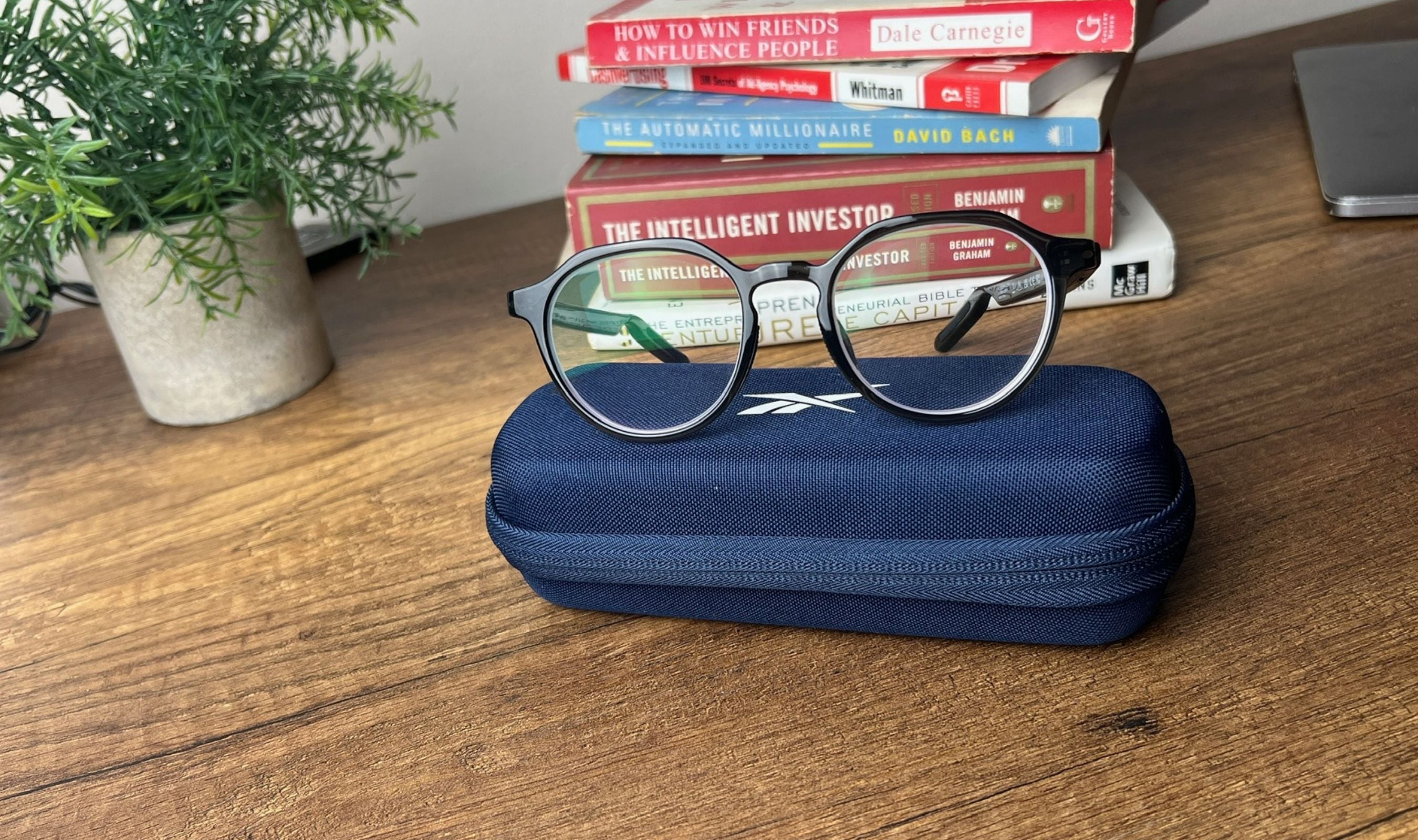
The Reebok Jet is a transparent-frame Bluetooth audio and AI smart eyewear with open-ear hi-fi speakers, noise-canceling mics, a smart hinge that powers the glasses on the second you unfold them, capacitive touch controls along the temple, and a magnetic USB-C charger. The frame is built from TRX 90 (a lightweight, impact-resistant polymer drop-tested from 1.2 meters) and weighs roughly 1.2 ounces, about 20 percent lighter than Lucyd's 2025 Lyte generation. Battery is rated at 12 hours of mixed use with a 1.5-hour quick charge, and the lenses are compatible with prescriptions from minus 8.00 to plus 6.00, including progressives, bifocals, readers, and blue light filtering. Base price is $249 without an Rx, climbing with prescription and lens add-ons. The Jet is part of the Reebok Optical Collection Lucyd launched in April 2026, alongside five other styles.
Key Highlights
- Transparent smoke-gray TRX 90 frame with visible smart hinge, speakers, and touch sensor housing
- Open-ear hi-fi speakers designed in the USA for awareness-friendly audio
- Noise-canceling microphones for calls, voice memos, and AI prompts
- Smart hinge auto power on when you unfold, auto power off when you fold them up
- Capacitive touch controls along the temple (tap for volume, double tap for calls, long press for status)
- AI assistant agnostic: works with Siri, Google Assistant, Amazon Alexa, ChatGPT, or any voice app
- Up to 12-hour battery with 1.5-hour quick charge
- Magnetic USB-C charging cable for fuss-free top-ups
- Multi-device Bluetooth pairing across phone, tablet, and laptop with minimal drops
- Full prescription support from minus 8.00 to plus 6.00, plus progressives, bifocals, readers, and blue light filtering
- Rubberized non-slip nose pads and temple-tip grip for all-day comfort
- No camera by design, so no recording etiquette issues in offices, gyms, or schools
- 1-year limited warranty plus US-based customer support
Pros
- Transparent frame design genuinely looks premium, not industrial or tacky
- Hinges and overall build feel solidly engineered, with no wobble or play
- Rubberized nose pads and grippy temple tips stay put through long calls and movement
- Open-to-power smart hinge eliminates the power button and reconnection ritual entirely
- Noise-canceling mics deliver clear voice across different environments
- Open-ear audio sounds notably fuller than prior Lucyd generations
- 12-hour battery realistically covers a full mixed-use day
- Magnetic charger snaps on instantly and aligns itself
- Bluetooth holds rock solid and switches between devices cleanly
- Full prescription support (including progressives and blue light) without compromise on the tech
- AI-agnostic design means you're not locked into one assistant or ecosystem
- No camera removes the social friction smart glasses with cameras keep running into
Cons
- Lucyd companion app experience feels largely unchanged from earlier generations
- Base $249 price climbs significantly once you add prescription lenses and blue light filtering
Who It's For
The Reebok Jet makes sense if you wear glasses every day and want hands-free audio, calls, and AI assistance without trading style or comfort. It's a particularly strong pick for prescription buyers who've watched the smart eyewear category from the sidelines because the existing options never accommodated their lenses cleanly. Commuters who want hands-free calls while walking, remote workers juggling Slack huddles and music between meetings, parents who want to multitask on a call without missing what the kids are doing, and anyone whose office or gym has a no-camera-glasses policy will all get daily value out of these. The audio is good enough to skip the earbuds. The frame is sleek enough to wear into a meeting. The smart hinge means you treat them like regular glasses, not a gadget.
Skip if
Skip the Jet if you want a camera built in, because Lucyd has explicitly decided not to ship one (the Ray-Ban Meta Wayfarer is the obvious alternative if photos and video matter more to you than discretion). Skip them if you need closed-ear audio for noise isolation, since open-ear speakers prioritize awareness over immersion. And skip them if you specifically want smart sport sunglasses with polarized lenses for outdoor running or cycling, because the Reebok Nitrous in Lucyd's lineup is a better fit for that. The Jet is the everyday glasses pick, not the dedicated workout pair.
The Transparent Frame Is the Whole Mood
The see-through smoke-gray plastic is the design decision that defines the Jet. From across a room these read as architectural eyewear, not as gadgets, and the transparency does something subtle that opaque smart frames never manage. It signals that the tech is part of the design rather than hidden inside the design, which makes the glasses feel intentional rather than apologetic. The Reebok branding is small and printed on the outer temple, visible but understated, and the smart hinge sits flush enough that it reads as a structural element rather than a component.
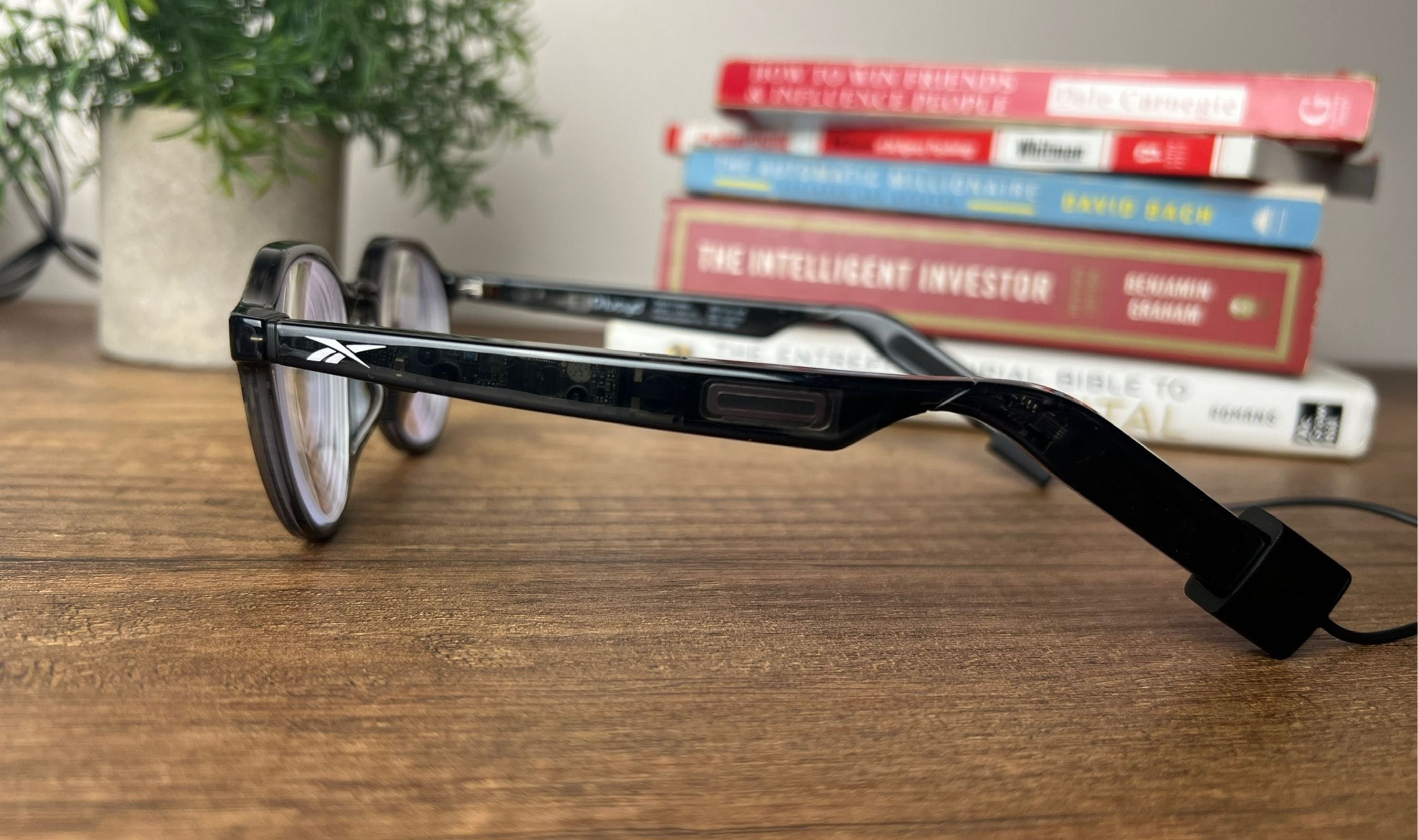
Up close, the build quality matches the look. The hinges have zero wobble. The temples flex with the spring-loaded resistance you'd expect from quality frames in the $200-plus optical tier, not the sloppy give that plagues most consumer smart eyewear. There's no creaking when you open and close them, and the touch sensor housing on the right temple is integrated cleanly enough that you only notice it when you go looking for it. The frame material itself, Lucyd's TRX 90, is rated for a 1.2-meter drop test, which lines up with how it actually feels in hand: light, slightly flexible, but never cheap or hollow.
The Smart Hinge Solves the Daily Friction
The single biggest quality-of-life upgrade in this generation is the auto-power hinge. Unfold the temples and the glasses turn on. Fold them shut and they turn off. There's no power button to hold, no LED to watch, no reconnection dance every time you take them off and put them back on. Bluetooth re-syncs to whatever device you were last on within a second or two of opening the temples. You grab the glasses, you put them on, you go.
This sounds like a small thing on paper, and it's everything in practice. Smart eyewear lives or dies on how seamlessly it integrates into the routine of wearing glasses. Every other pair we've tested has some version of friction: a button you have to press, a status sound that takes too long, a pairing prompt that won't dismiss. The Jet's hinge collapses all of that into a gesture you were already doing anyway. After two weeks, putting them on without thinking about the tech is the default behavior, which is the highest compliment you can pay this category.
Audio and Microphones, Noticeably Better
The open-ear speakers are the most concrete generational improvement over the older Lucyd Lyte and Reebok Nitrous frames. Bass body is fuller, the mid-range has more presence, and at moderate listening volumes the sound doesn't leak to the person standing next to you the way earlier Lucyd models did. Top-end clarity is good enough for podcasts and voice content, and music holds up well across genres as long as you're not expecting earbud-level isolation or bass impact. Open-ear audio is always a trade against immersion, but the Jet does as much with the physics as anyone in this category.
The noise-canceling mics are where the upgrade is most obvious. Calls picked up cleanly from a walk down a moderately busy street, from a coffee shop, and from a windy outdoor patio. Voice memos recorded with clear vocal presence and minimal ambient leakage. Voice assistant prompts triggered reliably even with music playing in the background. The mics are not studio quality, but they're notably better than what the prior Lucyd generations delivered, and they're more than adequate for the daily mix of calls, dictation, and AI prompts these glasses are built around.
All-Day Comfort From the Nose Pads and Temple Grip
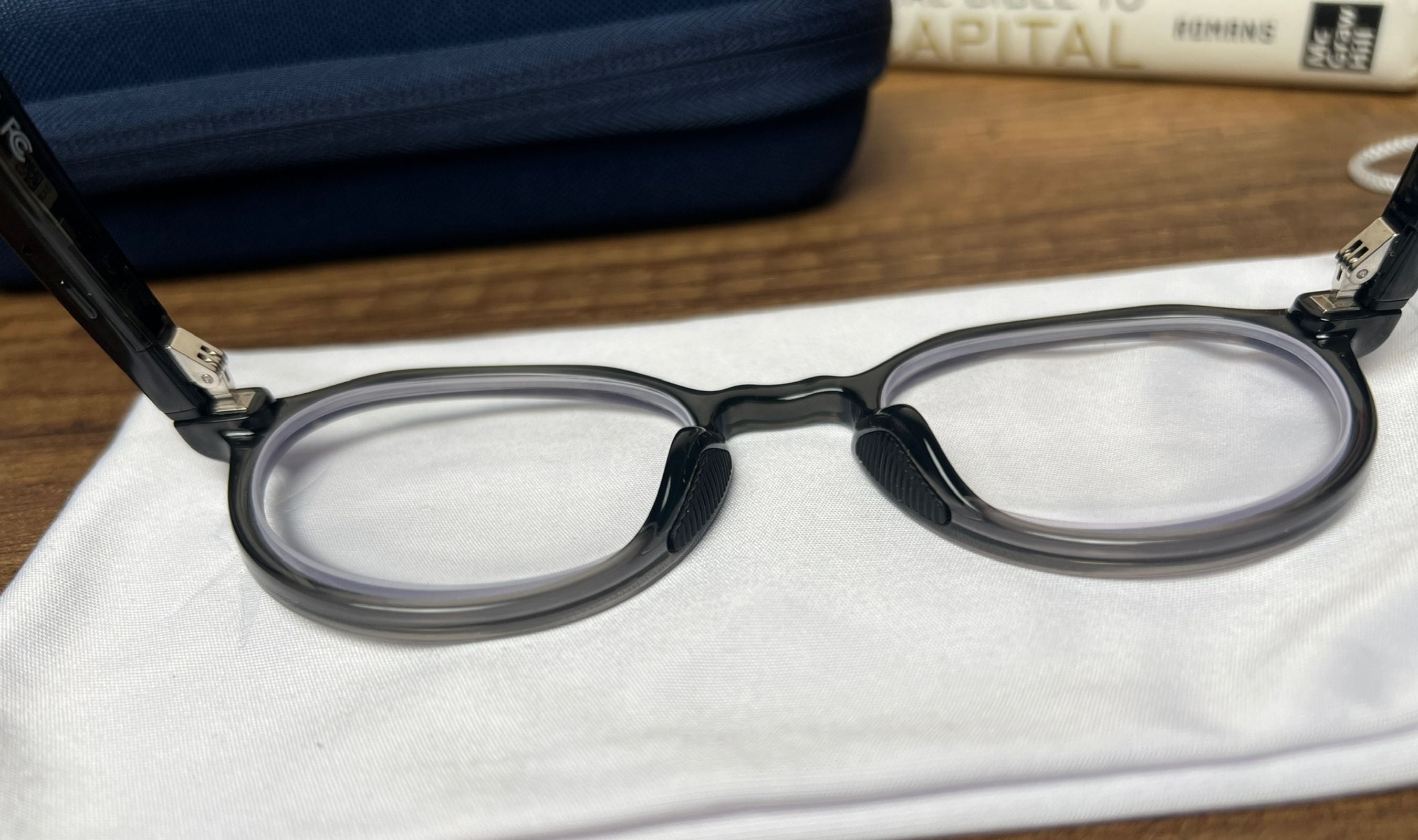
The rubberized nose pads are the small detail that makes these wearable for hours. The previous Lucyd generation used standard hard plastic pads that slipped during walks or any sweat, and the Jet replaces them with soft-grip rubberized pads that hold position through movement and temperature changes. The temple tips have a similar rubberized treatment along the inside curve that wraps around the ears. Combined, the two grip points keep the glasses anchored without the squeezing pressure cheaper frames rely on to stay put.
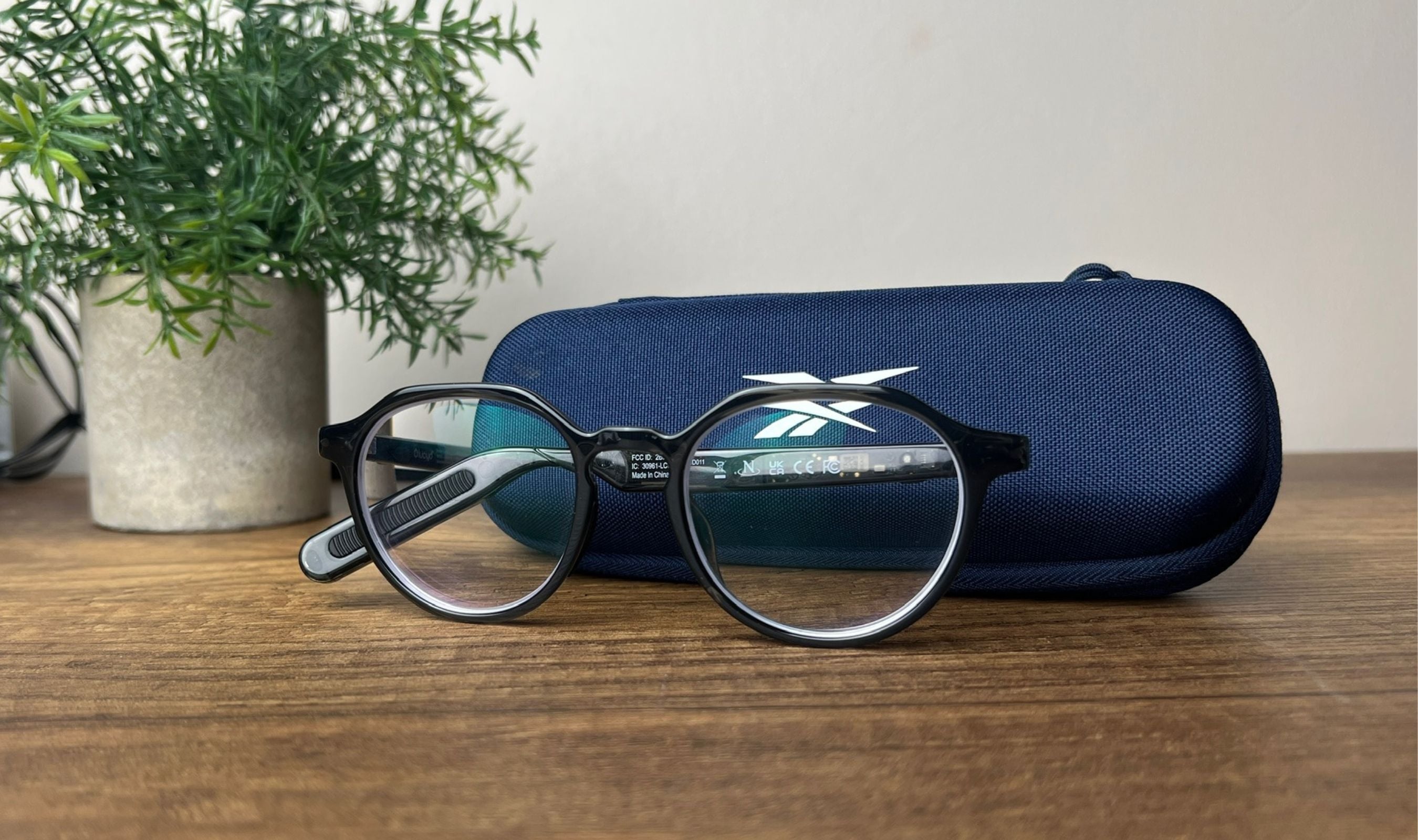
The frame's roughly 1.2-ounce weight is the other half of the comfort story. These don't feel front-heavy the way some smart eyewear does, because the battery is distributed along the temple rather than concentrated at one end. You can wear them through a full work day and only notice them when you take them off. That's the goal for prescription eyewear, and it's the test the Jet passes that most smart glasses in this price range don't.
Touch Controls That Disappear Into the Frame
The capacitive touch sensors live along the right temple and handle volume, calls, and voice assistant prompts. Tap to adjust volume up or down. Double tap to answer or end a call. Long press to hear a battery and connection status report. The touch surface itself is integrated into the transparent frame cleanly enough that it doesn't break the design, but the tradeoff is that there's no visible marker for exactly where to tap.
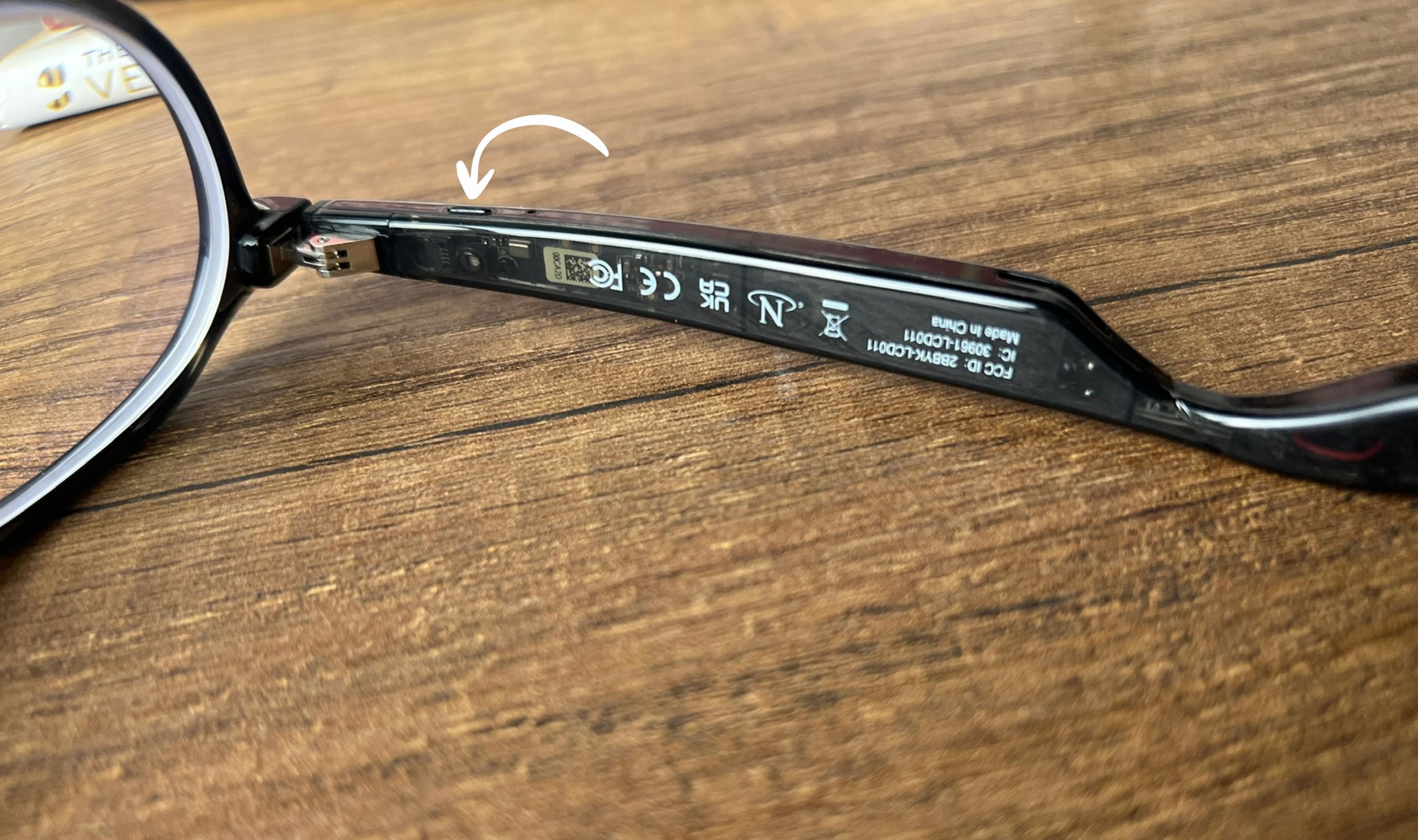
The first two or three days, expect a small learning curve while your fingers find the right spots. By day four, the gestures are muscle memory. The sensors are accurate once you've internalized the geometry, and the long-press status announcement is genuinely useful when you want to know how much battery is left without pulling out a phone. The lack of a visible touch zone is a deliberate design choice that prioritizes the clean look, and after a week it's a tradeoff most users will happily make.
Prescription, Blue Light, and the Real Headline
The Jet supports prescriptions from minus 8.00 to plus 6.00, including progressives, bifocals, readers, and a blue light filtering coating that can layer on top of any prescription or run as a standalone clear lens. This range covers the vast majority of actual eyeglass wearers, and the lens lab integration is built into the Lucyd checkout flow, so you upload your prescription, choose your lens type, and the glasses ship as a finished pair. No separate optometrist trip. No third-party lens shop sending the frames back for fitting.
This is the headline that gets lost in the audio-and-AI marketing. Smart eyewear has been functionally inaccessible to prescription wearers for years, because either the frames couldn't accommodate strong prescriptions or the lens fitting was an afterthought that left you with poorly aligned lenses inside otherwise nice frames.
Battery, Charging, and Daily Living
Twelve hours of mixed-use battery is conservative for typical patterns. A day that included two thirty-minute calls, an hour of podcast listening on a walk, intermittent voice assistant prompts, and idle wear through several meetings ended at roughly 35 percent. Pure audio playback drains faster than mixed use, and the smart hinge auto-off means the glasses aren't bleeding standby drain when they're folded on a desk.
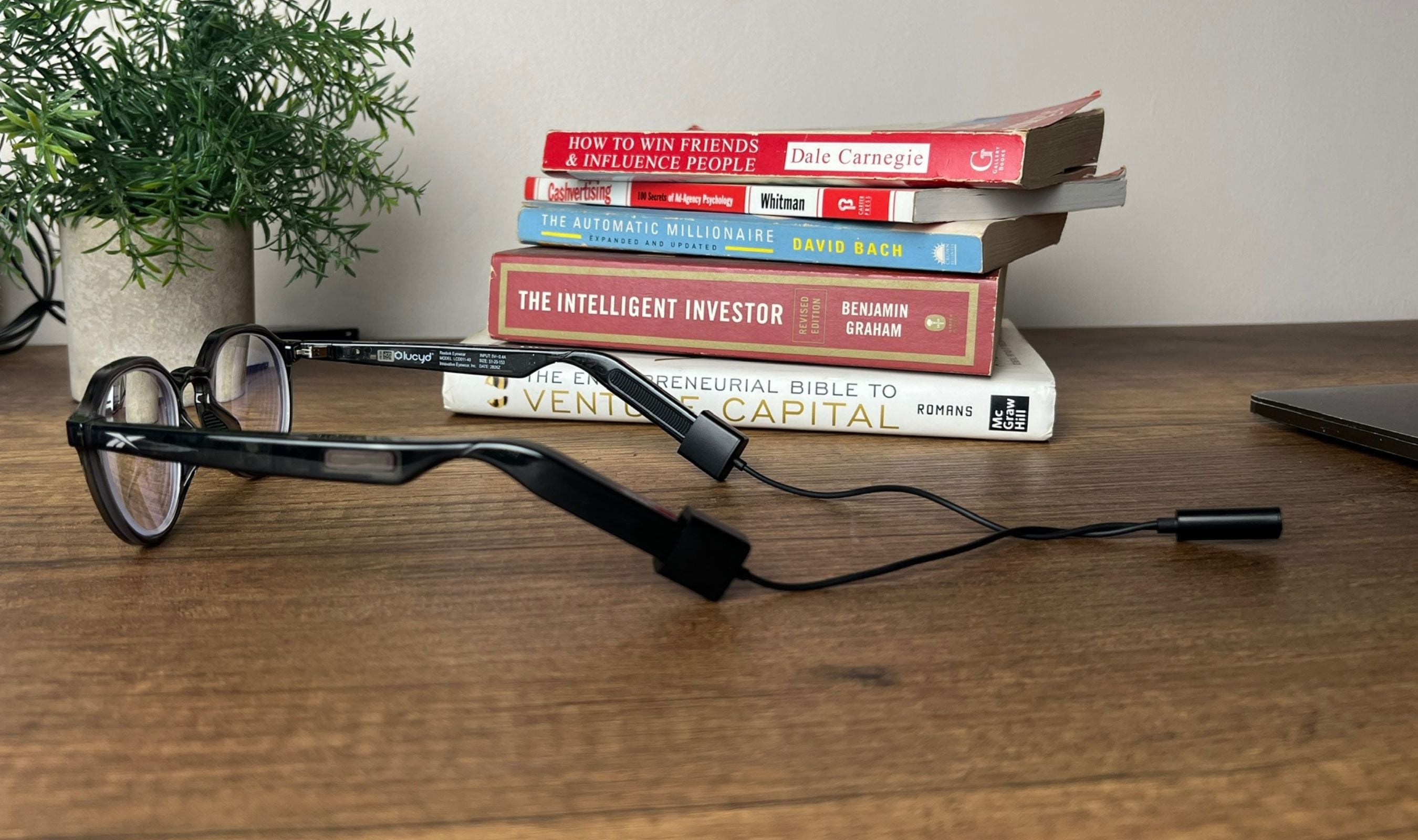
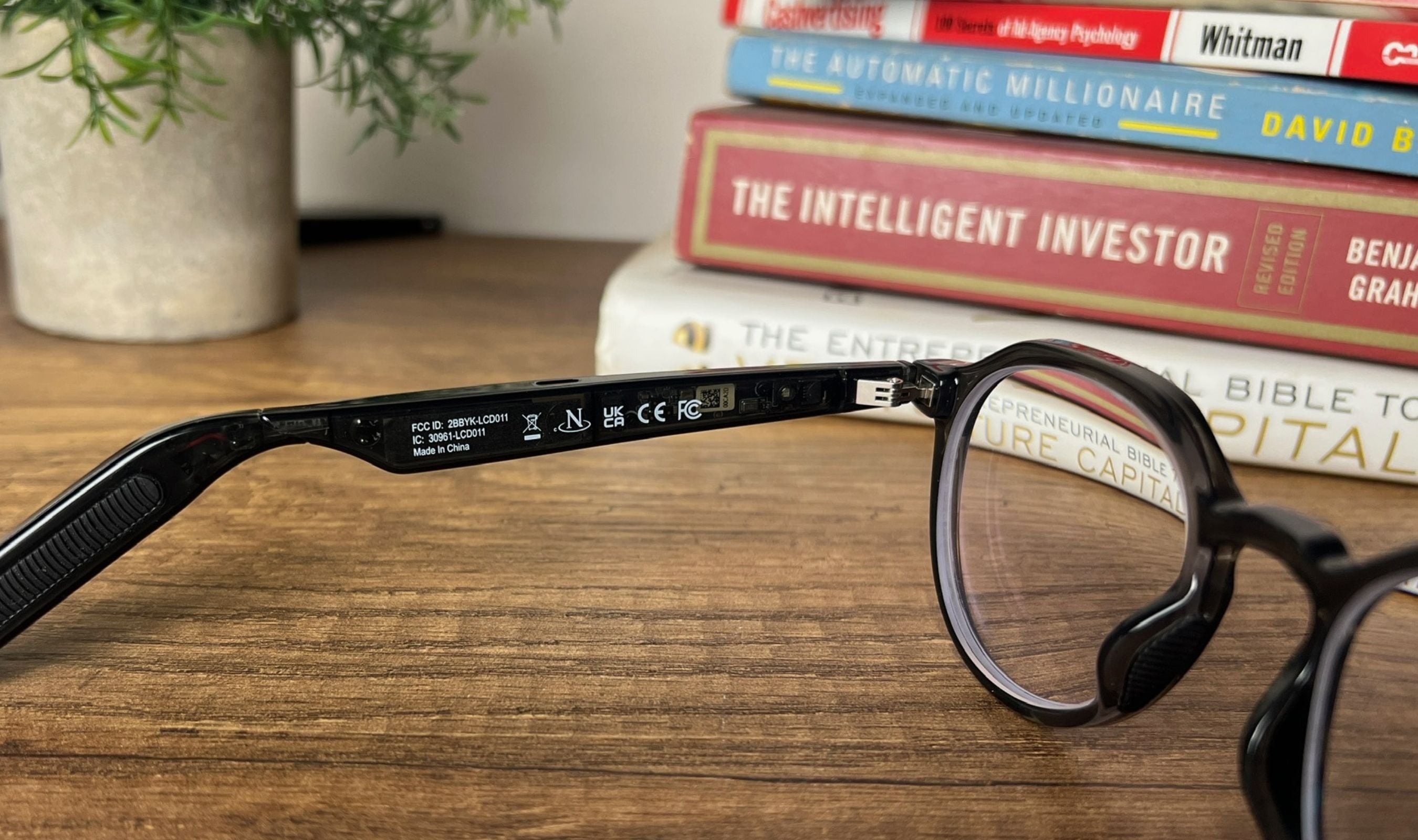
The magnetic USB-C charger is the design touch we did not expect to love. The cable snaps onto the charging contacts at the inside of the right temple with the same satisfying click as a laptop magnetic charger, and the alignment is forgiving enough that you can hand-toss the cable near the frame and it'll find the contact. Quick charging recovers a full day's worth of battery in about 90 minutes, and you can keep using the glasses while they charge if you're at a desk.
Bluetooth, the App, and AI Flexibility
Bluetooth pairing is fast and reliable. The Jet held connection cleanly across the typical room-to-room movement of a home or office, and switching between a paired phone and laptop happened automatically when audio was actively playing on the second device. Drops are rare, and reconnection after a brief out-of-range event is automatic the moment you walk back into range. This is the area where smart eyewear has improved the most over the past two years, and the Jet sits at the better end of that curve.
The Lucyd companion app handles firmware updates, device pairing, and a few configuration options. It's functional, but it's also the part of the Jet experience that feels least refined compared to the hardware. The interface is largely unchanged from prior Lucyd generations, and the feature set isn't growing as fast as the eyewear itself. The good news is that you genuinely don't need the app much after initial setup, and the AI-agnostic design means you can pair the glasses with Siri, Google Assistant, ChatGPT, Alexa, or any voice app you already use, without locking yourself into Lucyd's own software stack.
This product was provided to Technobezz for review. We independently select what we review. The manufacturer had no input on this article and did not see it before publication. All opinions are our own.
FAQ
Can I use the Reebok Jet as my only pair of prescription glasses?
Yes, with caveats. The prescription support is full single-vision-through-progressive, the lens fitting is competent, and the frame is comfortable enough for all-day wear. The only thing to think about is charging: if these are your only glasses, you'll want a charging routine that doesn't leave you without functional eyewear, which usually means topping up overnight or while you're at a desk.
How does it compare to the older Lucyd Lyte and Reebok Nitrous?
The Jet is the better daily-wear smart eyewear by a clear margin. The frame is about 20 percent lighter than the Lyte generation, the hinges feel more solid, the audio has more presence, and the smart hinge auto-power is a genuine quality-of-life upgrade. The Nitrous is still the better pick if you specifically want polarized sport sunglasses, but for indoor and prescription wear, the Jet is the clear step up.
Does it work with my AI assistant of choice?
Yes. The Jet is intentionally AI-agnostic. It hands the voice trigger off to whichever assistant your phone is set to use, so Siri on iPhone, Google Assistant on Android, or any third-party AI app like ChatGPT or Perplexity works the same way it would with regular Bluetooth headphones.
How private is it without a camera?
Very. Lucyd specifically left out the camera to avoid the recording-etiquette friction that smart glasses with cameras keep hitting. You can wear the Jet into a gym, a school, a hospital, or a sensitive office without any of the awkwardness around whether you're recording. The trade is that you can't take photos, but for the daily-wear smart eyewear use case, that's a deliberate feature, not a missing one.
How is the audio in noisy environments?
Open-ear audio is best in moderate environments. Indoors, on a quiet street, or in an office, the speakers sound fuller and clearer than earlier Lucyd generations. In louder spaces like a packed coffee shop or a busy sidewalk, you'll lose some detail to the ambient sound, which is the universal tradeoff of open-ear designs. The mics handle ambient noise much better than the speakers do, so calls remain clearer than music in those environments.
Are they worth the price with prescription added?
For daily glasses wearers, yes. A pair of mid-range prescription glasses from a standard optical shop already runs $200 to $400 depending on lens choices. Adding smart audio, AI access, and call handling on top of that for a moderate premium is genuinely competitive once you account for the alternative of buying glasses plus a separate set of earbuds plus accepting the awkwardness of wearing both at once.
Share this article
More in News
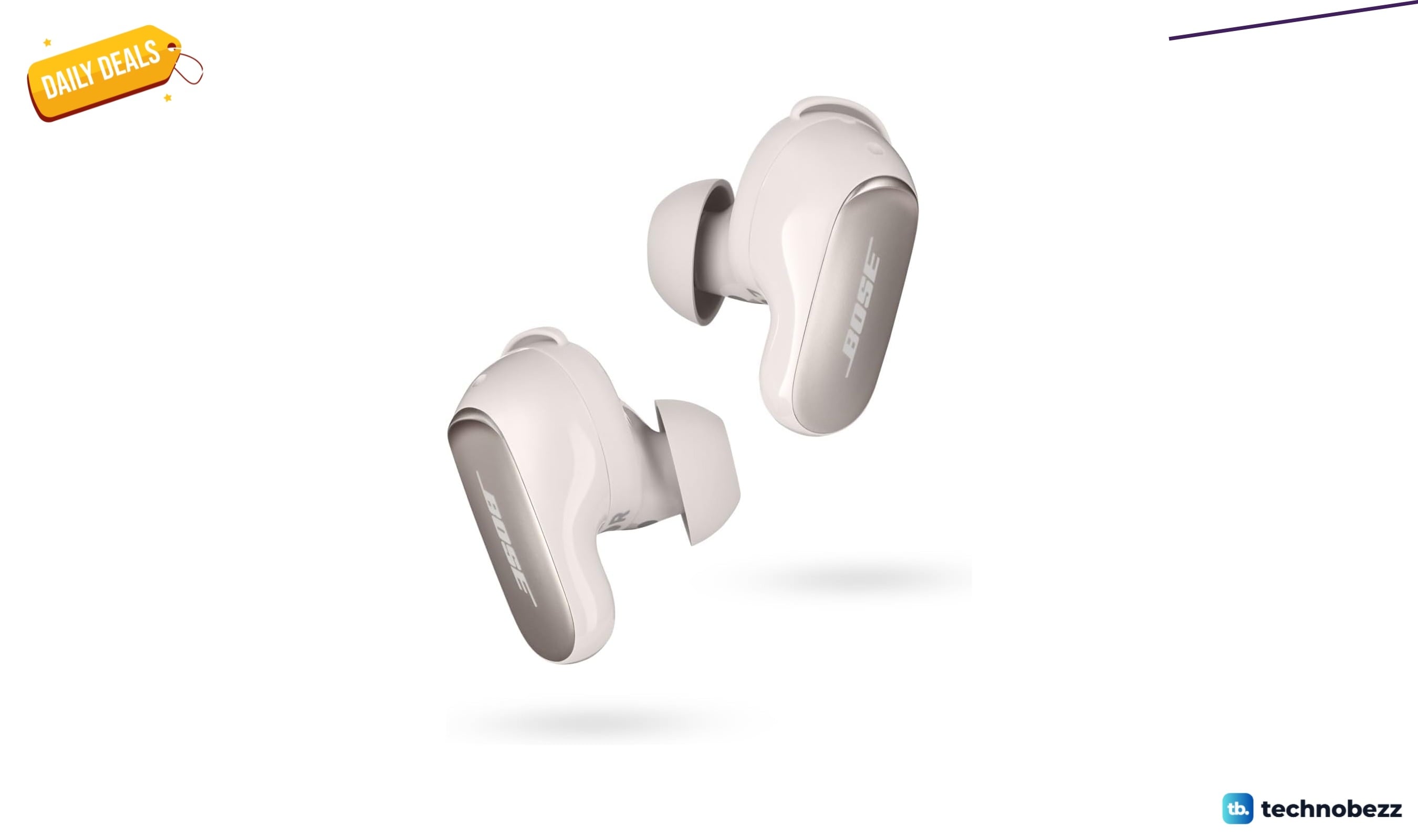
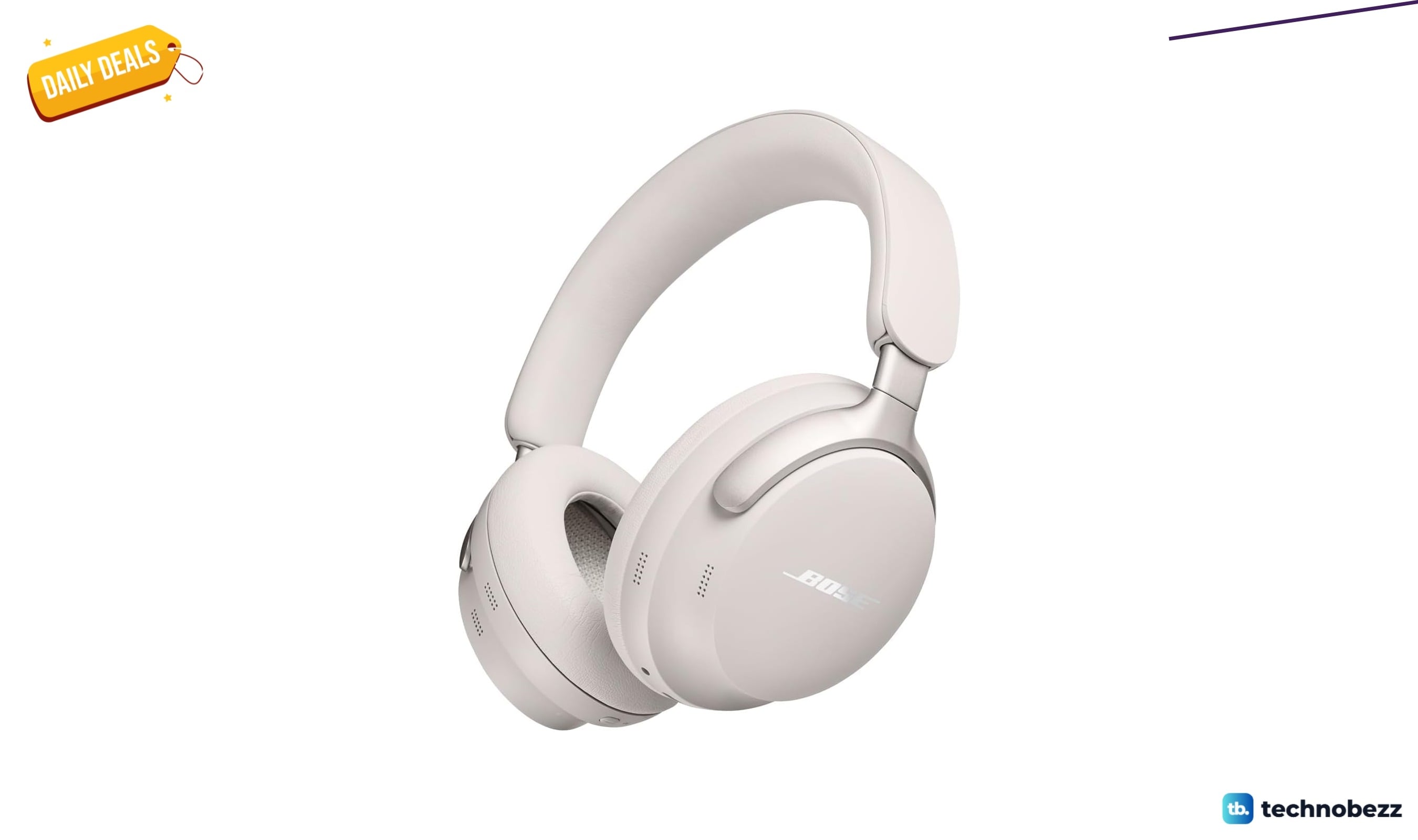
2 headphone deals worth checking today, from $59.46
Bose's flagship ANC earbuds hit a record-low $169, while JBL's over-ear headphones offer 76-hour battery life for just $59.46.
4 min read
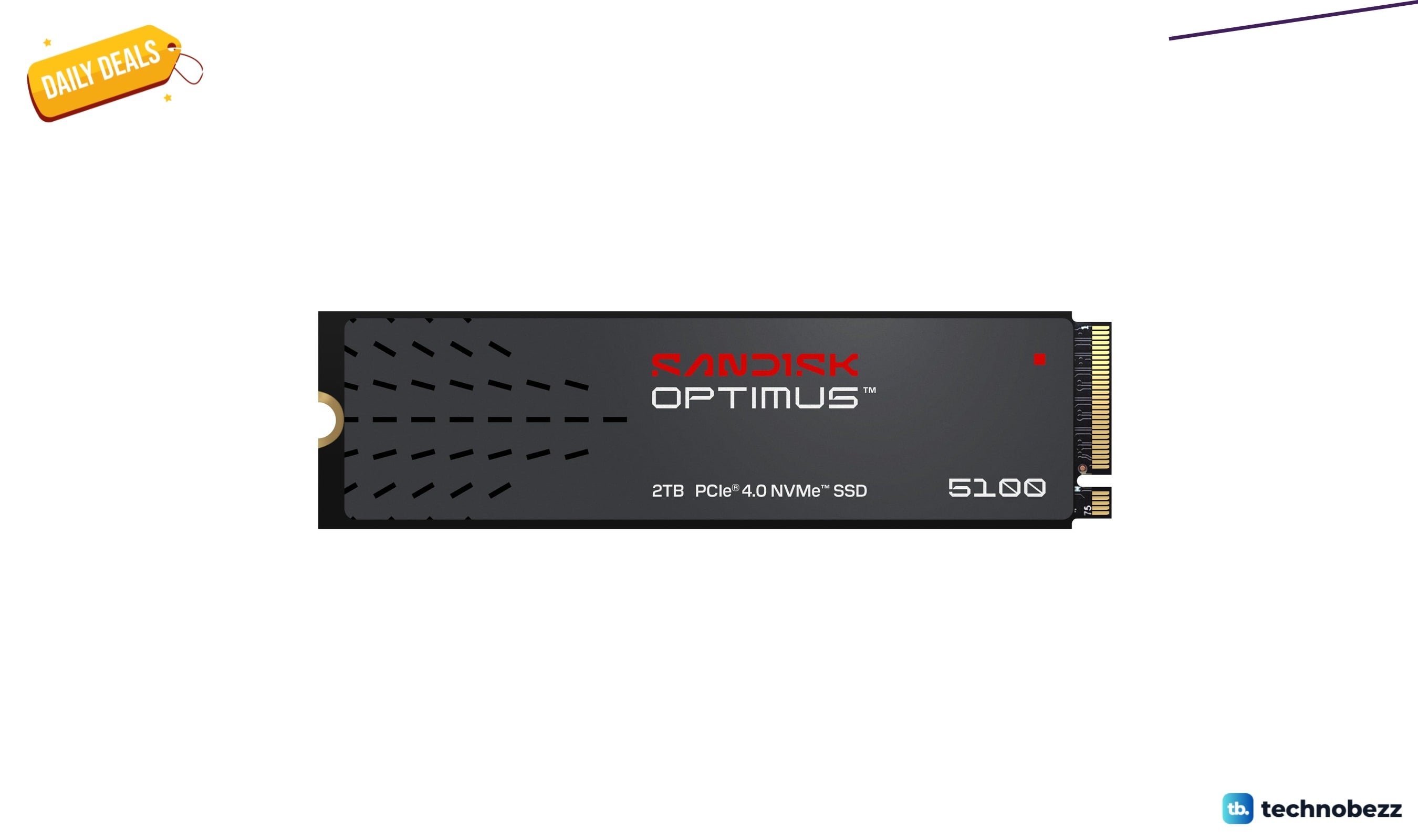
SANDISK Optimus 5100 NVMe SSD PCIe 4.0 price drops to $319.25
Save 20% on the Sandisk Optimus 5100 2TB PCIe 4.0 NVMe SSD, now at its lowest price ever at $319.25.
5 min read
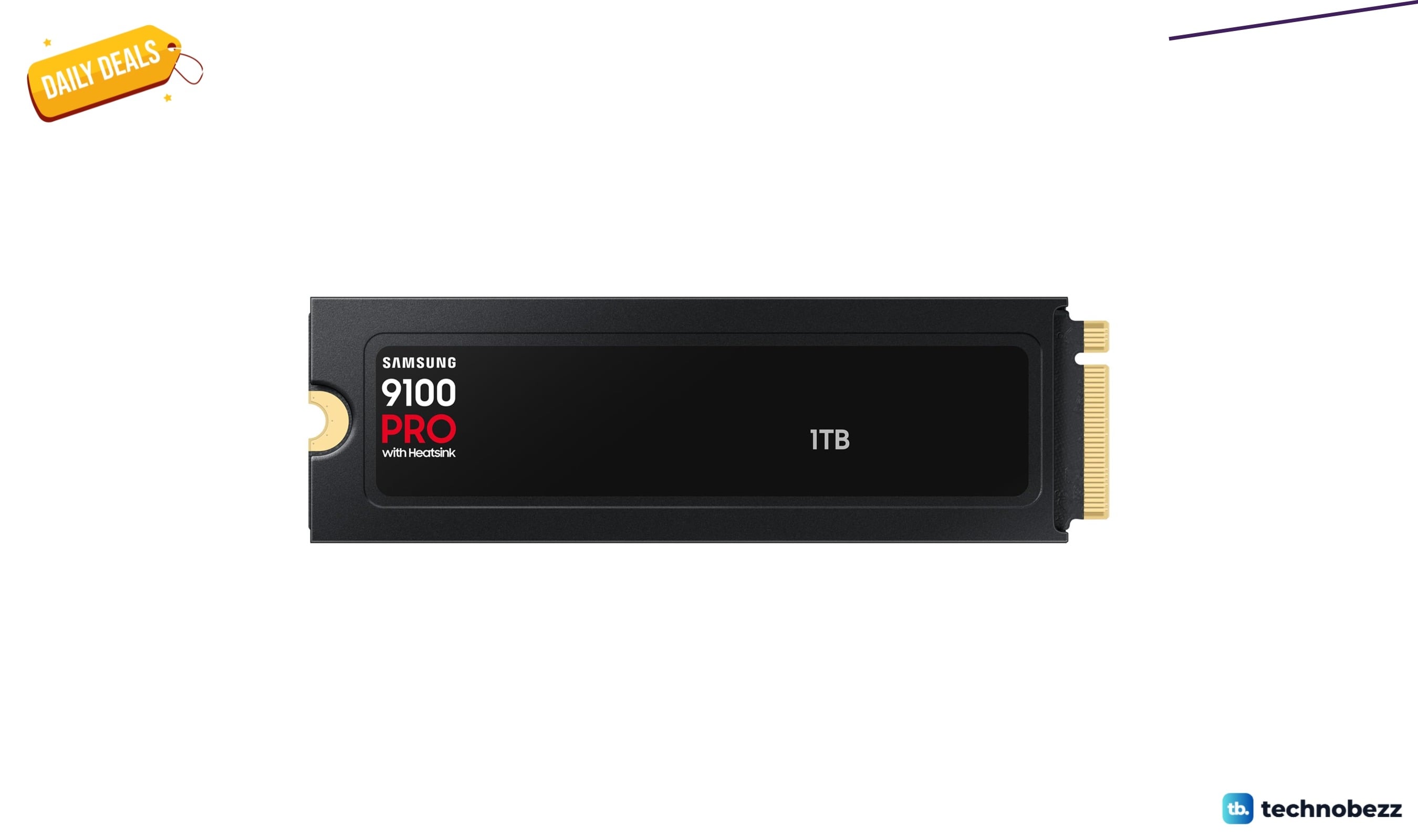
Samsung 9100 PRO 1TB SSD drops to $380.68 on Amazon
Samsung s 1TB 9100 PRO PCIe 5.0 SSD hits $380.68 on Amazon, a 15% discount that makes flagship speeds finally worth the upgrade.
4 min read
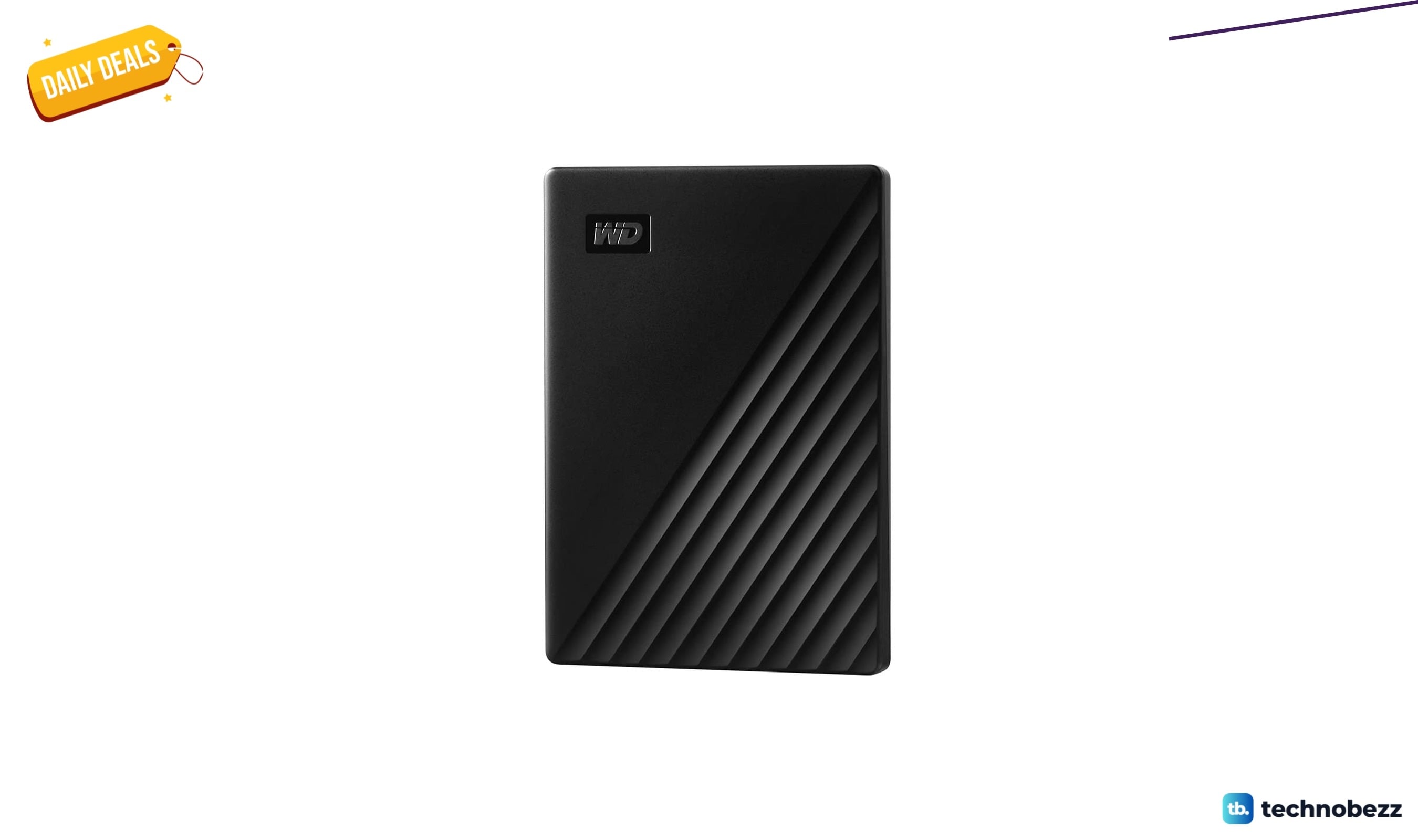
WD My Passport 2TB External Hard Drive price drops to $137.29
Get the WD My Passport 2TB external drive for $137.29, a 12% discount below its recent average, with encryption and a 3-year warranty.
5 min read
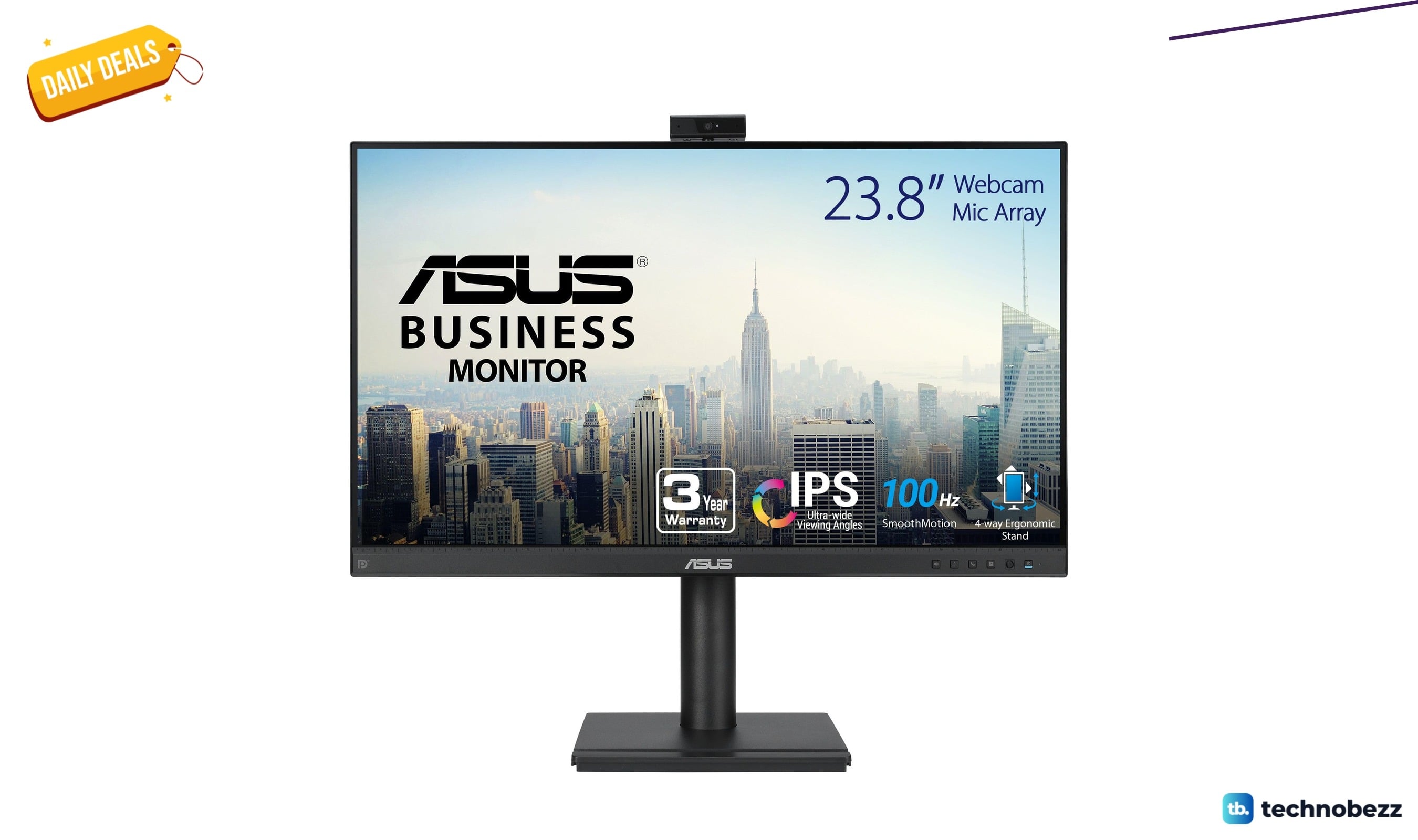
ASUS BE249QFK 24 1080P FHD Computer Monitor drops to $169
5 min read
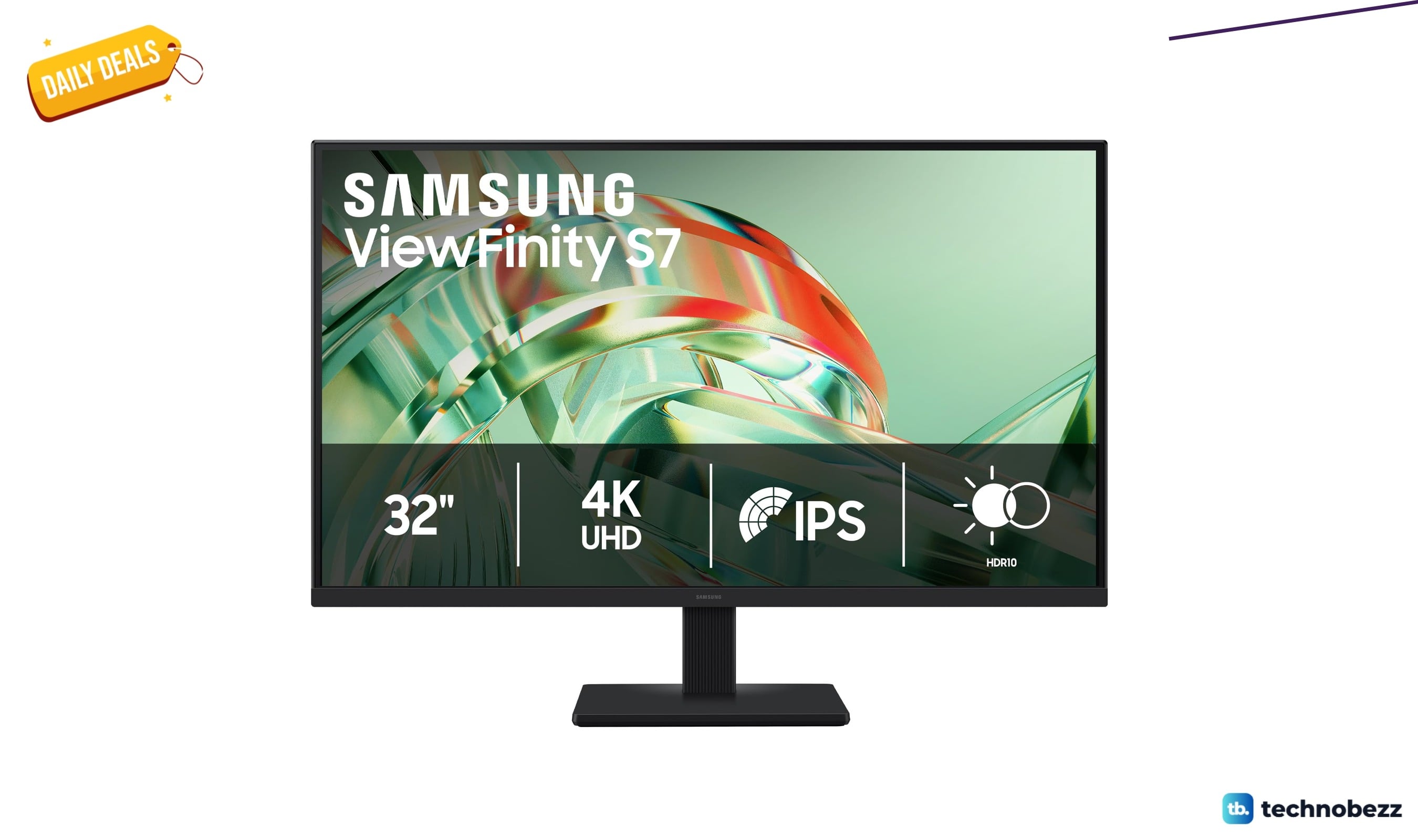
Samsung 32" ViewFinity S7 4K UHD IPS now selling for $219.99
4 min read
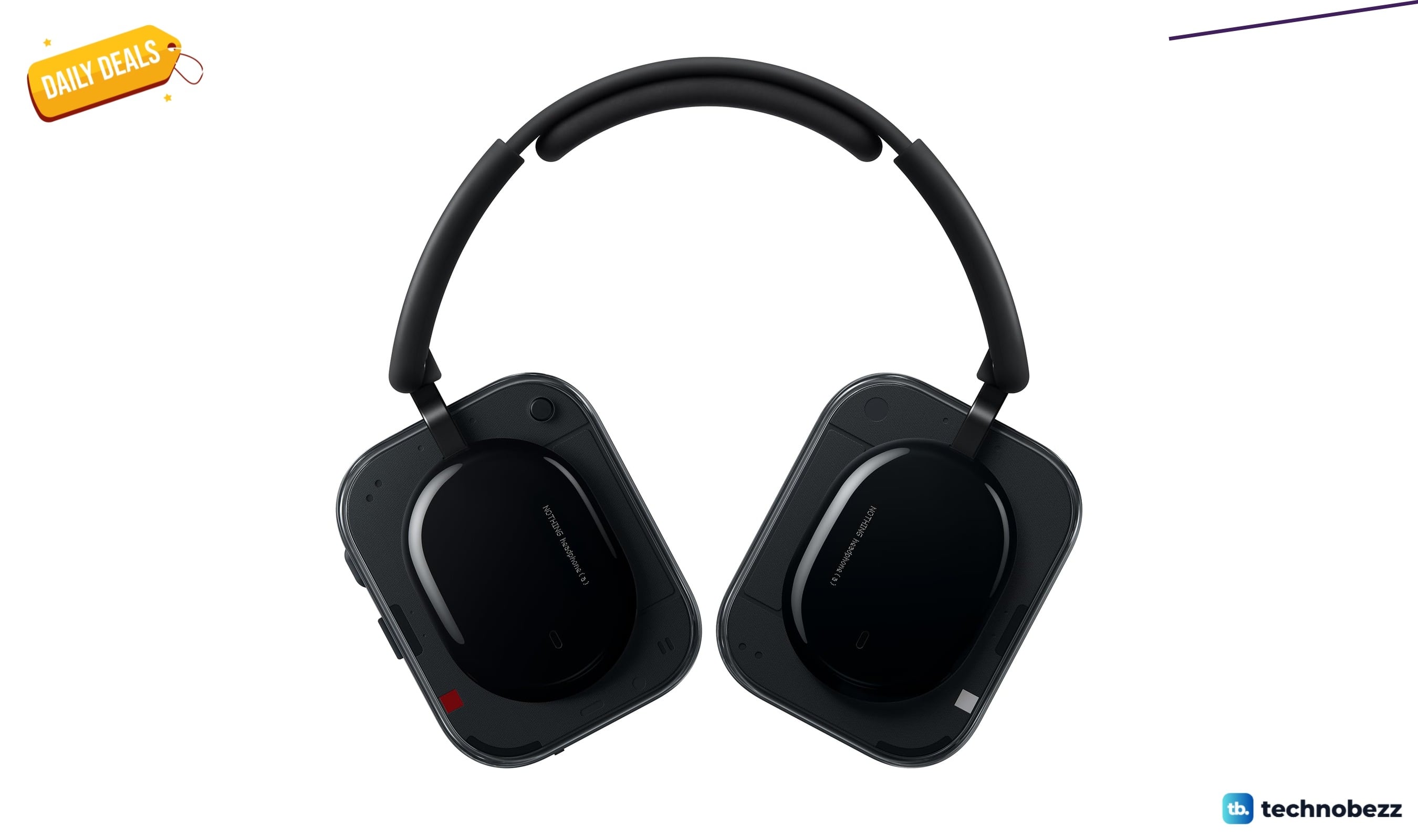
Nothing Headphone 2026 New drops to $109 in record-low price cut
3 min read
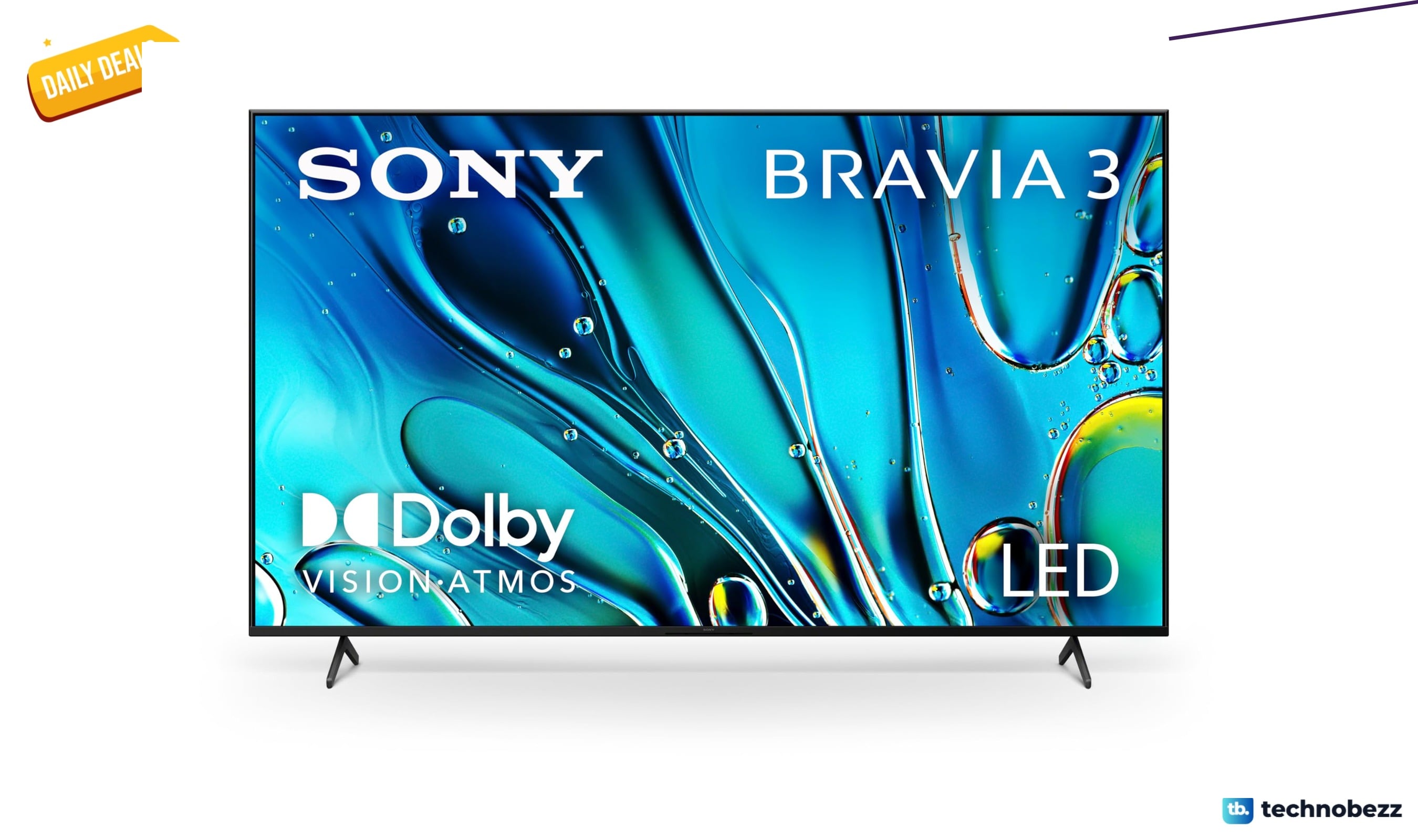
Sony 85 BRAVIA 3 LED 4K HDR drops to $998 on Amazon
4 min read
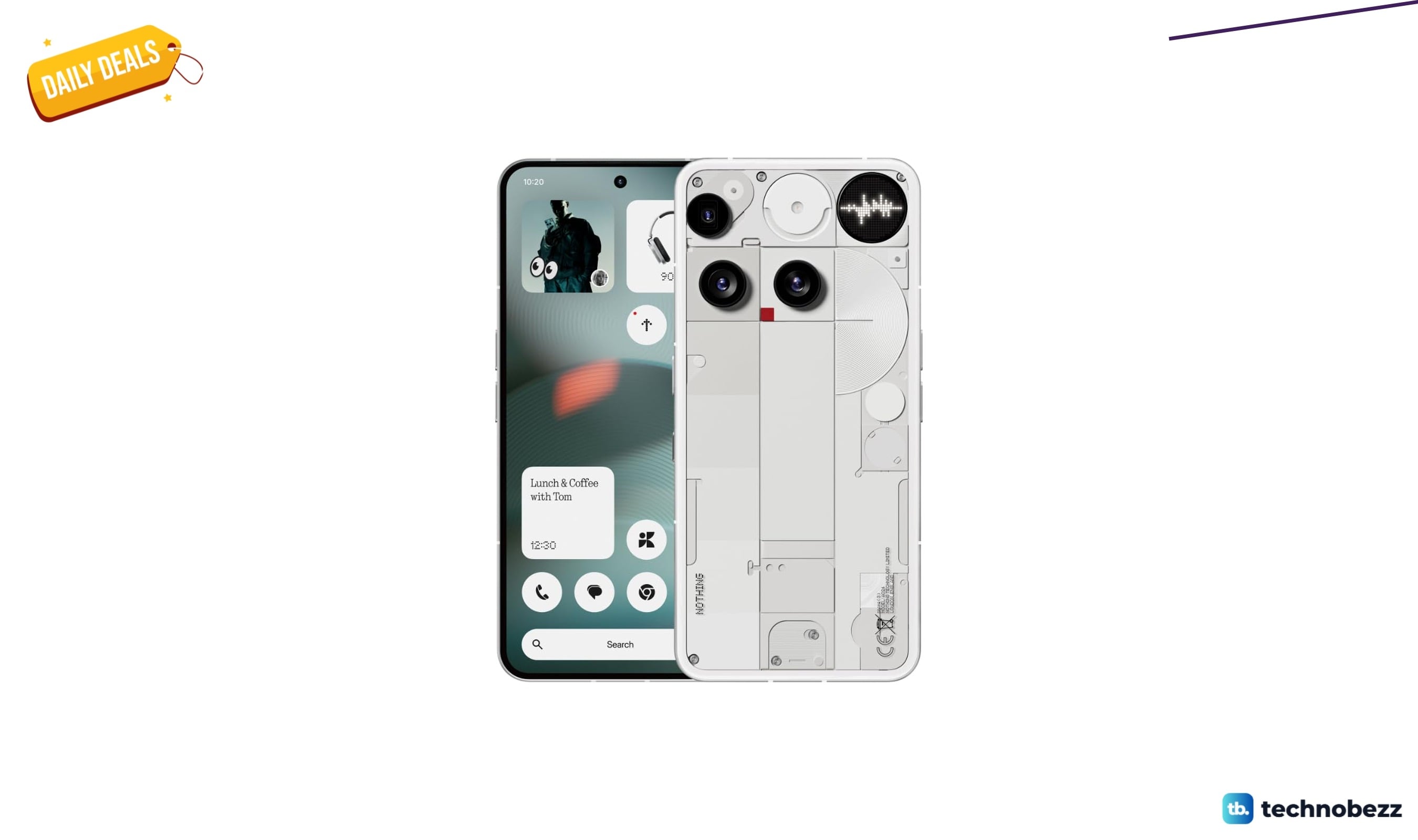
Nothing Phone 3 drops to $499 for the first time on Amazon
5 min read
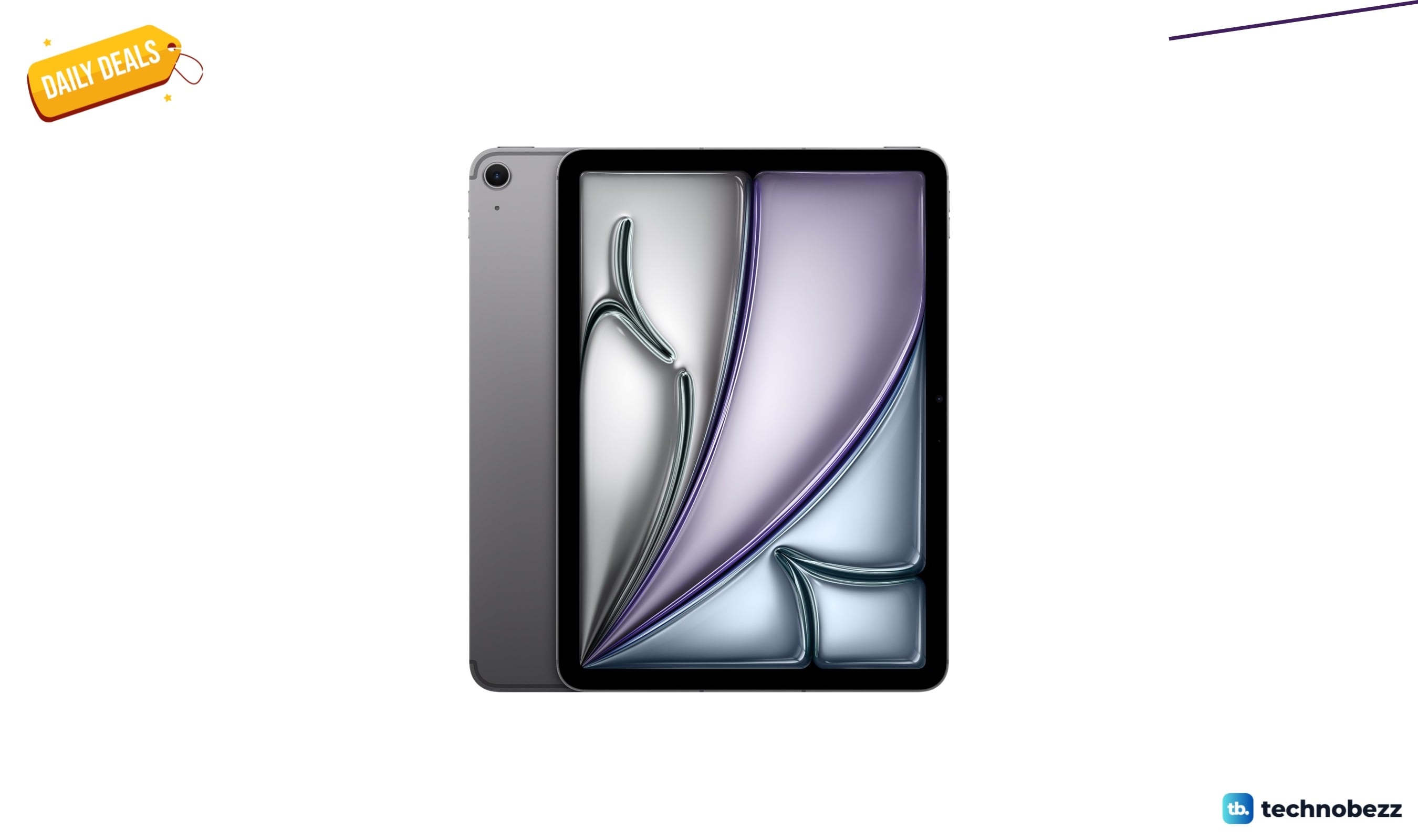
Apple iPad Air Built drops to $749 in 29 percent Amazon discount
4 min read
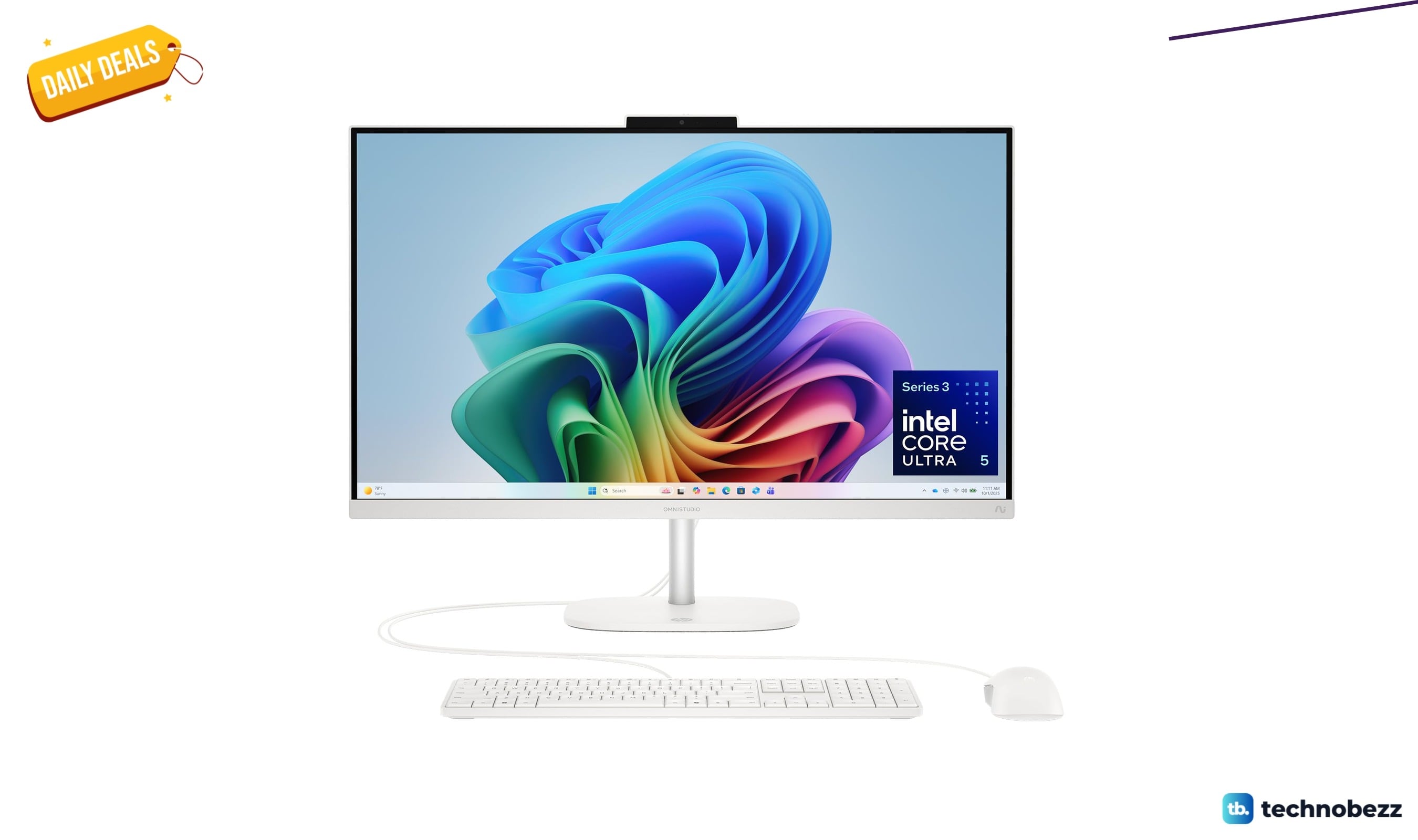
HP OmniStudio 27 All-in-One Desktop Next Gen drops to $1099.99
3 min read
Today's best headphone deals, starting at $99.95
3 min read