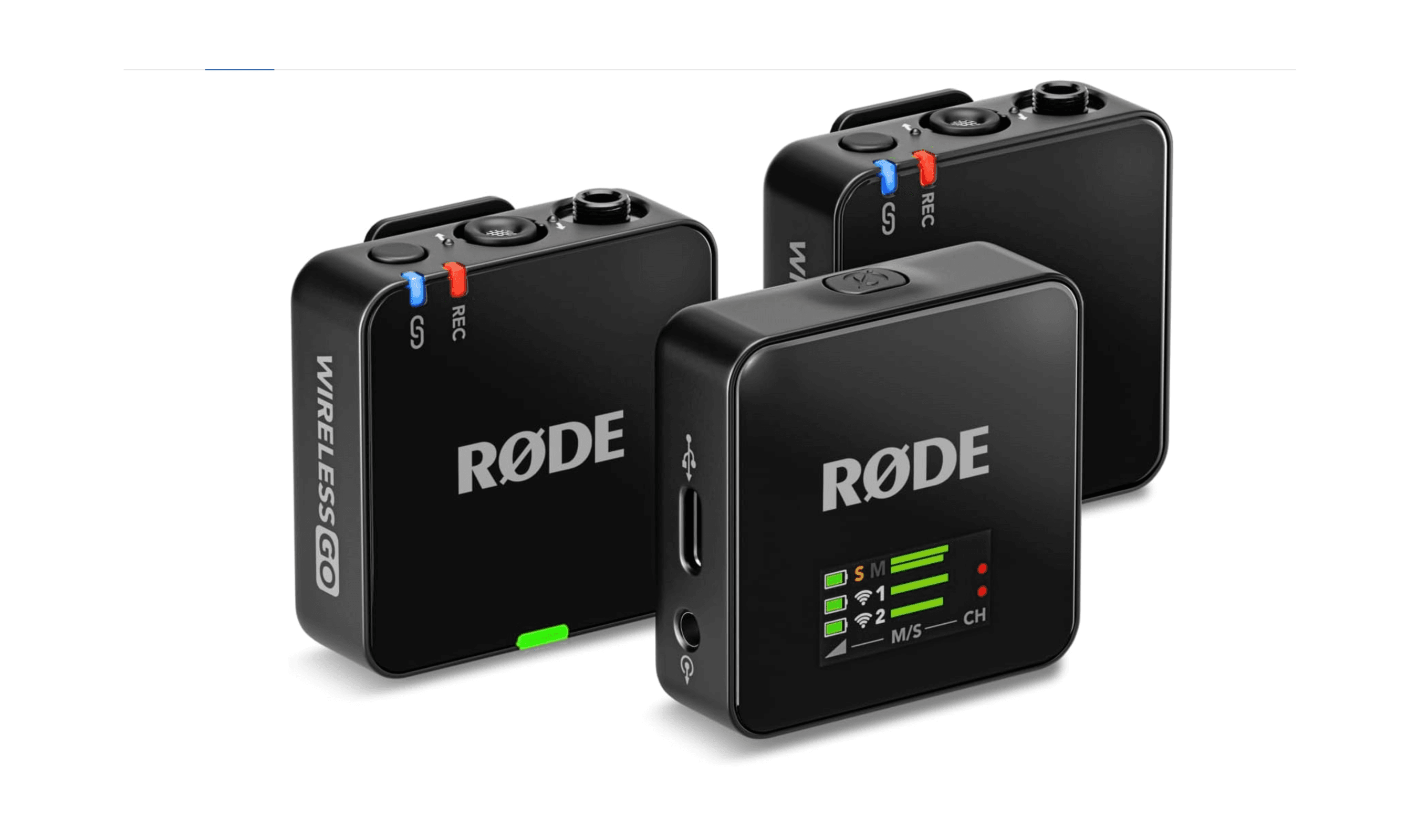
If you're recording videos, streaming, or doing interviews, a good wireless mic makes all the difference. The Rode Wireless GO III stands out as our top pick for most creators, balancing professional features with straightforward operation. This guide covers options for every budget and use case, from smartphone vloggers to professional filmmakers.
Product
Technobezz is supported by its audience. We may get a commission from retail offers.
Best Wireless Mics for Content Creation in 2026
Rode Wireless GO III leads our picks for 2026. Compare 8 top wireless mics for streaming, videos, and interviews across every budget.
T
Technobezz
Senior Editor
Updated February 23, 2026Feb 23, 2026
•7 min read

Get Deals Like These in Your Inbox
The best prices, reviewed weekly.
At a Glance
| Category | Product | Why We Picked It |
|---|---|---|
| Best overall | Rode Wireless GO III | Professional features with easy setup |
| Best value | Hollyland Lark M1 | Reliable performance at a budget price |
| Best for smartphones | Rode Wireless ME | Simple plug-and-play operation |
| Best for professionals | Shure MoveMic One | Studio-quality audio in compact form |
| Best budget option | BOYA Mini | Solid performance without breaking the bank |
| Also recommended | DJI Mic 2 | Great for streamers with strong noise cancellation |
| Also recommended | Sennheiser Profile Wireless | Well-designed, easy to use with good sound |
| Also recommended | SYNCO P1XT | Ultra-budget audio upgrade for smartphones |
How we chose and tested
We evaluated wireless microphones based on audio quality, transmission stability, battery life, and ease of use. Each option was assessed for real-world performance in different recording scenarios, from indoor interviews to outdoor shoots. We considered factors like range, connectivity options, and whether the system works well with both cameras and smartphones.
The best wireless mics right now
Rode Wireless GO III - Best overall
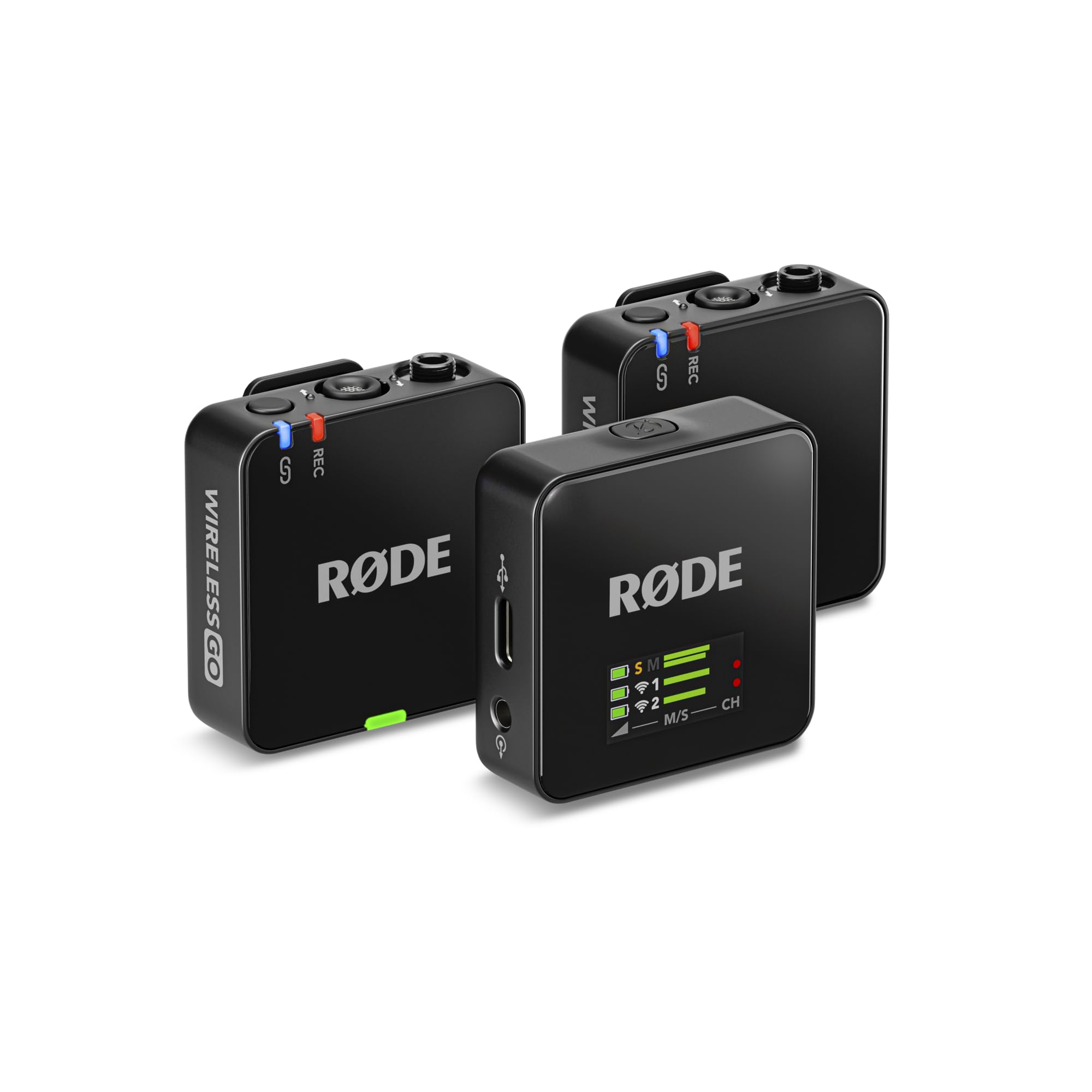
The Rode Wireless GO III delivers professional-grade audio with features that simplify recording. Its adaptive gain control automatically adjusts to changing conditions, while 32-bit float recording prevents clipping.
Key highlights
- 32-bit float recording prevents audio distortion
- Adaptive gain control automatically adjusts levels
- Each transmitter records backup audio internally
- Works with cameras, smartphones, and computers
- Compact charging case provides multiple charges
Pros
- Excellent audio quality for the price
- Built-in safety recording on transmitters
- Easy to use with minimal setup
- Compatible with wide range of devices
Cons
- More expensive than entry-level options
- Charging case doesn't store lavalier mics
- Some features require app configuration
Who it is for: Content creators who want professional audio quality without complex setup. It works well for YouTube creators, interviewers, and filmmakers who need reliable wireless audio.
Skip if
You only record with smartphones and want the smallest possible receiver, or if you're on a tight budget.
Hollyland Lark M1 - Best value
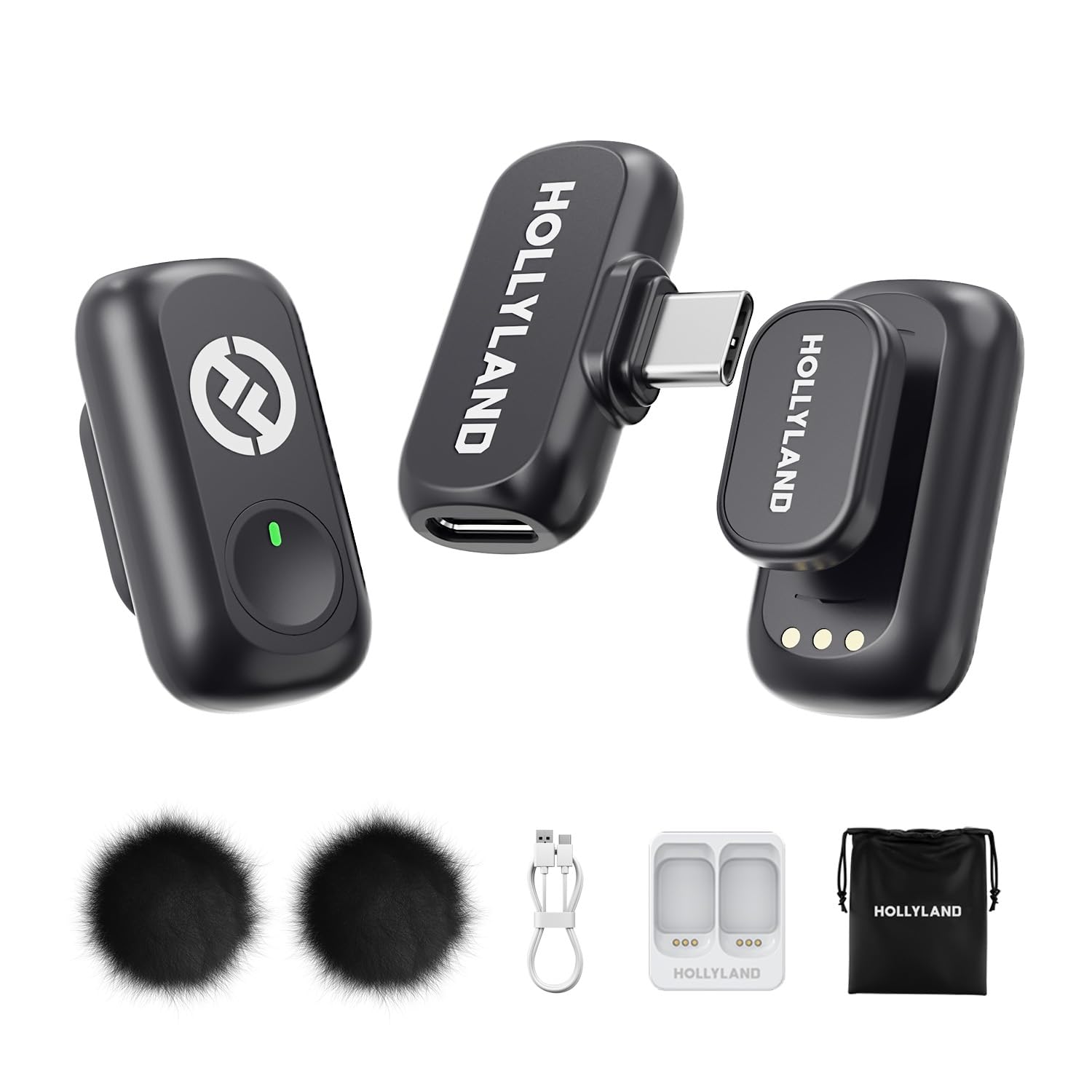
The Hollyland Lark M1 offers impressive performance at a price that won't break the bank. It provides clean audio with good range, making it a solid choice for beginners and budget-conscious creators.
Key highlights
- Clean audio quality for the price
- Good transmission range up to 200 meters (650ft)
- Compact design with charging case
- Works with smartphones and cameras
- Simple plug-and-play operation
Pros
- Excellent value for money
- Easy to set up and use
- Reliable performance in most conditions
- Compact and portable
Cons
- Audio quality not as rich as premium options
- Limited advanced features
- Case doesn't store accessories well
Who it is for: Budget-conscious creators who need reliable wireless audio without premium features. Great for vloggers, students, and anyone starting with wireless audio.
Skip if
You need professional features like 32-bit recording or internal backup recording, or if audio quality is your absolute top priority.
Rode Wireless ME - Best for smartphones
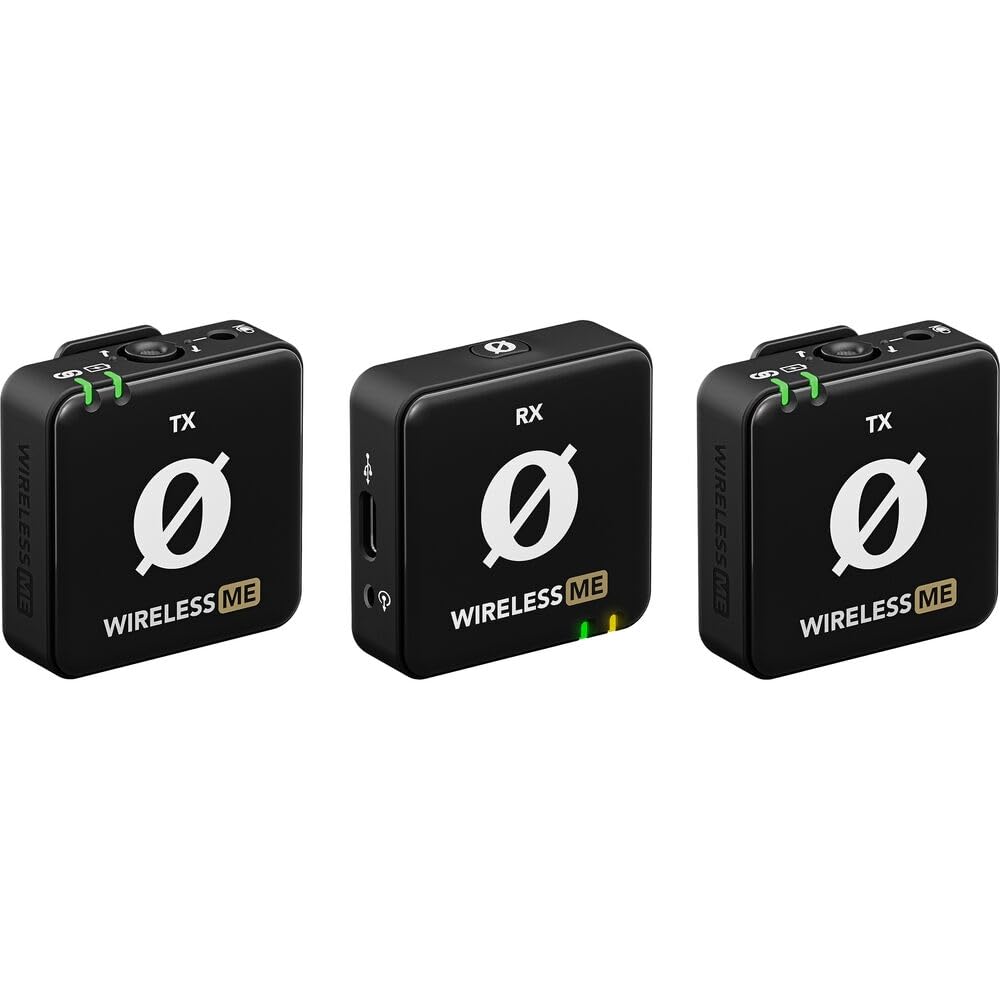
Designed specifically for smartphone users, the Rode Wireless ME offers simple plug-and-play operation. It connects directly to your phone without adapters, making it ideal for quick recording sessions.
Key highlights
- Direct connection to smartphones
- Ultra-compact transmitter design
- Simple one-button operation
- Good battery life for short sessions
- Includes basic windscreen
Pros
- Extremely easy to use
- No adapters needed for phones
- Very compact and lightweight
- Affordable price point
Cons
- Limited range compared to larger systems
- Basic feature set
- Not ideal for professional applications
- No charging case included
Who it is for: Smartphone creators who want better audio without complexity. Perfect for social media content, quick interviews, and mobile journalism.
Skip if
You need to record with cameras or computers, require long transmission range, or want advanced audio features.
Shure MoveMic One - Best for professionals
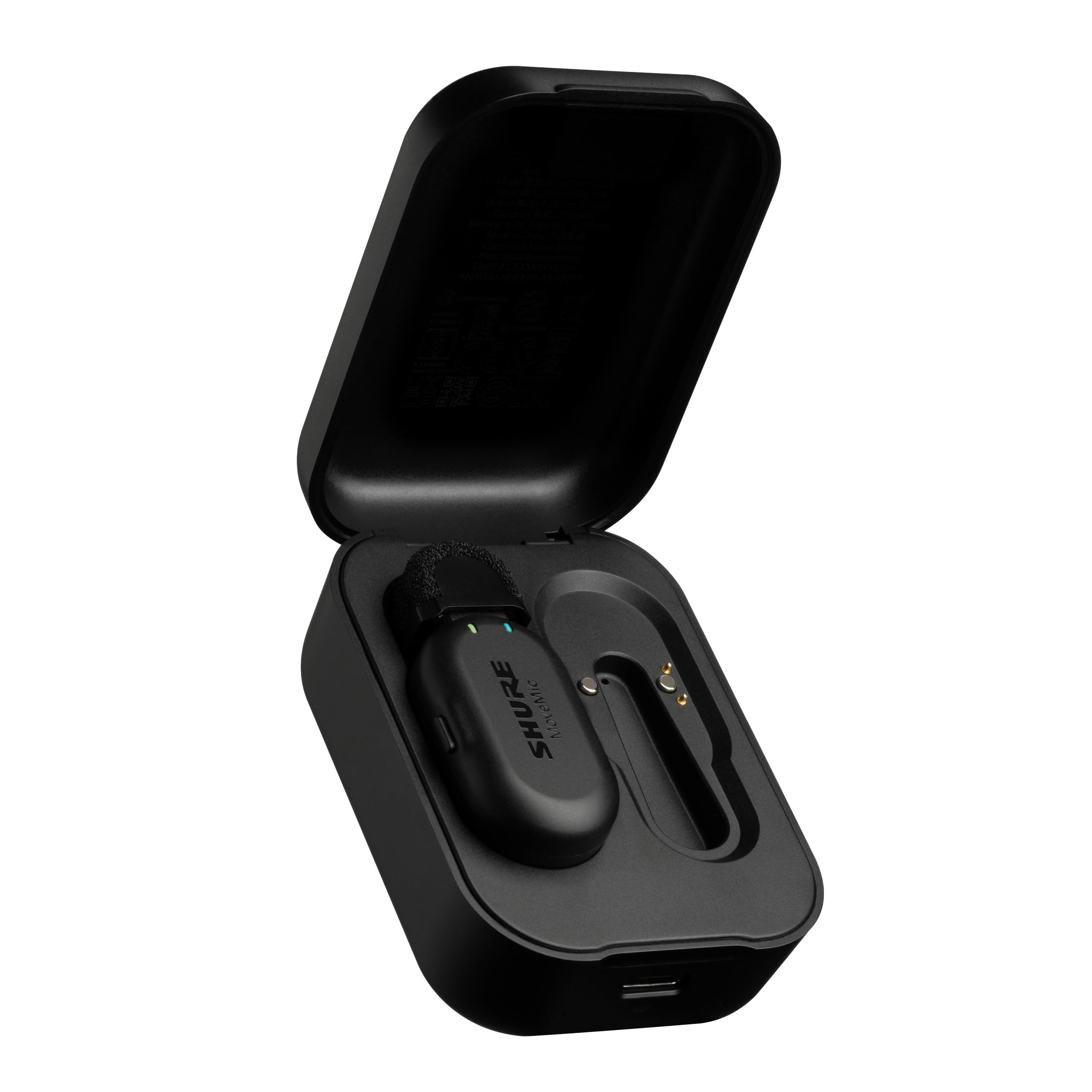
The Shure MoveMic One brings studio-quality audio to a wireless lavalier system. With Shure's audio expertise, it delivers exceptional sound quality in a compact package.
Key highlights
- Studio-quality audio from Shure
- Compact, discreet transmitter design
- Good noise rejection capabilities
- Compatible with professional audio gear
- Durable construction
Pros
- Excellent audio quality
- Professional-grade reliability
- Good noise handling
- Compatible with existing Shure systems
Cons
- Higher price point
- Limited smartphone compatibility
- Fewer consumer-friendly features
- Requires separate purchase for some accessories
Who it is for: Professional creators who need studio-quality audio in wireless form. Ideal for filmmakers, corporate video producers, and audio professionals.
Skip if
You're on a tight budget, primarily use smartphones, or want built-in features like internal recording.
BOYA Mini - Best budget option
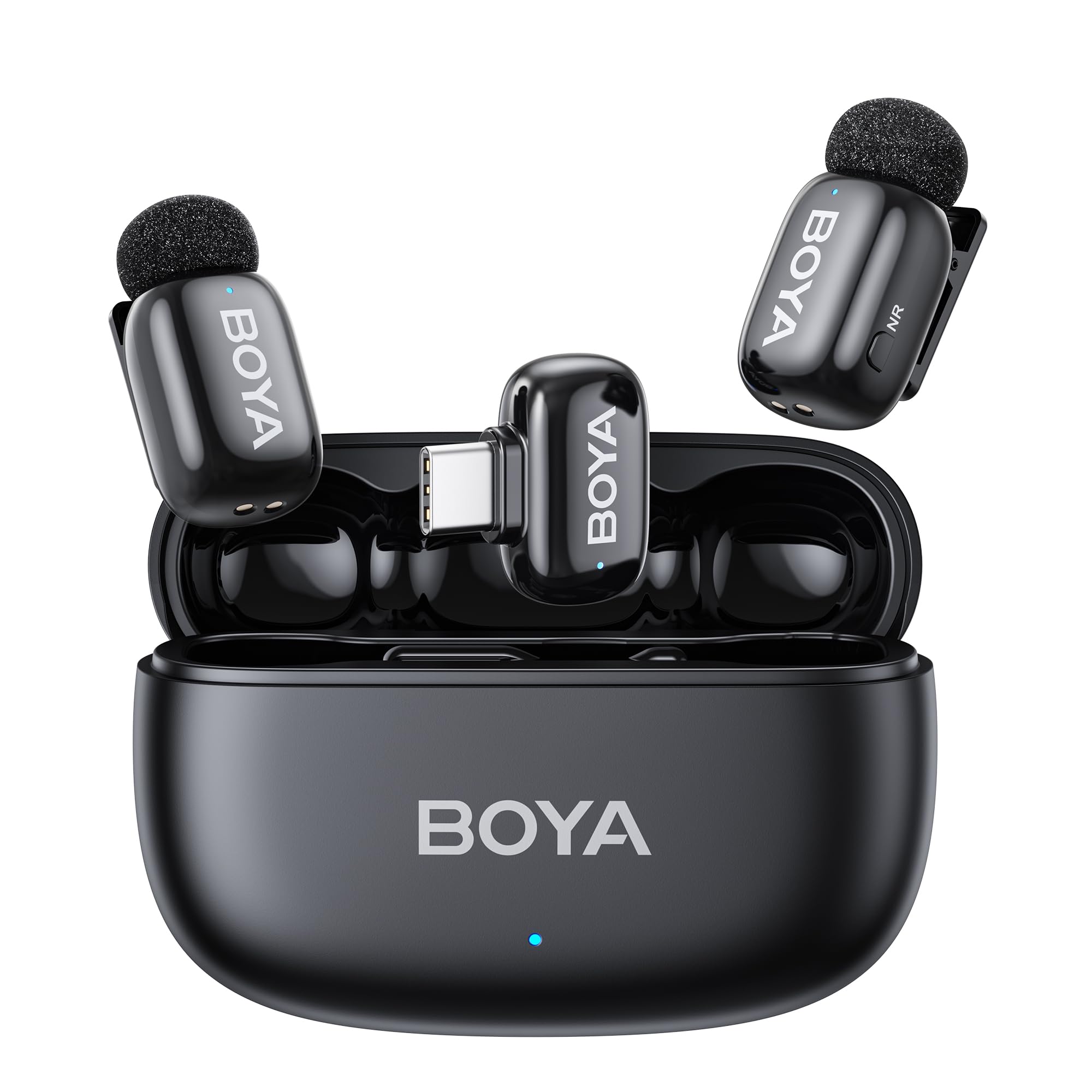
The BOYA Mini provides solid wireless audio performance at an entry-level price. It offers good value for creators who need basic wireless functionality without premium features.
Key highlights
- Very affordable price point
- Compact transmitter and receiver
- Includes basic lavalier microphone
- Works with smartphones and cameras
- Simple operation
Pros
- Excellent price-to-performance ratio
- Easy to set up and use
- Includes essential accessories
- Good for beginners
Cons
- Basic audio quality
- Limited range and features
- Build quality feels budget-oriented
- No advanced audio processing
Who it is for: First-time wireless mic buyers and creators on tight budgets. Suitable for students, hobbyists, and anyone needing basic wireless audio improvement.
Skip if
You need professional audio quality, long transmission range, or advanced features like noise reduction.
Also Good
- DJI Mic 2 - great for streamers with strong noise cancellation.
- Sennheiser Profile Wireless - well-designed, easy to use with good sound.
- SYNCO P1XT - ultra-budget audio upgrade for smartphones.
How to Choose
Consider these factors when selecting a wireless microphone:
- Audio quality needs: Basic systems work for casual use, while 32-bit float recording prevents clipping in professional applications. Consider whether you need noise reduction or special audio processing.
- Device compatibility: Some systems work best with smartphones, others with cameras, and some with both. Check what connectors you need and whether adapters are included or required.
- Battery life and charging: Consider how long you typically record. Some systems offer all-day battery life, while others need frequent charging. Charging cases can extend usage significantly.
- Range requirements: Most consumer systems offer 100-200 meter range, which works for most situations. Professional systems may offer longer range but at higher cost.
- Budget constraints: Prices range from under $100 to over $500. Determine what features you actually need versus what would be nice to have.
FAQ
What's the difference between 32-bit and 24-bit recording?
32-bit float recording provides more headroom and prevents clipping, which is useful when recording unpredictable audio sources. 24-bit is still excellent quality for most applications but has less protection against sudden loud sounds.
Do I need a wireless mic if I only use my smartphone?
Yes, even basic wireless mics significantly improve smartphone audio. They reduce handling noise and allow you to position the microphone closer to the sound source while keeping your phone at a comfortable distance.
How important is transmission range?
For most indoor and close-range shooting, 50-100 meters is sufficient. Longer range (200+ meters) matters for outdoor shoots where you might move farther from the camera, or for situations with obstacles between you and the receiver.
Can I use wireless mics for live streaming?
Absolutely. Many wireless systems work well for streaming, especially those with USB connectivity. Look for systems with good noise handling and reliable connections to avoid audio dropouts during streams.
What's better: built-in microphone or lavalier attachment?
Built-in mics are more convenient for quick setup, while lavalier mics typically provide better audio quality and more consistent positioning. Some systems include both options or offer them as accessories.
Share this article
More in News
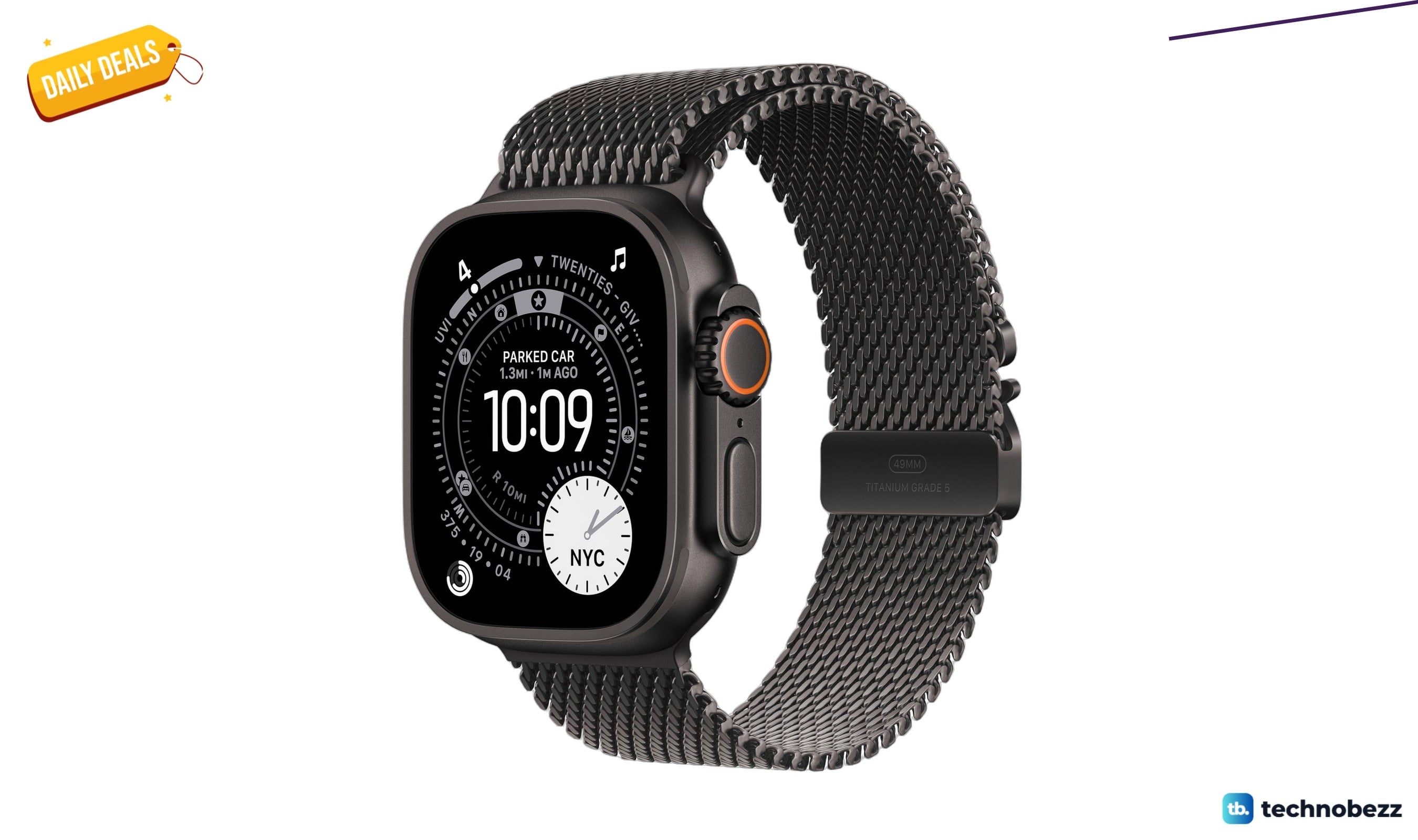
Two premium smartwatch deals land today starting at $599
Premium smartwatch deals on Samsung Galaxy Watch Ultra and Apple Watch Ultra 3, with verified discounts up to $50.99.
5 min read
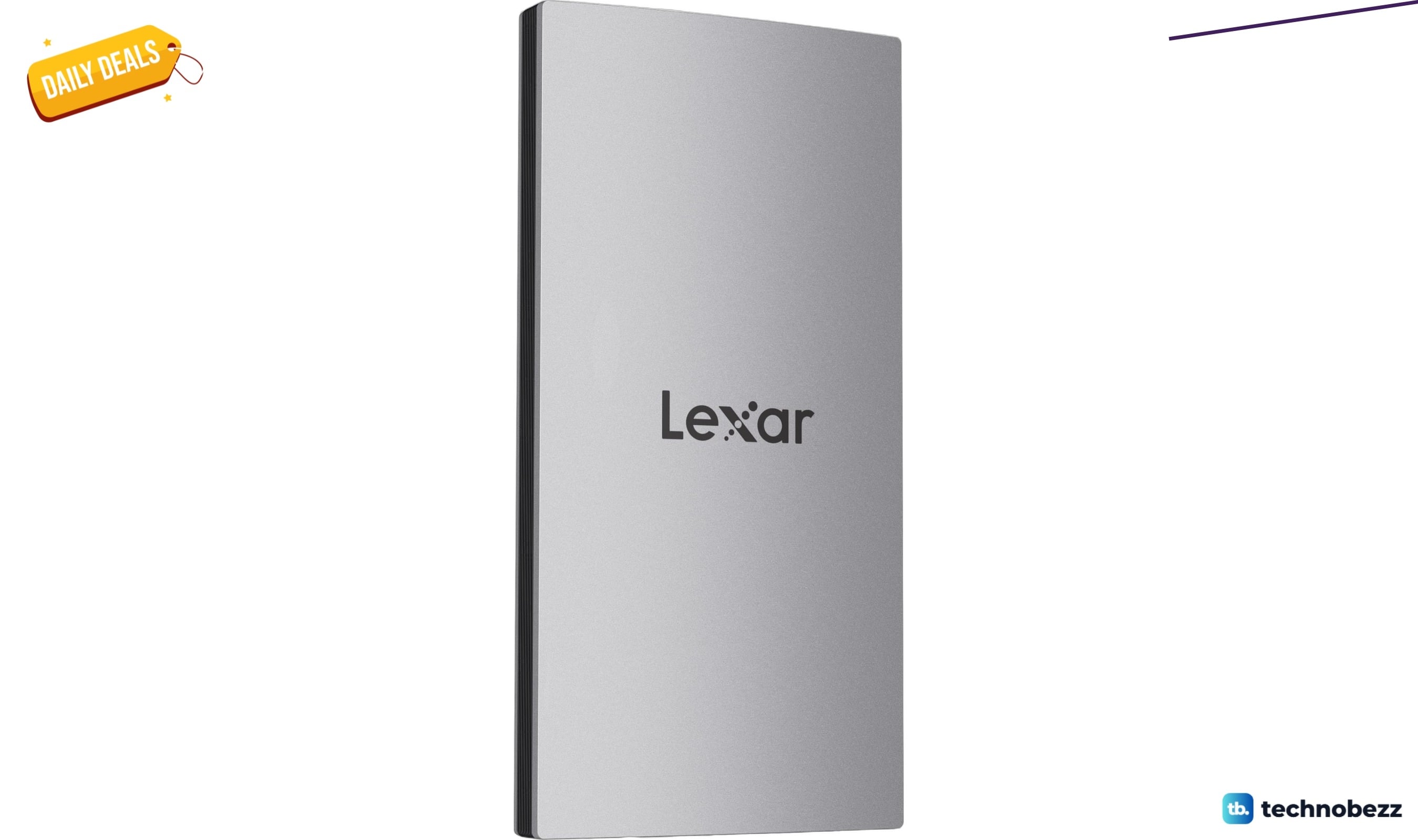
Lexar ES3 External SSD with 1050MB/s speeds drops to $279.98
Save $40 on the 2TB Lexar ES3 external SSD, delivering 1050MB/s read speeds for fast backups and file transfers.
4 min read
Synology 4-Bay RackStation RS822RP+ drops to $1274.99 in latest price cut
Save $75 on the Synology 4-Bay RackStation RS822RP+ at $1274.99, a business-grade NAS with fast throughput and expansion options.
3 min read
WD My Passport Ultra drops to $246.89 on Amazon
Save $14.72 on the WD My Passport Ultra 6TB portable drive at Amazon, dropping below its 30-day average for a rare discount on high-capacity USB-C storage.
5 min read
Sandisk Creator Desk Drive 8TB drops to $999 on Amazon
4 min read
Oura Ring 4 Rose Gold drops to $399 on Amazon
5 min read
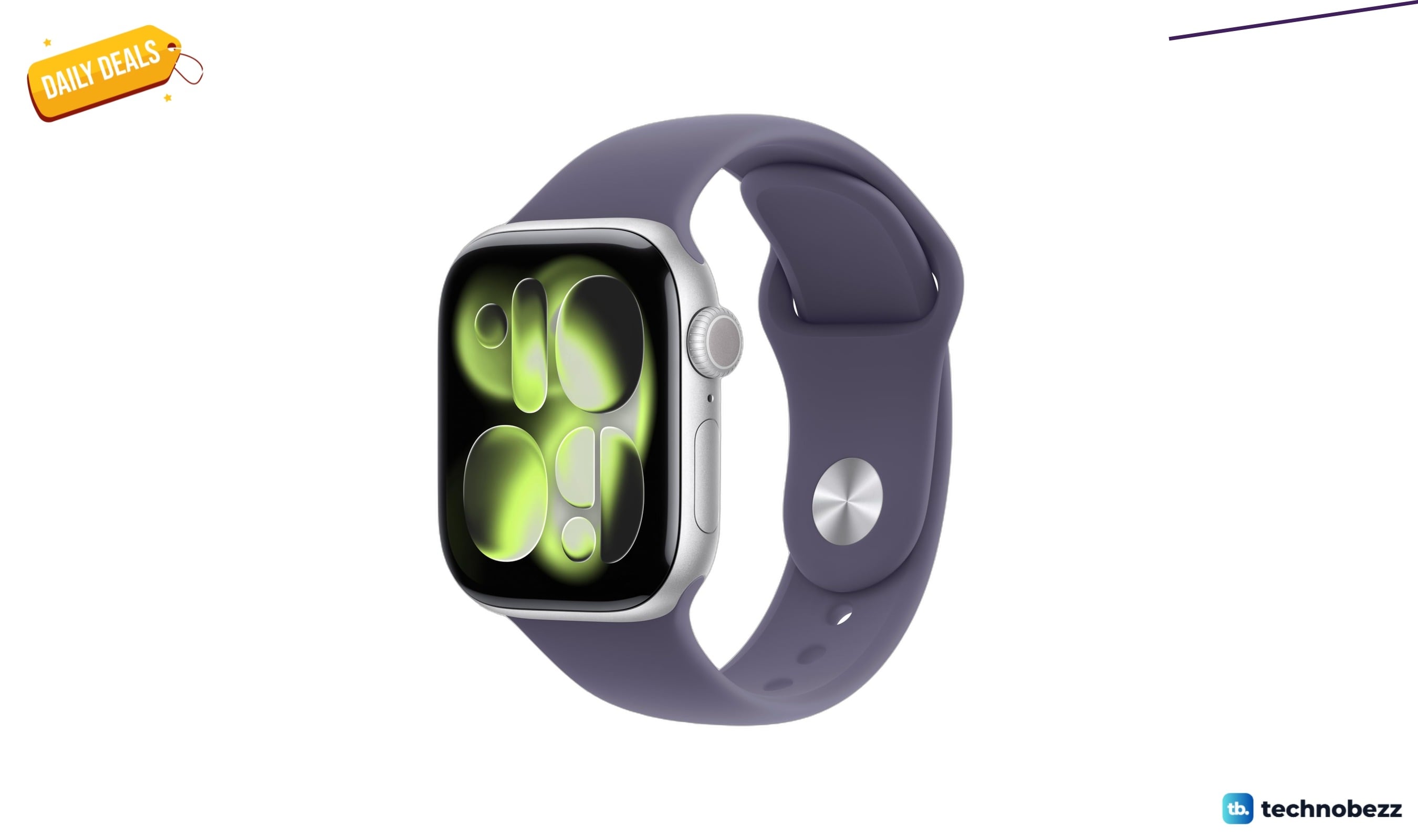
Apple Watch 11 GPS plus Cellular 42mm drops to $399 on Amazon
3 min read
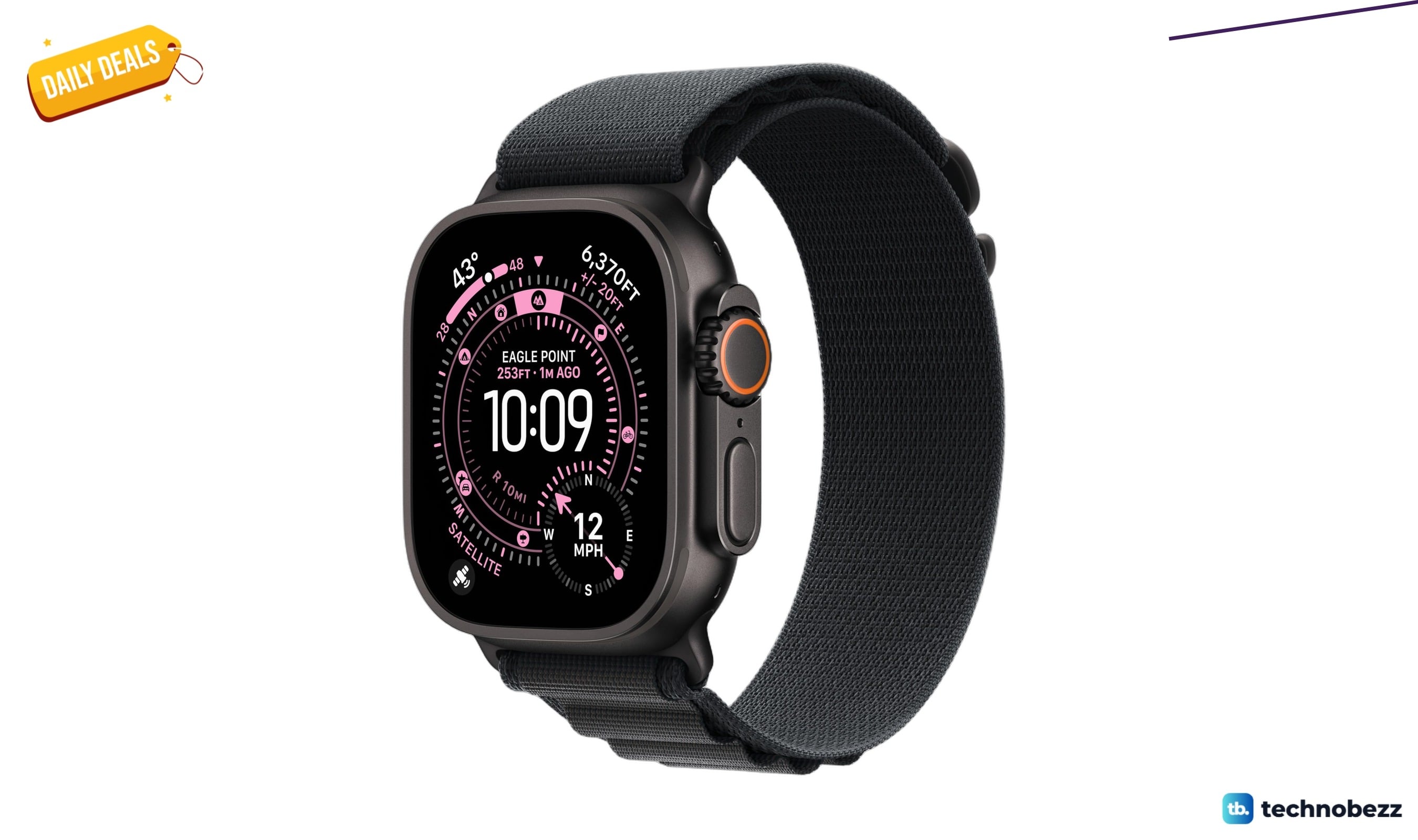
Apple Watch Ultra 3 [GPS + Cellular now selling for $779
5 min read
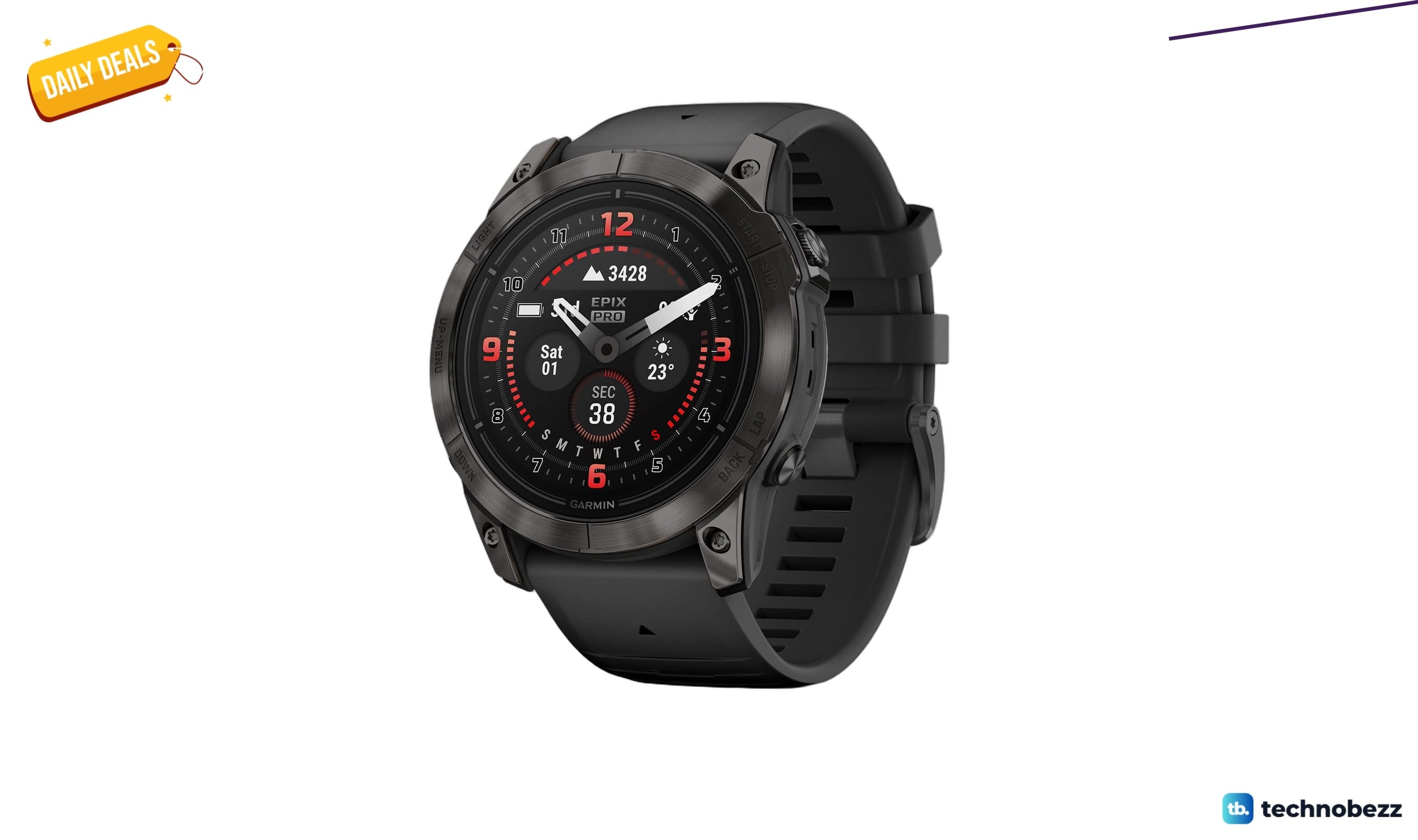
Garmin epix Pro Sapphire Edition 51mm drops to $549.99 on Amazon
4 min read
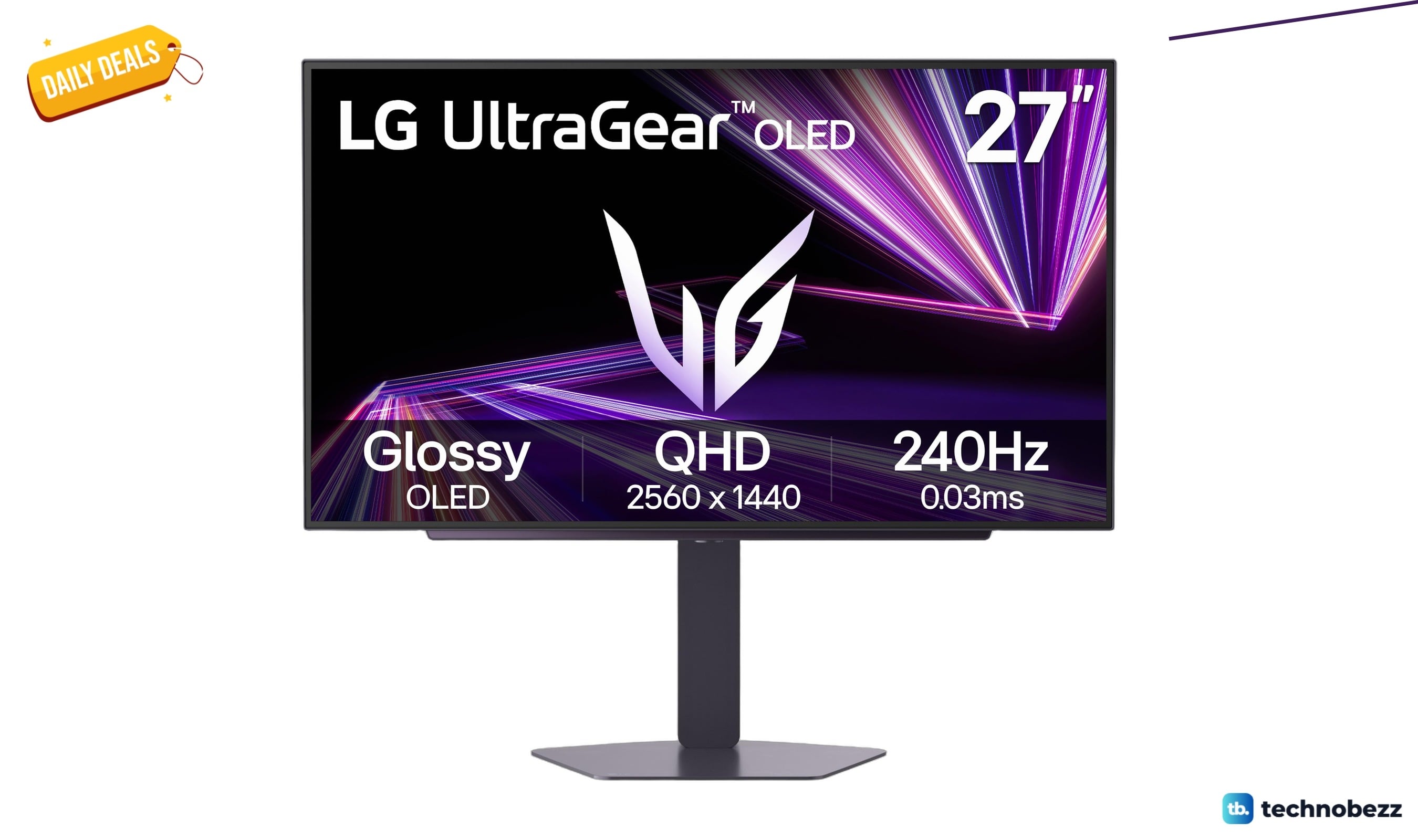
LG 27GX704A-B Ultragear QHD OLED Gaming Monitor drops to $459.95
3 min read
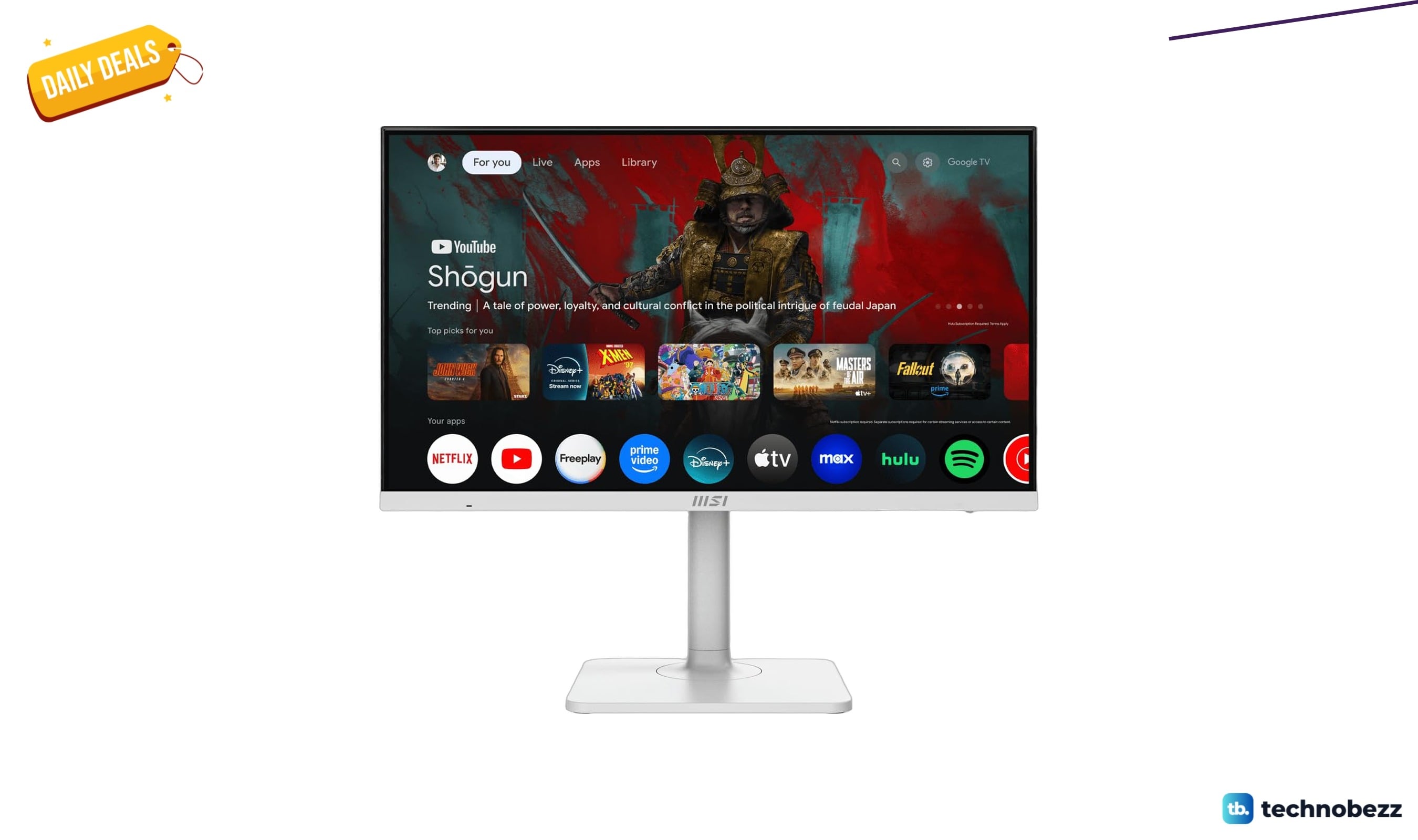
MSI Modern MD27UPSW IPS 4K monitor drops to $279.99 on Amazon
5 min read
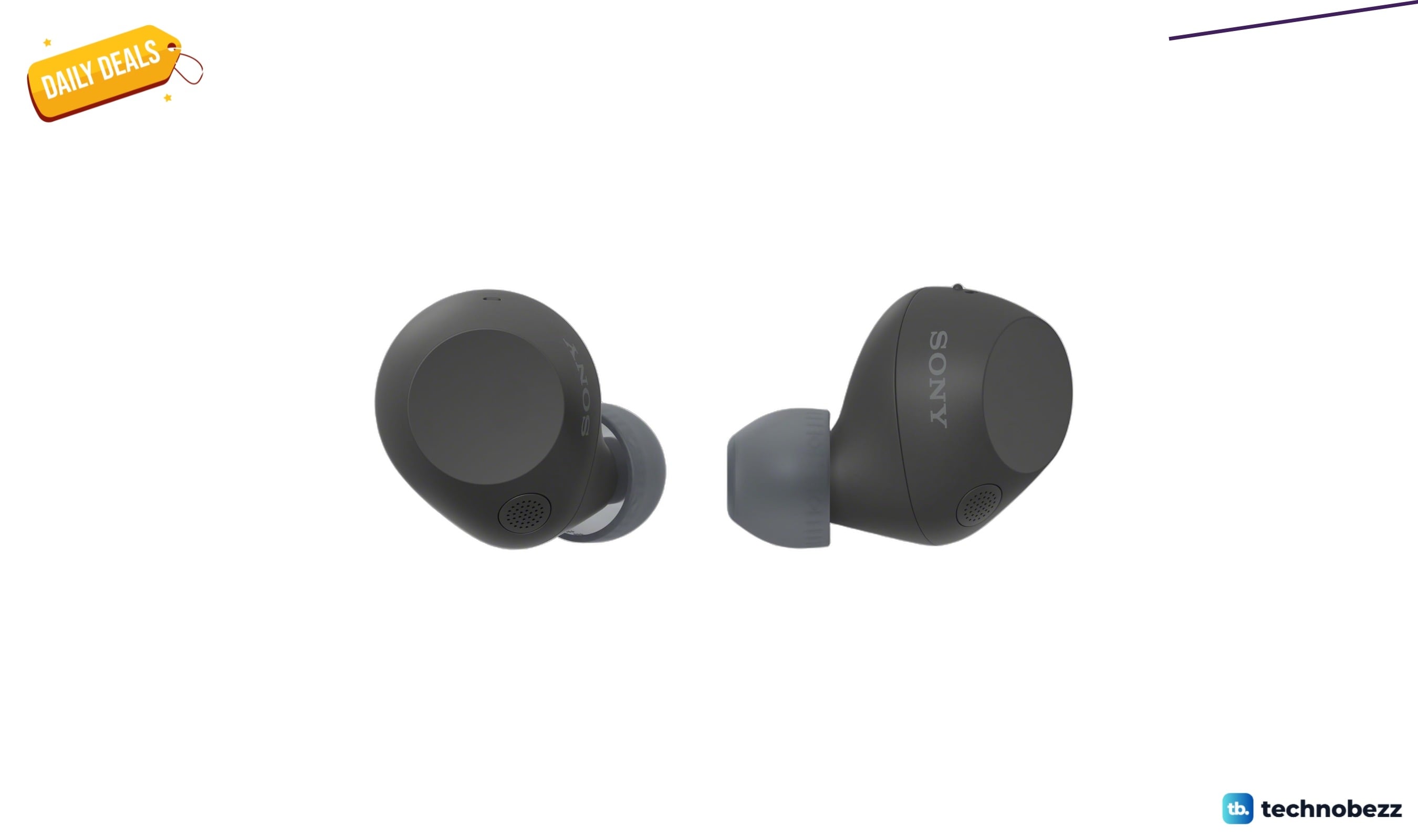
Sony WF-C710N Truly Wireless Noise-Canceling Earbuds now selling for $90
4 min read