Power surges can destroy expensive electronics in milliseconds, but the right surge protector gives you peace of mind without breaking the bank. The Anker 12-outlet model balances protection, outlets, and USB charging for most setups, while specialized options handle gaming PCs, home theaters, and tight spaces. This list helps you choose based on what you're protecting, not just marketing claims.
Technobezz is supported by its audience. We may get a commission from retail offers.
8 Best Surge Protectors for 2026
From the Anker 12-outlet pick around $29 to whole-house Eaton protection near $116, here are the best surge protectors for 2026 by joule rating and use.
T
Technobezz
Senior Editor
Updated September 5, 2026Sep 5, 2026
•10 min read

Get Deals Like These in Your Inbox
The best prices, reviewed weekly.
At a Glance
| Category | Product | Why We Picked It |
|---|---|---|
| Best overall | Anker 12-Outlet Surge Protector | Solid protection with well-spaced outlets and USB-C charging |
| Best value | ALESTOR Surge Protector | High joule rating with multiple USB ports at a budget price |
| Best for gaming PCs | Belkin 12-Outlet Surge Protector | Highest joule rating with trusted brand reliability |
| Best compact design | Anker Flat Plug Surge Protector | Ultra-thin profile for tight spaces |
| Best whole-house protection | Eaton CHSPT2ULTRA | Professional-grade protection for all home electronics |
| Also recommended | Amazon Basics 6-Outlet Surge Protector 10-Pack | 10-pack of 790-joule strips for lamps and small electronics |
| Also recommended | Tripp Lite TLP1208TELTV | Robust protection for home offices with landline or cable gear |
| Also recommended | CyberPower Surge Protector | Battery-backup UPS that keeps gear running through short outages |
How we chose and tested
We evaluated surge protectors based on protection capacity, outlet configuration, safety certifications, and real-world usability. Our assessment prioritizes products with verified joule ratings, proper outlet spacing for bulky adapters, and essential safety features like auto-shutoff and indicator lights. We considered products that balance protection level with practical features for different home and office setups.
The best surge protectors right now
Anker 12-Outlet Surge Protector - Best overall
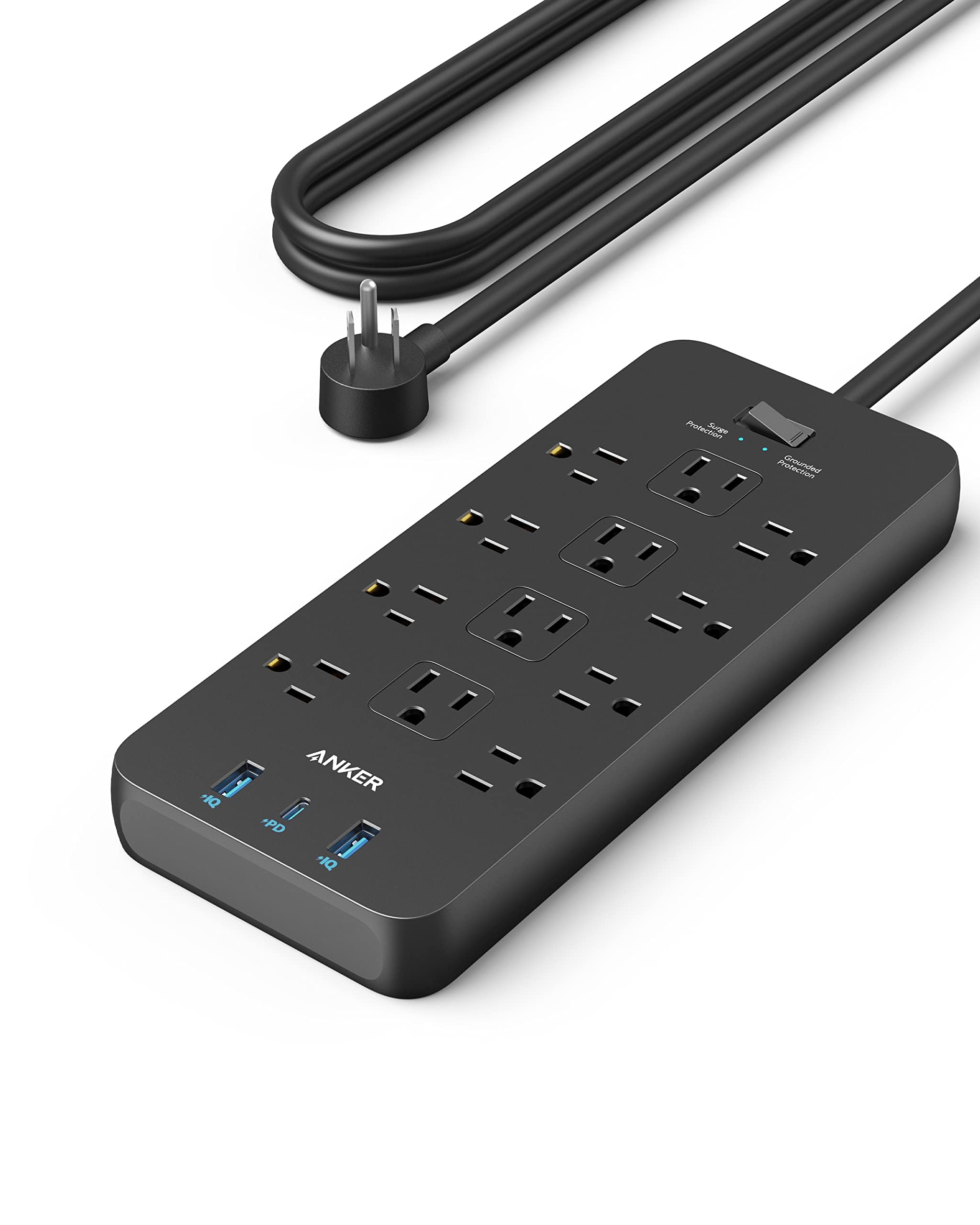
This surge protector hits the sweet spot with 2100 joules of protection, 12 thoughtfully spaced outlets, and USB-C fast charging that works for most home and office setups.
Key highlights
- 2100 joule rating provides solid protection for electronics
- 12 outlets with extra spacing to accommodate bulky power adapters
- USB-C charging up to 20W alone; total USB output is limited to 15W when ports are shared
- Smart charging technology detects device needs automatically
- 8-point safety system includes fire resistance and overload protection
Pros
- Well-designed outlet layout prevents plug blocking
- Fast USB-C charging eliminates separate charging bricks
- TUV safety certification adds confidence in build quality
- Includes worry-free 18-month warranty, lifetime* $200,000 connected equipment warranty
Cons
- Lower joule rating than premium professional models
- Flat plug design doesn't rotate for tight spaces
Who it is for: Home offices, entertainment centers, and anyone needing reliable protection with modern charging capabilities.
Skip if
You need maximum joule protection for expensive equipment or want a rotating plug for awkward outlet placements.
Belkin 12-Outlet Surge Protector - Best for gaming PCs
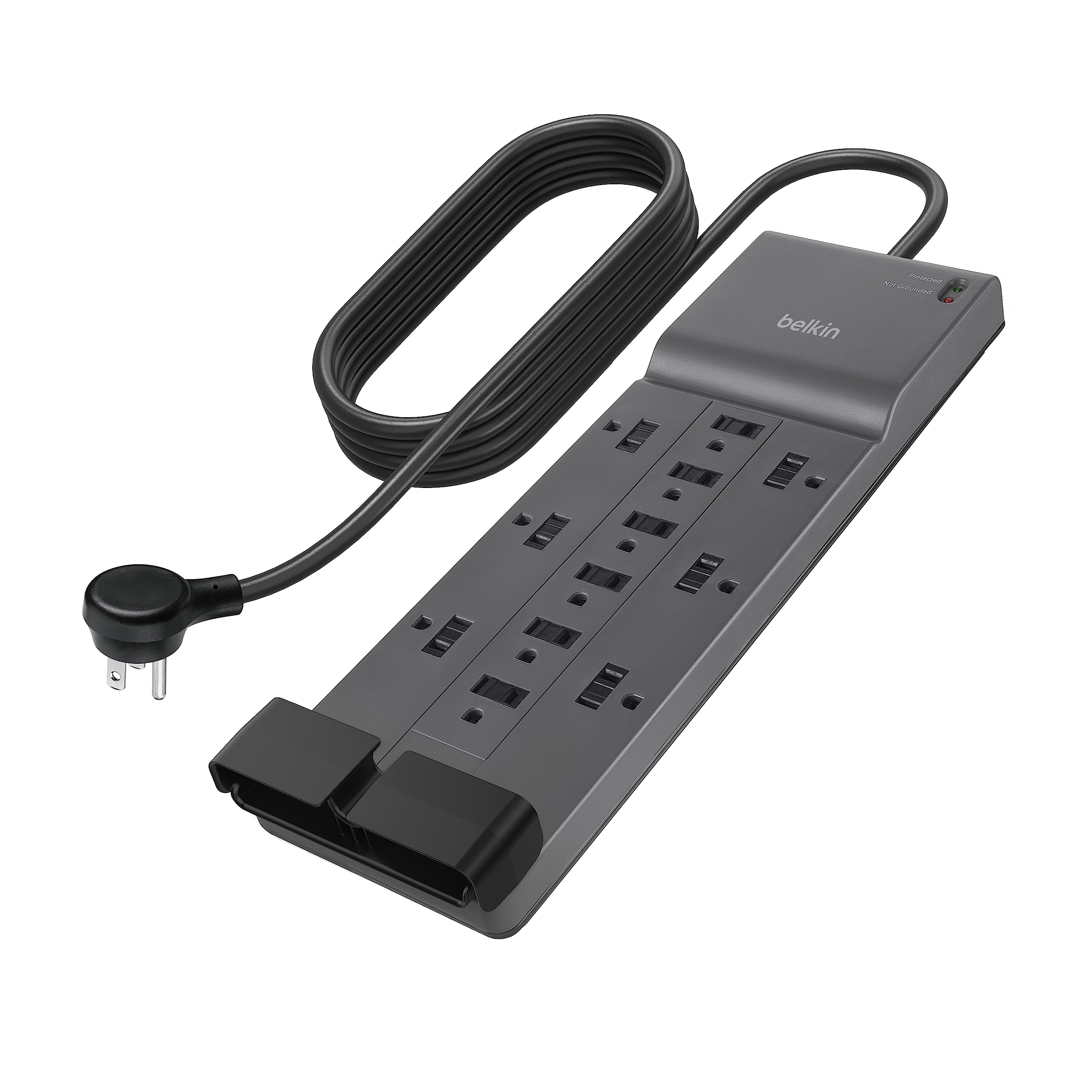
With 3780 joules of protection and a $300,000 connected equipment warranty, this Belkin model offers serious protection for expensive gaming setups and home theaters.
Key highlights
- 3780-joule surge protection rating
- $300,000 connected equipment warranty shows brand confidence
- 8-foot cord with flat plug design fits behind furniture easily
- UL-listed certification ensures verified safety standards
- Slender profile with wall-mount options for flexible placement
Pros
- Trusted brand with decades of power protection experience
- Substantial build quality with professional-grade components
- EMI/RFI filtering reduces electrical noise for sensitive equipment
- Widely spaced outlets handle large gaming adapter bricks
Cons
- No USB charging ports included
- Higher price point than basic models
- Heavier weight makes it less portable
Who it is for: Gaming PC builds, home theater systems, and anyone protecting thousands in electronics who wants maximum surge protection.
Skip if
You need USB charging ports, have a tight budget, or only protect low-value devices.
ALESTOR Surge Protector - Best value
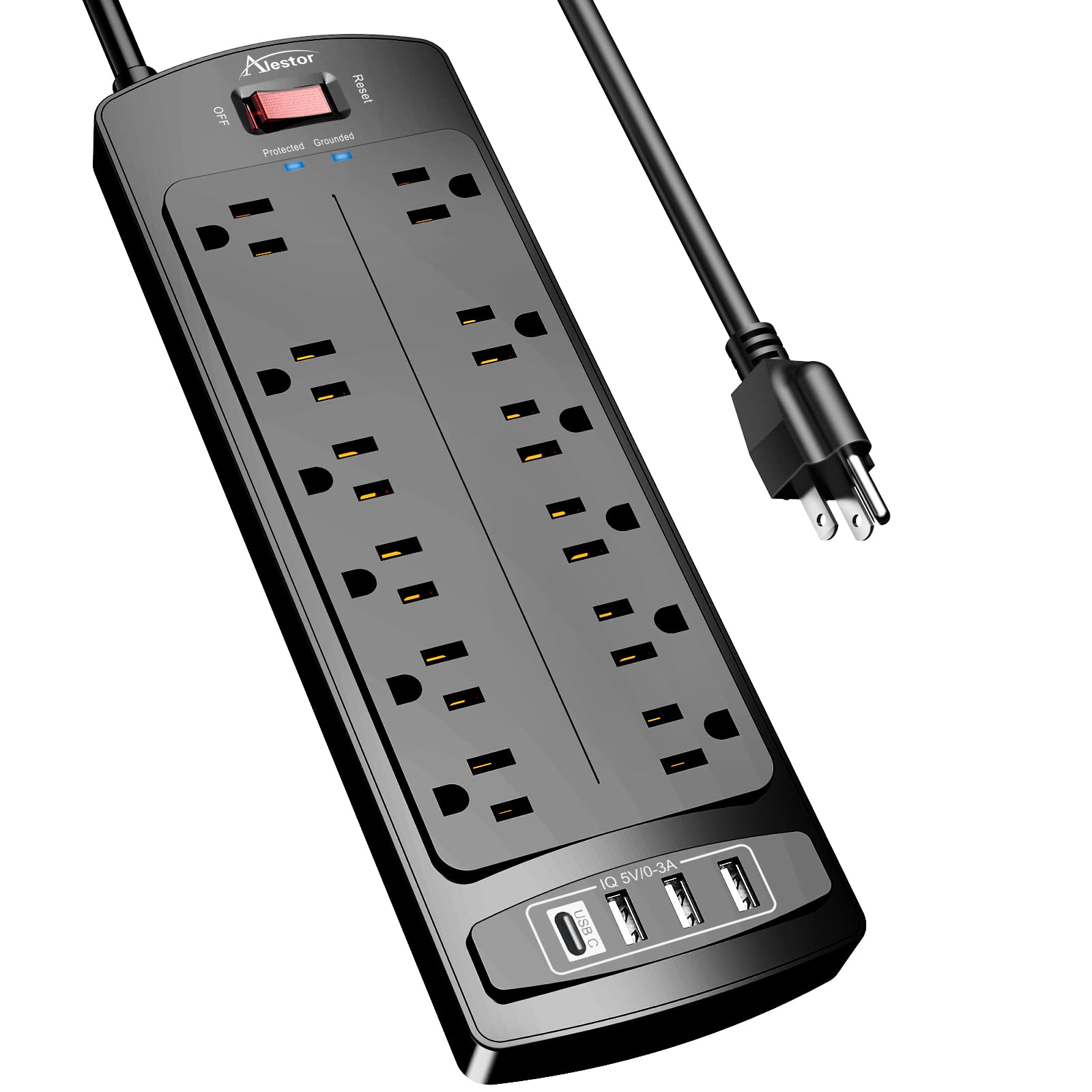
The ALESTOR delivers 2700 joules of protection with four USB ports at a price that competes with basic models, making it an exceptional value for home offices.
Key highlights
- 2700 joule rating exceeds many higher-priced competitors
- 12 outlets plus 4 USB ports (including USB-C) for comprehensive connectivity
- 3-level complementary surge protection circuit for enhanced safety
- Horizontal outlet layout prevents cord clutter and plug blocking
- ETL certification and fire-resistant shell rated to 1382°F
Pros
- Excellent protection-to-price ratio
- Smart charging technology adjusts power delivery automatically
- Compact design fits well on desks and workstations
- High customer satisfaction with thousands of positive reviews
Cons
- Generic brand lacks long-term reputation of established companies
- Bright indicator lights may be distracting in bedrooms
- USB charging isn't the fastest available
Who it is for: Budget-conscious buyers who don't want to compromise on protection, home offices with multiple devices, and students needing affordable surge protection.
Skip if
You prefer established brand names or need individual outlet switches for control.
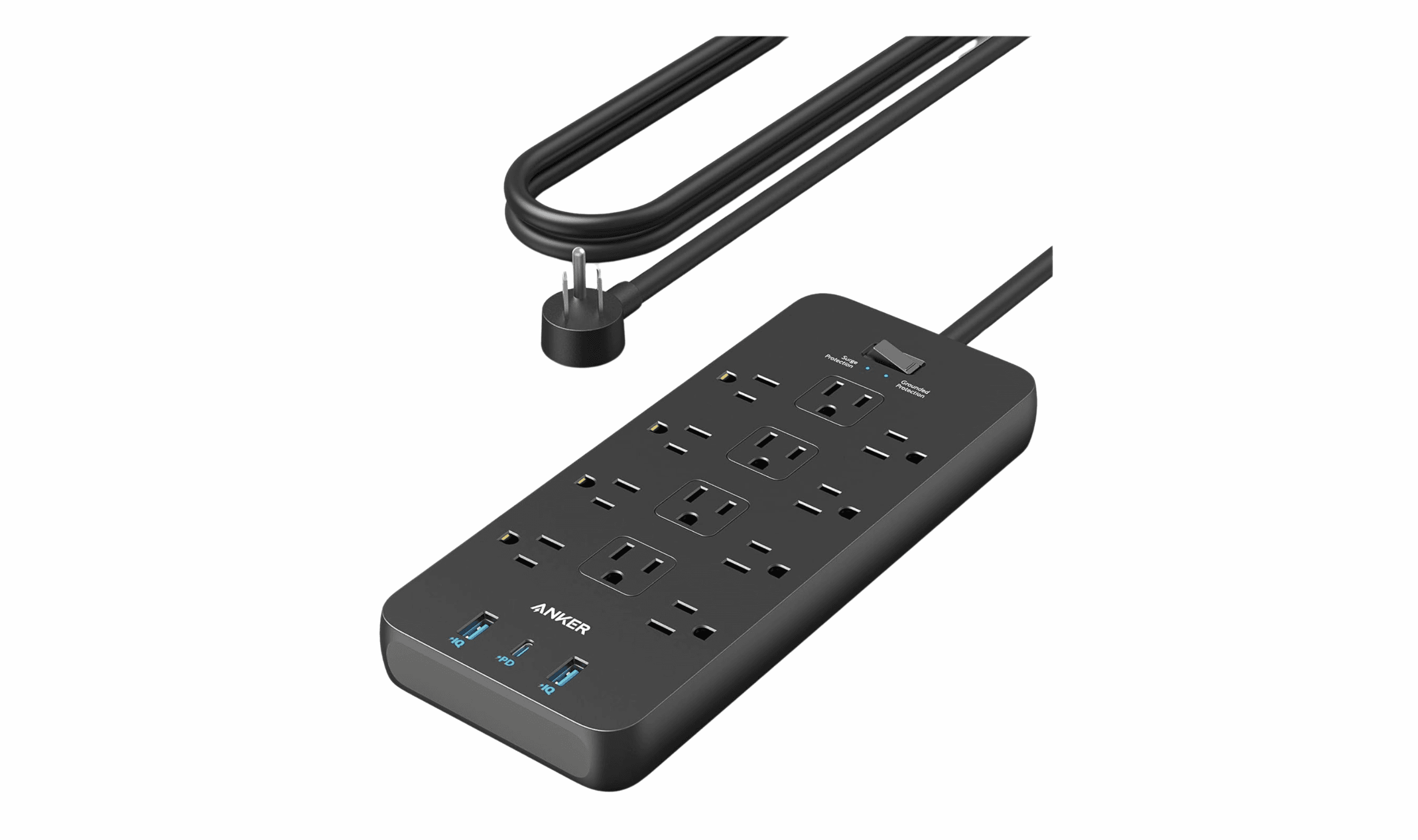
Anker Flat Plug Surge Protector - Best compact design
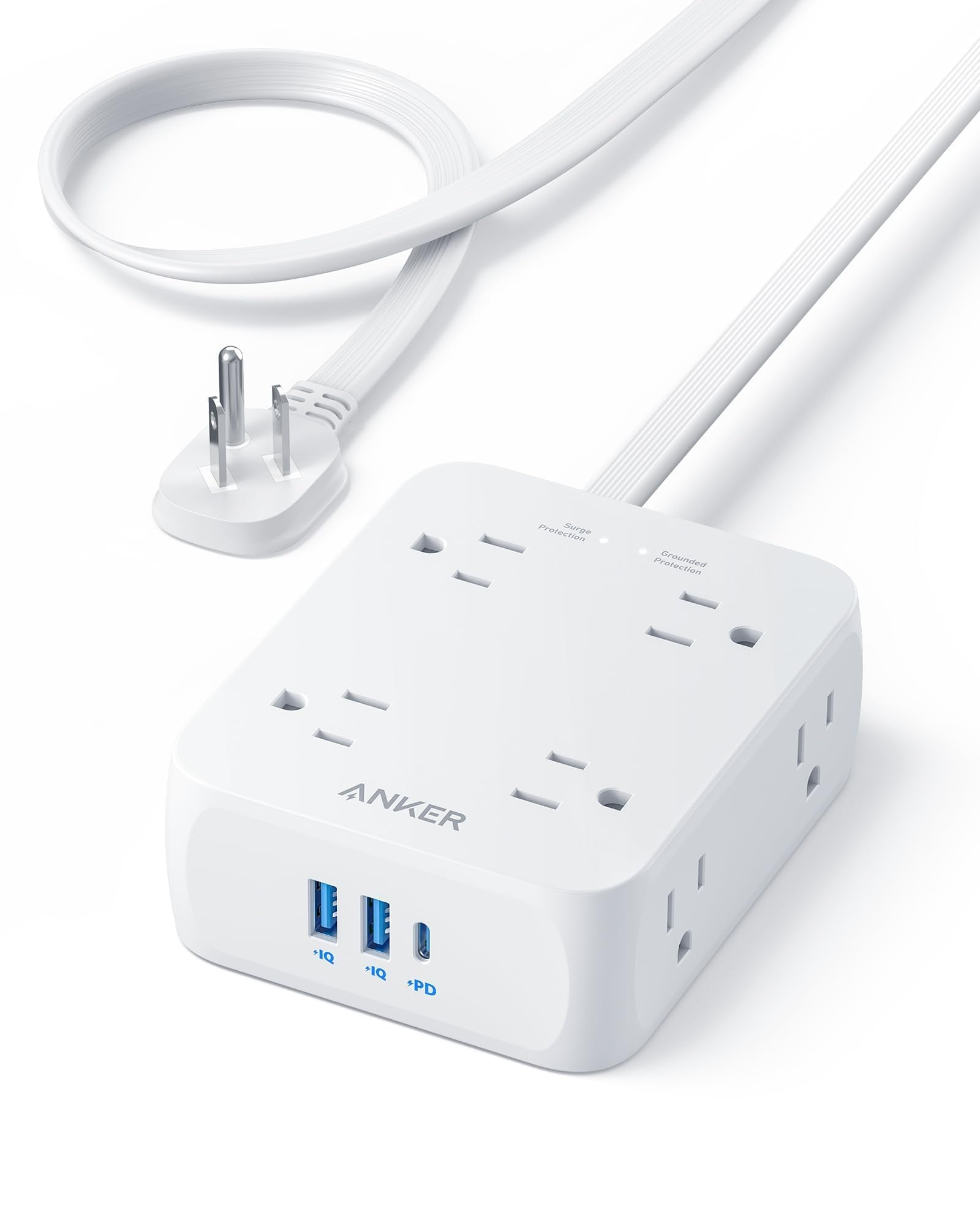
With a slim 45-degree flat plug and outlets on three sides, this Anker model tucks neatly behind furniture while still delivering 2000 joules of protection and USB-C fast charging.
Key highlights
- 45-degree flat plug and three-sided outlet layout fit behind furniture
- Built-In 2000J Surge Protection
- 20W USB-C charging when used alone, plus two USB-A ports; simultaneous USB charging shares 15W
- Eight AC outlets with thoughtful spacing for various adapters
- Wall-mountable design adds installation flexibility
Pros
- Game-changing thin design for previously impossible placements
- Intelligent USB charging detects device requirements
- Compact 4.5 x 3.6 x 1.6-inch body suits nightstands and desks
- TUV Listed with a $20,000 connected equipment guarantee
Cons
- Lower joule rating than larger premium models
- Limited to 5-foot cord length
- Not suitable for high-power appliances
Who it is for: Dorm rooms, offices with tight spaces, bedside tables, and anywhere traditional plugs won't fit.
Skip if
You need more than 8 outlets, require maximum joule protection, or have high-wattage equipment.
Eaton CHSPT2ULTRA - Best whole-house protection
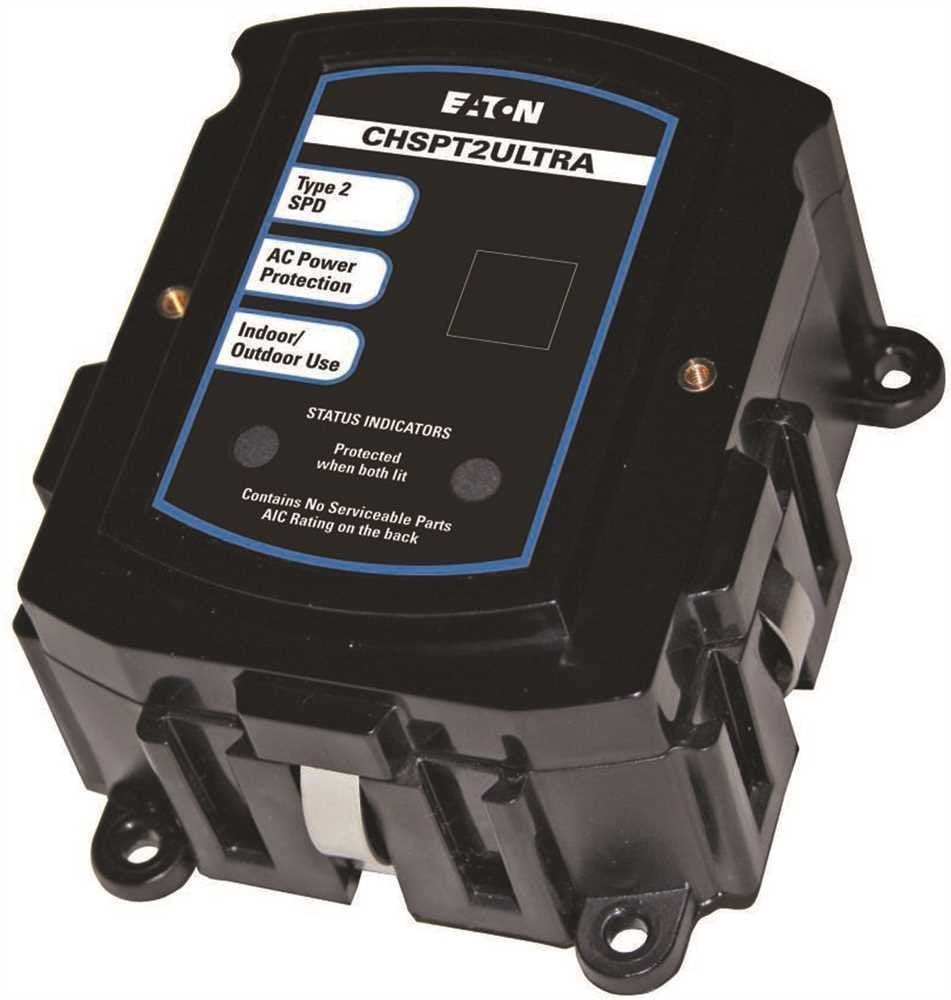
This professional-grade whole-house surge protector installs at your electrical panel to safeguard all home electronics, including hard-wired appliances that plug-in models can't protect.
Key highlights
- Protects HVAC systems, refrigerators, and other hard-wired appliances
- Universally connects to any manufacturer’s load center (breaker box)
- Professional-grade surge protection rating
- LED indicator shows protection status
- Externally mounted design connects to the breaker panel
Pros
- Single-point protection for entire home electrical system
- Trusted industrial brand with power protection expertise
- Universal mounting fits most electrical panels
- Works alongside point-of-use surge protectors for layered protection
Cons
- Requires professional installation by electrician
- Higher upfront cost plus installation expenses
Who it is for: Homeowners in storm-prone areas, anyone with expensive HVAC systems, and those wanting comprehensive protection for all home electronics.
Skip if
You're renting, uncomfortable with electrical work, or want a simple plug-and-play solution.
Also Good
- Amazon Basics 6-Outlet Surge Protector 10-Pack - includes ten strips, each with six outlets and 790 joules of surge protection, for lamps and small electronics.
- Tripp Lite TLP1208TELTV - robust protection for home offices with landline or cable gear. Check Price on Target
- CyberPower Surge Protector - battery-backup UPS that keeps gear running through short outages.
How to Choose
Joule rating matters most: Higher numbers mean better protection and longer lifespan. For basic electronics, 1000+ joules works. Computers and TVs need 2000+. Gaming and home theater setups benefit from 3000+.
Outlet spacing prevents frustration: Look for at least 2.2 inches between outlets to fit bulky adapters. Some models mix standard and wide-spaced outlets, while others use rotating or horizontal layouts.
Safety certifications aren't optional: Always choose UL or ETL certified products. These independent tests verify safety claims and ensure the unit meets strict standards. Avoid uncertified models.
Consider your charging needs: USB ports eliminate separate charging bricks. USB-C with 20W+ supports fast charging. Total USB output matters when charging multiple devices simultaneously.
Cord length affects placement: Measure your needs before buying. Flat plugs save space behind furniture. Right-angle plugs fit tight spaces. Braided cords resist tangling but cost more.
FAQ
What's the difference between a surge protector and a power strip?
A power strip simply provides additional outlets, while a surge protector includes circuitry that detects and diverts excess voltage away from connected devices. Always check for joule ratings and safety certifications, as they look similar but offer different protection levels.
How often should I replace my surge protector?
Replace surge protectors every 3 to 5 years, or immediately after a major surge event. Some manufacturers advise sooner. Belkin recommends replacing a surge protector after three years of use, even if the protection light still comes on. The metal-oxide varistors inside degrade with each surge, reducing protection capacity over time. Units with indicator lights show when protection is no longer active.
Can surge protectors handle lightning strikes?
Surge protectors provide some protection against distant lightning strikes but cannot guarantee protection against direct hits. For homes in lightning-prone areas, combine whole-house surge protection with plug-in protectors at sensitive electronics. Unplugging devices during severe storms remains the most reliable protection.
What should never be plugged into a surge protector?
Never plug high-wattage appliances like space heaters, portable AC units, refrigerators, microwaves, washing machines, dryers, or power tools into surge protectors. These devices draw too much power and create fire hazards. Always plug them directly into wall outlets.
Do I need whole-house protection if I have plug-in surge protectors?
Whole-house protectors safeguard appliances that can't be plugged into surge strips, including HVAC systems, water heaters, and built-in appliances. They provide a first line of defense against external surges, while plug-in protectors at sensitive electronics offer a second line of defense. The layered approach gives maximum protection.
Published March 13, 2026 Last updated September 5, 2026
Share this article
More in News
The 7 Best Label Makers for Home and Office in 2026
We tested 7 top label makers for home and office. The Brother P-Touch Cube Plus leads with Bluetooth app printing, plus picks from $40 to $130.
5 min read
6 Portable Printers We Recommend in 2026
Compare 6 top portable printers for travelers and remote workers in 2026. Our picks cover documents, photos, and thermal printing on the go.
3 min read
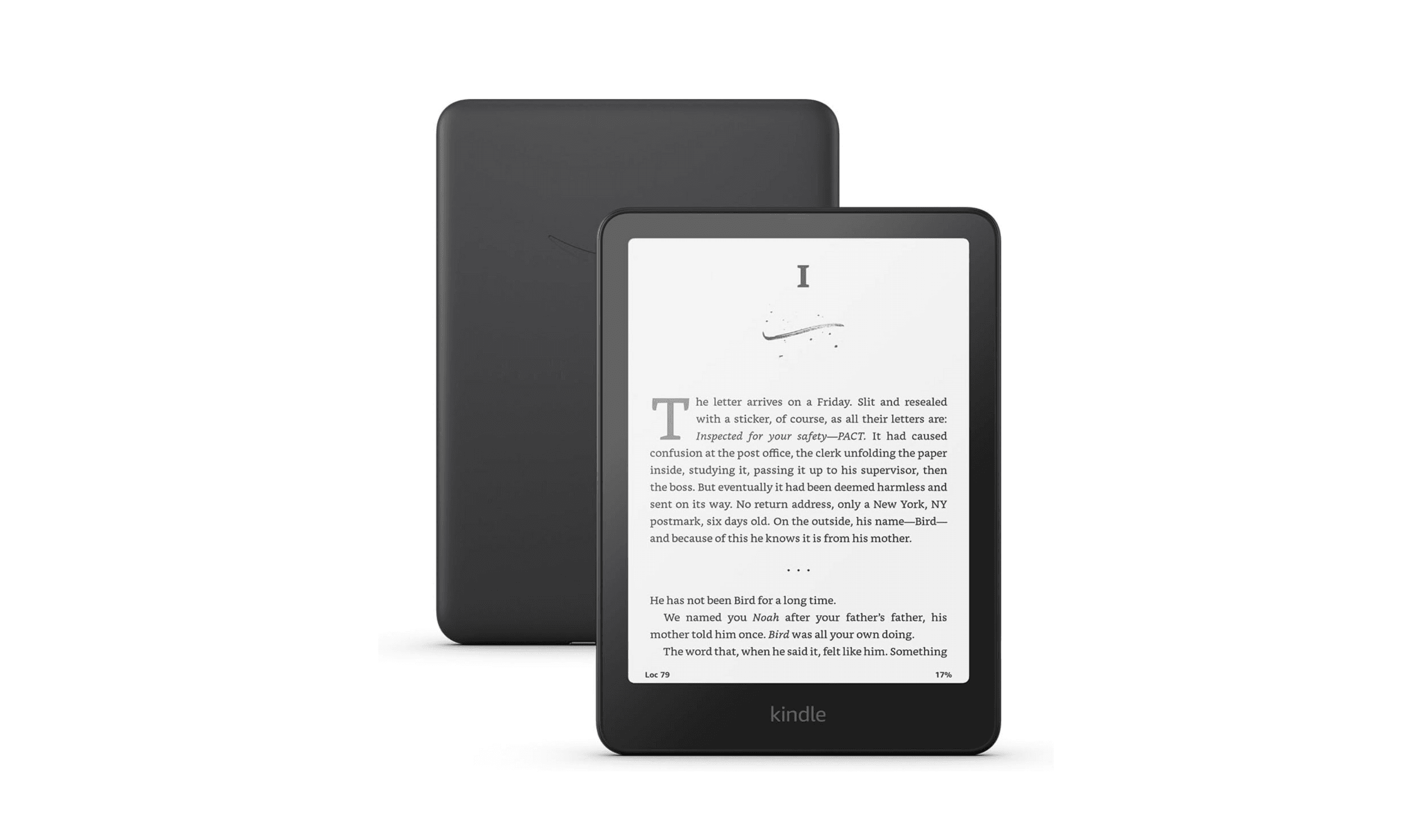
6 Best E-Book Readers for Reading and Notes in 2026
Discover the best cheap e-book readers for 2026. Our top pick is the Kindle Paperwhite, offering the perfect balance of price and premium features.
3 min read
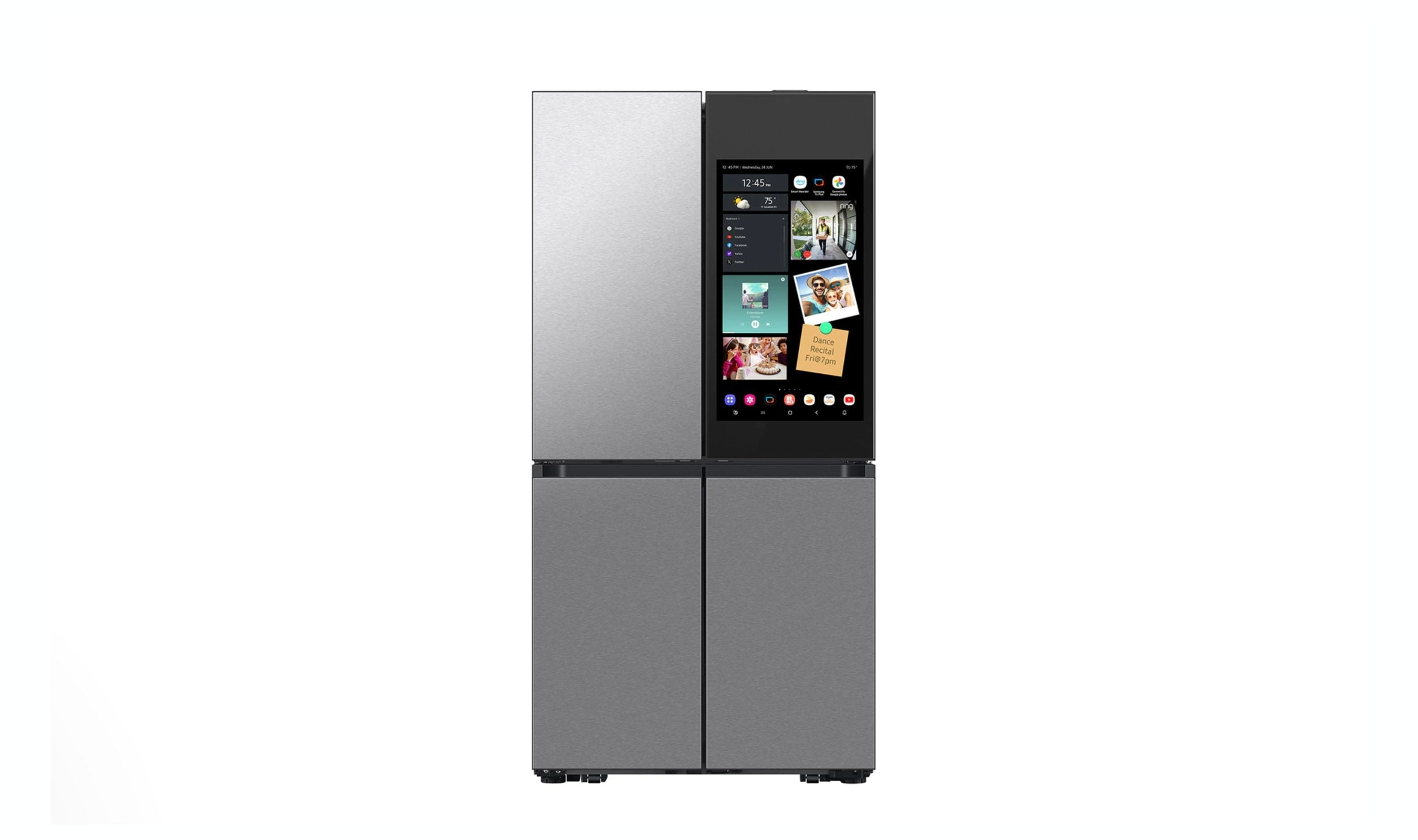
Best Smart Fridges for 2026
Samsung Bespoke 4-Door Flex leads our 2026 smart fridge picks. Compare AI features, value, and family hubs to find your perfect kitchen upgrade.
3 min read
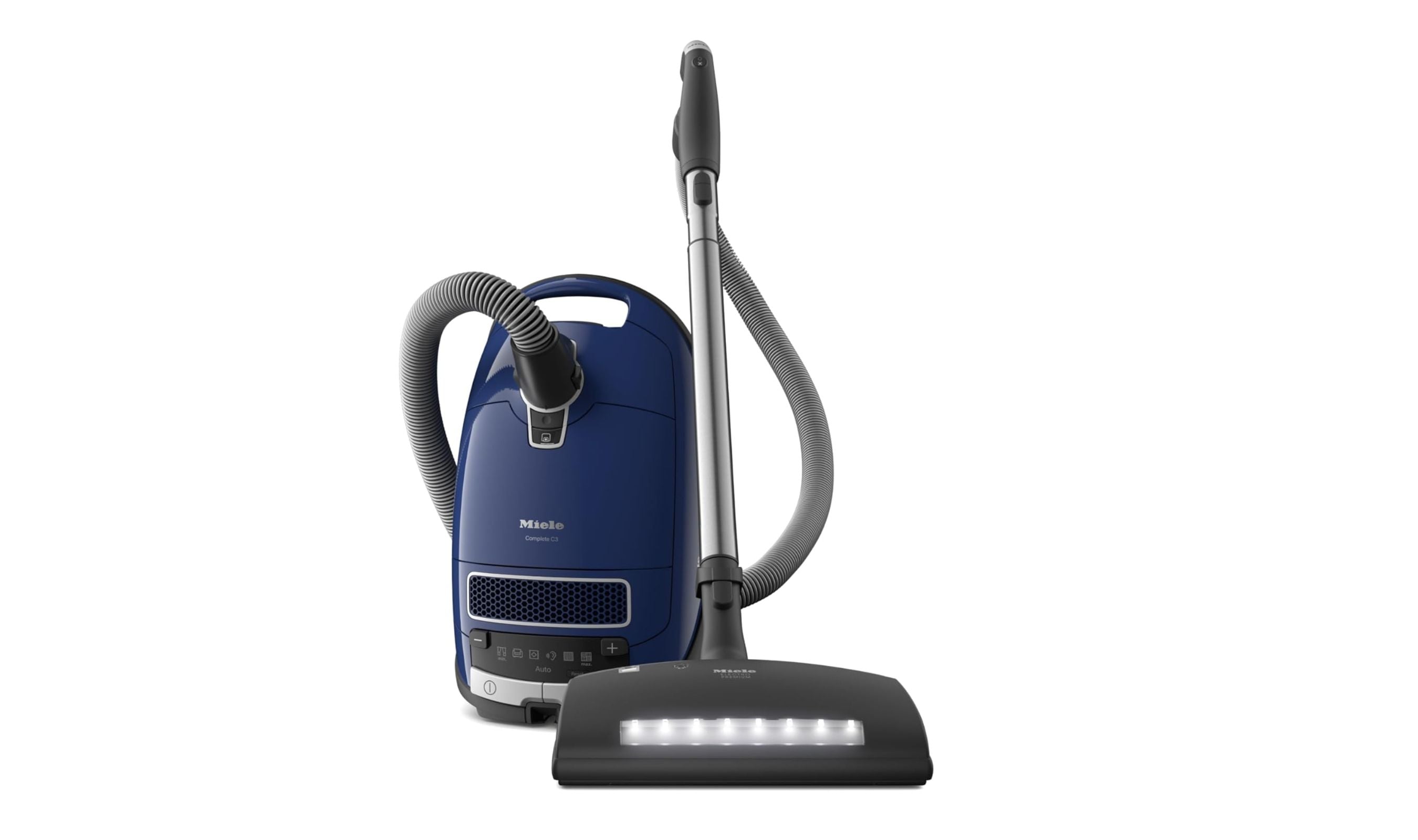
8 Best Vacuums for Hardwood Floors in 2026
3 min read
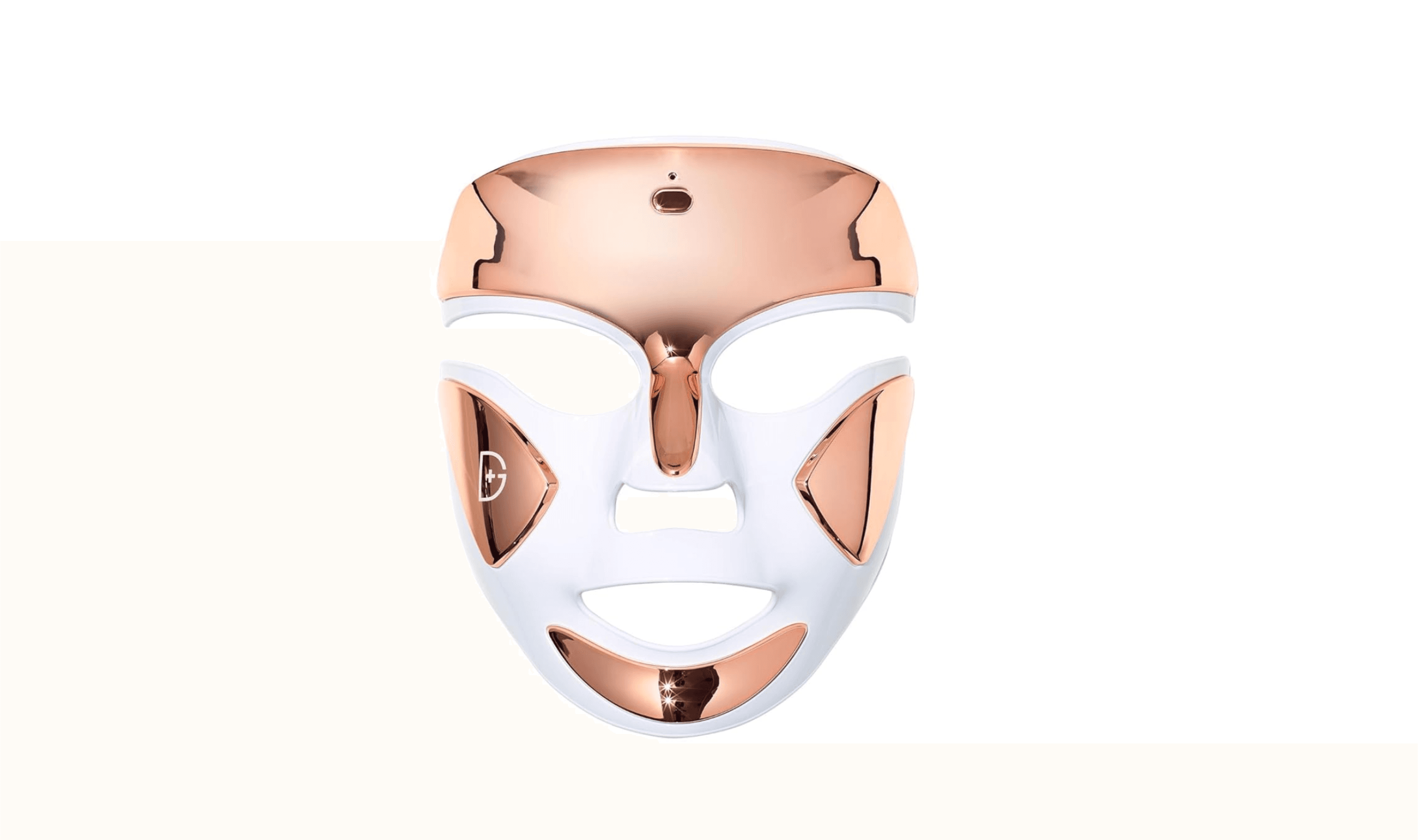
5 Best Red Light Therapy Masks for 2026
4 min read
3 Best Rolling TV Monitors You Can Buy Right Now
3 min read
3 Best Audio Glasses for 2026
3 min read
8 Best Budget Gaming Laptops for 2026
5 min read
10 Best Mechanical Keyboards to Buy in 2026
3 min read
Best Exercise Bikes for 2026
3 min read
Best Cutting Machines in 2026
4 min read