The Apple Watch Series 11 takes the top spot for iPhone users who want a full-featured smartwatch with FDA-cleared sleep apnea screening and a new Sleep Score. But the best pick for you depends on your phone, your budget, and whether you want coaching, raw data, or just a comfortable band you can forget you are wearing.
Technobezz is supported by its audience. We may get a commission from retail offers.
Best Smartwatches for Sleep Tracking in 2026
The Apple Watch Series 11 tops our list of the best smartwatches for sleep tracking in 2026, with FDA-cleared apnea screening and a new Sleep Score for iPhone users.
T
Technobezz
Editorial Team
Updated May 10, 2026May 10, 2026
•12 min read

Get Deals Like These in Your Inbox
The best prices, checked by our editors.
At a Glance
| Category | Product | Why We Picked It |
|---|---|---|
| Best overall | Apple Watch Series 11 | Strongest sleep sensor suite for iPhone users with Sleep Score and apnea screening |
| Best for Android | Samsung Galaxy Watch 8 | AI-powered bedtime guidance and vascular load tracking |
| Best value | Fitbit Inspire 3 | Reliable sleep tracking at a low price in a lightweight band |
| Best for Wear OS | Google Pixel Watch 4 | Fitbit sleep algorithms and Daily Readiness Score in a full smartwatch with 40-hour battery |
| Best for athletes | Garmin Venu 4 | Morning Report and Body Battery tied to training recovery |
| Best hybrid | Withings ScanWatch 2 | 30-day battery with ECG and skin temperature sensing |
| Also recommended | Amazfit Bip 6 | Great battery and sleep tracking on a budget |
| Also recommended | Samsung Galaxy Watch Ultra | Tough titanium build for outdoor sleep tracking |
| Also recommended | Apple Watch SE 3 | Affordable entry to Apple sleep tracking; lacks the SpO2 sensor found on Series 11 |
How we chose
We evaluated smartwatches based on sleep tracking accuracy, sensor depth (heart rate, SpO2, skin temperature, HRV), battery life for overnight wear, comfort, and how actionable the data is through companion apps. Devices that require nightly charging or lack sleep stage breakdowns were deprioritized. We prioritized products with FDA-cleared or clinically validated sleep features, multi-night trend reporting, and coaching tools that actually help you change habits rather than just display numbers.
The best smartwatches for sleep tracking right now
Apple Watch Series 11 - Best overall
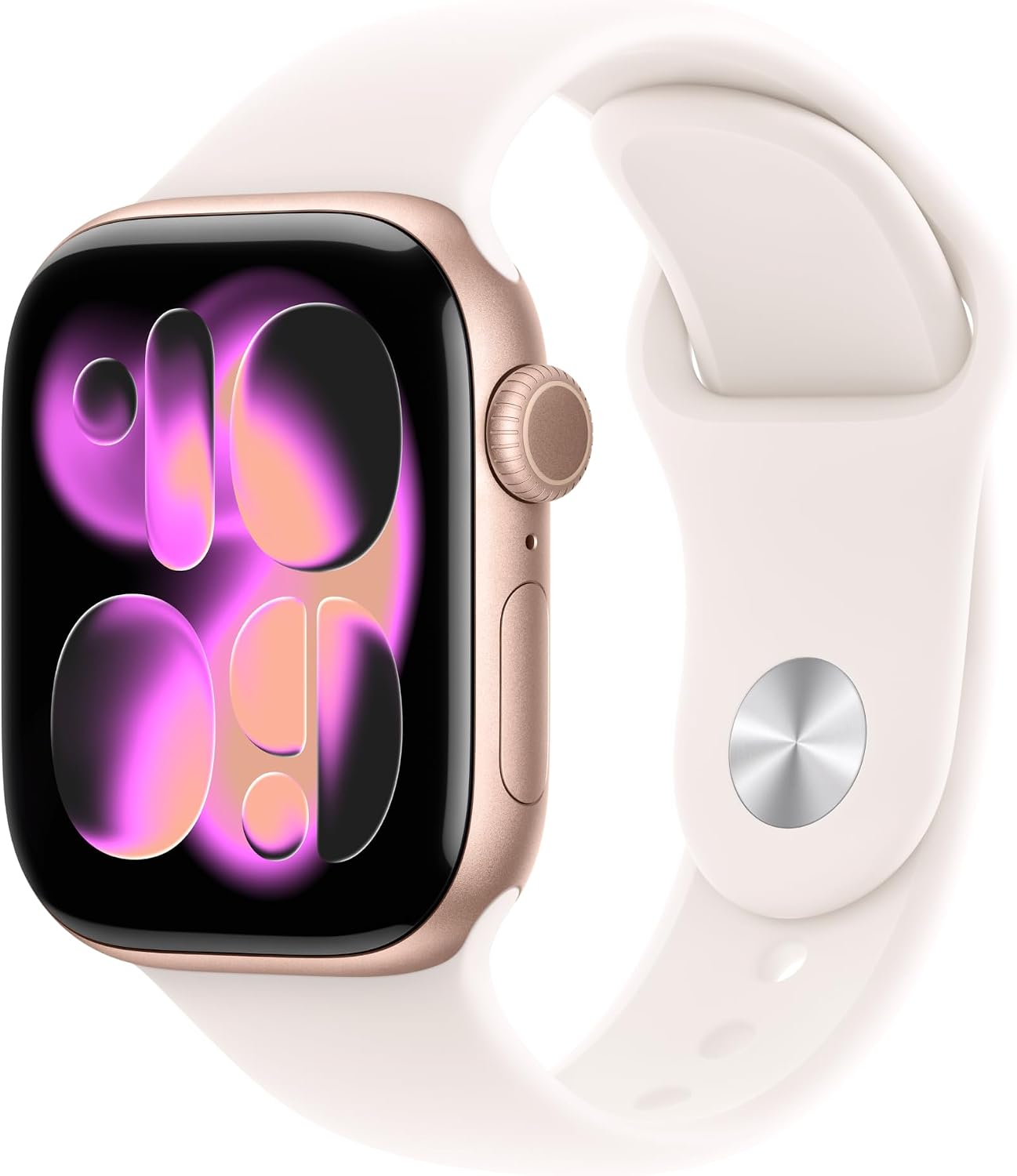
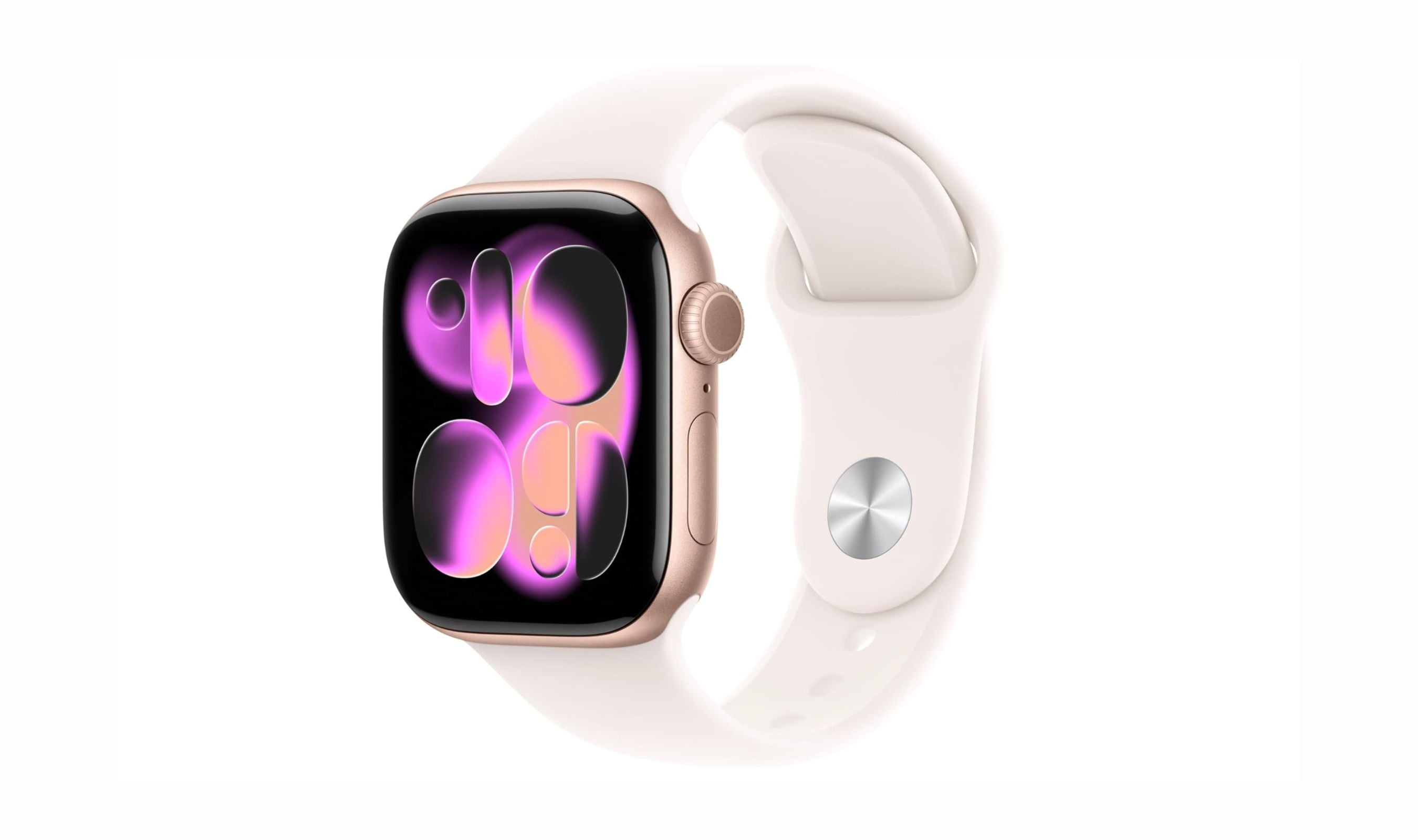
The Apple Watch Series 11 combines the deepest health sensor suite available on an iPhone-compatible smartwatch with a new Sleep Score that distills your overnight data into one actionable number. Notifications for possible sleep apnea add a layer of health screening most competitors do not match.
Key highlights
- Sleep Score aggregates sleep duration, stage timing, respiratory rate, and wrist temperature into a single daily metric
- Get notifications for a high and low heart rate, an irregular rhythm, and possible sleep apnea
- Vitals app shows overnight trends for heart rate, respiratory rate, blood oxygen, and wrist temperature
- watchOS 26 brings Workout Buddy and gesture controls alongside sleep improvements
Pros
- Deep multi-sensor tracking with blood oxygen, temperature, and heart rate sensors
- Sleep apnea notifications add real health value beyond basic tracking
- Seamless integration with iPhone and the broader Apple ecosystem
Cons
- Still requires nightly charging despite battery improvements
- Sleep insights are simpler than dedicated trackers like Oura or Whoop
- iPhone only, no Android compatibility at all
Who it is for: iPhone users who want a do-everything smartwatch with serious sleep and health tracking built in.
Skip if
You use an Android phone or you want multi-day battery life without worrying about a nightly charge.
Samsung Galaxy Watch 8 - Best for Android
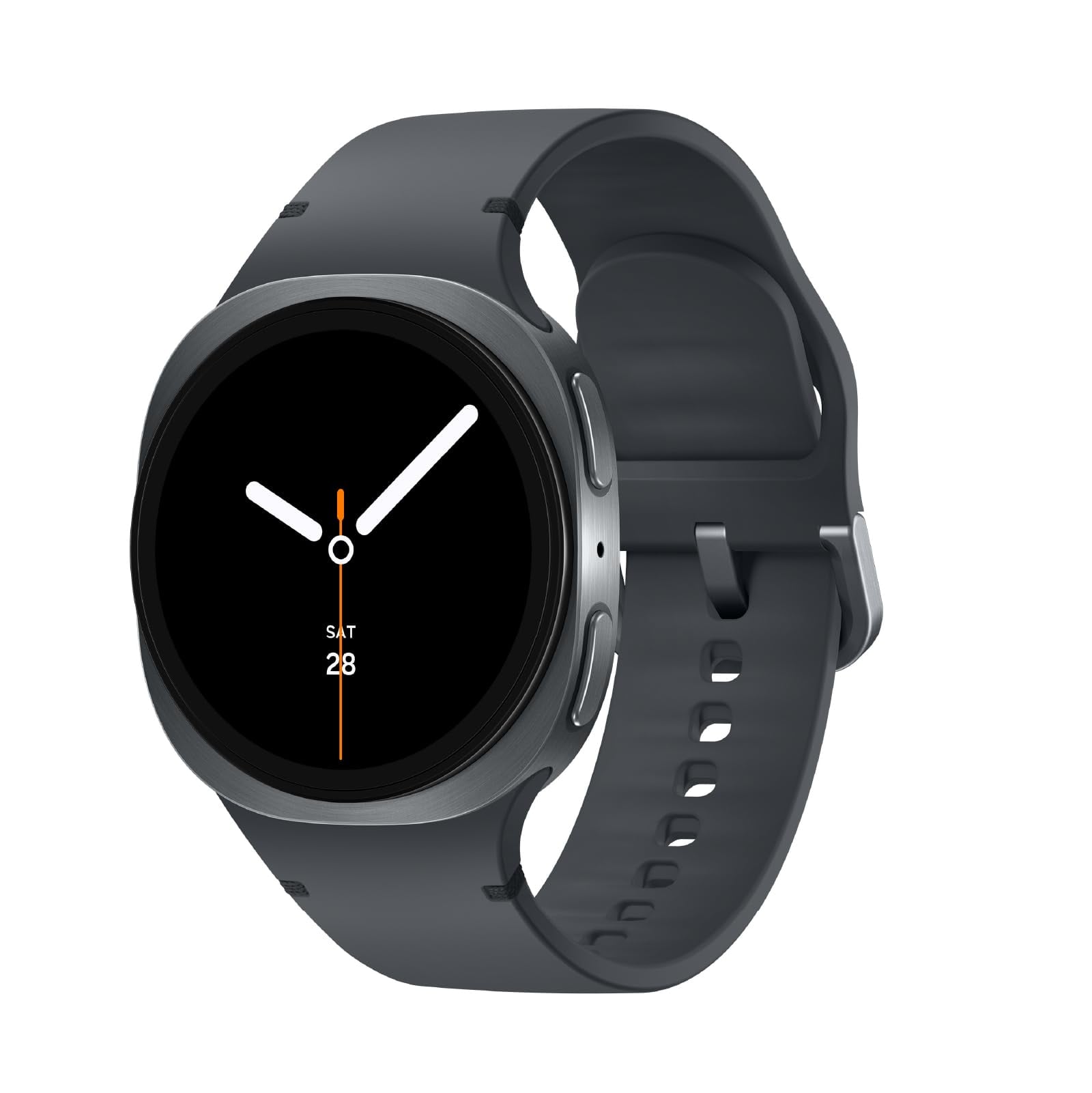
The Galaxy Watch 8 uses Galaxy AI to analyze three nights of sleep data and suggest a specific bedtime window before you even feel tired. Its Bedtime Guidance feature is the most proactive sleep coaching on any smartwatch right now.
Key highlights
- Bedtime Guidance analyzes circadian patterns over three nights and recommends an optimal sleep window
- Energy Score combines sleep quality, consistency, and HRV into a daily readiness number
Pros
- Proactive bedtime coaching is genuinely useful and unique
Cons
- Full AI coaching features work best with a Samsung Galaxy phone
- Some users report inconsistent sleep detection in the first week of use
Who it is for: Android users, especially Samsung phone owners, who want the most comprehensive sleep coaching available on a wrist device.
Skip if
You use an iPhone, or you want a watch that can go multiple days between charges.
Google Pixel Watch 4 - Best Wear OS for sleep tracking
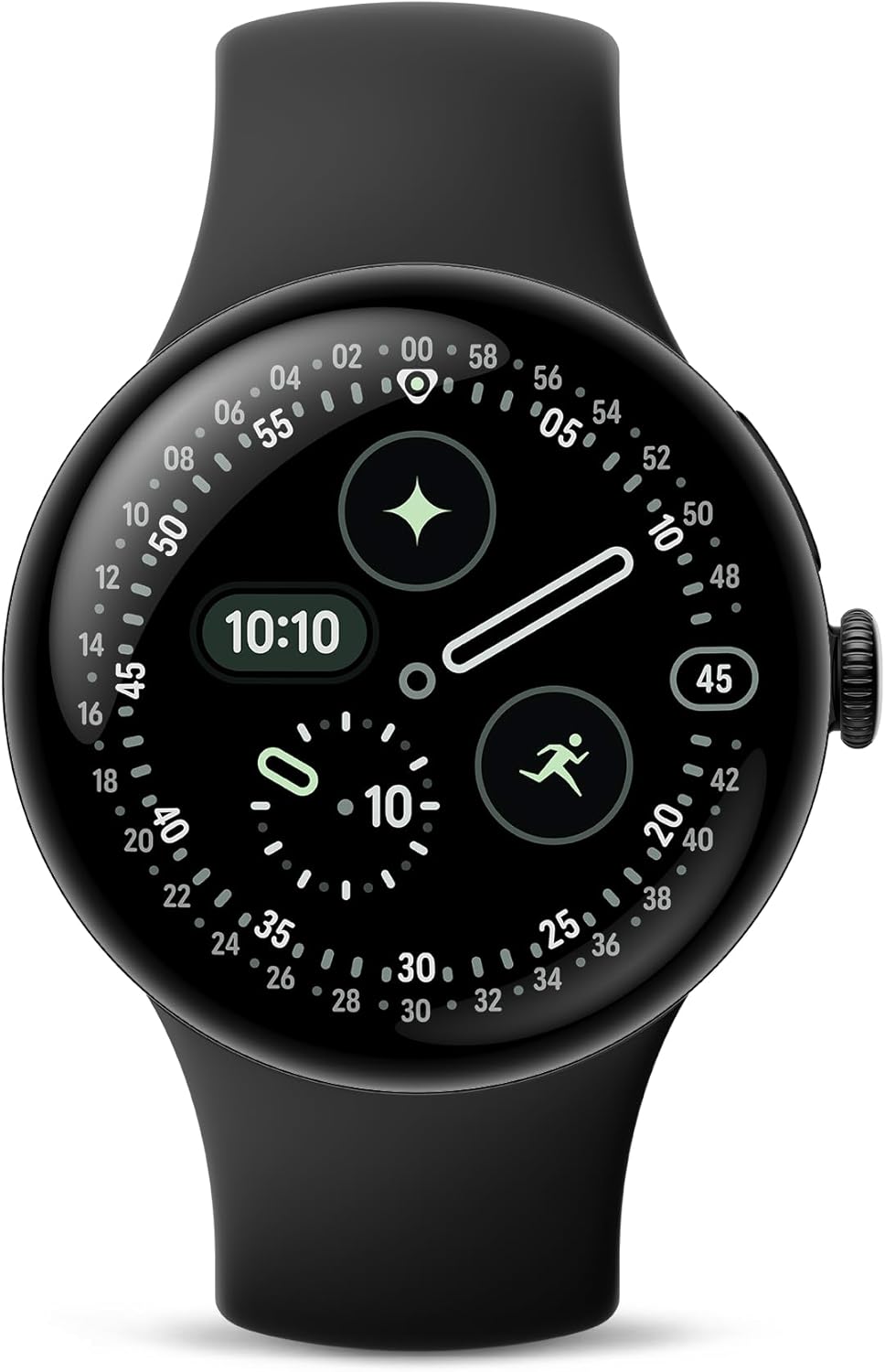
The Pixel Watch 4 runs Fitbit's sleep platform under the hood, giving Android users access to the same sleep staging algorithms and Daily Readiness Score that have been validated in independent studies. The domed glass design and light weight mean people actually keep it on overnight.
Key highlights
- Fitbit-powered sleep staging with light, deep, and REM breakdowns validated by independent research
- Get up to 40 hours of battery life or up to 72 hours in Battery Saver mode; plus, the new side charging dock gives you 15 hours of battery in 15 minutes or less
Pros
- Fitbit sleep algorithms are among the most reliable in consumer wearables
- Get up to 40 hours of battery life or up to 72 hours in Battery Saver mode means you do not have to charge every night
- Comfortable, light design with no sharp edges encourages overnight wear
Cons
- Android only, no iOS compatibility
- Stress tracking through the cEDA sensor is less actionable than competing platforms
Who it is for: Android users who want Fitbit's proven sleep tracking in a full-featured smartwatch with Google services built in.
Skip if
You use an iPhone, or you want dedicated sleep coaching deeper than what Fitbit's free tier offers.
Garmin Venu 4 - Best for athletes
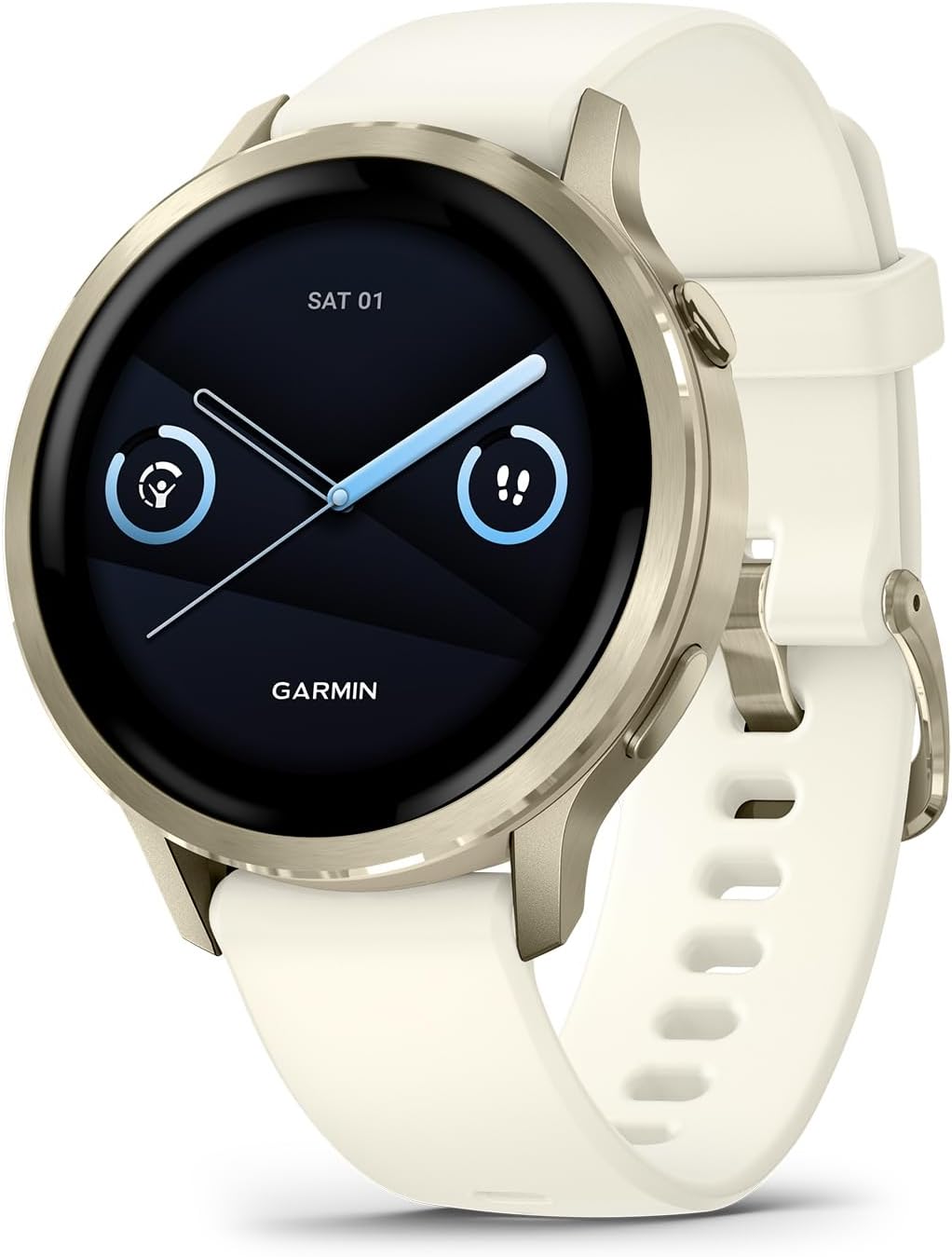
The Venu 4 delivers a Morning Report before you get out of bed that summarizes sleep quality, Body Battery, HRV status, and whether today is a push day or a recovery day. For athletes managing training load alongside sleep, that five-second glance is the most useful data point of the day.
Key highlights
- wrist-based heart rate and skin temperature provides accurate overnight HRV and recovery data
- Morning Report shows sleep quality, Body Battery, HRV status, and daily readiness before you stand up
- Lifestyle Logging correlates caffeine, alcohol, and meal timing with sleep quality over time
- up to 10 days of battery life removes charging anxiety
Pros
- Morning Report gives actionable readiness data immediately upon waking
- Lifestyle Logging reveals personal patterns most watches miss
Cons
- No topographic maps limits use for hikers and trail runners needing navigation
- Higher price point than general-purpose smartwatches with similar features
Who it is for: Runners, cyclists, and fitness-focused people who want sleep tracking tied directly to training recovery and daily readiness.
Skip if
You want a full touchscreen smartwatch with app support, or you do not need training-specific recovery insights.
Fitbit Inspire 3 - Best value
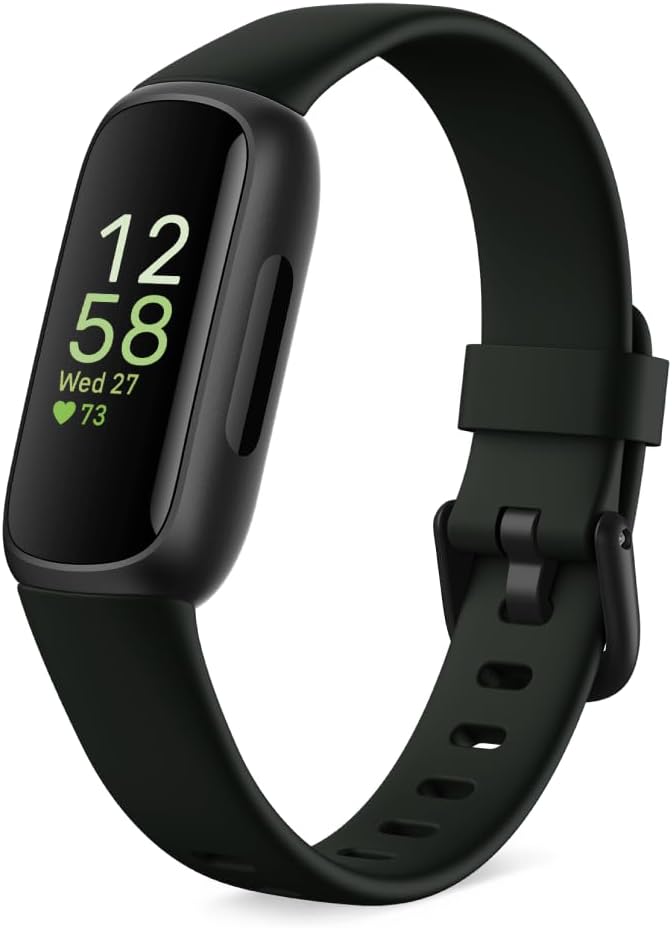
The Inspire 3 is a small, lightweight band that tracks heart rate, breathing, and SpO2 overnight and delivers a clear Sleep Score in the morning. It is comfortable enough to forget you are wearing it, and the battery lasts up to 10 days, so you rarely miss a night of data.
Key highlights
- Sleep Score with light, deep, and REM stage breakdowns backed by Fitbit's validated algorithms
- SpO2 and sleep tracking for spotting patterns
- Up to 10 days of battery life with sleep tracking active
- smart wake vibrating alarm
- Slim, lightweight design with multiple band options for comfortable overnight wear
Pros
- Excellent battery life for consistent multi-night tracking
- Proven Fitbit sleep accuracy at a fraction of the cost of flagship watches
- Very comfortable and unobtrusive for overnight wear
Cons
- No built-in GPS (requires connected GPS from phone)
- Smaller screen with fewer smartwatch features than larger models
- Advanced insights require a Fitbit Premium subscription
Who it is for: Budget-conscious buyers who want reliable sleep tracking without the bulk or cost of a full smartwatch.
Skip if
You need GPS for phone-free workouts or want a watch with app support and notifications.
Withings ScanWatch 2 - Best hybrid
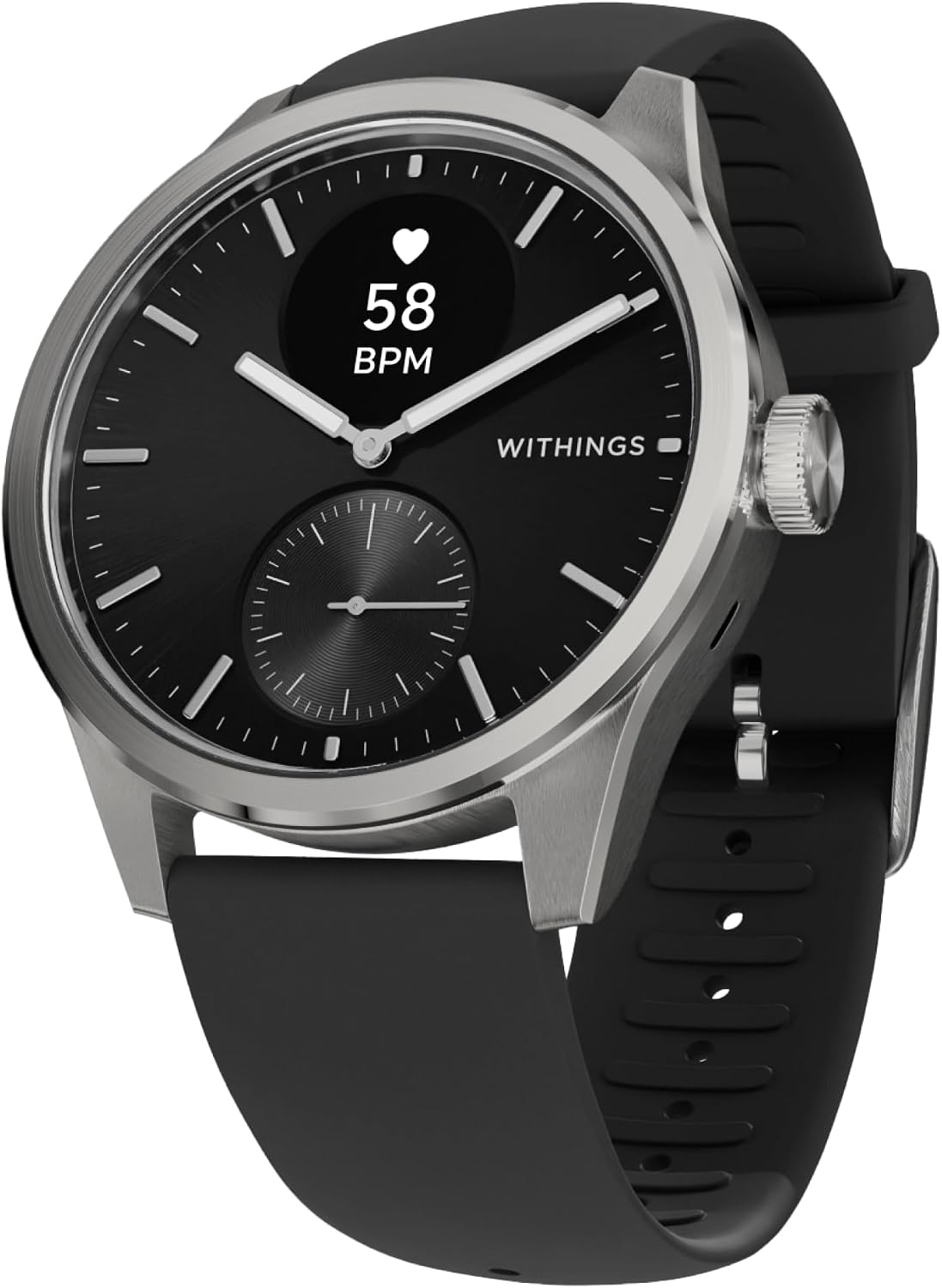
The ScanWatch 2 looks like a traditional analog watch but packs ECG, continuous SpO2, skin temperature sensing, and multi-night sleep analysis into a 30-day battery. The classic styling makes it easy to wear to bed, which is half the battle with sleep tracking.
Key highlights
- Temperature sensor detects baseline deviations for illness and cycle tracking
- Respiratory Health flags unusual respiratory patterns overnight
- One-lead ECG and irregular rhythm notifications add cardiac context to sleep data
- 30-day battery life on a single charge means zero charging anxiety for overnight tracking
- Classic analog design with a small PMOLED display for discreet health data
Pros
- Exceptional battery life for uninterrupted multi-week sleep trends
- Clinical-grade sensors (ECG, SpO2, temperature) add depth beyond basic sleep staging
- Traditional watch design encourages overnight wear for people who dislike screens
Cons
- Small display makes notifications and data glances harder than full smartwatches
- Advanced insights and coaching are paywalled behind Withings+ subscription
Who it is for: People who want serious health tracking but prefer an analog watch aesthetic and do not want to charge a device every night.
Skip if
You want a full touchscreen smartwatch with apps, maps, or messaging from your wrist.
Also Good
- Amazfit Bip 6 - great battery and sleep tracking on a budget.
- Samsung Galaxy Watch Ultra - tough titanium build for outdoor sleep tracking. Check Price on Samsung
- Apple Watch SE 3 - affordable Apple sleep tracking without the SpO2 sensor of higher models.
How to Choose
- Comfort drives consistency. The most accurate sleep tracker is useless if you take it off before bed. A lightweight band or ring you forget about will give you better data than a feature-packed watch you remove every night.
- Battery life determines data quality. Devices that need nightly charging inevitably miss nights. Look for at least two days of battery if you want reliable multi-week trends. Hybrids like the ScanWatch 2 with 30-day battery eliminate this problem entirely.
- Phone compatibility is non-negotiable. Apple Watches work only with iPhones. Samsung's best sleep features require a Galaxy phone. The Pixel Watch 4 and Fitbit devices work with any Android phone but not iOS. Check compatibility before you buy.
- Depth of data varies by platform. If you just want to know how long you slept, any device on this list works. If you want sleep apnea screening, HRV trends, and personalized coaching, prioritize watches with FDA-cleared features (Apple Watch, Galaxy Watch) or validated algorithms (Fitbit, Garmin).
- Consider the subscription cost. Oura, Whoop, Fitbit Premium, and Withings+ all lock deeper insights behind monthly fees. Samsung and Garmin include most sleep features without a subscription. Factor this into the total cost over two years.
FAQ
How accurate are smartwatches for sleep tracking?
Consumer sleep trackers estimate sleep stages using heart rate, movement, and sometimes temperature data. They are generally accurate for total sleep time and trends but cannot replace a clinical polysomnography study for diagnosing sleep disorders. The best devices (Oura Ring, Fitbit, Apple Watch) have been validated against lab equipment and show strong correlation for light, deep, and REM staging.
Can a smartwatch detect sleep apnea?
Some smartwatches can screen for sleep apnea but cannot diagnose it. The Apple Watch Series 11 and Samsung Galaxy Watch 8 have FDA-authorized sleep apnea notification features that flag potential breathing irregularities after multiple nights of monitoring. These are screening tools meant to prompt a conversation with a doctor, not replacements for a formal sleep study.
Do I need a subscription for sleep tracking?
It depends on the device. Garmin and Samsung include most sleep features without a subscription. Apple does not charge extra for Sleep Score or sleep apnea screening. Fitbit, Oura, Whoop, and Withings all require monthly or annual subscriptions to unlock coaching, trend analysis, and deeper insights. Check the subscription cost before buying.
What is the most comfortable smartwatch for sleeping?
The Fitbit Inspire 3 is the lightest and most unobtrusive option on this list at under 30 grams. The Withings ScanWatch 2 is also comfortable for overnight wear thanks to its thin analog case. For people who dislike wearing anything on their wrist, a smart ring like the Oura Ring 4 or Galaxy Ring may be a better fit.
How long does it take for a sleep tracker to learn my patterns?
Most devices need at least 7 to 14 nights of consistent data to build an accurate baseline. The Samsung Galaxy Watch 8's Bedtime Guidance requires three nights. Oura recommends wearing the ring for at least a week before trusting trend signals. The first few nights of any new tracker may show inconsistent results as the algorithms calibrate to your individual patterns.
Share this article
More in News
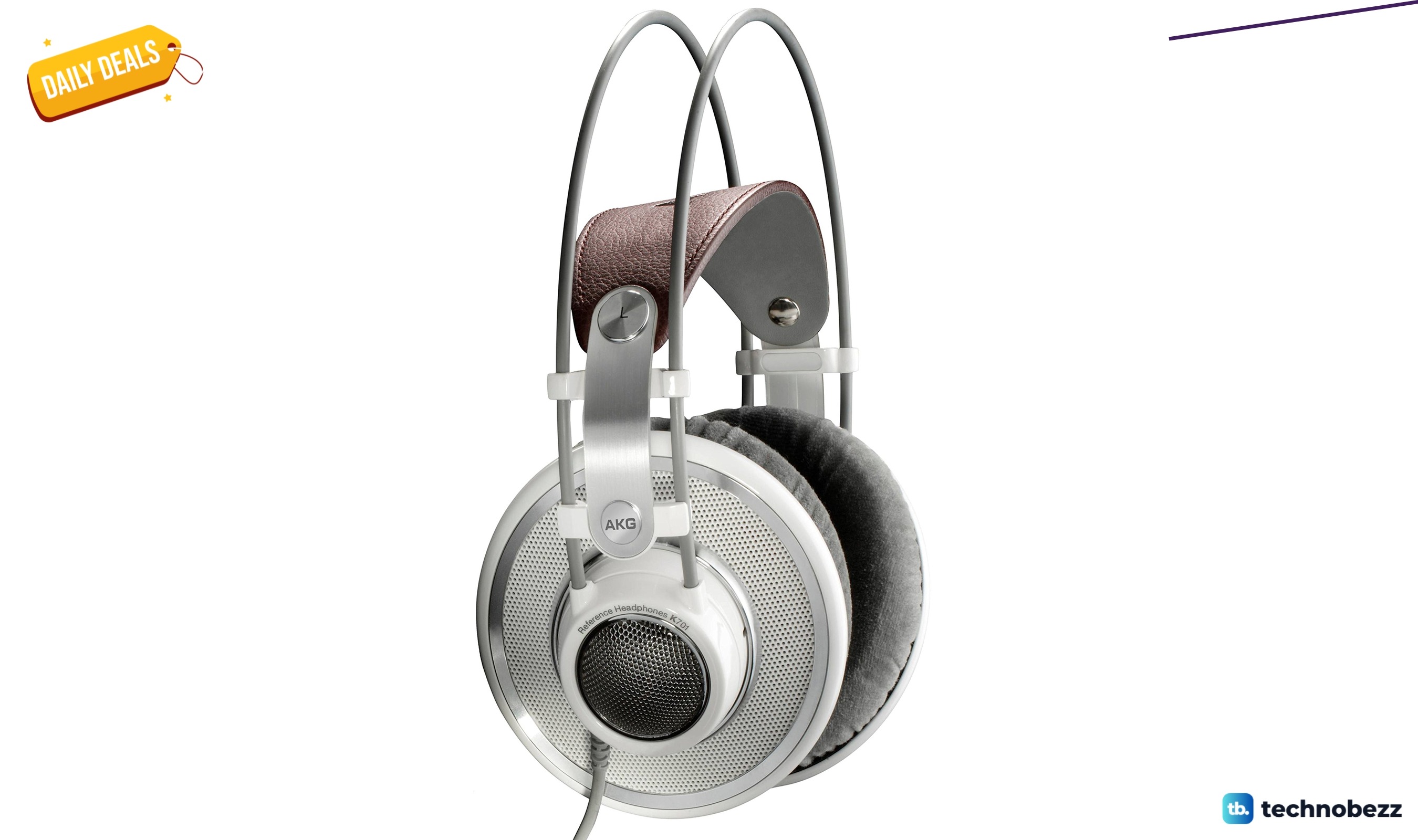
AKG K 701 Ultra Reference Class Stereo discounted to $247.37
AKG K 701 headphones drop to $247.37 on Amazon, a 47% discount that sits below recent 30, 90, and 180-day average prices.
5 min read
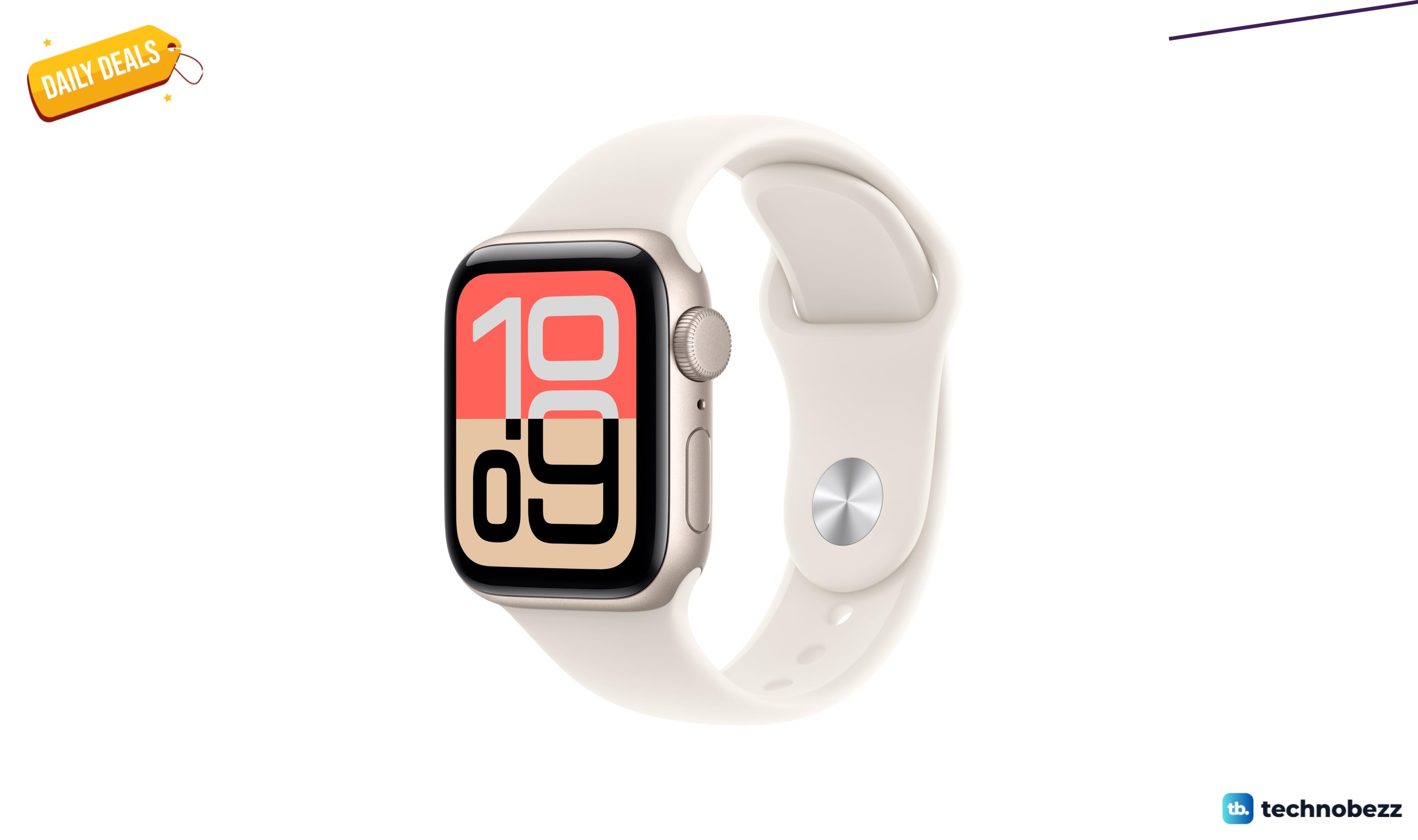
Apple Watch SE 3 GPS 40mm Smartwatch discounted to $189.97
Save $59.03 on the Apple Watch SE 3 GPS 40mm at Amazon, matching its lowest recorded price with health and sleep tracking.
5 min read
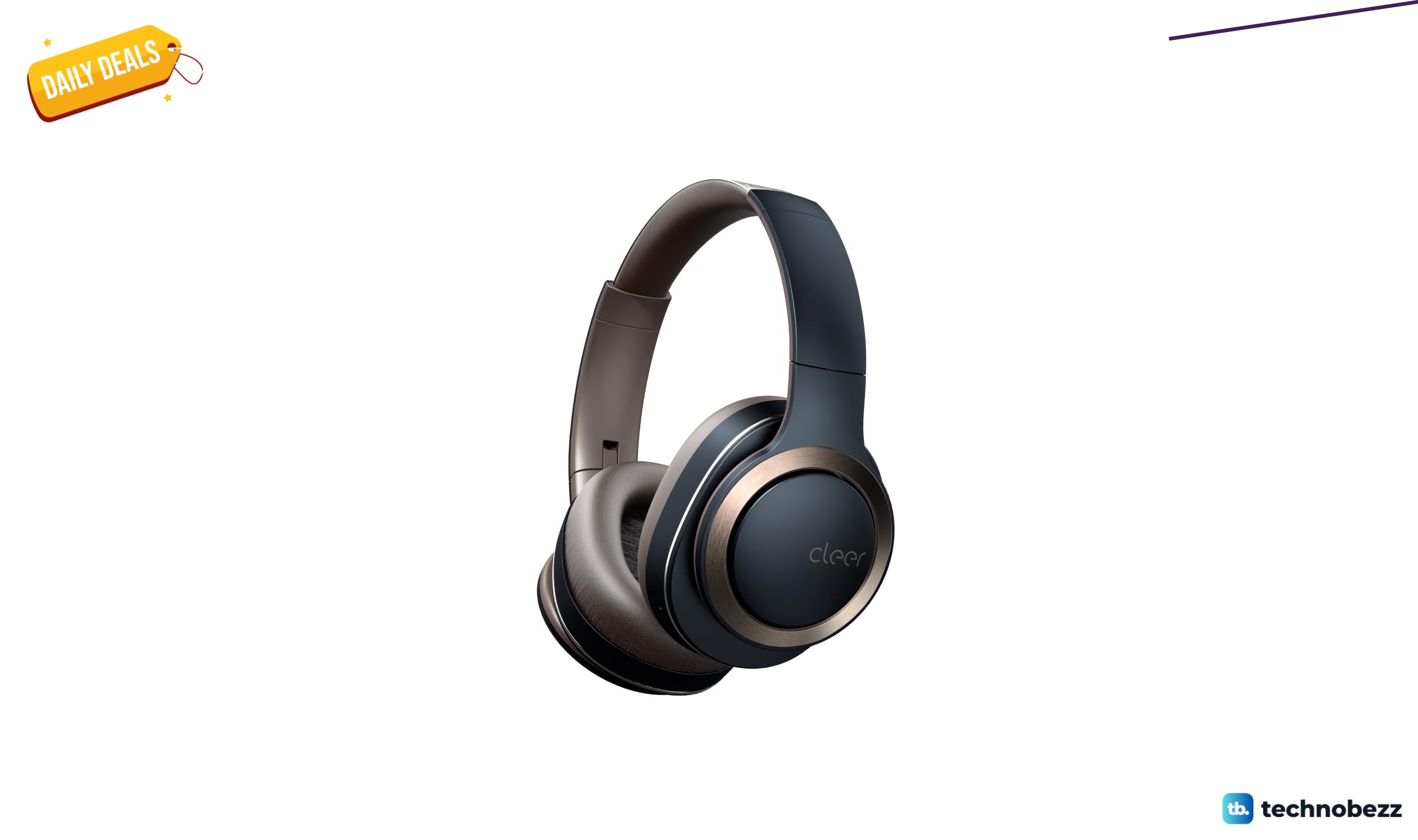
Cleer Audio Enduro ANC Noise Canceling Headphones price drops to $94.99
Save 47% on Cleer Audio Enduro ANC headphones at $94.99, with 60-hour battery, active noise cancellation, and multipoint Bluetooth.
3 min read

Lenovo coupon codes and deals
Browse 5 current Lenovo offers, including 3 coupon codes and 2 online deals.
5 min read

Woot coupon codes and deals
3 min read
Samsung coupon codes and deals
5 min read

Best tech coupon codes and online deals
4 min read
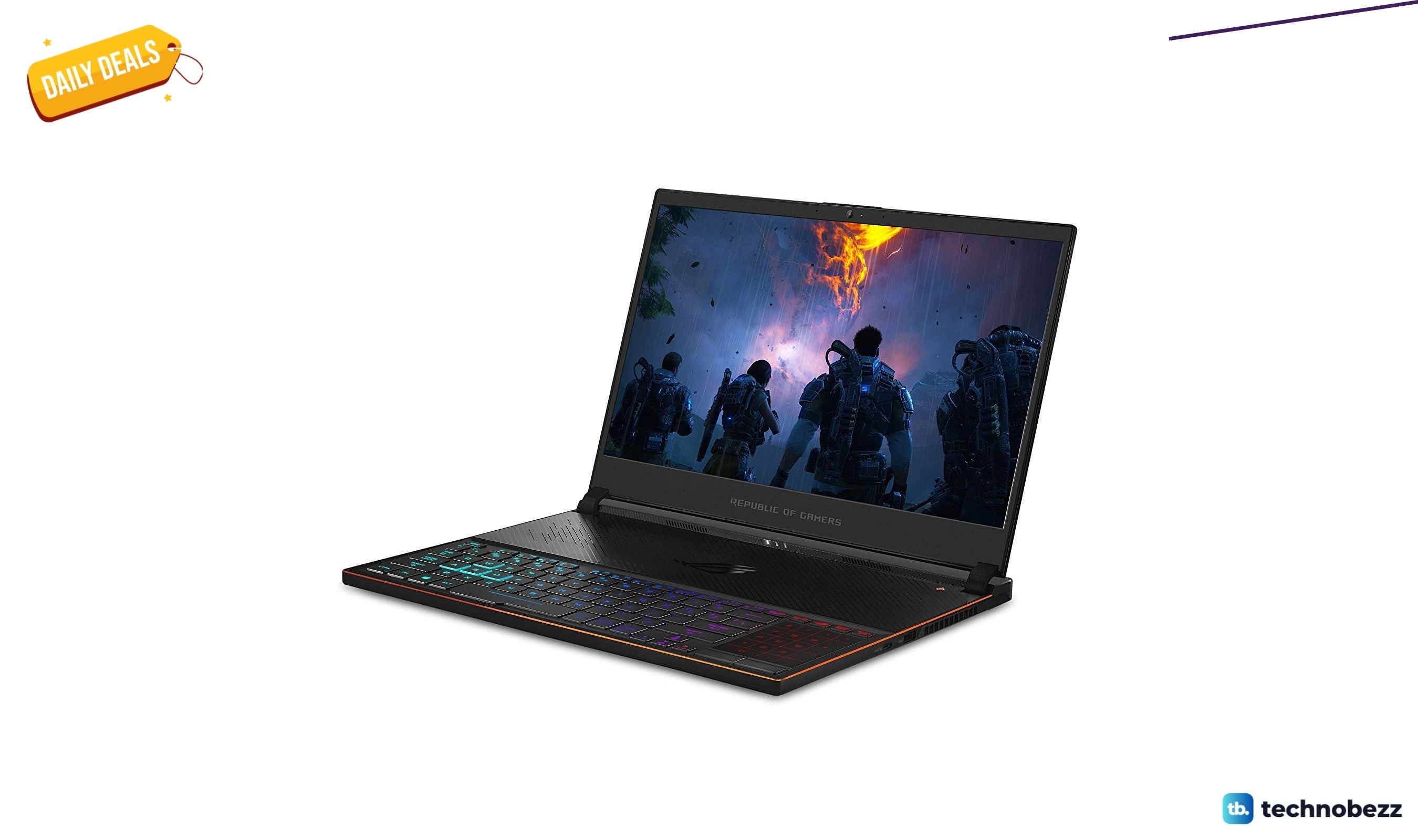
ASUS ROG Zephyrus S Ultra Slim Gaming gets a $660.95 price cut to $1338.05
5 min read
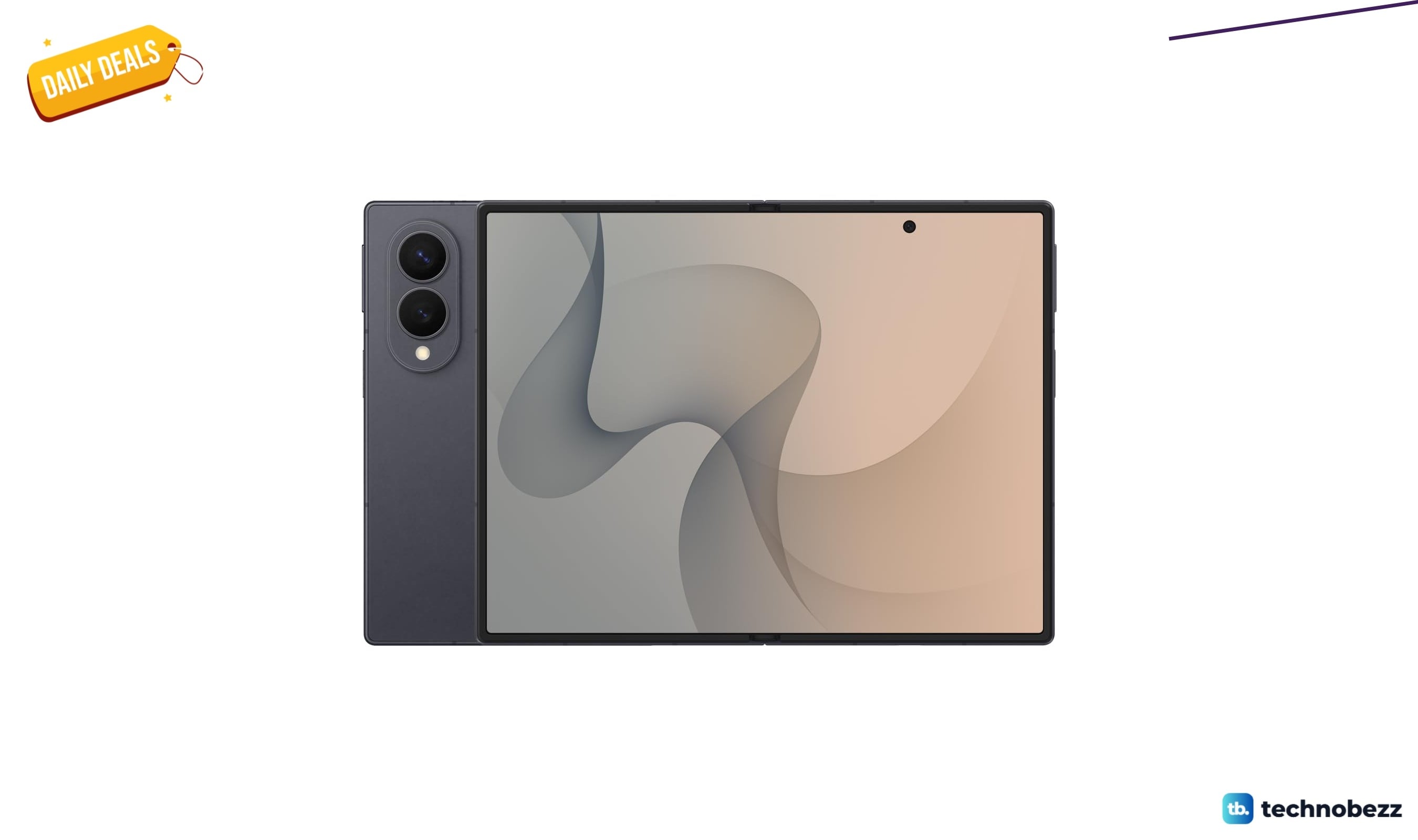
Samsung Galaxy Z Fold8 Unlocked Android Smartphone on sale for $1649.99
3 min read
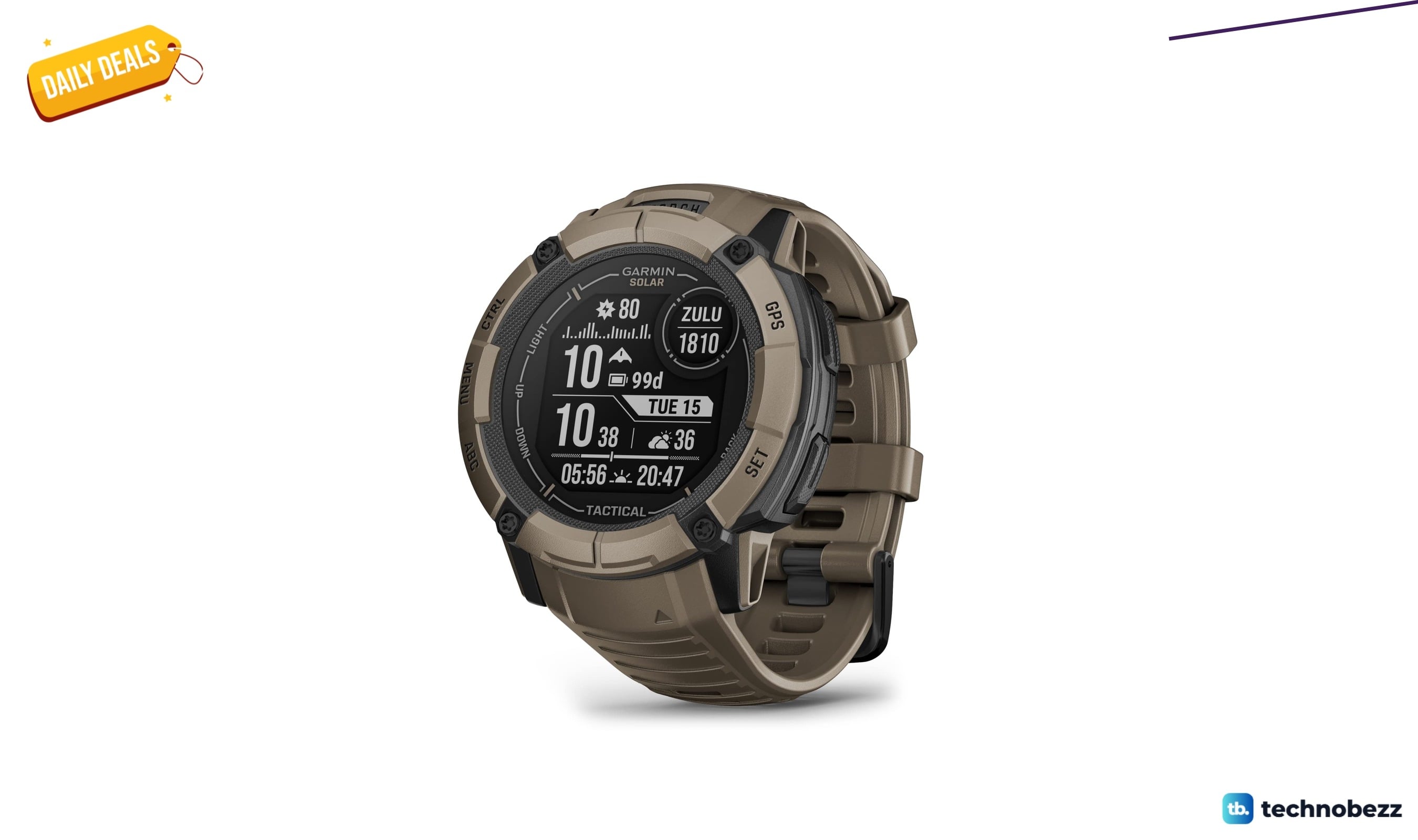
We found 2 smartwatch deals from $219.99 that are actually worth it
5 min read
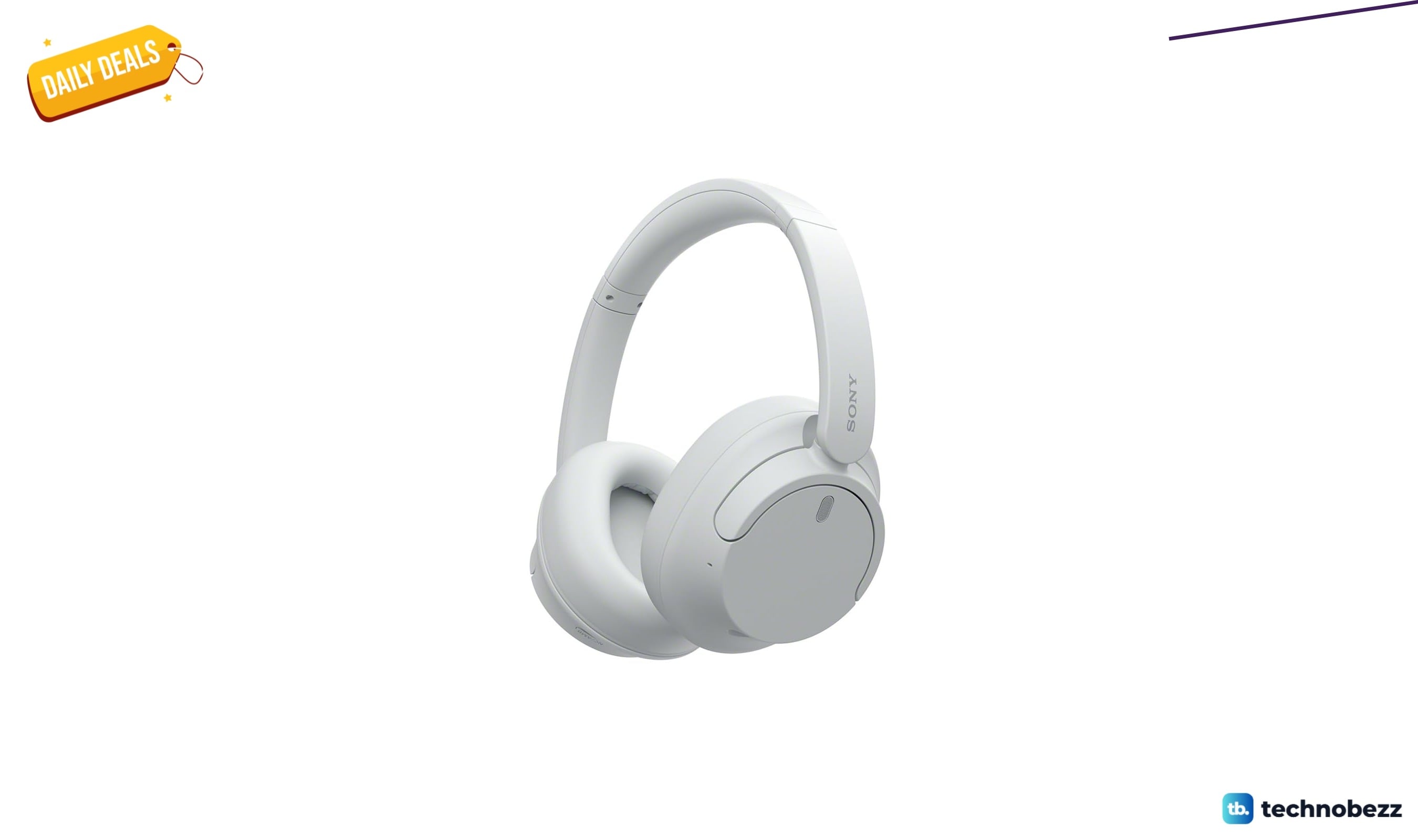
Sony WH-CH720 Noise Canceling Wireless Bluetooth Headphones now $87.94, down from $119.99
3 min read
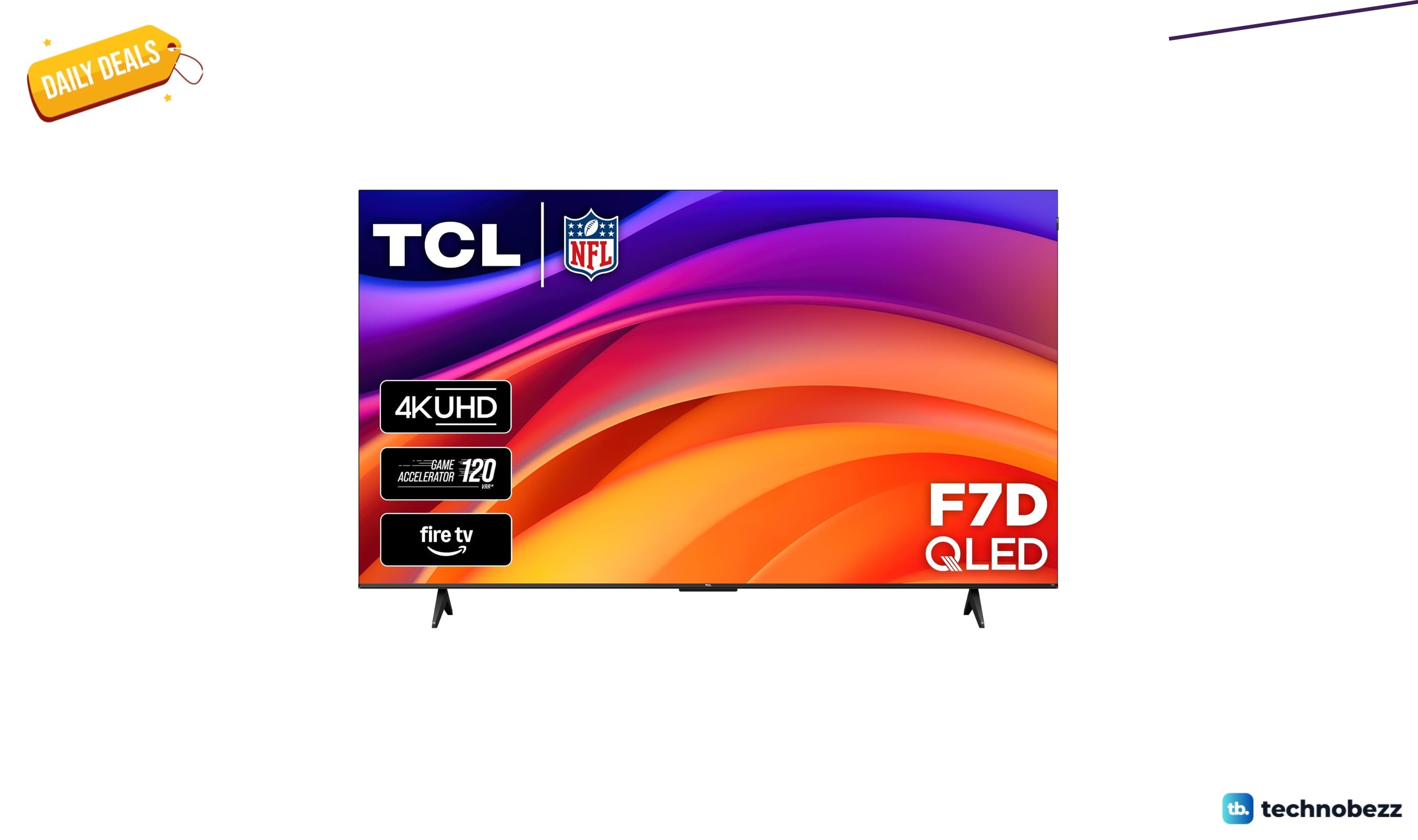
TCL 75-inch F7D QLED 4K TV leads 2 TV deals from $499.99
5 min read