If you run regularly, the right smartwatch can tell you more than just your pace and distance. It can track recovery, suggest workouts, and even keep you safe off the grid. The Apple Watch Ultra 3 is the best smartwatch for running right now, blending excellent GPS accuracy with strong smartwatch features. But the best pick for you depends on your phone, your budget, and how deep you want your training data to go.
Technobezz is supported by its audience. We may get a commission from retail offers.
Best Smartwatches for Running in 2026
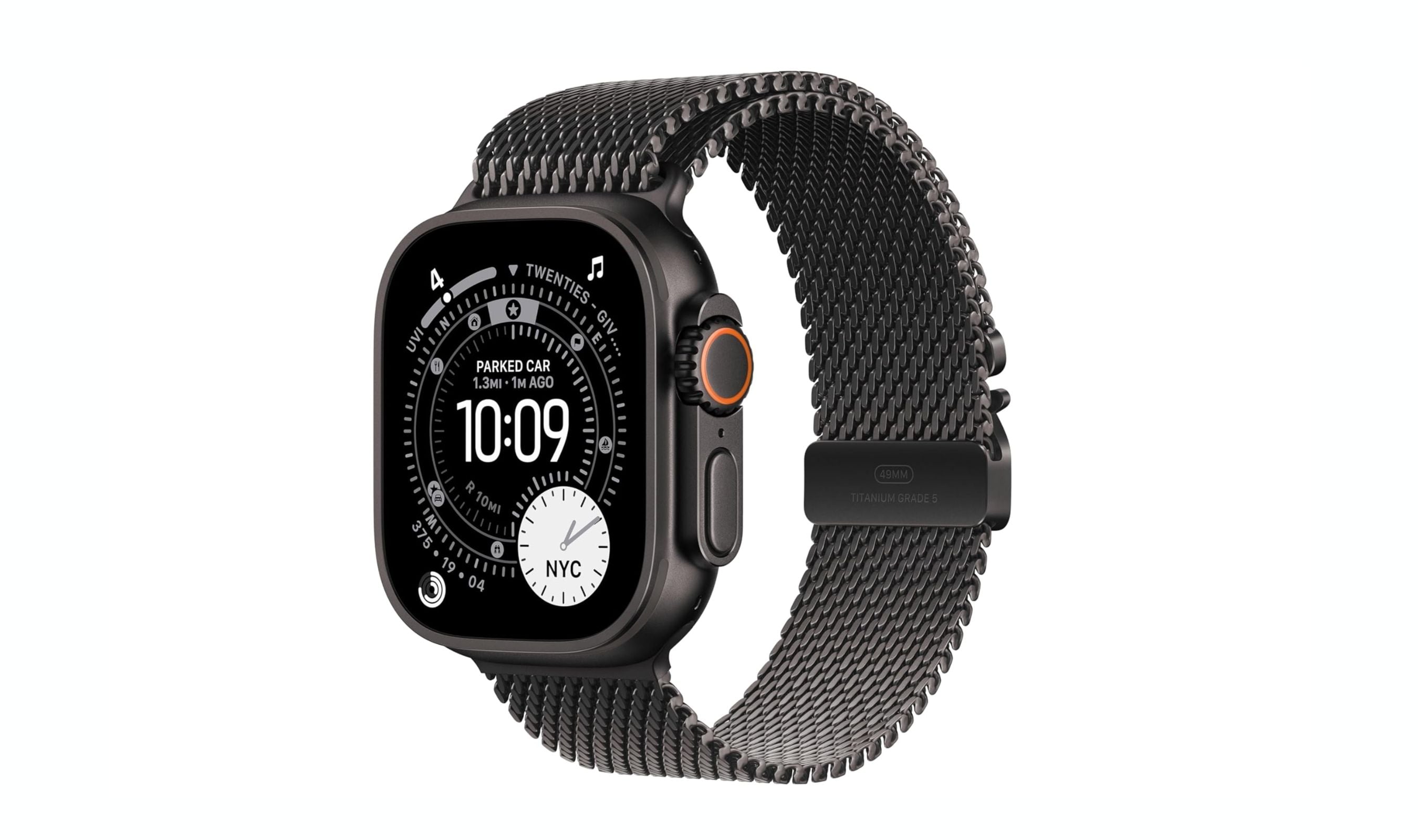
The Apple Watch Ultra 3 tops our list of the best smartwatches for running in 2026, offering unmatched GPS accuracy and training insights for every runner.
T
Technobezz
Senior Editor
Updated September 14, 2026Sep 14, 2026
•11 min read

Get Deals Like These in Your Inbox
The best prices, reviewed weekly.
At a Glance
| Category | Product | Why We Picked It |
|---|---|---|
| Best overall | Apple Watch Ultra 3 | The best blend of running accuracy and daily smartwatch use |
| Best value | Coros Pace 4 | Packs serious training tools into a lightweight, affordable package |
| Best for serious runners | Garmin Forerunner 970 | The most complete running watch Garmin makes |
| Best for Android users | Google Pixel Watch 5 | Dual-frequency GPS, Google Health tracking and Gemini Intelligence |
| Best battery life | Garmin Enduro 3 | Solar charging keeps it running for weeks |
| Best for beginners | Garmin Forerunner 170 Music | Beginner-friendly run/walk plans, training readiness and music storage |
| Also recommended | Samsung Galaxy Watch 8 | Great coaching but weak battery life |
| Also recommended | Suunto Run | Lightweight GPS watch with a learning curve |
| Also recommended | Amazfit T-Rex 3 Pro | Rugged value, limited app ecosystem |
How we chose and tested
We evaluated smartwatches based on GPS accuracy, heart rate tracking reliability, battery life, training analysis depth, and everyday smartwatch functionality. Our assessment considered data from multiple expert reviews, accuracy comparisons against chest strap monitors, and real-world testing across road running, trail running, and treadmill workouts. We prioritized watches that deliver consistent tracking, useful training insights, and a comfortable fit for daily wear.
The best smartwatches for running right now
Apple Watch Ultra 3 - Best overall
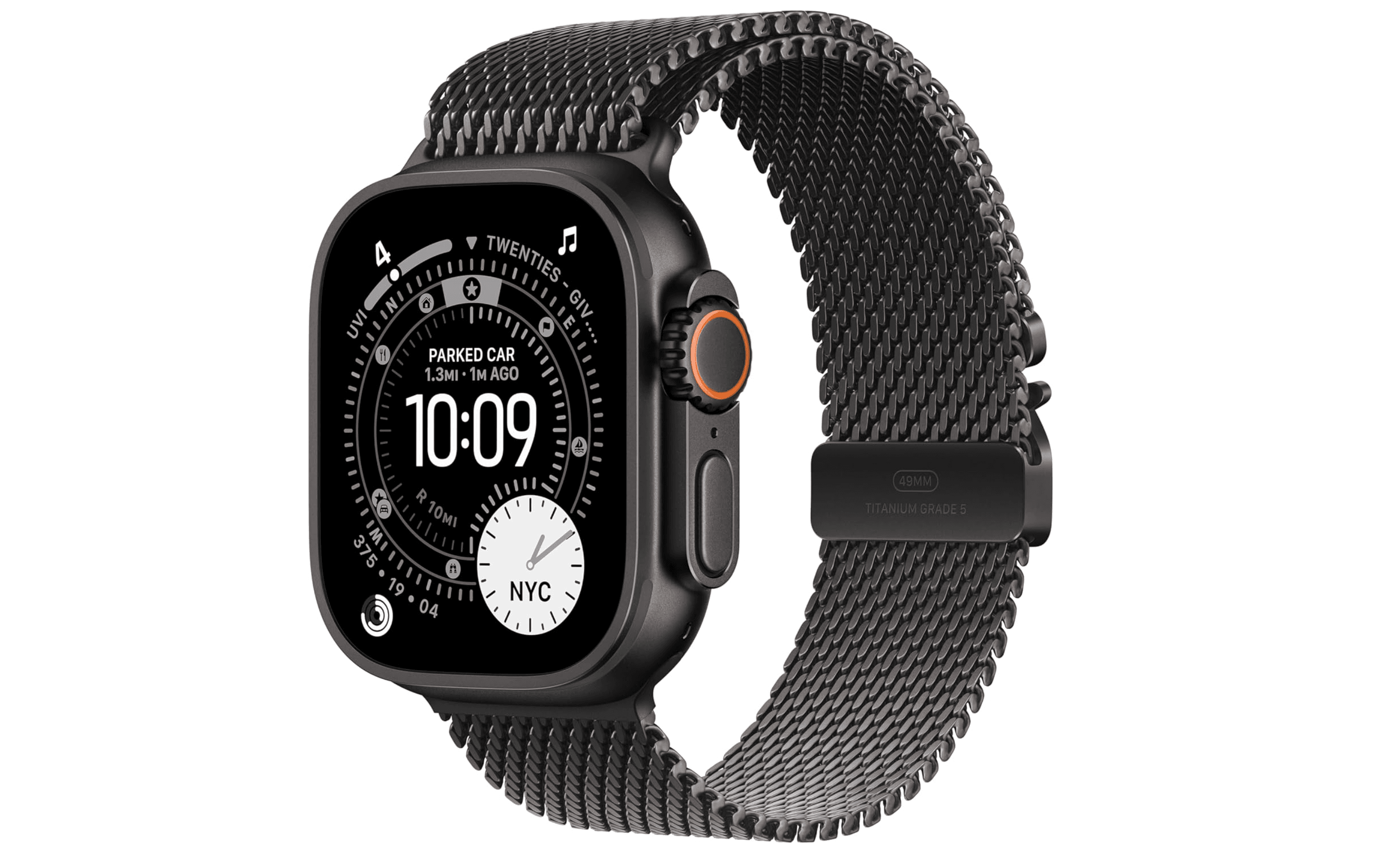
The Apple Watch Ultra 3 is the most capable smartwatch for runners who also want a premium everyday wearable. Its dual-frequency GPS is exceptionally accurate, and the heart rate sensor stays within a beat or two of a chest strap even during hard efforts. The 49mm titanium case includes a customizable Action button that you can set to mark laps, and the battery now lasts up to 42 hours, enough for a marathon and then some.
Key highlights
- Dual-frequency GPS with excellent accuracy in cities and wooded areas
- S10 chip with fast performance and Double Tap gesture controls
- Satellite SOS connectivity for off-grid safety
- Bright, always-on OLED display with 3,000 nits peak brightness
- Works seamlessly with third-party running apps like WorkOutDoors and Runna
Pros
- Best heart rate accuracy among smartwatches tested
- Strong smartwatch features, including calls, messages, and music streaming
- Durable titanium build with sapphire crystal display
Cons
- Battery life still falls short of dedicated sports watches
- Only works with iPhone
- Offline maps need to be downloaded and synced before heading out
Who it is for: iPhone users who want one watch for running, daily wear, and safety features like satellite messaging. It works especially well for runners who pair it with training apps for structured workouts.
Skip if
You run ultramarathons or multi-day events and need a watch that lasts a week between charges. Dedicated Garmin or Coros watches offer deeper training metrics and much longer battery life.
Coros Pace 4 - Best value
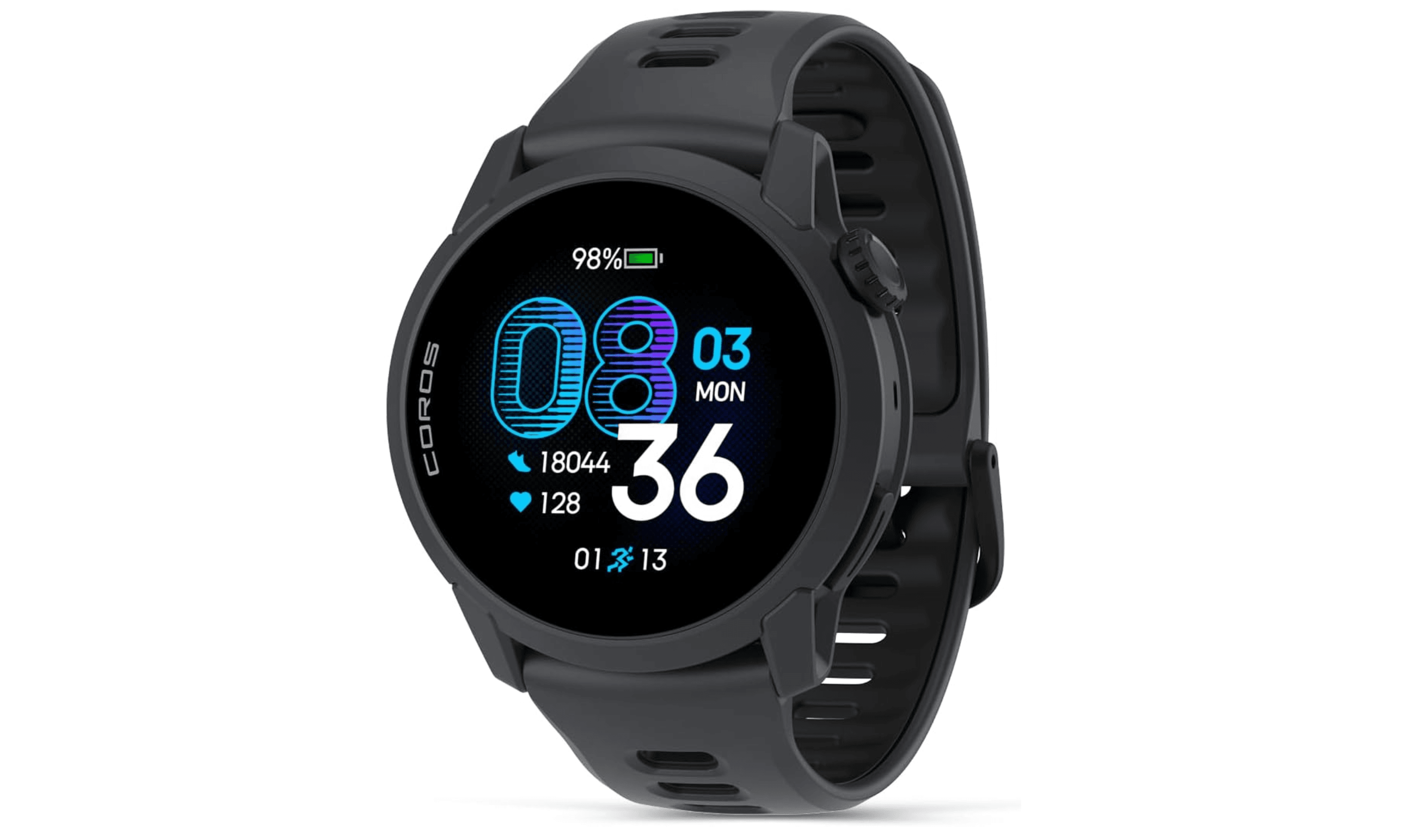
The Coros Pace 4 delivers serious running features at a price that undercuts most competitors. It weighs 40 grams with the linked silicone band, or 32 grams with a nylon band, has a bright AMOLED display, and offers up to 31 hours of multi-band GPS tracking. The training analysis through Coros EvoLab is detailed enough for serious runners, with recovery insights, training load tracking, and a race predictor built in.
Key highlights
- 40 grams with the linked silicone strap, or 32 grams with nylon
- Multi-band GPS with fast satellite lock and accurate tracking
- Up to 19 days in watch mode, 41 hours in all-systems GPS or 31 hours in dual-frequency mode
- EvoLab training metrics including running fitness score and recovery advisor
- Intuitive interface with physical dial and button controls
Pros
- Excellent value for the feature set
- Light and comfortable for all-day wear
- Strong battery life for a watch this size
Cons
- Offline maps are available through a beta software update
- Limited smartwatch features (no music streaming, no payments)
- Smaller screen than premium competitors
Who it is for: Runners who want accurate tracking and solid training data without spending a lot. It is a great choice for beginners and intermediate runners who plan to stick with the sport.
Skip if
You want music streaming or contactless payments without your phone, or need offline maps without installing beta software.
Garmin Forerunner 970 - Best for serious runners
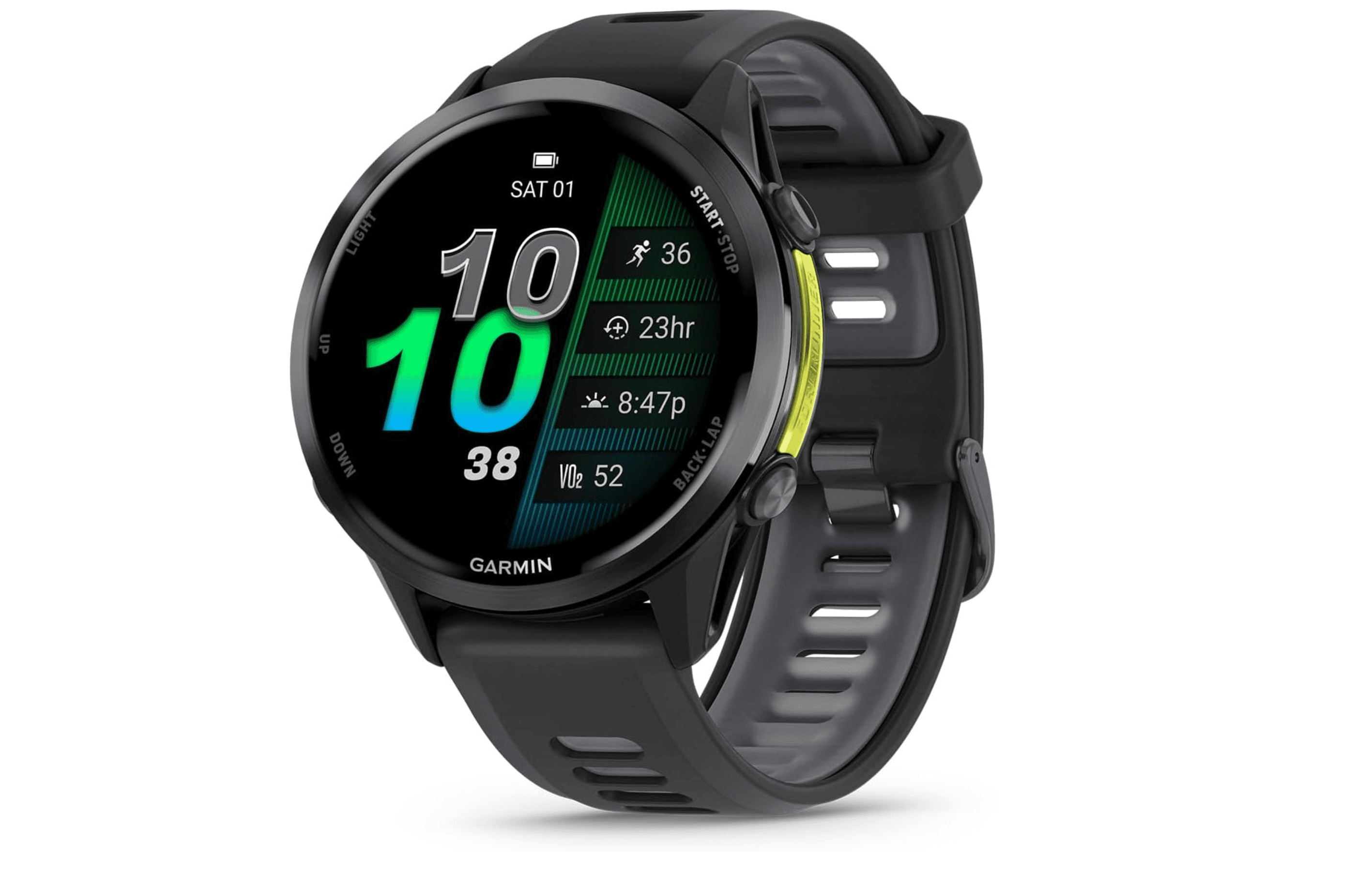
The Garmin Forerunner 970 is the most complete running watch Garmin makes, packed into a lightweight 56-gram package. It includes multi-band GPS, full-color offline maps, a built-in flashlight, and Garmin's deepest training metrics like Training Readiness, Hill Score, and Running Tolerance. The AMOLED display is bright and responsive, and the five-button interface works great with sweaty hands or gloves.
Key highlights
- Full-color offline topographic maps with turn-by-turn navigation
- Multi-band GPS with exceptional accuracy on roads and trails
- Advanced training metrics including HRV status, training readiness, and endurance score
- Built-in LED flashlight with multiple brightness modes and red light
- Up to 15 days in smartwatch mode, 21 hours in dual-band GPS
Pros
- Best-in-class training analysis and recovery insights
- Lightweight and comfortable despite the feature set
- Trail-specific tools like Grade Adjusted Pace and Trail Run Auto Climb
Cons
- Expensive compared to mid-range alternatives
- Steep learning curve with Garmin's deep menu system
- Battery life is good but not class-leading for ultra-endurance
Who it is for: Runners who want every training metric available and plan to use offline maps for trail running and navigation. It suits anyone moving from a mid-range watch to a premium training tool.
Skip if
You are a casual runner who just wants basic pace and distance tracking, or you prefer a simpler interface with fewer menus to navigate.
Google Pixel Watch 5 - Best for Android users
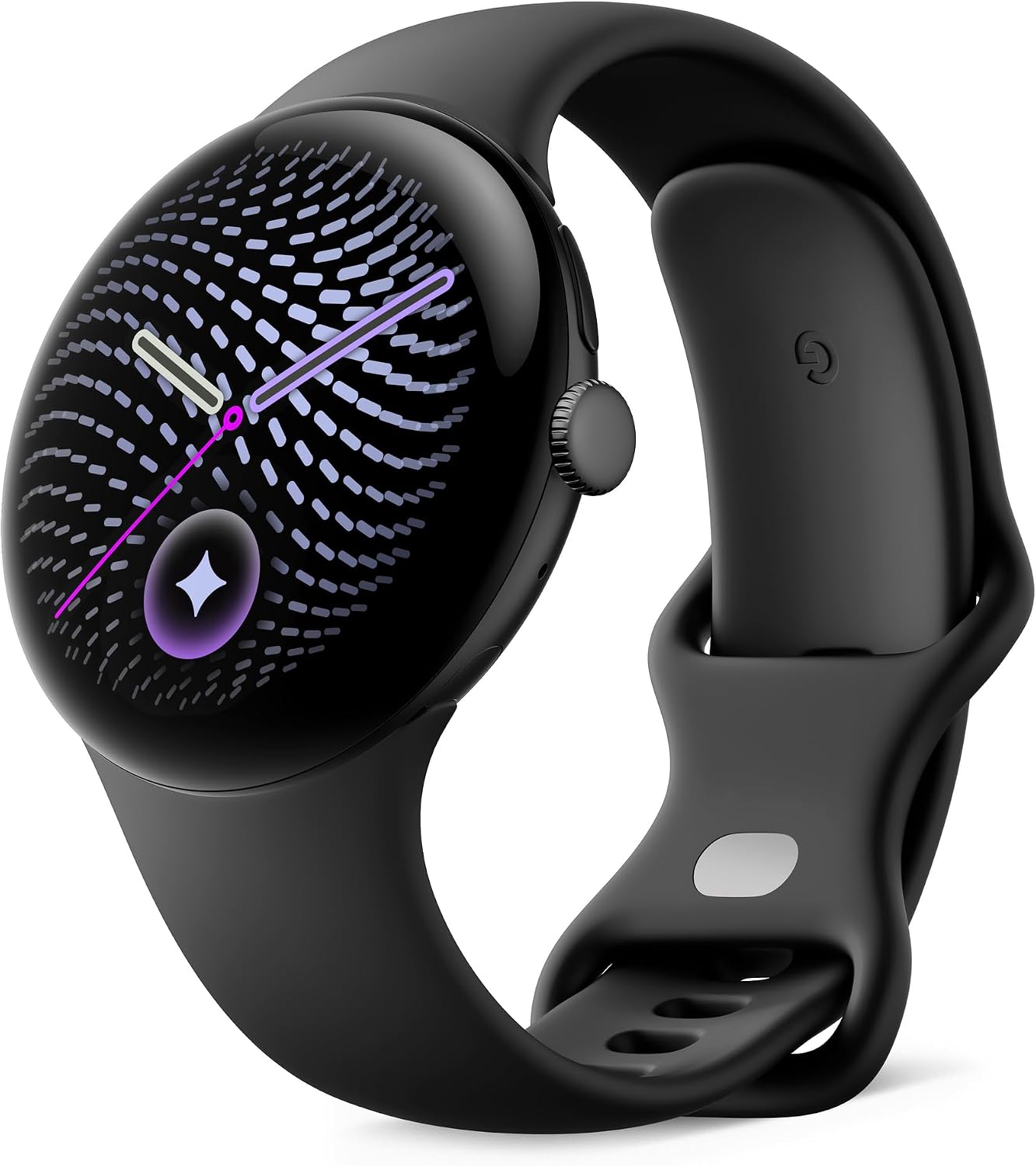
The Google Pixel Watch 5 combines dual-frequency GPS with Google Health tracking and Gemini Intelligence. The 45mm Wi-Fi model has a domed Actua 360 display, 64GB of storage and up to 40 hours of battery life with the always-on display. It works with compatible phones running Android 12 or later.
Key highlights
- Dual-frequency GPS for outdoor activity tracking
- Actua 360 AMOLED display with up to 3,000 nits peak brightness
- Gemini Intelligence and Google Health insights
- Up to 40 hours with the always-on display on the 45mm model
- 64GB storage and sleep tracking with a personalized Sleep Score
Pros
- Combines running GPS with everyday Google services
- Bright display and built-in microphone and speaker
- Tracks heart rate and sleep alongside activity
Cons
- The 45mm model's always-on battery rating is under two full days
- The 41mm version is rated for only 30 hours with its always-on display
- Requires a compatible Android phone; does not support iPhone
Who it is for: Android users who want running GPS, Google Health insights and Gemini Intelligence in an everyday smartwatch.
Skip if
You use an iPhone or need several days of normal use between charges.
Garmin Enduro 3 - Best battery life
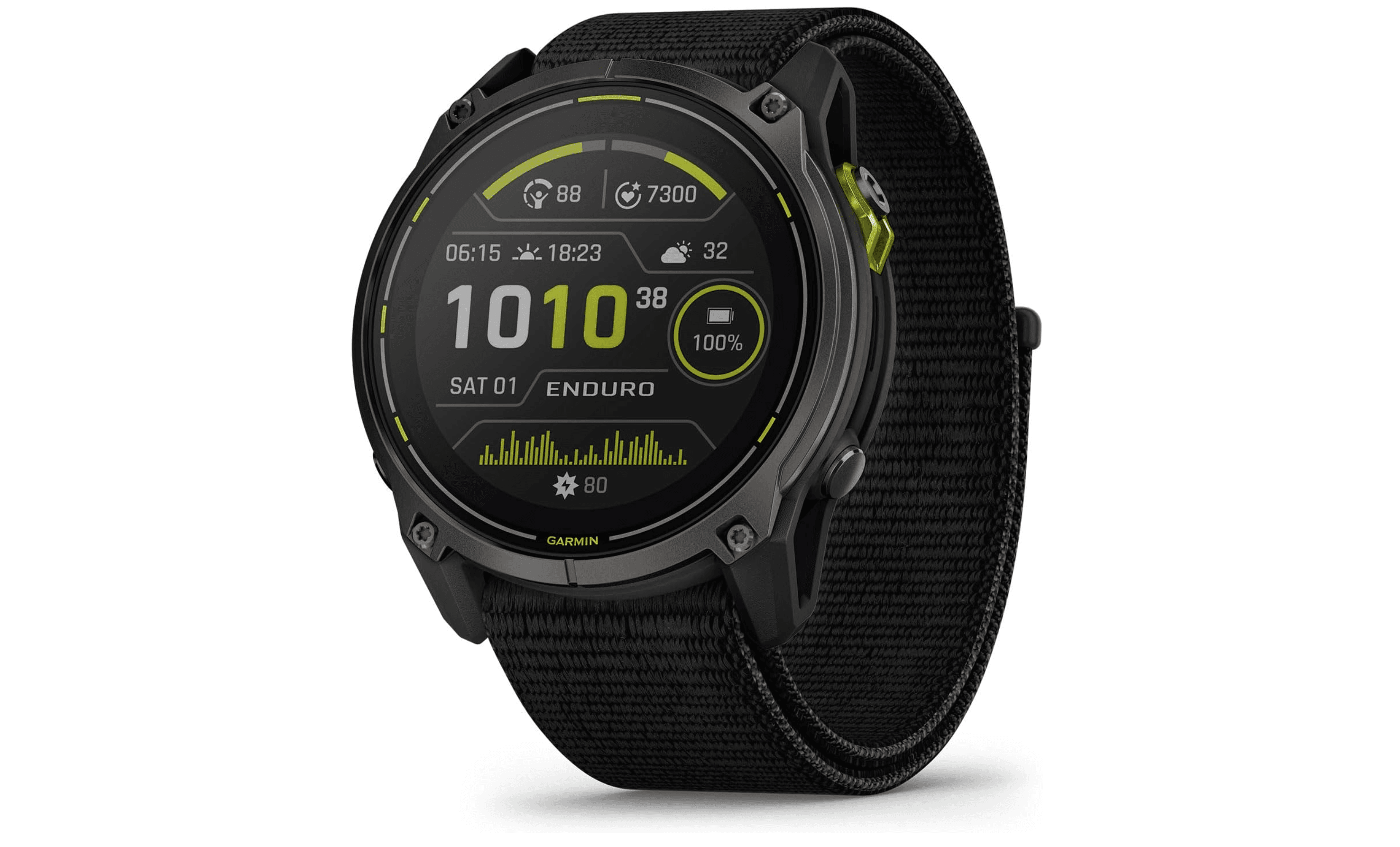
The Garmin Enduro 3 is built for runners who spend days on the trail. With solar charging, it is rated for up to 90 days in smartwatch mode or 320 hours in GPS-only mode. Those estimates assume three hours outdoors daily at 50,000 lux for smartwatch use, or continuous exposure at that brightness for GPS-only tracking. It has almost all of Garmin's top training and navigation features, including offline maps, multi-band GPS, and a built-in flashlight. The MIP display is less flashy than AMOLED but remains perfectly readable in direct sunlight.
Key highlights
- Up to 36 days in smartwatch mode, or 90 days with three hours of daily outdoor exposure at 50,000 lux
- GPS-only tracking up to 120 hours, or 320 hours with continuous solar exposure at 50,000 lux
- Full offline topographic maps with turn-by-turn navigation
- Multi-band GPS with SatIQ for smart satellite selection
- Rugged 51mm design with titanium bezel and sapphire crystal
Pros
- Unmatched battery life for multi-day adventures
- Preloaded TopoActive maps and dynamic round-trip routing
- Lightweight for its size thanks to the fiber-reinforced polymer case
Cons
- MIP display is less vibrant than AMOLED screens
- Large 51mm case may be too big for smaller wrists
- No LTE or satellite connectivity for off-grid messaging
Who it is for: Ultrarunners, adventure racers, and anyone who does multi-day trail runs and hates charging their watch. The solar charging makes it practical for extended trips.
Skip if
You want a bright AMOLED screen or a watch that looks good for daily office wear. The Enduro 3 is a tool, not a fashion piece.
Garmin Forerunner 170 Music - Best for beginners
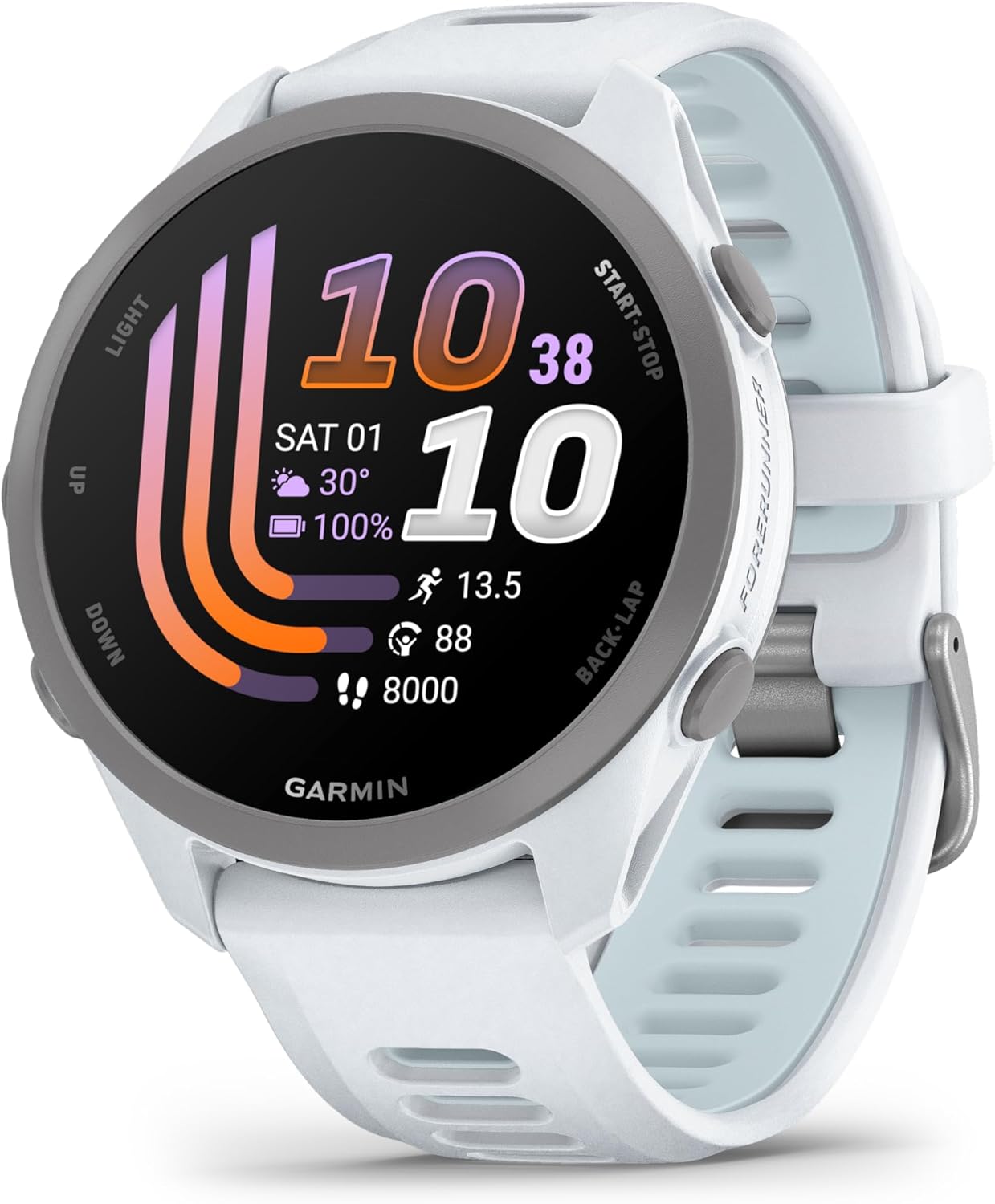
The Garmin Forerunner 170 Music helps new runners build a routine with Garmin Coach plans that include run/walk workouts. Its AMOLED touchscreen and buttons show pace, distance and wrist-based heart rate, while training readiness and recovery insights help guide the next session. Built-in music storage supports phone-free listening.
Key highlights
- AMOLED touchscreen with physical button controls
- Garmin Coach plans with beginner-friendly run/walk workouts
- Training readiness, training status and HRV status
- Built-in music storage for listening through wireless headphones
- Up to 10 days in smartwatch mode or 20 hours in GPS mode
Pros
- Training plans support beginners and more experienced runners
- Create running workouts directly on the watch
- Listen to downloaded music without carrying a phone
Cons
- Always-on display reduces smartwatch battery life to up to four days
- Supported music services require a subscription
- Safety alerts require a paired smartphone with network coverage
Who it is for: Runners starting with run/walk sessions who want guided training, recovery insights and phone-free music.
Skip if
You need safety alerts without a paired phone or more than 20 hours of GPS tracking per charge.
Also Good
- Samsung Galaxy Watch 8 - great coaching but weak battery life. Check Price on Samsung
- Suunto Run - lightweight GPS watch with a learning curve.
- Amazfit T-Rex 3 Pro - rugged value, limited app ecosystem.
How to Choose
- GPS accuracy matters most. Dual-frequency (multi-band) GPS is significantly more accurate than single-band, especially in cities with tall buildings or on tree-covered trails. If you run in varied environments, it is worth paying for.
- Battery life depends on your runs. Casual runners running 30 to 60 minutes a day can get by with a watch that lasts a day or two. Ultrarunners and adventure seekers should look for watches with 20-plus hours of GPS tracking, or solar charging for extended trips.
- Training analysis depth varies. Garmin and Coros offer the deepest metrics: HRV status, training load, recovery time, and race predictors. Apple and Google provide solid basics but less detail. Decide how much data you actually want to review.
- Ecosystem lock-in is real. Apple Watch only works with iPhone. Wear OS watches like the Pixel Watch and Galaxy Watch work best with Android. Garmin, Coros, and Suunto work with both but have fewer smartwatch features.
- Screen type affects battery. AMOLED displays are bright and colorful but drain faster. MIP displays (like on the Enduro 3) are less flashy but excel in sunlight and save significant battery life.
FAQ
Can I use an Apple Watch for running without my phone?
Yes. The Apple Watch Ultra 3 and Series 11 can store music, track GPS, and make calls with the cellular version. The Ultra 3 also supports satellite messaging without a phone.
Which smartwatch has the most accurate GPS for running?
The Apple Watch Ultra 3 and Garmin Forerunner 970 both use dual-frequency GPS and consistently deliver the most accurate tracking in independent comparisons. Coros and Suunto watches also perform well at their price points.
Do I need a running watch or a smartwatch for running?
It depends on your priorities. A dedicated running watch from Garmin or Coros gives you deeper training metrics and longer battery life. A smartwatch like the Apple Watch Ultra 3 or Google Pixel Watch 5 gives you better everyday features, app support, and communication tools.
How much should I spend on a running smartwatch?
Beginner-friendly options like the Garmin Forerunner 170 Music or Suunto Run offer GPS tracking and guided workouts. Decide whether you also need offline maps, music storage or longer GPS battery life before paying for extra features.
What is the best running smartwatch for trail running?
The Garmin Forerunner 970 is the top choice for trail runners, with full-color offline maps, Grade Adjusted Pace, and Trail Run Auto Climb. The Garmin Enduro 3 is better for ultra-distance trail runs thanks to its solar charging and exceptional battery life.
Published May 1, 2026 Last updated September 15, 2026
Share this article
More in News
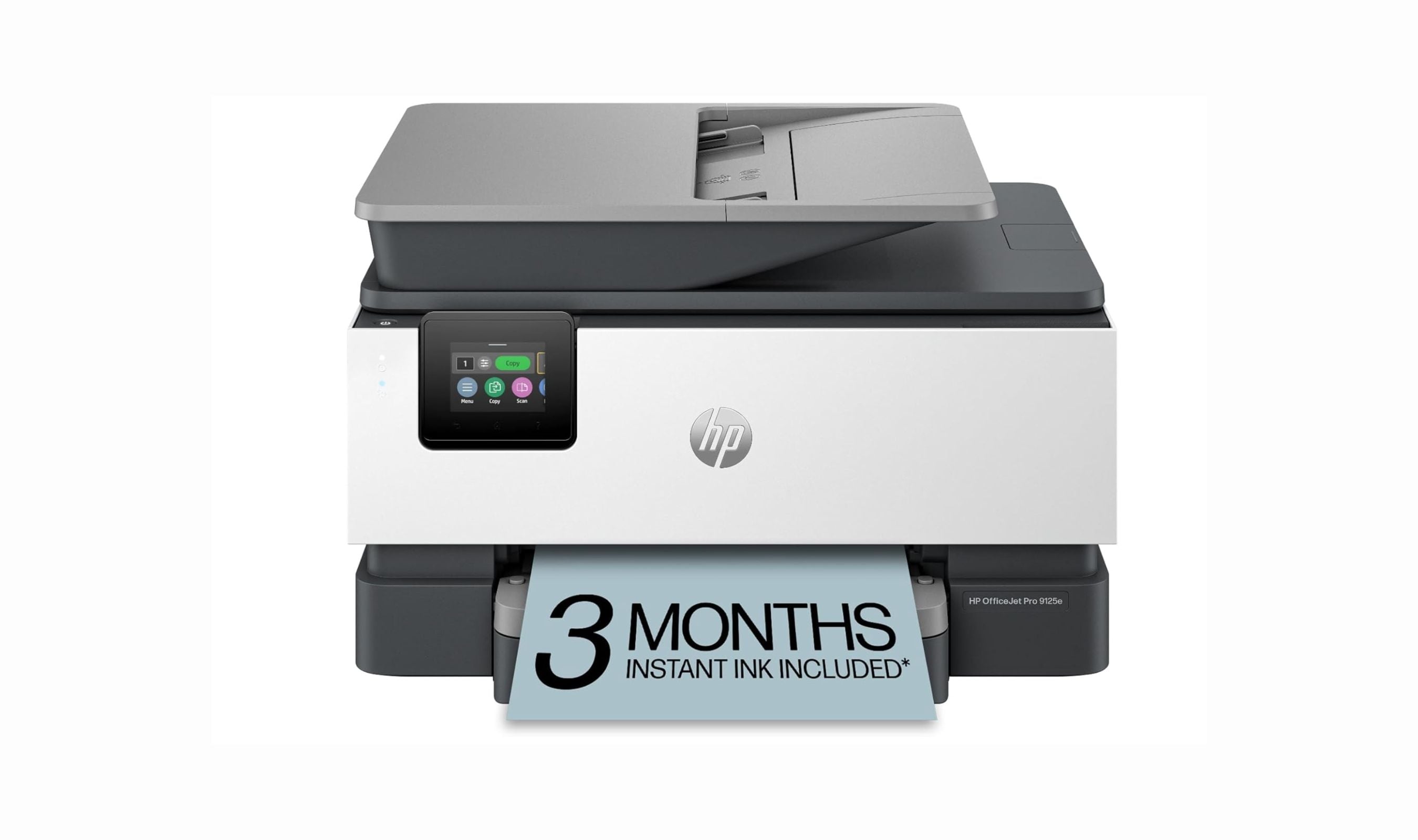
7 Best All-in-One Printers for Home in 2026
HP OfficeJet Pro 9125e leads our picks for the best all-in-one home printers. Compare top models for value, speed, and high-volume printing.
5 min read
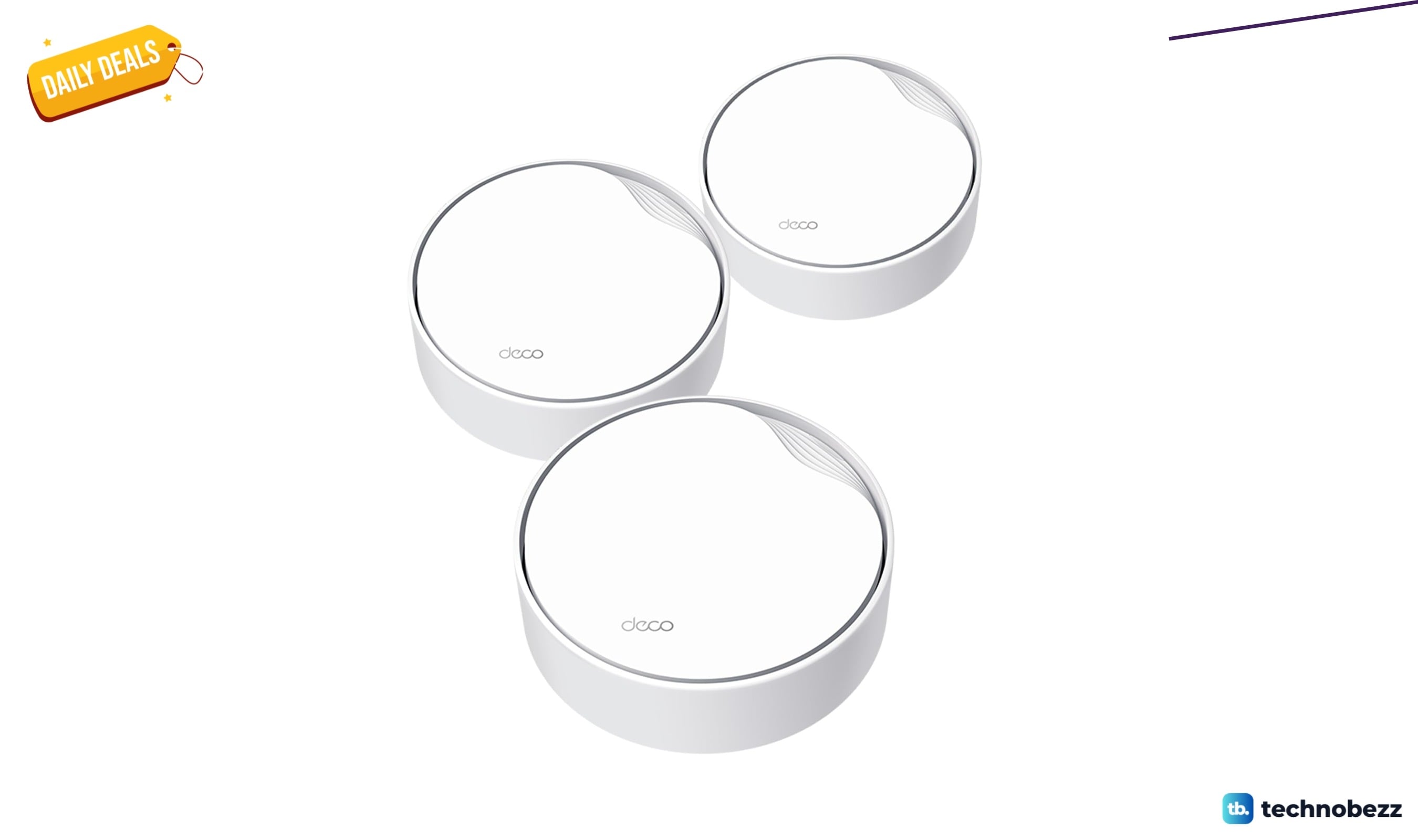
TP-Link AX3000 PoE Mesh WiFi 6 down to $199.98 in latest price cut
TP-Link's Deco X50-PoE three-pack hits a record-low $199.98, saving $50 on PoE mesh WiFi 6 with 2.5G ports.
3 min read
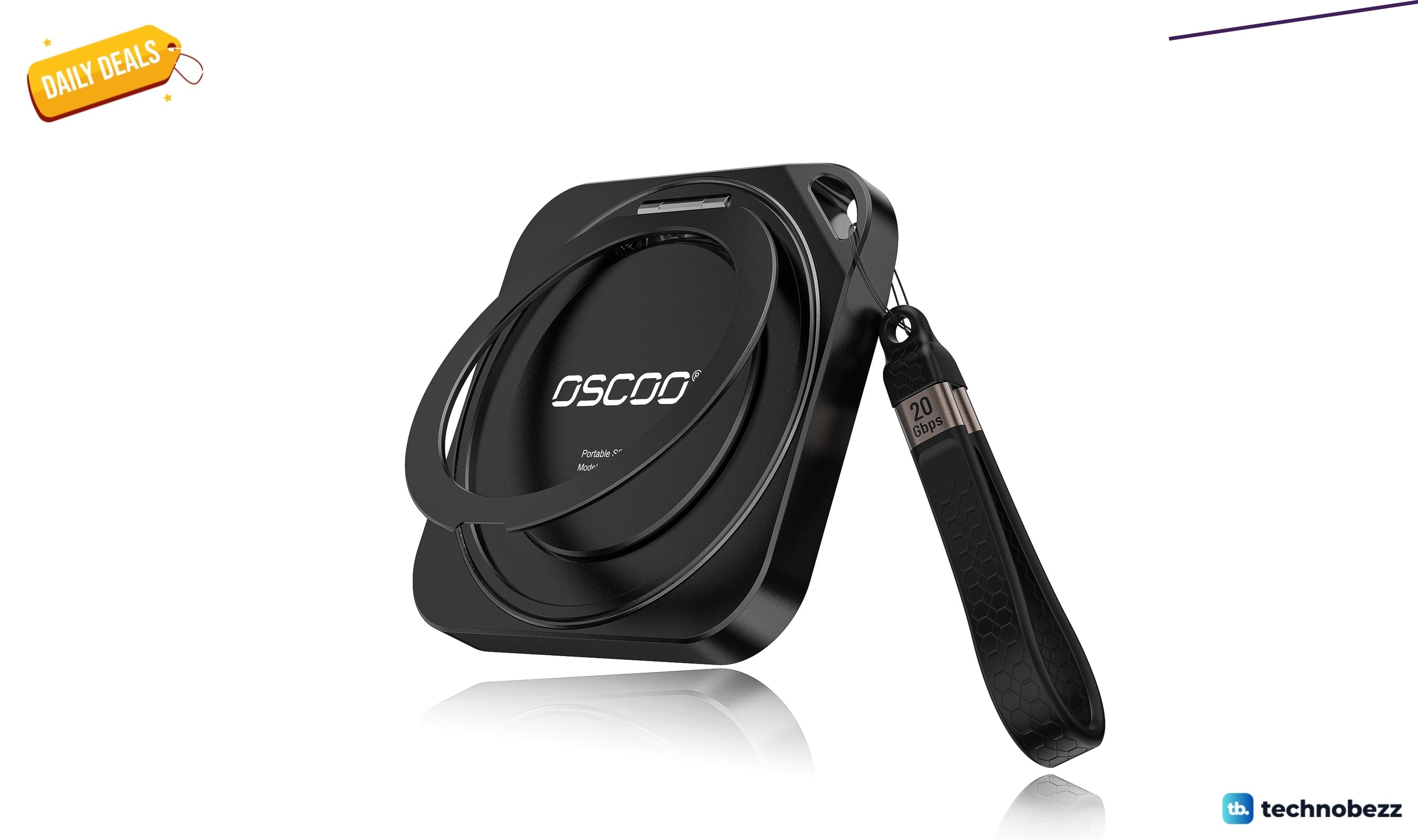
OSCOO 2TB Magnetic External SSD drops to $299.98, its lowest price yet
Save 25 percent on the OSCOO 2TB MagSafe SSD at $299.98, its lowest price ever, with 2000MB/s reads for iPhone ProRes and RAW files.
5 min read
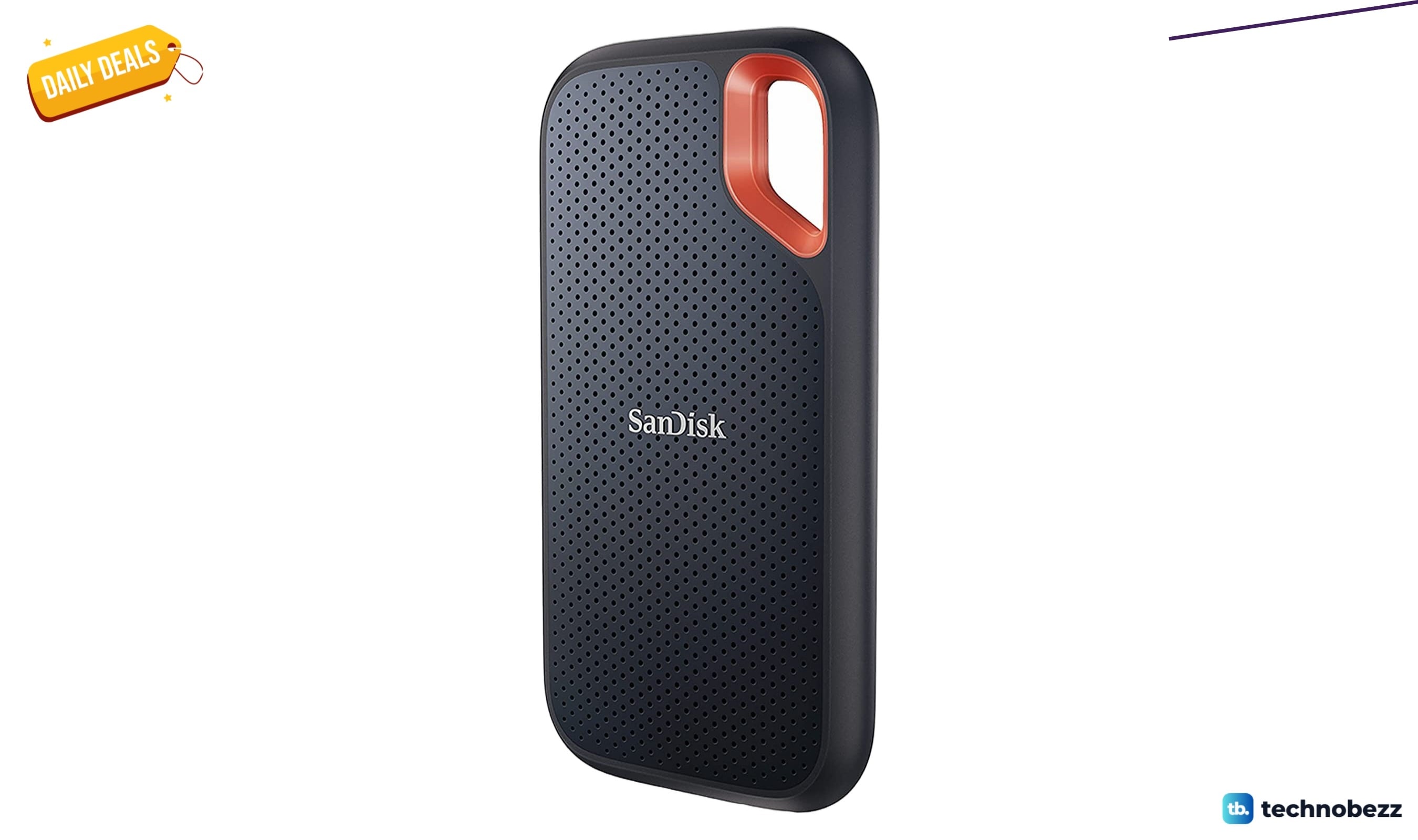
Sandisk 4TB Extreme Portable SSD sees price cut to $444
Save 17 percent on the Sandisk 4TB Extreme Portable SSD, now $444 at Amazon, well below its recent average price.
4 min read
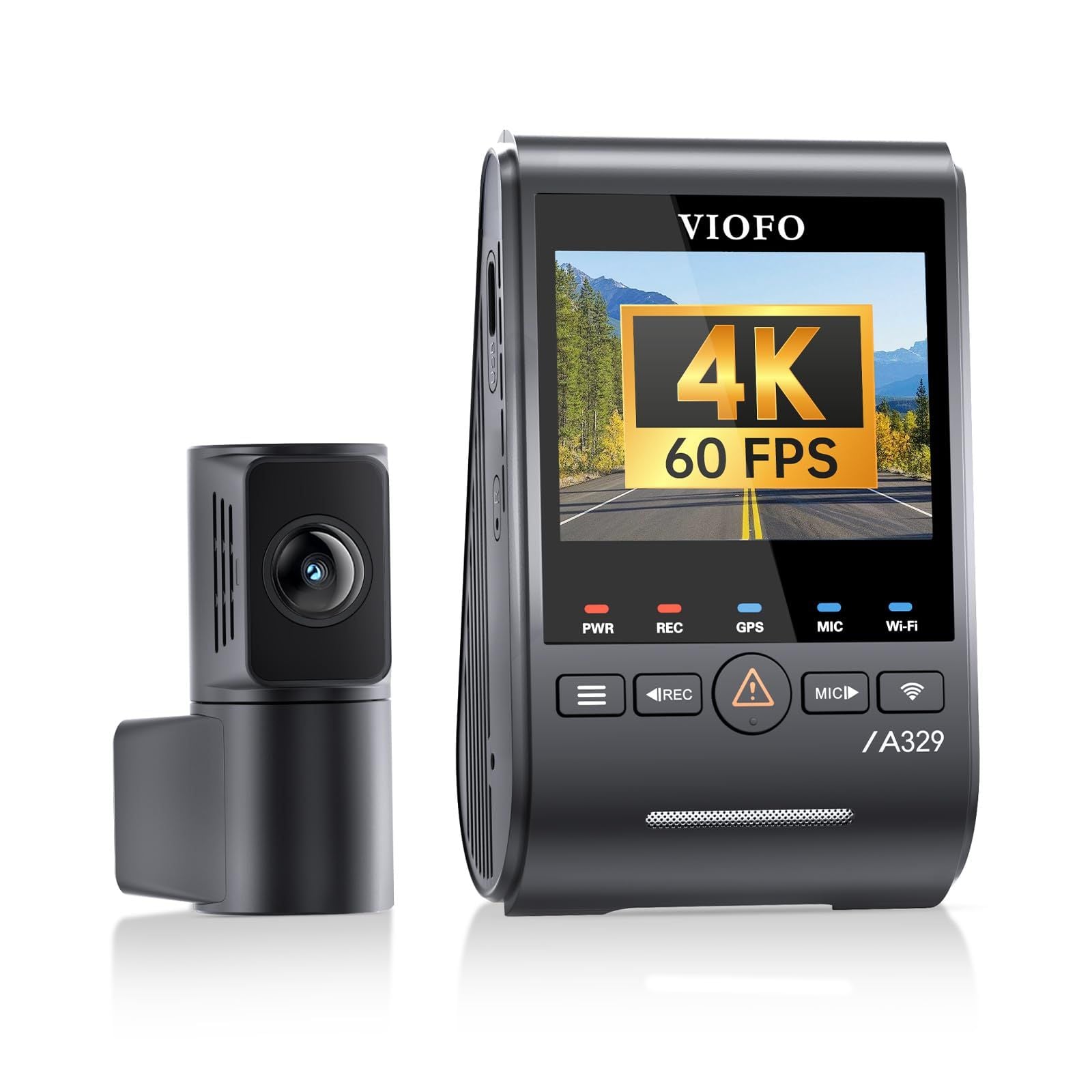
6 Best Dashcams for 2026
4 min read
Pixio PX27U Wave Mint Green Refresh Rate now $299.99, down from $499.99
5 min read
7 Best Wireless Presenters for 2026
4 min read
Powerbeats Pro Wireless Earphones Apple H1 Headphone down to $137.63 in latest price cut
4 min read
Sony 48-inch BRAVIA 6 OLED 4K HDR drops to $1098, its lowest price yet
5 min read
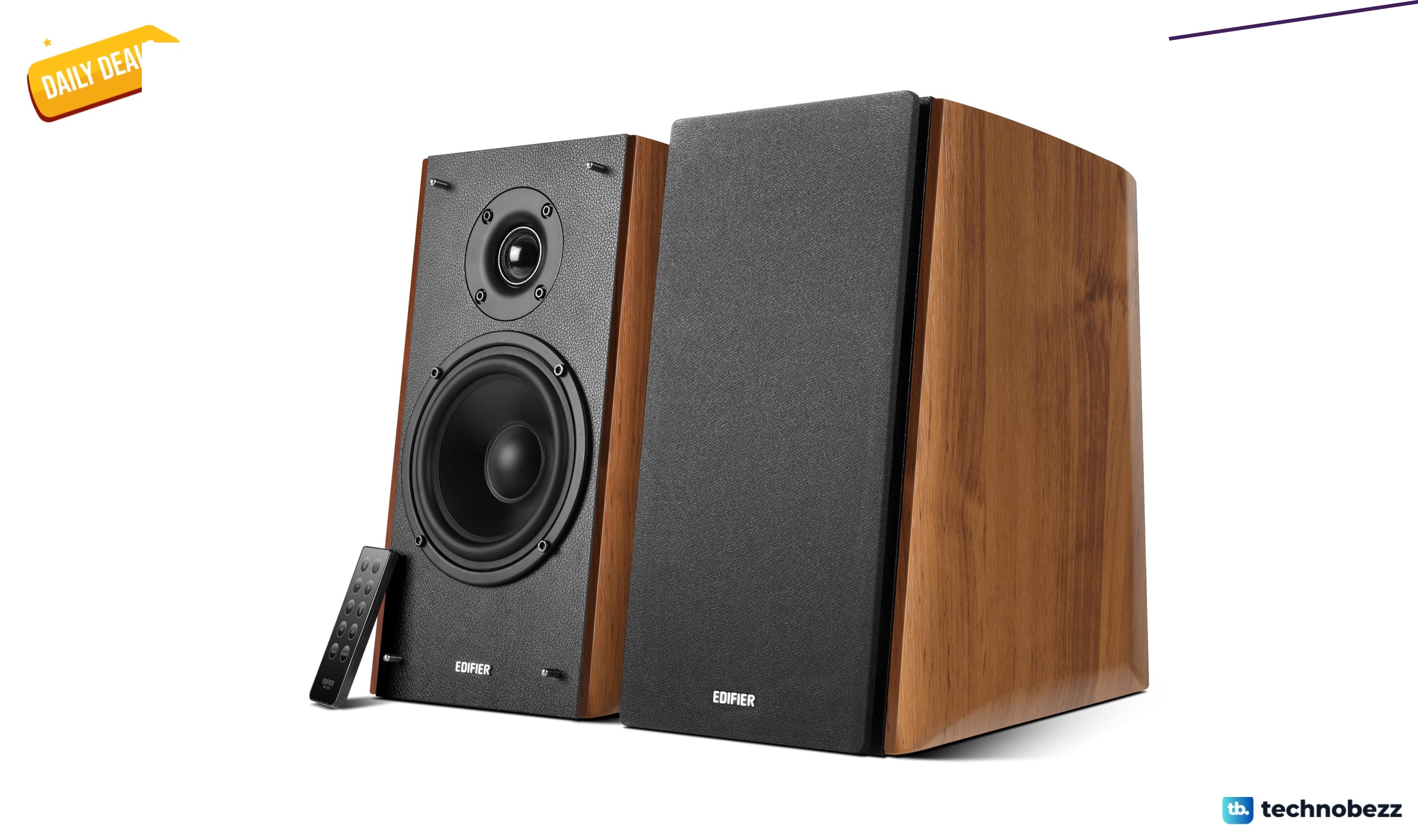
Edifier R2000DB Powered Bluetooth Bookshelf Speakers price drops to $299.98
4 min read
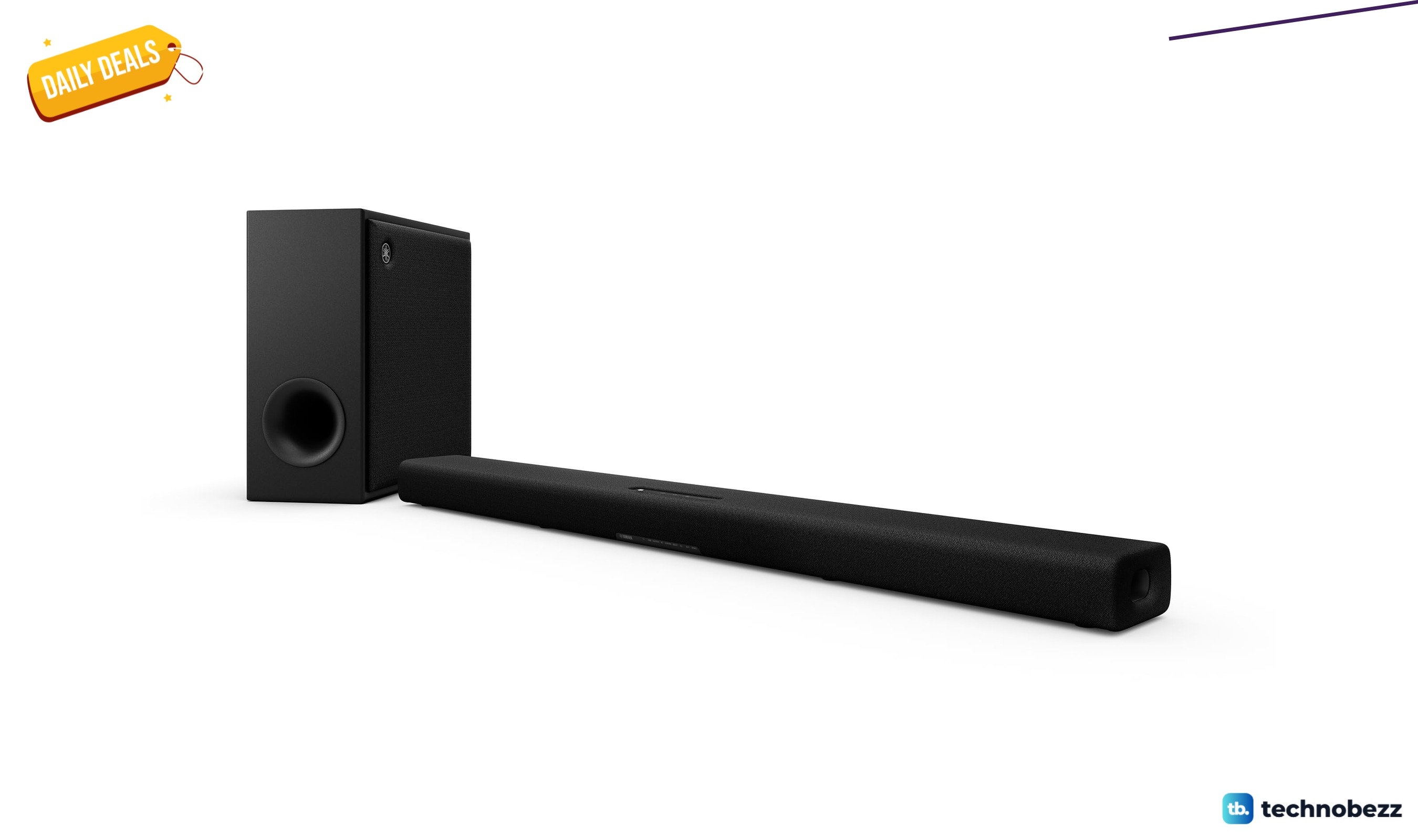
Yamaha True X Bar 50A Dolby Atmos hits new low at $199.99
3 min read
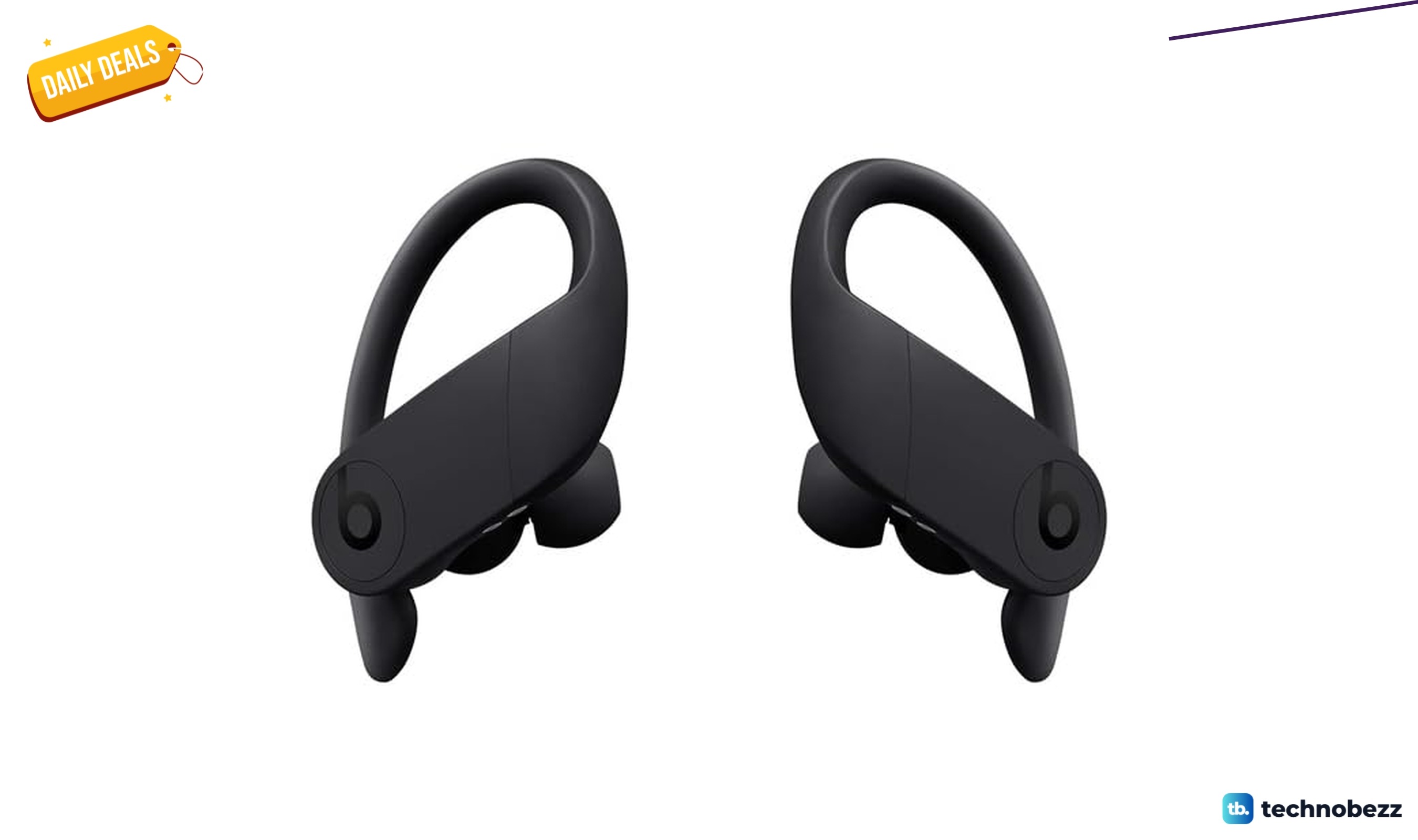
Beats Powerbeats Pro Wireless Earbuds are $99.99 at Woot
5 min read