You don't need to spend a thousand dollars to get a great smartphone in 2026. The under-$500 category has become surprisingly competitive, offering flagship features at half the price. Our top pick, the Google Pixel 10a, combines Google photo tools, a 120Hz OLED screen, and seven years of updates for $499. This list is for anyone who wants solid performance without the premium price tag.
Technobezz is supported by its audience. We may get a commission from retail offers.
4 Best Smartphones Under $500 for 2026
Discover the best smartphones under $500 for 2026. Our top pick, the Google Pixel 9a, leads the list with premium features at a budget price.
T
Technobezz
Editorial Team
Updated September 4, 2026Sep 4, 2026
•7 min read

Get Deals Like These in Your Inbox
The best prices, checked by our editors.
How we chose
Our process focused on identifying smartphones that deliver reliable daily performance within a strict budget. We prioritized strong camera systems, all-day battery life, and long-term software support. Our final selections represent the best overall value in this competitive category.
The best smartphones under $500 right now
Google Pixel 10a - Best overall
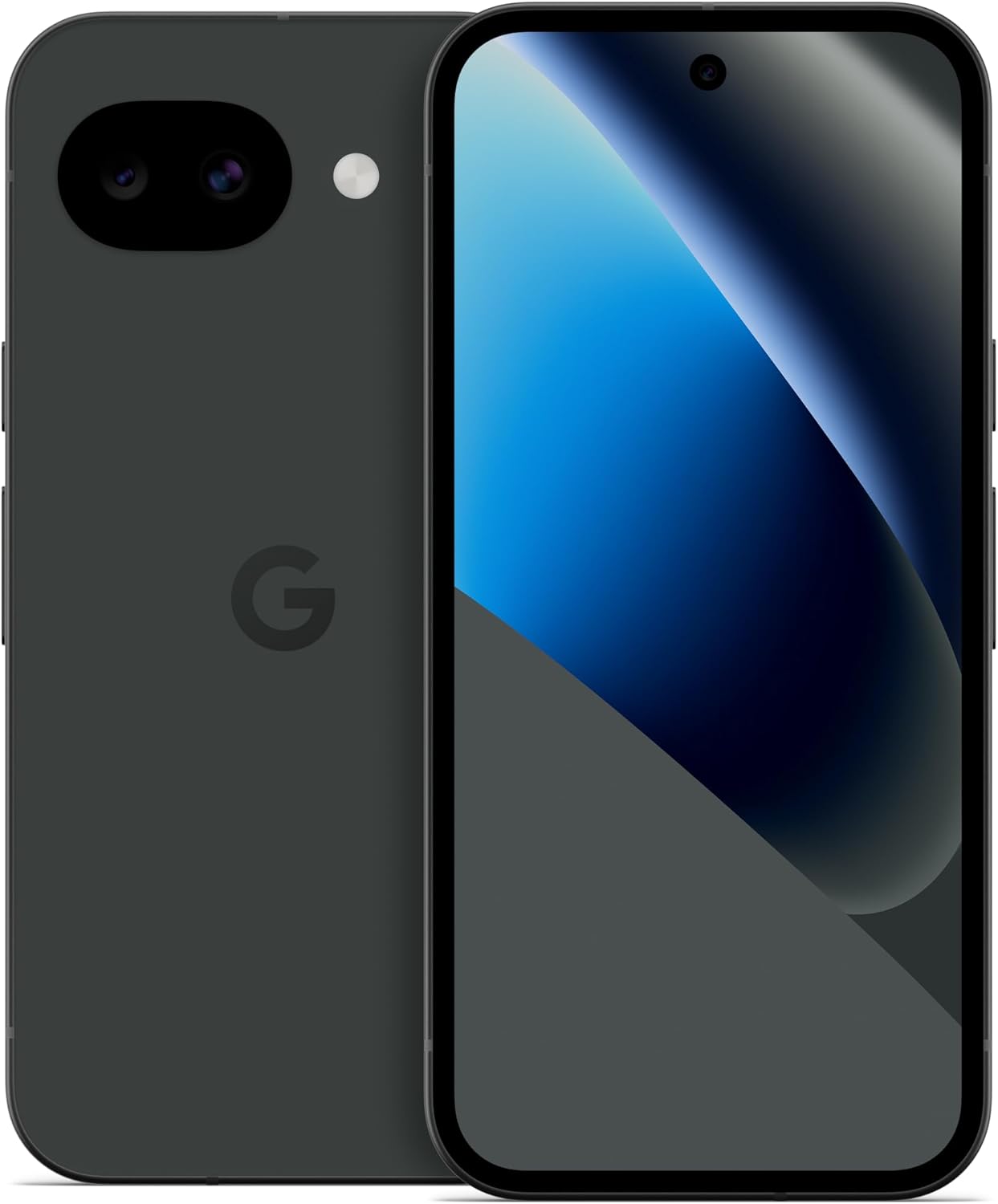
The Pixel 10a combines Google's Tensor G4 processor with a 6.3-inch OLED display and a 48MP main camera. Its seven-year update policy makes it a strong choice for everyday use.
Key highlights
- Google Tensor G4 processor and 8GB RAM
- 6.3-inch OLED display with a 60-120Hz refresh rate
- 48MP main camera and 13MP ultrawide camera
- 5100mAh battery with wired and Qi wireless charging
- Seven years of OS, security, and Pixel Drop updates from launch
Pros
- Camera Coach, Auto Best Take, and Macro Focus photo tools
- Display reaches up to 3000 nits peak brightness
- IP68 dust and water resistance
- Google rates battery life at more than 30 hours
Cons
- No dedicated telephoto camera
- Charger sold separately
- 128GB storage in the linked configuration
Who it is for: People who want Google photo tools, a manageable screen size, and long software support.
Skip if
You want a larger screen. The Moto G Power (2025) has a 6.8-inch display, while the Galaxy A37 5G has a 6.7-inch display.
Motorola Moto G Power (2025) - Best value
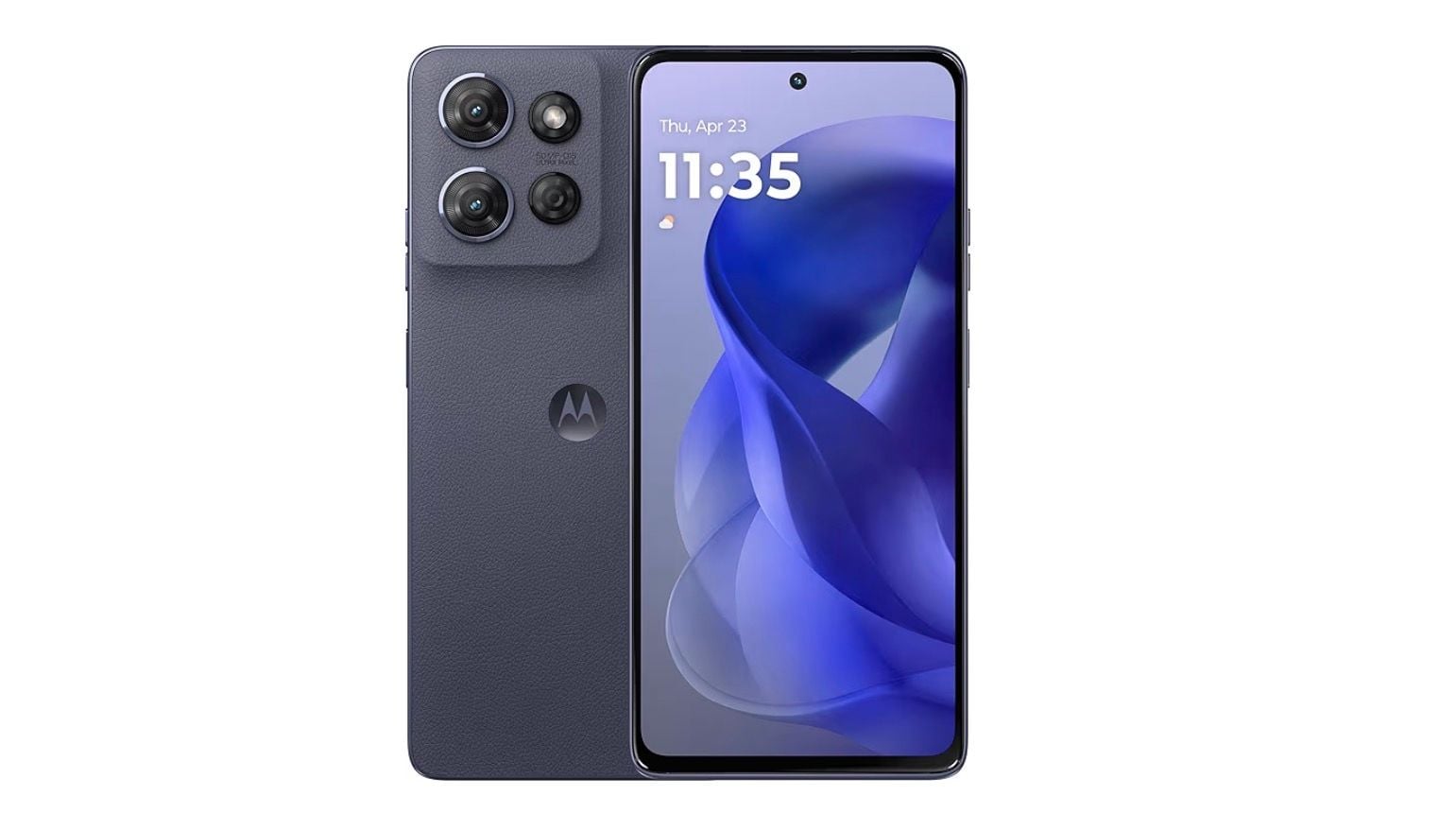
For under $300, the Moto G Power (2025) offers a 5000mAh battery that Motorola rates for over a day of use, plus 30W wired and 15W wireless charging. It's a practical choice for people who want flexible charging options.
Key highlights
- 5000mAh battery rated for over a day of use
- 120Hz refresh rate display for smooth scrolling
- Clean Android experience with useful Moto gestures
- Solid performance for everyday tasks
- Underwater protection
Pros
- Outstanding battery life
- Smooth 120Hz display
- Good value for money
- Water and dust resistant
- Useful Moto software features
Cons
- Only two years of Android updates
- Camera quality is just average
- Performance lags behind more expensive phones
- Plastic build feels less premium
Who it is for: Heavy phone users who prioritize battery life above all else. Students, travelers, and anyone who needs their phone to last all day and then some.
Skip if
You prioritize Google photo tools or longer software support. Consider the Pixel 10a or Samsung Galaxy A37 5G.
Samsung Galaxy A37 5G - Best for Samsung users
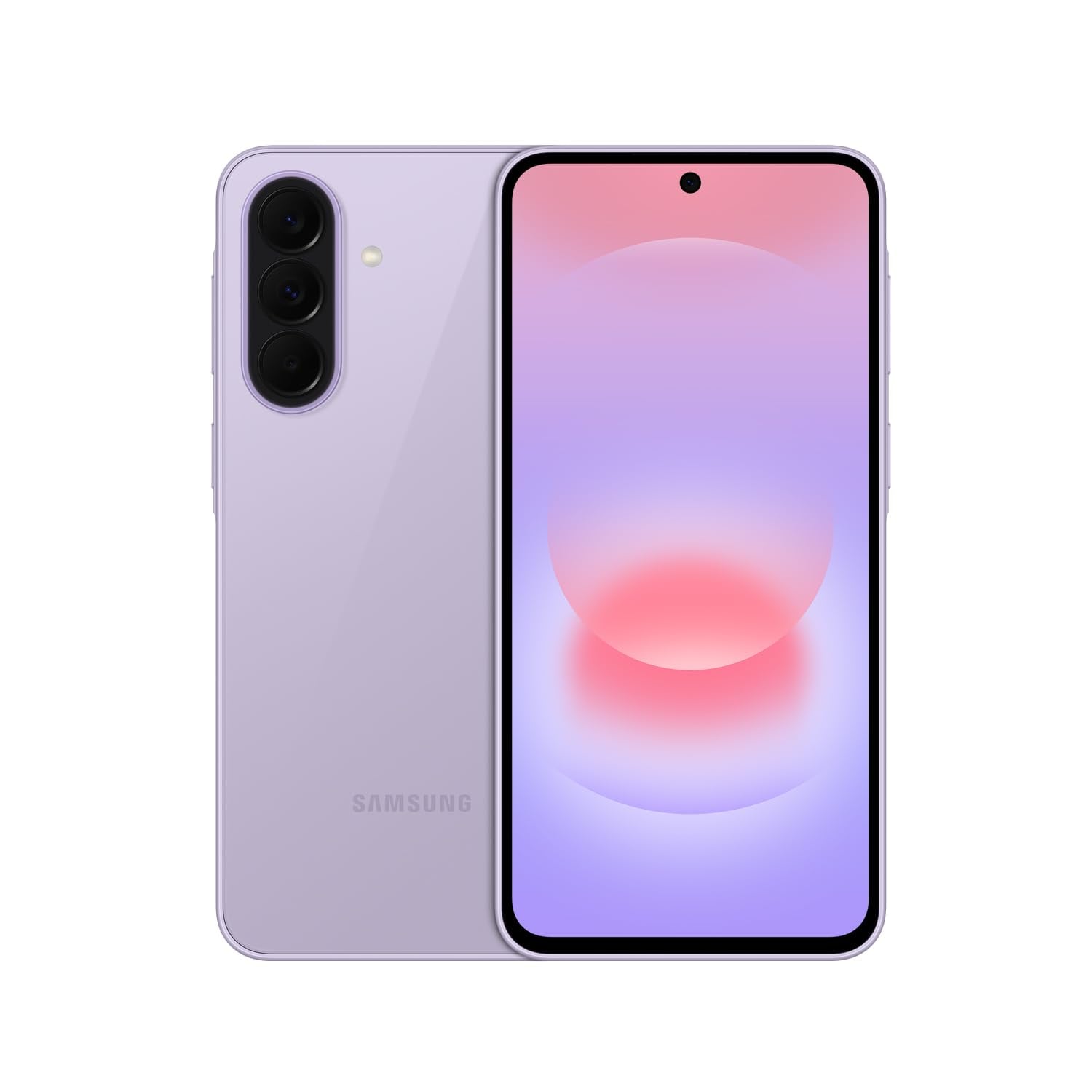
Samsung promises up to six generations of Android OS upgrades and up to six years of security updates, making the Galaxy A37 a strong choice for people who keep their phones for years.
Key highlights
- Up to six generations of Android OS upgrades
- Up to six years of security updates
- Bright 120Hz Super AMOLED display
- Solid camera system with optical image stabilization
- Samsung's feature-rich One UI software
Pros
- Excellent long-term software support
- Bright, colorful AMOLED display
- Good camera with OIS for stable video
- Reliable Samsung build quality
- Feature-packed software experience
Cons
- Performance isn't as smooth as more expensive phones
- One UI can feel bloated to some users
- Battery life is good but not exceptional
- Charging speed is just average
Who it is for: People who keep their phones for 3-4 years and want guaranteed updates. It's also great for Samsung ecosystem users who want consistency.
Skip if
You prefer Google's Android interface and photo tools. Consider the Pixel 10a.
Nothing Phone (4a) Pro - Best unique design
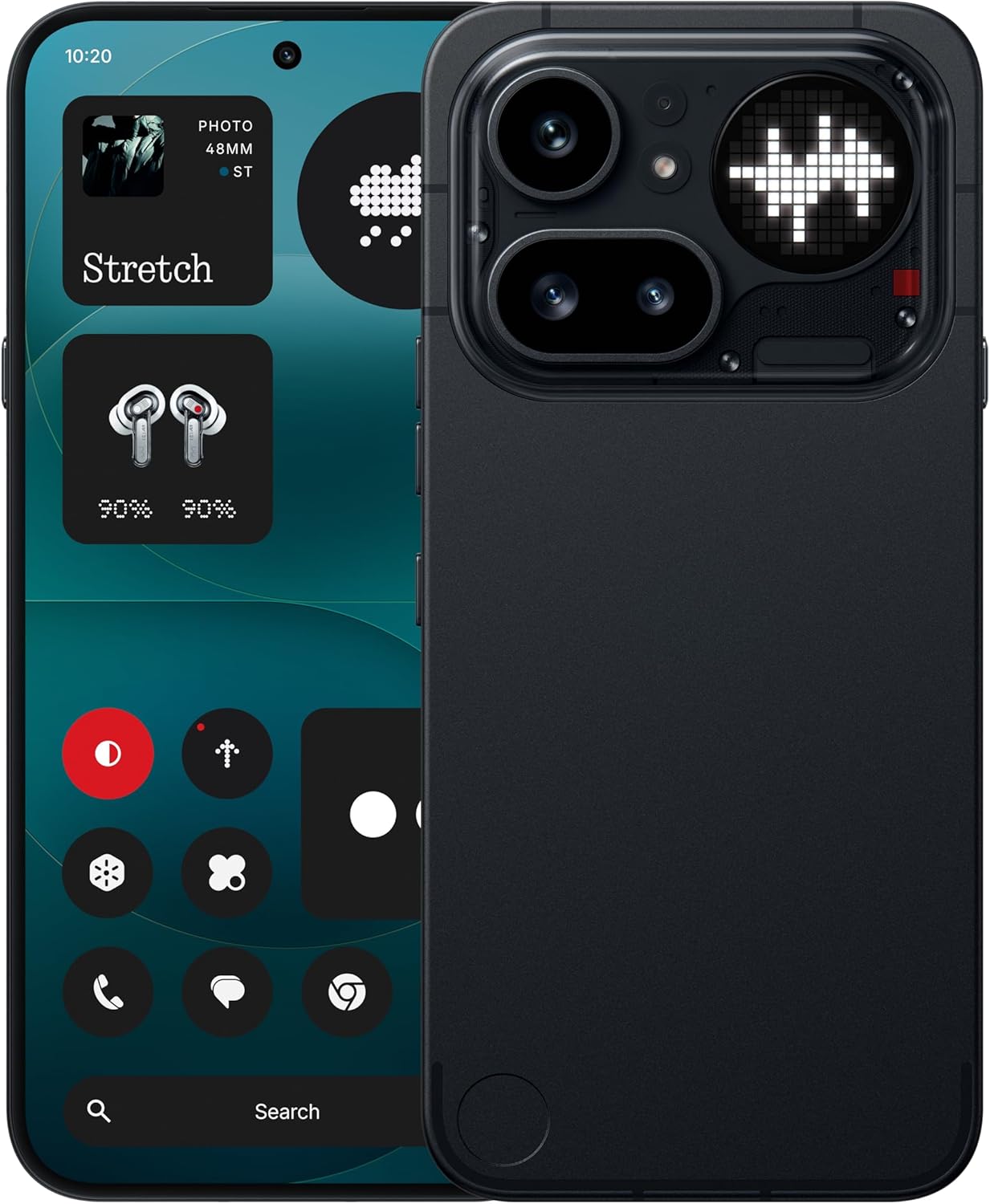
The Nothing Phone (4a) Pro puts a Glyph Matrix of 137 mini-LEDs on the back, so alerts, timers and a selfie mirror show up without waking the screen. It pairs that with a 6.83-inch 144Hz AMOLED display and an aluminium unibody.
Key highlights
- Glyph Matrix with 137 mini-LEDs on the back
- Nothing OS 4.1 based on Android 16
- Good performance for the price
- 50MP periscope camera with 3.5x optical zoom
- Distinctive aesthetic that stands out
Pros
- Unique, eye-catching design
- Clean software experience
- Good value for money
- Solid overall performance
- Fun LED notification system
Cons
- IP65 rating, below the IP68 on the Pixel 10a
- Three years of OS updates, versus seven years for the Pixel 10a
- 8GB RAM and 128GB storage in the linked configuration
- Glyph Matrix progress tracking works only with the apps Nothing supports
Who it is for: People who want a phone that looks different and stands out from the crowd. Design enthusiasts and early adopters.
Skip if
You want the longest software support. The Pixel 10a gets seven years of OS and security updates, and the Galaxy A37 5G gets up to six.
Also Good
- Samsung Galaxy A17 5G - a 6.7-inch Super AMOLED phone with optical image stabilization and six years of security updates.
How to Choose
Consider these factors when picking your next smartphone under $500:
Camera quality: The Pixel 10a pairs a 48MP main camera with a 13MP ultrawide and tools such as Camera Coach and Auto Best Take.
Battery life: Motorola rates the Moto G Power (2025) for over a day of use. Its 5000mAh battery supports both wired and wireless charging.
Software support: The Pixel 10a gets seven years of OS and security updates from launch. Samsung promises up to six OS generations and up to six years of security updates for the Galaxy A37 5G.
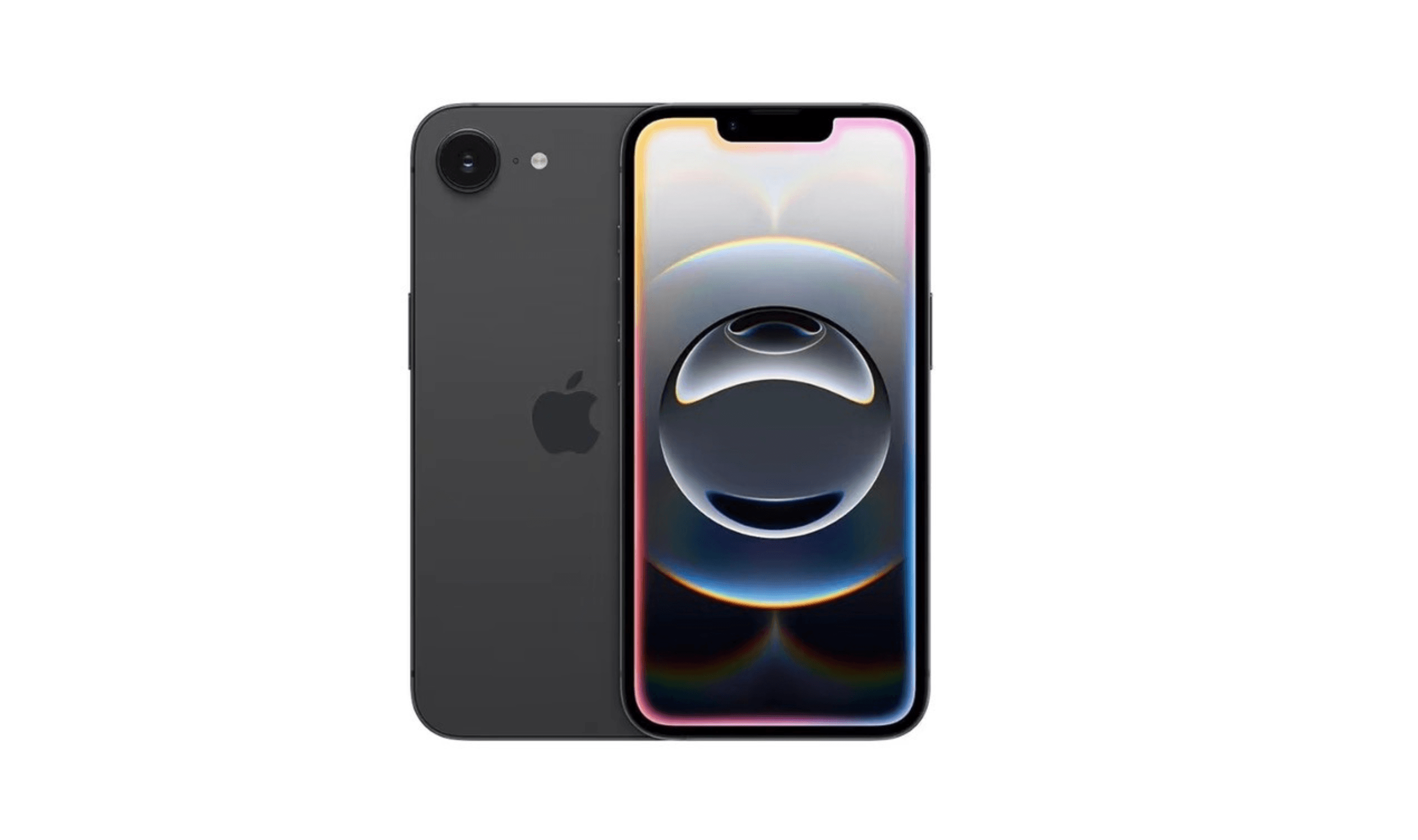
Ecosystem: If you're already invested in Apple's ecosystem, a refurbished iPhone 15 can be found under $500. For Google users, the Pixel 10a integrates with services such as Google Photos and Gemini.
Design: The Nothing Phone (4a) Pro has a Glyph Matrix of 137 mini-LEDs on the back that shows alerts, timers and a selfie mirror.
Performance: The Pixel 10a uses Google Tensor G4, while the Moto G Power (2025) uses MediaTek Dimensity 6300. Consider the apps you use most when choosing between them.
FAQ
What's the biggest compromise with phones under $500?
You'll typically see compromises in camera quality (especially in low light), build materials (more plastic), and software update commitments. However, these compromises have become much smaller in recent years.
How long should a $500 phone last?
Most phones in this category should last 3-4 years with proper care. Pixel 10a has seven years of OS and security updates from launch; Galaxy A37 5G has up to six OS upgrades and up to six years of security updates.
Are refurbished flagships better than new budget phones?
Sometimes, but it depends. Refurbished flagships offer better build quality and cameras but may have shorter battery life and no warranty. New budget phones offer warranties and fresh batteries.
Do I need 5G on a budget phone?
Yes, 5G is becoming standard even on budget phones. All the phones on this list support 5G, which future-proofs your purchase as networks continue to expand.
What about foldable phones under $500?
True foldable phones still cost significantly more than $500. The closest you'll find are refurbished older models, but they come with reliability concerns and shorter software support.
Published February 1, 2026 Last updated September 5, 2026
Share this article
More in News
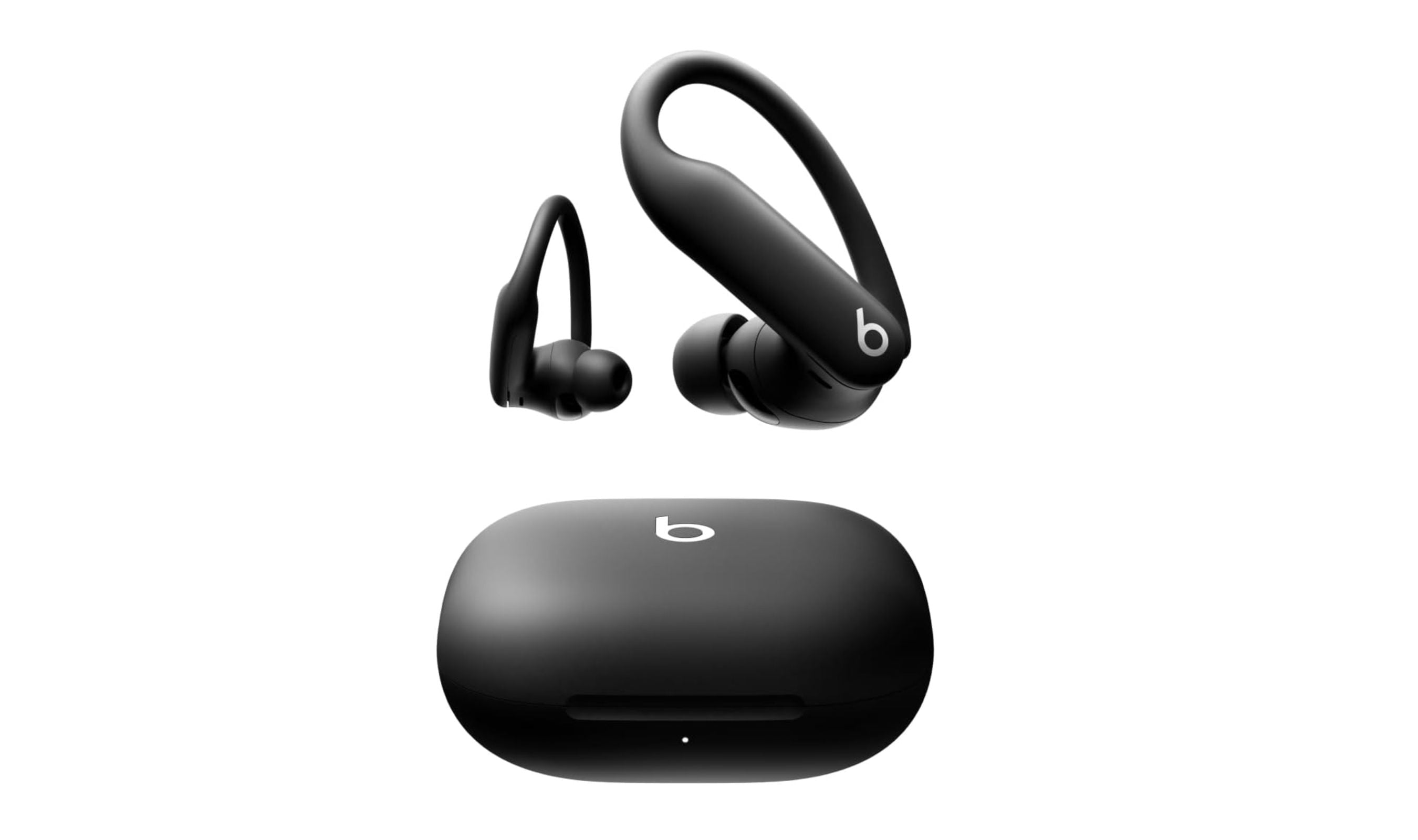
Best Workout Earphones for 2026
Beats Powerbeats Pro 2 leads our picks for 2026. Find secure-fit headphones for gym workouts, running with Shokz, or swimming.
5 min read
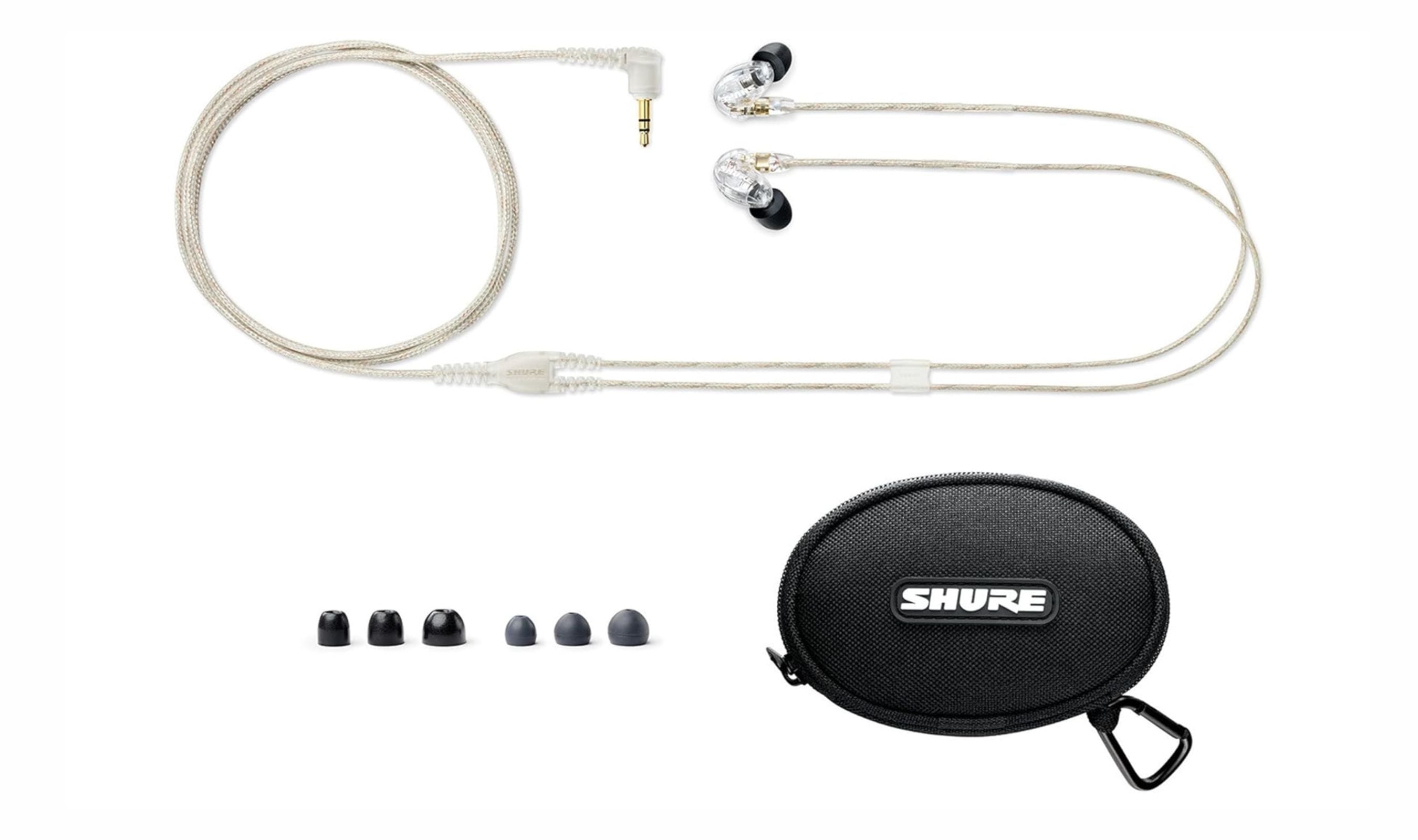
Best Wired Earphones for 2026
From the Shure SE215 PRO to the budget-friendly SoundMagic E11C, our 8 tested picks deliver great audio without the battery hassle.
3 min read

Best Smartphones for Gaming in 2026
The RedMagic 11 Pro tops our list for 2026, but we tested the best gaming phones from Samsung, Apple, and OnePlus to find your perfect match.
4 min read
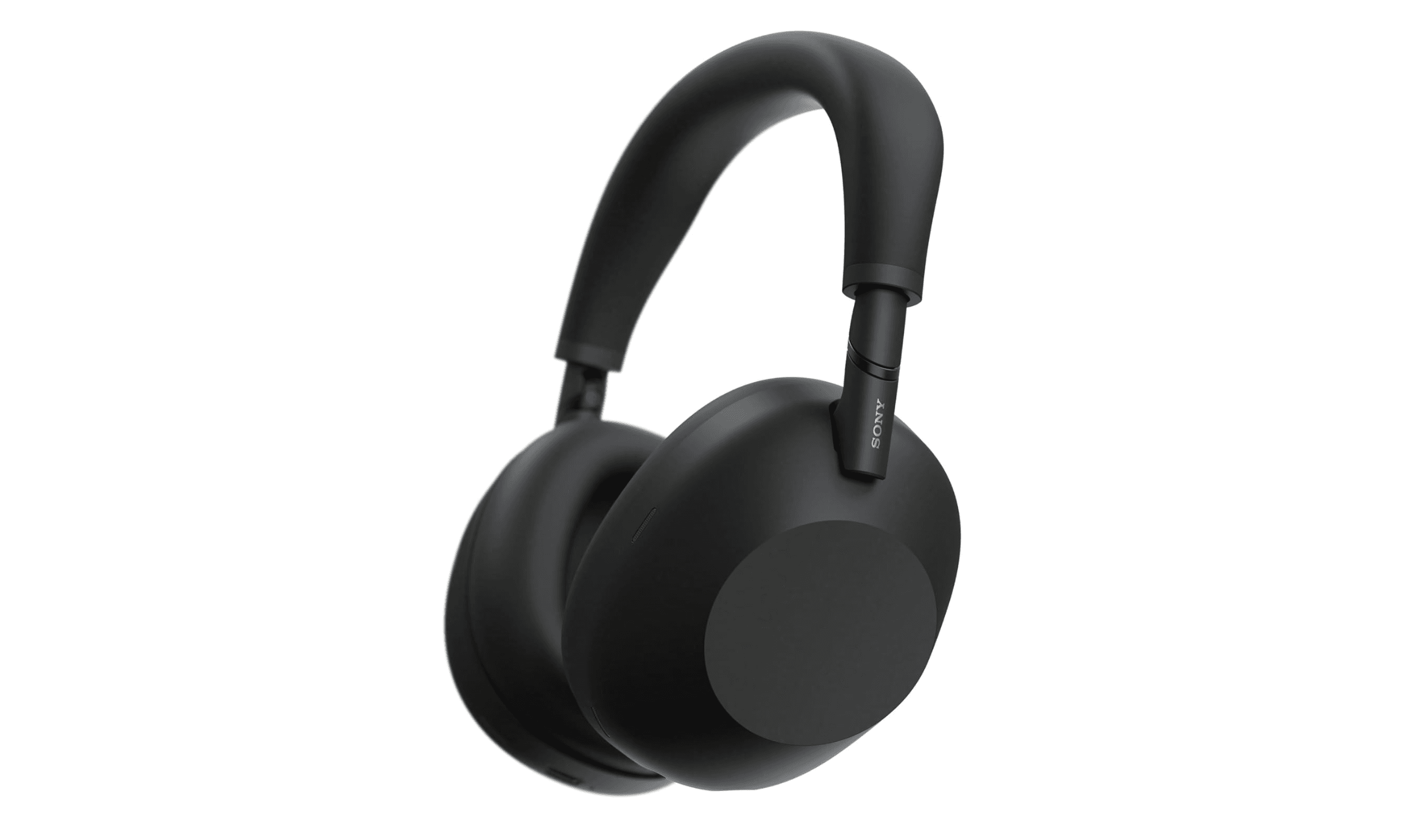
7 Best Noise Cancelling Headphones to Buy in 2026
Sony WH-1000XM6 leads our 2026 list of best noise cancelling headphones, from premium Bose to budget Soundcore picks.
4 min read
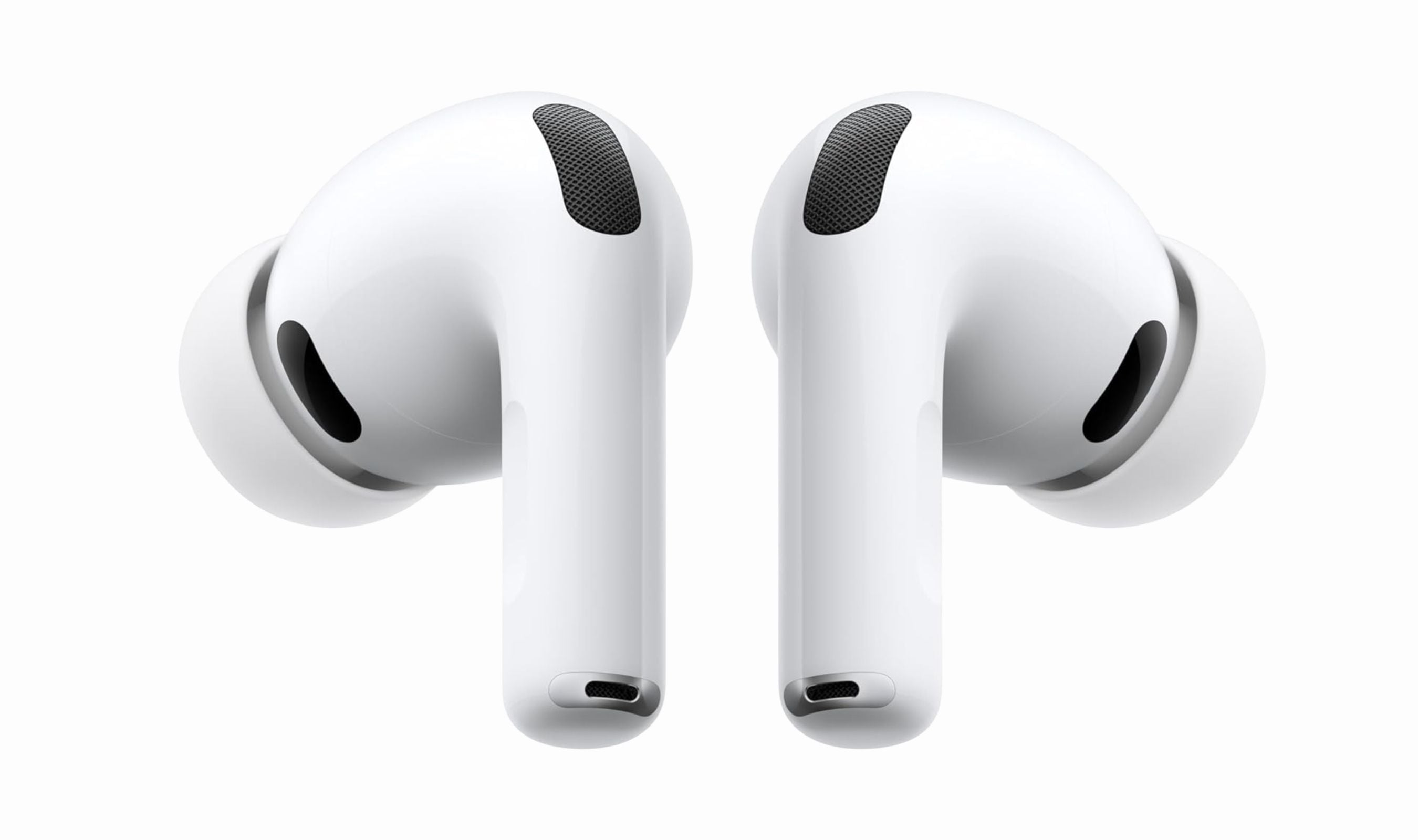
9 Best Earbuds for iPhone in 2026
4 min read
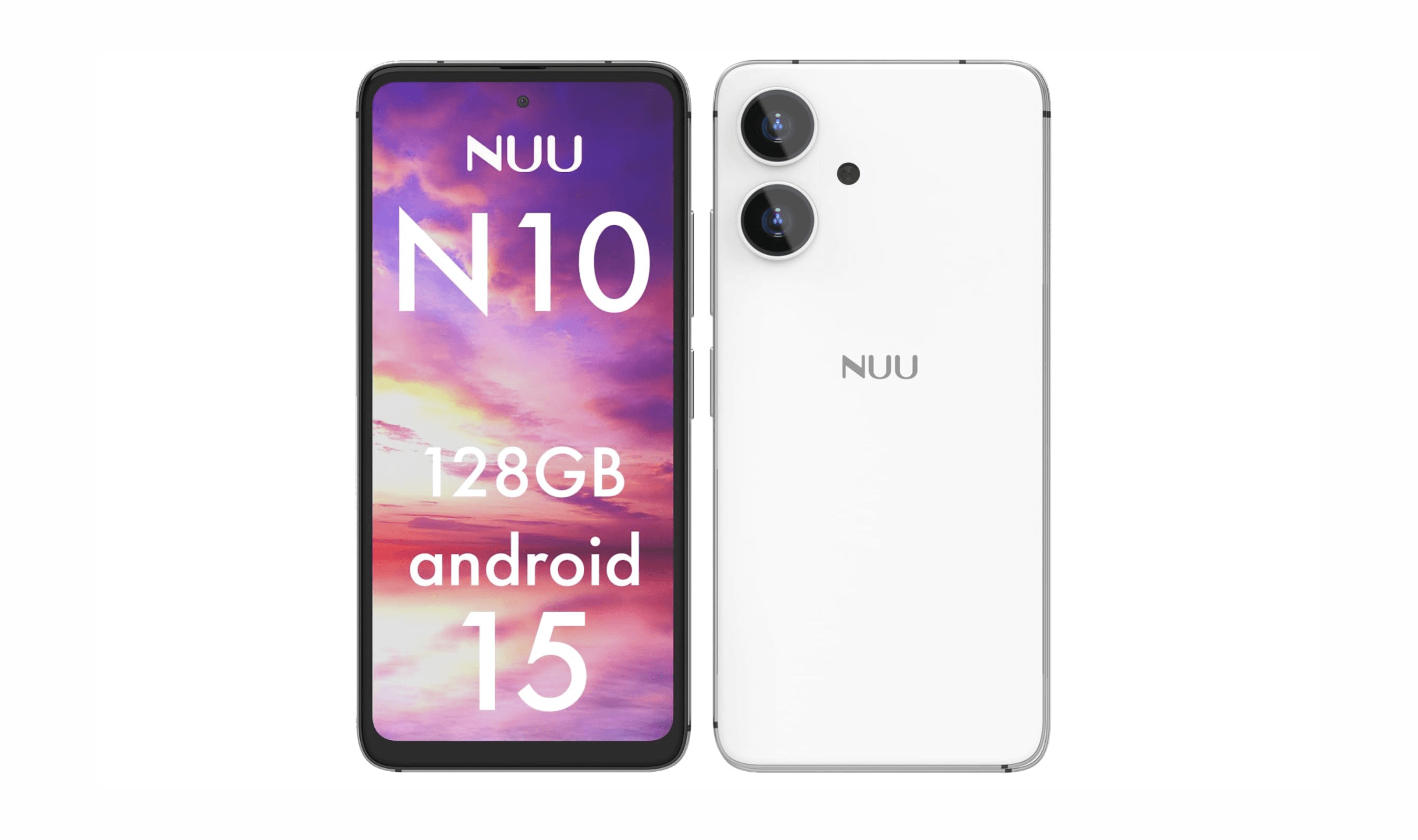
Best Smartphones Under $150 for Everyday Use
3 min read
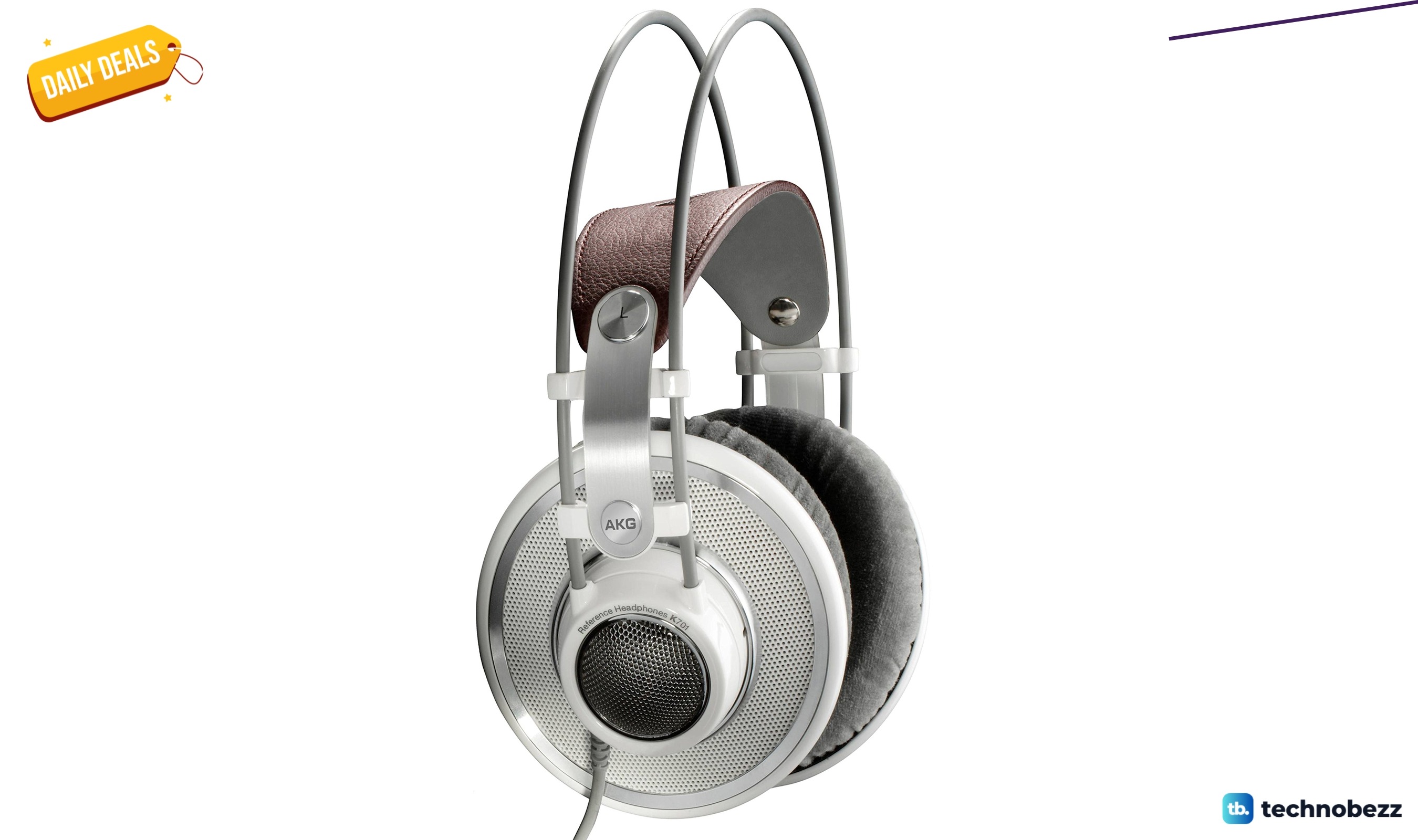
AKG K 701 Ultra Reference Class Stereo discounted to $247.37
5 min read
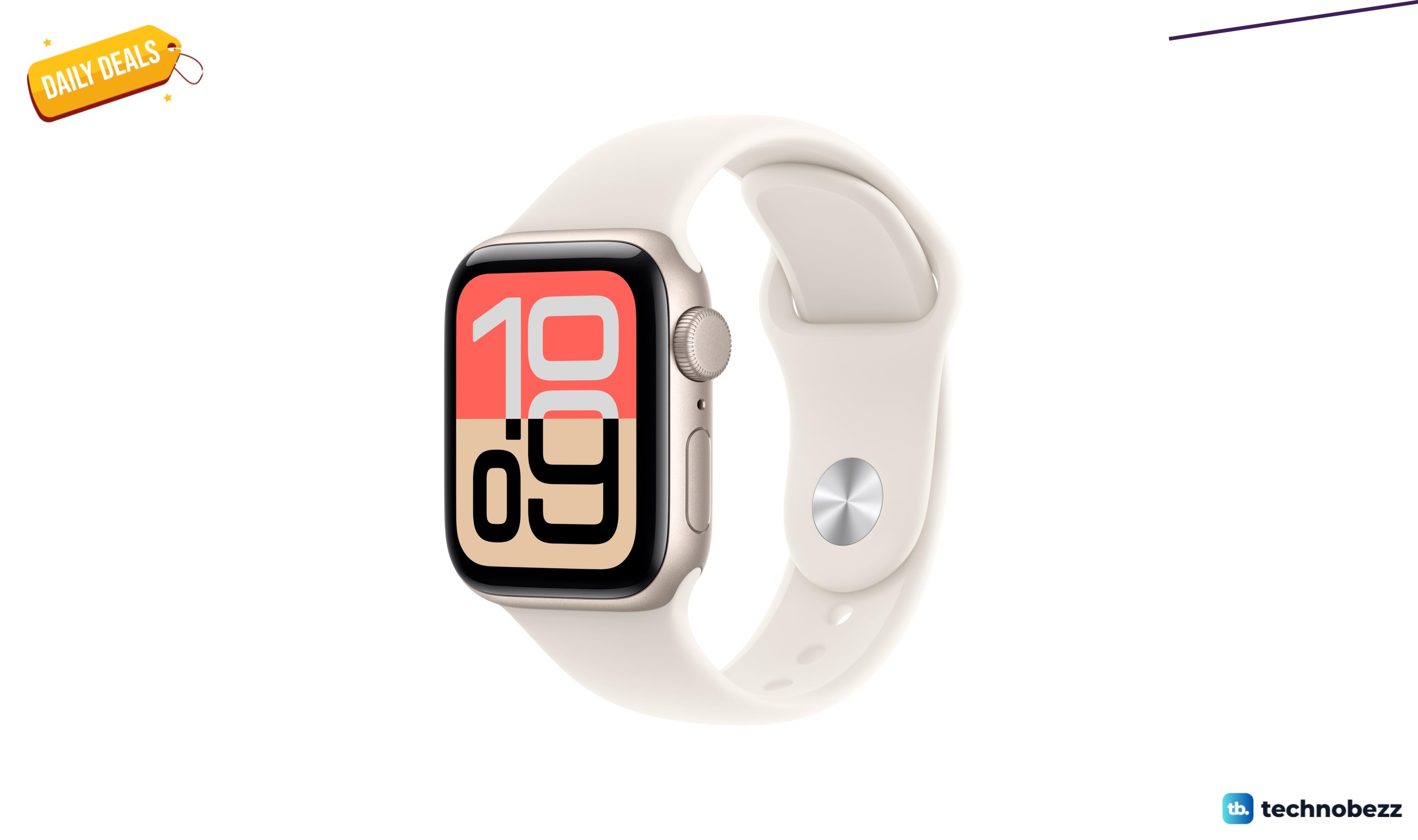
Apple Watch SE 3 GPS 40mm Smartwatch discounted to $189.97
5 min read
Cleer Audio Enduro ANC Noise Canceling Headphones price drops to $94.99
3 min read

Lenovo coupon codes and deals
5 min read

Woot coupon codes and deals
3 min read
Samsung coupon codes and deals
5 min read