If you're tired of lag spikes ruining competitive matches, a gaming router can make the difference. The right one prioritizes your game traffic, keeping ping stable even when others stream or download. We've evaluated the latest models to find which deliver on their promises for different needs and budgets.
Product
Technobezz is supported by its audience. We may get a commission from retail offers.
Best Gaming Routers for 2026
TP-Link Archer GE800 leads our picks for 2026. We tested top gaming routers for stable ping, Wi-Fi 7 performance, and value across budgets.
T
Technobezz
Senior Editor
Updated June 16, 2026Jun 16, 2026
•7 min read

Get Deals Like These in Your Inbox
The best prices, reviewed weekly.
At a Glance
| Category | Product | Why We Picked It |
|---|---|---|
| Best overall | TP-Link Archer GE800 | Wi-Fi 7 performance with dual 10G ports |
| Best value | TP-Link Archer GE650 | Balanced features at a reasonable price |
| Best for large homes | Asus ROG Rapture GT6 | Mesh system with gaming optimization |
| Best premium | Asus ROG Rapture GT-BE98 Pro | Quad-band Wi-Fi 7 with dual 10G ports |
| Best budget Wi-Fi 7 | TP-Link Archer BE400 | Solid performance without premium cost |
| Also recommended | Linksys Velop Pro 6E | Keeps your connection stable and smooth |
| Also recommended | Acer Predator Connect T7 | Gaming-optimized Wi-Fi 7 mesh system |
| Also recommended | Asus RT-BE86U | Great range for covering larger homes |
| Also recommended | TP-Link Archer BE600 | Solid mid-range Wi-Fi 7 for the money |
How we chose and tested
We evaluated gaming routers based on several key factors that affect real-world gaming performance. Our assessment considers latency management through Quality of Service features, wireless stability across different distances, and wired connectivity options for competitive play. We prioritize products that demonstrate effective traffic prioritization, reliable signal strength, and thoughtful gaming-specific features over raw speed claims alone.
The best gaming routers right now
TP-Link Archer GE800 - Best overall
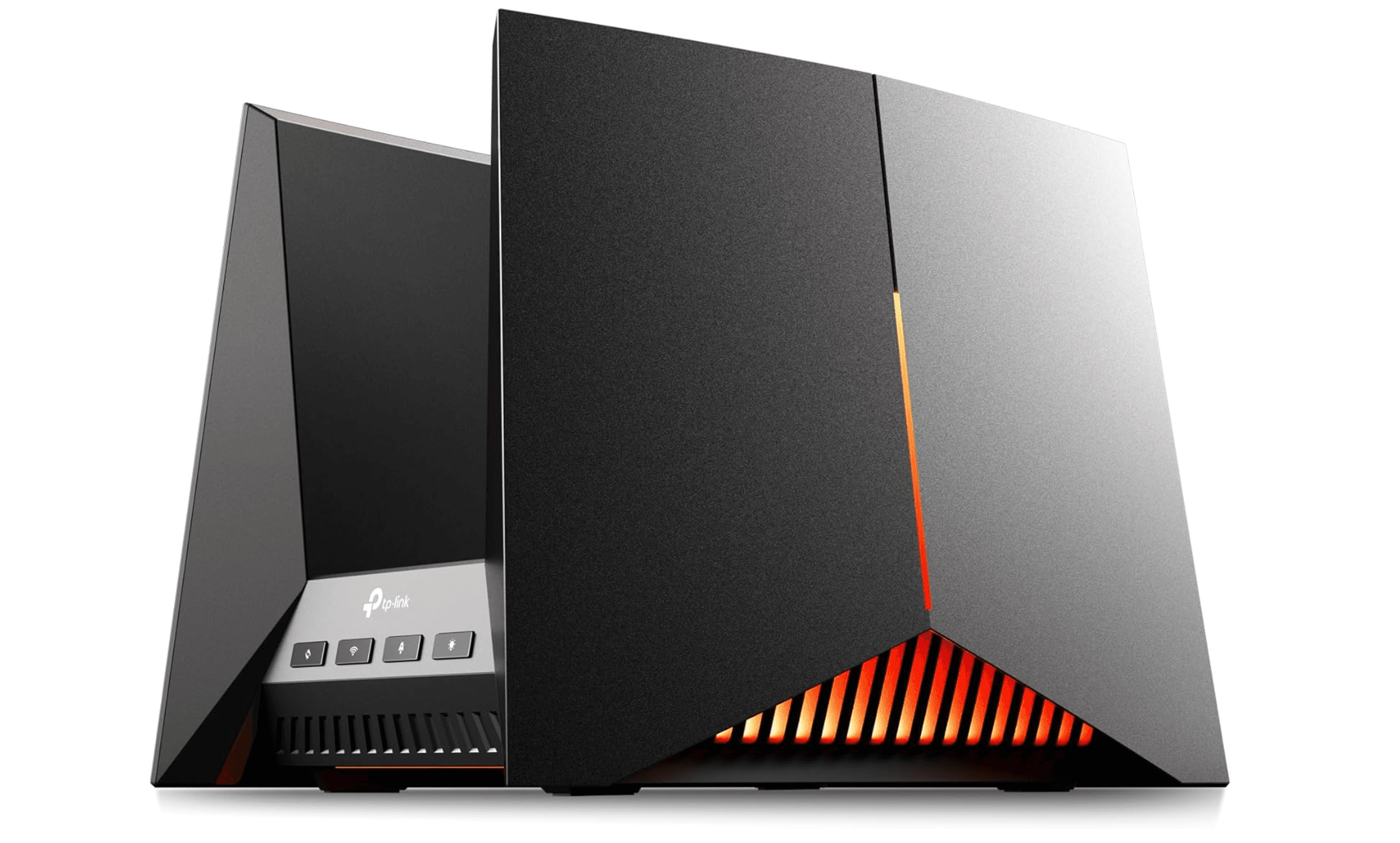
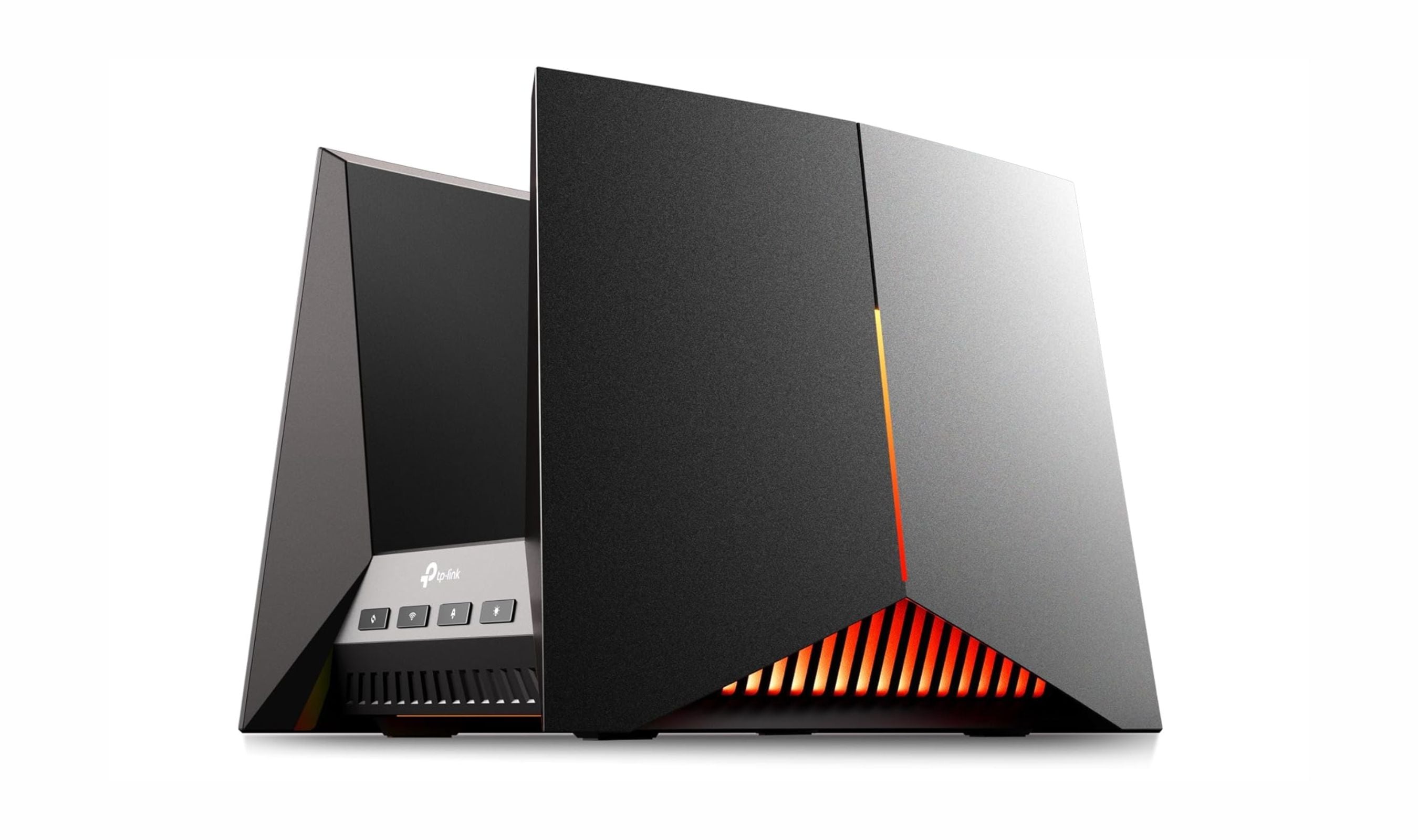
The Archer GE800 delivers exceptional Wi-Fi 7 performance with the port selection and gaming features serious players need. It balances cutting-edge technology with practical design choices that actually improve your gaming experience.
Key highlights
- Wi-Fi 7 with Multi-Link Operation for stable connections
- Dual 10Gbps Ethernet ports plus four 2.5Gbps ports
- Dedicated gaming port with automatic traffic prioritization
- Customizable RGB lighting and gaming dashboard
- Tri-band design with 6GHz support
Pros
- Excellent wired connectivity options for future-proofing
- Effective QoS keeps gaming traffic prioritized
- Strong performance across all frequency bands
- Gaming-specific software features add real value
Cons
- Large physical footprint requires significant space
- Premium pricing may exceed some budgets
- Software interface less polished than some competitors
Who it is for: Competitive gamers with multi-gig internet connections who want maximum performance today and room to grow tomorrow. It's ideal for households with multiple heavy network users.
Skip if
Your internet plan is under 500Mbps or you prefer a minimalist design without gaming aesthetics.
TP-Link Archer GE650 - Best value
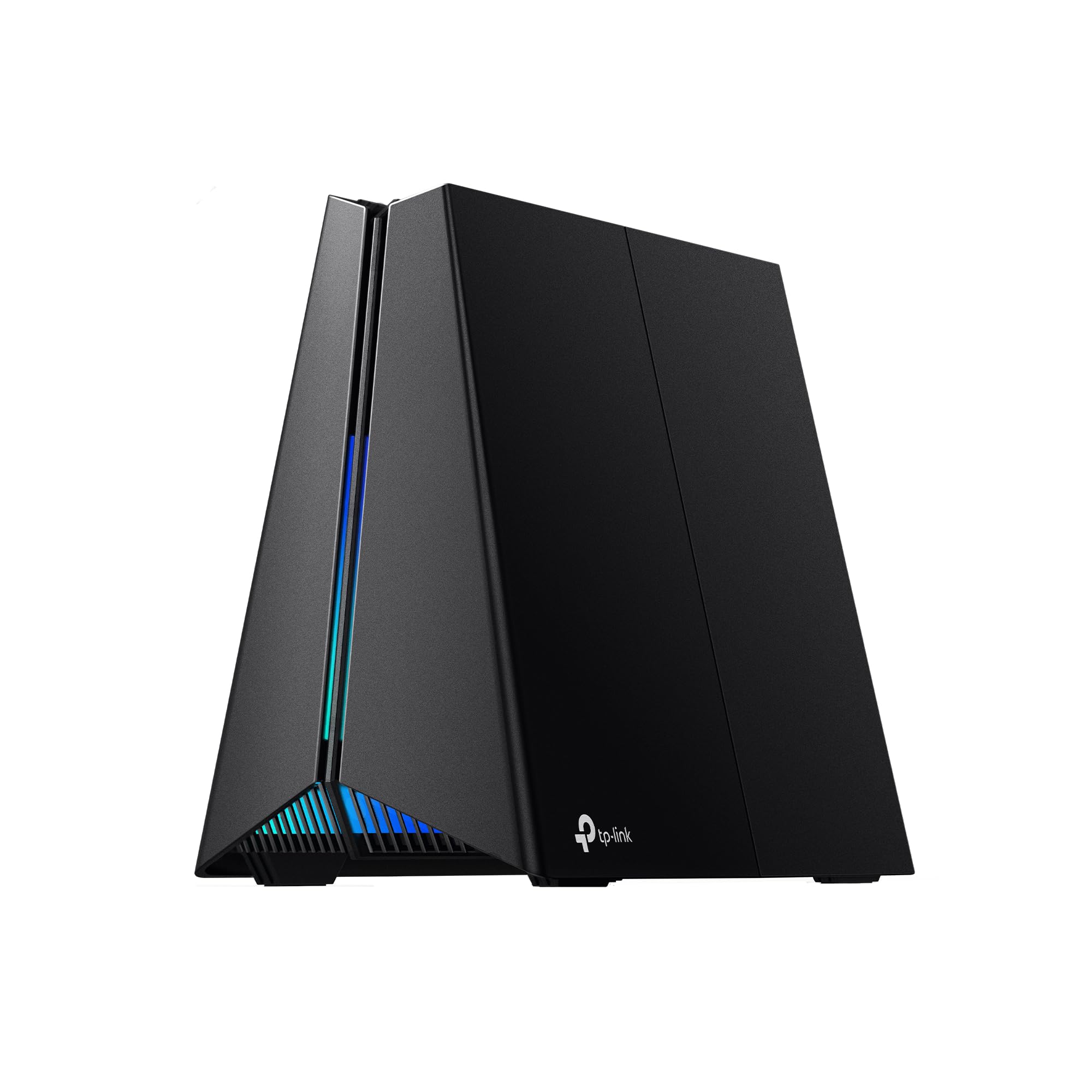
The Archer GE650 offers excellent Wi-Fi 7 gaming features at a more accessible price point. It delivers the core benefits of modern wireless technology without the premium cost of flagship models.
Key highlights
- Wi-Fi 7 with dedicated 5GHz gaming band
- 1× 5 Gbps WAN, 1× 5 Gbps LAN, and 3× 2.5 Gbps LAN ports
- WTFast game acceleration for optimized server routing
- RGB lighting with volcano-inspired design
- EasyMesh compatibility for whole-home expansion
Pros
- Strong performance for the price
- Good multi-gig port selection
- Effective gaming traffic prioritization
- Compact design compared to larger models
Cons
- No 10Gbps Ethernet ports
- Gaming aesthetic may not suit all environments
- International buyers should verify plug compatibility
Who it is for: Gamers who want Wi-Fi 7 performance and gaming-specific features without paying flagship prices. It's a solid choice for those with high-speed fiber connections.
Skip if
You need maximum 10Gbps wired connectivity or prefer a more subtle router design.
Asus ROG Rapture GT6 - Best for large homes
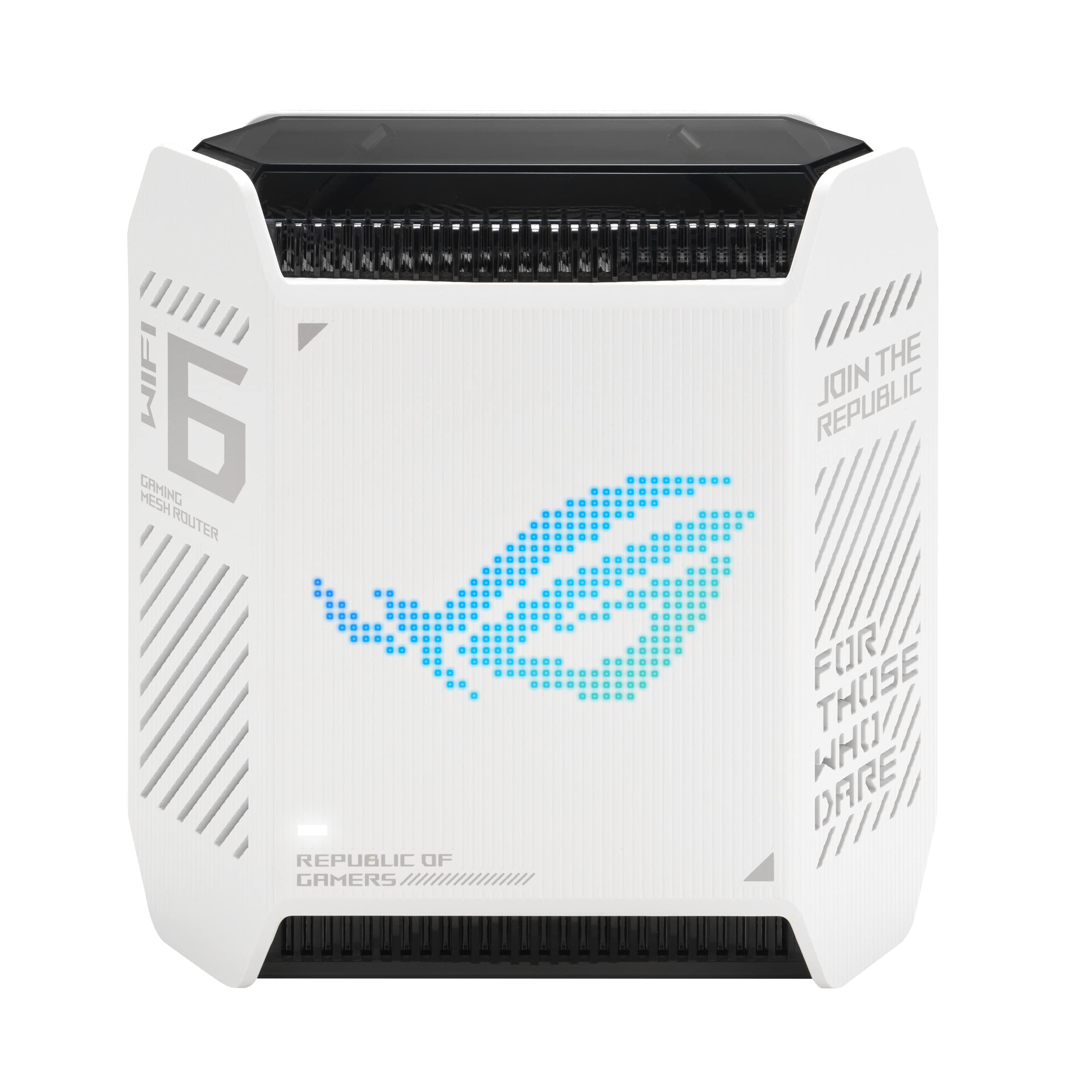
The ROG Rapture GT6 is one of the few mesh systems designed specifically for gamers. It combines whole-home coverage with gaming optimizations that actually matter during competitive play.
Key highlights
- Wi-Fi 6 mesh system
- Game Radar diagnostic utility for server connection quality
- Mobile game mode and QoS settings for extra bandwidth
- Aura RGB lighting effects
- Free Trend Micro network security software
Pros
- Excellent coverage for multi-story homes
- Gaming features maintained across mesh network
- Easy setup and management
- Security software included without subscription
Cons
- Only one 2.5Gbps port per node
- Premium pricing for mesh system
- Initial firmware had some bugs
Who it is for: Gamers in large homes who need consistent coverage everywhere. It's perfect when running Ethernet cables isn't practical.
Skip if
You have a small apartment or prefer a single router solution for lower latency.
Asus ROG Rapture GT-BE98 Pro - Best premium
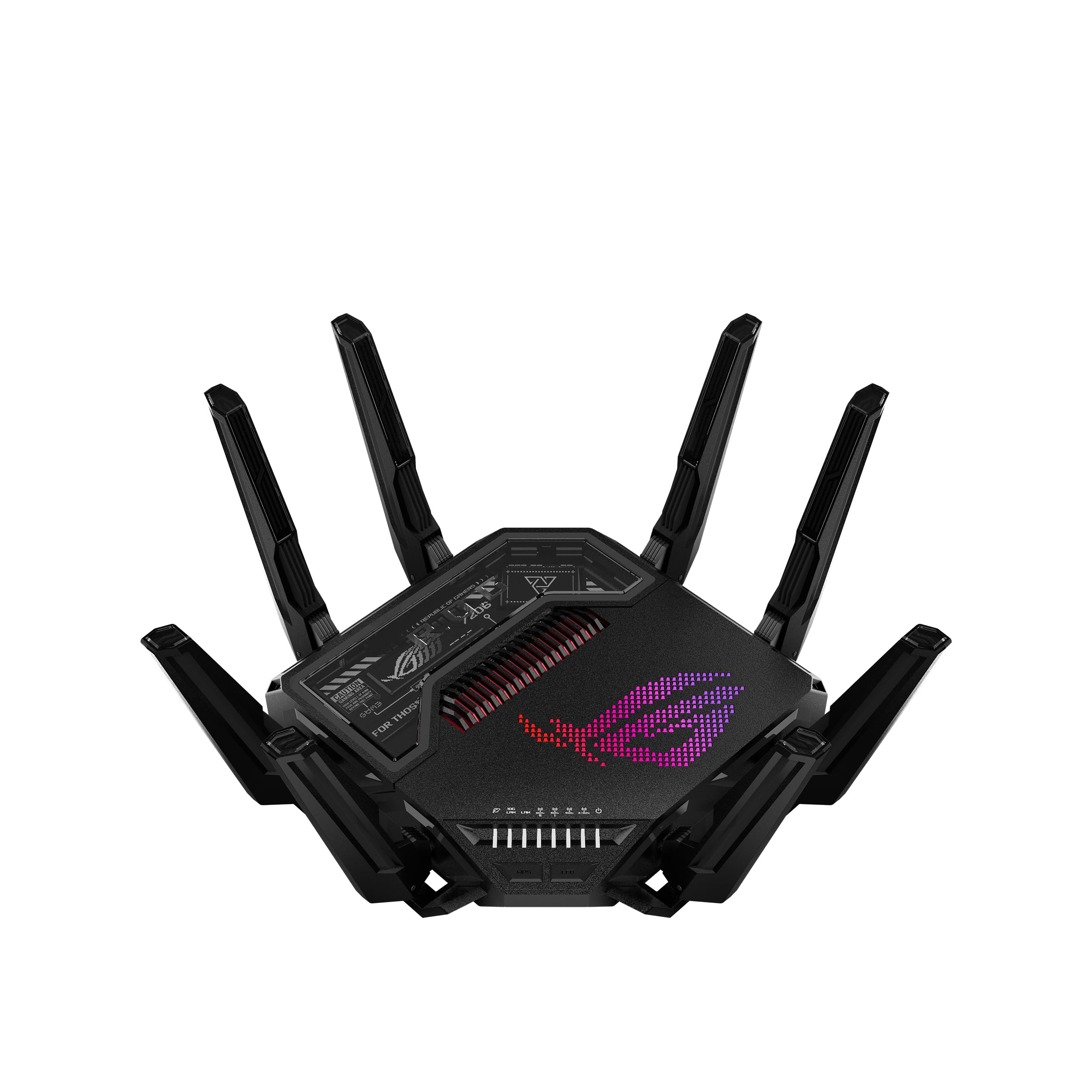
The ROG Rapture GT-BE98 Pro represents the pinnacle of gaming router technology with quad-band Wi-Fi 7 and exceptional wired connectivity. It's built for enthusiasts who refuse to compromise.
Key highlights
- Quad-band Wi-Fi 7 including dual 6GHz bands
- Dual 10Gbps Ethernet ports plus four 2.5Gbps ports
- Triple-level game acceleration across device, router, and server
- Lifetime security software without subscription fees
- AiMesh compatibility for whole-home expansion
Pros
- Unmatched flexibility with four separate bands
- Excellent wired connectivity for multi-gig setups
- Comprehensive gaming optimization features
- No subscription fees for security software
Cons
- Premium price places it out of reach for many
- 6GHz band has limited range like all Wi-Fi 7 routers
- Large physical size requires ample space
Who it is for: Serious enthusiasts with demanding network needs and multi-gig internet connections. It's ideal for content creators who game and stream simultaneously.
Skip if
You're on a budget or don't have compatible devices to utilize the quad-band capabilities.
TP-Link Archer BE400 - Best budget Wi-Fi 7
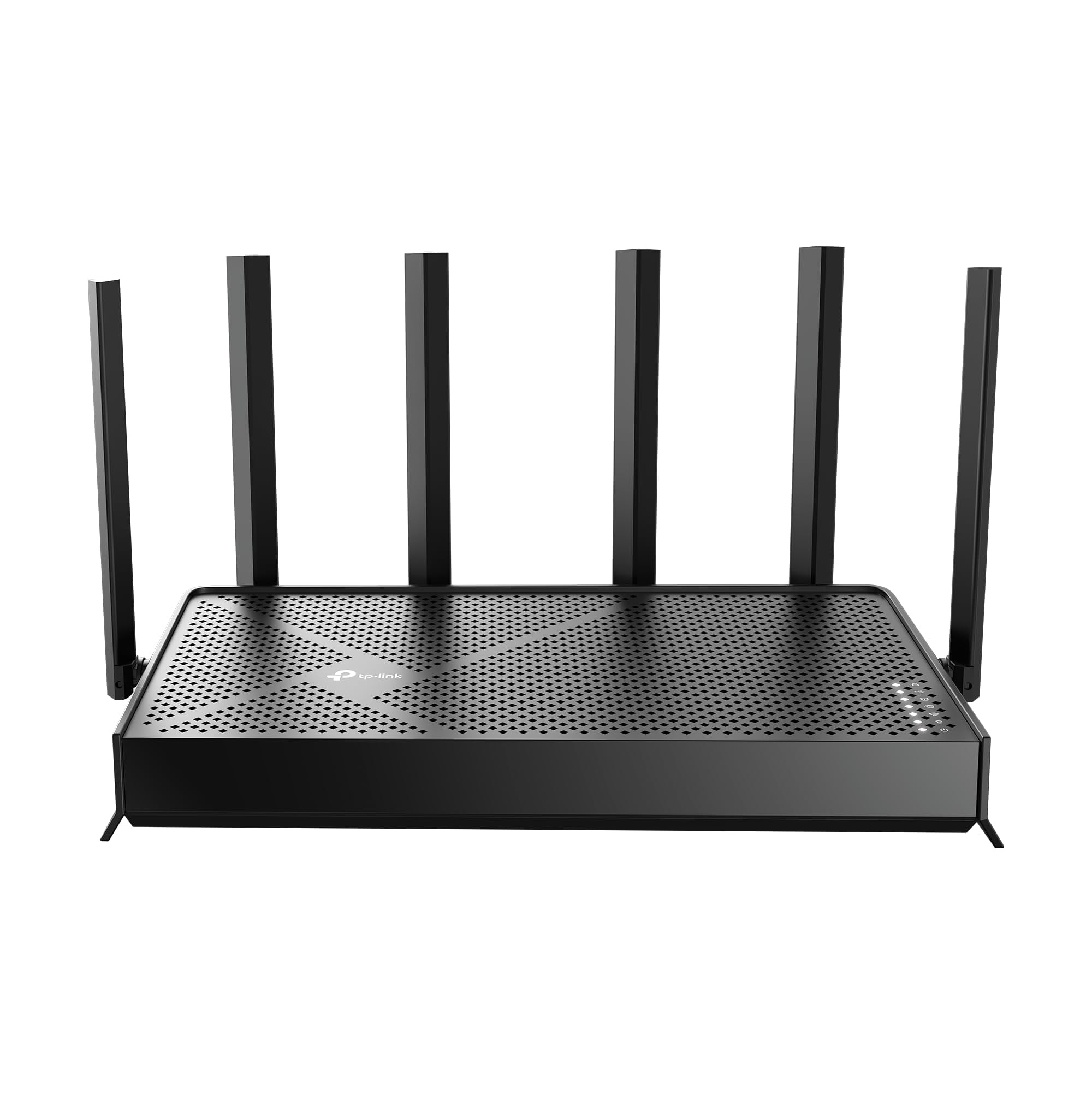
The Archer BE400 brings Wi-Fi 7 technology to budget-conscious gamers with solid performance and essential features. It proves you don't need to spend a fortune for modern wireless capabilities.
Key highlights
- Wi-Fi 7 with Multi-Link Operation support
- Dual 2.5Gbps ports for multi-gig connections
- Coverage up to 2,400 square feet
- Six high-performance antennas with beamforming
- Handles 90+ devices simultaneously
Pros
- Excellent value for Wi-Fi 7 technology
- Good coverage for medium to large homes
- Stable performance with minimal disconnects
- Easy setup through app or web interface
Cons
- Dual-band only (no 6GHz band)
- ChromeOS users may have USB file sharing issues
- Limited to two 2.5Gbps ports
Who it is for: Budget-minded gamers who want to future-proof with Wi-Fi 7 without premium pricing. It's great for households with many connected devices.
Skip if
You need tri-band capabilities or more than two multi-gig ports.
Also Good
- Linksys Velop Pro 6E - keeps your connection stable and smooth.
- Acer Predator Connect T7 - gaming-optimized Wi-Fi 7 mesh system.
- Asus RT-BE86U - great range for covering larger homes.
- TP-Link Archer BE600 - solid mid-range Wi-Fi 7 for the money.
How to Choose
Selecting the right gaming router depends on your specific situation. Consider these factors that actually change the decision:
Your internet speed matters more than you might think. If you have gigabit or multi-gig fiber, look for routers with 2.5Gbps or 10Gbps WAN ports. For slower connections, standard gigabit ports are sufficient.
House size and layout determines whether you need a single router or mesh system. Large, multi-story homes often benefit from mesh, while apartments do fine with a single unit placed centrally.
Gaming traffic priority is the core feature of gaming routers. Look for Quality of Service controls that let you prioritize specific devices or applications. This keeps your game responsive when others use the network.
Wired vs. wireless connections still matter. For competitive play, nothing beats Ethernet. If you must use Wi-Fi, newer standards like Wi-Fi 6E and Wi-Fi 7 with Multi-Link Operation provide the most stable wireless experience.
Future-proofing considerations include Wi-Fi 7 support and multi-gig ports. While not essential today, these features ensure your router remains capable as internet speeds increase and more devices adopt newer standards.
FAQ
Do I really need a gaming router?
Gaming routers make the most difference in busy households where multiple people use the network simultaneously. Their Quality of Service features prioritize gaming traffic, reducing lag when others stream or download. If you experience ping spikes during peak usage times, a gaming router can help.
Is Wi-Fi 7 worth it for gaming?
Wi-Fi 7 brings tangible benefits through Multi-Link Operation, which uses multiple frequency bands simultaneously for more stable connections. It's most valuable in congested wireless environments or when gaming over Wi-Fi. For wired connections or less crowded networks, Wi-Fi 6E still provides excellent performance.
How much should I spend on a gaming router?
Most gamers find good options between $150 and $300. This range typically includes Wi-Fi 6 or Wi-Fi 7 routers with effective QoS and solid performance. High-end models above $300 offer features like 10Gbps ports and quad-band designs that benefit specific use cases like streaming or extremely dense device environments.
Can a gaming router fix high ping from my ISP?
Gaming routers optimize traffic within your home network but cannot fix latency caused by your internet service provider's routing or distant game servers. They're most effective at preventing internal network congestion from affecting your gaming experience.
Should I use wired or wireless for gaming?
Always use a wired Ethernet connection for competitive gaming when possible. It provides the lowest, most consistent latency. Modern Wi-Fi 6E and Wi-Fi 7 routers have closed the gap significantly, but wired connections remain superior for serious competitive play.
Published April 22, 2026 Last updated June 16, 2026
Share this article
More in News

Sennheiser Consumer Audio IE 200 price drops to $129.95 at Amazon
Save $30 on Sennheiser IE 200 audiophile IEMs at Amazon, now $129.95 with neutral TrueResponse sound and dual bass-tuning.
3 min read
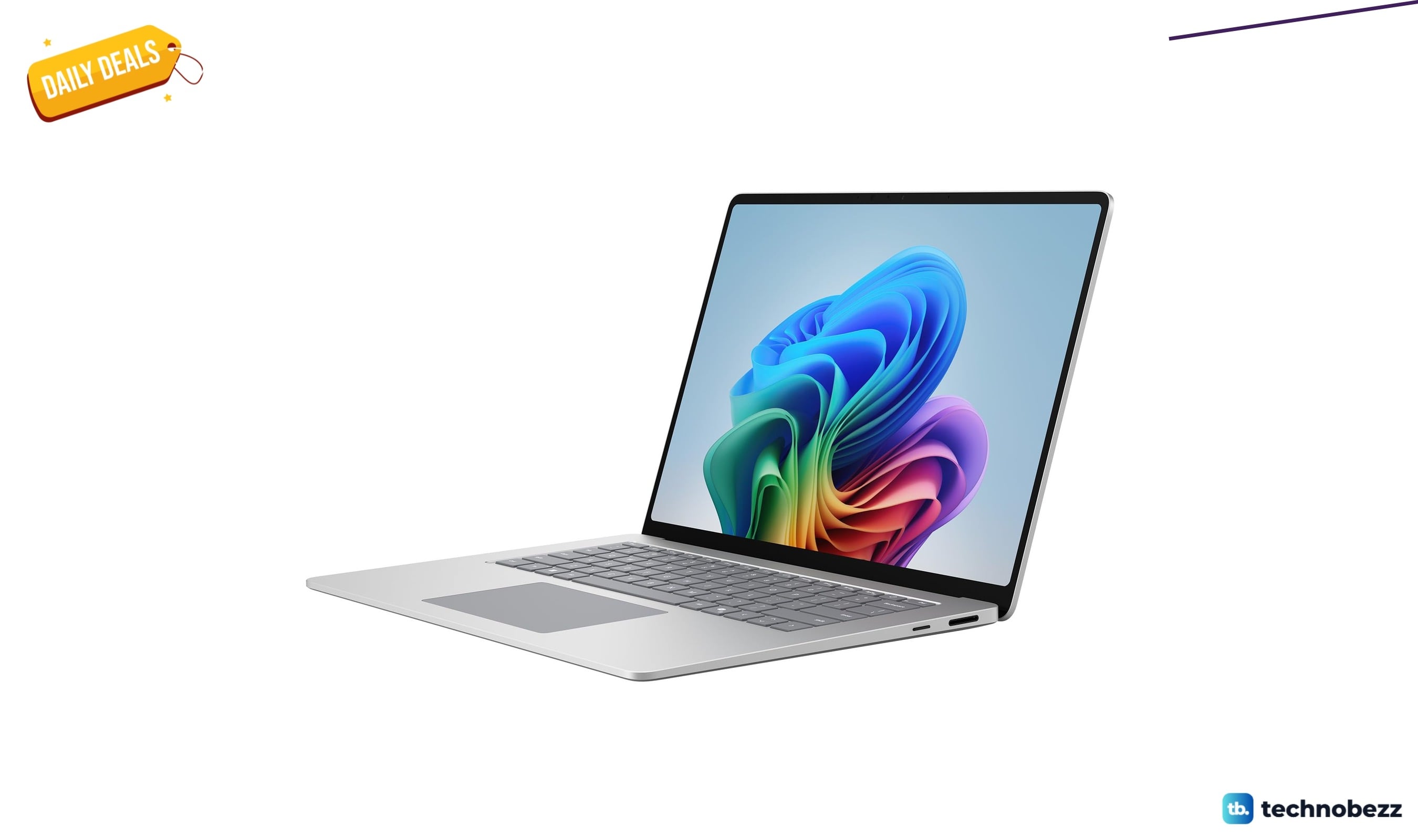
4 laptop deals under $1629.99 that caught our attention
Save up to $470 on top Microsoft Surface and Samsung Galaxy laptops with Snapdragon X2 power, all under $1629.99 at Amazon.
4 min read
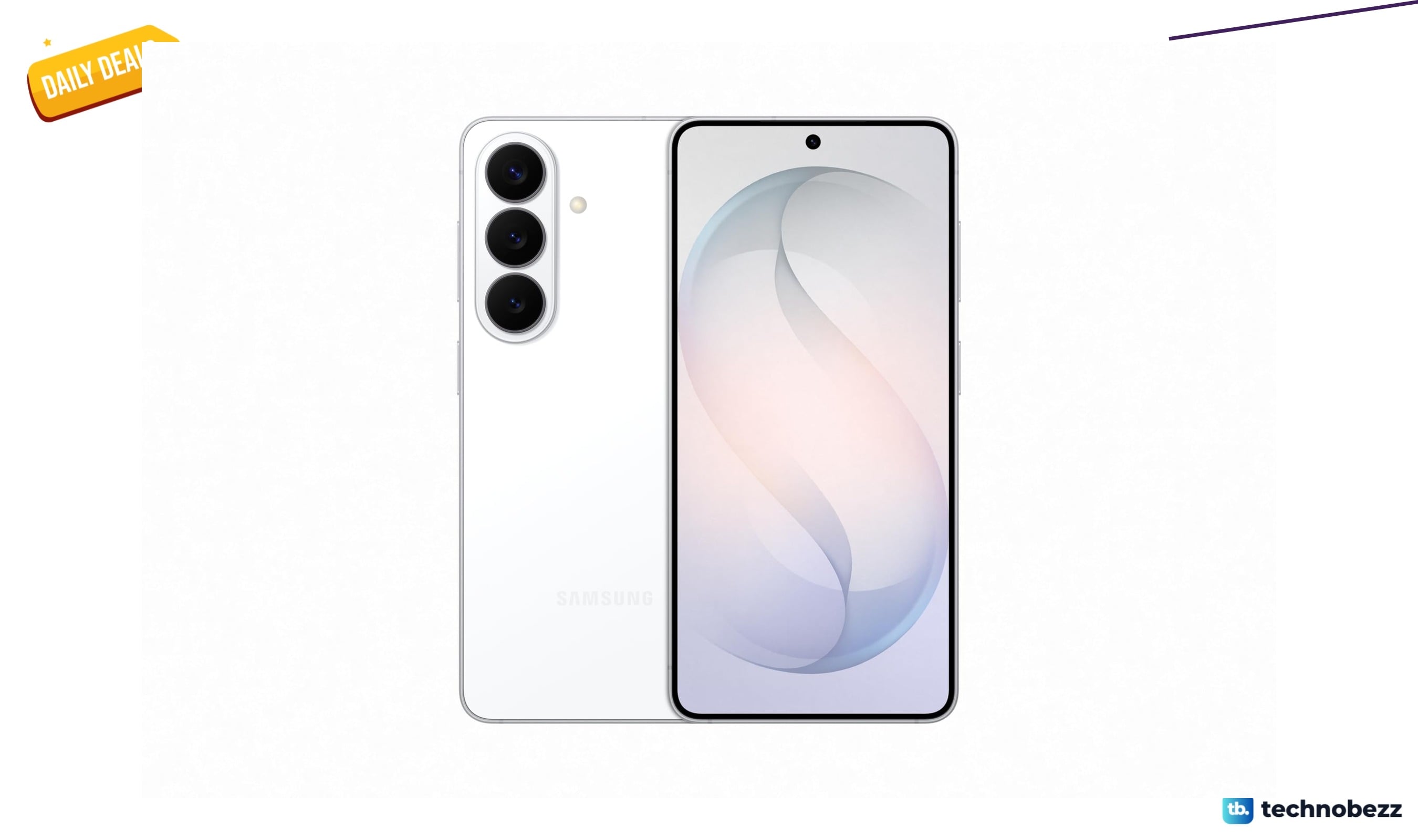
6 Galaxy S26 price drops worth checking, from $731.50
Amazon slashes Galaxy S26 prices up to 19% off, with six unlocked models from $731.50.
5 min read

2 MacBook Neo deals from $789.99 that are actually worth it
Genuine discounts on Apple's 2026 MacBook Neo start at $789.99 for two color options, offering the A18 Pro chip and long battery life.
4 min read
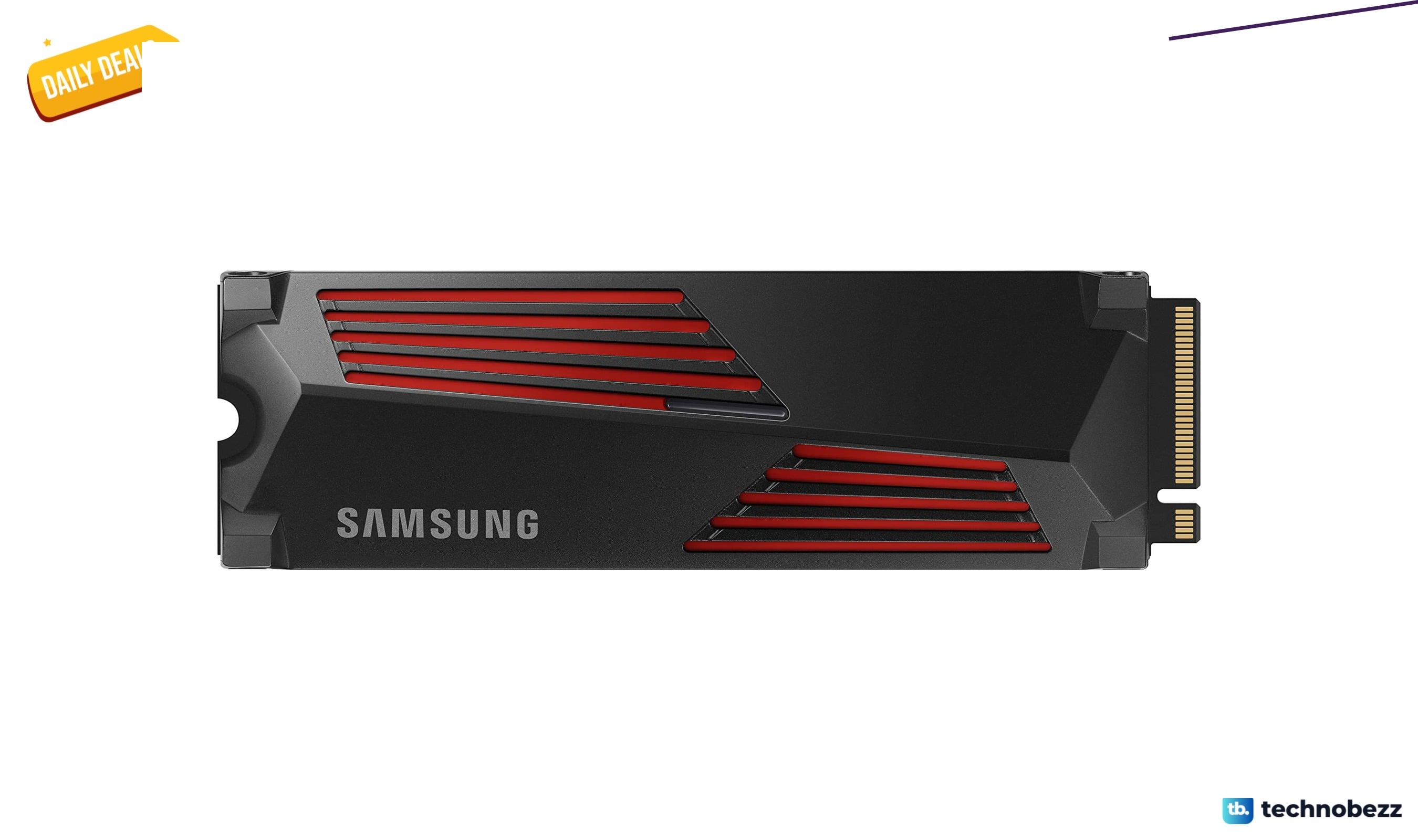
Samsung SSD 990 PRO drops to $259.99 on Amazon
3 min read
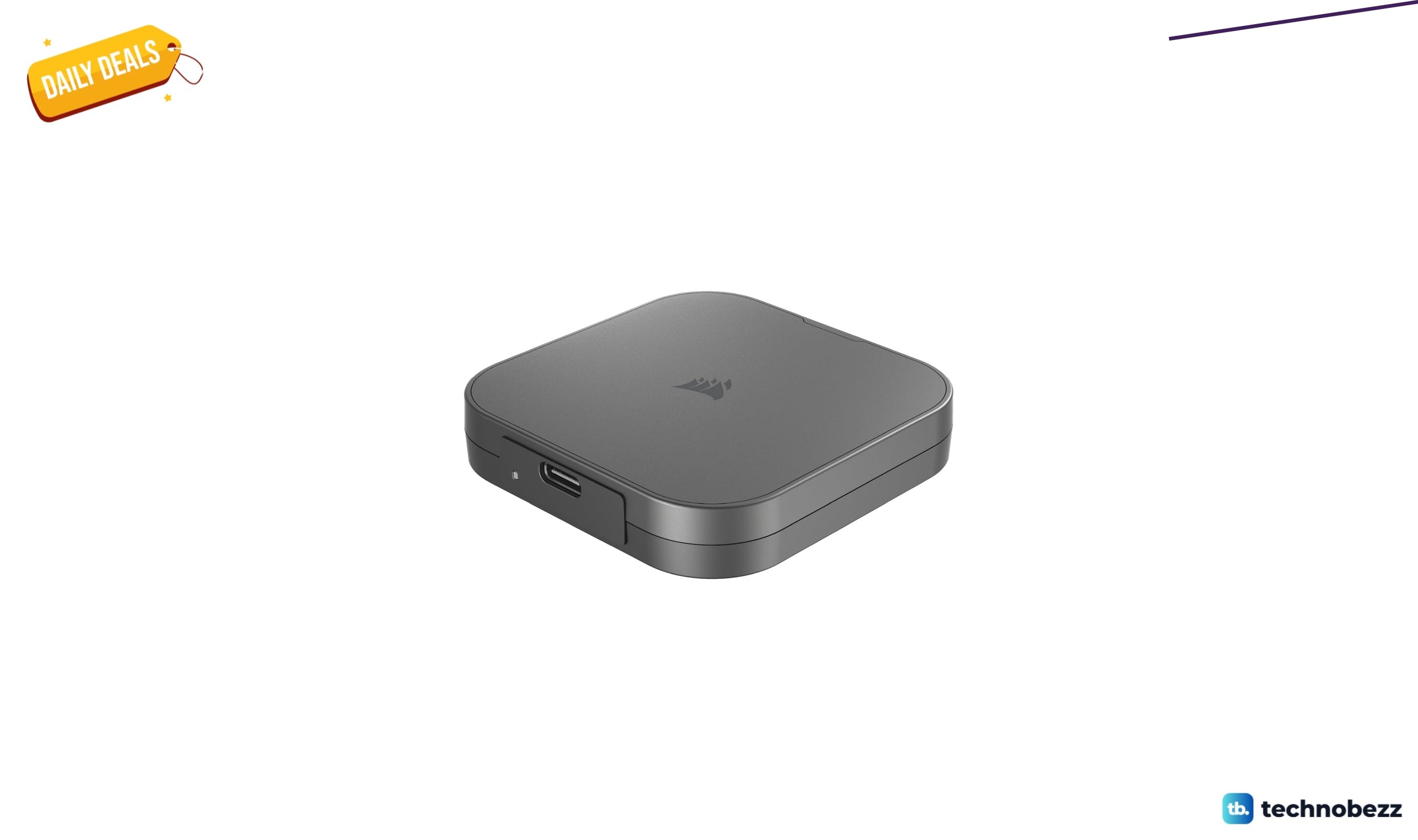
Corsair EX400U USB4 Portable External Type-C SSD drops to $529.99
5 min read
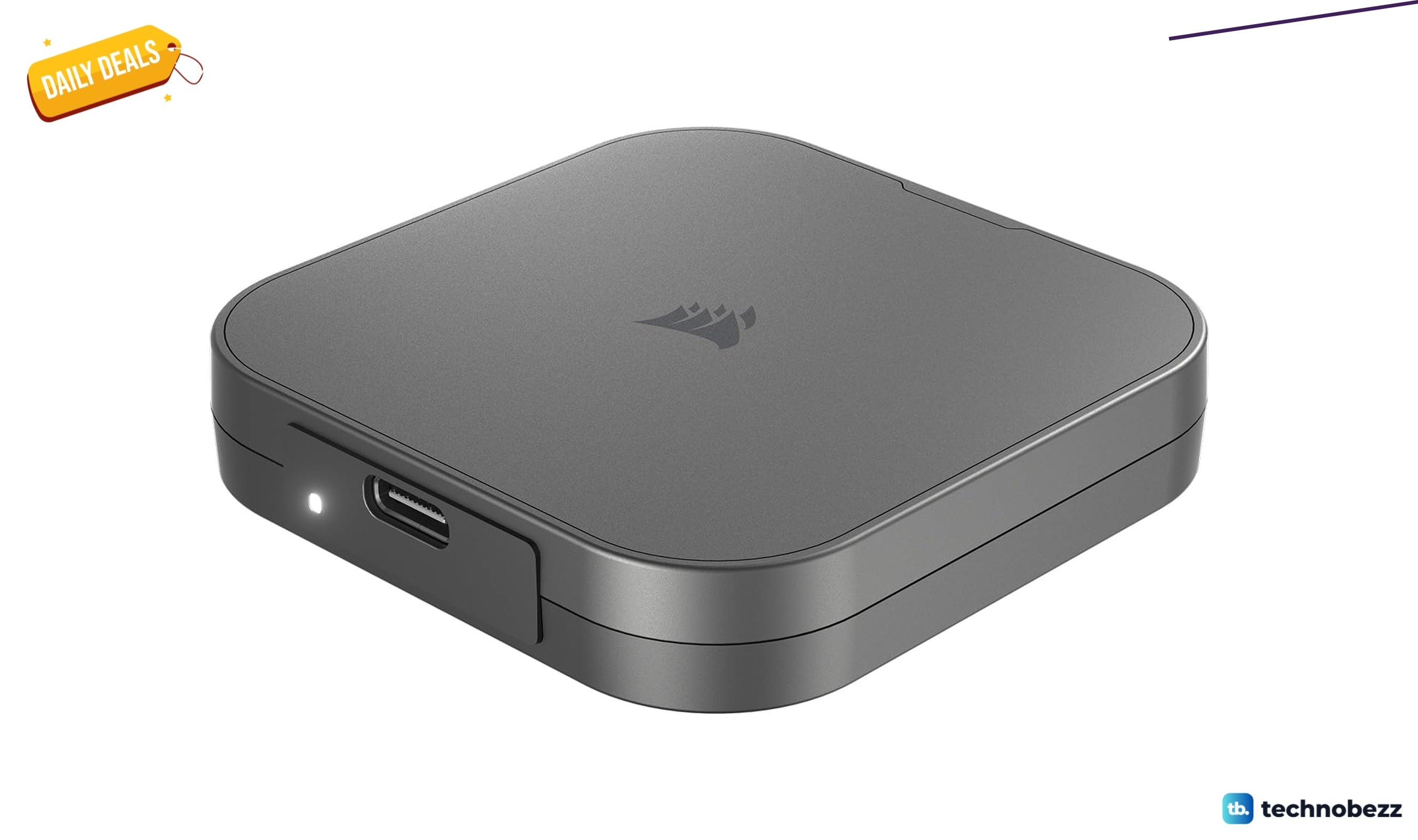
CORSAIR EX300U 2TB Portable USB-C SSD drops to $319.99 on Amazon
4 min read
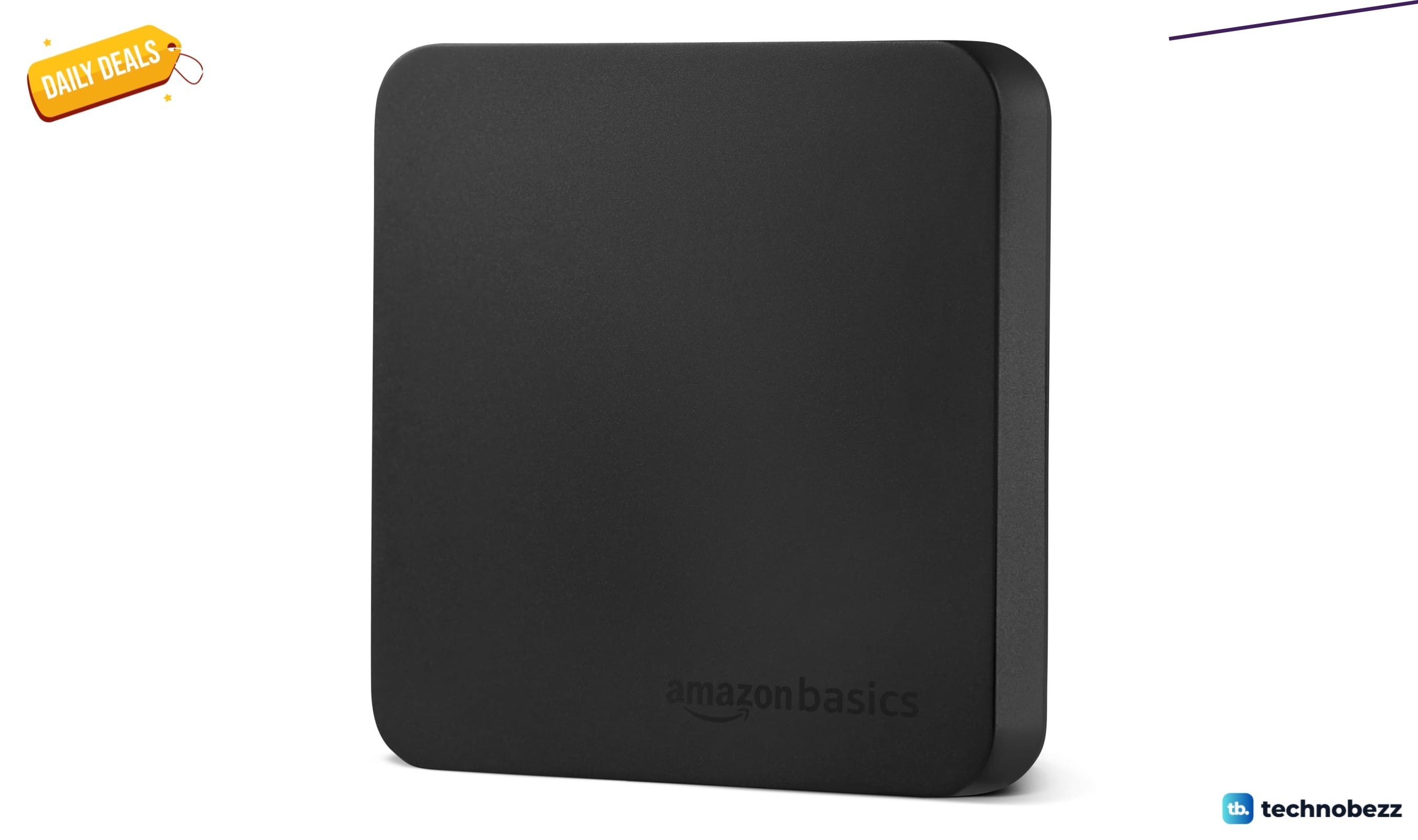
Amazon Basics Portable External SSD 2000MB/s drops to $300.50
3 min read
Kingston IronKey Vault Privacy 50 USB-C Flash drops to $109.99
5 min read
Corsair MP600 Elite M.2 PCIe Gen4 x4 falls to $249.99
4 min read
Corsair MP700 PRO M.2 PCIe Gen5 x4 price drops to $249.99
3 min read
Samsung 990 EVO Plus 2TB SSD drops to new low of $369.99 on Amazon
5 min read