Finding the right fitness tracker means balancing features with simplicity. The Fitbit Charge 6 delivers comprehensive tracking without overwhelming complexity, while budget options like the Fitbit Inspire 3 handle basics reliably. This list helps you choose based on your actual needs, not marketing hype.
Technobezz is supported by its audience. We may get a commission from retail offers.
8 Best Fitness Trackers for 2026
Our picks for the best fitness trackers in 2026, from the Fitbit Charge 6 to the Apple Watch Series 11, Garmin Forerunner 265, Oura Ring 4 and Whoop 5.0.
T
Technobezz
Editorial Team
Updated October 1, 2026Oct 1, 2026
•9 min read

Get Deals Like These in Your Inbox
The best prices, reviewed weekly.
At a Glance
| Category | Product | Why We Picked It |
|---|---|---|
| Best overall | Fitbit Charge 6 | Balances features and simplicity |
| Best value | Fitbit Inspire 3 | Reliable basics under $100 |
| Best for runners | Garmin Forerunner 265 | Dedicated training metrics |
| Best for iPhone users | Apple Watch Series 11 | Seamless ecosystem integration |
| Best screen-free | Whoop 5.0 | Focuses on recovery and strain data |
| Also recommended | Garmin Vivoactive 6 | A balanced smartwatch for fitness and daily life |
| Also recommended | Oura Ring 4 | Top-tier sleep tracking in a discreet ring form |
| Also recommended | Xiaomi Smart Band 10 | Unbeatable budget pick with epic battery life |
How we chose
We evaluated fitness trackers based on accuracy, battery life, ease of use, and feature relevance. Our assessment considers how well each device handles core tracking functions like heart rate monitoring, sleep analysis, and activity recording. We prioritize products that deliver consistent performance without unnecessary complexity, focusing on real-world usability rather than spec sheets.
The best fitness trackers right now
Fitbit Charge 6 - Best overall
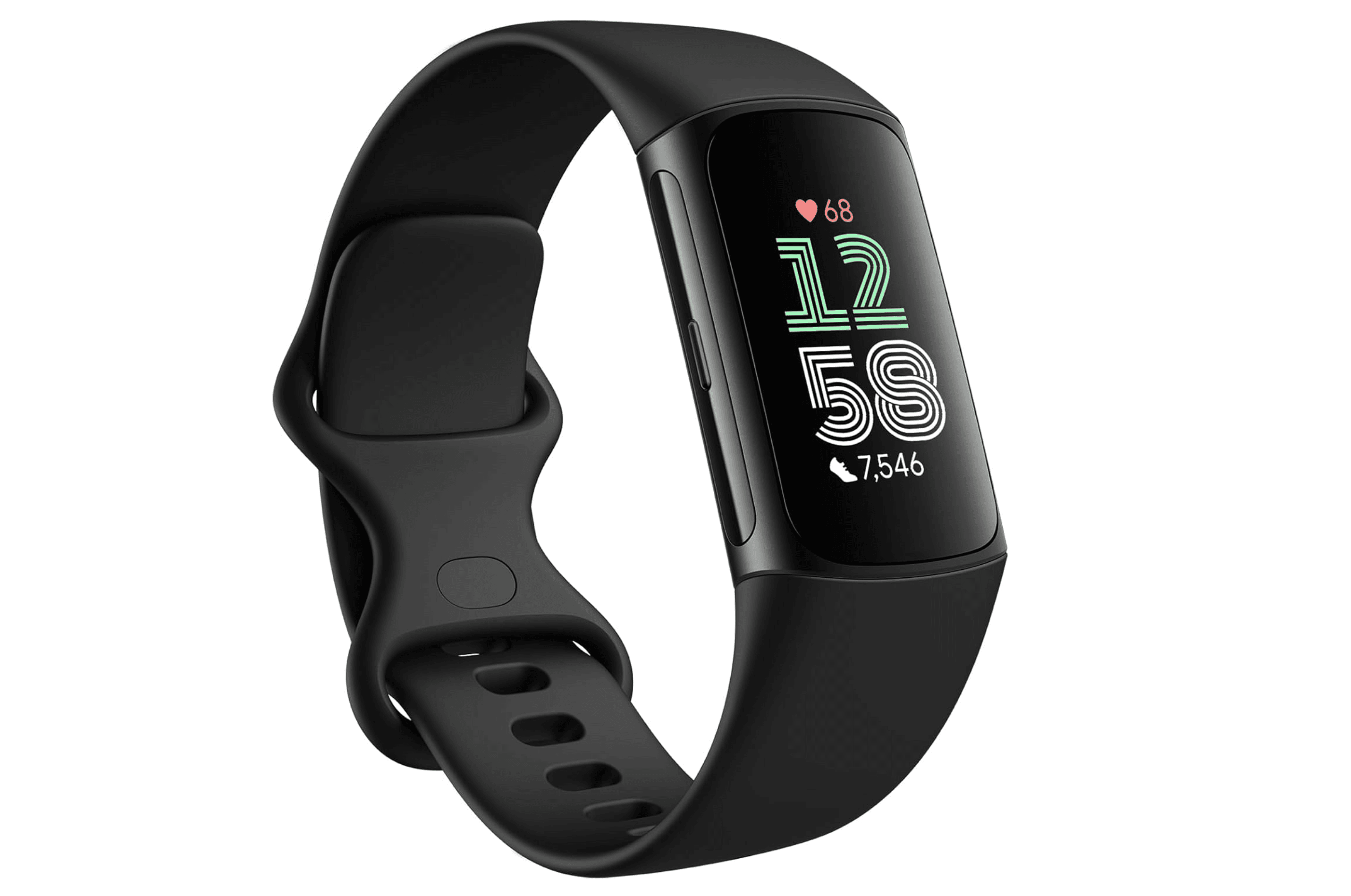
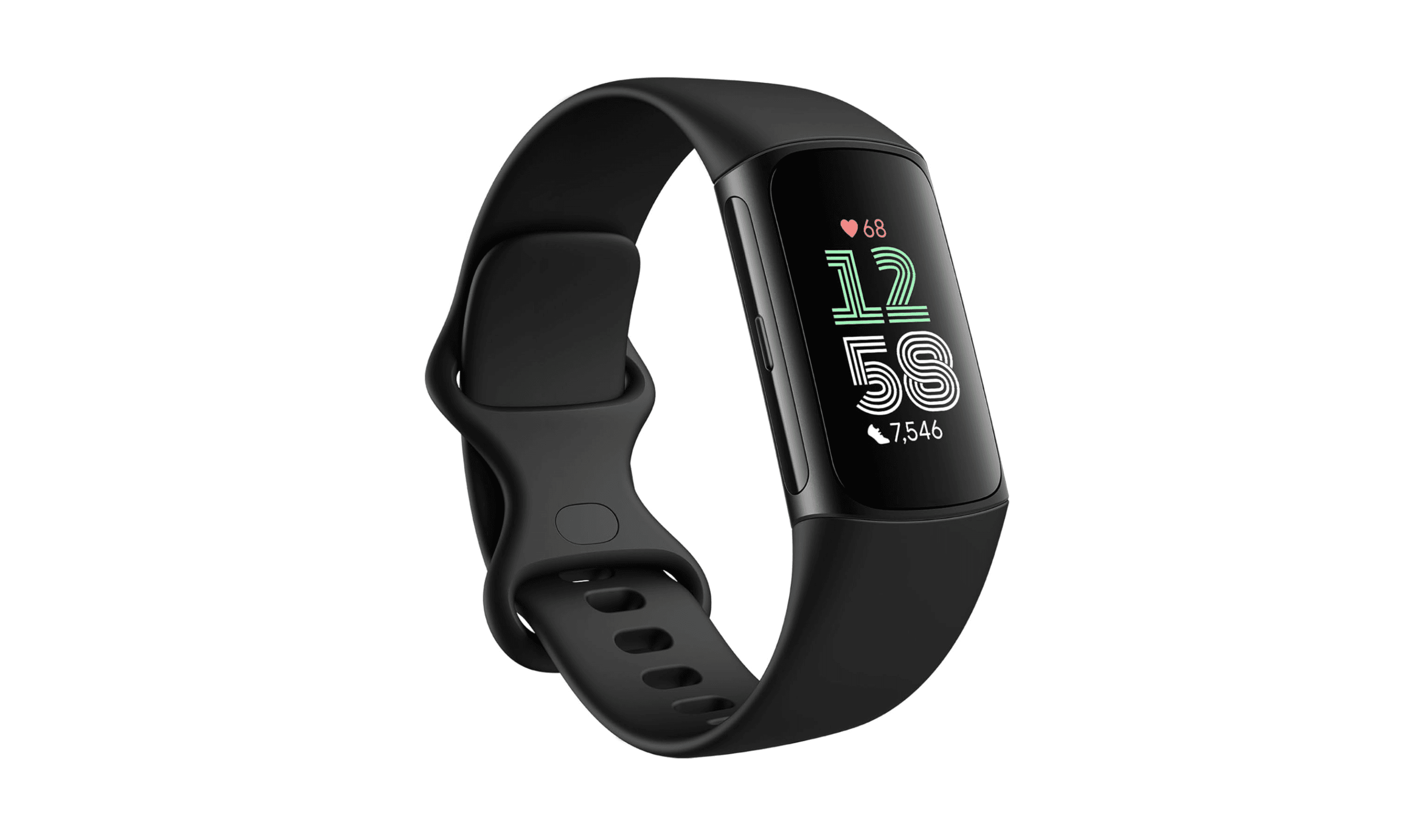
The Fitbit Charge 6 offers comprehensive fitness and wellness tracking in a discreet package that doesn't overwhelm with smartwatch features. It handles sleep analysis, activity monitoring, and basic smart features like Google Maps support with reliable accuracy.
Key highlights
- Detailed sleep tracking with nightly reports
- Support for Google Maps, YouTube Music, and Google Wallet
- Active Zone Minutes metric for workout intensity
- Bright AMOLED touchscreen display
- Approximately 7 days of battery life
Pros
- Excellent balance of features and simplicity
- Cross-platform compatibility with both Android and iOS
- Comfortable, discreet design for 24/7 wear
- Accurate heart rate monitoring for most activities
Cons
- Some advanced features require a Google Health Premium subscription
- GPS accuracy can vary in dense urban areas or heavily wooded trails
- Limited smartwatch capabilities compared to full smartwatches
Who it is for: People who want comprehensive health tracking without smartwatch complexity, especially those already in the Google/Fitbit ecosystem.
Skip if
You need advanced training metrics for serious athletic training or want full smartwatch app support.
Fitbit Inspire 3 - Best value
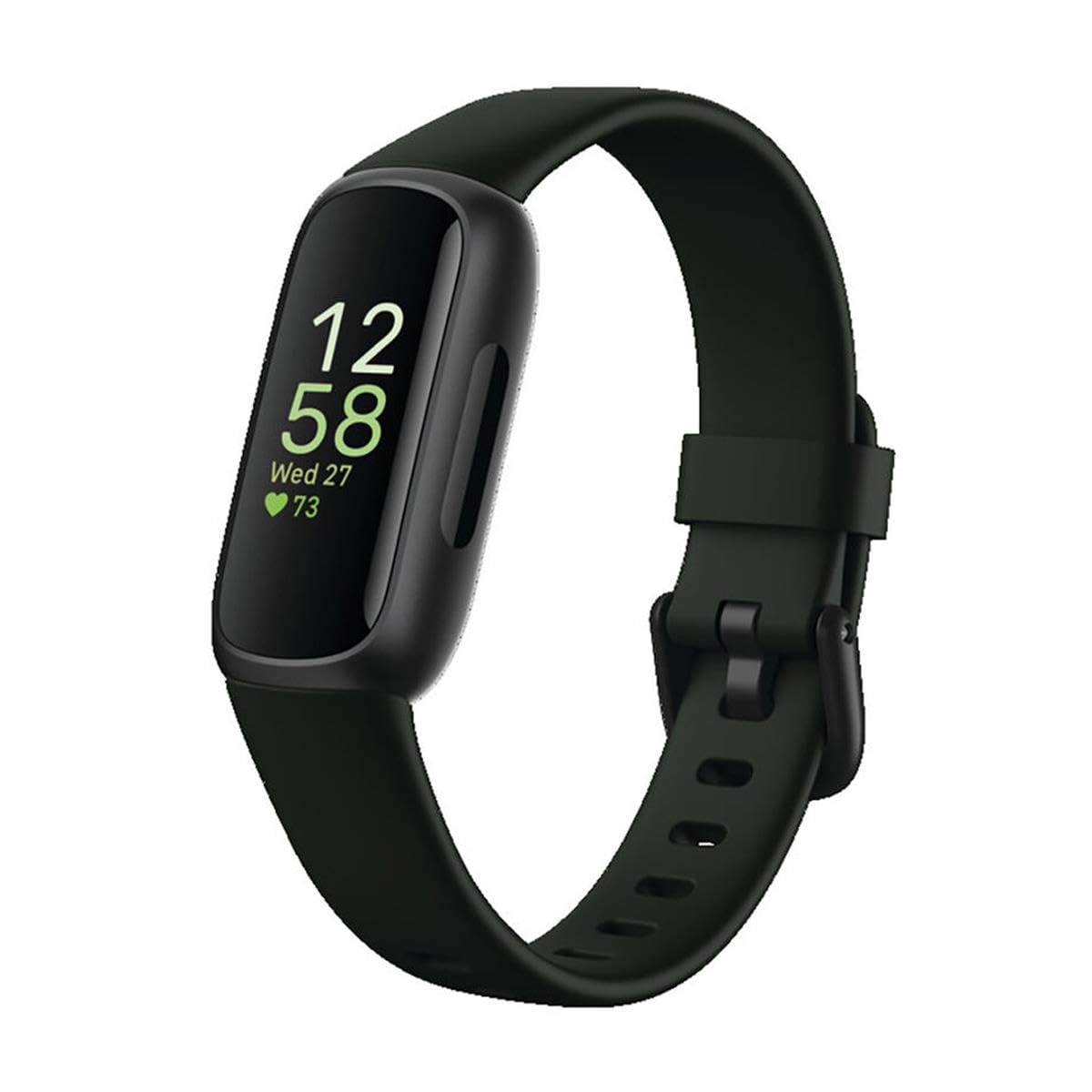
For under $100, the Fitbit Inspire 3 delivers reliable basic tracking with impressive battery life and a color touchscreen. It focuses on core metrics without unnecessary extras, making it ideal for fitness beginners or budget-conscious users.
Key highlights
- Color touchscreen in a compact design
- Up to 10 days of battery life on single charge
- 24/7 heart rate tracking and 40+ exercise modes
- Sleep tracking and SpO2 monitoring
- Move reminders and basic activity tracking
Pros
- Exceptional value for basic tracking needs
- Lightweight and comfortable for all-day wear
- Simple interface easy for beginners to navigate
- Free Google Health app provides core tracking insights
Cons
- No built-in GPS for outdoor workouts
- Limited smart features and notifications
- Basic display compared to premium models
Who it is for: First-time tracker users, budget shoppers, or anyone wanting reliable step and sleep tracking without complexity.
Skip if
You need GPS for running or cycling, or want advanced training metrics.
Garmin Forerunner 265 - Best for runners
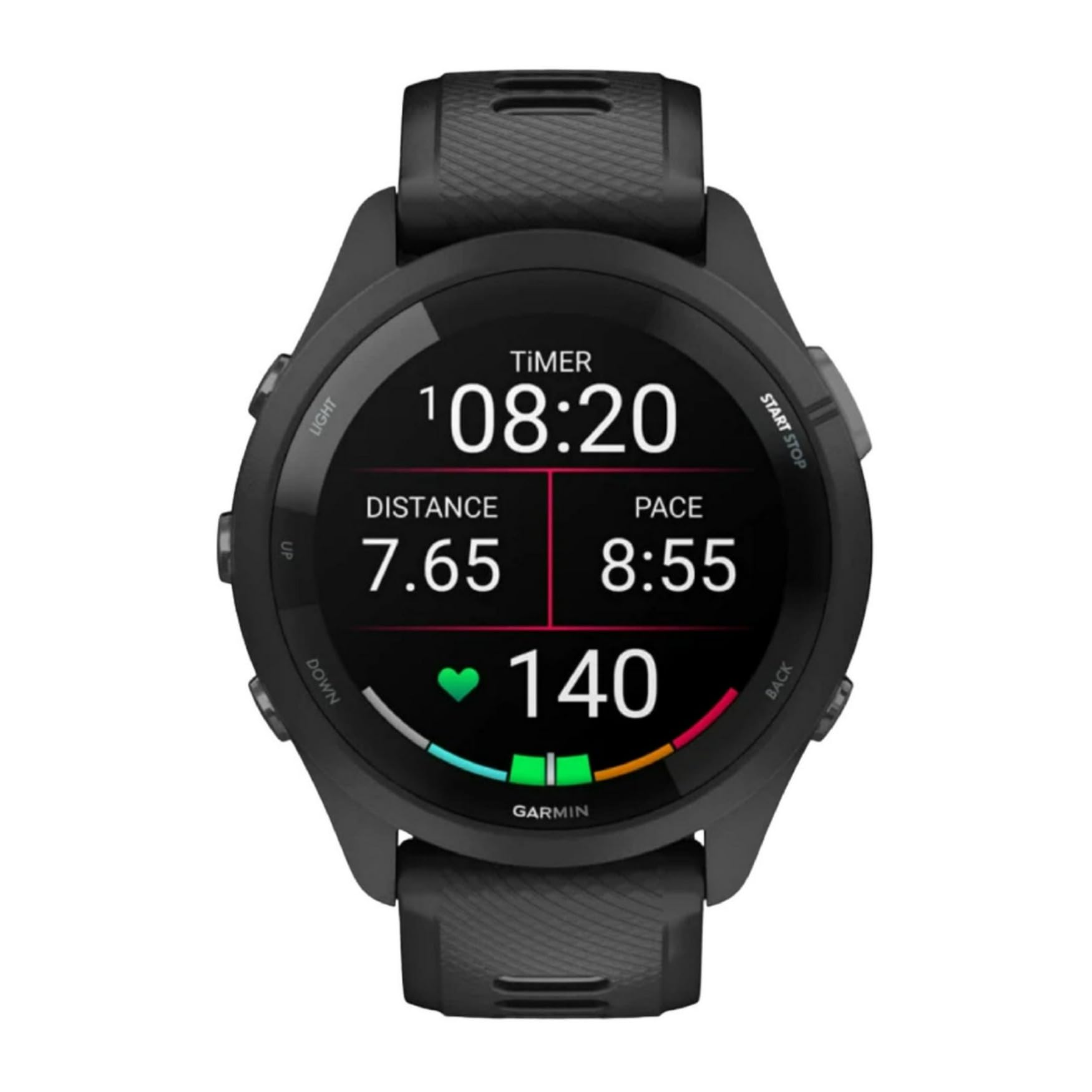
Serious runners will appreciate the Garmin Forerunner 265's dedicated training metrics, coaching features, and reliable GPS tracking. It provides the data depth athletes need without smartwatch distractions.
Key highlights
- Advanced running dynamics and training metrics
- Garmin Run Coach for personalized training plans
- Dual-band GPS for accurate location tracking
- Training readiness score based on recovery data
- Up to 13 days of battery life in smartwatch mode
Pros
- Industry-leading GPS accuracy for outdoor activities
- Comprehensive training metrics for improvement tracking
- Long battery life even with regular GPS use
- Durable construction suitable for daily training
Cons
- Higher price point than basic fitness trackers
- Interface can be overwhelming for casual users
- Limited smart features compared to smartwatches
Who it is for: Dedicated runners, triathletes, and anyone following structured training programs.
Skip if
You're a casual exerciser or prioritize smartwatch features over training data.
Apple Watch Series 11 - Best for iPhone users
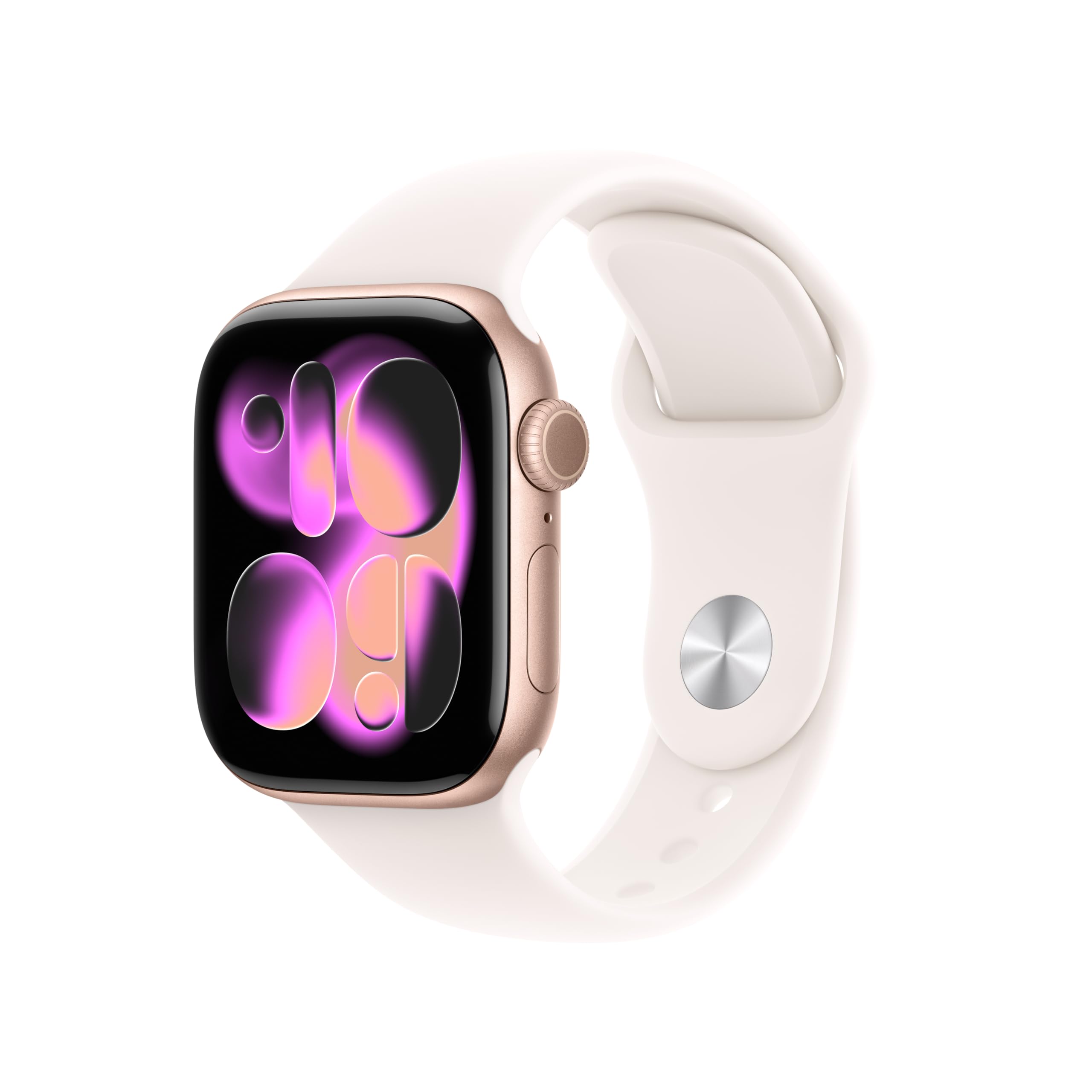
iPhone owners get the most seamless experience with the Apple Watch Series 11, which combines capable fitness tracking with full smartwatch functionality. The improved battery life makes it more practical for 24/7 wear.
Key highlights
- 24-hour battery life for all-day tracking
- Comprehensive health monitoring including ECG
- Tight integration with iPhone and Apple ecosystem
- Fitness+ workout streaming service access
- Advanced safety features like fall detection
Pros
- Best-in-class smartwatch experience for iPhone users
- Polished fitness tracking with beginner-friendly interface
- Extensive third-party app support
- Regular software updates with new features
Cons
- Requires daily charging for most users
- Only fully functional with iPhone
- Higher price than dedicated fitness trackers
Who it is for: iPhone users who want both fitness tracking and smartwatch capabilities in one device.
Skip if
You use Android or prefer longer battery life over smart features.
Whoop 5.0 - Best screen-free
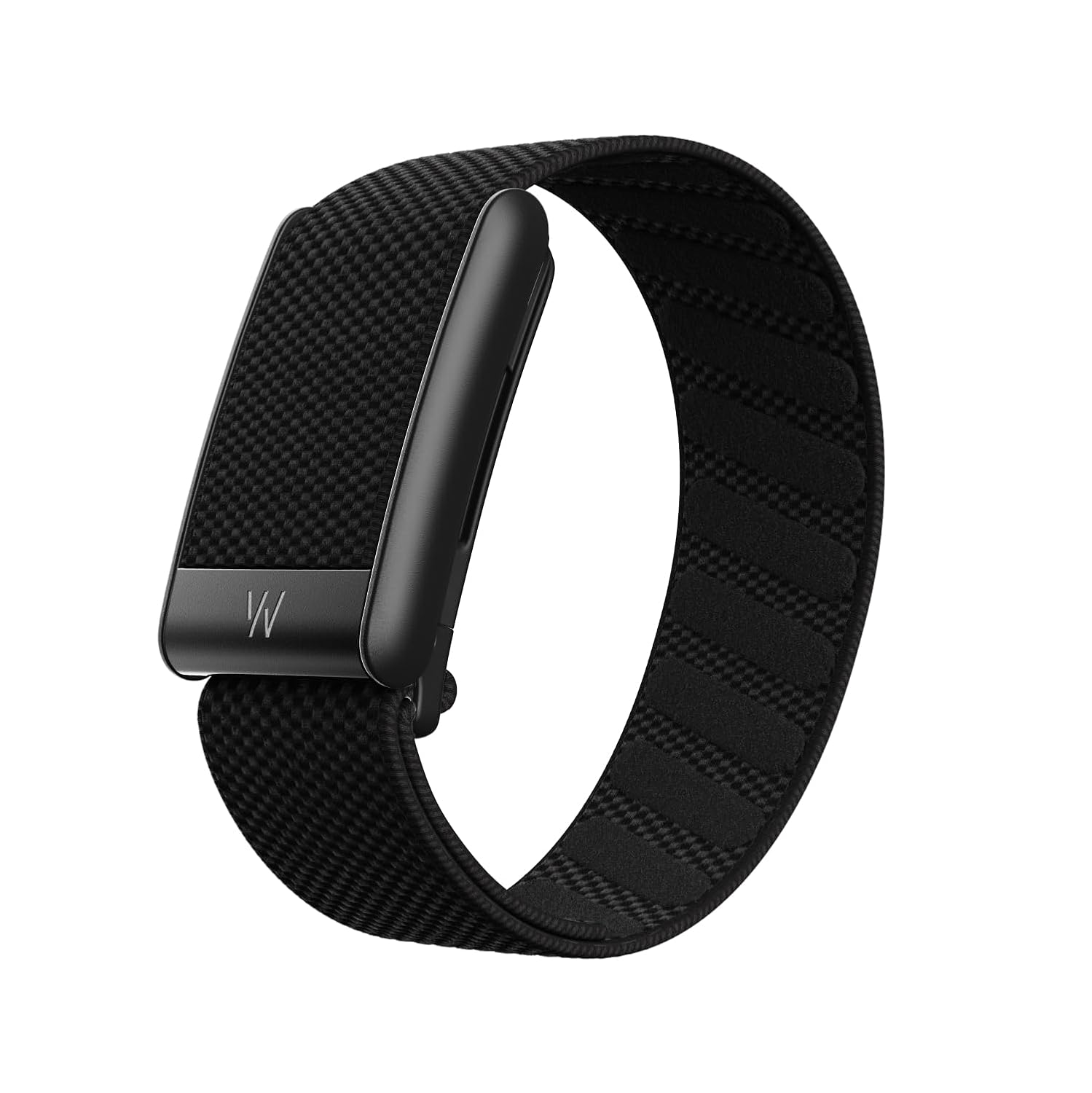
The Whoop 5.0 takes a different approach by eliminating the screen entirely, focusing instead on recovery, strain, and sleep data delivered through its app. The subscription model provides continuous updates and coaching.
Key highlights
- No screen design reduces distraction
- Focus on recovery metrics and strain optimization
- Advanced sleep tracking with sleep coach
- Includes WHOOP 5.0 and a 12-month Peak membership
- Waterproof design for 24/7 wear
Pros
- Eliminates screen distraction during workouts
- Excellent recovery and sleep analysis
- Regular feature updates through subscription
- Comfortable band suitable for all-day wear
Cons
- Ongoing membership required after the included 12 months
- No screen means checking phone for all data
- Higher long-term cost than one-time purchase devices
Who it is for: Serious athletes focused on recovery optimization, or anyone wanting to reduce screen time while tracking fitness.
Skip if
You prefer seeing data on your wrist or don't want ongoing subscription costs.
Also Good
- Garmin Vivoactive 6 - a balanced smartwatch for fitness and daily life.
- Oura Ring 4 - top-tier sleep tracking in a discreet ring form.
- Xiaomi Smart Band 10 - unbeatable budget pick with epic battery life.
How to Choose
Consider these factors when selecting your fitness tracker:
Battery life vs. features: More features usually mean shorter battery life. Basic trackers last weeks, while smartwatches need daily charging.
Screen preference: Decide if you want data on your wrist (traditional trackers) or prefer checking your phone (screen-free options like Whoop).
Ecosystem compatibility: iPhone users get the best experience with Apple Watch, while Android users have more flexibility with Fitbit and Garmin devices.
Subscription costs: Some devices (Whoop, Oura, Google Health Premium features) require ongoing payments for full functionality.
Primary use case: Runners need GPS accuracy, general fitness users need reliable heart rate tracking, and sleep-focused users need detailed sleep analysis.
FAQ
Do I need a fitness tracker or a smartwatch?
Fitness trackers focus on health metrics with longer battery life, while smartwatches add communication, apps, and more features at the cost of daily charging. Choose based on whether health tracking or smart features are your priority.
How accurate are wrist-based heart rate monitors?
Modern optical heart rate sensors are generally accurate for steady-state cardio but can struggle with high-intensity interval training or rapid heart rate changes. Chest straps remain more accurate for serious training.
What's the real cost of subscription-based trackers?
The WHOOP Peak listing includes the device and 12 months of membership; continued access requires renewal. Oura membership costs $5.99 per month after the included first month for new members. Budget for recurring fees, and check hardware upgrade terms separately.
Can fitness trackers actually improve my health?
Trackers provide data that can increase awareness of activity patterns, sleep quality, and recovery needs. The effectiveness depends on using the insights to make behavior changes, not just collecting data.
How important is GPS in a fitness tracker?
Built-in GPS is essential for accurate distance and pace tracking during outdoor runs, cycles, or hikes. If you always carry your phone, phone-connected GPS may suffice, but built-in is more convenient and accurate.
Published March 3, 2026 Last updated October 1, 2026
Share this article
More in News
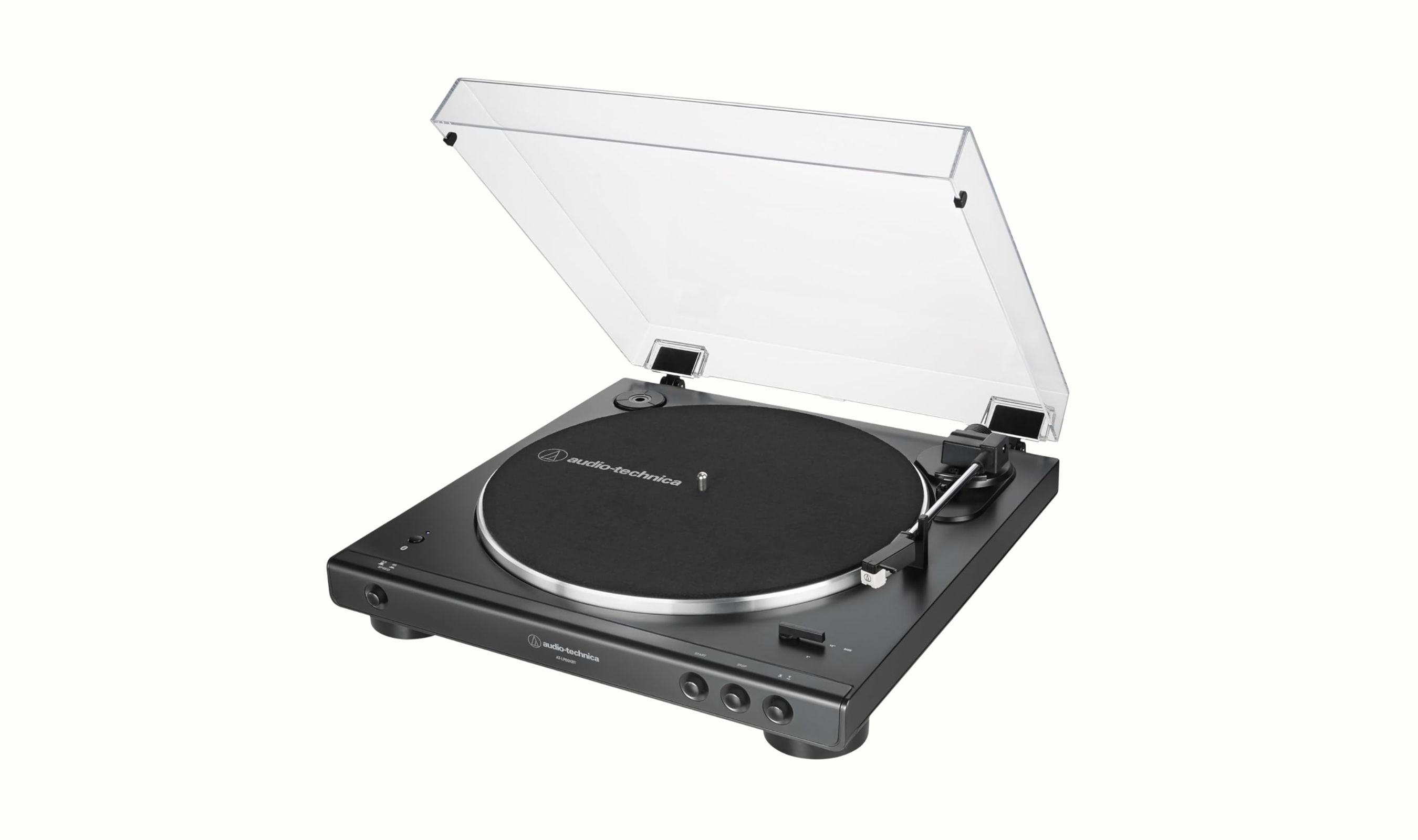
7 Best Turntables for Beginners in 2026
From the $250 Audio-Technica AT-LP60XBT to the Pro-Ject Debut Carbon Evo, here are 7 beginner turntables tested for easy setup, sound, and value.
3 min read
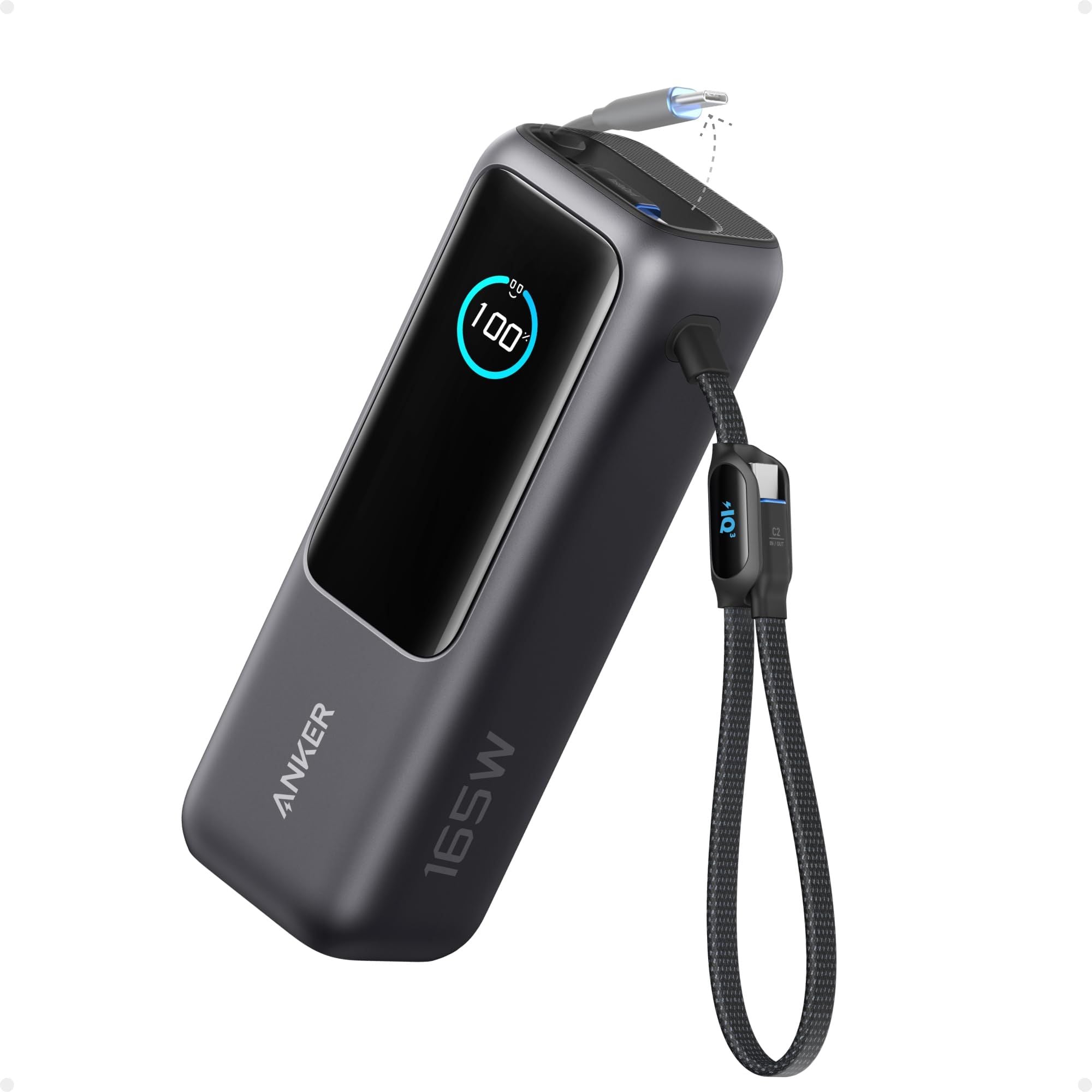
Best Anker Power Banks in 2026
The Anker Laptop Power Bank 25K 165W is our top pick for strong laptop output, ample capacity, and two built-in USB-C cables.
3 min read
Best 32-Inch TVs for 2026
The LG LQ6300 tops our list of the best 32-inch TVs for 2026, offering natural picture quality and solid gaming performance at a fair price for compact spaces.
4 min read
8 Best Wireless Chargers for 2026
Belkin BoostCharge Pro is our top pick for 2026. Compare the best wireless chargers for iPhone, Android, and multi-device setups.
4 min read
6 Best Smart Toasters for 2026
4 min read

7 Best Digital Photo Frames for 2026
3 min read
6 Best Laptops for Engineering Students in 2026
3 min read
8 Best Computer Speakers for 2026
3 min read
Best Wired Earphones for 2026
3 min read
7 Best Mice for Photo Editing in 2026
3 min read
8 Best Keyboards From Top Brands in 2026
3 min read
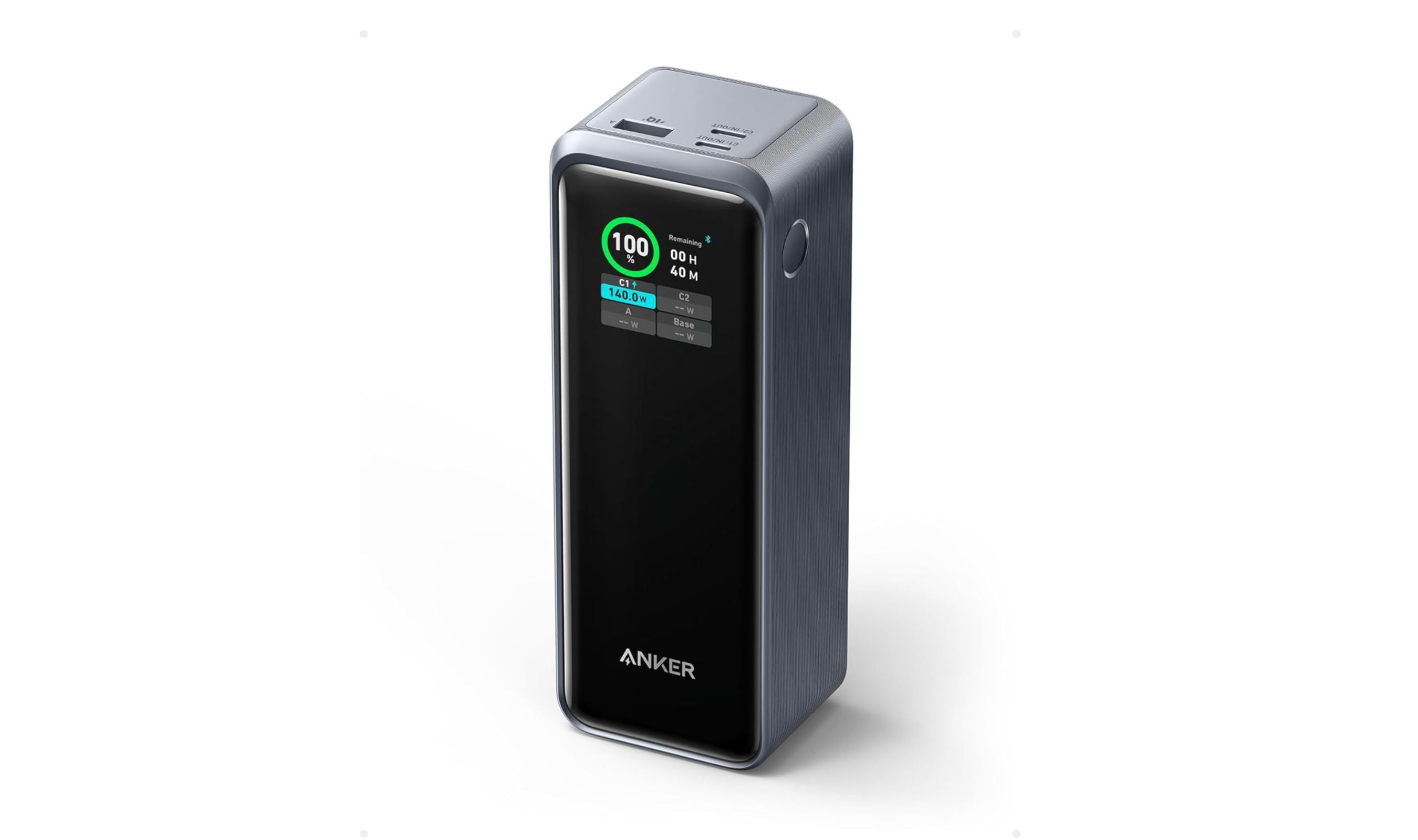
8 Best High Capacity Power Banks for 2026
5 min read